

Finding the right dental provider for implants can feel overwhelming, especially when you’re searching “dental implants near me” and getting hundreds of results. Whether you’ve lost a tooth due to injury, decay, or natural aging, dental implants offer a permanent solution that looks, feels, and functions like your natural teeth. This comprehensive guide will walk you through everything Texas residents need to know about finding quality dental implant providers, understanding the procedure, evaluating costs, and making informed decisions about your oral health. With over 3 million Americans currently having dental implants and that number growing by 500,000 annually, you’re not alone in this journey toward restoring your confident smile.
Understanding Dental Implants and Why They Matter
Dental implants represent the gold standard in tooth replacement technology. Unlike dentures or bridges, implants integrate directly with your jawbone, providing stability that prevents bone loss and maintains facial structure.
What Are Dental Implants Exactly?
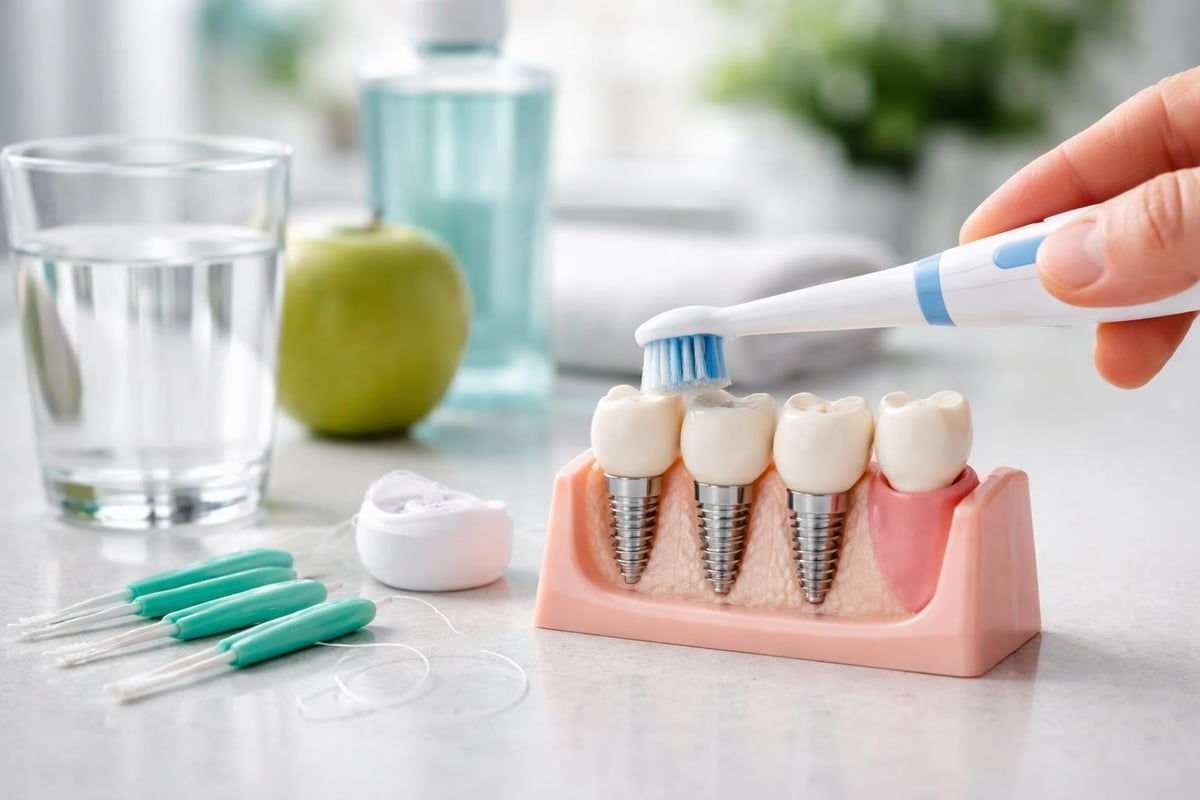
A dental implant consists of three main components working together to replace a missing tooth. The titanium post serves as an artificial tooth root, surgically placed into your jawbone. An abutment connects the post to the replacement tooth, and finally, a custom-made crown matches your natural teeth perfectly.
The key benefits of dental implants include:
- Permanent solution with a 95-98% success rate over ten years
- Prevention of jawbone deterioration that occurs with missing teeth
- No impact on surrounding healthy teeth, unlike traditional bridges
- Natural appearance and comfortable fit
- Ability to eat all foods without restriction
- Improved speech compared to removable dentures
- Enhanced self-confidence and quality of life
Research published by the National Center for Biotechnology Information confirms that dental implants have become increasingly predictable and successful when performed by qualified professionals using proper protocols.
Who Makes a Good Candidate?
Not everyone qualifies immediately for dental implants, but many obstacles can be overcome with proper planning. Ideal candidates possess sufficient jawbone density, healthy gums, and good overall health. Adults of any age can receive implants, provided they’ve finished jaw growth, typically around age 18.
Certain conditions require additional evaluation. Patients with diabetes, heart disease, or those undergoing radiation therapy need medical clearance. Smokers face higher failure rates but can still succeed with proper commitment to the process. Individuals with insufficient bone density may require bone grafting procedures before implant placement.

Searching for “Dental Implants Near Me” in Texas
When Texas residents search for dental implants near me, they’re looking for more than just proximity. The right provider combines expertise, technology, and patient-centered care in a convenient location.
What to Look for in a Local Dental Implant Provider
Qualifications matter tremendously in implant dentistry. Look for dentists with advanced training in implantology, ideally with continuing education certificates and membership in professional organizations like the American Academy of Implant Dentistry. Experience counts significantly, as implant placement requires surgical precision and artistic judgment.
Technology investments indicate a practice’s commitment to excellence. Modern practices utilize 3D imaging for precise planning, digital scanning for accurate impressions, and computer-guided surgery for optimal placement. These technologies improve outcomes and reduce recovery time.
| Evaluation Factor | What to Assess | Why It Matters |
|---|---|---|
| Professional Credentials | Advanced training, certifications, years of experience | Ensures technical competency and surgical expertise |
| Technology & Equipment | 3D imaging, digital workflows, surgical guides | Improves precision and predictability |
| Patient Reviews | Testimonials, before/after photos, success stories | Provides real-world outcomes and satisfaction data |
| Treatment Options | Single implants, All-on-4, hybrid solutions | Indicates comprehensive capabilities |
| Consultation Process | Thorough examination, clear communication, detailed planning | Reflects patient-centered approach |
Patient reviews and testimonials offer valuable insights into the actual experience. Studies examining patient knowledge about dental implants reveal significant gaps, making it essential to find providers who prioritize patient education throughout the process.
Geographic Considerations for Texas Families
Convenience plays a practical role in your implant journey. Multiple appointments spanning several months mean location becomes increasingly important. Texas families benefit from dental care providers with multiple locations across communities like Beeville, Converse, Leander, New Braunfels, and Seguin.
Consider these geographic factors when searching for dental implants near me:
- Travel time during recovery: Shorter distances matter when post-operative care requires quick access
- Scheduling flexibility: Multiple locations often provide more appointment availability
- Family coordination: Convenient locations make it easier to manage care for multiple family members
- Emergency access: Proximity ensures rapid response if complications arise
The Dental Implant Process: What to Expect
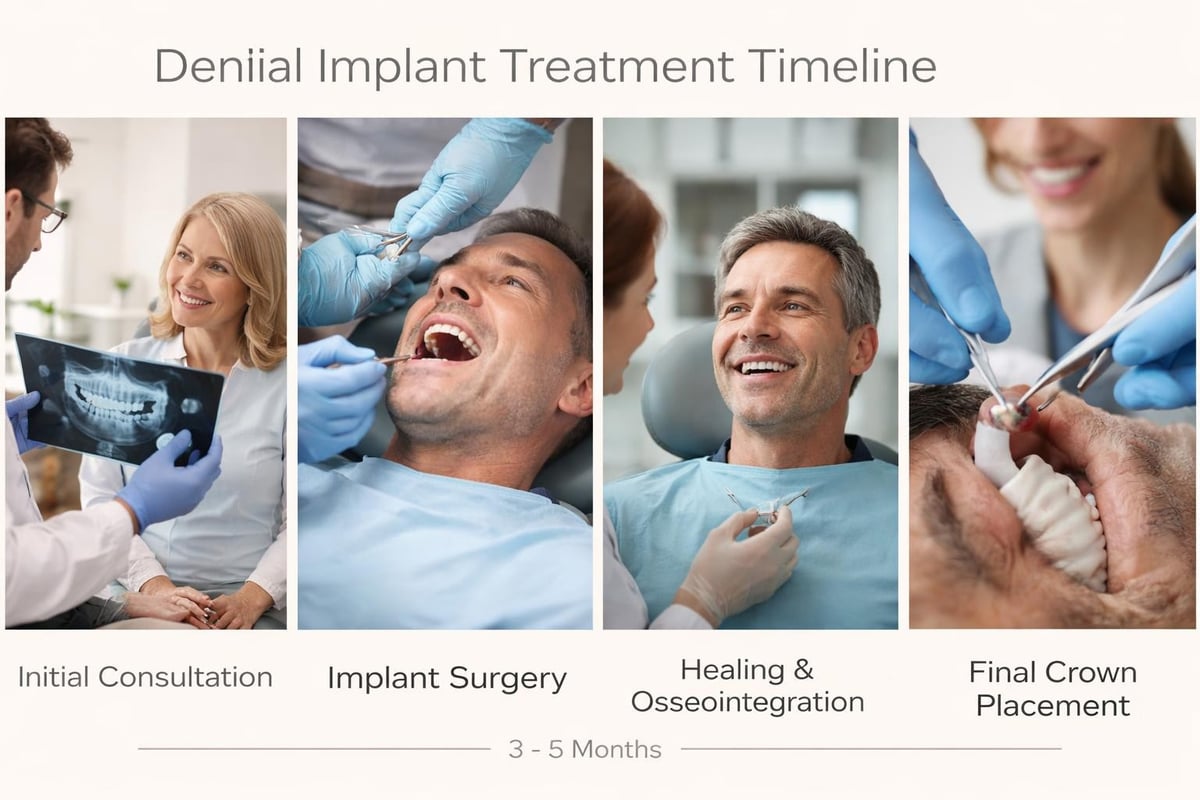
Understanding the complete implant process helps set realistic expectations and reduces anxiety about the unknown. The journey typically spans three to six months, though individual timelines vary.
Initial Consultation and Planning
Your first visit establishes the foundation for successful treatment. Comprehensive examinations include digital X-rays, 3D CT scans, and oral health assessments. Your dentist evaluates bone density, gum condition, and overall oral health to determine candidacy.
Treatment planning becomes personalized based on your specific situation. Your dentist discusses options, creates a timeline, and provides detailed cost estimates. This appointment presents the perfect opportunity to ask questions about the procedure, recovery, and long-term care requirements.
Key questions to ask during consultation:
- How many implant procedures have you personally performed?
- What is your success rate, and how do you define success?
- What specific technology will be used in my treatment?
- What are potential complications, and how are they managed?
- What does the timeline look like from start to finish?
- Are there alternative treatment options I should consider?
Surgical Placement and Healing
The implant placement procedure typically occurs under local anesthesia, though sedation options exist for anxious patients. Your oral surgeon makes a small incision in the gum tissue, creates a precise hole in the jawbone, and places the titanium post. Most patients report minimal discomfort during the procedure.
Osseointegration, the fusion of implant and bone, requires three to six months. During this period, the titanium post integrates with your jawbone, creating a stable foundation. Temporary restorations maintain aesthetics while healing progresses. Following post-operative instructions carefully maximizes success rates and minimizes complications.
Recovery varies by individual, but most patients return to normal activities within a few days. Mild swelling and discomfort respond well to over-the-counter pain medication. Soft foods dominate your diet initially, gradually transitioning to normal eating as healing progresses.
Abutment Placement and Final Restoration
After osseointegration completes, a minor procedure attaches the abutment to the implant post. This connecting piece protrudes through the gum tissue, providing attachment for the final crown. Gum tissue requires a few weeks to heal around the abutment before final restoration.
Crown fabrication uses digital impressions for precise fit and natural appearance. Modern dental laboratories create custom crowns matching your natural teeth in color, shape, and translucency. The final crown attaches to the abutment, completing your restoration and returning full function to your bite.
Cost Considerations for Dental Implants
Financial planning represents a significant concern when searching for dental implants near me. Understanding cost structures, insurance coverage, and financing options helps make informed decisions aligned with your budget.
Breaking Down the Investment
Single tooth implant costs in Texas typically range from $3,000 to $6,000, including the surgical placement, abutment, and crown. This investment replaces one tooth with a permanent solution lasting decades with proper care. Multiple implants or full-arch restorations like All-on-4 provide economies of scale, with per-tooth costs decreasing.
Several factors influence final pricing:
- Geographic location and local market rates
- Dentist’s experience and credentials
- Technology and materials used
- Need for preliminary procedures like bone grafting
- Type of restoration (standard crown vs. custom aesthetics)
- Sedation or anesthesia options selected
Cost comparison of tooth replacement options:
| Treatment Option | Initial Cost | Lifespan | Long-term Value |
|---|---|---|---|
| Dental Implant | $3,000-$6,000 | 25+ years with proper care | Highest lifetime value per year |
| Fixed Bridge | $2,000-$5,000 | 10-15 years average | Requires tooth preparation, affects adjacent teeth |
| Partial Denture | $500-$2,500 | 5-8 years typical | Lowest initial cost, frequent replacement needed |
| Complete Denture | $1,500-$4,000 | 5-10 years | Doesn’t prevent bone loss, requires adjustments |
While implants require higher upfront investment, their longevity and bone preservation qualities often make them the most cost-effective long-term solution. Bridges and dentures require replacement every 5-15 years, accumulating costs over a lifetime.
Insurance and Financing Options
Dental insurance coverage for implants has improved significantly in recent years. Many plans now provide partial coverage, typically 50% of the surgical placement under major restorative benefits. However, annual maximum limits and waiting periods may apply. Contact your insurance provider to verify specific coverage details before beginning treatment.
Payment savings plan and financing options make implants accessible to more patients. Many dental practices offer:
- In-house payment plans with monthly installments and no interest
- Third-party healthcare financing through companies like CareCredit
- Dental savings plans providing discounted rates for members
- Flexible spending accounts (FSA) or health savings accounts (HSA) for pre-tax payment
Research on online dental implant information quality highlights the importance of getting accurate cost information directly from qualified providers rather than relying solely on internet sources.
Advanced Implant Solutions and Options
Modern implant dentistry offers solutions for virtually every tooth loss scenario. Understanding your options helps you make informed decisions about which approach best suits your needs.
All-on-4 and Full-Arch Restoration
Patients missing all teeth in an arch can benefit from All-on-4 technology, which supports a full set of replacement teeth on just four strategically placed implants. This approach reduces costs, eliminates bone grafting in most cases, and often allows same-day teeth placement. The All-on-4 hybrid solutions provide immediate function and aesthetics while permanent restorations are fabricated.
Full-mouth reconstruction using implants transforms lives for patients with extensive tooth loss or severely compromised dentition. These comprehensive treatments combine multiple dental specialties, creating customized solutions that restore function, health, and confidence. Treatment planning considers facial aesthetics, bite relationships, and long-term stability.
Same-Day Implants and Immediate Loading
Technological advances enable same-day teeth in selected cases. Immediate loading protocols place temporary crowns on implants the same day as surgical placement. This approach works best when initial stability is excellent and no infection exists. Patients leave the office with functional teeth instead of waiting months for osseointegration.
Same-day implants aren’t appropriate for everyone. Candidates need adequate bone density, good overall health, and commitment to following post-operative protocols carefully. Your dentist evaluates your specific situation to determine if immediate loading suits your case.
Overcoming Common Concerns and Objections
Hesitation about dental implants often stems from misconceptions or legitimate concerns that deserve thoughtful consideration. Addressing these worries directly helps patients move forward with confidence.
Pain and Recovery Fears
Many patients worry about pain during and after implant surgery. Reality proves far less dramatic than imagination. Local anesthesia ensures comfort during the procedure, with most patients reporting less discomfort than a tooth extraction. Post-operative pain typically remains mild, managed effectively with over-the-counter medications.
Recovery timeline expectations:
- Days 1-3: Mild swelling and discomfort, soft food diet, ice application helps
- Days 4-7: Significant improvement, gradual return to normal activities
- Weeks 2-3: Minimal restrictions, sutures removed if non-dissolvable
- Months 3-6: Osseointegration continues, no symptoms during normal healing
Age-Related Questions
Older adults often question whether they’re too old for implants. Age alone doesn’t disqualify anyone from implant treatment. Overall health matters more than chronological age. Seniors with good general health and adequate bone density achieve success rates comparable to younger patients.
Conversely, younger patients must wait until jaw development completes, typically around age 18 for females and 21 for males. Premature placement risks complications as facial structures continue growing.
Long-Term Success and Maintenance
Properly maintained dental implants can last a lifetime. The titanium post rarely fails once osseointegration completes. Crown components may require replacement after 10-15 years due to normal wear, but this represents routine maintenance rather than implant failure.
Success requires commitment to excellent oral hygiene. Daily brushing and flossing, regular professional cleanings, and avoiding excessive forces (like ice chewing or teeth grinding) preserve your investment. Research examining dental implant quality registries demonstrates that proper maintenance and professional monitoring significantly extend implant longevity.
Finding Quality Care at Dental Plus Clinic Locations
When searching for dental implants near me across Texas, families benefit from providers offering comprehensive care across multiple convenient locations. Accessibility, consistency, and expertise combine to deliver exceptional patient experiences.
Why Multiple Locations Matter
Dental Plus Clinic serves Texas communities through five strategically located offices in Beeville, Converse, Leander, New Braunfels, and Seguin. This geographic distribution ensures families throughout central and south Texas access high-quality dental implant services without excessive travel time.
Multiple locations provide practical advantages beyond convenience. Consistent protocols across all offices ensure uniform quality standards. Advanced technology investments at each location eliminate the need to travel to specialty centers. Flexible scheduling accommodates busy family calendars more easily with expanded availability.
Patients appreciate continuity of care when the same clinical team manages treatment across locations. Digital records integrate seamlessly, allowing any office to access your complete dental history. This coordination proves especially valuable during emergencies or when scheduling conflicts arise.
Comprehensive Services Under One Roof
Implant dentistry often requires coordination with other dental specialties. Practices offering comprehensive oral health services streamline treatment by providing everything needed in one location. Preliminary treatments like tooth extractions, bone grafting, or periodontal care integrate seamlessly with your implant timeline.
Family-friendly practices accommodate diverse needs across age groups. Parents managing pediatric dentistry for children while addressing their own implant needs appreciate consolidated care. Coordinated scheduling allows multiple family members to receive treatment during the same visit, minimizing time away from work and school.
Making Your Decision: Next Steps
Armed with comprehensive information about dental implants, you’re ready to take action toward restoring your smile. The decision-making process becomes clearer when broken into manageable steps.
Evaluating Your Personal Situation
Begin with honest self-assessment of your needs, goals, and constraints. Consider which teeth require replacement and how tooth loss impacts your daily life. Assess your budget realistically, exploring payment options that align with your financial situation. Evaluate your schedule and availability for the multi-month treatment process.
Personal evaluation checklist:
- Current oral health status and any existing dental problems
- How tooth loss affects eating, speaking, and confidence
- Budget parameters and insurance coverage details
- Timeline flexibility for treatment spanning several months
- Support system availability during recovery periods
- Long-term commitment to maintenance requirements
Scheduling Your Consultation
Professional evaluation provides personalized answers to your specific questions. During consultation, expect comprehensive examination, detailed treatment planning, and transparent cost discussions. This appointment establishes rapport with your dental team and determines if the practice aligns with your expectations.
Prepare for maximum consultation value by bringing:
- Complete list of current medications and supplements
- Medical history including chronic conditions
- Dental insurance information and identification
- List of questions and concerns about the procedure
- Photos of your smile showing aesthetic goals
The importance of quality patient information cannot be overstated, making the consultation your opportunity to gather accurate, personalized details about your treatment.
Understanding Treatment Commitment
Successful implant treatment requires patient commitment to the complete process. Multiple appointments span several months, each playing a crucial role in final outcomes. Post-operative care instructions must be followed precisely to prevent complications and ensure proper healing.
Long-term success depends on maintaining excellent oral hygiene and attending regular dental checkups. Professional cleanings every six months allow your dental team to monitor implant health and address minor issues before they escalate. This ongoing relationship preserves your investment and ensures lasting results.
Frequently Asked Questions About Dental Implants
How long do dental implants last?
Dental implants can last a lifetime with proper care and maintenance. The titanium post rarely fails once it fully integrates with your jawbone. The crown component typically lasts 10-15 years before requiring replacement due to normal wear. Studies show success rates exceeding 95% at ten years when performed by qualified professionals.
Are dental implants painful?
Most patients report minimal discomfort during implant placement thanks to local anesthesia. Post-operative pain typically remains less severe than tooth extraction, managed effectively with over-the-counter pain relievers. Swelling and mild discomfort subside within a few days. The vast majority of patients say the results far exceeded any temporary inconvenience.
How much do dental implants cost in Texas?
Single tooth implants in Texas range from $3,000 to $6,000, including all components. Multiple implants or full-arch restorations provide economies of scale. Factors affecting cost include location, dentist experience, materials used, and any preliminary procedures needed. Many practices offer financing options to make treatment affordable.
Does insurance cover dental implants?
Many dental insurance plans now provide partial coverage for implants, typically 50% under major restorative benefits. Coverage varies significantly by plan, with annual maximums and waiting periods potentially applicable. Medical insurance may cover implants when tooth loss results from accident or medical condition. Verify specific coverage details with your insurance provider before beginning treatment.
Can dental implants fail?
While dental implants boast high success rates, failures occasionally occur. Early failures typically result from infection, insufficient bone density, or inadequate osseointegration. Late failures may stem from poor oral hygiene, excessive forces, or peri-implantitis (inflammation around the implant). Choosing experienced providers and maintaining excellent oral hygiene minimizes failure risk significantly.
How long does the dental implant process take?
Complete treatment typically spans three to six months from initial placement to final restoration. Osseointegration requires three to six months for the implant to fuse with jawbone. Some cases qualify for same-day teeth with immediate loading protocols. Complex cases requiring bone grafting may extend timelines. Your dentist provides personalized timeline estimates during consultation.
What are the alternatives to dental implants?
Alternative tooth replacement options include fixed bridges, partial dentures, and complete dentures. Bridges require preparation of adjacent healthy teeth and last 10-15 years. Removable dentures cost less initially but don’t prevent bone loss and require frequent adjustments. Each option presents trade-offs in cost, longevity, function, and aesthetics. Cosmetic dentistry consultations explore all options to determine what best suits your situation.
Can I get dental implants if I have gum disease?
Active gum disease must be treated and controlled before implant placement. Infection compromises osseointegration and increases failure risk significantly. Your dentist treats periodontal disease first, ensuring healthy gum tissue and adequate bone density before proceeding with implants. This preliminary care protects your investment and improves long-term outcomes.
Do I need a bone graft for dental implants?
Bone grafting becomes necessary when insufficient bone density exists at the implant site. Long-term tooth loss often causes jawbone deterioration. Grafting rebuilds bone volume, creating a stable foundation for implant placement. Not all patients require grafting; comprehensive evaluation determines individual needs. Modern techniques make bone grafting predictable and successful.
How do I care for dental implants?
Implant care closely resembles natural tooth maintenance. Brush twice daily with soft-bristled toothbrushes, floss daily using specialized implant floss or water flossers, and attend professional cleanings every six months. Avoid excessive forces like ice chewing or using teeth as tools. Regular professional monitoring ensures early detection and management of any potential issues.
Special Considerations for Texas Families
Texas families face unique considerations when seeking dental implant care. Understanding these regional factors helps optimize your treatment experience and outcomes.
Climate and Healing
Texas heat and humidity require special attention during recovery. Stay well-hydrated throughout the healing process, as dehydration can slow tissue repair. Air-conditioned environments prevent excessive swelling. Outdoor activities should be limited initially, with sun protection essential if venturing outside during the first week post-surgery.
Coordinating Family Dental Care
Families benefit from coordinating multiple members’ dental needs at practices offering comprehensive services. Scheduling dental exams and cleanings for children alongside parent implant appointments maximizes efficiency. Some practices offer family scheduling assistance, consolidating visits to minimize time commitments.
Emergency Preparedness
Texas weather occasionally creates unexpected challenges. Have contingency plans for severe weather that might prevent travel to scheduled appointments. Maintain emergency contact information for your dental office. Stock post-operative care supplies in advance of potential storms or extreme weather events that could limit pharmacy access.
Final Thoughts
Finding quality dental implants near me requires careful research, realistic expectations, and commitment to the complete treatment process. Understanding costs, procedures, and long-term maintenance empowers you to make confident decisions about restoring your smile. Whether you’re dealing with a single missing tooth or extensive tooth loss, modern implant dentistry offers reliable solutions that enhance both function and aesthetics. Dental Plus Clinic combines advanced technology, experienced professionals, and patient-centered care across five convenient Texas locations, making it easier than ever for families in Beeville, Converse, Leander, New Braunfels, and Seguin to access exceptional implant dentistry. Schedule your consultation today to discover how dental implants can transform your oral health and restore your confident smile.