
When you're dealing with missing teeth, the journey to restoring your smile can feel overwhelming. The question of dental implants vs veneers for missing teeth is one that many patients ask, but understanding the fundamental differences between these treatments is essential for making the right decision. While both procedures can dramatically improve your smile's appearance, they serve distinctly different purposes and address different dental concerns. This comprehensive guide will help you understand which solution is appropriate for your specific situation, what to expect from each treatment, and how to move forward with confidence.
Understanding the Fundamental Differences Between Implants and Veneers
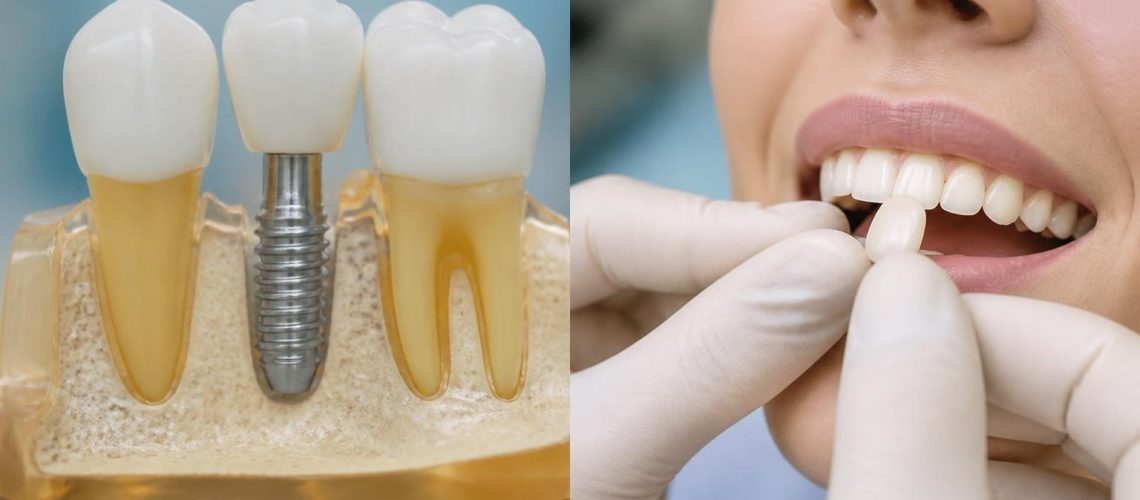
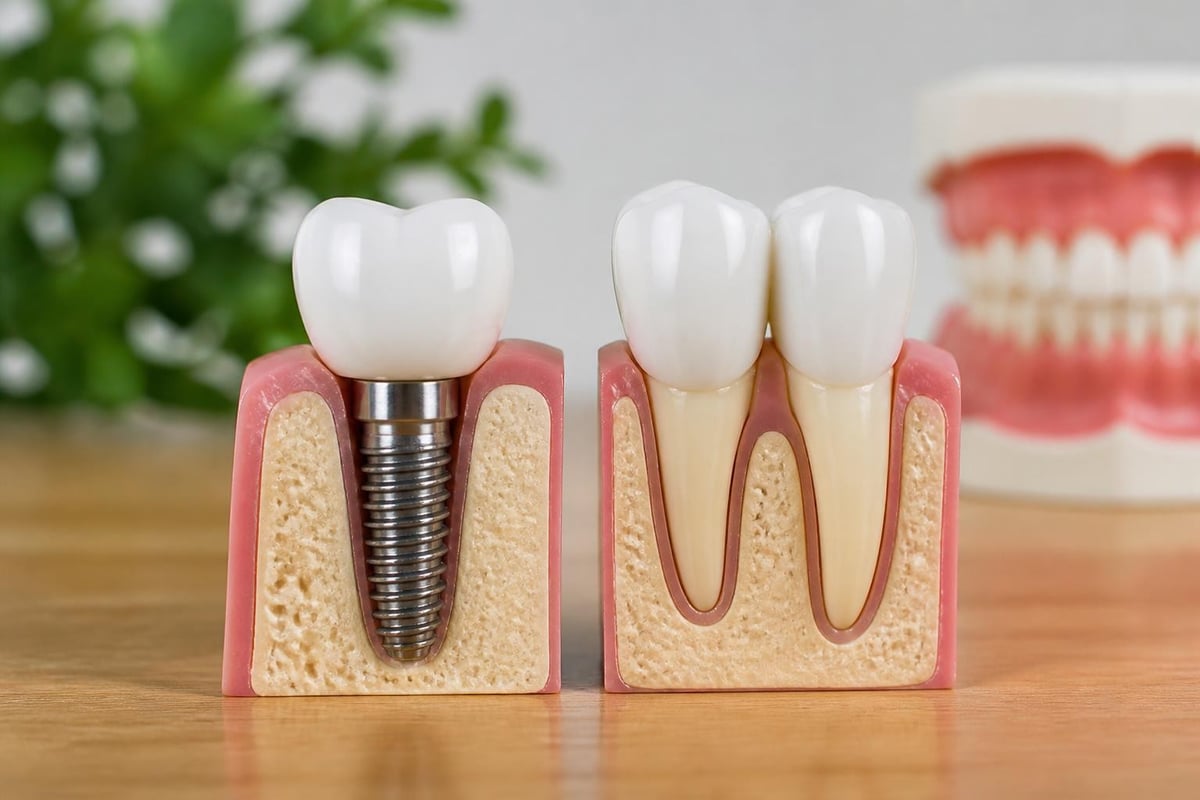
The confusion surrounding dental implants vs veneers for missing teeth often stems from a basic misunderstanding of what each treatment accomplishes. Dental implants are prosthetic tooth roots surgically placed into your jawbone to replace missing teeth entirely. They provide a foundation for replacement teeth that look, feel, and function like natural teeth.
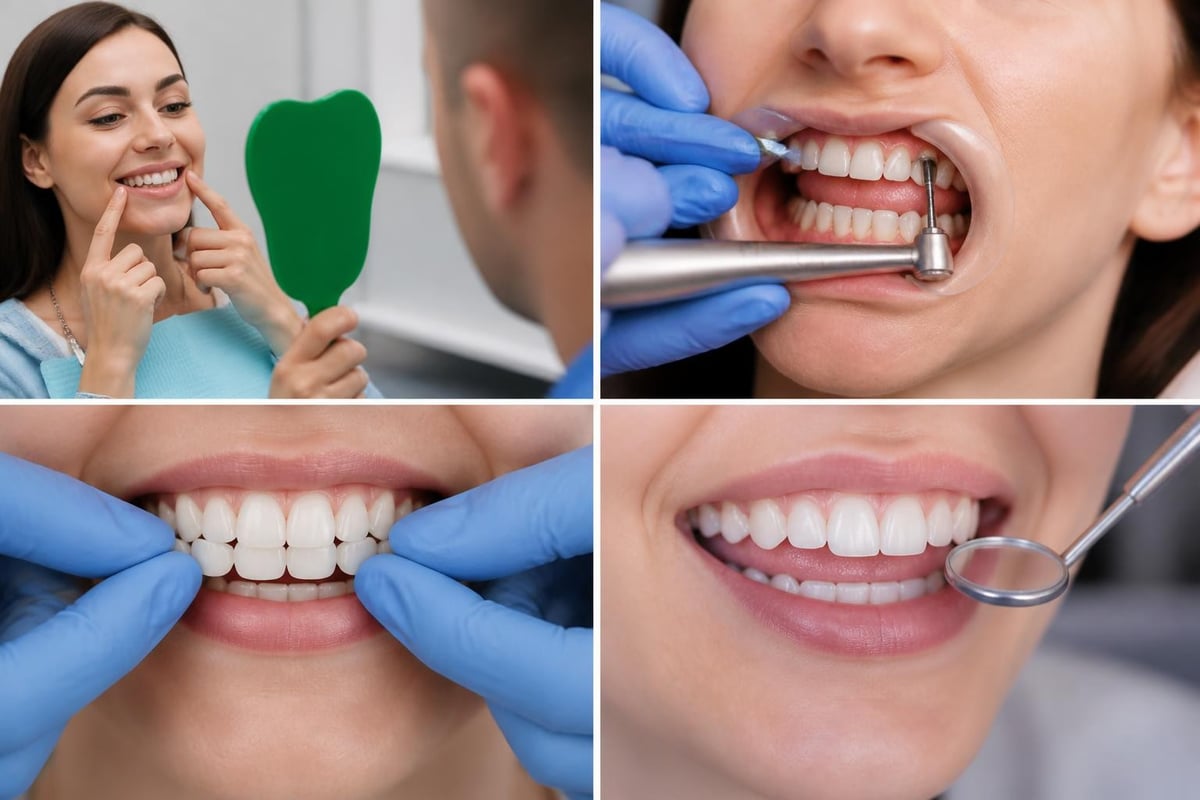
Veneers, conversely, are thin shells of porcelain or composite resin bonded to the front surface of existing teeth. They're designed to improve the appearance of teeth that are discolored, chipped, slightly misaligned, or have gaps between them. Veneers cannot replace missing teeth because they require an existing tooth structure for attachment.
Why Veneers Don't Work for Missing Teeth
Many patients mistakenly believe that veneers can serve as a replacement option for teeth that are completely missing. This misconception has been perpetuated by social media influencers and unlicensed practitioners offering veneers without proper dental credentials.
The reality is straightforward: veneers need something to adhere to. Without a tooth present, there's no structure to support a veneer. Attempting to use veneers for missing teeth would be like trying to paint a wall that doesn't exist.
When Dental Implants Are the Right Choice
Dental implants represent the gold standard for tooth replacement in modern dentistry. They're the only solution that replaces both the visible crown and the root structure beneath your gumline. This comprehensive approach offers benefits that extend far beyond aesthetics.
Complete Tooth Replacement Benefits
Dental implants provide structural integrity that other solutions cannot match. The titanium post fuses with your jawbone through a process called osseointegration, creating a stable foundation that prevents bone loss. This biological integration means implants can last a lifetime with proper care.
According to comprehensive comparisons between dental treatment options, implants offer several distinct advantages:
- Preserve jawbone density by stimulating bone tissue like natural tooth roots
- Prevent facial structure changes that occur when bone deteriorates
- Restore full chewing power at approximately 70-80% of natural bite force
- Protect adjacent teeth without requiring modification of healthy tooth structure
- Eliminate dietary restrictions associated with removable dentures
The Implant Placement Process
Understanding the timeline helps set realistic expectations. The complete dental implant process typically unfolds in three main phases:
| Phase | Duration | What Happens |
|---|---|---|
| Initial Surgery | 1-2 hours per implant | Titanium post placed into jawbone |
| Osseointegration | 3-6 months | Bone fuses with implant post |
| Crown Placement | 2-3 weeks | Custom crown attached to healed implant |
Some patients qualify for immediate loading protocols where temporary teeth are placed the same day, but traditional staged approaches remain most common. Your dentist will evaluate bone density, overall health, and specific anatomical factors when determining your candidacy for dental implants.
Advanced Implant Technologies in 2026
Recent innovations have made implant placement more precise and predictable. 3D prediction frameworks for missing teeth enable clinicians to plan implant positioning with unprecedented accuracy. Digital scanning and computer-guided surgery reduce treatment time and improve outcomes.
Research into implant surface modifications continues to enhance osseointegration rates while minimizing complications. These advances mean patients in 2026 benefit from faster healing times and higher success rates than ever before.
When Veneers Are the Appropriate Solution
While veneers cannot address the issue of dental implants vs veneers for missing teeth directly, they excel at transforming smiles when teeth are present but aesthetically compromised. Understanding their proper applications helps patients make informed decisions.
Cosmetic Enhancement for Existing Teeth
Porcelain veneers offer remarkable cosmetic improvements for a range of concerns affecting otherwise healthy teeth. They're particularly effective for:
- Severe discoloration resistant to professional whitening treatments
- Minor chips or cracks that don't compromise tooth structure
- Small gaps between teeth that don't require orthodontic correction
- Slightly misaligned teeth where orthodontics isn't desired
- Worn enamel from grinding or acid erosion
- Uneven tooth lengths creating an irregular smile line
The veneer process is minimally invasive compared to implants. A small amount of enamel (typically 0.5mm) is removed to accommodate the veneer thickness. Temporary veneers protect prepared teeth while your custom veneers are fabricated in a dental laboratory.
Veneer Placement Timeline and Expectations
| Appointment | Purpose | Time Required |
|---|---|---|
| Consultation | Assessment, shade selection, treatment planning | 60-90 minutes |
| Preparation | Enamel removal, impressions, temporary placement | 90-120 minutes |
| Final Placement | Bonding permanent veneers, bite adjustment | 60-90 minutes |
Most patients complete the veneer process within 2-3 weeks. The results are immediately visible, providing instant smile transformation. Expert comparisons of veneers and implants emphasize that veneers address aesthetic concerns rather than structural tooth loss.
Combining Treatments for Comprehensive Smile Restoration
Many patients facing complex dental issues benefit from combining multiple treatments. When you have both missing teeth and cosmetic concerns with remaining teeth, a comprehensive approach delivers optimal results.
Strategic Treatment Planning
A full mouth evaluation identifies all areas requiring attention. You might need implants to replace missing molars while using veneers to enhance the appearance of front teeth. This integrated strategy addresses both function and aesthetics.
At Dental Plus Clinic locations across Texas, treatment coordinators develop customized plans that prioritize interventions based on urgency, health impact, and patient goals. Structural issues like missing teeth typically receive attention before cosmetic enhancements.
Full Mouth Reconstruction Considerations
Patients missing multiple teeth or dealing with extensive dental damage may benefit from full mouth reconstruction that incorporates various restorative and cosmetic procedures. This might include:
- Dental implants for missing teeth replacement
- Crowns for severely damaged teeth
- Veneers for cosmetic enhancement of healthy teeth
- Bone grafting to rebuild jaw structure
- Gum contouring to improve smile symmetry
Research on tissue healing and bone remodeling around immediately loaded implants has expanded options for accelerated treatment timelines, allowing some patients to complete complex reconstructions more quickly than traditional protocols required.
Cost Considerations and Investment Value
Financial planning is a crucial aspect of deciding between treatment options. Understanding the cost structures helps you make informed decisions aligned with your budget and priorities.
Dental Implant Investment
Single tooth implants typically range from $3,000 to $6,000 per tooth, including the surgical placement, abutment, and crown. Multiple missing teeth might be addressed through All-on-4 or All-on-6 systems, which replace full arches at a lower per-tooth cost.
Factors affecting implant costs include:
- Geographic location and local market rates
- Dentist experience and specialization level
- Need for preparatory procedures (bone grafting, sinus lifts)
- Material choices for the final restoration
- Imaging and laboratory fees
Many patients explore options for dental implants without insurance through financing plans, payment arrangements, or dental savings programs.
Veneer Cost Structure
Porcelain veneers typically cost $1,000 to $2,500 per tooth. Composite resin veneers offer a more economical alternative at $250 to $1,500 per tooth, though they're less durable and stain-resistant than porcelain.
| Treatment | Cost Per Tooth | Lifespan | Replacement Frequency |
|---|---|---|---|
| Dental Implant | $3,000-$6,000 | Lifetime (with care) | Rarely needed |
| Porcelain Veneer | $1,000-$2,500 | 10-15 years | Periodic replacement |
| Composite Veneer | $250-$1,500 | 5-7 years | More frequent replacement |
Long-Term Value Analysis
When comparing dental implants vs veneers for missing teeth (recognizing veneers aren't suitable for actual tooth replacement), implants often prove more cost-effective over decades. A single implant can last a lifetime, while veneers require replacement every 10-15 years.
Calculate lifetime costs by considering replacement cycles. A $4,000 implant that lasts 40 years costs $100 annually. A $1,500 veneer replaced every 12 years costs $125 annually, plus you haven't addressed any missing teeth.
Health Implications and Oral Function
Beyond aesthetics and cost, understanding how each treatment affects your overall oral health guides decision-making. The choice between solutions impacts everything from bone preservation to dietary freedom.
Bone Preservation and Facial Structure
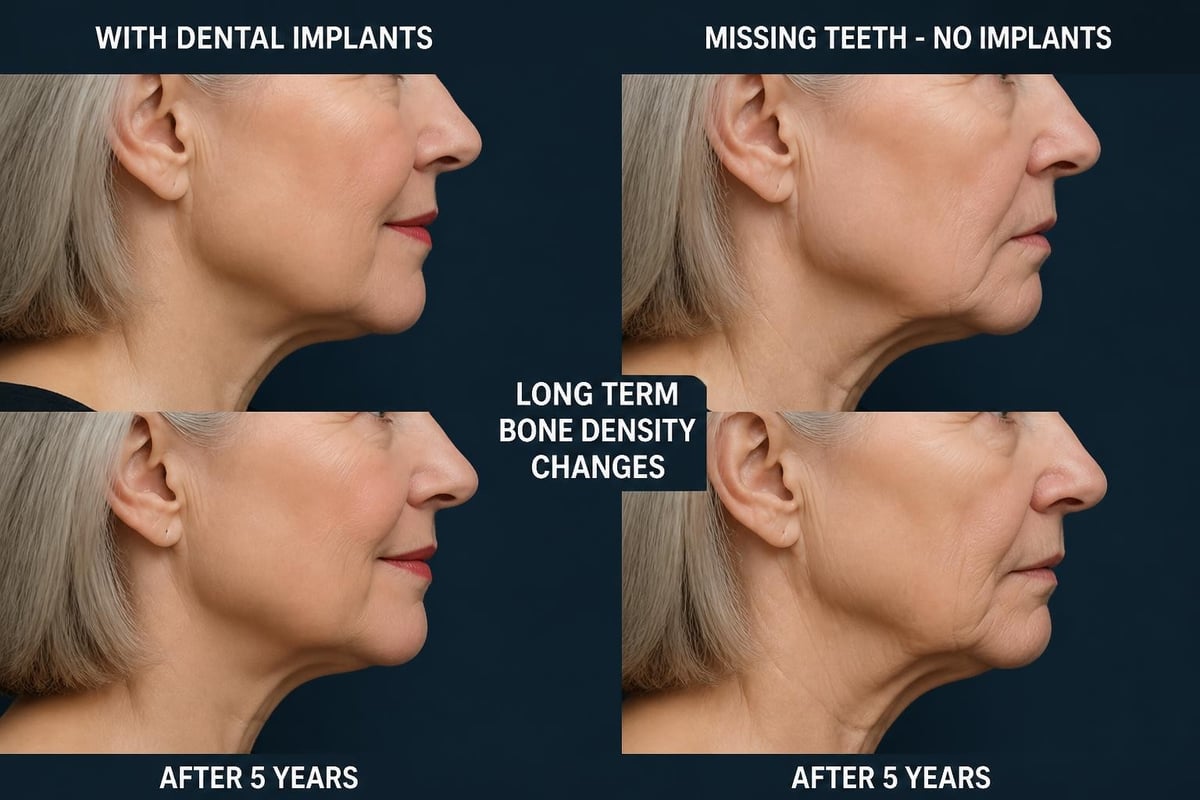
When you lose a tooth, the jawbone in that area begins deteriorating because it no longer receives stimulation from chewing forces. This process, called bone resorption, can lead to:
- Sunken facial appearance as bone volume decreases
- Adjacent tooth shifting into the empty space
- Reduced bone density making future implants more difficult
- Changes in bite alignment affecting jaw function
Dental implants are the only tooth replacement option that prevents bone loss. The titanium post transmits chewing forces into the jawbone, maintaining bone density through mechanical stimulation. Studies on peri-implant bone healing demonstrate how implants actively preserve surrounding bone tissue.
Veneers, while excellent for cosmetic purposes, don't address bone loss because they only cover existing tooth surfaces.
Functional Restoration Capabilities
Missing teeth significantly impact your ability to chew effectively, speak clearly, and maintain proper nutrition. Implants restore approximately 70-80% of natural bite force, allowing you to eat virtually any food without restriction.
Patients with veneers experience no functional limitations because their natural tooth structure remains intact beneath the cosmetic covering. However, understanding the differences between these treatments clarifies that they serve entirely different purposes in comprehensive dental care.
Candidacy Requirements and Contraindications
Not every patient qualifies for every treatment. Medical conditions, lifestyle factors, and anatomical considerations all influence which procedures are appropriate and likely to succeed.
Dental Implant Candidacy Factors
Successful implant placement requires adequate bone density and volume to support the titanium post. Patients who've been missing teeth for extended periods may need bone grafting before implant surgery. Additional considerations include:
- Overall health status and ability to heal from surgery
- Tobacco use which significantly reduces success rates
- Uncontrolled diabetes affecting healing capacity
- Certain medications like bisphosphonates for osteoporosis
- Active gum disease requiring treatment before implant placement
- Sufficient bone height especially in upper jaw near sinuses
Your dentist conducts comprehensive evaluation including 3D imaging to assess bone structure and plan precise implant positioning. Locations like Dental Plus Clinic in Leander utilize advanced diagnostic technology for accurate treatment planning.
Veneer Candidacy Considerations
Veneers require healthy tooth structure and adequate enamel for bonding. Patients with severe grinding habits (bruxism) may need protective night guards to prevent veneer damage. Other factors affecting veneer suitability include:
- Sufficient enamel thickness for preparation without sensitivity
- Healthy gums free from active periodontal disease
- Stable bite alignment without significant malocclusion
- Absence of severe grinding or clenching patterns
- Realistic expectations about cosmetic outcomes
Recovery, Aftercare, and Maintenance
Understanding post-treatment requirements helps you prepare for the healing process and long-term care responsibilities. Both implants and veneers demand specific aftercare protocols for optimal longevity.
Implant Recovery Timeline
The implant healing process unfolds in stages. Initial surgical site healing takes 7-10 days, during which you'll manage minor discomfort with over-the-counter pain medication. Soft food diet is recommended for the first week.
Osseointegration, the fusion of bone with the implant, continues for 3-6 months. During this period, you'll wear a temporary restoration or continue using any existing prosthetic. Most patients return to normal activities within a few days of surgery.
Long-term implant maintenance mirrors natural tooth care:
- Brush twice daily with soft-bristled toothbrush
- Floss carefully around implant crown daily
- Schedule professional cleanings every six months
- Avoid using implant teeth to open packages or crack hard objects
- Report any unusual symptoms immediately to your dentist
Veneer Care Guidelines
Veneers require minimal recovery time. Some patients experience temporary sensitivity to temperature extremes for a few days after placement. This typically resolves as teeth adjust to the new restorations.
Protecting your investment requires consistent care:
- Maintain excellent oral hygiene to prevent decay at veneer margins
- Avoid biting hard objects like ice, nuts, or hard candy
- Wear a night guard if you grind or clench your teeth
- Limit staining substances like coffee, red wine, and tobacco
- Visit your dentist regularly for professional monitoring
Porcelain veneers resist staining better than natural enamel, but the bonding cement and any exposed tooth structure remain vulnerable to discoloration.
Common Misconceptions and Myths
Misinformation about dental treatments circulates widely, particularly on social media platforms. Separating fact from fiction ensures you make decisions based on accurate information rather than popular myths.
Myth: Veneers Can Replace Missing Teeth
This dangerous misconception leads patients to seek inappropriate treatments. As educational resources clearly explain, veneers are cosmetic covers for existing teeth, not replacements for missing ones. Any practitioner suggesting veneers for tooth replacement lacks proper training or ethical standards.
Myth: Dental Implants Are Painful and Risky
Modern implant surgery is performed under local anesthesia with optional sedation for patient comfort. Most patients report less discomfort than tooth extraction. Success rates exceed 95% when proper protocols are followed and patients maintain good oral hygiene.
Myth: Veneers Require Excessive Tooth Reduction
Contemporary veneer techniques are conservative. Minimal prep veneers remove only 0.3-0.5mm of enamel, preserving maximum tooth structure. Some no-prep options exist for specific cases, though they're not suitable for everyone.
Myth: Implants Are Only for Older Adults
Patients as young as 18 (when jaw growth is complete) can receive dental implants. Age isn't a limiting factor; overall health and bone density matter more. Many young adults who've lost teeth to trauma or congenital conditions benefit from implant restoration.
Making Your Decision: Key Questions to Ask
Evaluating your options requires honest assessment of your priorities, expectations, and circumstances. Consider these essential questions when deciding between treatments.
Functional vs. Aesthetic Priorities
Are you missing teeth or trying to improve existing ones? This fundamental question determines whether you're even comparing appropriate options. The discussion of dental implants vs veneers for missing teeth only applies when you actually have missing teeth requiring replacement.
If teeth are present but cosmetically compromised, veneers might be ideal. If teeth are absent, implants (possibly combined with other solutions like bridges) become necessary.
Timeline and Commitment Considerations
How quickly do you need results? Veneers deliver immediate aesthetic transformation within weeks. Implants require months for complete healing but provide permanent solutions. Patients needing rapid smile improvements for upcoming events might choose veneers for existing teeth while planning implants for missing ones on a different timeline.
Can you commit to surgical recovery? Implant placement requires minor surgery with associated healing time. While most patients experience minimal disruption, you'll need to follow post-operative protocols carefully.
Budget and Financial Planning
What's your available budget and payment timeline? Initial costs for implants exceed veneer costs, but lifetime value calculations favor implants. Many practices offer financing options that make comprehensive treatment affordable through monthly payments.
Explore whether your dental insurance covers procedures or if alternative payment arrangements are available.
Frequently Asked Questions
Can I get veneers if I have missing teeth?
No, veneers cannot be placed where teeth are missing because they require existing tooth structure for attachment. You'll need dental implants, bridges, or partial dentures to replace missing teeth before considering veneers for remaining teeth.
How long do dental implants last compared to veneers?
Dental implants can last a lifetime with proper care and maintenance. The crown attached to the implant may need replacement after 10-15 years, but the implant post itself rarely fails. Porcelain veneers typically last 10-15 years before requiring replacement, while composite veneers last 5-7 years.
Are dental implants worth the higher cost?
For missing teeth, implants represent the only permanent, bone-preserving solution available in 2026. Their superior longevity, functional restoration, and health benefits justify the investment for most patients. The question of dental implants vs veneers for missing teeth doesn't involve true alternatives since veneers cannot replace absent teeth.
Can I get same-day teeth with dental implants?
Some patients qualify for immediate loading protocols where temporary teeth attach to implants the same day as surgery. However, traditional staged approaches remain more common and offer higher long-term success rates. Your dentist evaluates bone density, implant stability, and other factors when determining if you're a candidate for immediate loading.
Will insurance cover dental implants or veneers?
Coverage varies significantly by insurance plan. Most dental insurance considers implants medically necessary tooth replacement and provides partial coverage, while classifying veneers as cosmetic with no coverage. Review your specific policy or consult with your insurance provider for accurate benefit information.
Do veneers damage your natural teeth?
The preparation process removes a small amount of enamel (0.3-0.5mm), which is irreversible. However, when performed correctly by trained professionals, veneers don't damage teeth. They actually protect prepared tooth surfaces from decay and wear. Problems arise when unqualified practitioners perform veneer procedures without proper training.
How painful is dental implant surgery?
Most patients report minimal discomfort during implant placement due to effective local anesthesia. Post-operative soreness is typically manageable with over-the-counter pain medication and resolves within a few days. Many patients describe the experience as less uncomfortable than tooth extraction.
Can I eat normally with dental implants?
Yes, dental implants restore approximately 70-80% of natural bite force, allowing you to eat virtually any food without restriction. Unlike dentures that limit dietary choices, implants function like natural teeth. Avoid extreme forces like cracking hard shells with your teeth, but otherwise enjoy normal eating.
Choosing the Right Dental Professional
The quality of your results depends heavily on your dentist's training, experience, and commitment to excellence. Selecting the right provider ensures optimal outcomes and minimizes complications.
Credentials and Specialized Training
Dental implant placement requires advanced training beyond general dentistry. Look for professionals with:
- Continuing education in implant dentistry and oral surgery
- Membership in professional organizations like the American Academy of Implant Dentistry
- Years of experience placing hundreds of implants
- Access to advanced technology including 3D imaging and computer-guided surgery
- Comprehensive approach to treatment planning and patient care
Finding the best implant dentist involves researching credentials, reviewing patient testimonials, and scheduling consultations to assess communication style and treatment philosophy.
Technology and Facility Standards
Modern dental practices utilize technology that improves accuracy and outcomes. Key capabilities include:
- 3D cone beam CT scanning for precise bone assessment
- Digital impressions eliminating uncomfortable traditional molds
- Computer-guided surgery increasing implant placement accuracy
- In-house laboratories or partnerships with quality labs
- Sterilization protocols meeting or exceeding industry standards
Texas locations like Dental Plus Clinic facilities invest in advanced equipment that enhances treatment precision and patient comfort.
Communication and Patient-Centered Care
Your dentist should clearly explain treatment options, answer questions thoroughly, and involve you in decision-making. Warning signs of problematic providers include:
- Pressure tactics to accept treatment immediately
- Dismissive responses to your concerns or questions
- One-size-fits-all recommendations without personalized assessment
- Unclear cost estimates or hidden fees
- Unwillingness to provide references or show before-after photos
Trust your instincts. The right dental professional makes you feel heard, respected, and confident in the proposed treatment plan.
Understanding the distinct purposes of dental implants and veneers clarifies that they serve different needs in comprehensive dental care. Implants replace missing teeth with permanent, functional restorations that preserve bone and restore quality of life, while veneers enhance the appearance of existing healthy teeth.
Whether you need structural tooth replacement, cosmetic enhancement, or a combination of treatments, Dental Plus Clinic provides personalized care backed by advanced technology and experienced professionals across five convenient Texas locations. Schedule a consultation today to discover which solutions will help you achieve the healthy, confident smile you deserve.