

Clear aligners have revolutionized orthodontic treatment, offering a discreet alternative to traditional braces for straightening teeth. As more patients explore this modern approach to achieving a perfect smile, understanding whether dental insurance cover clear aligners becomes a critical financial consideration. The answer isn't straightforward, as coverage varies significantly based on your insurance plan, age, treatment necessity, and specific policy provisions. This comprehensive guide examines the complexities of insurance coverage for clear aligners, helping you navigate the financial landscape of orthodontic treatment.
Understanding Clear Aligner Coverage Basics
Dental insurance policies treat clear aligners differently than standard dental procedures. Most insurance companies classify orthodontic treatments, including clear aligners, under a separate category from preventive or restorative care.
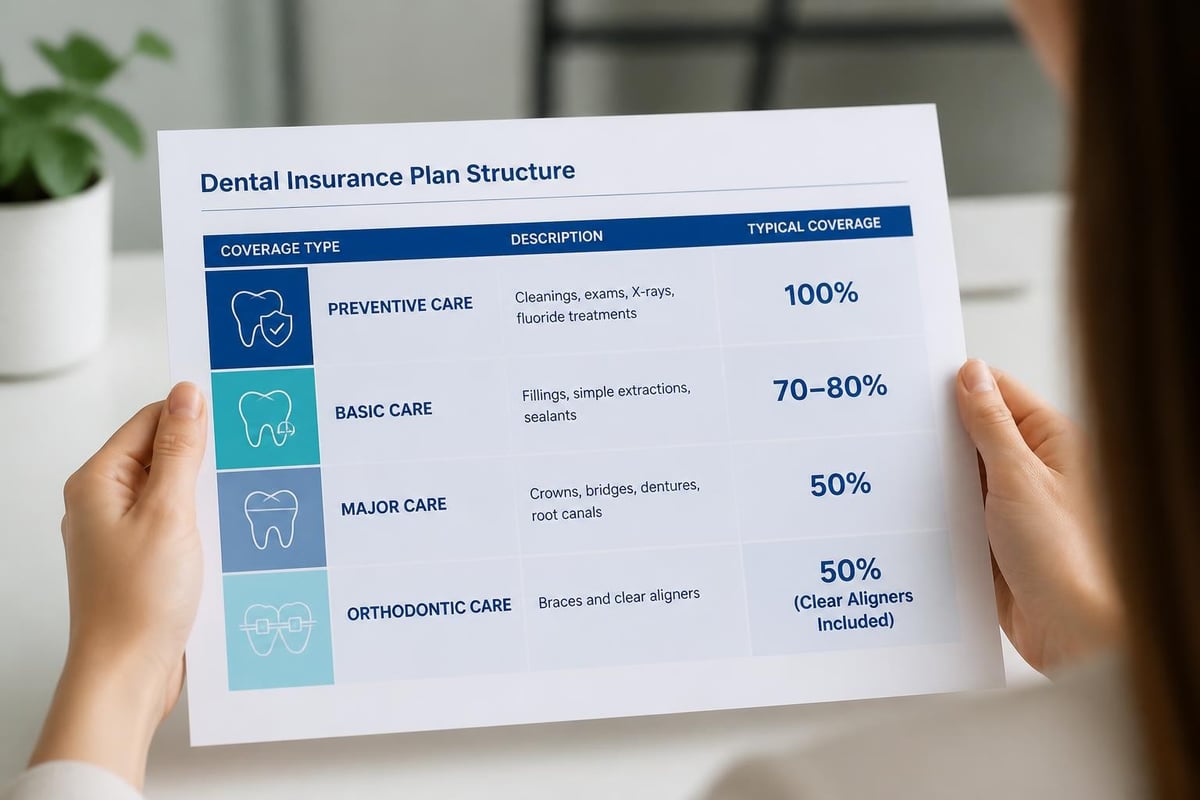
Traditional dental insurance plans typically divide coverage into three categories: preventive services at 100% coverage, basic procedures at 70-80% coverage, and major procedures at 50% coverage. Orthodontic treatments fall into a fourth category with distinct rules and limitations.
How Insurance Companies Classify Clear Aligners
Insurance providers evaluate clear aligner treatment based on several factors:
- Medical necessity: Whether the treatment addresses functional issues or is purely cosmetic
- Age restrictions: Many plans limit orthodontic coverage to patients under 18 or 19 years old
- Plan type: PPO, HMO, and discount plans offer different coverage structures
- Lifetime maximums: Separate caps on orthodontic benefits, typically ranging from $1,000 to $3,000
The distinction between cosmetic and medically necessary treatment significantly impacts whether dental insurance cover clear aligners for your specific case. Conditions like severe overbite, underbite, crossbite, or significant spacing issues generally qualify as medical necessities.
Coverage Percentages and Limitations
When orthodontic benefits are included in a dental plan, coverage typically ranges from 50% of the total treatment cost. However, this percentage applies only up to the lifetime maximum benefit.
| Coverage Component | Typical Range | Important Notes |
|---|---|---|
| Orthodontic Coverage Percentage | 50% | Applied to total treatment cost |
| Lifetime Maximum | $1,000 – $3,000 | Once exhausted, never renews |
| Waiting Period | 6 – 12 months | Required before benefits activate |
| Age Limit | Under 18-19 years | Adult coverage less common |
Understanding these limitations helps set realistic expectations about how much financial assistance your insurance will provide. According to NewMouth’s comprehensive guide on using insurance for clear aligners, the average patient pays between $3,000 and $5,000 out-of-pocket even with insurance coverage.
Factors That Determine Clear Aligner Coverage
Multiple variables influence whether your specific insurance plan will help cover the cost of clear aligners. Understanding these factors empowers you to make informed decisions about treatment timing and provider selection.
Age and Eligibility Requirements
Age represents one of the most significant factors in orthodontic coverage. Most insurance plans prioritize coverage for children and adolescents, reflecting the traditional view that orthodontic treatment is most effective during developmental years.
Adult orthodontic coverage exists but remains less common. Some employers offer enhanced dental plans that include adult orthodontic benefits, though these typically come with higher premiums. Patients over 18 seeking clear aligner treatment should carefully review their policy documents or contact their insurance provider directly.
The landscape is slowly changing as more adults pursue orthodontic treatment. Some progressive insurance companies now recognize the growing demand for adult orthodontics and offer limited benefits, though with stricter medical necessity requirements.
Medical Necessity Versus Cosmetic Treatment
Insurance companies draw a clear line between treatments that address health issues and those performed for aesthetic reasons alone. This distinction heavily influences coverage decisions.
Medically necessary orthodontic conditions include:
- Severe crowding that impairs cleaning ability
- Significant bite problems affecting chewing or speech
- Jaw alignment issues causing pain or dysfunction
- Tooth spacing that increases periodontal disease risk
Purely cosmetic concerns, such as minor spacing adjustments or slight crowding that doesn't impact oral health, typically don't qualify for insurance coverage. Your dentist or orthodontist must document the medical necessity in treatment records and pre-authorization requests.
Plan-Specific Provisions and Requirements
Each insurance plan contains unique provisions that affect clear aligner coverage. Common requirements include:
- Pre-authorization: Submitting treatment plans for approval before starting treatment
- In-network providers: Using designated orthodontists to maximize benefits
- Documentation standards: Providing x-rays, photographs, and detailed treatment justification
- Payment structures: Understanding whether benefits pay per visit or as lump sums
Reading your Explanation of Benefits (EOB) document and speaking with your insurance representative clarifies these specific requirements. The team at Dental Plus Clinic assists patients in navigating these administrative requirements across all five Texas locations.
Types of Insurance Plans and Clear Aligner Coverage
Different insurance plan structures approach orthodontic benefits in distinct ways. Recognizing your plan type helps you understand what coverage to expect.
PPO Plans and Clear Aligners
Preferred Provider Organization (PPO) plans offer the most flexibility for orthodontic treatment. These plans typically provide:
- Freedom to choose any licensed orthodontist or dentist
- Higher benefit levels when using in-network providers
- Out-of-network coverage at reduced percentages
- No referral requirements for specialist visits
PPO plans that include orthodontic benefits usually cover 50% of treatment costs up to the lifetime maximum. The key advantage lies in provider choice, though staying in-network maximizes financial benefits.
HMO and Managed Care Plans
Health Maintenance Organization (HMO) dental plans operate differently from PPO plans. Coverage characteristics include:
- Required use of network providers
- Lower monthly premiums but more restrictions
- Possible referral requirements from primary dentist
- Limited or no coverage for out-of-network care
Some HMO plans offer orthodontic riders as optional additions to basic coverage. These riders increase monthly premiums but provide coverage specifically for braces and clear aligners.
Discount Dental Plans
Discount dental plans aren't insurance but can reduce clear aligner costs. These membership programs offer:
| Feature | Discount Plan | Traditional Insurance |
|---|---|---|
| Monthly Cost | $8 – $20 | $30 – $60 |
| Coverage Type | Percentage discount | Benefit allowance |
| Restrictions | Network providers only | Varies by plan |
| Waiting Periods | None | 6-12 months typical |
While discount plans don't provide the same benefits as traditional insurance, they can reduce treatment costs by 10-30% when combined with flexible payment plans offered by dental providers.

Maximizing Your Insurance Benefits for Clear Aligners
Strategic planning helps you extract maximum value from your orthodontic benefits. Several approaches can reduce your out-of-pocket expenses.
Timing Your Treatment Strategically
Insurance benefit timing can significantly impact coverage. Consider these strategic approaches:
Calendar year planning: If your plan operates on a calendar year and you're near the end of the year, starting treatment in January maximizes benefit availability. Some patients split treatment costs across two calendar years to access benefits in each period.
Benefit year coordination: Understanding whether your plan follows a calendar year or anniversary year affects when benefits reset and become available.
Waiting period management: Most orthodontic benefits have 6-12 month waiting periods after plan enrollment. Planning treatment start dates after waiting periods expire ensures benefit access.
Pre-Authorization and Documentation
Securing pre-authorization before beginning treatment protects you from unexpected coverage denials. The pre-authorization process involves:
- Comprehensive orthodontic examination and records collection
- Treatment plan development with cost estimates
- Submission of documentation to insurance company
- Review period (typically 2-4 weeks)
- Approval, denial, or request for additional information
Quality documentation strengthens pre-authorization approvals. Your provider should include diagnostic records, treatment rationale, and medical necessity justification. Similar to understanding why dental insurance claims get denied, proactive documentation prevents coverage issues.
Coordination of Benefits
Patients with dual coverage through multiple insurance plans may access additional benefits through coordination of benefits (COB). Common dual coverage scenarios include:
- Coverage through both parents' plans for dependent children
- Individual plan plus spouse's family plan
- Medicare/Medicaid combined with private insurance
COB rules determine which plan pays first (primary) and which pays second (secondary). The secondary plan may cover amounts the primary plan doesn't, potentially increasing total coverage. However, combined benefits never exceed 100% of treatment costs.
Cost Breakdown and Out-of-Pocket Expenses
Understanding the complete financial picture helps you budget for clear aligner treatment, even with insurance assistance.
Average Treatment Costs
Clear aligner treatment costs vary based on case complexity and treatment duration:
- Minor cases (6-8 months): $2,500 – $3,500
- Moderate cases (10-14 months): $3,500 – $5,000
- Complex cases (16-24 months): $5,000 – $8,000
These costs typically include all aligners, retainers, office visits, and treatment monitoring. According to Humana’s explanation of dental insurance coverage for Invisalign, insurance benefits reduce patient responsibility but rarely cover complete treatment costs.
Calculating Your Actual Out-of-Pocket Cost
Determining your financial responsibility requires straightforward calculation:
Step 1: Identify total treatment cost from your provider
Step 2: Confirm your orthodontic lifetime maximum benefit
Step 3: Determine your plan's coverage percentage
Step 4: Check remaining lifetime maximum (if previously used)
Step 5: Calculate insurance payment and patient responsibility
Example calculation:
- Total treatment cost: $4,500
- Orthodontic lifetime maximum: $2,000
- Coverage percentage: 50%
- Previous orthodontic claims: $0
Insurance calculates 50% of $4,500 = $2,250, but only pays up to the $2,000 lifetime maximum. Patient responsibility = $4,500 – $2,000 = $2,500 out-of-pocket.
Additional Costs to Consider
Beyond the base treatment cost, patients should budget for:
- Replacement aligners: $100 – $200 per set if lost or damaged
- Refinement aligners: Sometimes needed for optimal results
- Retainers: Post-treatment retention devices ($200 – $500)
- Emergency visits: Unexpected adjustments or issues
Many dental practices, including Dental Plus Clinic locations across Texas, offer comprehensive treatment quotes that include these potential additional costs, preventing financial surprises.
Alternative Payment Options and Financing
When insurance coverage falls short of treatment costs, several financing alternatives make clear aligners more accessible.
In-House Payment Plans
Many dental practices offer direct financing without third-party involvement. Benefits include:
- No credit checks or approval processes
- Zero or low interest rates
- Flexible payment schedules aligned with treatment duration
- No prepayment penalties
In-house plans typically require a down payment (20-30% of total cost) with the remainder divided into monthly installments. These arrangements build directly on the patient-provider relationship and often feature more flexible terms than traditional financing.
Third-Party Healthcare Financing
Specialized healthcare financing companies provide loans specifically for medical and dental treatments:
| Provider Type | Interest Rate | Term Length | Credit Requirements |
|---|---|---|---|
| Healthcare Credit Cards | 0% promotional, then 15-30% | 6-24 months promotional | Fair to good credit |
| Medical Loans | 5-15% | 12-60 months | Good to excellent credit |
| Credit Union Loans | 4-12% | 12-48 months | Member-dependent |
These options allow patients to spread costs over longer periods, though interest charges can increase total expenses. Many providers offer promotional periods with zero interest if balances are paid within specified timeframes.
Health Savings Accounts and Flexible Spending Accounts
Tax-advantaged accounts provide another avenue for managing orthodontic costs:
Health Savings Accounts (HSAs): Available with high-deductible health plans, HSAs allow pre-tax contributions that can pay for qualified dental expenses, including orthodontic treatment. Funds roll over annually and can accumulate for future healthcare needs.
Flexible Spending Accounts (FSAs): Employer-sponsored FSAs permit pre-tax salary deductions for healthcare expenses. Unlike HSAs, FSA funds typically must be used within the plan year, though some employers offer grace periods or small rollover amounts.
Using these accounts effectively reduces treatment costs by 20-30% depending on your tax bracket, as contributions lower taxable income.

Special Considerations for Different Patient Groups
Clear aligner coverage considerations vary depending on patient demographics and circumstances.
Coverage for Children and Adolescents
Pediatric orthodontic coverage represents the most robust category of clear aligner insurance benefits. Key considerations include:
Enhanced coverage provisions: Many plans provide more generous benefits for patients under 18, recognizing the developmental importance of orthodontic intervention during growth years.
State mandates: Some states require insurance plans to offer pediatric dental benefits, including orthodontics, though coverage levels vary. Texas regulations influence what plans must offer to families in the Beeville, Seguin, New Braunfels, Leander, and Converse areas.
Dependent coverage timing: Parents should understand exactly when dependent coverage ends (often at age 19 or upon graduation from high school) to plan treatment accordingly. Starting treatment before age limits ensures benefit access throughout the treatment period.
Adult Orthodontic Coverage
Adult patients face more limited coverage options but still have pathways to insurance assistance:
- Employer-sponsored enhanced plans: Some companies offer orthodontic benefits for employees as part of competitive benefit packages
- Medical necessity emphasis: Adults with severe functional issues have better coverage prospects than those seeking cosmetic improvements
- Combination approaches: Pairing limited insurance benefits with payment plans and tax-advantaged accounts
Research from LegalClarity’s analysis of dental insurance coverage for aligners indicates that approximately 25% of adult dental plans include some orthodontic coverage, though typically with lower lifetime maximums than pediatric coverage.
Coverage for Special Needs Patients
Patients with specific medical conditions may qualify for enhanced coverage:
- Cleft palate or craniofacial disorders: Often covered under medical insurance rather than dental
- Severe malocclusion affecting speech or eating: May qualify as medically necessary regardless of age
- Temporomandibular joint (TMJ) disorders: When orthodontic treatment is part of comprehensive TMJ therapy
These situations may warrant appeals if initially denied, particularly when comprehensive documentation demonstrates medical necessity beyond cosmetic concerns.
Working With Your Dental Provider
Your dental practice serves as a valuable partner in navigating insurance coverage and maximizing benefits.
Questions to Ask During Consultation
Productive conversations with your dental team should address:
- Does your practice accept my specific insurance plan?
- What percentage of your clear aligner patients receive insurance coverage?
- Can you provide a pre-treatment cost estimate showing insurance benefits and patient responsibility?
- What documentation does my insurance require for pre-authorization?
- How does your practice handle insurance claims and billing?
Experienced practices like those offering clear aligners through Dental Plus Clinic maintain staff specifically trained in insurance verification and benefit maximization.
The Role of Treatment Coordinators
Many orthodontic and dental practices employ treatment coordinators who specialize in insurance and financial arrangements. These professionals:
- Verify insurance benefits before treatment begins
- Submit pre-authorization requests with comprehensive documentation
- Explain coverage limitations and patient financial responsibility
- Present alternative payment options when insurance falls short
- Handle insurance claims throughout treatment
- Address coverage disputes or denials
Building a relationship with your treatment coordinator ensures you have an advocate navigating insurance complexities on your behalf.
In-Network Versus Out-of-Network Providers
Provider network status significantly affects your out-of-pocket costs:
In-network advantages:
- Pre-negotiated fees typically 10-30% lower than standard rates
- Streamlined claims processing
- Better understanding of plan-specific requirements
- Higher coverage percentages in many plans
Out-of-network considerations:
- Greater provider choice and flexibility
- Potentially higher upfront costs
- Balance billing for amounts exceeding insurance allowances
- More administrative responsibility for claims submission
For patients with PPO plans, the cost difference between network and non-network providers can equal or exceed insurance benefit amounts, making network status an important selection criterion.
Recent Changes and Future Trends in Coverage
The clear aligner coverage landscape continues evolving as these treatments become more mainstream.
Technological Advances Affecting Coverage
Recent technological developments influence how insurance companies evaluate clear aligners. Advances in AI-assisted orthodontic treatment planning improve treatment precision and reduce overall treatment times, potentially affecting insurance company cost-benefit analyses.
Digital treatment planning tools allow:
- More accurate treatment predictions and timelines
- Better documentation for insurance pre-authorization
- Virtual monitoring reducing office visit frequency
- Improved outcomes supporting medical necessity claims
As technology demonstrates clearer treatment outcomes and efficiency gains, insurance companies may expand coverage criteria and benefit levels.
Increasing Acceptance of Clear Aligners
Insurance industry trends show growing recognition of clear aligners as legitimate orthodontic treatment:
- More insurance plans explicitly including clear aligners in orthodontic benefit language
- Reduced distinction between traditional braces and clear aligners in coverage policies
- Greater acceptance of clear aligners for complex cases previously requiring traditional orthodontics
According to Smileie’s 2025 guide on dental insurance coverage for clear aligners, approximately 65% of dental insurance plans with orthodontic benefits now explicitly cover clear aligner treatment, up from 45% in 2022.
Regulatory and Market Influences
Several factors are reshaping the clear aligner coverage environment:
Direct-to-consumer aligner companies: The rise of at-home aligner companies has created market pressure that influences traditional insurance approaches, though most insurance plans don't cover non-dentist-supervised treatments.
State insurance regulations: Evolving state mandates regarding dental coverage affect what plans must offer, particularly for pediatric populations.
Employer plan design: As employees demand modern dental solutions, more employers are selecting plans with comprehensive orthodontic benefits that specifically include clear aligners.
Making Informed Decisions About Clear Aligner Treatment
Armed with comprehensive information about how dental insurance cover clear aligners, patients can make strategic decisions about pursuing treatment.
Creating a Personal Cost-Benefit Analysis
Beyond insurance coverage, evaluate the total value proposition:
Financial considerations:
- Total out-of-pocket cost after insurance benefits
- Payment plan interest and fees
- Tax advantages from HSA/FSA usage
- Long-term dental health cost savings
Lifestyle factors:
- Treatment discretion compared to traditional braces
- Removability for eating and special occasions
- Professional appearance maintenance during treatment
- Treatment duration and office visit requirements
Health outcomes:
- Improved oral health and cleaning ability
- Reduced risk of future dental problems
- Enhanced confidence and quality of life
- Functional improvements in chewing, speaking, or comfort
Understanding Coverage Appeals
If your initial coverage determination disappoints, the appeals process offers recourse:
- Request detailed denial explanation: Understand specific reasons for coverage denial
- Gather additional documentation: Obtain supplementary evidence of medical necessity
- Submit formal appeal: Follow your plan's appeals process within specified timeframes
- Consider external review: Some states offer independent medical review processes
Appeals succeed most often when additional documentation demonstrates medical necessity that wasn't apparent in initial submissions. Similar to navigating challenges when dental insurance claims are denied, persistence and thorough documentation improve appeal success rates.
Comparing Coverage Across Treatment Options
When dental insurance cover clear aligners with limited benefits, comparing alternatives provides perspective:
| Treatment Type | Average Cost | Typical Insurance Coverage | Treatment Duration |
|---|---|---|---|
| Clear Aligners | $3,000 – $8,000 | 50% up to lifetime max | 6-24 months |
| Traditional Braces | $2,500 – $7,000 | 50% up to lifetime max | 12-36 months |
| Lingual Braces | $5,000 – $10,000 | 50% up to lifetime max | 18-36 months |
Insurance typically covers these options equally under orthodontic benefits, making the choice more about personal preference, lifestyle compatibility, and provider recommendations than coverage differences. Discussing options with experienced providers at locations like Dental Plus Clinic in Leander or other Texas locations helps identify the best treatment approach for your specific situation.
State-Specific Considerations in Texas
Geographic location influences insurance coverage, and Texas presents unique considerations for patients seeking clear aligner treatment.
Texas Insurance Market Characteristics
The Texas dental insurance market features several distinctive elements:
- Large employer influence: Major corporations headquartered in Texas often offer competitive dental benefits
- State regulatory environment: Texas insurance regulations affect plan design and coverage requirements
- Provider network density: Urban and rural areas show significant variation in network provider availability
Patients in smaller Texas communities like Beeville and Seguin may face different network provider options compared to those in larger markets, though the actual coverage percentages and lifetime maximums remain consistent within the same insurance plan.
Regional Cost Variations
Clear aligner treatment costs vary across Texas regions:
- Metropolitan areas (Austin, San Antonio): $3,500 – $6,500 average
- Mid-size cities (New Braunfels): $3,200 – $6,000 average
- Smaller communities (Converse, Leander): $3,000 – $5,500 average
These regional variations affect out-of-pocket costs even when insurance coverage percentages remain constant. The same insurance plan providing $1,500 in benefits covers a larger percentage of total treatment in areas with lower base costs.
Medicaid and CHIP Coverage in Texas
For qualifying families, Texas Medicaid and Children's Health Insurance Program (CHIP) provide dental coverage including orthodontic benefits under specific circumstances:
- Medical necessity requirement: Treatment must address significant functional impairment
- Handicapping Malocclusion Index: Cases must meet or exceed specific severity thresholds
- Prior authorization mandatory: All orthodontic treatment requires advance approval
- Age restrictions: Coverage primarily targets children and adolescents
While these programs offer more limited clear aligner coverage than traditional braces, qualifying patients can access treatment when medically necessary.
Insurance Terminology You Need to Know
Understanding insurance language helps you navigate coverage conversations more effectively.
Key Terms and Definitions
Lifetime maximum: The total amount your insurance will pay for orthodontic treatment throughout your lifetime under that plan. Once exhausted, benefits never renew even if you change employers while maintaining the same insurance carrier.
Waiting period: The time between plan enrollment and benefit eligibility. Orthodontic waiting periods typically range from six months to one year, preventing immediate benefit usage after enrollment.
Coinsurance: Your percentage responsibility after insurance pays its portion. If your plan covers orthodontics at 50%, you have 50% coinsurance responsibility.
Coordination of benefits (COB): The process when multiple insurance plans cover the same person, determining which plan pays first and how secondary plans contribute.
Pre-determination (pre-authorization): The process of submitting treatment plans to insurance before beginning treatment to confirm coverage and benefit amounts. While not a guarantee of payment, pre-determinations provide reliable coverage estimates.
Reading Your Explanation of Benefits
The Explanation of Benefits (EOB) document contains critical information:
- Service date and description: What treatment was provided and when
- Provider charges: The amount billed by your dental practice
- Allowed amount: What the insurance considers reasonable for that service
- Insurance payment: Actual amount the insurance company pays
- Patient responsibility: Your out-of-pocket obligation
Reviewing EOBs carefully ensures accuracy and helps track remaining lifetime maximum benefits. Discrepancies should be addressed promptly with both your provider and insurance company.
Provider Credentials and Coverage Impact
The qualifications of your treatment provider can influence insurance coverage decisions and treatment quality.
General Dentist Versus Orthodontist
Both general dentists and orthodontists can provide clear aligner treatment, though coverage may vary:
Orthodontists: Specialists with additional training specifically in tooth movement and jaw alignment. Some insurance plans require orthodontist treatment for full benefit access, particularly for complex cases.
General dentists: Can provide clear aligner treatment, particularly for mild to moderate cases. Insurance typically covers treatment equally regardless of provider type, though plan-specific requirements vary.
Practices like Dental Plus Clinic offering comprehensive services including orthodontics provide continuity of care with providers who understand your complete dental health history.
Certification and Training Requirements
Clear aligner systems typically require provider certification:
- Completion of system-specific training programs
- Ongoing continuing education requirements
- Case submission and review processes
- Technology platform proficiency
While these certifications don't directly affect insurance coverage, they demonstrate provider competence that supports successful treatment outcomes. Quality outcomes reduce the likelihood of retreatment needs and associated costs.
Provider Experience With Insurance
Working with providers experienced in insurance processes offers advantages:
- Better understanding of documentation requirements
- Higher pre-authorization approval rates
- Efficient claims submission reducing payment delays
- Knowledge of appeal processes when needed
Established practices develop relationships with insurance companies and understand plan-specific nuances that streamline the coverage and payment process.
Understanding how dental insurance cover clear aligners empowers you to make informed decisions about pursuing orthodontic treatment while managing costs effectively. While coverage varies significantly based on your specific plan, age, and treatment circumstances, strategic planning and thorough research maximize available benefits. Whether you're exploring treatment options for yourself or a family member, Dental Plus Clinic provides comprehensive consultations, insurance verification services, and flexible payment solutions across our five Texas locations to help you achieve the confident, healthy smile you deserve.