

Parents constantly search for ways to protect their children's health, and dental care ranks high on that priority list. Dental sealants for kids represent one of the most effective preventive measures available today, offering a simple yet powerful shield against tooth decay. As children navigate their formative years, their newly erupted permanent teeth face constant threats from cavity-causing bacteria, particularly in the deep grooves of back molars. Understanding how dental sealants work, when your child needs them, and what to expect during the application process empowers you to make informed decisions about your child's oral health journey.
Understanding Dental Sealants and Their Purpose
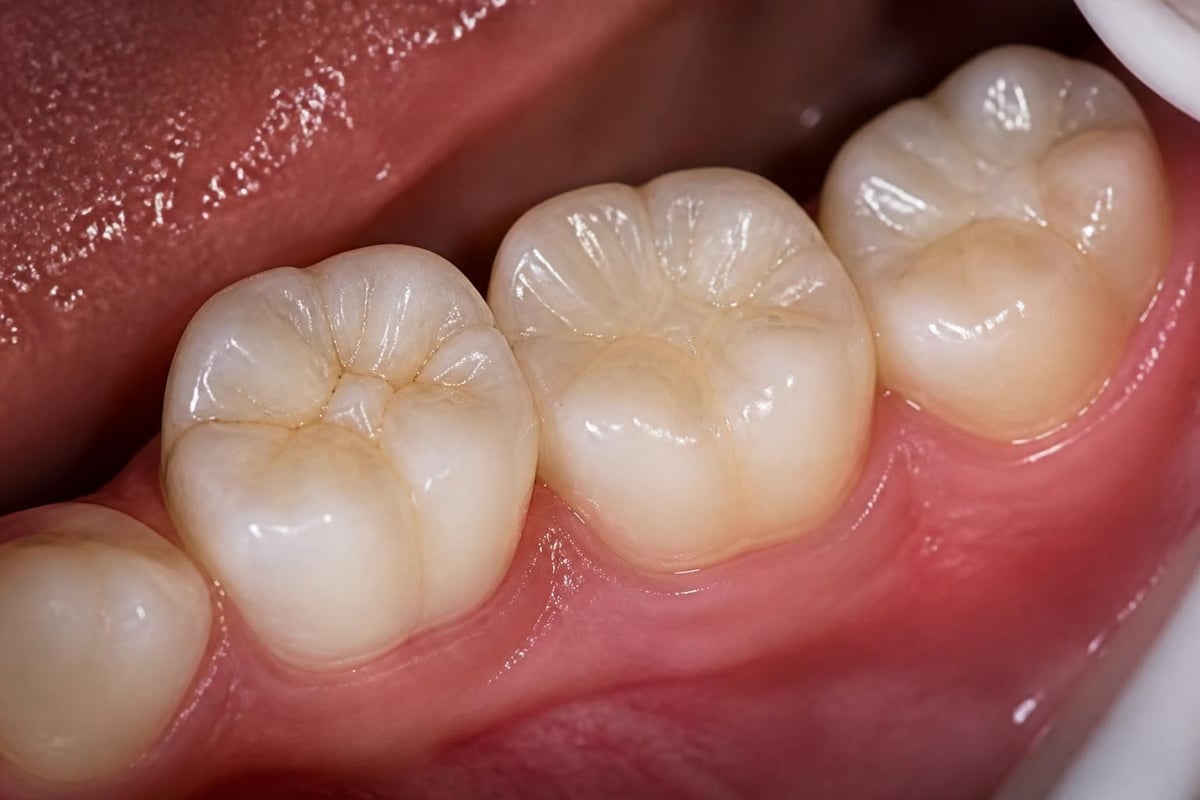
Dental sealants serve as protective coatings applied to the chewing surfaces of back teeth, creating a barrier that prevents food particles and bacteria from settling into the tiny grooves and pits. These microscopic crevices, called fissures, naturally occur on molars and premolars, making them particularly vulnerable to decay despite regular brushing.
The science behind sealants is straightforward yet impressive. The material-typically a thin plastic resin-bonds directly to the tooth enamel, effectively sealing off the areas where toothbrush bristles cannot reach. According to the American Dental Association’s evidence-based clinical practice guideline, sealants can reduce the risk of decay in molars by nearly 80 percent.
Why Children Need Extra Protection
Children face unique challenges when it comes to maintaining optimal oral health. Their developing motor skills often result in less thorough brushing techniques, and their dietary preferences frequently include sugary snacks and beverages that fuel bacterial growth.
- Newly erupted permanent molars lack the full mineral density of mature teeth
- Deep grooves in back teeth trap food debris and bacteria
- Inconsistent oral hygiene habits during childhood years
- Higher cavity rates in permanent first molars compared to other teeth
- Preventive intervention costs less than treating cavities later
The National Institute of Dental and Craniofacial Research emphasizes that children without sealants have almost three times more cavities than children with sealants. This statistic alone demonstrates the significant protective value these simple applications provide.
The Ideal Timing for Dental Sealants
Timing plays a critical role in maximizing the benefits of dental sealants for kids. Applying sealants shortly after permanent teeth erupt provides immediate protection during the years when teeth are most susceptible to decay.
Age-Based Recommendations
| Age Range | Teeth Typically Sealed | Why This Timing Matters |
|---|---|---|
| 6-7 years | First permanent molars | Immediate protection for newly erupted teeth |
| 11-13 years | Second permanent molars and premolars | Covers vulnerable period of adolescence |
| Ongoing | Any at-risk permanent teeth | Addresses individual cavity risk factors |
Most dental professionals recommend sealant application for children around age six when the first permanent molars emerge. These "six-year molars" appear behind all baby teeth and require protection from the moment they break through the gums. The second wave of permanent molars, which typically erupt around age twelve, also benefits from immediate sealing.
Parents in Texas communities like Leander, Seguin, and New Braunfels should schedule regular dental check-ups to ensure sealants are applied at the optimal time. At Dental Plus Clinic, our pediatric dental teams monitor tooth eruption patterns and recommend sealants as part of comprehensive preventive care plans.
Special Considerations for Individual Cases
While age provides general guidance, individual circumstances may warrant earlier or additional sealant applications. Children with deep grooves in baby teeth, previous cavity history, or limited access to fluoridated water may benefit from modified treatment timelines.
Factors influencing sealant timing include:
- Cavity history in primary teeth suggests higher risk for permanent teeth
- Dietary habits heavy in sugars and carbohydrates
- Orthodontic treatment plans that may complicate future applications
- Special needs affecting oral hygiene capabilities
- Fluoride exposure levels in drinking water and dental products
The American Academy of Pediatric Dentistry’s sealants guideline provides comprehensive recommendations for dental professionals evaluating individual patient needs. These evidence-based protocols help determine the most appropriate timing for each child.
The Sealant Application Process Explained
Parents often wonder what happens during a sealant appointment. The procedure is painless, quick, and requires no drilling or numbing medications, making it an ideal preventive treatment for anxious children.
Step-by-Step Procedure
Preparation Phase:
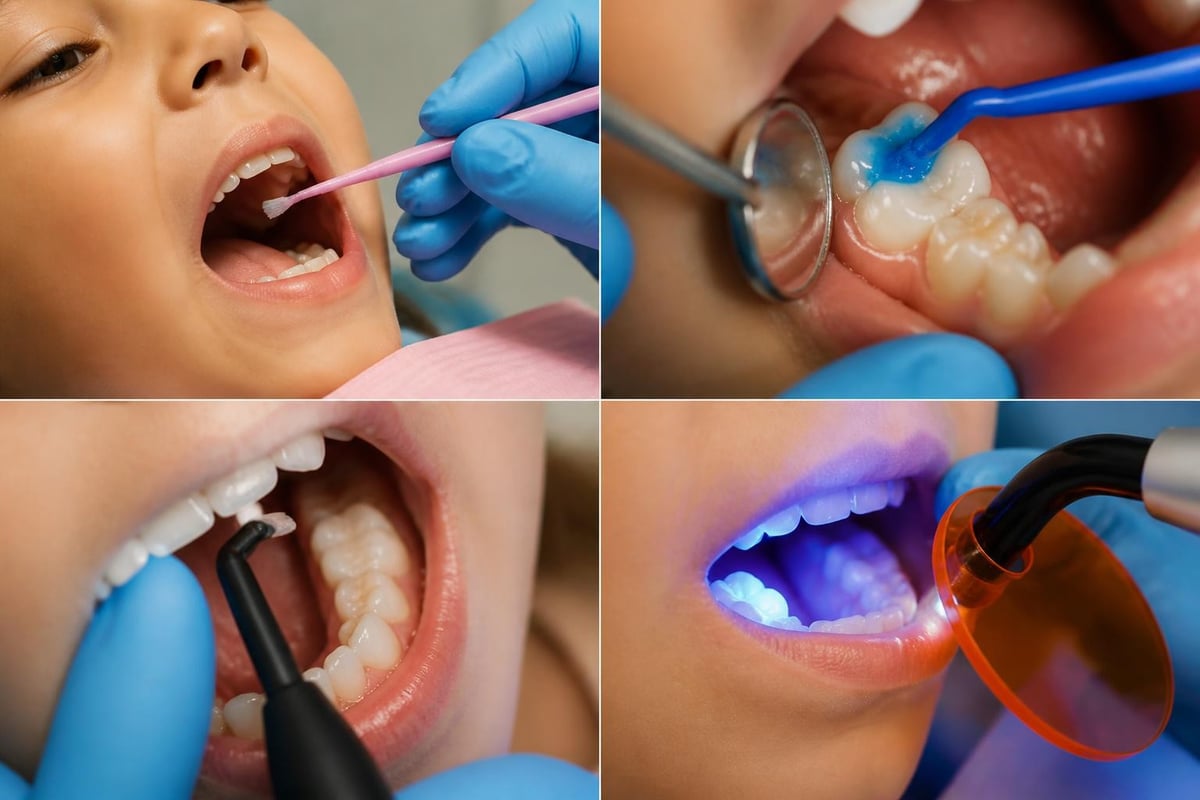
The dental hygienist or dentist begins by thoroughly cleaning the tooth surface, removing any plaque, food debris, or bacterial buildup. This cleaning step ensures optimal bonding between the sealant material and tooth enamel. A special polishing paste may be used to prepare the tooth surface.
Conditioning the Tooth:
A mild acidic solution is applied to the chewing surface for several seconds. This etching process creates a slightly roughened texture on the enamel, allowing the sealant material to form a stronger bond. The tooth is then rinsed and dried completely.
Sealant Application:
The dentist carefully paints the liquid sealant material onto the tooth's grooves and pits. The material flows into all the tiny crevices, filling spaces that toothbrush bristles cannot reach. Most modern sealants are either clear or tooth-colored, making them virtually invisible.
Curing and Hardening:
A special blue light is used to harden the sealant material, a process that takes only a few seconds per tooth. Once cured, the sealant becomes a hard, protective shield over the tooth surface.
The entire process for multiple teeth typically takes less than thirty minutes. Children can eat and drink immediately after application, though avoiding very sticky or hard foods for the first day helps ensure proper bonding. Learning about what general dentists provide helps parents understand how sealants fit into comprehensive dental care.
Effectiveness and Longevity of Dental Sealants
Research consistently demonstrates that dental sealants for kids deliver impressive results in preventing tooth decay. Understanding what makes them effective and how long they last helps parents appreciate their value as a preventive investment.
Evidence-Based Success Rates
Cochrane systematic reviews on sealants for preventing tooth decay provide high-quality evidence showing significant cavity reduction in children and adolescents. Studies indicate that sealants prevent 80 percent of cavities in the first two years after application, with continued protection of 50 percent or more for up to four years.
Statistical outcomes from clinical research:
- 80% cavity reduction within the first two years
- 50% effectiveness maintained through year four
- Retention rates of 90% at one year, 70-80% at five years
- Cost savings of $8-$11 for every dollar spent on sealants
- Prevention success highest when applied to cavity-free teeth
These numbers become even more impressive when considering the alternative: treating cavities requires drilling, filling materials, and often multiple appointments. The school-based sealant programs research shows particularly strong results in underserved communities where access to regular dental care may be limited.
How Long Sealants Last
Under normal conditions, dental sealants for kids can last five to ten years before requiring replacement. However, several factors influence longevity:
- Bite force and grinding habits affect wear patterns
- Oral hygiene practices influence overall tooth health
- Dietary choices impact sealant integrity over time
- Initial application quality determines long-term success
- Regular dental monitoring catches wear before failure
During routine dental check-ups, your dentist examines existing sealants for chips, cracks, or wear. Minor repairs can often extend the life of partially worn sealants, while complete reapplication restores full protection when necessary. Many insurance plans cover sealant replacement, recognizing the ongoing preventive value.
Cost Considerations and Insurance Coverage
Financial concerns often influence healthcare decisions, making it essential to understand the investment required for dental sealants and what coverage options exist for Texas families.
Typical Cost Ranges
| Service | Average Cost Per Tooth | Factors Affecting Price |
|---|---|---|
| Dental Sealants | $30-60 | Geographic location, dental practice |
| Cavity Filling | $150-300 | Size, material type, tooth location |
| Preventive Visit | $0-50 copay | Insurance plan specifics |
The cost-benefit analysis strongly favors preventive sealants. Treating a single cavity costs three to five times more than sealing the tooth initially, not accounting for potential complications like larger fillings, root canals, or crowns if decay advances.
Insurance and Assistance Programs
Most dental insurance plans cover sealants for children, typically with no out-of-pocket cost when performed on permanent molars for patients under eighteen. However, coverage specifics vary by plan, making verification important before scheduling.
Insurance coverage typically includes:
- Full coverage for children's preventive dental care
- Sealants on permanent molars through age fourteen to eighteen
- Limitations on how frequently sealants can be replaced
- Requirements for specific tooth types or surfaces
Families without dental insurance have several options. Some states offer sealant programs through schools or public health departments. Additionally, dental clinics like ours provide payment plans and discount programs to ensure all children can access preventive care.
Understanding how to reduce dental care costs helps Texas families budget for comprehensive oral health services. Our savings programs make preventive treatments more accessible for patients across our five Texas locations.
Safety Profile and Common Concerns
Parents naturally question the safety of any dental procedure involving their children. Dental sealants have been used successfully for over fifty years, with an excellent safety record supported by extensive research and clinical experience.
Material Safety
Modern dental sealants consist primarily of resin-based materials similar to composite fillings. The ADA’s patient resource on dental sealants addresses common safety questions, confirming that sealant materials are thoroughly tested and approved for use in children.
Addressing BPA concerns: Some parents worry about bisphenol A (BPA) exposure from dental sealants. Research shows that BPA exposure from sealants is minimal and transient, occurring only during the first few hours after application. The trace amounts are thousands of times lower than exposure from common food and beverage containers, making dental sealants safe even for the most cautious families.
Possible Side Effects and Complications
Adverse reactions to dental sealants remain extremely rare. The most common issue involves partial sealant loss, which creates no harm but may require reapplication to maintain full protection.
- Allergic reactions occur in less than 1% of patients
- Temporary taste sensation may occur immediately after application
- Partial chip or wear requires monitoring and possible repair
- Discomfort during application is rare due to the non-invasive nature
- Incorrect application can trap bacteria if tooth isn't clean
When sealants fail or wear away, the tooth returns to its original vulnerable state but is not damaged by having previously had sealants. Regular dental examinations ensure any wear is detected early, allowing timely reapplication before cavities develop.
Sealants Versus Other Preventive Measures
Dental sealants for kids work best as part of a comprehensive oral health strategy rather than as a standalone solution. Understanding how sealants complement other preventive measures helps parents create effective cavity prevention plans.
Comparing Preventive Strategies
| Prevention Method | Cavity Reduction | Application | Duration |
|---|---|---|---|
| Dental Sealants | 80% (molars) | Professional | 5-10 years |
| Fluoride Treatments | 25-30% | Professional/Home | Ongoing |
| Proper Brushing | 30-40% | Home | Daily |
| Dietary Changes | Variable | Home | Lifestyle |
Fluoride strengthens enamel throughout the tooth structure, making it harder for acid attacks to penetrate the surface. Sealants provide physical barriers specifically protecting vulnerable grooves and pits. Together, these approaches address different aspects of cavity prevention.
Integrated Prevention Protocol
The most effective cavity prevention combines multiple strategies working in concert. For Texas families, this typically includes:
- Professional sealants on permanent molars and premolars
- Fluoride treatments during regular dental visits
- Twice-daily brushing with fluoride toothpaste
- Daily flossing to clean between teeth
- Dietary modifications reducing sugar exposure
- Regular dental check-ups every six months
Parents often ask whether sealants eliminate the need for other preventive measures. The answer is no-sealants protect specific surfaces but cannot replace comprehensive oral hygiene. Children still need to brush, floss, and maintain healthy dietary habits. Resources like our guide on helping children avoid tooth decay provide additional strategies for maintaining optimal oral health.

School-Based Sealant Programs
Many Texas school districts offer dental sealant programs, bringing preventive care directly to children who might otherwise lack access. These initiatives play a vital role in reducing oral health disparities across different communities.
How School Programs Work
School-based sealant programs typically target elementary school children, providing free or low-cost sealants through mobile dental clinics or on-site facilities. Licensed dental professionals perform screenings, obtain parental consent, and apply sealants during school hours, eliminating transportation barriers and appointment scheduling challenges.
Benefits of school-based programs include:
- Improved access for underserved populations
- Minimal disruption to educational schedules
- No cost to most participating families
- Professional application by licensed providers
- Follow-up tracking through school health records
The WHO recommendation on pit-and-fissure sealants supports targeted sealant programs for high-risk children, recognizing the public health value of reaching populations with limited dental care access. Economic analyses demonstrate that school programs reduce overall healthcare costs while improving children's oral health outcomes.
Participation Considerations
Parents should review consent forms carefully, understanding what procedures will be performed and what follow-up care may be needed. School programs typically focus on first and second permanent molars, leaving other preventive care to family dentists.
Questions to ask about school programs:
- What credentials do the dental providers hold?
- How are materials and equipment sterilized?
- Will parents receive reports on treatment provided?
- Does participation affect insurance benefits?
- What happens if problems arise after application?
School sealant programs complement but don't replace regular dental care. Children still need comprehensive examinations, cleanings, and other preventive services from their family dentist. Coordinating school-based prevention with ongoing dental care creates the most robust protection strategy.
Special Situations and Adaptations
While most children benefit from standard sealant protocols, certain circumstances require modified approaches or special considerations to ensure optimal outcomes.
Children with Special Healthcare Needs
Children with physical, developmental, or cognitive challenges may require adapted techniques or additional accommodations during sealant application. The procedure's non-invasive nature makes it particularly suitable for children who struggle with more complex dental treatments.
Adaptations might include:
- Shorter appointment times with multiple visits if needed
- Behavioral supports like social stories or visual schedules
- Sedation options for children with severe anxiety or cooperation challenges
- Modified positioning for children with physical limitations
- Communication adjustments matching individual abilities
Dentists experienced in treating special needs populations can successfully seal teeth for nearly all children, preventing cavities that might otherwise require more invasive treatments under challenging circumstances.
Sealing Primary (Baby) Teeth
While sealants are most commonly applied to permanent teeth, some situations warrant sealing primary molars. Research on sealants for baby teeth shows benefits for high-risk children, though evidence remains less extensive than for permanent teeth.
Candidates for primary tooth sealants include children with:
- Deep grooves in baby molars prone to decay
- Previous cavities in other primary teeth
- Limited fluoride exposure or high cavity risk
- Medical conditions affecting oral health
- Difficulty maintaining adequate oral hygiene
The decision to seal baby teeth balances the protection benefits against the reality that these teeth will eventually fall out. Dentists evaluate each child's individual risk factors and expected timeline for primary tooth loss when recommending this preventive measure.
Maintaining Sealed Teeth
Proper care after sealant application ensures maximum longevity and continued protection. While sealants create durable barriers, certain habits and practices optimize their performance over time.
Daily Care Guidelines
Children with dental sealants should maintain the same thorough oral hygiene practices as those without sealants. The protective coating covers grooves and pits but doesn't eliminate the need for regular brushing and flossing.
Recommended daily routine:
- Brush twice daily for two minutes with fluoride toothpaste
- Floss once daily to clean between teeth
- Rinse with water after meals and snacks
- Avoid chewing ice, hard candies, or other objects
- Limit sticky foods that might pull at sealant edges
Parents should supervise younger children during brushing to ensure thorough cleaning of all tooth surfaces, including those with sealants. Establishing strong oral hygiene habits during childhood creates patterns that support lifelong dental health.
Foods and Habits to Monitor
While sealed teeth can withstand normal eating and chewing, certain foods and habits may compromise sealant integrity over time. Awareness helps families make choices that protect their investment in preventive care.
- Very hard foods (hard candy, ice, popcorn kernels) can crack sealants
- Sticky substances (caramels, taffy, gummy candies) may pull sealants loose
- Acidic beverages (soda, sports drinks) can weaken sealant bonds
- Teeth grinding (bruxism) accelerates sealant wear
- Using teeth as tools (opening packages, biting nails) damages both sealants and enamel
Children who grind their teeth at night may benefit from protective nightguards that preserve both natural tooth structure and sealants. Discussing these habits with your dentist allows for personalized recommendations addressing individual risk factors. Understanding common causes of tooth sensitivity can help identify grinding behaviors and other issues affecting sealed teeth.
Recognizing When Sealants Need Attention
Regular dental examinations include sealant assessments, but parents should also watch for signs that sealants may need repair or replacement between scheduled appointments.
Warning Signs to Monitor
Visual changes in sealant appearance may indicate wear or damage requiring professional evaluation. While minor surface variations are normal, certain changes warrant attention:
- Visible chips or cracks in the sealant material
- Rough or sharp edges along sealant margins
- Dark areas developing under or around sealants
- Portions of sealant material missing entirely
- Tooth sensitivity in previously sealed teeth
When children report discomfort in sealed teeth, parents should schedule dental appointments promptly. While sealants themselves don't cause pain, sensitivity might indicate sealant loss exposing vulnerable tooth structure, or decay developing despite the protective coating.
Professional Monitoring Schedule
Dentists examine sealants during every routine check-up, using instruments and sometimes x-rays to assess their condition. This regular monitoring catches problems early when simple repairs often suffice.
| Examination Frequency | What Dentists Check | Typical Interventions |
|---|---|---|
| Every 6 months | Sealant integrity and retention | Minor repairs, reapplication |
| Annually | Overall effectiveness | Comprehensive assessment |
| As needed | Specific concerns or symptoms | Targeted treatment |
Between professional evaluations, parents play important roles as first-line observers. Teaching children to notice changes in how their teeth feel and reporting concerns promptly prevents small issues from becoming larger problems. Knowing how to identify cavities early helps parents distinguish normal variations from situations requiring professional attention.
Frequently Asked Questions About Dental Sealants
Do dental sealants hurt?
No, the sealant application process is completely painless and requires no drilling, shots, or numbing medications. Children may feel slight pressure or wetness during application but experience no discomfort. The procedure is gentler than getting teeth cleaned.
Can sealants be placed over existing cavities?
Sealants work best on cavity-free teeth. However, dentists can sometimes seal over very small areas of early decay (incipient caries) to arrest progression. Larger cavities require filling before sealant application or instead of sealants.
Are sealants only for children?
While most commonly applied during childhood, adults can also benefit from sealants if they have deep grooves and no existing fillings in their back teeth. Some adults receive sealants as part of comprehensive preventive care plans.
Will my child still get cavities with sealants?
Sealants significantly reduce cavity risk but don't provide 100% protection. Cavities can still develop on tooth surfaces without sealants, between teeth, or if sealants fail and aren't replaced. Comprehensive oral hygiene remains essential.
How do I know if my child's sealants are still working?
Regular dental examinations include sealant checks, but parents can look for visible chips, rough edges, or missing sections. If sealants appear intact and smooth, they're likely still providing protection.
Does insurance cover sealant replacement?
Coverage varies by plan. Many policies cover sealants on permanent molars for children but may limit how often replacements are covered. Some plans cover repairs but not routine replacement, while others cover reapplication after certain time periods.
Can sealants trap bacteria and cause decay?
When properly applied to clean, dry teeth, sealants seal out bacteria rather than trapping them. Research shows that even when small amounts of bacteria become sealed, they cannot multiply without food sources and pose no threat.
What's the difference between sealants and fillings?
Sealants prevent cavities by creating barriers over healthy tooth grooves. Fillings repair damage after cavities have already formed. Sealants require no tooth removal, while fillings involve drilling away decayed portions.
At what age should sealants be removed?
Sealants don't need removal unless damaged or ineffective. As they wear naturally over years, they eventually disappear through normal chewing. By adulthood, most childhood sealants have worn away, though some may last into the twenties.
Can kids with braces get sealants?
Timing matters with orthodontic treatment. Ideally, sealants should be applied before braces, as brackets and wires complicate application. However, dentists can sometimes seal teeth after braces are removed if needed.
How many teeth typically receive sealants?
Most children have sealants on their four permanent first molars (erupting around age six) and four permanent second molars (erupting around age twelve), totaling eight sealed teeth. Some also receive sealants on premolars.
Do clear sealants work as well as white ones?
Material color doesn't affect effectiveness. Clear sealants allow easier visual inspection during dental exams, while tooth-colored versions may be preferred for aesthetic reasons. Both types provide equivalent protection when properly applied.
Making the Decision for Your Family
Choosing dental sealants for kids involves weighing benefits, considering individual circumstances, and understanding how this preventive measure fits into your family's overall health priorities.
Evaluating Your Child's Risk Factors
Not every child faces identical cavity risk. Understanding your child's specific vulnerability helps determine how urgently sealants should be prioritized.
High-risk indicators include:
- Previous cavities in baby teeth or permanent teeth
- Deep grooves visible in newly erupted molars
- Inconsistent brushing and flossing habits
- Frequent consumption of sugary foods and drinks
- Limited exposure to fluoridated water
- Medical conditions or medications affecting saliva production
Children displaying multiple risk factors benefit most dramatically from sealant protection. However, even low-risk children gain advantages from this simple preventive measure, as no one can predict future cavity development with certainty.
Discussing Options with Your Dentist
Your child's dentist provides personalized guidance based on clinical examination and knowledge of your family's dental history. Prepare for these conversations by gathering relevant information and formulating questions about specific concerns.
Topics to discuss during dental visits:
- Optimal timing for sealant application based on tooth eruption
- Insurance coverage and out-of-pocket costs
- Alternative or complementary preventive strategies
- Expected longevity and maintenance requirements
- What to expect during and after the procedure
Open communication with dental professionals ensures decisions align with both clinical best practices and family values. At our locations throughout Texas, including Converse, Beeville, and New Braunfels, our teams prioritize patient education and shared decision-making.
Building a Comprehensive Prevention Plan
Dental sealants for kids represent one component of effective cavity prevention. The most successful approaches integrate multiple strategies addressing different aspects of oral health.
A complete prevention plan includes:
- Professional dental sealants on vulnerable teeth
- Regular dental examinations every six months
- Professional cleanings and fluoride treatments
- Home oral hygiene with proper technique
- Nutritional counseling for tooth-friendly diets
- Early intervention when problems arise
This multi-faceted approach provides layers of protection, ensuring that if one strategy proves less effective for your child, others continue providing defense against decay. Families committed to comprehensive prevention see dramatically better outcomes than those relying on single interventions.
The Role of Professional Guidance
Navigating children's dental health requires balancing evidence-based recommendations with practical family realities. Professional dental teams serve as partners in this journey, offering expertise, support, and personalized care plans.
What to Expect During Dental Visits
Pediatric dental appointments focused on prevention create positive experiences that help children develop comfort with dental care. Sealant applications typically occur during regular check-ups, minimizing additional appointments and associated stress.
A typical preventive visit includes:
- Comprehensive oral examination checking teeth, gums, and development
- Professional cleaning removing plaque and tartar
- Fluoride treatment strengthening enamel
- Sealant application on appropriate teeth
- Education about home care techniques
- Discussion of any concerns or questions
These comprehensive visits establish foundations for lifelong oral health while creating opportunities to identify potential problems before they require invasive treatment. Regular preventive care costs far less and creates better outcomes than emergency interventions addressing advanced decay.
Choosing the Right Dental Provider
Selecting a dental home for your family influences not only the quality of care received but also how comfortable children feel about visiting the dentist. Consider several factors when evaluating potential providers.
Important selection criteria:
- Experience treating children and applying sealants
- Modern technology and evidence-based practices
- Welcoming, child-friendly environment
- Clear communication with parents and children
- Convenient location and scheduling options
- Insurance acceptance and financial transparency
- Comprehensive services eliminating multiple providers
Texas families have excellent options for pediatric dental care. Whether you're in Leander or Seguin, finding a trusted dental partner ensures your children receive consistent, high-quality preventive services throughout their developmental years.
Dental sealants for kids offer proven protection against cavities during the critical years when permanent teeth are most vulnerable. This simple, painless preventive measure reduces decay risk by 80 percent while costing a fraction of cavity treatment expenses. With proper application, regular monitoring, and comprehensive oral hygiene, sealants help children maintain healthy smiles well into adulthood. Dental Plus Clinic provides expert sealant services across our five Texas locations, combining advanced preventive care with patient-focused treatment in a comfortable, welcoming environment. Schedule your child's preventive dental visit today to discover how sealants and comprehensive oral health strategies can protect their smile for years to come.