
Understanding the true dentures cost can be challenging when you're facing tooth loss and trying to make the best decision for your oral health and budget. Whether you've been told you need a partial denture to replace a few missing teeth or a full set to restore your smile completely, knowing what to expect financially helps you plan ahead and make informed choices. The price of dentures varies widely based on the type you choose, the materials used, and the complexity of your individual case, but having a clear picture of the investment can remove anxiety and help you move forward with confidence.
What Determines Dentures Cost in 2026
The dentures cost you'll encounter depends on several interconnected factors that your dental provider evaluates during your initial consultation. Material selection plays a significant role, with basic acrylic dentures typically costing less than high-quality porcelain or composite options that offer superior aesthetics and durability.
Base Material and Construction Quality
Standard acrylic dentures represent the most affordable option, generally ranging from $600 to $1,200 per arch. These dentures use cost-effective materials and standardized manufacturing processes. Mid-range dentures, priced between $1,200 and $3,000 per arch, incorporate better materials with improved fit and more natural appearance. Premium dentures, which can cost $4,000 to $8,000 per arch, feature the highest quality materials, custom characterization, and individualized tooth selection that closely mimics natural dentition.
The construction method significantly impacts the final price point. Digital dentures created through CAD/CAM technology typically cost 20-30% more than conventionally fabricated ones, but they offer superior precision and faster turnaround times. According to research on dental materials and digital dentistry, technological advances continue to improve both the quality and efficiency of denture fabrication.
Partial vs. Full Dentures
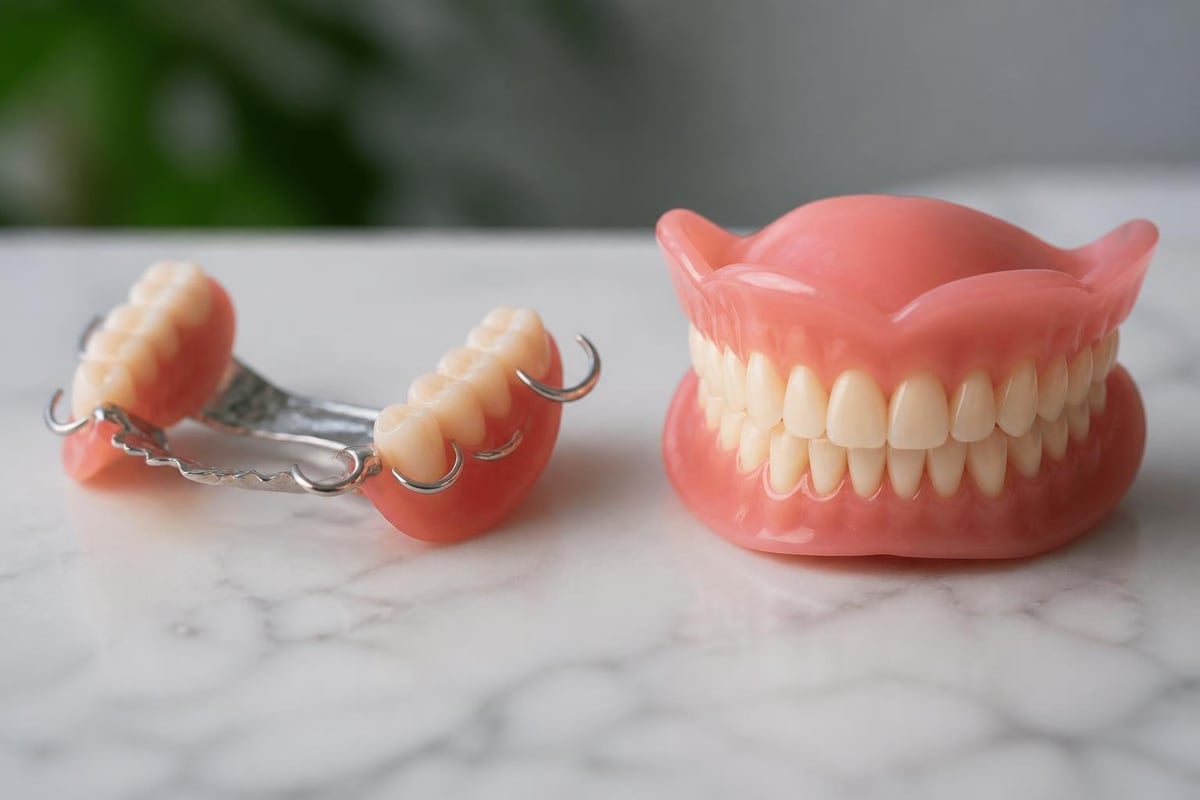
Partial dentures, designed to replace several missing teeth while preserving existing natural teeth, generally cost between $700 and $3,500 depending on the framework material and number of teeth replaced. Cast metal partial dentures with precision attachments represent the higher end of this range, offering superior retention and longevity compared to acrylic-based alternatives.
Full dentures, which replace all teeth in an arch, typically range from $1,300 to $8,000 per arch. The wide price variation reflects differences in materials, laboratory fees, dentist expertise, and the number of appointments required to achieve optimal fit and function.
| Denture Type | Lower Range | Upper Range | Key Features |
|---|---|---|---|
| Acrylic Partial | $700 | $1,800 | Basic restoration, clasp retention |
| Metal Partial | $1,500 | $3,500 | Cast framework, precision attachments |
| Standard Full | $1,300 | $3,000 | Basic acrylic, standard teeth |
| Premium Full | $4,000 | $8,000 | High-end materials, custom aesthetics |
Insurance Coverage and Payment Options
Understanding how insurance affects your out-of-pocket dentures cost requires knowing what your specific plan covers. Most dental insurance plans classify dentures as a major procedure, typically covering 50% of the cost after you've met your annual deductible.
Private Dental Insurance
Traditional dental insurance plans usually have annual maximum benefits between $1,000 and $2,000, which means even with 50% coverage, you may exhaust your yearly benefit when getting dentures. Many plans also impose waiting periods of 6-12 months for major procedures if you're a new enrollee.
Some plans distinguish between basic and premium dentures, covering only the cost of standard options. If you choose premium materials or advanced techniques, you'll pay the difference out of pocket. Reviewing your specific policy with your provider helps establish realistic budget expectations.
Texas residents exploring coverage options should research dental insurance plans available in Texas to understand local market offerings and compare benefits that align with their needs.
Medicare and Medicaid Coverage
Original Medicare typically does not cover dentures, as the program excludes most routine dental care. However, Medicare coverage guidelines note that certain medically necessary dental procedures performed in conjunction with covered medical treatments may qualify for benefits.
Medicare Advantage plans sometimes include dental coverage that extends to dentures, though benefits vary significantly by plan and carrier. Many beneficiaries find that AARP’s guidance on Medicare denture coverage provides valuable information for navigating these options.
Medicaid dental benefits differ dramatically by state. According to Kaiser Family Foundation data on Medicaid dentures coverage, Texas Medicaid provides emergency dental services for adults but limited restorative care, making it essential to verify current state benefits directly with your Medicaid office.
Flexible Payment Plans
Many dental practices, including those offering comprehensive dental services across Texas, provide in-house payment plans that allow you to spread dentures cost over 6-24 months. These arrangements often require a down payment of 20-30% with monthly installments based on the remaining balance.
Third-party healthcare financing companies offer dental-specific credit cards and loans with promotional periods featuring 0% interest if the balance is paid within 12-18 months. While these options make treatment more accessible, understanding the interest rates that apply after promotional periods end prevents unexpected financial burdens.
Types of Dentures and Their Price Points
The dentures cost you encounter varies significantly based on which restoration type best addresses your specific clinical situation. Each option offers distinct advantages and limitations that affect both initial investment and long-term value.
Conventional Full Dentures
Conventional full dentures, placed after remaining teeth are extracted and gum tissues have healed completely, represent the traditional approach to complete tooth replacement. This healing period typically requires 8-12 weeks, during which temporary dentures may be worn.
Standard conventional dentures cost breakdown:
- Initial consultation and treatment planning: $100-$300
- Extraction of remaining teeth (if needed): $75-$300 per tooth
- Bone recontouring (if necessary): $500-$1,500
- Denture fabrication and fitting: $1,200-$3,000 per arch
- Adjustments and follow-up visits: usually included
The total investment ranges from $2,000 to $8,000 for a complete upper and lower set, depending on geographic location and complexity.
Immediate Dentures
Immediate dentures are fabricated in advance and placed immediately after tooth extraction, eliminating the edentulous healing period. While this approach provides continuous tooth presence, the dentures cost approximately 20-40% more than conventional options due to additional laboratory work and more frequent adjustment appointments.
Immediate dentures require multiple relining procedures during the first year as gum tissues shrink and reshape following extractions. These adjustments typically add $300-$600 to the overall cost but ensure proper fit and function throughout the healing process.
Implant-Supported Overdentures
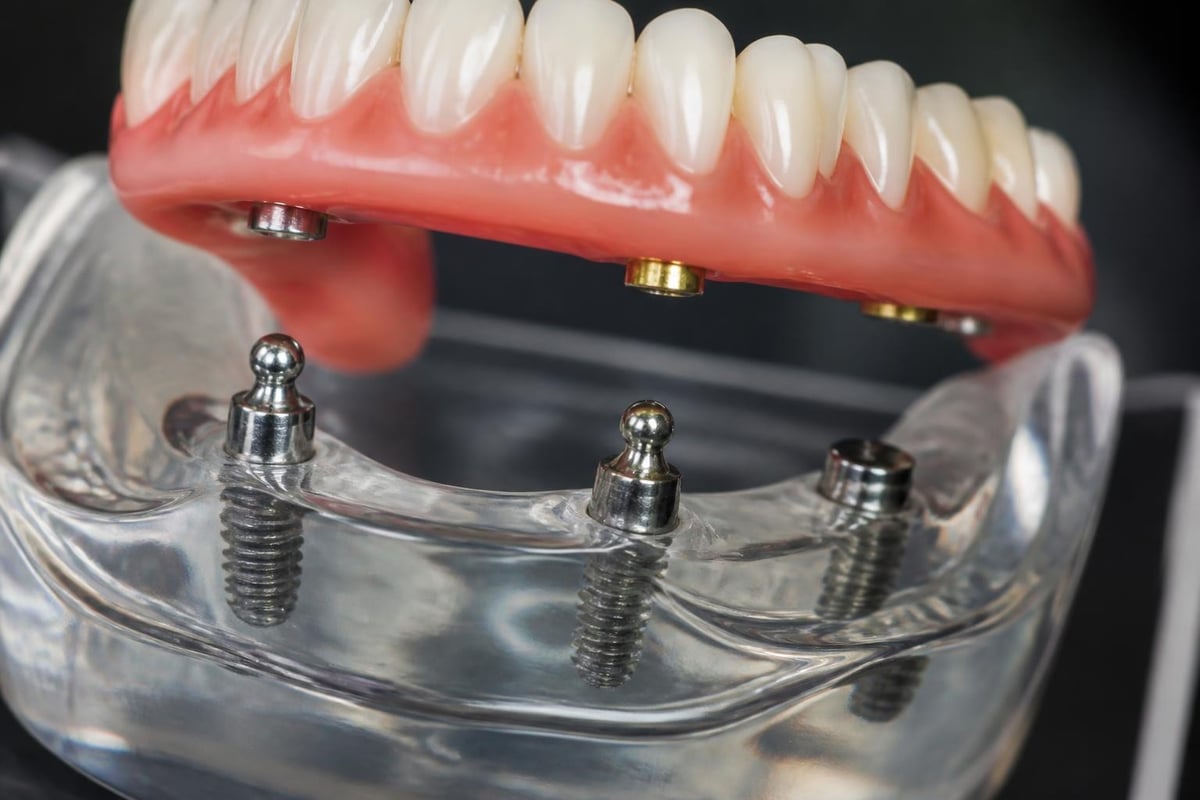
Implant-supported overdentures attach to dental implants placed in the jawbone, offering superior stability and retention compared to conventional dentures. The dentures cost for this option increases substantially due to implant placement, but many patients find the functional benefits justify the investment.
A typical implant-supported overdenture uses 2-4 implants per arch, with costs structured as follows:
- Dental implant placement: $1,500-$3,000 per implant
- Abutments and attachments: $500-$1,000 per implant
- Overdenture fabrication: $2,000-$5,000 per arch
- Total investment: $7,000-$20,000 per arch
Research published in systematic reviews on implant overdentures demonstrates improved patient satisfaction and quality of life compared to conventional dentures, factors that contribute to long-term value considerations.
Patients exploring tooth replacement options may benefit from understanding how dental implants represent a long-term investment when evaluating whether implant-supported dentures align with their goals and budget.
Geographic Variation in Dentures Cost
The region where you receive treatment significantly influences your final dentures cost. Urban areas with higher operating expenses generally charge more than rural communities, though this isn't universally true.
Texas Market Pricing
Texas dental practices benefit from relatively moderate operating costs compared to coastal metropolitan areas, which can translate to patient savings. Average dentures cost in major Texas cities typically runs 10-20% lower than comparable services in New York, Los Angeles, or San Francisco.
Within Texas, pricing varies between cities and even neighborhoods. Practices in affluent suburbs may charge premium rates, while community health centers and dental schools offer reduced fees based on income or as part of educational programs.
For families across the state, accessing quality care at multiple convenient locations provides flexibility in scheduling and treatment planning. Practices with locations in Beeville, Seguin, New Braunfels, Leander, and Converse allow patients to receive consistent care close to home.
Urban vs. Rural Considerations
Rural dental practices often charge less per procedure but may have limited access to advanced laboratory services or specialized materials. Patients sometimes travel to urban centers for complex cases, incurring additional time and transportation costs that offset initial savings.
Urban practices typically offer more technology options, including digital denture fabrication and same-day adjustments. These conveniences may justify higher fees for patients prioritizing efficiency and access to the latest techniques.
Additional Costs Beyond Initial Fabrication
Understanding the complete financial picture requires accounting for ongoing expenses that extend beyond your initial dentures cost. Proper maintenance and periodic adjustments ensure optimal function and longevity.
Relining and Rebasing
Jaw bone naturally resorbs after tooth loss, causing dentures to become loose over time. Soft relining, costing $200-$400, adds cushioning material to improve comfort temporarily. Hard relining, ranging from $350-$600, replaces the entire tissue-contacting surface with new acrylic for a more permanent solution.
Rebasing, priced at $500-$800, replaces the entire denture base while preserving the existing teeth. This procedure effectively creates a new denture foundation when the base material deteriorates but the teeth remain in good condition.
Most patients require relining every 1-2 years, making this an ongoing expense to budget for over the denture's lifespan.
Repairs and Replacements
Denture breakage occurs occasionally despite careful handling. Simple repairs like reattaching a broken tooth cost $50-$150, while more extensive base fractures run $150-$350 to fix. Some damage cannot be repaired effectively, necessitating complete replacement.
The average denture lifespan ranges from 5-8 years with proper care. Planning for eventual replacement helps avoid financial surprise when your dentures reach the end of their functional life.
Professional Cleaning and Maintenance
Annual professional denture cleaning removes accumulated stains and calculus that home care cannot address. These appointments typically cost $50-$100 and help maintain appearance and hygiene. Some practices include complimentary cleaning with regular dental examination visits.
| Maintenance Item | Frequency | Cost Range |
|---|---|---|
| Soft Reline | 12-18 months | $200-$400 |
| Hard Reline | 18-24 months | $350-$600 |
| Minor Repair | As needed | $50-$150 |
| Major Repair | As needed | $150-$350 |
| Professional Cleaning | Annually | $50-$100 |
Quality Indicators That Affect Price
Not all dentures offering similar dentures cost deliver comparable results. Recognizing quality markers helps you evaluate whether a particular option represents good value for your investment.
Material Durability and Aesthetics
Premium denture teeth made from high-impact acrylic or composite materials resist wear better than economy options. These materials maintain their appearance longer and withstand normal chewing forces without chipping or cracking.
Color stability varies significantly among denture base materials. Higher-grade acrylics resist staining from coffee, tea, and other pigmented foods, maintaining their natural appearance throughout the denture's lifespan.
According to the American Dental Association’s guidance on dentures, material selection should balance aesthetic requirements, functional demands, and patient budget considerations to achieve optimal outcomes.
Laboratory Craftsmanship
The dental laboratory fabricating your dentures significantly impacts the final result. Experienced technicians create restorations with superior fit, natural appearance, and proper occlusion. While you can't directly control laboratory selection, asking your dentist which labs they partner with and reviewing before-and-after photos of previous cases provides insight into expected results.
Premium laboratories often specialize in cosmetic dentures, offering custom tooth selection, gingival characterization, and artistic staining that creates remarkably lifelike restorations. These services increase dentures cost but deliver aesthetic results that boost confidence and satisfaction.
Dentist Experience and Expertise
Your treating dentist's training and experience influence both the clinical outcome and the price you'll pay. Prosthodontists, specialists in tooth replacement, typically charge more than general dentists but bring advanced expertise to complex cases.
General dentists with extensive denture experience often provide excellent results at moderate fees. Asking about a dentist's annual denture case volume and viewing clinical examples helps assess their proficiency level.
Comparing Dentures to Alternative Tooth Replacement
Evaluating dentures cost in isolation provides incomplete information. Comparing the investment required for dentures against alternatives like dental bridges or implants reveals the relative value of each option.
Traditional Dental Bridges
Fixed dental bridges replace missing teeth by anchoring prosthetic teeth to adjacent natural teeth. A three-unit bridge typically costs $3,000-$5,000, making it comparable to partial dentures for small gaps. However, bridges require reducing healthy tooth structure on abutment teeth, a permanent alteration some patients wish to avoid.
Bridges offer superior stability and eliminate the need for removal and cleaning, but they address only localized tooth loss rather than complete arch restoration.
Full Arch Dental Implants
Full arch implant restorations like All-on-4 provide permanent, fixed tooth replacement that functions similarly to natural teeth. The investment ranges from $20,000-$40,000 per arch, substantially higher than conventional dentures cost but offering advantages in stability, bone preservation, and long-term durability.
Patients interested in comparing implant-based solutions can review information on All-on-4 versus All-on-6 dental implants to understand different full-arch approaches and their respective benefits.
Cost-Benefit Analysis Over Time
While dentures require lower initial investment, accounting for maintenance, relining, and eventual replacement over 20-30 years narrows the cost gap with more expensive alternatives. A complete cost-benefit analysis should consider:
- Initial procedure cost
- Ongoing maintenance expenses
- Replacement frequency
- Functional performance
- Impact on jawbone health
- Effect on quality of life
Seniors exploring tooth replacement should review comprehensive options tailored to their specific needs to make informed decisions aligned with health priorities and financial capabilities.
How to Reduce Your Dentures Cost
Strategic planning and informed decision-making can significantly reduce your out-of-pocket dentures cost without sacrificing quality or clinical outcomes.
Dental Schools and Training Programs
Accredited dental schools offer denture services performed by supervised students at 30-60% below private practice fees. While treatment takes longer due to the educational nature of care, the quality oversight by experienced faculty ensures appropriate results.
Major dental schools in Texas include The University of Texas Health Science Center at San Antonio and Texas A&M College of Dentistry. Contacting these institutions directly provides information about current fees and waiting times.
Community Health Centers
Federally Qualified Health Centers (FQHCs) provide dental services on a sliding fee scale based on income. Eligible patients may receive dentures at significantly reduced costs, though waiting lists sometimes extend several months for non-emergency procedures.
Timing Your Treatment Strategically
If your dental insurance has annual maximum benefits, timing denture treatment to span two calendar years allows you to access benefits in both periods. For example, completing extractions and immediate dentures in December, then fabricating permanent dentures in January, potentially doubles your available insurance benefits.
Strategic scheduling considerations:
- Schedule preliminary work (extractions, impressions) late in the current benefit year
- Complete final denture fabrication early in the following benefit year
- Maximize annual maximum benefits across two periods
- Coordinate with your insurance company to verify benefit timing
Asking About Package Pricing
Many practices offer bundled pricing that includes initial fabrication, adjustments, and first-year relining at a reduced combined rate. These packages typically cost 10-15% less than paying for each service separately.
Negotiating package deals upfront provides cost predictability and eliminates surprise expenses during the adjustment period. Additionally, practices sometimes offer discounts for paying in full at the time of service rather than using payment plans.
Dental Tourism Considerations
Some patients consider traveling to other countries where dentures cost substantially less than domestic prices. While international treatment can deliver savings of 40-70%, several factors warrant careful consideration.
Quality and Safety Concerns
Dental regulations, material standards, and practitioner qualifications vary significantly across countries. Verifying credentials, reviewing patient testimonials, and understanding recourse options if complications arise requires thorough research.
Material quality represents a particular concern, as some international laboratories use products that don't meet U.S. FDA standards. According to clinical guidance in the British Dental Journal on removable prosthodontics, proper material selection and biocompatibility testing are essential for safe, long-lasting dentures.
Follow-Up Care Challenges
Dentures require multiple adjustment appointments during the first weeks and months after delivery. Traveling internationally for these visits becomes impractical and expensive. Finding a local dentist willing to adjust dentures fabricated elsewhere often proves difficult, as liability concerns discourage many practitioners from working on restorations they didn't create.
Total Cost Analysis
When evaluating dental tourism, calculate comprehensive costs including:
- Round-trip airfare for initial treatment and follow-ups
- Accommodations and meals
- Ground transportation
- Time away from work
- Travel insurance
- Potential complication management
After accounting for these factors, the savings may not justify the inconvenience and risks, particularly for Texas residents with access to affordable domestic options.
Frequently Asked Questions About Dentures Cost
How much do dentures cost without insurance in Texas?
Without insurance coverage, complete upper and lower dentures in Texas typically cost between $2,600 and $16,000 depending on materials, techniques, and provider fees. Basic acrylic dentures fall on the lower end of this range, while premium custom dentures approach the higher limit. Partial dentures range from $700 to $3,500 per appliance.
Does Medicare cover any portion of dentures cost?
Original Medicare does not cover dentures or most routine dental care. Medicare Advantage plans may include dental benefits that cover a portion of dentures cost, but coverage varies by specific plan. Reviewing your Medicare Advantage policy or consulting with plan representatives clarifies what benefits apply to your situation.
How long do dentures typically last before replacement?
Well-maintained dentures generally last 5-8 years before requiring replacement. Factors affecting longevity include material quality, daily care habits, bone resorption rate, and occlusal forces during chewing. Regular dental examinations help identify when replacement becomes necessary to maintain proper function and oral health.
Can I get dentures the same day as tooth extraction?
Immediate dentures can be placed the same day as extractions, providing continuous tooth presence during healing. However, this approach costs 20-40% more than conventional dentures due to additional laboratory work and frequent adjustment appointments. The clinical appropriateness of immediate dentures depends on individual factors your dentist evaluates during treatment planning.
Are payment plans available for dentures?
Most dental practices offer payment plans allowing you to spread dentures cost over 6-24 months. Terms vary by provider, with some offering in-house financing while others partner with third-party healthcare financing companies. Comparing interest rates, promotional periods, and payment terms helps you select the option that best fits your budget.
How often will I need relining, and what does it cost?
Most patients require denture relining every 1-2 years as jawbone naturally resorbs following tooth loss. Soft relining costs $200-$400 and lasts 3-12 months, while hard relining ranges from $350-$600 and provides longer-lasting results. Your dentist monitors fit during regular checkups and recommends relining when looseness or discomfort develops.
What's included in the quoted dentures cost?
Standard dentures cost quotes typically include initial consultation, impressions, bite registration, try-in appointment, final delivery, and immediate adjustments during the first 30-60 days. Extractions, bone recontouring, immediate dentures, premium materials, and extended adjustment periods beyond the initial warranty period usually incur additional charges. Always request an itemized treatment estimate that clearly specifies what services are included.
Do dentures cost more for upper or lower arches?
Upper and lower dentures generally cost approximately the same amount per arch. However, lower dentures sometimes require additional appointments and adjustments because the lower jaw presents unique retention challenges due to smaller surface area and tongue movement. Some practices charge modestly more for lower dentures reflecting this additional chairtime.
How does dentures cost compare to dental implants?
Traditional complete dentures cost $1,300-$8,000 per arch, while full arch dental implant restorations range from $20,000-$40,000 per arch. Implants require higher initial investment but offer superior stability, function, and bone preservation. Evaluating the latest dental implant technology provides insight into modern approaches that may align with your restoration goals.
Can I upgrade my dentures to implant-supported later?
Yes, existing dentures can sometimes be converted to implant-supported overdentures after placing dental implants. This approach saves the cost of fabricating entirely new dentures, though modifications and new attachment mechanisms still incur fees. Discussing this possibility during initial treatment planning helps design dentures compatible with future implant conversion.
Taking the Next Step Toward Affordable Dentures
Navigating dentures cost requires balancing clinical needs, aesthetic preferences, and financial realities. Thorough research, transparent conversations with your dental provider, and realistic expectations help you make decisions that support both your oral health and your budget.
Exploring practical guidance from sources like Consumer Reports on dental care costs empowers you to ask informed questions and evaluate treatment proposals objectively. Understanding typical price ranges, insurance benefits, and payment alternatives positions you to advocate effectively for your dental health needs.
For Texas families seeking tooth replacement solutions, comprehensive evaluation by experienced professionals ensures you receive personalized recommendations based on your unique clinical situation. Whether you need a single partial denture or complete restoration of both arches, modern techniques and materials deliver functional, aesthetic results that restore confidence and quality of life.
Scheduling a consultation provides an opportunity to discuss your specific concerns, review available options, and develop a treatment plan aligned with your health priorities and financial circumstances. Professional assessment considers factors beyond cost alone, including long-term oral health implications, lifestyle compatibility, and individual preferences that make your restoration uniquely suited to your needs.
Many practices recognize that dentures cost represents a significant investment and work with patients to structure payment arrangements that make treatment accessible. Transparent fee discussions, detailed treatment estimates, and flexible payment options demonstrate a commitment to patient-centered care that prioritizes your wellbeing.
Addressing tooth loss promptly prevents complications including further bone loss, shifting of remaining teeth, TMJ problems, and nutritional deficiencies from impaired chewing ability. While the financial investment deserves careful consideration, delaying necessary treatment often results in more complex, expensive interventions later.
Taking action toward restoring your smile begins with a simple phone call or online appointment request. Professional dental teams guide you through each step of the process, answer your questions, and provide the support you need to move forward confidently.
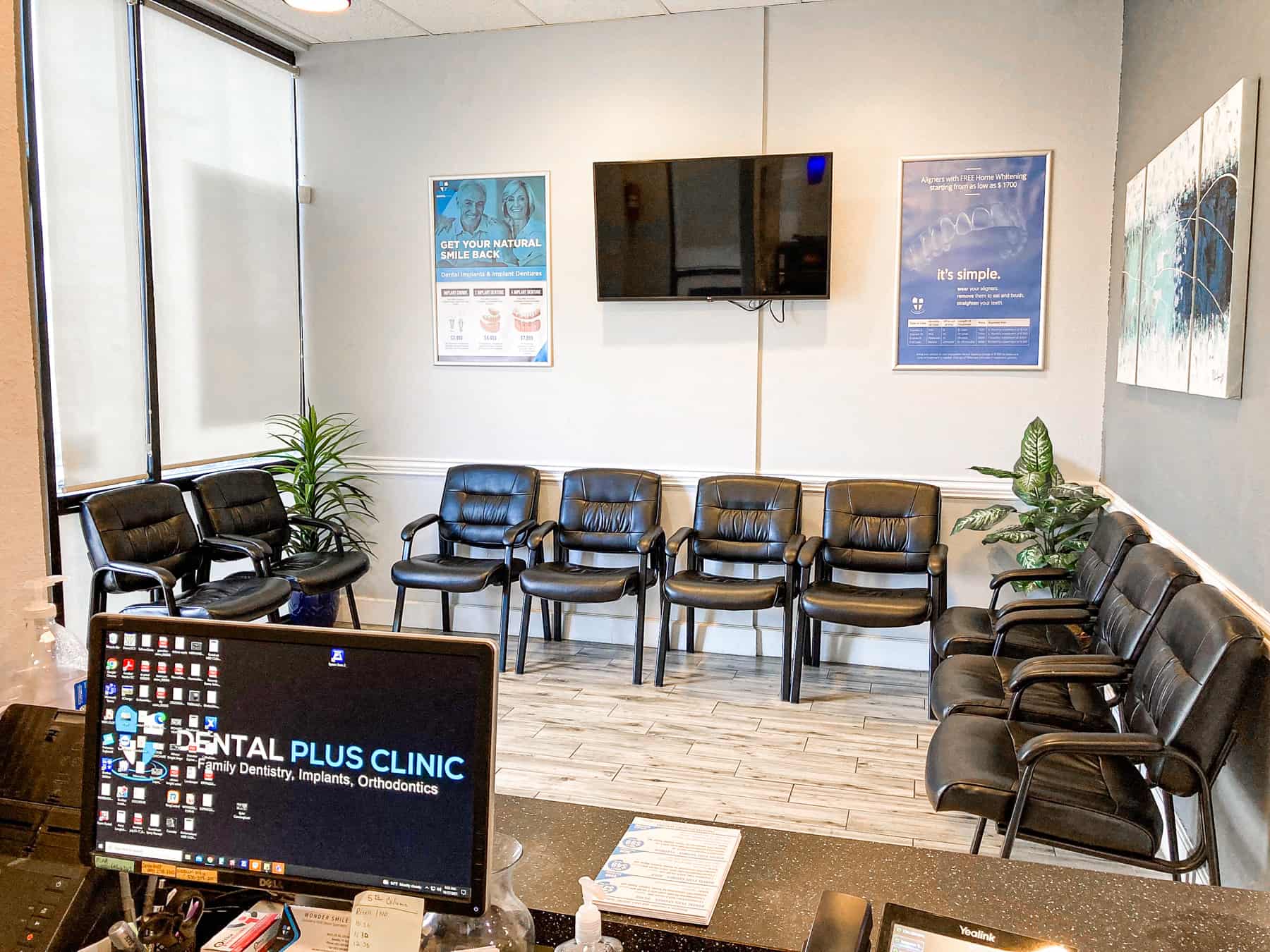
Understanding dentures cost helps you make informed decisions about tooth replacement that balance quality, function, and affordability. Whether you're exploring basic acrylic options or premium custom dentures, knowing what to expect financially removes uncertainty and allows you to focus on achieving the healthy, confident smile you deserve. Dental Plus Clinic provides comprehensive denture services across five convenient Texas locations, offering personalized treatment plans, flexible payment options, and the professional expertise needed to restore your smile with confidence and comfort.