
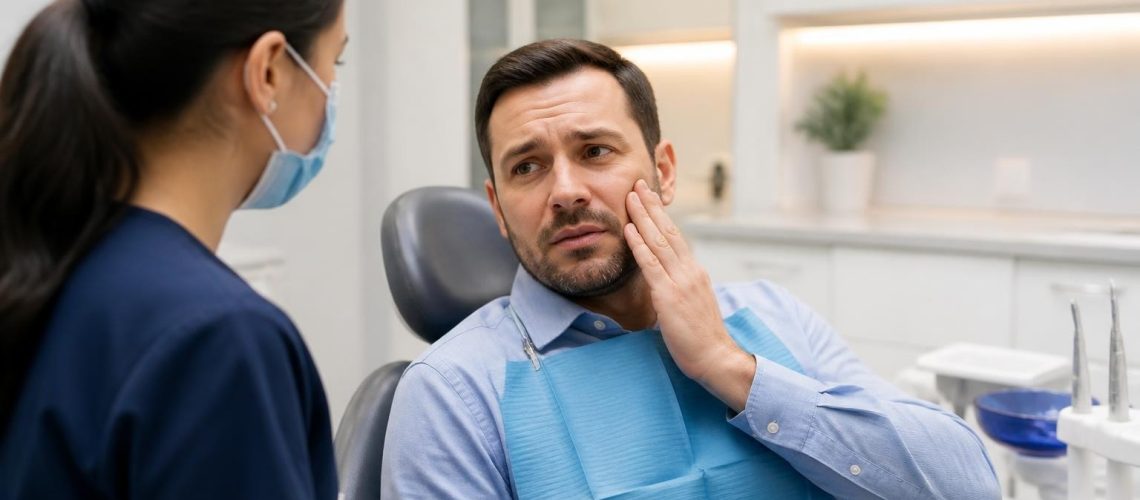
Dental emergencies never happen at convenient times. Whether it's a knocked-out tooth during your child's Saturday soccer game, a severe toothache that wakes you at 2 AM, or a broken crown on a holiday weekend, knowing where to find an emergency dentist in Seguin can make the difference between saving and losing a tooth. Understanding what qualifies as a true dental emergency, how to respond in those critical first moments, and what to expect from emergency dental care empowers you to protect your family's oral health when seconds count.
What Qualifies as a Dental Emergency
Not every dental problem requires immediate attention, but certain situations demand urgent care to prevent permanent damage, relieve severe pain, or address potentially life-threatening infections. Recognizing the difference between urgent and non-urgent dental issues helps you make informed decisions about when to seek an emergency dentist in Seguin.
Situations Requiring Immediate Care
Knocked-out permanent teeth represent one of the most time-sensitive dental emergencies. According to the American Academy of Pediatric Dentistry’s guidelines on avulsed teeth, reimplantation success drops significantly after just 30 minutes outside the socket. If you or your child loses a permanent tooth, handle it by the crown (never the root), rinse it gently with milk or saline, and attempt to reposition it in the socket while heading immediately to an emergency dentist.
Severe, uncontrollable pain signals a problem that won't resolve on its own. Deep decay reaching the tooth's nerve, abscessed teeth with pus-filled pockets, or infections spreading to surrounding tissue require immediate professional intervention.
Uncontrolled bleeding from the gums or mouth, especially following an injury or tooth extraction, warrants emergency care. While minor bleeding may stop with gentle pressure, continuous bleeding lasting more than 15 minutes needs professional evaluation.
Injuries That Can't Wait
- Fractured, cracked, or broken teeth with exposed nerves causing sharp pain
- Partially dislodged teeth that feel loose or moved out of position
- Soft tissue injuries including severe cuts to the tongue, cheeks, or lips requiring stitches
- Dental abscesses presenting with swelling, fever, and pus drainage
- Lost fillings or crowns causing severe discomfort or sharp edges cutting soft tissue
- Broken or damaged orthodontic appliances puncturing cheeks or gums

When You Can Wait Until Regular Hours
Some dental concerns, while uncomfortable, don't constitute true emergencies. A small chip in a tooth without pain can typically wait for a scheduled appointment. Mild toothaches that respond to over-the-counter pain relievers and don't worsen over 24 hours may indicate an issue requiring attention but not emergency care.
Lost fillings or crowns without accompanying pain can often be temporarily managed at home with dental cement from a pharmacy until you can see your regular dentist. Similarly, mild sensitivity to hot or cold that doesn't persist or intensify rarely requires emergency treatment.
How to Find Emergency Dental Care in Seguin
When a dental emergency strikes, quick access to professional care becomes your top priority. Seguin residents have several options for locating qualified emergency dental services, each with distinct advantages depending on the time, severity, and nature of your emergency.
Established Dental Practices with Emergency Services
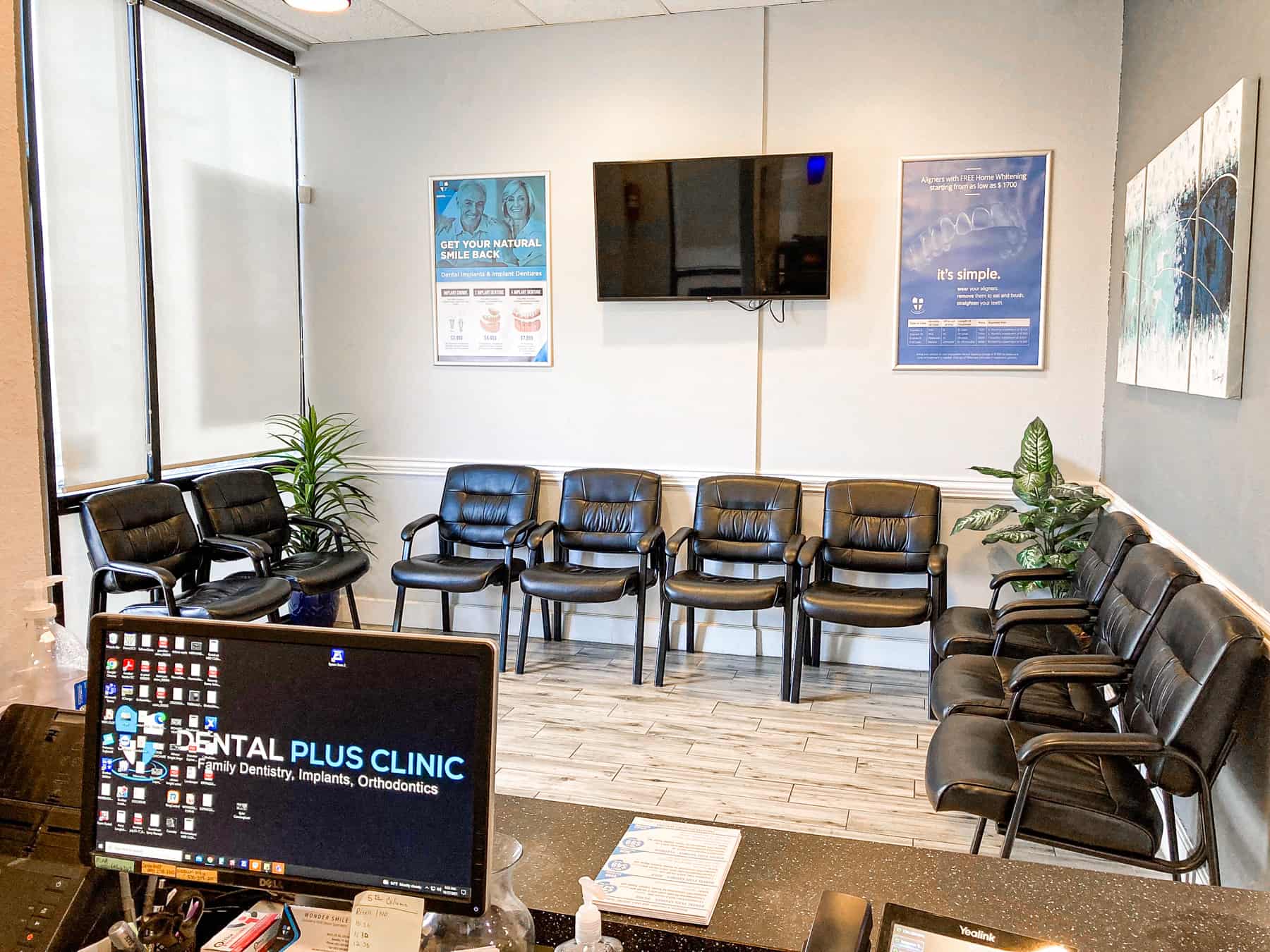
Many comprehensive dental practices, including Dental Plus Clinic's Seguin location, provide emergency dental services for both existing patients and new patients facing urgent situations. These clinics typically maintain emergency contact numbers and after-hours protocols.
Advantages of choosing a full-service clinic include continuity of care, complete dental records in one location, and the ability to schedule follow-up appointments for complex treatments. When you establish a relationship with a practice before emergencies arise, they already know your dental history, medications, and specific concerns.
| Service Type | Typical Availability | Best For | Average Wait Time |
|---|---|---|---|
| Established Clinic | Business hours + emergency line | Existing patients, routine emergencies | 30-90 minutes |
| Hospital ER | 24/7 | Life-threatening situations | 2-6 hours |
| Urgent Care Dental | Extended hours/weekends | After-hours emergencies | 1-2 hours |
| On-Call Dentist | After hours by phone | Triage and severe pain | Varies by situation |
Understanding After-Hours Protocols
The American Dental Association provides guidance on emergency treatment that helps practices develop effective after-hours response systems. Most professional dental offices maintain answering services or voicemail systems that connect patients with on-call dentists who can assess emergency severity and provide immediate guidance.
When you call an emergency dentist in Seguin after regular business hours, expect to describe your symptoms in detail. The dentist will determine whether you need immediate in-office care, can manage symptoms at home until morning, or should proceed to a hospital emergency room for life-threatening conditions.
Leveraging Community Resources
Texas residents benefit from state resources designed to connect patients with emergency dental care. The Texas Department of State Health Services regional oral health services provides information about local dental resources, including emergency care options in Guadalupe County and surrounding areas.
For families managing dental care costs, understanding your coverage options proves essential. Texas Medicaid and managed care programs follow specific protocols for emergency dental services, as outlined in the Texas Health and Human Services dental services guidance.
First Aid Steps Before Reaching the Dentist
The actions you take in the first minutes following a dental emergency significantly impact treatment outcomes. Proper first aid stabilizes the situation, manages pain, and increases the chances of successful treatment when you reach an emergency dentist in Seguin.
Managing a Knocked-Out Tooth
Time is your enemy when a permanent tooth gets knocked out. The International Association of Dental Traumatology guidelines emphasize that successful reimplantation depends heavily on rapid response and proper handling.
Immediate steps for avulsed teeth:
- Locate the tooth and pick it up by the crown only, never touching the root surface
- If dirty, rinse gently with cold milk, saline solution, or clean water for no more than 10 seconds
- Attempt to reinsert the tooth into its socket, having the patient bite down gently on clean gauze
- If reinsertion isn't possible, store the tooth in cold whole milk, the patient's saliva, or a tooth preservation product
- Seek emergency dental care within 30 minutes for the best chance of saving the tooth
Never scrub the tooth, remove attached tissue fragments, let the tooth dry out, or store it in tap water, which can damage delicate root cells.
Controlling Pain and Swelling
The ADA’s clinical guidance on acute dental pain provides evidence-based recommendations for managing dental pain before professional treatment. Over-the-counter anti-inflammatory medications like ibuprofen typically provide better pain relief for dental emergencies than acetaminophen alone.
Safe pain management approaches:
- Take ibuprofen (400-600 mg every 6 hours for adults) with food to reduce inflammation and pain
- Apply cold compresses to the outside of the cheek for 15 minutes on, 15 minutes off to reduce swelling
- Rinse gently with warm salt water to cleanse the area and soothe irritated tissue
- Avoid aspirin directly on gums, which can cause chemical burns
- Elevate your head while resting to minimize blood flow to the affected area
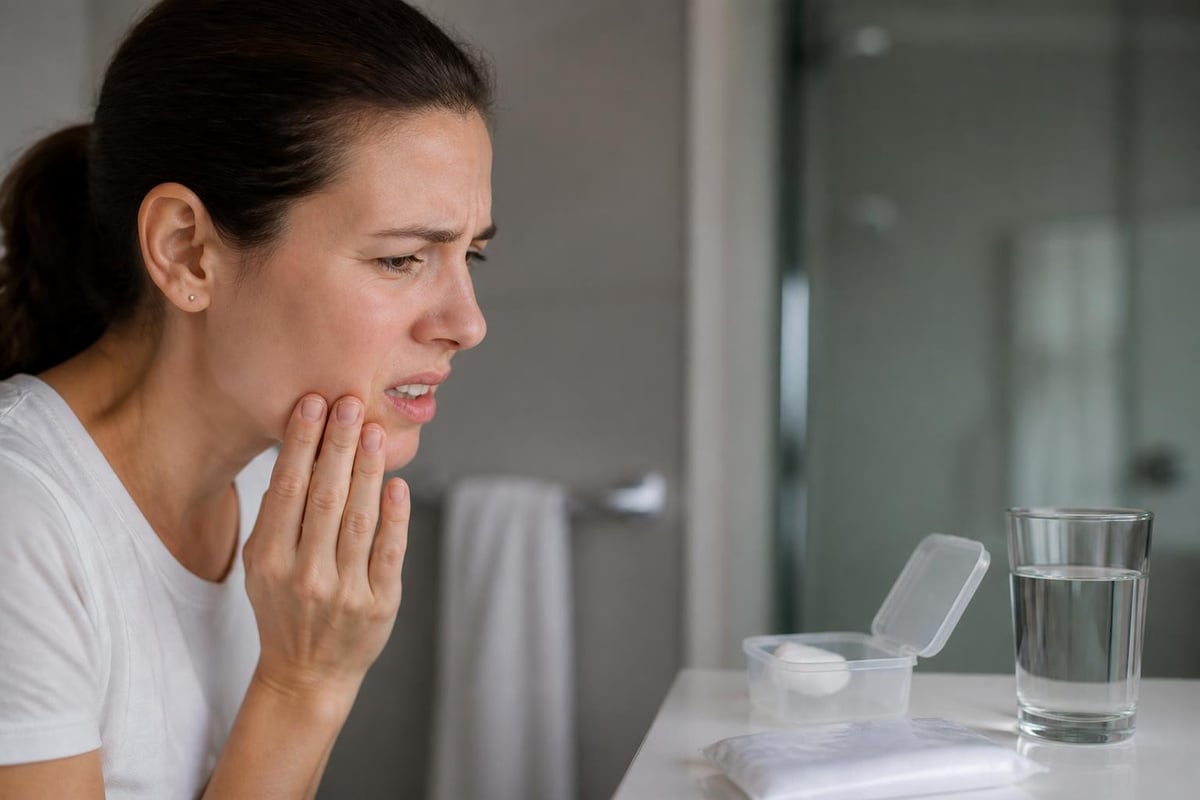
Temporary Fixes for Common Problems
Lost crowns or fillings can be temporarily managed with dental cement available at most pharmacies. Clean the crown and tooth carefully, apply a small amount of cement, and position the crown back on the tooth. This provides short-term protection until professional repair.
For broken teeth with sharp edges cutting your cheek or tongue, dental wax (often used for braces) can cover jagged areas. Sugar-free gum works in a pinch but isn't ideal for extended periods.
If you're experiencing severe tooth pain, avoid extremely hot or cold foods and don't apply heat to the outside of your face, which can worsen infections. Stick to soft foods and chew on the opposite side of your mouth.
What to Expect During an Emergency Dental Visit
Walking into an emergency dental appointment while in pain or following trauma feels stressful, especially if you're unfamiliar with emergency dental protocols. Understanding the typical process helps reduce anxiety and ensures you're prepared with necessary information.
Initial Assessment and Triage
Your emergency dentist in Seguin will begin with a focused examination to assess the severity of your condition and determine the most appropriate immediate treatment. This assessment includes:
Medical and dental history review to identify allergies, current medications, existing conditions, and previous dental work relevant to your emergency. Be prepared to share recent changes in your health, including medications that might affect bleeding or healing.
Pain assessment using standardized scales helps the dentist understand your discomfort level and prioritize treatment. You'll describe pain characteristics, including when it started, what triggers or relieves it, and whether it's constant or intermittent.
Visual and physical examination of the affected area, surrounding teeth, and soft tissues identifies visible damage, swelling, discoloration, or signs of infection. The dentist will gently check tooth mobility, look for cracks or fractures, and assess your bite alignment.
Diagnostic Imaging
Most emergency situations require X-rays to reveal problems invisible to the naked eye. Digital radiography provides immediate images showing:
- Tooth fractures extending below the gum line
- Bone damage from traumatic injuries
- Abscesses and infection spreading to surrounding bone
- Impacted teeth causing pressure and pain
- Root positioning for knocked-out teeth requiring reimplantation
Modern dental practices use minimal radiation exposure, and the diagnostic benefits far outweigh the negligible risks, especially in emergency situations requiring accurate diagnosis for effective treatment.
Immediate Treatment Options
Based on examination findings, your emergency dentist will recommend the most appropriate immediate intervention. Treatment priorities focus on relieving pain, preventing further damage, and stabilizing the situation until comprehensive care can be provided.
| Emergency Type | Immediate Treatment | Follow-Up Needed |
|---|---|---|
| Knocked-Out Tooth | Reimplantation and splinting | Root canal within 2 weeks, monitoring for 5 years |
| Severe Abscess | Drainage, antibiotics, pain management | Root canal or extraction after infection clears |
| Broken Tooth | Temporary bonding or crown | Permanent restoration within 2-4 weeks |
| Lost Crown | Re-cementation or temporary crown | New crown if original damaged |
| Soft Tissue Injury | Cleaning, stitches if needed | Removal of sutures in 5-7 days |
Managing Pain and Infection After Emergency Treatment
The care you provide at home following emergency dental treatment directly impacts healing speed, comfort, and treatment success. Following your dentist's specific instructions prevents complications and supports optimal recovery.
Prescription Medication Guidelines
Your emergency dentist may prescribe antibiotics if infection is present or at high risk of developing. Complete the full course of antibiotics even if symptoms improve before the medication runs out. Stopping antibiotics early allows resistant bacteria to multiply, potentially causing more serious infections.
For pain management, the National Institute of Dental and Craniofacial Research provides information on opioids and dental pain, emphasizing that most dental pain can be effectively managed with non-opioid medications. Many dentists now prescribe combination therapy using ibuprofen and acetaminophen together, which often provides pain relief comparable to opioid medications without addiction risks.
Post-Treatment Care Instructions
First 24 hours following emergency treatment require special attention to promote healing and prevent complications:
- Avoid rinsing, spitting forcefully, or drinking through straws, which can dislodge blood clots and delay healing
- Stick to soft, cool foods that don't require extensive chewing
- Apply ice packs to reduce swelling during the first 24 hours only
- Keep your head elevated while sleeping to minimize throbbing and swelling
- Avoid smoking and alcohol, which interfere with healing and medication effectiveness
After the first day, gentle warm salt water rinses (1/2 teaspoon salt in 8 oz warm water) help keep the area clean and promote healing. Rinse after meals and before bed, but don't swish vigorously.
Recognizing Warning Signs
Most patients experience steady improvement over the first few days following emergency treatment. However, certain symptoms indicate complications requiring immediate follow-up:
- Increasing pain after the second day that doesn't respond to prescribed pain medication
- Fever above 101°F (38.3°C) suggesting spreading infection
- Excessive swelling that worsens after 48 hours or makes swallowing difficult
- Persistent bleeding that doesn't slow with gentle pressure
- Numbness in lips, tongue, or chin lasting beyond the expected anesthesia wear-off time
- Difficulty breathing or swallowing, which requires immediate emergency room care
Contact your emergency dentist in Seguin immediately if you experience any of these warning signs. Don't wait to see if symptoms resolve on their own.
Preventing Common Dental Emergencies
While accidents happen, many dental emergencies can be prevented through protective measures, good oral hygiene habits, and regular professional care. Proactive prevention proves far less stressful and expensive than emergency treatment.
Protective Equipment for Sports and Activities
Mouthguards rank among the most effective tools for preventing dental injuries during sports and recreational activities. Custom-fitted mouthguards provided by your dentist offer superior protection compared to over-the-counter options, distributing impact forces and preventing tooth fractures, jaw injuries, and soft tissue damage.
Athletes participating in contact sports, including football, basketball, hockey, soccer, and martial arts, should wear properly fitted mouthguards during all practices and games. Even non-contact sports like gymnastics, skateboarding, and mountain biking carry dental injury risks that mouthguards help minimize.
For patients who grind their teeth at night (bruxism), nightguards prevent the gradual wear and fractures that often lead to emergency situations. Learn more about the differences between TMJ mouth guards and bruxism night guards to understand which option best protects your teeth.
Regular Dental Checkups and Preventive Care
Many dental emergencies result from progressive problems that could have been detected and treated during routine examinations. Small cavities identified during six-month checkups require simple fillings, while ignored cavities eventually reach the tooth's nerve, causing severe pain and requiring emergency root canal treatment.
Professional cleanings remove hardened tartar buildup that contributes to gum disease. Advanced gum disease weakens the bone supporting teeth, increasing the risk of tooth loss and periodontal abscesses. Understanding what treatments general dentists provide helps you appreciate the value of preventive care.
Teaching Children Proper Oral Safety
Parents play a crucial role in preventing childhood dental emergencies. Supervise young children during activities with fall risks, baby-proof homes to prevent injuries during the toddler years, and teach children never to use teeth as tools for opening packages or bottles.
Helping your child avoid tooth decay prevents infections and abscesses that often lead to emergency visits. Establish good brushing habits early, limit sugary snacks and drinks, and ensure children receive regular professional cleanings and fluoride treatments.
Understanding Emergency Dental Care Costs
Cost concerns prevent many people from seeking emergency dental care when they need it most. Understanding typical costs, payment options, and insurance coverage helps you make informed decisions without compromising your oral health.
Typical Fee Structures
Emergency dental visit fees vary based on several factors, including the day and time of service, complexity of the problem, and treatments required. After-hours emergencies typically incur higher fees than problems addressed during regular business hours, reflecting the dentist's availability outside standard schedules.
Base examination fees for emergency visits generally range from $75 to $200, covering the dentist's assessment, diagnosis, and treatment planning. This fee doesn't include actual treatment procedures, diagnostic imaging, or materials.
Additional costs depend on required treatments:
- X-rays: $25-$250 depending on the number and type of images needed
- Simple extractions: $150-$300 per tooth
- Root canal therapy: $700-$1,500 depending on tooth location
- Temporary crowns: $300-$800
- Abscess drainage: $100-$300
- Tooth reimplantation and splinting: $200-$600
Insurance Coverage for Emergencies
Most dental insurance plans cover a portion of emergency care, though coverage specifics vary significantly between policies. Understanding dental insurance coverage before emergencies arise helps you anticipate out-of-pocket costs.
Emergency examinations typically fall under diagnostic services covered at 80-100% after deductibles. X-rays usually receive similar coverage levels. However, restorative treatments like crowns, root canals, and extractions often fall under major services with 50% coverage after you've met annual deductibles.
Many insurance plans include annual maximum benefits ranging from $1,000 to $2,000. Once you reach this limit, you're responsible for 100% of additional costs until the next benefit period. Emergency situations sometimes require extensive treatment exceeding these limits.
If you're unsure about your coverage or have experienced dental insurance denial, contact your insurance provider before treatment when possible, or ask the dental office to verify benefits on your behalf.
Payment Options and Financial Assistance
Reputable dental practices offer multiple payment options to ensure patients receive necessary emergency care regardless of immediate ability to pay. Payment plans allow you to spread costs over several months with low or no interest, making expensive emergency treatments more manageable.
Third-party financing through companies like CareCredit provides approved patients with credit lines specifically for healthcare expenses, often with promotional interest-free periods for timely repayment. Learn about dental implant financing options in Texas that often apply to emergency treatments as well.
For patients facing financial hardship, some dental clinics offer discount programs for uninsured patients or sliding-fee scales based on income. Community health centers and dental schools may provide reduced-cost emergency services, though availability and wait times vary.
Never avoid necessary emergency dental care due to cost concerns. Delaying treatment for serious infections, severe pain, or traumatic injuries leads to more complex problems requiring more expensive treatment later and risks permanent tooth loss or serious health complications.

Finding a Trustworthy Emergency Dentist
The quality of emergency dental care you receive depends heavily on choosing a qualified, experienced, and patient-focused dentist. When dental emergencies strike, you don't have the luxury of extensive research, making it valuable to identify reliable providers before urgent situations arise.
Credentials and Professional Memberships
State licensure represents the minimum requirement for any dentist practicing in Texas. The Texas State Board of Dental Examiners maintains public records of licensed dentists, any disciplinary actions, and license status. Verify your emergency dentist holds a current, unrestricted license.
Professional organization memberships indicate commitment to continuing education and adherence to ethical standards. The American Dental Association (ADA) and state dental associations require members to follow codes of ethics and stay current on evolving dental practices and technologies.
Advanced certifications in emergency care, sedation dentistry, or specific treatment areas demonstrate expertise beyond basic dental education. While not required, these credentials suggest a dentist prioritizes professional development and specialized skills.
Technology and Treatment Capabilities
Modern dental technology improves diagnostic accuracy, treatment comfort, and outcome quality. Emergency dental practices equipped with digital X-rays provide immediate imaging with 90% less radiation than traditional films. Intraoral cameras allow dentists to show you exactly what they're seeing, building trust through transparency.
Practices offering same-day crowns using CAD/CAM technology can complete permanent restorations in a single visit, eliminating the need for temporary crowns and multiple appointments. Laser dentistry enables less invasive treatment for soft tissue injuries and infections.
Ask about available sedation options if dental anxiety prevents you from seeking care. Practices offering nitrous oxide, oral sedation, or IV sedation can provide comfortable emergency treatment even for anxious patients.
Patient Reviews and Reputation
Online reviews provide valuable insights into patient experiences, though evaluating them requires critical thinking. Look for patterns across multiple review platforms rather than focusing on individual comments. Practices with hundreds of positive reviews likely provide consistent quality care.
The Consumer Reports guide on evaluating health information online offers practical advice for assessing provider credibility and avoiding misleading information when researching emergency dental care options.
Red flags in reviews include reports of billing surprises, unnecessary treatment recommendations, poor communication, unsanitary conditions, or dismissive attitudes toward patient concerns. A few negative reviews among many positive ones may reflect individual situations, but consistent patterns warrant attention.
Location and Accessibility Considerations
During dental emergencies, proximity matters. Choosing an emergency dentist in Seguin close to your home, workplace, or children's schools minimizes travel time when minutes count. Dental Plus Clinic's Seguin location provides convenient access for residents throughout Guadalupe County.
Consider practices with ample parking, wheelchair accessibility, and family-friendly amenities if you have young children or family members with mobility challenges. Evening and weekend hours increase the likelihood you can access care without long waits.
Common Questions About Emergency Dental Care
How quickly should I see a dentist after knocking out a tooth?
Immediately. Optimal reimplantation success occurs within 30 minutes of tooth loss. After one hour, the chances of successful reattachment decrease significantly. If possible, gently rinse the tooth with milk or saline, attempt to reposition it in the socket, and head directly to an emergency dentist in Seguin. Even if hours have passed, seek care as dentists may still save the tooth or provide alternative solutions.
Can I go to a hospital emergency room for dental problems?
Hospital emergency rooms can provide pain management, treat severe infections with antibiotics, and address life-threatening complications from dental issues. However, they typically cannot perform definitive dental treatments like root canals, extractions, or restorations. For most dental emergencies, a qualified emergency dentist provides more appropriate and comprehensive care. Reserve ER visits for situations involving difficulty breathing, uncontrolled bleeding that won't stop, or severe facial swelling affecting your eyes or throat.
What should I do if my child's baby tooth gets knocked out?
Unlike permanent teeth, baby teeth should not be reimplanted after being knocked out. Attempting to reinsert baby teeth can damage developing permanent teeth underneath. Rinse the area gently with water, apply gauze with gentle pressure to control bleeding, and contact your dentist to assess potential damage to surrounding teeth or developing permanent teeth. Most knocked-out baby teeth don't require emergency treatment unless significant bleeding or pain persists.
Are dental emergencies covered differently than regular dental work?
Most insurance plans cover emergency examinations and X-rays similarly to routine diagnostic services, typically at 80-100% after deductibles. However, treatments performed during emergency visits follow standard coverage levels based on procedure type. Fillings, root canals, and extractions receive the same coverage whether performed during emergencies or scheduled appointments. Understanding whether dental insurance covers crowns and other major procedures helps you anticipate emergency care costs.
How can I tell if tooth pain is serious enough for emergency care?
Severe, persistent pain that doesn't respond to over-the-counter pain relievers warrants emergency evaluation. Additional warning signs include visible swelling in gums or face, fever, foul taste or drainage from teeth, difficulty swallowing or breathing, and pain that wakes you from sleep or prevents normal activities. When in doubt, call an emergency dentist in Seguin for phone triage. Dentists can assess symptom severity and advise whether you need immediate care or can wait for a scheduled appointment.
What's the difference between urgent and emergency dental care?
Emergency dental care addresses potentially life-threatening situations, severe trauma, or conditions requiring immediate intervention to save teeth or prevent serious complications. This includes knocked-out teeth, uncontrolled bleeding, severe infections with facial swelling, and traumatic injuries. Urgent care involves problems causing significant discomfort or requiring attention within 24-48 hours but don't threaten teeth or health immediately, such as broken crowns, moderate toothaches, or lost fillings. Understanding this distinction helps you seek appropriate care levels.
Can I prevent the majority of dental emergencies?
While accidents happen, preventive measures eliminate many emergency situations. Regular six-month checkups identify small problems before they become emergencies. Professional cleanings prevent gum disease that leads to tooth loss and abscesses. Wearing mouthguards during sports protects against traumatic injuries. Addressing teeth grinding with nightguards prevents fractures. Good home care including proper brushing and flossing reduces cavity-related emergencies. According to dental health statistics, approximately 80% of dental emergencies result from preventable conditions like untreated decay and gum disease.
Should I take antibiotics before seeing the dentist for an infection?
Never take antibiotics without professional evaluation. While dental infections require antibiotic treatment, dentists must first diagnose the specific infection type and severity to prescribe appropriate medications. Taking leftover antibiotics from previous illnesses or antibiotics prescribed for someone else can mask symptoms, promote antibiotic resistance, and cause dangerous allergic reactions. Contact an emergency dentist for proper evaluation and prescription if you suspect a dental infection. Understanding how tooth infections spread emphasizes the importance of professional care.
What if I can't afford emergency dental treatment?
Financial concerns shouldn't prevent you from seeking necessary emergency care. Discuss payment options openly with the dental office before treatment. Many practices offer interest-free payment plans, accept third-party healthcare financing, or provide discount programs for uninsured patients. Community health centers and dental schools may offer reduced-cost emergency services. For infections or severe pain, receiving immediate treatment prevents more expensive complications later. Some dentists prioritize stabilizing emergency situations even when patients have limited resources, then work with patients on payment arrangements for comprehensive follow-up care.
How do I choose between different emergency dental providers?
Before emergencies arise, research emergency dentists in Seguin to identify providers meeting your needs. Verify state licensure and credentials, check online reviews across multiple platforms, confirm they accept your insurance, and evaluate their emergency availability and protocols. Schedule a routine checkup with a practice offering emergency services to establish a relationship before urgent needs arise. Having an existing patient relationship with a comprehensive clinic like Dental Plus Clinic ensures your dental records, history, and treatment plans are readily available during emergencies, streamlining care and improving outcomes.
Dental emergencies demand immediate attention, proper first aid, and access to qualified professional care to protect your smile and overall health. Knowing what qualifies as a true emergency, how to respond in critical first moments, and where to find reliable treatment empowers you to act confidently when urgent dental problems arise. Whether you're managing a knocked-out tooth, severe infection, or traumatic injury, the right emergency dentist makes all the difference in treatment outcomes and long-term oral health. Dental Plus Clinic provides comprehensive emergency dental services at our Seguin location, combining advanced technology, experienced professionals, and patient-focused care to address urgent dental needs promptly and effectively. Contact Dental Plus Clinic today to learn more about our emergency services and establish a dental home for your family's complete oral health needs.