

When severe dental pain strikes unexpectedly, searching for "emergency extraction near me" becomes an urgent priority. Dental emergencies don't follow convenient schedules, and understanding when you need immediate extraction versus when you can wait for a scheduled appointment can make the difference between saving and losing a tooth. This comprehensive guide explores everything Texas families need to know about emergency tooth extractions, from recognizing genuine dental emergencies to understanding the procedure, managing costs, and ensuring proper recovery.
Understanding Emergency Tooth Extractions
An emergency tooth extraction is the immediate removal of a tooth due to severe pain, infection, trauma, or conditions that threaten your overall health. Unlike routine extractions scheduled weeks in advance, emergency extractions require immediate attention to prevent complications.
What Qualifies as a Dental Emergency
Not every toothache requires emergency extraction. Genuine dental emergencies typically involve:
- Severe, uncontrollable pain that doesn't respond to over-the-counter pain medication
- Facial swelling that affects breathing or swallowing
- Uncontrolled bleeding from the mouth or gums
- Trauma or injury resulting in a cracked, broken, or knocked-out tooth
- Abscessed tooth with visible pus, fever, or swollen lymph nodes
- Advanced tooth decay causing intense pain and infection risk
According to the National Center for Biotechnology Information’s analysis of dental emergencies, infections and severe pain account for the majority of emergency dental visits requiring immediate intervention. Understanding when to seek emergency care versus waiting for your regular dentist can prevent complications and unnecessary suffering.
Conditions That May Require Immediate Extraction
Several dental conditions may necessitate searching for emergency extraction near me:
- Periapical abscess: Infection at the tooth root requiring immediate drainage and extraction
- Impacted wisdom teeth: Causing severe pain, swelling, or infection
- Irreparable tooth fracture: Extending below the gum line with exposed nerves
- Advanced periodontal disease: Severely loose teeth with infection
- Failed root canal: Persistent infection despite previous treatment
When dental infections progress rapidly, they can spread to surrounding tissues and potentially become life-threatening. The comprehensive guide on emergency tooth extraction procedures emphasizes the importance of timely intervention to prevent systemic complications.

The Emergency Extraction Process
Understanding what happens during an emergency extraction can reduce anxiety and help you prepare for the procedure. The process typically follows a structured protocol designed to address your pain while ensuring safe tooth removal.
Initial Emergency Assessment
When you arrive at an emergency dental facility, the dentist will:
- Conduct a visual examination of the affected tooth and surrounding tissues
- Take digital X-rays to assess tooth position, root structure, and infection extent
- Evaluate vital signs if infection or swelling is present
- Determine if extraction is necessary or if alternative treatments might save the tooth
- Discuss anesthesia options and medical history considerations
This assessment typically takes 15-30 minutes and helps establish the most appropriate treatment plan. At facilities like Dental Plus Clinic, emergency evaluations prioritize immediate pain relief while thoroughly assessing all treatment options.
Anesthesia and Pain Management
Modern emergency extractions utilize multiple pain management strategies:
| Anesthesia Type | Application | Onset Time | Duration |
|---|---|---|---|
| Local anesthetic | Injection near affected tooth | 3-5 minutes | 2-4 hours |
| Nitrous oxide | Inhalation sedation | Immediate | During procedure |
| IV sedation | Intravenous administration | 2-3 minutes | 30-60 minutes |
| General anesthesia | Complete unconsciousness | 1-2 minutes | Procedure duration |
For most emergency extractions, local anesthesia provides sufficient pain control. Your dentist will ensure complete numbness before beginning the extraction, preventing pain while allowing you to remain awake and responsive.
Step-by-Step Extraction Procedure
The actual extraction follows a systematic approach:
Simple Extraction (for visible, accessible teeth):
- Dentist loosens the tooth using an elevator instrument
- Grasps the tooth with forceps
- Rocks the tooth gently to widen the socket
- Removes the tooth in a controlled motion
- Cleans the socket and checks for remaining fragments
- Places gauze to control bleeding
Surgical Extraction (for broken teeth, impacted teeth, or complex cases):
- Small incision in the gum tissue to access the tooth
- Removal of surrounding bone if necessary
- Tooth sectioning into smaller pieces for easier removal
- Complete extraction of all tooth fragments
- Socket cleaning and debris removal
- Stitches to close the incision site
According to MedlinePlus’s overview of tooth extraction, most emergency extractions take 20-40 minutes, though complex cases may require additional time. The procedure itself should be painless due to anesthesia, though you'll feel pressure and movement.
Finding Emergency Dental Care in Texas
When searching for emergency extraction near me in Texas, several factors determine the quality and accessibility of care you'll receive. Knowing where to look and what to expect can expedite treatment during a painful emergency.
Emergency Dental Services Availability
Texas dental practices offer varying levels of emergency care:
- 24/7 Emergency Clinics: Dedicated facilities staffed around the clock
- Extended Hours Practices: Regular dental offices with early morning, evening, and weekend appointments
- On-Call Emergency Services: Dentists available by phone for after-hours emergencies with next-available appointments
- Hospital Emergency Rooms: For severe infections, uncontrolled bleeding, or facial trauma
Most dental emergencies don't require hospital emergency rooms unless breathing is compromised or severe facial swelling develops. Dental-specific emergency services provide more appropriate care for tooth-related issues.
What to Look for in Emergency Dental Providers
When selecting an emergency dental provider, consider:
Credentials and Experience
- Licensed Texas dentists with current certifications
- Experience handling emergency extractions
- Positive patient reviews and testimonials
- Advanced training in oral surgery or emergency dentistry
Technology and Facilities
- Digital X-ray equipment for immediate diagnosis
- Sterile surgical environments
- Modern extraction instruments and techniques
- Multiple sedation options available
Insurance and Payment Options
- Acceptance of your dental insurance plan
- Transparent pricing and cost estimates before treatment
- Flexible payment plans for unexpected emergencies
- Understanding of financial constraints during emergencies
Facilities like those at our Leander location provide comprehensive emergency services with modern technology and experienced professionals ready to address urgent dental needs.

Cost Considerations for Emergency Extractions
Understanding the financial aspects of emergency dental care helps you make informed decisions during stressful situations. Emergency extraction costs vary based on multiple factors, but knowing typical price ranges and payment options reduces financial anxiety.
Average Cost Breakdown
Emergency tooth extraction costs in Texas typically range from $150 to $650 or more, depending on several variables:
| Extraction Type | Average Cost Range | Factors Affecting Price |
|---|---|---|
| Simple extraction | $150-$300 | Single-rooted tooth, minimal complications |
| Surgical extraction | $300-$550 | Multiple roots, bone removal required |
| Impacted tooth | $400-$650+ | Wisdom teeth, full surgical procedure |
| Emergency fee | $50-$150 | After-hours or weekend service |
Additional costs may include:
- Initial emergency examination: $75-$200
- X-rays: $25-$250 (depending on number and type)
- Anesthesia upgrades: $100-$500 (for sedation beyond local anesthetic)
- Prescription medications: $20-$60 (antibiotics and pain relievers)
- Follow-up appointments: $50-$100
Insurance Coverage and Payment Options
Dental insurance typically covers emergency extractions, though coverage percentages vary:
Typical Insurance Coverage:
- Diagnostic services (exams, X-rays): 80-100%
- Basic extractions: 70-80%
- Surgical extractions: 50-70%
- Emergency consultation fees: 50-80%
Most insurance plans classify extractions as basic or major procedures. Understanding your coverage before an emergency helps set realistic expectations. If you've experienced dental insurance denial, contact your provider to clarify emergency coverage specifics.
Alternative Payment Solutions:
- Healthcare credit cards (CareCredit, LendingClub)
- In-house payment plans through the dental office
- Health savings accounts (HSA) or flexible spending accounts (FSA)
- Discount dental plans for uninsured patients
- Sliding scale fees based on income
Many Texas dental practices work with patients to establish affordable payment arrangements, recognizing that emergencies create unexpected financial burdens.
Recovery and Aftercare Following Emergency Extraction
Proper post-extraction care significantly impacts healing speed and complication prevention. Understanding what to expect during recovery and following your dentist's instructions ensures optimal outcomes after emergency tooth removal.
Immediate Post-Extraction Care (First 24 Hours)
The first day after extraction requires careful attention to promote clot formation and prevent complications:
Bleeding Control:
- Bite firmly on gauze pads for 30-45 minutes after extraction
- Replace gauze if bleeding continues, applying steady pressure
- Avoid spitting, rinsing, or using straws (can dislodge clot)
- Keep head elevated using pillows when resting
Pain Management:
- Take prescribed pain medication as directed
- Apply ice packs to the cheek (20 minutes on, 20 minutes off)
- Use over-the-counter pain relievers if prescribed medication isn't necessary
- Expect some discomfort as anesthesia wears off (2-4 hours post-procedure)
Dietary Restrictions:
- Consume only soft, cool foods (yogurt, smoothies, applesauce, ice cream)
- Avoid hot beverages that can dissolve the blood clot
- Eat on the opposite side of your mouth from the extraction site
- Stay hydrated with room-temperature water
Days 2-7: Healing and Monitoring
As healing progresses, you'll transition from acute recovery to tissue regeneration:
-
Swelling Management: Facial swelling typically peaks 48-72 hours post-extraction. Continue ice application for the first 48 hours, then switch to warm compresses to promote circulation.
-
Oral Hygiene: Resume gentle brushing after 24 hours, avoiding the extraction site. Start gentle saltwater rinses (1/2 teaspoon salt in 8 oz warm water) after 24 hours to keep the area clean.
-
Activity Restrictions: Avoid strenuous exercise, heavy lifting, or activities that increase blood pressure for 3-5 days to prevent bleeding and delayed healing.
-
Diet Progression: Gradually introduce semi-soft foods (scrambled eggs, pasta, fish) as comfort allows, avoiding hard, crunchy, or chewy foods for one week.
-
Medication Compliance: Complete the full course of antibiotics if prescribed, even if symptoms improve. This prevents infection and antibiotic resistance.
Warning Signs Requiring Follow-Up Care
Contact your dentist immediately if you experience:
- Dry socket: Severe pain 3-4 days post-extraction with a foul odor or taste
- Excessive bleeding: Bright red blood beyond the first 24 hours
- Signs of infection: Fever above 101°F, increasing swelling, or pus discharge
- Prolonged numbness: Lasting more than 24 hours after extraction
- Difficulty breathing or swallowing: May indicate spreading infection
According to NewMouth’s guide to emergency tooth extraction, approximately 2-5% of extractions develop dry socket, a painful but treatable complication requiring professional intervention. For specific concerns about recovery, resources like understanding your toothache can provide additional context about post-extraction sensations.
Preventing Future Dental Emergencies
While some dental emergencies result from accidents or trauma, many can be prevented through consistent oral hygiene, regular checkups, and early intervention when problems develop. Proactive dental care reduces the likelihood of searching for emergency extraction near me.
Maintaining Optimal Oral Health
Prevention strategies that minimize emergency extraction risk include:
Daily Oral Hygiene Practices:
- Brush twice daily with fluoride toothpaste for two minutes
- Floss once daily to remove plaque between teeth
- Use antimicrobial mouthwash to reduce bacteria
- Replace toothbrushes every 3-4 months or when bristles fray
The importance of proper brushing and flossing techniques cannot be overstated in preventing cavities and infections that lead to emergency extractions.
Regular Dental Checkups:
- Schedule professional cleanings every six months
- Complete recommended X-rays to detect hidden problems
- Address cavities and minor issues before they become emergencies
- Monitor existing dental work (crowns, fillings) for wear or damage
Protective Measures:
- Wear mouthguards during contact sports
- Avoid using teeth as tools (opening packages, bottles)
- Don't chew ice, hard candy, or other damaging substances
- Address teeth grinding with a nightguard if recommended
Early Warning Signs to Address Promptly
Recognizing early symptoms that might progress to emergencies allows timely intervention:
- Temperature sensitivity: Lingering pain when consuming hot or cold foods
- Persistent bad breath: May indicate infection or decay
- Gum bleeding: Regular bleeding suggests periodontal disease
- Tooth mobility: Loosening teeth require immediate evaluation
- Dull, persistent ache: Low-level pain that gradually intensifies
Many patients wonder how long it takes for a tooth infection to spread, emphasizing the importance of addressing symptoms before they escalate. Infections can progress from minor discomfort to severe pain requiring emergency extraction in just 24-48 hours without treatment.
Special Considerations for Different Patient Groups
Emergency dental extractions affect different populations uniquely, requiring tailored approaches to care. Understanding these distinctions helps families, seniors, and individuals with specific health conditions prepare for potential emergencies.
Emergency Extractions for Children
Pediatric dental emergencies present unique challenges and considerations:
Common Pediatric Emergency Scenarios:
- Severe tooth decay in baby teeth causing pain and infection
- Trauma from falls, sports injuries, or accidents
- Impacted teeth preventing permanent tooth eruption
- Extensive cavities despite preventive efforts
For families searching for emergency extraction near me for their children, selecting a dentist experienced in pediatric care is essential. Children require different communication approaches, specialized equipment, and often sedation to ensure comfort and cooperation during emergency procedures.
Pediatric-Specific Considerations:
- Baby teeth vs. permanent teeth: Dentists evaluate whether extraction affects future dental development
- Sedation options: Children often benefit from deeper sedation than adults
- Post-operative care: Parents must manage recovery for young children unable to follow complex instructions
- Emotional support: Reducing dental anxiety prevents future dental fear
Resources like finding a kids dentist near me help parents locate providers equipped to handle pediatric dental emergencies with appropriate expertise and compassion.
Seniors and Patients with Medical Conditions
Older adults and individuals with chronic health conditions require additional precautions during emergency extractions:
Medical Considerations:
- Cardiovascular disease: Blood thinners increase bleeding risk
- Diabetes: Affects healing and infection risk
- Osteoporosis: Bone density medications may impact jaw healing
- Immunocompromised conditions: Require prophylactic antibiotics
Comprehensive medical history review before emergency extraction ensures safe treatment planning. Dentists may coordinate with physicians to adjust medications temporarily or provide specialized care protocols.
Pregnancy and Emergency Dental Care
Pregnant women experiencing dental emergencies require careful evaluation:
- Second trimester (weeks 14-20) offers the safest window for dental procedures
- Local anesthesia is generally safe during pregnancy
- Certain antibiotics and pain medications require substitution
- Delaying extraction until after delivery may be appropriate for non-urgent cases
Emergency infections threatening maternal health take priority, as untreated dental infections pose greater risks than properly managed extraction procedures.
Frequently Asked Questions About Emergency Extractions
How quickly can I get an emergency extraction?
Most dental emergency facilities provide same-day appointments for genuine emergencies. When you call reporting severe pain, infection, or trauma, many practices can see you within 1-4 hours during business hours. After-hours emergencies may require waiting until the next available emergency slot or visiting a 24-hour facility.
Will emergency extraction hurt?
The extraction procedure itself should not hurt due to local anesthesia. You'll feel pressure, pushing, and movement, but sharp pain indicates inadequate anesthesia and should be reported immediately so your dentist can administer additional numbing medication. Post-procedure discomfort is normal and manageable with prescribed or over-the-counter pain medication.
Can I drive myself home after an emergency extraction?
If you receive only local anesthesia, driving yourself home is typically safe once the procedure concludes. However, if you receive sedation (oral, nitrous oxide, or IV), you'll require someone to drive you home, as these medications impair reflexes and judgment for several hours post-treatment.
How long does emergency extraction recovery take?
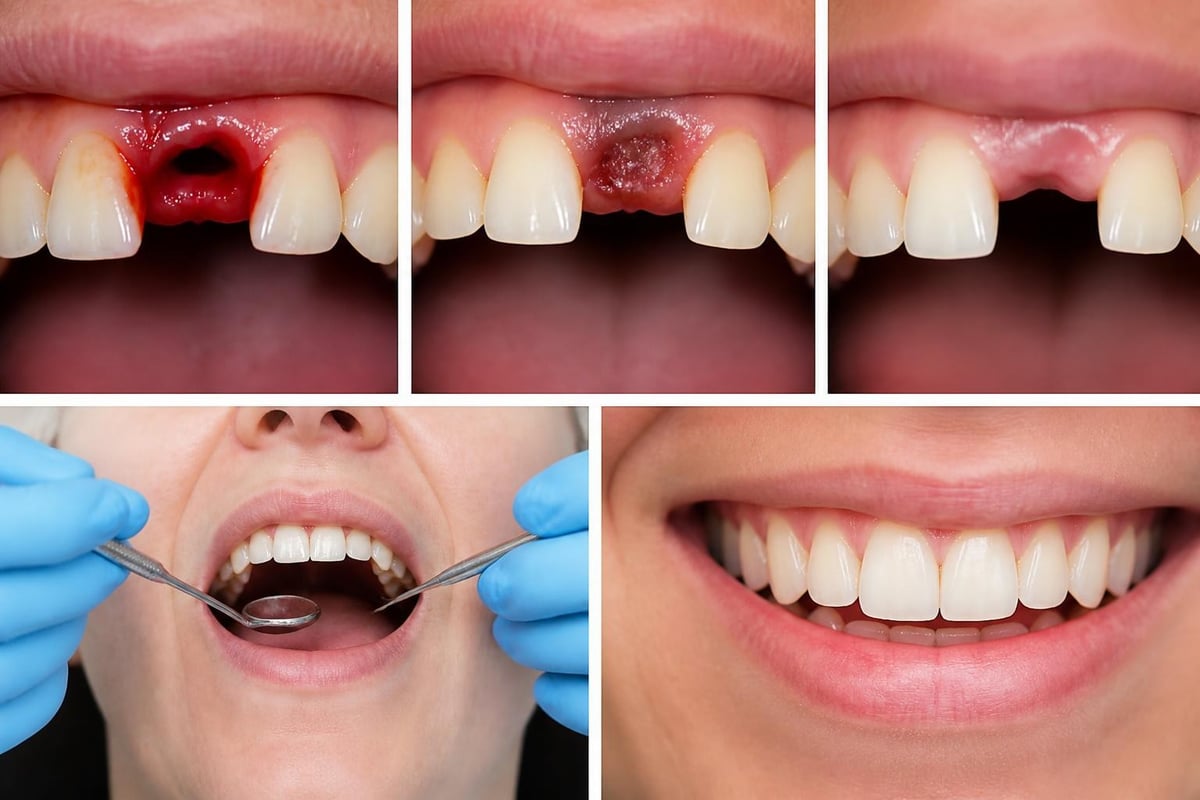
Initial healing occurs within 1-2 weeks, with the socket filling in with soft tissue. Complete bone healing takes 3-6 months. Most patients return to normal activities within 2-3 days, though complete comfort may require 7-10 days depending on extraction complexity.
What if I can't afford emergency extraction?
Discuss payment options with your dental provider before treatment. Many practices offer payment plans, accept healthcare credit cards, or work with patients facing financial hardship. For non-life-threatening situations, some dental schools provide reduced-cost care, though appointments may not be immediately available. Dental Plus Clinic offers various financial solutions to ensure all patients receive necessary emergency care regardless of budget constraints.
Can emergency extraction be avoided?
Sometimes yes, sometimes no. If tooth structure remains intact and infection is caught early, root canal therapy might save the tooth. However, extensively damaged teeth, advanced infections, or teeth compromised by severe decay often require extraction as the only viable treatment. Your emergency dentist will discuss all options during evaluation.
What happens to the gap after emergency extraction?
After healing, you have several options to replace the missing tooth:
- Dental implants: Permanent, natural-looking replacement surgically placed in the jawbone
- Fixed bridges: Attached to adjacent teeth, filling the gap
- Partial dentures: Removable appliance replacing one or more teeth
- No replacement: For back molars where aesthetics aren't concerned, though this can cause shifting
Discussing replacement options during your follow-up appointment ensures informed decision-making about long-term oral health. For those considering implants, comparing All-on-4 vs All-on-6 dental implants provides insight into comprehensive restoration options.
Emergency Dental Services Across Texas
Texas residents have access to numerous emergency dental facilities, though availability and quality vary by region. Understanding where to find reliable emergency extraction services across the state helps you prepare before emergencies strike.
Urban vs. Rural Emergency Access
Metropolitan Areas (Houston, Dallas, San Antonio, Austin):
- Multiple 24/7 emergency dental clinics
- Shorter wait times due to higher provider density
- More specialists available for complex cases
- Greater variety of payment and insurance options
Rural Communities:
- Limited emergency dental providers
- Longer travel distances to emergency care
- Fewer after-hours options
- Increased reliance on hospital emergency rooms for severe cases
Planning ahead by identifying your nearest emergency dental provider reduces stress during actual emergencies. Residents near our New Braunfels location, Converse facility, or Beeville office have convenient access to comprehensive emergency dental services.
Building a Relationship with Your Emergency Provider
Establishing care with a dental practice before emergencies occur offers significant advantages:
- Existing records: Your dental history is already on file
- Established trust: You know your provider and their treatment philosophy
- Streamlined process: Less paperwork during emergency visits
- Continuity of care: Smooth transition from emergency to follow-up treatment
Regular preventive visits to your dental home create this foundation, ensuring that when you search for emergency extraction near me, you have a trusted provider ready to help.
Alternative Treatments to Emergency Extraction
Not every dental emergency requires immediate tooth removal. Understanding alternative treatments helps you make informed decisions when facing urgent dental issues.
When Root Canal Therapy Is an Option
For infected teeth with intact structure, root canal therapy offers an alternative to extraction:
Ideal Candidates for Root Canal Instead of Extraction:
- Single-rooted teeth with contained infections
- Teeth with sufficient remaining structure to support crowns
- Patients willing to invest in tooth preservation
- Cases where tooth loss would significantly impact function or aesthetics
Root canals remove infected pulp while preserving the natural tooth, requiring a crown afterward for protection and function. While more expensive initially than extraction, they eliminate the need for replacement options like implants or bridges.
Temporary Pain Management Until Treatment
If you cannot immediately access emergency extraction services, temporary measures can provide relief:
Over-the-Counter Solutions:
- Ibuprofen (400-600mg) or acetaminophen for pain
- Topical oral analgesics (Orajel, Anbesol) for temporary numbing
- Cold compresses applied to the cheek
- Saltwater rinses to reduce inflammation
What NOT to Do:
- Place aspirin directly on gums (causes chemical burns)
- Ignore severe swelling affecting breathing or swallowing
- Delay treatment for infections showing signs of spreading
- Attempt DIY extraction methods
Temporary relief measures bridge the gap until professional treatment, but they don't address underlying problems requiring emergency extraction. Resources like how to help with tooth pain offer additional strategies for managing discomfort until you can access professional care.
Technology Advances in Emergency Extractions
Modern dental technology has revolutionized emergency extraction procedures, making them faster, more comfortable, and more predictable than ever before. Understanding these advances helps reduce anxiety about emergency dental treatment.
Digital Imaging and Diagnosis
Cone Beam CT Scans provide three-dimensional views of tooth position, root structure, and surrounding bone, enabling:
- Precise extraction planning for complex cases
- Identification of anatomical variations before surgery
- Assessment of infection extent and bone involvement
- Reduced procedure time through better preparation
Digital X-rays offer immediate results with 90% less radiation than traditional films, allowing dentists to diagnose problems and plan extractions within minutes of your arrival.
Advanced Anesthesia Techniques
Modern anesthesia delivery systems ensure more comfortable numbing:
- Computer-controlled anesthetic delivery: Provides slow, steady medication flow that reduces injection discomfort
- Articaine solutions: More potent anesthetic requiring smaller volumes
- Buffered anesthetics: pH-adjusted formulations that sting less during injection
These innovations make the numbing process itself more comfortable, addressing one of patients' primary anxiety sources.
Minimally Invasive Extraction Tools
Advanced instruments enable gentler tooth removal:
- Periotomes: Thin, flexible instruments that preserve bone and tissue
- Physics forceps: Leverage-based tools reducing force needed for extraction
- Piezoelectric devices: Ultrasonic instruments that cut bone precisely while protecting soft tissue
These technologies minimize trauma to surrounding structures, promoting faster healing and reduced post-operative discomfort.
Making the Most of Your Emergency Dental Visit
Preparation and communication significantly impact the efficiency and effectiveness of your emergency dental appointment. Following these strategies ensures optimal care when searching for emergency extraction near me becomes necessary.
Information to Bring to Your Emergency Appointment
Arriving prepared expedites evaluation and treatment:
Essential Documentation:
- Photo ID and insurance cards
- List of current medications (prescription and over-the-counter)
- Medical history summary, including allergies
- Previous dental records if available
- Contact information for your primary physician
Symptom Documentation:
- When pain or symptoms began
- What triggers or relieves symptoms
- Previous treatments attempted
- Pain intensity on a 1-10 scale
- Any visible changes (swelling, discoloration)
Questions to Ask Your Emergency Dentist
Informed patients make better decisions about their care:
- Is extraction absolutely necessary, or are there alternatives?
- What type of anesthesia do you recommend for my case?
- How long will recovery take, and what activity restrictions apply?
- What complications should I watch for during healing?
- What are my tooth replacement options after extraction?
- What will the total cost be, including follow-up care?
- When should I schedule my follow-up appointment?
Don't hesitate to ask for clarification on anything you don't understand. Your emergency dentist should provide clear explanations in accessible language.
Setting Realistic Expectations
Understanding what emergency extraction can and cannot accomplish helps prevent disappointment:
What Emergency Extraction Provides:
- Immediate pain relief once anesthesia takes effect
- Removal of infection source
- Prevention of complication spread
- Path toward oral health restoration
What It Doesn't Provide:
- Instant return to normal activities
- Automatic replacement for the removed tooth
- Guarantee against all complications
- Permanent solution without proper aftercare
Emergency extraction solves the immediate crisis but represents the beginning of your treatment journey, not the end.
Long-Term Oral Health After Emergency Extraction
Successfully navigating emergency extraction and recovery sets the foundation for improved oral health, but maintaining that improvement requires ongoing commitment. Understanding long-term considerations ensures your emergency doesn't become a recurring problem.
Preventing Future Emergencies in Remaining Teeth
Learning from your emergency extraction experience helps protect your other teeth:
Risk Factor Assessment:
- Identify what led to the emergency (decay, trauma, infection)
- Address similar vulnerabilities in other teeth
- Implement preventive measures specific to your risk factors
- Schedule more frequent checkups if you're high-risk
For example, if decay caused your emergency extraction, understanding how some people get cavities easier than others helps you implement targeted prevention strategies.
Planning for Tooth Replacement
The gap left by extraction requires attention to prevent long-term complications:
Consequences of Not Replacing Missing Teeth:
- Adjacent teeth shift into the empty space
- Opposing teeth over-erupt, creating bite problems
- Bone loss in the extraction area
- Increased stress on remaining teeth
- Difficulty chewing certain foods
- Aesthetic concerns if the gap is visible
Replacement Timeline Considerations:
- Implants: Can be placed 3-6 months post-extraction after bone healing
- Bridges: Require 4-6 weeks healing before impressions
- Partial dentures: Can be fabricated once initial healing completes
Discussing replacement options during follow-up appointments ensures timely treatment before complications develop. For those considering implants, exploring dental implant financing options in Texas makes this investment more accessible.
Ongoing Communication with Your Dental Team
Maintaining regular contact with your dental provider after emergency extraction ensures continuity of care:
- Attend all scheduled follow-up appointments
- Report any concerns during the healing process
- Resume regular six-month checkups once healing completes
- Discuss preventive strategies to avoid future emergencies
- Update your medical and medication history as changes occur
Building this ongoing relationship transforms your emergency dental provider into your long-term oral health partner.
Emergency tooth extractions, while stressful, provide immediate relief from severe pain and prevent serious health complications when properly managed. Understanding the signs requiring urgent care, knowing what to expect during the procedure, and following proper aftercare protocols ensure the best possible outcomes. When dental emergencies strike, having a trusted provider ready to help makes all the difference. Dental Plus Clinic offers comprehensive emergency dental services across five convenient Texas locations, combining advanced technology with compassionate care to address urgent dental needs any time they arise. Don't wait until an emergency strikes-establish care today and ensure you're prepared for whatever tomorrow brings.