
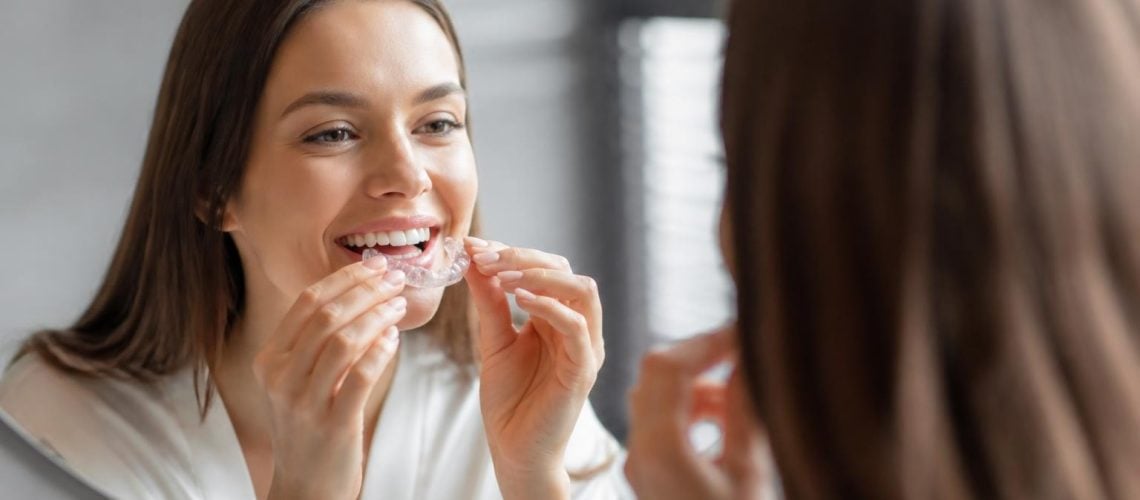
Clear aligners have revolutionized orthodontic treatment, offering a discreet and comfortable alternative to traditional braces for patients across Texas. Whether you're considering treatment at our clear aligners practice or already wearing them, understanding proper wear time is essential for achieving your desired smile transformation. The question "how many hours should you wear clear aligners" is one of the most critical aspects of successful treatment, directly impacting both your timeline and final results. Compliance with recommended wear schedules can mean the difference between a predictable treatment outcome and disappointing delays that extend your orthodontic journey.
The Standard Recommendation: 20-22 Hours Daily
The consensus among orthodontic professionals is clear and consistent. How many hours should you wear clear aligners? The answer is 20 to 22 hours per day for optimal results. This guideline comes from extensive clinical research and professional orthodontic organizations worldwide.
The American Association of Orthodontists recommends approximately 22 hours of daily wear, removing aligners only for eating, drinking anything other than water, and oral hygiene routines. This recommendation isn't arbitrary-it's based on the biomechanics of tooth movement and the material properties of thermoplastic aligners.
Why 20-22 Hours Matters
Your teeth require constant, gentle pressure to move predictably through bone. When you remove your aligners for extended periods, several things happen:
- Pressure relief allows teeth to drift back toward their original positions
- Treatment progression slows significantly or stops entirely
- Refinement aligners may become necessary, extending treatment duration
- Fit issues develop as teeth shift away from the planned trajectory
Each aligner in your sequence is designed to move teeth a precise distance-typically 0.25 to 0.33 millimeters. This movement requires consistent force application over 7 to 14 days, depending on your specific treatment plan.
| Wear Time | Expected Outcome |
|---|---|
| 22+ hours/day | Optimal results, on-schedule progression |
| 20-22 hours/day | Good results, minimal delays |
| 16-20 hours/day | Slower progress, possible tracking issues |
| Under 16 hours/day | Poor tracking, significant delays, possible treatment failure |
Understanding the Science Behind Wear Time Requirements
Orthodontic tooth movement operates through a biological process called bone remodeling. When consistent pressure is applied to a tooth, cells called osteoclasts break down bone on the pressure side while osteoblasts build new bone on the tension side. This coordinated cellular activity requires uninterrupted force application.
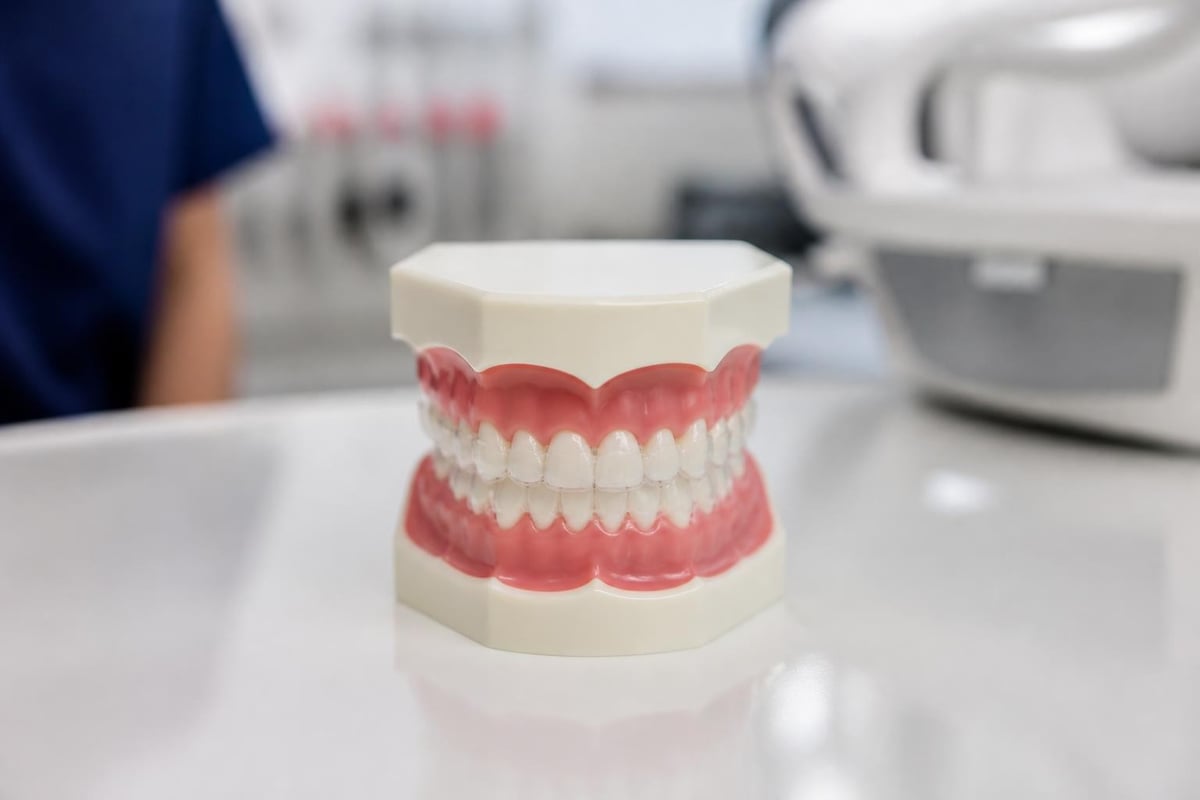
Research published in systematic reviews on aligner accuracy demonstrates that patient compliance with wear time directly correlates with treatment accuracy and long-term stability. Studies consistently show that patients who wear aligners fewer than 20 hours daily experience significantly reduced treatment predictability.
The Two-Hour Window
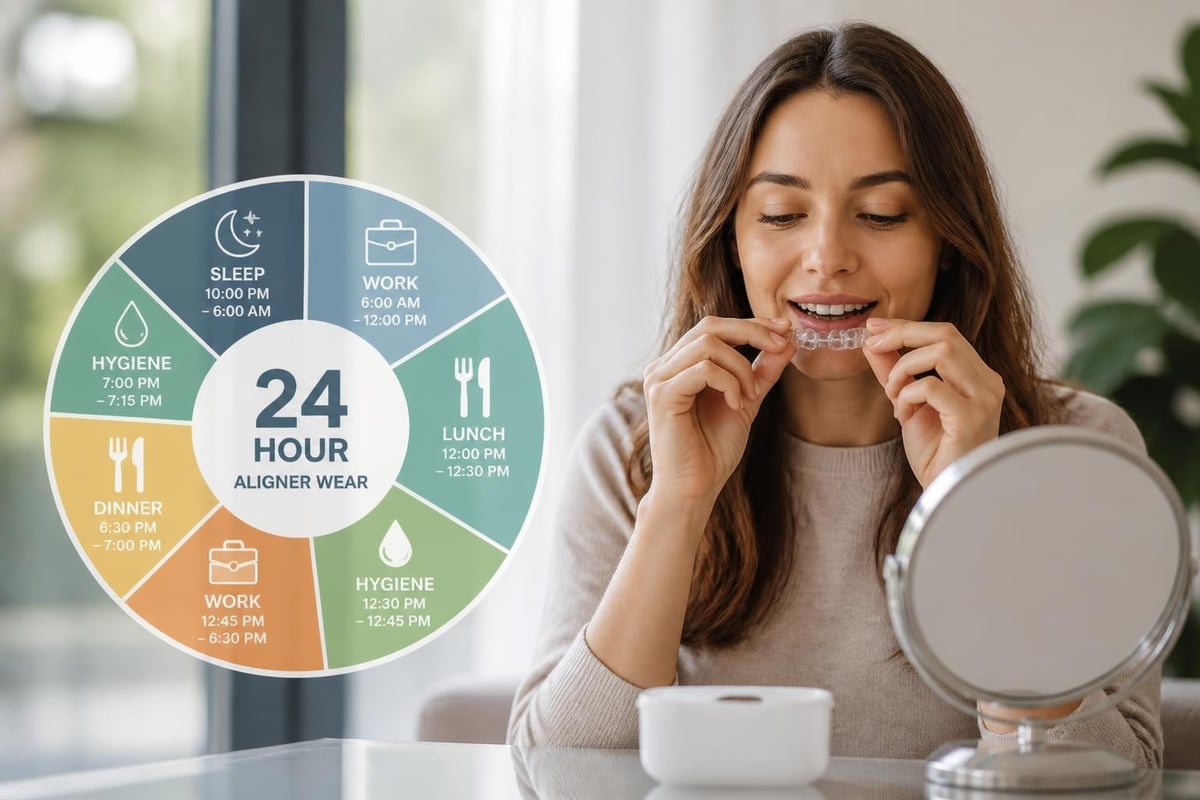
The standard recommendation leaves approximately 2 to 4 hours daily for aligner removal. Here's how most successful patients allocate this time:
Meal Times: 45-60 minutes total across three meals
Oral Hygiene: 30-45 minutes for brushing and flossing
Buffer Time: 15-30 minutes for unexpected situations
This tight schedule requires planning and commitment. Many patients at our Leander location initially underestimate how quickly these hours accumulate, making it essential to develop efficient routines early in treatment.
Common Challenges That Reduce Wear Time
Understanding how many hours should you wear clear aligners is straightforward, but achieving consistent compliance presents real challenges for many patients. Recognizing these obstacles helps you develop strategies to overcome them.
Social Situations and Dining
Extended meals, social events, and networking situations create compliance challenges. A business lunch that stretches to two hours, followed by 30 minutes of post-meal hygiene, consumes half your daily removal allowance.
Solutions:
- Set discreet phone reminders to replace aligners
- Carry your aligner case everywhere
- Plan meal timing strategically
- Communicate your treatment needs to friends and family
Oral Discomfort and Sensitivity
New aligner sets typically cause temporary discomfort as teeth begin moving. Some patients respond by removing aligners more frequently, which ironically prolongs discomfort and slows treatment.
The British Orthodontic Society emphasizes that consistent, full-time wear actually reduces overall discomfort by maintaining steady, predictable tooth movement. Interrupted wear creates a cycle of repeated pressure and relief that extends the adjustment period.
Forgetting to Replace After Meals
Distraction represents one of the most common compliance issues. Patients remove aligners for lunch, become absorbed in work or activities, and realize hours later that aligners remain in their case.
Proven Strategies:
- Link aligner replacement to another consistent habit
- Use smartphone alarms
- Keep backup cases in multiple locations
- Track wear time using aligner apps or timers
Technology and Tracking: Modern Solutions for Compliance
The question of how many hours should you wear clear aligners has become easier to answer accurately with technological advances. Many aligner systems now incorporate compliance tracking features.
Smart Aligners and Wear-Time Indicators
Some aligner brands include built-in wear-time indicators-blue dots that fade with heat exposure, providing visual confirmation of adequate wear. While helpful, these indicators offer only approximate feedback.
Electronic compliance monitors represent a more sophisticated solution. Research on electronic reminders shows that interventions using digital tracking significantly improve patient adherence, with compliance rates (defined as ≥22 hours per day) increasing substantially when patients receive real-time feedback.
Smartphone Applications
Mobile apps designed for aligner patients typically offer:
- Wear-time timers that track removal and replacement
- Progress photo libraries documenting treatment changes
- Reminder notifications for aligner changes
- Direct communication channels with your orthodontist
These tools transform abstract hour requirements into concrete daily habits, making the commitment to 20-22 hours more manageable.
Age-Specific Considerations for Wear Time
How many hours should you wear clear aligners varies slightly based on patient age and lifestyle, though the fundamental 20-22 hour guideline remains constant.
Adolescent Patients
Teenagers face unique compliance challenges including school schedules, sports activities, and social pressures. Orthodontic guidance for families emphasizes parental involvement in monitoring wear time for younger patients.
Teen-Specific Strategies:
- Establish non-negotiable morning and bedtime routines
- Link privileges to compliance tracking
- Schedule regular check-ins about progress
- Choose aligner systems with wear-time indicators
Adult Patients
Professional adults often struggle with business travel, client dinners, and unpredictable schedules. However, adult patients typically demonstrate higher intrinsic motivation, having chosen treatment independently.
Working professionals benefit from:
- Discrete aligner cases that fit in professional bags
- Pre-planned responses to social questions about aligners
- Strategic timing of aligner changes around important events
- Understanding employers' supportive policies for medical devices
Impact of Insufficient Wear on Treatment Outcomes
Failing to meet the recommended wear time of 20-22 hours doesn't simply extend treatment-it can fundamentally compromise results. Understanding these consequences motivates better compliance.
Tracking Problems
"Tracking" refers to how well aligners fit your teeth at any given time. When you don't wear aligners sufficiently, teeth drift from their intended positions, causing aligners to fit poorly. This manifests as:
- Visible gaps between aligners and teeth
- Pressure points concentrated in specific areas
- Difficulty seating aligners fully
- Increased discomfort when reinserting aligners
Once tracking problems develop, you may need to regress to previous aligners or require new impressions for mid-course corrections.
Extended Treatment Duration
Clinical data demonstrates that patients who average 16-18 hours daily instead of 22 hours can expect treatment to take 30-50% longer than originally projected. A 12-month treatment plan could extend to 18 months or more.
| Average Daily Wear | Expected Timeline Impact |
|---|---|
| 22+ hours | On schedule or early completion |
| 20-21 hours | 0-10% extension |
| 18-20 hours | 10-25% extension |
| 16-18 hours | 25-50% extension |
| Under 16 hours | 50%+ extension or treatment failure |
Financial Implications
Extended treatment often means additional appointments, potential refinement sets, and extended monitoring periods. While many practices include refinements in initial pricing, prolonged treatment represents an investment of time and opportunity cost.
At Dental Plus Clinic, we work with patients to understand insurance coverage and payment options upfront, but compliance remains the single most controllable factor affecting treatment value.
Building Sustainable Wear-Time Habits
Knowing how many hours should you wear clear aligners matters little without systems to ensure consistent compliance. Successful patients develop automatic routines that minimize decision fatigue.
The First Two Weeks Are Critical
Research on habit formation suggests that the initial 14 days of any new behavior determine long-term success. During this period:
Create environmental cues: Place your aligner case in visible locations that trigger replacement behavior-next to your toothbrush, on your desk, in your car.
Stack habits: Attach aligner routines to existing habits. Always replace aligners immediately after brushing teeth following meals.
Track meticulously: Use a simple calendar or app to record wear time daily, building awareness of actual compliance versus perceived compliance.
Meal Planning and Efficiency
Strategic eating patterns dramatically improve compliance:
- Condense eating windows by planning snacks alongside meals rather than throughout the day
- Prepare removal kits containing case, travel toothbrush, floss, and mouthwash
- Master efficient hygiene routines that thoroughly clean teeth in 5-7 minutes
- Avoid grazing on food throughout the day, which requires extended aligner removal
Accountability Systems
External accountability significantly improves adherence rates. Consider:
- Sharing goals with family members who can provide gentle reminders
- Joining patient communities online where members share experiences and motivation
- Regular photo documentation that visualizes progress and reinforces commitment
- Scheduled check-ins with your orthodontic team to review compliance data
Special Circumstances and Wear-Time Adjustments
While the standard answer to how many hours should you wear clear aligners remains 20-22 hours, certain situations require professional guidance for temporary modifications.
Illness and Medical Procedures
Temporary illness, dental emergencies, or medical procedures may necessitate brief wear-time reductions. Always consult your orthodontist before making adjustments. In most cases, maintaining wear time during illness prevents regression that would compound treatment delays.
Oral Surgery or Dental Work
Patients undergoing dental procedures during aligner treatment need coordinated care between their general dentist and orthodontist. Some procedures may require pausing aligner progression temporarily while maintaining wear of the current set.
Athletic Activities and Contact Sports
Athletes, particularly those in contact sports, face special considerations. While aligners should remain in place during most athletic activities, high-impact sports may require:
- Custom athletic mouthguards worn over aligners
- Temporary removal during competition with immediate replacement
- Strategic scheduling of intensive training periods around aligner change schedules
The NHS guidance on orthodontic appliances notes that removable aligners offer advantages for athletes compared to fixed braces, provided wear-time compliance remains high during non-competition periods.
Transition to Retention: Different Wear Requirements
Understanding how many hours should you wear clear aligners extends beyond active treatment into the retention phase, where wear requirements change significantly.
Initial Retention Phase
Immediately following active aligner treatment, most orthodontists prescribe full-time retainer wear (22 hours daily) for 3-6 months. This critical period allows bone and soft tissues to stabilize around newly positioned teeth.
The NHS retainer instructions detail how full-time wear gradually transitions to night-time-only wear over several months, following a careful reduction schedule prescribed by your orthodontist.
Long-Term Retention
After initial stabilization, most patients transition to night-time retainer wear (8-10 hours) indefinitely. This maintenance phase prevents the natural tendency for teeth to drift over time.
Retention Wear Schedule:
- Months 0-6 post-treatment: 22 hours daily (full-time)
- Months 6-12: 12-14 hours daily (nights plus some daytime)
- Year 2 onward: 8-10 hours nightly (indefinite maintenance)
Individual retention protocols vary based on factors including age, initial tooth positions, and bone density. Your orthodontist will customize your retention schedule based on your specific case.
Monitoring Progress and Adjusting Strategies
Regular monitoring ensures you're meeting wear-time requirements and progressing as planned. Your orthodontic team uses multiple assessment methods to evaluate compliance and treatment advancement.
Clinical Indicators of Adequate Wear
During check-ups, orthodontists assess several factors that reveal actual wear time regardless of patient-reported compliance:
- Aligner fit and tracking quality
- Progression speed compared to treatment timeline
- Interproximal reduction (IPR) site response
- Attachment integrity and effectiveness
- Soft tissue adaptation
Poor tracking despite patient reports of good compliance often indicates unconscious non-compliance-patients may believe they're wearing aligners 22 hours daily while averaging only 18-19 hours.
Self-Assessment Tools
Between appointments, monitor your own progress:
Weekly photos: Take consistent photos in the same lighting and angle to track visible changes
Fit testing: New aligners should feel snug but seat completely within 24-48 hours
Timeline awareness: Know your expected completion date and track whether you're on schedule
Honest tracking: Record actual wear time rather than intended wear time
Overcoming Common Objections and Barriers
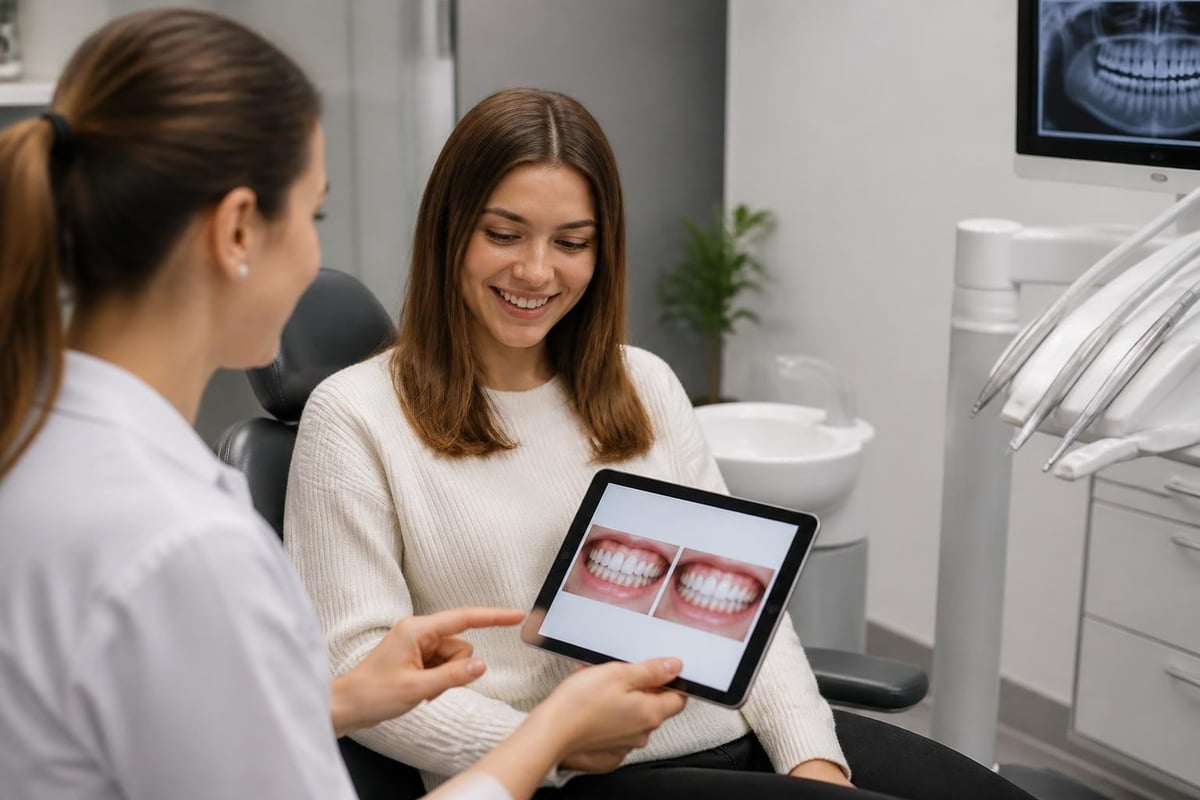
Many patients understand how many hours should you wear clear aligners but struggle with implementation. Addressing common objections directly improves long-term success.
"I Don't Have Time for Proper Oral Hygiene After Every Meal"
This concern reflects a misunderstanding of minimum requirements versus ideal practices. While thorough brushing after every meal is optimal, when time is limited:
- Rinse thoroughly with water
- Use interdental brushes for quick debris removal
- Replace aligners and perform complete hygiene at next opportunity
- Avoid extended aligner removal waiting for "perfect" cleaning
Brief aligner removal for quick rinsing is preferable to extended removal while seeking ideal hygiene conditions.
"Aligners Cause Too Much Discomfort"
Discomfort during the first 2-3 days of each new aligner set is normal and indicates effective tooth movement. However, persistent severe pain warrants professional evaluation.
Managing Normal Discomfort:
- Switch to new aligners before bed so initial adjustment occurs during sleep
- Use over-the-counter pain relievers as directed
- Apply orthodontic wax to rough edges if present
- Stay hydrated to reduce soft tissue sensitivity
Counterintuitively, maintaining consistent wear reduces overall discomfort compared to intermittent wear that repeatedly triggers the adjustment period.
"I Feel Self-Conscious Wearing Them in Social Situations"
Clear aligners are designed for discretion, but some patients still feel anxious about visibility. Remember:
- Most people don't notice aligners unless specifically looking for them
- Brief, matter-of-fact explanations satisfy curious questions
- Your commitment to improving your smile deserves respect, not embarrassment
- Thousands of adults successfully wear aligners in professional settings daily
Viewing aligners as a temporary investment in lifelong confidence helps reframe self-consciousness as pride in proactive self-improvement.
Professional Guidance and Individual Variation
While the standard answer to how many hours should you wear clear aligners is 20-22 hours daily, individual treatment plans may include specific modifications based on your case complexity and response to treatment.
When to Contact Your Orthodontist
Certain situations require professional consultation rather than self-management:
- Aligners not seating fully after 48 hours despite compliant wear
- Persistent severe pain beyond the first few days of a new set
- Visible gaps developing between aligners and teeth
- Lost or damaged aligners requiring replacement
- Significant life changes affecting your ability to maintain wear time
Early intervention prevents minor issues from becoming major setbacks. Our teams at locations throughout Texas, including Dental Plus Clinic in Seguin, prioritize responsive communication to address concerns promptly.
Customized Treatment Protocols
Some clinical situations warrant modified wear schedules:
Complex movements: Cases involving significant rotation or vertical movements may benefit from extended wear times of each aligner set
Accelerated treatment: Patients using acceleration devices may change aligners more frequently while maintaining standard daily wear time
Hybrid approaches: Some treatments combine aligners with auxiliary devices requiring specific timing protocols
Research from systematic reviews on aligner auxiliaries demonstrates that prescribed wear time becomes even more critical when using adjunctive devices like elastics or expansion appliances.
Regulatory Context and Professional Standards
Understanding the professional standards behind wear-time recommendations provides confidence in following prescribed protocols.
The American Dental Association’s position on direct-to-consumer dentistry emphasizes that proper aligner treatment requires professional supervision, including individualized wear-time recommendations based on clinical examination.
This professional oversight distinguishes medically supervised orthodontic care from unsupervised commercial aligner products that may provide inadequate guidance on wear requirements. At Dental Plus Clinic, our orthodontic specialists customize every aspect of treatment, including specific daily wear requirements, to your unique dental anatomy and treatment goals.
Frequently Asked Questions
What happens if I forget to wear my aligners for a full day?
Missing a complete day of wear allows teeth to begin shifting back toward their original positions. Replace your aligners immediately and expect 2-3 days of increased discomfort as teeth re-adjust. If you miss multiple days, contact your orthodontist before advancing to the next aligner set, as you may need to restart the current set.
Can I wear aligners for too many hours?
Wearing aligners 24 hours daily (never removing them) is not recommended. Your teeth and gums need brief respite periods for healthy circulation. The 20-22 hour guideline includes necessary removal for eating and hygiene, which serves biological purposes beyond just cleaning.
How do I know if I'm wearing aligners enough hours?
If your aligners continue fitting snugly, you're progressing on schedule at check-ups, and new aligners seat fully within 48 hours, you're likely meeting wear-time requirements. Conversely, tracking problems, delayed progression, or difficulty seating new aligners indicate insufficient wear.
Should I wear aligners while sleeping?
Absolutely. Sleep represents 7-8 hours of uninterrupted wear time that's essential to meeting daily requirements. Most patients find aligners comfortable during sleep after a brief adjustment period. Wearing aligners overnight also prevents unconscious teeth grinding from affecting tooth positions.
Can I reduce wear time once I'm near the end of treatment?
No. Maintaining 20-22 hours daily wear throughout your entire treatment sequence and initial retention phase is essential. Teeth that have recently moved are particularly unstable and will regress rapidly with reduced wear. Only reduce wear time when your orthodontist explicitly prescribes a transition to part-time retention.
What if my aligners hurt too much to wear 22 hours?
Normal discomfort differs from problematic pain. Mild to moderate pressure is expected and manageable with over-the-counter pain relief. Sharp, severe, or persistent pain warrants immediate professional evaluation. Don't reduce wear time without consulting your orthodontist, as this typically extends discomfort rather than resolving it.
Do I need to wear aligners during the day or can I just sleep in them?
You must wear aligners throughout both day and night. Eight hours of nighttime wear represents only one-third of the required 22 hours. Teeth movement requires consistent, continuous force that nighttime-only wear cannot provide.
How strictly do I need to follow the 22-hour rule?
Clinical research defines compliance as ≥22 hours daily, with 20 hours representing the minimum for acceptable results. Consistently averaging below 20 hours significantly compromises treatment predictability. Individual days slightly below 22 hours won't derail treatment, but establishing 22 hours as your daily target provides a buffer against unplanned disruptions.
Will insurance cover extended treatment if I don't wear aligners enough?
Most insurance plans cover orthodontic treatment for a specified duration. If poor compliance extends treatment beyond covered periods, you may face additional out-of-pocket costs. Review your dental insurance plan details to understand coverage limitations.
Can I eat with aligners in to save time?
Never eat with aligners in place. Food particles become trapped, increasing cavity risk, and chewing forces can damage aligners. The few minutes saved aren't worth the risk of aligner damage requiring costly replacement or dental decay that could pause orthodontic treatment.
Real Patient Experiences and Success Stories
Understanding how many hours should you wear clear aligners becomes more concrete through real patient experiences. At Dental Plus Clinic, we've helped hundreds of Texas families achieve smile transformations through consistent aligner wear.
Sarah, 34, Marketing Professional from New Braunfels:
"I initially struggled with business travel and client dinners extending my aligner removal time. My orthodontist helped me develop a system: I keep spare hygiene kits in my car, office, and travel bag. Setting phone reminders transformed my compliance. My 14-month treatment finished in 13.5 months because I averaged 22-23 hours daily after that first challenging month."
Marcus, 16, High School Student from Leander:
"As a teenager, I was worried about wearing aligners to school, but they're way less noticeable than I thought. My parents and I made a deal: I track my wear time honestly using an app, and they don't nag me about it. Seeing my progress photos every month keeps me motivated to stick with the 22-hour schedule."
Jennifer, 42, Teacher from Converse:
"I teach elementary school, so I was concerned about talking all day with aligners. The adjustment took about a week, but now I don't even notice them. I remove them during lunch, brush quickly in the staff bathroom, and replace them before afternoon classes. Efficient routines made meeting the wear requirement easier than I expected."
These experiences demonstrate that diverse lifestyles can accommodate the 20-22 hour daily requirement with planning and commitment. You can explore more transformation stories in our clear aligners before and after gallery.
Integration with Comprehensive Dental Care
Clear aligner treatment doesn't exist in isolation-it's part of comprehensive oral health maintenance. Understanding how many hours should you wear clear aligners includes recognizing how treatment integrates with other dental care needs.
Coordinating with Preventive Care
Continue regular dental cleanings and examinations throughout aligner treatment. These appointments:
- Monitor oral health during orthodontic treatment
- Identify potential issues like cavities or gum inflammation early
- Provide professional cleaning that supports aligner hygiene
- Allow coordination between your general dentist and orthodontist
Our comprehensive approach at Dental Plus Clinic ensures seamless communication between all providers managing your oral health.
Addressing Concurrent Dental Issues
Sometimes patients discover during aligner treatment that they need additional dental work-fillings, crowns, or other restorations. These procedures can typically be completed during treatment with careful coordination.
Inform both your orthodontist and general dentist about all planned dental work to ensure proper sequencing and avoid complications that could affect aligner fit or treatment timeline.
Making the Commitment: Setting Yourself Up for Success
Deciding to begin clear aligner treatment represents an investment in your smile and confidence. Maximizing that investment requires honest self-assessment of your readiness to meet wear-time requirements.
Pre-Treatment Preparation
Before beginning treatment, establish baseline habits:
- Practice timed oral hygiene routines to develop efficiency
- Identify trigger points in your schedule where compliance might waver
- Communicate your commitment to family, friends, and colleagues who can support you
- Arrange your environment with reminder systems and convenient storage for aligner supplies
Setting Realistic Expectations
Most patients can successfully meet the 20-22 hour daily requirement, but success requires acknowledging that:
- The first two weeks involve significant adjustment
- Occasional challenging days will occur despite best efforts
- Perfect compliance (exactly 22 hours every single day) isn't the goal-consistent effort is
- Treatment duration depends heavily on your compliance, not just your orthodontist's skill
Understanding these realities before starting treatment prevents discouragement during inevitable challenging moments.
Cost-Effectiveness of Compliance
The financial dimension of how many hours should you wear clear aligners deserves consideration. Poor compliance directly impacts treatment cost-effectiveness.
Direct Financial Impact
- Extended treatment may require additional appointment fees
- Mid-course corrections from tracking problems can necessitate new aligner sets
- Replacement aligners for sets you've progressed past despite poor tracking add costs
- Time investment increases proportionally with extended treatment duration
Maximizing Treatment Value
Every day you meet wear-time requirements represents optimal value from your orthodontic investment. Patients who consistently wear aligners 22 hours daily typically complete treatment on schedule or early, maximizing the return on both financial investment and time commitment.
For budget-conscious patients, review available savings and promotions before beginning treatment, then protect that investment through diligent compliance.
Successfully achieving your ideal smile through clear aligner treatment fundamentally depends on meeting the 20-22 hour daily wear requirement consistently throughout your treatment journey. While the time commitment is significant, the predictable results and life-changing smile transformation make it worthwhile for thousands of patients who dedicate themselves to proper compliance. If you're ready to begin your smile transformation with expert guidance, personalized treatment planning, and comprehensive support throughout your orthodontic journey, Dental Plus Clinic is here to help you achieve the confident, healthy smile you deserve at any of our convenient Texas locations.