
Every parent wants their child to grow up with a healthy, confident smile. One of the most common questions families ask is how often should children go to the dentist. The answer isn't always straightforward, as it depends on several factors including age, oral health status, and individual risk factors. Understanding the recommended dental visit schedule for children helps prevent cavities, catch problems early, and establish lifelong healthy habits. This comprehensive guide explores evidence-based recommendations, age-specific guidelines, and practical considerations to help Texas families make informed decisions about their children's dental care.
Understanding the Six-Month Standard
The traditional recommendation that children should visit the dentist every six months has been the standard for decades. This guideline provides a baseline that works well for most children with average oral health needs. Regular checkups every six months allow dental professionals to monitor tooth development, identify potential issues, and provide preventive treatments before problems escalate.
Benefits of the six-month schedule include:
- Consistent monitoring of dental development and eruption patterns
- Early detection of cavities when they're easiest to treat
- Regular professional cleanings to remove plaque and tartar
- Opportunities for fluoride treatments and sealant applications
- Time to educate parents and children about proper oral hygiene
However, research increasingly shows that a one-size-fits-all approach may not be optimal for every child. The Cochrane evidence summary on dental check-up intervals notes that there's limited high-quality evidence to support fixed six-month intervals for all patients, including children.
When Six Months Works Best
For children with good oral health, no history of cavities, and low risk factors, the six-month schedule provides adequate monitoring without unnecessary visits. These appointments focus on prevention, education, and building positive associations with dental care. During these visits, dentists can track how permanent teeth are coming in, assess bite alignment, and identify potential orthodontic concerns early.
The American Academy of Pediatric Dentistry's guidance in their Healthy Smiles resources supports regular preventive visits while acknowledging that frequency should be individualized based on risk assessment. Children who maintain excellent home care, have access to fluoridated water, and show no signs of decay often thrive on this standard schedule.
Age-Specific Dental Visit Recommendations
How often should children go to the dentist varies significantly by age. Different developmental stages present unique oral health challenges and opportunities for intervention.
Infants and Toddlers (Ages 0-3)
The first dental visit should occur by age one or within six months after the first tooth emerges, whichever comes first. This early appointment establishes a dental home and allows professionals to assess risk factors, provide guidance on bottle feeding, and discuss teething.
Initial visit schedule for young children:
- First visit by age 12 months
- Follow-up visit at 18-24 months
- Subsequent visits every six months unless risk factors indicate more frequent care
Many parents are surprised to learn their infant needs dental care, but early childhood caries can develop rapidly. At Dental Plus Clinic, our pediatric dentistry specialists understand the unique needs of very young children and provide gentle, age-appropriate care.
Preschool Children (Ages 3-5)
Preschoolers typically benefit from dental visits every six months. This period is critical for establishing good brushing habits, monitoring primary tooth health, and preparing for the transition to permanent teeth. Children at this age are developing motor skills and learning independence with oral hygiene.
| Age Range | Typical Visit Frequency | Key Focus Areas |
|---|---|---|
| 3-4 years | Every 6 months | Cavity prevention, habit correction, fluoride |
| 4-5 years | Every 6 months | Preparing for permanent teeth, sealant evaluation |
| High-risk | Every 3-4 months | Intensive monitoring, dietary counseling |
School-Age Children (Ages 6-12)
School-age children experience significant dental changes as they lose primary teeth and permanent teeth emerge. How often should children go to the dentist during this period depends largely on their cavity risk, orthodontic needs, and oral hygiene compliance.
Most children continue with six-month visits, but some may need more frequent appointments. The molars that erupt around age six are particularly vulnerable to decay and often benefit from dental sealants, a preventive treatment covered during regular checkups at our pediatric dentistry services.
Teenagers (Ages 13-18)
Adolescents face unique challenges including dietary changes, inconsistent hygiene habits, and potential orthodontic treatment. Teenagers with braces may need more frequent professional cleanings to prevent white spot lesions and gum inflammation.
Standard recommendations suggest:
- Low-risk teens: Every 6-9 months
- Teens with braces: Every 3-6 months
- High-risk teens: Every 3-4 months
Risk-Based Dental Care for Children
Modern pediatric dentistry emphasizes risk assessment over rigid schedules. Understanding individual risk factors helps determine how often should children go to the dentist for optimal outcomes.
High-Risk Factors That Increase Visit Frequency
Children with certain characteristics face elevated cavity risk and benefit from more frequent dental visits, typically every three to four months.
High-risk indicators include:
- History of cavities in the past 12-24 months
- Visible plaque or poor oral hygiene
- Frequent snacking on sugary foods or drinks
- Special health care needs or developmental delays
- Dry mouth conditions or medications that reduce saliva
- Orthodontic appliances that complicate cleaning
- Deep grooves in teeth that trap food
The European Academy of Paediatric Dentistry’s management guidelines provide detailed protocols for managing early childhood caries, emphasizing intensive recall intervals for children showing signs of active disease.
Low-Risk Children and Extended Intervals
Conversely, children with excellent oral health, no cavity history, and strong preventive habits may safely extend intervals between visits. Recent systematic reviews on recall intervals suggest that low-risk children might not experience adverse outcomes with visits scheduled every 9-12 months.
Characteristics of low-risk children:
- No cavities for at least two years
- Excellent oral hygiene and daily flossing
- Healthy diet with limited sugar exposure
- Access to fluoridated water
- Regular use of fluoride toothpaste
- No orthodontic concerns
However, even low-risk children should maintain regular professional monitoring. Extending beyond annual visits increases the chance of missing developmental issues or early signs of problems.
What Happens During Children's Dental Visits
Understanding what occurs during appointments helps parents appreciate why regular visits matter and how often should children go to the dentist based on what's accomplished at each visit.
Comprehensive Examination Components
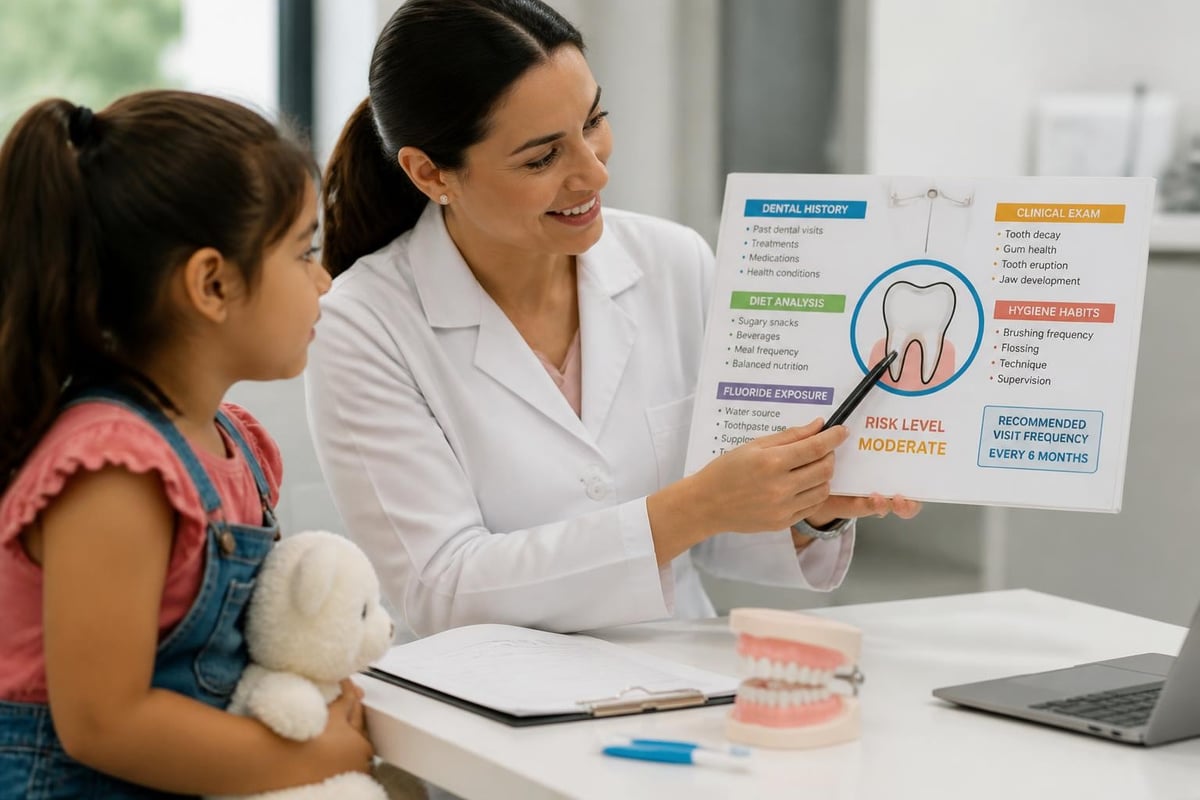
Every dental visit includes several critical components beyond just looking at teeth. Professional evaluation assesses the entire oral ecosystem and identifies issues invisible to parents.
- Visual examination of all teeth, gums, and soft tissues
- Developmental assessment tracking tooth eruption and jaw growth
- Bite evaluation checking alignment and potential orthodontic needs
- X-rays when indicated (typically annually or as needed)
- Cavity detection using visual inspection and diagnostic tools
- Oral cancer screening examining all soft tissues
- Hygiene assessment evaluating brushing and flossing effectiveness
Preventive Treatments Delivered
Regular visits aren't passive checkups. They include active interventions that protect children's teeth between appointments.
Common preventive services:
- Professional cleaning to remove plaque and tartar
- Fluoride treatments to strengthen enamel
- Dental sealants on permanent molars
- Early orthodontic evaluation around age seven
- Dietary and hygiene counseling
For children at high risk of cavities, advanced preventive options like silver diamine fluoride may be recommended. The American Academy of Pediatrics provides guidance on when this treatment can benefit pediatric patients with active decay.
Educational Opportunities
Each visit provides valuable teaching moments for both children and parents. Dental professionals demonstrate proper brushing technique, discuss age-appropriate nutrition, and address specific concerns like thumb sucking or mouth breathing.
Special Considerations for Texas Families
Geographic and demographic factors influence how often should children go to the dentist. Texas families face specific considerations that may affect dental visit frequency.
Water Fluoridation Variations
Not all Texas communities have fluoridated water. Children without this protective factor face higher cavity risk and may benefit from more frequent professional fluoride applications. Families can ask their dentist about supplemental fluoride recommendations based on local water quality.
Access to Pediatric Dental Specialists
Rural areas may have limited access to pediatric dentists, requiring families to travel for specialized care. However, Dental Plus Clinic maintains multiple locations across Texas, including facilities in Beeville, Seguin, New Braunfels, Leander, and Converse, making quality pediatric care more accessible.
Insurance Coverage and Cost Considerations
Most dental insurance plans cover two preventive visits per year for children. Understanding your coverage helps you maximize benefits while ensuring adequate care. For families concerned about costs, exploring options through dental insurance plans in Texas or discussing payment plans with your dental provider can make regular care more affordable.
| Insurance Factor | Impact on Visit Frequency | Recommendation |
|---|---|---|
| Covers 2 visits/year | Standard for most children | Use both preventive visits |
| High-risk child needs more | May require out-of-pocket costs | Discuss payment options with clinic |
| Limited coverage | Might delay needed care | Prioritize preventive visits to avoid costly treatment |
Common Barriers to Regular Dental Visits
Despite knowing how often should children go to the dentist, many families struggle to maintain recommended schedules. Identifying and addressing these obstacles improves compliance.
Dental Anxiety and Fear
Children who experienced painful procedures or feel anxious about dental visits may resist appointments. Building positive associations early and choosing a patient-centered practice helps overcome this barrier.
Strategies to reduce dental anxiety:
- Schedule morning appointments when children are well-rested
- Read books about dental visits beforehand
- Use positive language avoiding words like "hurt" or "shot"
- Reward cooperation with praise, not bribes
- Choose a practice experienced with anxious children
Scheduling Challenges
Busy family schedules, work commitments, and school activities make regular appointments difficult. Booking the next appointment before leaving the office and requesting reminder calls or texts improves follow-through.
Perceived Lack of Problems
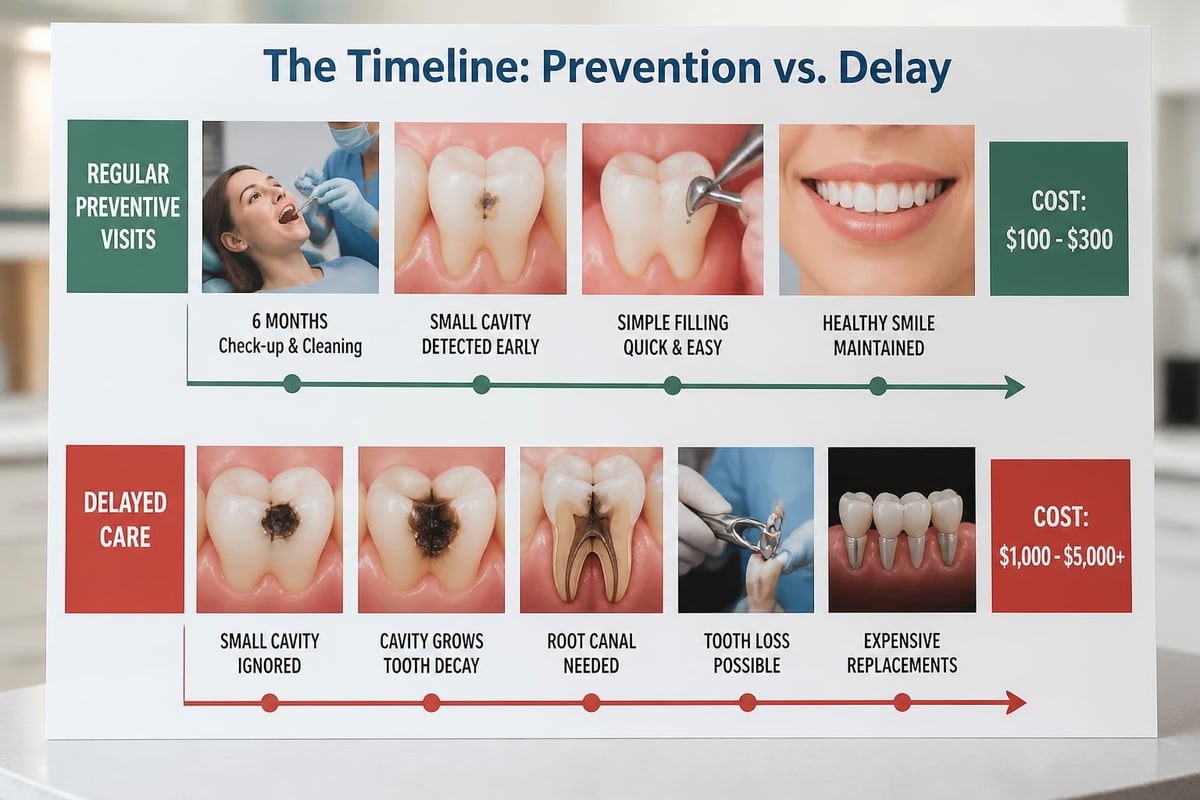
When children aren't complaining of pain, parents may assume dental visits aren't urgent. However, many serious issues develop without symptoms. Cavities often don't hurt until they're advanced, making prevention and early detection crucial.
Evidence-Based Guidelines from Leading Organizations
Professional dental organizations worldwide have studied how often should children go to the dentist and developed recommendations based on research and clinical experience.
American Academy of Pediatric Dentistry Position
The AAPD recommends establishing a dental home by age one and maintaining regular visits based on individual risk assessment. Their periodicity schedule suggests:
- Low-risk children: Every six to twelve months
- Moderate-risk children: Every four to six months
- High-risk children: Every three to four months
International Perspectives
The NICE guidance from the United Kingdom supports individualized recall intervals between three and twenty-four months based on disease risk, acknowledging that fixed intervals lack strong evidence support.
A 2023 scoping review examining the effects of different dental visit frequencies found limited high-quality evidence comparing outcomes between various recall intervals in children, supporting the shift toward risk-based scheduling.
Research Limitations and Ongoing Debates
Despite decades of dental practice, research gaps remain regarding optimal visit frequency. Most studies focus on adult populations, and methodological challenges make it difficult to conduct randomized controlled trials on children's dental visit intervals. This uncertainty supports personalized approaches rather than rigid protocols.
Creating a Personalized Dental Visit Schedule
Working with your child's dentist to establish an individualized schedule ensures appropriate care without unnecessary visits. This collaborative approach considers multiple factors.
Initial Risk Assessment
At the first comprehensive examination, dentists evaluate:
- Current oral health status and cavity presence
- Family history of dental disease
- Dietary habits and sugar exposure
- Fluoride access and use
- Oral hygiene skills and compliance
- Special health conditions
- Socioeconomic factors affecting care access
Adjusting Frequency Over Time
A child's dental visit schedule shouldn't remain static. As circumstances change, so should the appointment frequency. A child who develops several cavities needs more intensive monitoring, while one who maintains excellent health for years might safely extend intervals.
Situations requiring schedule adjustments:
- New cavities detected (increase frequency)
- Starting orthodontic treatment (more frequent cleanings)
- Dietary changes (reevaluate risk)
- Improved oral hygiene (potentially extend intervals)
- Developmental changes (adjust as needed)
Communication Between Parent and Provider
Open dialogue ensures the schedule meets the child's needs. Parents should feel comfortable asking why a specific interval is recommended and discussing any concerns about frequency. Understanding the rationale improves compliance and trust.
Maximizing Benefits Between Dental Visits
How often should children go to the dentist is only one piece of the oral health puzzle. What happens at home between appointments matters enormously.
Home Care Fundamentals
Excellent daily oral hygiene reduces cavity risk and may allow for less frequent professional visits. Establishing strong habits early pays lifelong dividends.
Essential home care practices:
- Brush twice daily for two minutes with fluoride toothpaste
- Floss daily once teeth touch
- Limit sugary snacks and drinks between meals
- Drink fluoridated water
- Use mouthguard for sports
- Address harmful habits like thumb sucking
Dietary Considerations
Nutrition profoundly affects oral health. Frequent sugar exposure feeds bacteria that produce cavity-causing acids. Teaching children about tooth-friendly foods and limiting sugary beverages reduces risk.
Monitoring at Home
Parents should regularly check their children's teeth for white spots, brown areas, or visible holes. While professional evaluation is irreplaceable, parental vigilance can prompt timely appointments when problems arise.
Frequently Asked Questions
When should my child have their first dental visit?
Schedule the first dental appointment by age one or within six months after the first tooth appears. Early visits establish a dental home, allow risk assessment, and provide parents with critical guidance on infant oral care.
Can children go to the dentist too often?
While excessive visits aren't beneficial for low-risk children, high-risk children genuinely need frequent monitoring. Trust your dentist's recommendation based on individual assessment. Unnecessary visits waste time and money, but inadequate visits allow problems to progress.
What if my child has never had a cavity?
Children without cavity history may safely extend intervals to every nine to twelve months if other risk factors are low. However, maintain at least annual visits to monitor development, provide preventive treatments, and catch any emerging issues early.
Does dental insurance determine how often children should visit?
Insurance coverage shouldn't dictate necessary care. While most plans cover two annual visits, children at high risk may need more frequent appointments. Discuss financial concerns with your dental office to find solutions that prioritize your child's health.
How do I know if my child is high-risk?
Your dentist assesses risk based on cavity history, diet, oral hygiene, fluoride exposure, and other factors. Children with cavities in the past two years, frequent sugar consumption, or visible plaque are typically considered high-risk.
Should teenagers visit the dentist as often as younger children?
Teenagers' visit frequency depends on their oral health status and whether they have orthodontic appliances. Those with excellent hygiene and no risk factors may visit every six to nine months, while those with braces or cavity history need more frequent care.
What happens if we miss a scheduled dental appointment?
Missing occasional appointments isn't ideal but won't cause immediate problems for low-risk children. However, reschedule promptly and avoid making it a pattern. For high-risk children, missed appointments can allow rapid cavity progression.
Are more frequent visits better for preventing cavities?
For high-risk children, yes. More frequent professional fluoride treatments, monitoring, and reinforcement of hygiene techniques significantly reduce cavity development. For low-risk children, additional visits beyond the recommended interval provide minimal benefit.
Making Dental Visits Easier and More Effective
Beyond determining how often should children go to the dentist, making those visits productive and positive enhances long-term outcomes.
Choosing the Right Dental Practice
Select a provider experienced with children who creates a welcoming environment. Pediatric dental specialists receive additional training in child development, behavior management, and age-specific treatments.
Questions to ask potential dental providers:
- What is your experience treating children?
- How do you handle anxious or uncooperative children?
- What preventive services do you offer?
- Do you provide emergency care?
- What are your office hours and location options?
Preparing Children for Appointments
Preparation reduces anxiety and improves cooperation. Talk positively about dental visits, explain what will happen in age-appropriate terms, and address questions honestly without creating fear.
Following Through on Recommendations
Professional dental care only works when combined with compliance. Follow treatment plans, implement suggested changes at home, and attend follow-up appointments as scheduled. If recommendations seem unclear or difficult to follow, ask for clarification or alternatives.
The Long-Term Impact of Regular Dental Care
Establishing consistent dental visits in childhood creates patterns that extend into adulthood. Children who receive regular, positive dental care are more likely to maintain those habits throughout life.
Preventing Future Problems
Many adult dental issues have roots in childhood. Untreated cavities in primary teeth can affect permanent teeth, while unaddressed bite problems may require more complex orthodontic treatment later. Regular visits catch these issues when intervention is simplest and most effective.
Building Healthy Habits
Repeated positive experiences with dental care normalize it as part of routine health maintenance. Children learn that taking care of their teeth is important, not something to fear or avoid.
Economic Benefits
Preventive care costs far less than treating advanced dental disease. Regular checkups, cleanings, and simple fillings are significantly more affordable than root canals, crowns, or tooth replacement. Our services in dental exams and cleanings focus on prevention to minimize future treatment needs.
Beyond Basic Checkups: Comprehensive Pediatric Services
Modern pediatric dentistry offers much more than cavity detection. Understanding the full scope of services helps families appreciate the value of regular dental relationships.
Orthodontic Screening and Early Intervention
The American Association of Orthodontists recommends evaluation by age seven. Early detection of alignment issues sometimes allows simpler, less expensive intervention. Regular dental visits include monitoring jaw growth and tooth positioning, with referral when needed. For families considering orthodontic options, our clear aligners provide discreet treatment alternatives.
Habit Counseling and Behavioral Guidance
Dentists help children stop thumb sucking, tongue thrusting, and other habits that affect dental development. Regular visits provide opportunities to address these behaviors before they cause lasting problems.
Trauma Prevention and Management
Sports mouthguards, fall prevention counseling, and emergency protocols protect children's teeth. When accidents do occur, established dental relationships ensure quick access to care that can save injured teeth.
Determining how often should children go to the dentist requires balancing evidence-based guidelines with individual needs, creating a personalized schedule that protects oral health without unnecessary visits. Most children thrive with six-month checkups, while those at higher risk benefit from more frequent monitoring every three to four months. At Dental Plus Clinic, our experienced team provides comprehensive pediatric dental care tailored to each child's unique circumstances, from first tooth to adolescence. We're committed to making dental visits comfortable, educational, and effective for Texas families across all our locations. Schedule your child's next appointment at Dental Plus Clinic and partner with us in building a foundation for lifelong oral health.