
Dental implants represent one of the most significant investments in your oral health, offering a permanent solution that can last decades with proper attention. While these titanium posts and custom crowns are designed to mimic natural teeth, they require specific care routines to ensure longevity and prevent complications. Understanding how to care for dental implants properly can mean the difference between a lifetime of confident smiles and costly interventions down the road. Whether you’ve recently undergone dental implant surgery or are considering this transformative treatment, mastering the fundamentals of implant maintenance will protect your investment and preserve your oral health for years to come.
Understanding Your Dental Implants and Why Care Matters
Dental implants consist of three primary components: the titanium post surgically placed into your jawbone, the abutment connecting the post to the restoration, and the crown that serves as your visible tooth. This sophisticated system integrates with your bone through a process called osseointegration, creating a stable foundation that functions like natural tooth roots.
The success rate for dental implants exceeds 95% when patients follow proper maintenance protocols, according to research published in dental journals. However, neglecting appropriate care can lead to peri-implant diseases, including peri-implant mucositis and the more serious peri-implantitis, which affects the tissues and bone surrounding the implant.
The Critical First 24 Hours After Placement
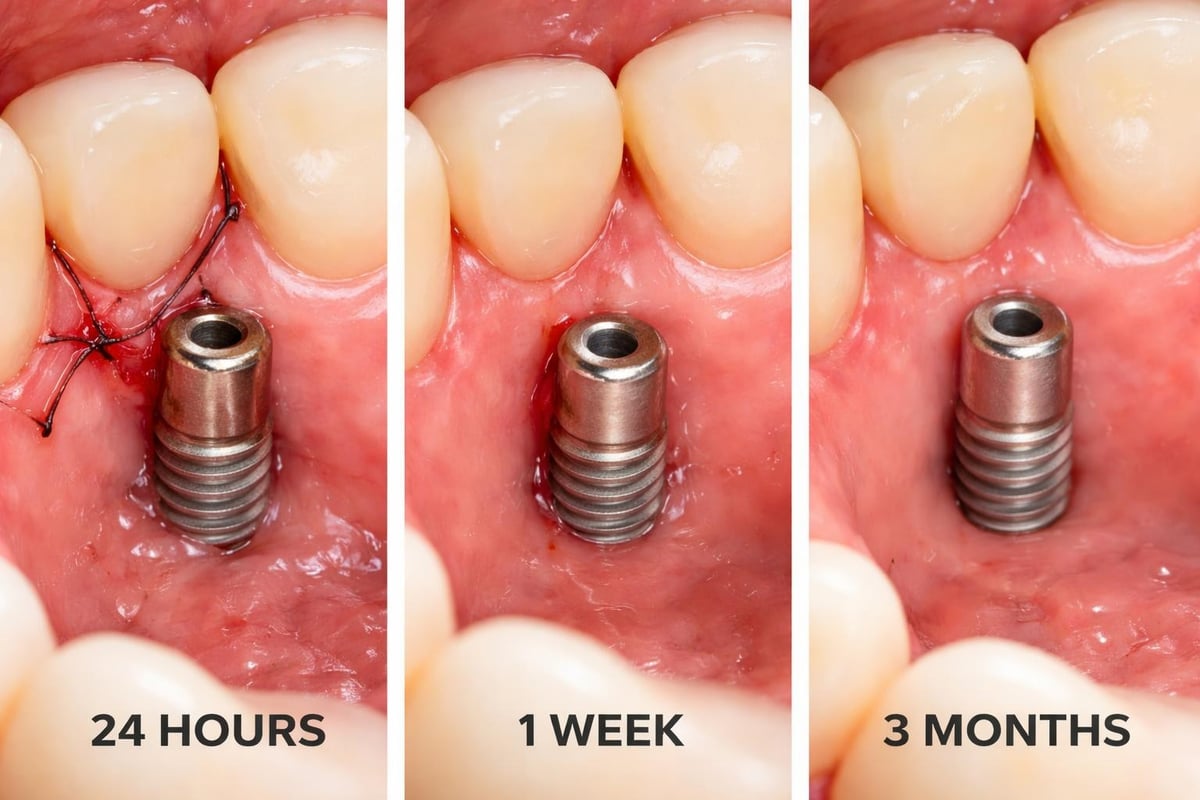
Immediately following your implant surgery, the initial care phase sets the foundation for successful healing. During this crucial period, your body begins the osseointegration process that will ultimately secure your implant.
Essential first-day guidelines include:
- Avoid touching the surgical site with your tongue or fingers
- Apply ice packs to reduce swelling (20 minutes on, 20 minutes off)
- Stick to soft, cool foods and avoid the surgical area when eating
- Take prescribed medications exactly as directed
- Rest with your head elevated to minimize bleeding and swelling
Most patients experience some discomfort, swelling, and minor bleeding during the first 24 to 48 hours. These symptoms are normal and typically manageable with over-the-counter pain relievers or prescribed medications.
Daily Home Care Routines for Dental Implants
Learning how to care for dental implants at home forms the cornerstone of long-term success. While implants cannot develop cavities like natural teeth, the surrounding gum tissue and bone remain vulnerable to bacterial infection and inflammation.
Brushing Techniques for Implant Longevity
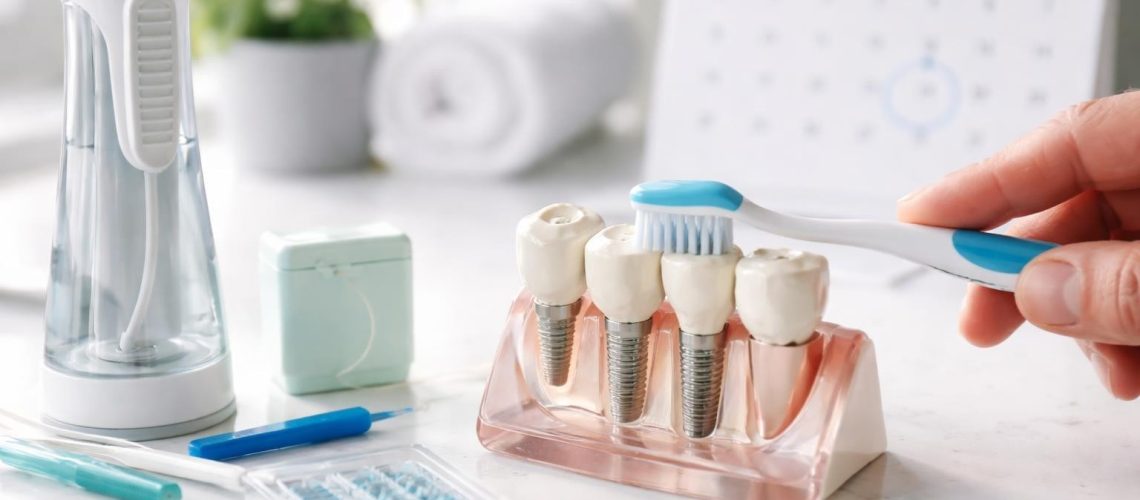
Brush your dental implants at least twice daily using a soft-bristled toothbrush and low-abrasive toothpaste. Electric toothbrushes can provide superior cleaning when used correctly, but manual brushes work effectively with proper technique.
Position the brush at a 45-degree angle toward the gum line, using gentle circular motions rather than aggressive back-and-forth scrubbing. Pay special attention to all surfaces of the implant crown and the area where the crown meets the gum tissue, as plaque accumulates rapidly in these transition zones.
Avoid toothpastes containing harsh abrasives like baking soda or whitening agents with high grit levels, as these can scratch the implant surface over time. Instead, select products specifically formulated for sensitive teeth or dental work.
Interdental Cleaning: The Non-Negotiable Step
Flossing around dental implants differs slightly from natural teeth due to the unique contours of implant-supported restorations. Traditional dental floss works well, but specialized products designed for implant care often prove more effective.
| Cleaning Tool | Best For | Frequency |
|---|---|---|
| Unwaxed dental floss | Single implants with adequate space | Daily |
| Water flossers | Bridges, multiple implants, tight spaces | 1-2 times daily |
| Interdental brushes | Wide gaps, under bridges | Daily after meals |
| Nylon-coated floss | Preventing damage to implant surfaces | Daily |
Water flossers have gained popularity among implant patients because they effectively remove debris from hard-to-reach areas without risking damage to the implant or restoration. Studies have shown that water flossers reduce bleeding and inflammation around implants when used consistently.
Threading floss beneath implant-supported bridges requires special floss threaders or super floss with stiffened ends. Gently guide the floss under the bridge and use a shoe-shine motion along each implant post, being careful not to snap the floss against the gum tissue.
Antimicrobial Rinses and Their Role
Incorporating an antimicrobial mouth rinse into your daily routine provides an additional layer of protection against bacterial colonization. However, not all mouth rinses suit long-term use with dental implants.
Chlorhexidine gluconate rinses prove highly effective for short-term use following surgery or during active peri-implant disease treatment. Your dentist may prescribe these for two to four weeks, but prolonged use can cause staining and alter taste perception.
For daily maintenance, alcohol-free antimicrobial rinses containing essential oils or cetylpyridinium chloride offer excellent benefits without the drying effects of alcohol-based products. Rinse for 30 seconds twice daily, preferably after brushing and flossing.
Professional Maintenance and Monitoring Schedule
Even with exemplary home care, professional maintenance remains essential for implant longevity. Research on implant maintenance protocols emphasizes the necessity of individualized patient care and regular monitoring to prevent peri-implant diseases.
Recommended Professional Visit Frequency
Most dental professionals recommend implant check-ups every three to six months during the first year following placement. After this initial period, patients with excellent oral hygiene and no complications may transition to biannual visits, while those with risk factors require more frequent monitoring.
Your professional maintenance appointments should include:
- Visual examination of soft tissues around implants
- Probing depths measurement to detect early inflammation
- Assessment of implant stability and crown integrity
- Professional cleaning with implant-safe instruments
- Radiographic evaluation (annually or as needed)
- Bite adjustment if necessary
The importance of supportive care and maintenance for dental implants cannot be overstated, with dental hygienists playing a crucial role in early detection and management of potential complications.
What Happens During Professional Implant Cleaning
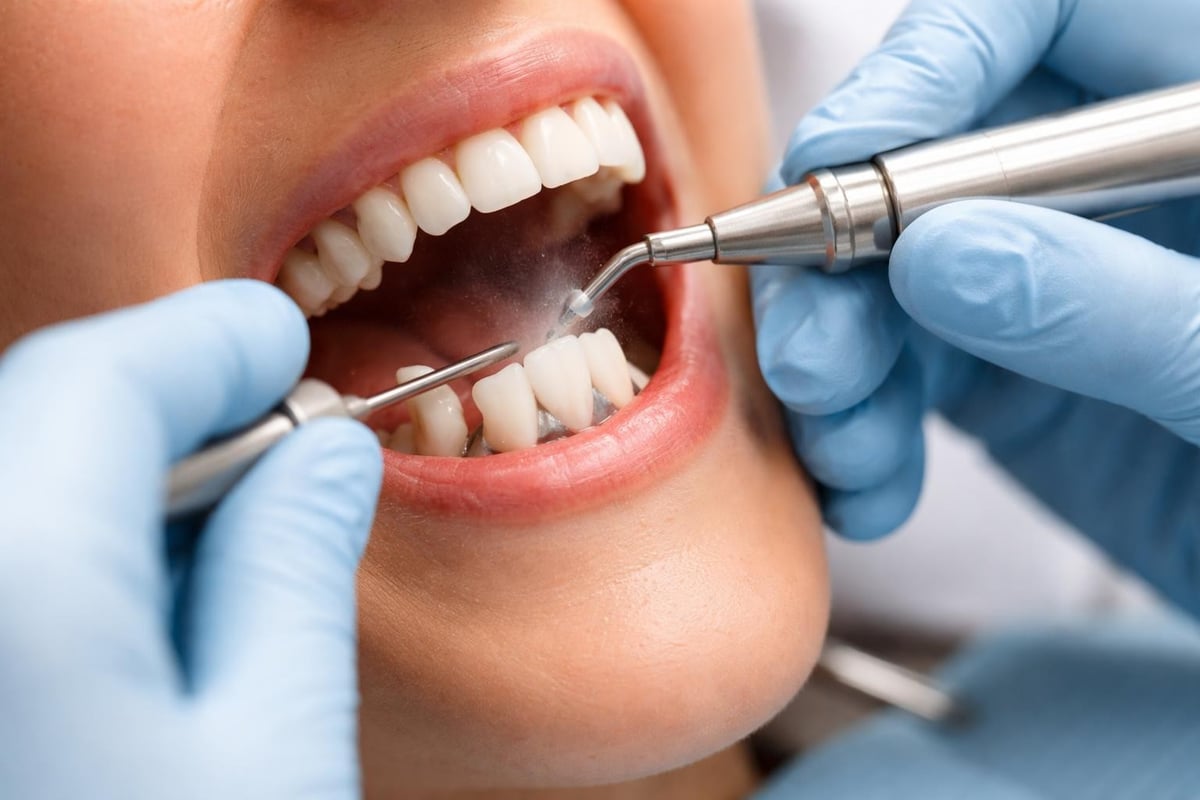
Professional cleaning for dental implants differs from standard teeth cleaning procedures. Hygienists use specialized instruments made from plastic, carbon fiber, or titanium rather than stainless steel scalers to avoid scratching the implant surface.
Ultrasonic scalers with plastic tips effectively remove calculus buildup without damaging the implant threads or abutment. The hygienist carefully debrides all surfaces of the crown and abutment, paying particular attention to areas where plaque tends to accumulate.
Polishing follows debridement, using low-abrasive polishing pastes that won’t damage the restoration. Some practices offer air polishing with glycine powder, which effectively removes biofilm from implant surfaces while remaining gentle on titanium components.
Recognizing Warning Signs and Preventing Complications
Understanding how to care for dental implants includes knowing when something has gone wrong. Early detection of complications dramatically improves treatment outcomes and can save your implant from failure.
Symptoms That Require Immediate Attention
Contact your dentist immediately if you experience any of these warning signs:
- Persistent pain or discomfort lasting beyond the normal healing period
- Bleeding or swelling around the implant site that worsens rather than improves
- Mobility or loosening of the implant or crown
- Pus or discharge from the tissues surrounding the implant
- Recession of gum tissue exposing the metal abutment
- Difficulty chewing or changes in your bite alignment
These symptoms may indicate peri-implant mucositis (reversible gum inflammation) or peri-implantitis (more serious bone loss around the implant). Research shows that maintaining peri-implant health in general dental practice requires preventive measures and early intervention to preserve implant longevity.
Peri-Implantitis: The Silent Threat
Peri-implantitis affects approximately 10-20% of implant patients within five to ten years of placement. This inflammatory condition results from bacterial infection and leads to progressive bone loss around the implant if left untreated.
Risk factors for developing peri-implantitis include:
- Poor oral hygiene habits
- History of periodontal disease
- Smoking or tobacco use
- Diabetes or other systemic conditions
- Inadequate keratinized tissue around the implant
- Excess cement from crown placement
Prevention through meticulous home care and regular professional maintenance remains far more effective than treating established peri-implantitis. When caught early as peri-implant mucositis, the condition responds well to improved hygiene and professional debridement.
Lifestyle Factors That Impact Implant Success
Beyond brushing and flossing, several lifestyle choices significantly influence how well your dental implants perform over time. Addressing these factors demonstrates a comprehensive understanding of how to care for dental implants holistically.
Nutrition and Your Implants
A balanced diet rich in vitamins and minerals supports the bone and soft tissue surrounding your implants. Calcium and vitamin D prove particularly important for maintaining bone density, while vitamin C promotes healthy gum tissue.
During the initial healing phase, focus on nutrient-dense soft foods that don’t require excessive chewing force. Once fully healed, you can resume a normal diet, though certain precautions help protect your investment.
Foods and habits to approach with caution:
- Extremely hard foods (ice, hard candy, nuts) that could crack the crown
- Sticky foods (caramel, taffy) that might dislodge temporary restorations
- Acidic beverages consumed frequently throughout the day
- Chewing on non-food items (pens, fingernails, bottle caps)
Tobacco Use and Implant Failure Rates
Smoking represents one of the most significant risk factors for implant complications and failure. Nicotine constricts blood vessels, reducing oxygen and nutrient delivery to healing tissues. This impairs osseointegration during the initial healing phase and increases the risk of peri-implantitis long-term.
Statistics reveal that smokers experience implant failure rates two to three times higher than non-smokers. The risk increases proportionally with the number of cigarettes smoked daily.
If you smoke, quitting before implant surgery dramatically improves your chances of success. At minimum, abstain from tobacco for at least two weeks before surgery and eight weeks after to optimize healing. Better yet, use the implant procedure as motivation to quit permanently.
Managing Bruxism and Teeth Grinding
Grinding or clenching your teeth (bruxism) generates excessive force on dental implants, potentially loosening components or fracturing the crown. Many people grind their teeth unconsciously during sleep, making this a common but often unrecognized threat to implant longevity.
If you have a history of bruxism or wake with jaw pain and headaches, discuss this with your dentist before receiving implants. A custom nightguard provides essential protection, distributing forces evenly across all teeth rather than concentrating stress on individual implants.
| Bruxism Warning Signs | Protective Measures | Expected Outcomes |
|---|---|---|
| Worn tooth enamel | Custom nightguard use | 70-90% force reduction |
| Morning jaw soreness | Stress management | Decreased grinding episodes |
| Fractured teeth/restorations | Muscle relaxation exercises | Improved implant longevity |
| Frequent headaches | Bite adjustment | Reduced component loosening |
Special Considerations for Different Implant Types
The specific type of implant restoration you’ve received influences certain aspects of your care routine. Understanding these differences helps you tailor your maintenance approach for optimal results.
Caring for Single Tooth Implants
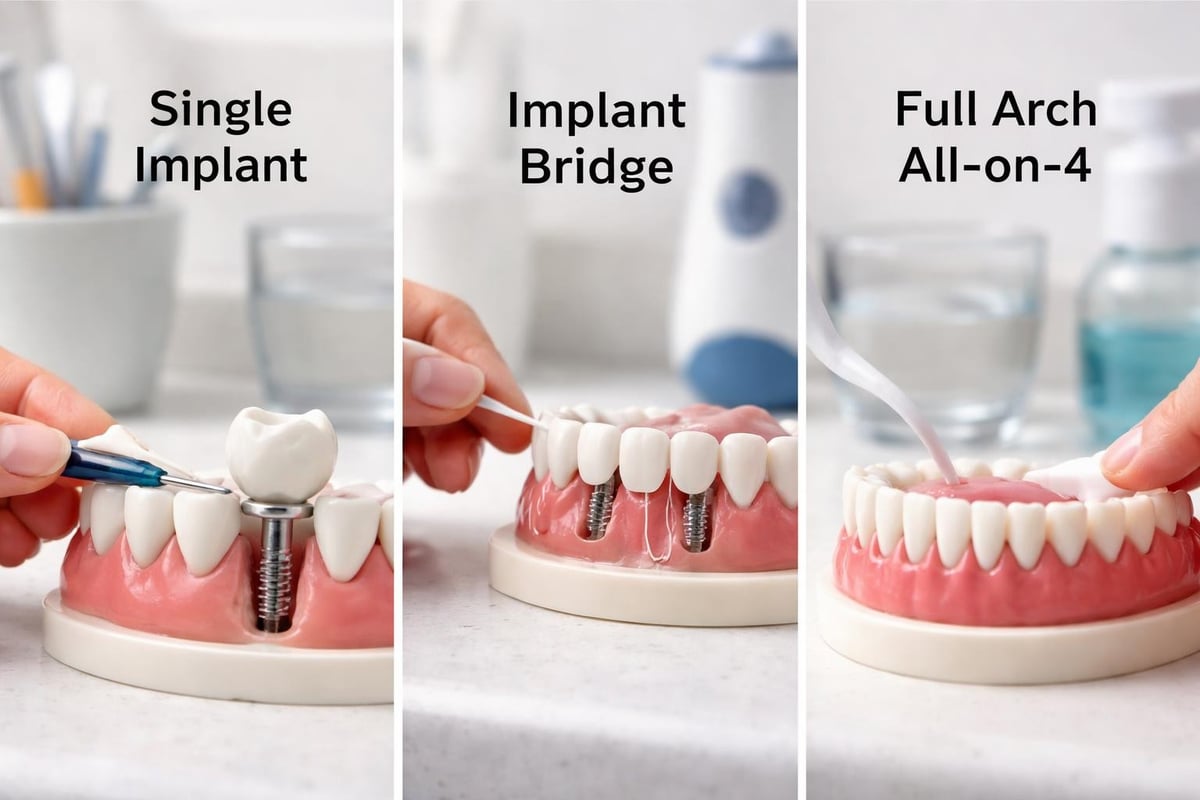
Single tooth implants closely mimic natural teeth in both appearance and care requirements. Home care instructions for single tooth dental implants emphasize thorough cleaning of all crown surfaces and the critical junction where the crown meets the gum tissue.
Use interdental brushes or floss threaders to access the spaces between the implant crown and adjacent natural teeth. These areas trap food particles and bacteria, creating ideal conditions for inflammation if neglected.
Multiple Implants and Bridge Care
Implant-supported bridges spanning several missing teeth require extra diligence because the connected crowns create additional surfaces where plaque accumulates. You cannot floss between the individual crowns of a bridge the same way you would natural teeth.
Threading floss beneath the bridge allows you to clean the underside of the restoration and the gum tissue. Specialized bridge flossers with stiffened ends simplify this process, or you can use super floss designed specifically for this purpose.
Water flossers excel at cleaning around multiple implants and beneath bridges, reaching areas that traditional floss might miss. Set the pressure to a medium level and direct the stream at a 90-degree angle to the gum line.
All-on-4 and Full Arch Restoration Maintenance
Full arch restorations supported by four or more implants present unique cleaning challenges due to the extensive prosthetic structure. These restorations include a small gap between the prosthetic and gum tissue where food particles and bacteria accumulate.
Patients with All-on-4 restorations must clean beneath the prosthetic daily using specialized brushes, floss threaders, and water flossers. Your dental team should provide specific instructions for your particular restoration design.
Some full arch prosthetics can be removed for cleaning, while others remain fixed permanently. Fixed restorations require meticulous daily attention to the accessible areas and regular professional maintenance for thorough cleaning of hard-to-reach zones.
Cost-Effective Strategies for Long-Term Implant Care
Protecting your dental implant investment doesn’t require expensive products or complicated routines. Strategic choices about your oral care products and professional services maximize value while ensuring optimal results.
Building Your Essential Care Kit
Assemble a comprehensive but affordable implant care kit containing these essential items:
- Soft-bristled toothbrush (manual or electric) replaced every three months
- Low-abrasive fluoride toothpaste or implant-specific formula
- Unwaxed dental floss or implant-specific floss
- Interdental brushes in appropriate sizes
- Water flosser with adjustable pressure settings
- Alcohol-free antimicrobial mouth rinse
- Tongue scraper to reduce oral bacteria
Quality matters more than brand names for most of these items. Store brands and generic products often perform comparably to premium options at a fraction of the cost.
Maximizing Insurance Benefits and Payment Plans
Understanding your dental insurance coverage helps you budget for ongoing implant maintenance. While many plans don’t cover the initial implant placement, they typically cover routine cleanings and examinations once the implant has been restored.
Verify your coverage details, including:
- Number of covered cleaning appointments per year
- Percentage covered for periodontal maintenance
- Annual maximum benefits and deductibles
- Coverage for necessary X-rays and examinations
If you’re uninsured or have limited coverage, many dental practices offer membership plans providing preventive care at reduced rates. At Dental Plus Clinic locations across Texas, including Beeville, Seguin, and New Braunfels, affordable care options ensure every patient can maintain their implants properly.
The True Cost of Neglect
While budgeting for regular maintenance may seem like an added expense, the cost of treating implant complications far exceeds preventive care investment. A 10-year study on maintenance costs revealed that patients who maintained regular professional care experienced significantly fewer complications requiring expensive interventions.
Treating peri-implantitis may involve surgical debridement, bone grafting, or even implant replacement, costing thousands of dollars. In contrast, routine professional cleanings and consistent home care cost a fraction of these corrective procedures while dramatically reducing complication risks.
Common Questions About Dental Implant Care
How long after implant surgery can I brush normally?
You can typically resume gentle brushing of the surgical area 24 hours after implant placement, using extra caution around the site. Your dentist may recommend a prescription mouth rinse instead of brushing directly on the surgical site for the first few days. By the second week, most patients can return to normal brushing techniques, though gentleness remains important during the initial healing phase.
Can I use an electric toothbrush on dental implants?
Electric toothbrushes are safe and often more effective than manual brushing for dental implants when used correctly. Choose a model with pressure sensors to prevent excessive force, and use the gentlest cleaning mode. Position the brush head at the gum line and allow the oscillating or sonic motion to do the work without pressing hard against the implant or crown.
How often should I replace my toothbrush when caring for implants?
Replace your toothbrush or electric brush head every three months or sooner if the bristles become frayed. Worn bristles lose effectiveness and may harbor bacteria that could compromise implant health. Consider replacing your brush after recovering from any illness to prevent reintroduction of harmful bacteria to your oral cavity.
What should I do if my implant feels loose?
Contact your dentist immediately if your implant or crown feels loose. While the crown can sometimes loosen from the abutment (a relatively simple fix), actual implant mobility indicates a serious problem requiring prompt professional evaluation. Avoid chewing on the affected area and don’t attempt to tighten anything yourself, as this could cause additional damage.
Are there foods I should permanently avoid with dental implants?
Once fully healed and integrated, dental implants can withstand normal chewing forces from virtually all foods. However, extremely hard items like ice cubes, popcorn kernels, and hard candies pose risks to both the crown and natural teeth. Use common sense when eating hard foods, avoid using your teeth as tools, and distribute chewing forces across multiple teeth rather than concentrating force on a single implant.
How can I prevent bad breath with dental implants?
Preventing bad breath (halitosis) with dental implants requires the same diligent hygiene as natural teeth. Bacteria accumulating on the tongue, in gum pockets, and around implant restorations produce odor-causing compounds. Brush twice daily, floss once daily, clean your tongue, stay hydrated, and maintain regular professional cleanings. If persistent bad breath continues despite excellent hygiene, consult your dentist to rule out peri-implant disease.
Will dental implants set off metal detectors?
Dental implants will not trigger metal detectors at airports or security checkpoints. The small amount of titanium in dental implants falls well below the threshold required to activate these devices. The same applies to MRI machines; titanium implants are MRI-safe and won’t cause problems during medical imaging, though they may create minor artifacts in images of the jaw area.
Can I whiten my dental implant crown?
Dental crowns, whether placed on implants or natural teeth, cannot be whitened using traditional bleaching methods. The porcelain or other materials used in crowns are color-stable and resistant to whitening agents. If you want to whiten your smile, do so before receiving your implant crown so your dentist can match the crown to your newly brightened natural teeth. If your crown becomes discolored over time, professional cleaning may restore some brightness, or replacement may be necessary to match whitened natural teeth.
Creating Your Personalized Implant Care Schedule
Developing a consistent routine tailored to your specific needs ensures you maintain optimal implant health without feeling overwhelmed. Understanding how to care for dental implants means creating sustainable habits that fit seamlessly into your lifestyle.
Your Daily Implant Care Checklist
Morning routine (5-7 minutes):
- Brush all teeth and implants for two minutes
- Use interdental brushes or floss around each implant
- Rinse with antimicrobial mouthwash
- Brush tongue to reduce bacteria
Evening routine (7-10 minutes):
- Brush all teeth and implants for two minutes
- Floss or use water flosser around each implant thoroughly
- Thread floss under bridges if applicable
- Use interdental brushes in wider spaces
- Rinse with antimicrobial mouthwash
- Insert nightguard if you grind your teeth
Weekly additions:
- Inspect your implants in good lighting for any changes
- Replace interdental brushes showing wear
- Clean your water flosser reservoir and tips
Adapting Care Through Different Life Stages
Your implant care needs may evolve as you age or experience health changes. Arthritis, reduced dexterity, or vision changes can make detailed oral hygiene more challenging. If physical limitations interfere with your routine, discuss adaptive tools with your dental team.
Electric toothbrushes with larger handles, floss holders, and water flossers reduce the manual dexterity required for thorough cleaning. Some patients benefit from lighted magnifying mirrors that make it easier to see areas requiring attention.
Certain medications and medical conditions affect oral health, potentially increasing your risk for implant complications. Inform your dentist about any health changes, new medications, or medical treatments you undergo so they can adjust your care plan accordingly.
Taking Action: Your Next Steps for Implant Success
The information you’ve gained about how to care for dental implants empowers you to protect your investment and maintain optimal oral health for decades. Success requires commitment to daily home care, regular professional maintenance, and prompt attention to any concerning symptoms.
If you’re experiencing any challenges with your current implant care routine or notice warning signs of complications, don’t delay seeking professional guidance. Early intervention prevents minor issues from becoming serious problems requiring extensive treatment.
For patients considering dental implants or those who want to optimize their current care routine, choosing an experienced dental team makes all the difference. Understanding the dental implant procedure from a trusted provider ensures you receive comprehensive education and support throughout your implant journey.
Schedule Your Implant Consultation or Maintenance Visit
Whether you’re maintaining existing implants or exploring replacement options for missing teeth, professional guidance tailored to your unique situation provides peace of mind and optimal outcomes. Comprehensive examination and personalized care planning identify potential risk factors and create strategies for long-term success.
Modern dental practices offer advanced diagnostic tools and treatment techniques that weren’t available even a few years ago. Innovations in dental implant technology, including improved materials and surgical approaches, continue to enhance success rates and patient comfort.
Don’t let uncertainty about implant care or concerns about potential problems keep you from achieving the confident, functional smile you deserve. Expert dental professionals can assess your individual situation, answer your questions, and develop a maintenance plan that fits your lifestyle and budget.
Your commitment to learning how to care for dental implants properly reflects your dedication to long-term oral health. By implementing these evidence-based strategies and maintaining open communication with your dental team, you’re investing in years of comfortable, confident smiling.
Final Thoughts
Proper implant care combines consistent daily hygiene with regular professional maintenance to ensure your investment lasts a lifetime. Whether you’re already enjoying the benefits of dental implants or considering this transformative treatment, the experienced team at Dental Plus Clinic provides comprehensive implant services and personalized maintenance plans across five convenient Texas locations. From initial consultation through lifelong care, our patient-focused approach ensures you receive the education, support, and professional expertise needed for optimal implant success. Schedule your appointment today to discover how we can help you maintain a healthy, confident smile for years to come.