
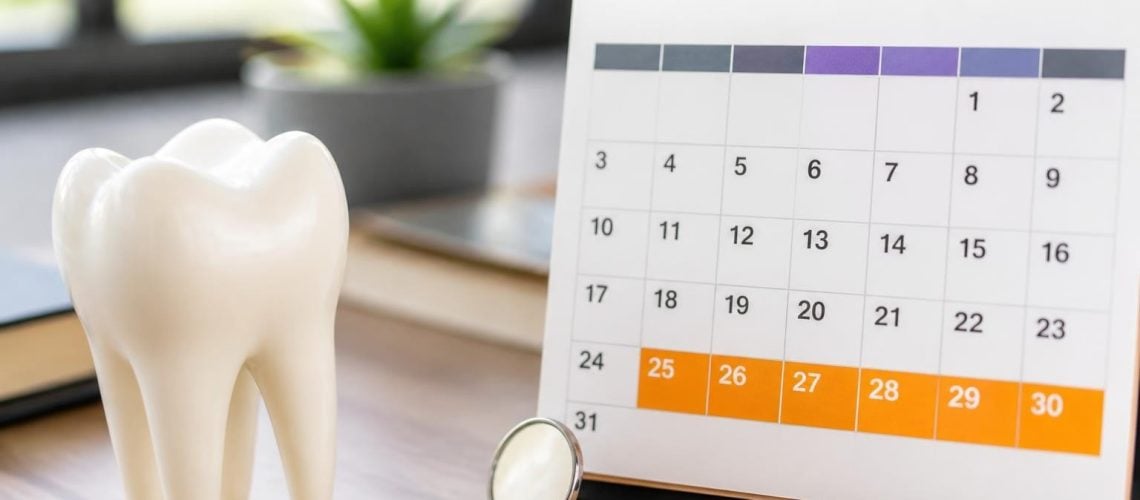
Your dental insurance plan likely resets every December 31st, meaning any unused benefits disappear forever. According to industry data, Americans leave approximately $400 million in dental benefits on the table each year by failing to schedule treatments before their coverage expires. Understanding how to use dental insurance before it expires can save you hundreds or even thousands of dollars while protecting your oral health. This comprehensive guide will walk you through actionable strategies to maximize your benefits during the final months of 2026, identify which treatments to prioritize, and avoid common pitfalls that cause families across Texas to waste valuable coverage.
Understanding Your Dental Insurance Annual Maximum
Most dental insurance plans operate on a calendar-year basis with an annual maximum benefit ranging from $1,000 to $2,000 per person. This maximum represents the total amount your insurance company will pay for covered dental services during the year.
The critical point: Unused portions of your annual maximum do not roll over to the next year. On January 1, 2027, your benefits reset regardless of whether you used any coverage in 2026.
Key Components of Your Dental Plan
Before learning how to use dental insurance before it expires, you need to understand these fundamental elements:
- Annual maximum: The cap on what your insurance pays per year
- Deductible: The amount you pay out-of-pocket before insurance coverage begins
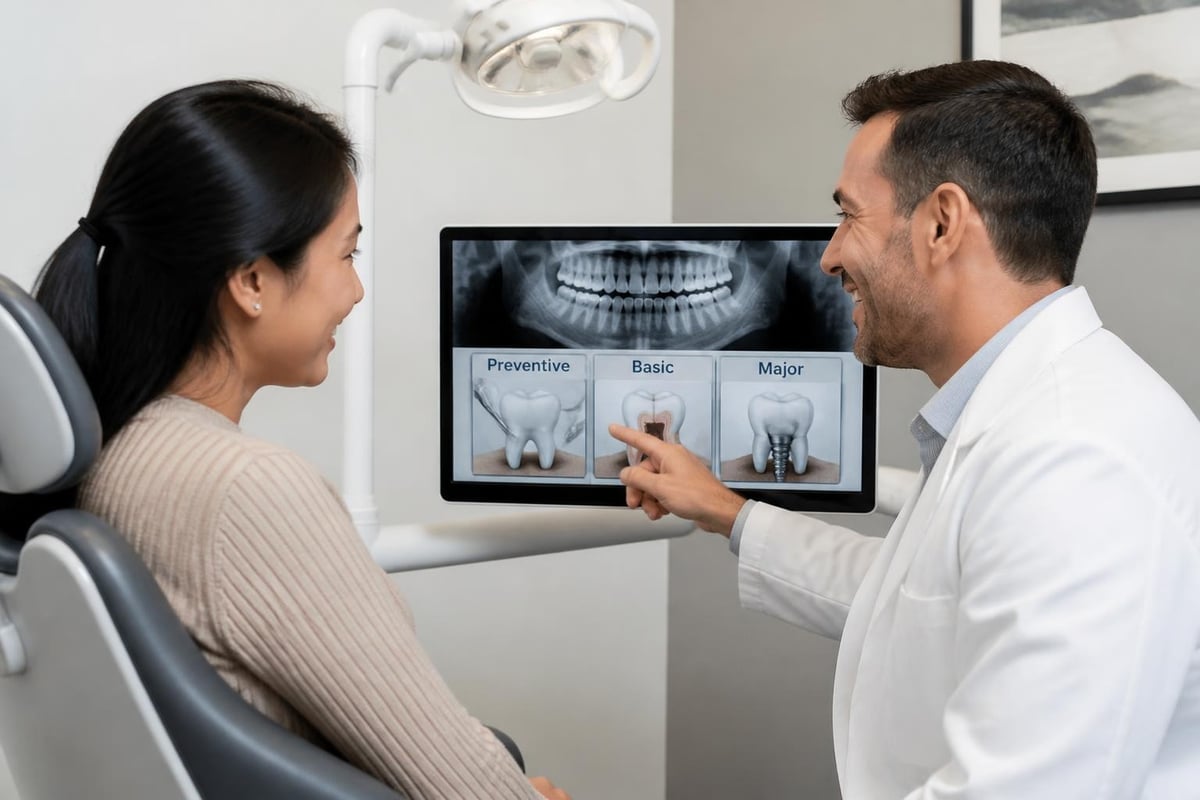
- Coinsurance percentages: Typically 100% for preventive care, 80% for basic procedures, 50% for major work
- Frequency limitations: Restrictions on how often certain services are covered (e.g., cleanings every six months)
The American Dental Association provides detailed guidance on how dental benefits work, including terminology that helps you decipher your specific plan coverage.
| Benefit Type | Typical Coverage | Annual Limit |
|---|---|---|
| Preventive Care | 100% | Usually unlimited within frequency limits |
| Basic Procedures | 70-80% | Counts toward annual maximum |
| Major Procedures | 50% | Counts toward annual maximum |
If you've already met your deductible earlier in 2026, you're in an excellent position to receive maximum value from any remaining treatments before December 31st.
Calculating Your Remaining Benefits
The first step in maximizing your coverage is determining exactly how much insurance benefit remains available for 2026.
Steps to Check Your Available Benefits
- Review your Explanation of Benefits (EOB) statements from treatments earlier this year
- Contact your insurance provider directly and request your year-to-date usage
- Ask your dental office to verify benefits on your behalf (most practices offer this service)
- Log into your insurance portal online to view real-time benefit tracking
Most patients at our Dental Plus Clinic are surprised to discover they have significant unused benefits remaining, especially if they've only had one cleaning so far in 2026.
Example calculation: If your plan has a $1,500 annual maximum and you've used $300 for a cleaning and exam in March, you still have $1,200 in available benefits through December 31st. That coverage could fund a crown ($800-1,200 after insurance), dental implant consultation and planning, or multiple fillings.
Common Scenarios for Texas Families
For families with multiple members on the same plan, each person typically has their own individual annual maximum. A family of four with $1,500 per person maximums has access to $6,000 in total annual benefits.
If you're researching dental insurance plans in Texas, understanding these calculations helps you choose coverage that aligns with your family's actual dental needs rather than paying for benefits you won't use.
Priority Treatments to Schedule Before Year-End
Strategic planning ensures you address the most important dental needs while maximizing insurance benefits. Here's how to use dental insurance before it expires by prioritizing treatments effectively.
High-Priority Preventive Services
Schedule these appointments immediately if you haven't completed them in 2026:
- Second cleaning and exam: Most plans cover two per year at 100%
- Fluoride treatments: Often covered for children and sometimes adults
- Dental X-rays: Full mouth series typically covered once every 3-5 years
- Oral cancer screenings: Usually included with routine exams
These preventive services cost you nothing out-of-pocket when covered by insurance, but you'll pay full price in January if you wait.
Necessary Restorative Work
If your dentist has identified any of these issues during 2026 exams, prioritize completion before December 31st:
- Cavities requiring fillings (basic procedure, typically 80% covered)
- Cracked or broken teeth needing crowns (major procedure, typically 50% covered)
- Root canals that have been recommended but not yet scheduled
- Gum disease treatment including deep cleanings (scaling and root planing)
Delaying these treatments not only wastes your 2026 benefits but can lead to more expensive emergency procedures in 2027. Understanding in-network vs. out-of-network dentists becomes crucial when scheduling year-end appointments, as staying in-network maximizes your benefit usage.
Elective and Cosmetic Procedures
While cosmetic dentistry typically isn't covered by standard insurance, some treatments blur the line between medical necessity and aesthetics:
- Tooth-colored fillings in visible areas (may be partially covered)
- Dental bonding to repair chips (sometimes covered if due to injury)
- Orthodontics (if your plan includes this benefit, there may be annual or lifetime maximums)
For purely cosmetic dental treatments, using remaining FSA or HSA funds before they expire can provide tax savings even without insurance coverage.
Dental Implants and Major Procedures
Dental implants represent one of the most significant investments in oral health, and timing them strategically can maximize insurance benefits across two benefit years.
Understanding Implant Coverage and Timing
Most insurance plans cover dental implants at 50% up to the annual maximum, though coverage varies significantly by plan. The cost of dental implants with insurance becomes more manageable when you split the procedure across benefit years.
Strategic approach for late 2026:
- Schedule consultation and planning in November/December 2026 (uses remaining 2026 benefits)
- Complete surgical placement in January 2027 (accesses fresh 2027 benefits)
- Install permanent crown in mid-2027 (additional 2027 coverage)
This approach can save thousands of dollars compared to completing everything in one benefit year.
Pre-Authorization Requirements
For major procedures, obtain pre-authorization before proceeding. The American Dental Association offers guidance on pre-authorizations that helps patients understand what their plan will cover before treatment begins.
| Procedure Phase | Timing | Expected Insurance Coverage |
|---|---|---|
| Consultation & Planning | December 2026 | 80% (basic diagnostic) |
| Implant Surgery | January 2027 | 50% up to new annual max |
| Abutment & Crown | June 2027 | 50% using same year benefits |
This phased approach is why dental implants are a long-term investment that requires both clinical and financial planning.
Maximizing FSA and HSA Accounts
Flexible Spending Accounts (FSA) and Health Savings Accounts (HSA) provide additional opportunities to save money on dental care, but they have their own year-end deadlines.
FSA Use-It-or-Lose-It Rules
Most FSAs operate on a strict calendar-year basis. Any funds not used by December 31st are forfeited, though some plans offer:
- A grace period extending into early 2027 (typically 2.5 months)
- A carryover option allowing up to $640 to roll into 2027
The IRS Publication 969 details rules for tax-favored health accounts, including deadlines and eligible expenses for dental care.
Eligible Dental Expenses for FSA/HSA
You can use these pre-tax dollars for virtually all dental services:
- Routine cleanings and exams
- Fillings, crowns, and bridges
- Root canals and extractions
- Orthodontic treatments
- Dental implants
- Dentures and partials
According to IRS Publication 502, most medically necessary dental procedures qualify for tax-deductible expenses when paid with FSA or HSA funds.
Action Steps for September Through December
By October 15th: Calculate remaining FSA/HSA balance and verify deadline details
By November 1st: Schedule necessary treatments that will exhaust remaining account funds
By December 15th: Complete all treatments that will be paid from 2026 FSA funds (allowing time for claims processing)
Many Texas families at our Leander and New Braunfels locations use FSA funds to cover their portion of coinsurance on major dental work, effectively doubling their savings by combining insurance benefits with pre-tax account dollars.
Scheduling Strategies for Busy Families
The challenge of how to use dental insurance before it expires intensifies during the fourth quarter when dental offices experience their busiest period.
Beating the Year-End Rush
Dental practices across Texas see appointment volume increase by 40-60% between October and December as patients rush to use expiring benefits. This creates scheduling bottlenecks.
Book appointments now for these timeframes:
- Routine cleanings: Schedule by mid-October for November/December appointments
- Crowns and multi-visit procedures: Begin by early November to ensure completion
- Complex treatment plans: Start consultations in September for December completion
Our Leander location and Converse location extend hours during the fourth quarter specifically to accommodate year-end benefit usage.
Family Coordination Tips
For households with children and multiple adults:
- Stagger appointments across October, November, and early December rather than cramming everything into one month
- Prioritize by urgency: Schedule treatment-needed appointments first, routine preventive care last
- Use multiple family members' benefits: If one person has maxed out, another family member's unused benefits might cover shared household needs
- Consider Saturday appointments: Many offices offer weekend hours during peak season
The Consumer Reports guide on dental care recommends treating dental insurance as a yearly budget that should be fully spent on necessary care rather than left unused.
Navigating Common Insurance Obstacles
Even with careful planning, insurance complications can derail your year-end benefit usage strategy.
Frequency Limitations and Waiting Periods
Many plans restrict how often certain services are covered:
- Cleanings: Every 6 months (182 days)
- Full-mouth X-rays: Once every 3-5 years
- Crowns on the same tooth: Once every 5-7 years
If you had a cleaning in early July 2026, you'll be eligible for your second cleaning in early January 2027, potentially missing the 2026 benefit window. The solution is to schedule that first cleaning earlier in the year (January through June) to ensure the second cleaning falls within the same calendar year.
Denied Claims and Appeals
If your insurance denies coverage for a recommended treatment, you have appeal rights. The HealthCare.gov appeals process outlines steps for challenging insurance decisions, which becomes critical when treatments are denied just before year-end.
Quick appeal process:
- Request written explanation for the denial
- Gather supporting documentation from your dentist
- Submit internal appeal within required timeframe (usually 180 days)
- Escalate to external review if internal appeal fails
Working with an experienced dental office billing department can significantly improve appeal success rates. Our team regularly assists patients in navigating these challenges.
Balance Billing Concerns
Understanding balance billing and network status helps you avoid unexpected costs when rushing to use benefits before they expire. Out-of-network providers may charge significantly more than your insurance allowable amount, leaving you responsible for the difference.
Special Considerations for Different Coverage Types
Not all dental coverage works the same way, and year-end strategies vary by plan type.
Traditional PPO and HMO Plans
PPO plans offer the most flexibility for year-end benefit usage since you can see any licensed dentist. HMO plans typically require you to stay within a specific network and may have different annual maximum structures.
Medicare and Dental Coverage
Standard Medicare does not cover most dental services. The CMS overview of Medicare dental coverage explains limited exceptions and helps Medicare enrollees understand what's covered. Medicare Advantage plans sometimes include dental benefits with their own annual maximums and rules.
For Medicare Advantage enrollees in Texas, verify whether your dental benefits expire December 31st or follow a different schedule, as some plans use alternative benefit years.
Marketplace Plans and Pediatric Dental
Under the Affordable Care Act, pediatric dental coverage is an essential health benefit for children under 19. The Kaiser Family Foundation explains how marketplace dental benefits differ from traditional plans.
For Texas families with marketplace coverage, verify whether pediatric and adult benefits have separate maximums, as this affects planning for how to use dental insurance before it expires.
Creating Your Personalized Year-End Action Plan
Transform this information into concrete steps tailored to your family's situation.
Your 90-Day Checklist (October – December 2026)
Immediate actions (Complete by October 15th):
- Call insurance provider to verify remaining annual maximum
- Check FSA/HSA balance and expiration rules
- Review dentist recommendations from your last visit
- Calculate how much coverage remains unused
Planning phase (October 16th – 31st):
- Schedule consultation for any recommended major work
- Book family members' second cleanings and exams
- Obtain pre-authorization for expensive procedures
- Coordinate treatment timeline to maximize benefits
Execution phase (November 1st – December 20th):
- Complete all scheduled treatments
- Use remaining FSA/HSA funds on qualifying dental expenses
- Stock up on eligible dental supplies (electric toothbrush, whitening products)
- Review claims to ensure proper processing
Final verification (December 21st – 31st):
- Confirm all claims have been submitted
- Verify remaining balance shows correct usage
- Document any outstanding appeals
- Plan 2027 dental schedule to avoid year-end rush
Questions to Ask Your Dental Office
When you contact your dentist about using remaining benefits, ask:
- What treatments have you recommended that I haven't completed?
- Can you verify my remaining insurance benefits?
- What's your current availability for appointments before December 31st?
- Will treatment be completed in time for claims to process in 2026?
- Can we split treatment across benefit years to maximize coverage?
Avoiding Common Year-End Mistakes
Learn from the errors that cause thousands of Texas families to waste dental benefits annually.
Mistake #1: Waiting Until December
By December, dental offices are completely booked, and many can't accommodate new patients or complex procedures. Starting your planning in September or early October provides flexibility and choice.
Mistake #2: Assuming All Benefits Roll Over
Only specific types of dental savings plans and some HSAs allow rollover. Most insurance annual maximums and FSAs do not. Verify your specific plan rules rather than assuming.
Mistake #3: Scheduling Procedures Without Pre-Authorization
For major work costing over $300-500, most insurance companies require pre-authorization. Skipping this step can result in denied claims discovered only after treatment is complete.
Mistake #4: Neglecting Preventive Care
The easiest money to leave on the table is the cost of a second cleaning, typically valued at $80-150. Since it's covered at 100%, you're essentially giving away free money by skipping this appointment.
Mistake #5: Ignoring Recommended Treatment
Delaying needed dental work doesn't just waste 2026 benefits; it often leads to more expensive emergency treatment in 2027. A $200 filling postponed can become a $1,500 root canal and crown.
Cost comparison example:
| Scenario | 2026 Cost (with insurance) | 2027 Cost if Delayed |
|---|---|---|
| Fill cavity now | $40 (80% coverage) | N/A |
| Delay filling, need root canal + crown later | Benefits wasted | $1,200 (new deductible + 50% coverage) |
| Total patient cost | $40 | $1,200+ |
Frequently Asked Questions
Can I use my dental insurance benefits after December 31st if I scheduled the appointment in 2026?
No. Insurance coverage is determined by the date of service, not the date you scheduled the appointment. Treatments must be completed and billed before your plan year ends.
What happens if my dentist can't finish my crown before December 31st?
Multi-visit procedures are billed when each phase is completed. The preparation appointment might use 2026 benefits while the crown placement uses 2027 benefits, which can actually work in your favor by spreading costs across two annual maximums.
Do dental insurance benefits roll over to the next year?
Standard dental insurance annual maximums do not roll over. Each calendar year starts fresh with a new maximum. However, some dental savings plans (not traditional insurance) operate differently.
How quickly do I need to file dental claims for 2026 services?
Most insurance plans require claims within 60-90 days of service, but many dentists file claims immediately. Verify your plan's specific deadline, and ensure appointments scheduled in late December allow time for claims processing.
Can I double up on cleanings at the end of the year?
Only if you've met the frequency limitation (typically 6 months between cleanings). Having two cleanings in December won't be covered unless your last cleaning was in June or earlier.
What if my insurance denies coverage for a treatment my dentist recommended?
Request a detailed explanation of the denial, then work with your dentist to appeal. Often denials result from coding errors or missing documentation rather than legitimate coverage exclusions.
Is it worth switching dentists to use my benefits before they expire?
Only if there are significant clinical reasons. The small difference between in-network and out-of-network costs rarely justifies switching providers solely for year-end benefits. Focus instead on getting recommended treatment completed at your current trusted dentist.
Can I use my spouse's dental insurance if I've maxed out mine?
Each person's coverage is individual. You cannot transfer or share annual maximums between family members, even on the same plan.
Additional Cost-Saving Strategies
Beyond insurance benefits, several approaches can reduce your out-of-pocket dental expenses before year-end.
Combining Payment Methods
Layer multiple savings tools for maximum financial benefit:
- Use dental insurance for the primary coverage
- Apply FSA/HSA funds to pay your coinsurance portion
- Ask about payment plans for any remaining balance
For example, on a $2,000 crown:
- Insurance covers 50% = $1,000
- You pay $1,000 using HSA (pre-tax dollars)
- Effective savings: $1,000 from insurance + $250-350 in tax savings = $1,250-1,350 total
Timing Major Work Strategically
For extensive treatment plans requiring multiple procedures, consider this sequence:
Late 2026: Diagnostics, planning, and one major procedure
Early 2027: Additional major procedures using fresh benefits
Mid 2027: Final restorative work
This approach accesses two years of annual maximums for one treatment plan.
Dental Discount Plans as Supplements
Some patients maintain both insurance and a dental discount plan, using whichever provides better pricing for each specific service. While this involves paying two annual fees, the savings on major work can justify the cost.
Understanding how to use dental insurance before it expires empowers you to maximize your investment in oral health while avoiding unnecessary out-of-pocket expenses. By checking your remaining benefits, prioritizing recommended treatments, and scheduling appointments early in the fourth quarter, you ensure that none of your 2026 coverage goes to waste. Dental Plus Clinic's experienced team across our Texas locations in Beeville, Seguin, New Braunfels, Leander, and Converse can verify your insurance benefits, coordinate treatment timing, and help you make the most of your remaining coverage. Don't let your hard-earned dental benefits expire unused-contact Dental Plus Clinic today to schedule your year-end appointment and protect both your smile and your wallet.