
Finding quality dental care that aligns with your insurance coverage can transform an overwhelming financial burden into a manageable investment in your oral health. When facing tooth loss or severe dental damage, dental implants represent the gold standard for restoration, but the cost often raises concerns. The good news is that implant specialists accepting major PPO plans make this advanced treatment more accessible than ever before. Understanding how PPO dental insurance works with implant procedures helps Texas families make informed decisions about their dental health while maximizing their insurance benefits.
Understanding PPO Dental Insurance for Implant Procedures
Preferred Provider Organization (PPO) dental plans offer flexibility that makes them particularly valuable when seeking specialized dental treatments. Unlike HMO plans that restrict you to specific providers, PPO insurance allows you to visit any licensed dentist while providing enhanced benefits when you choose in-network providers.
How PPO Plans Structure Implant Coverage
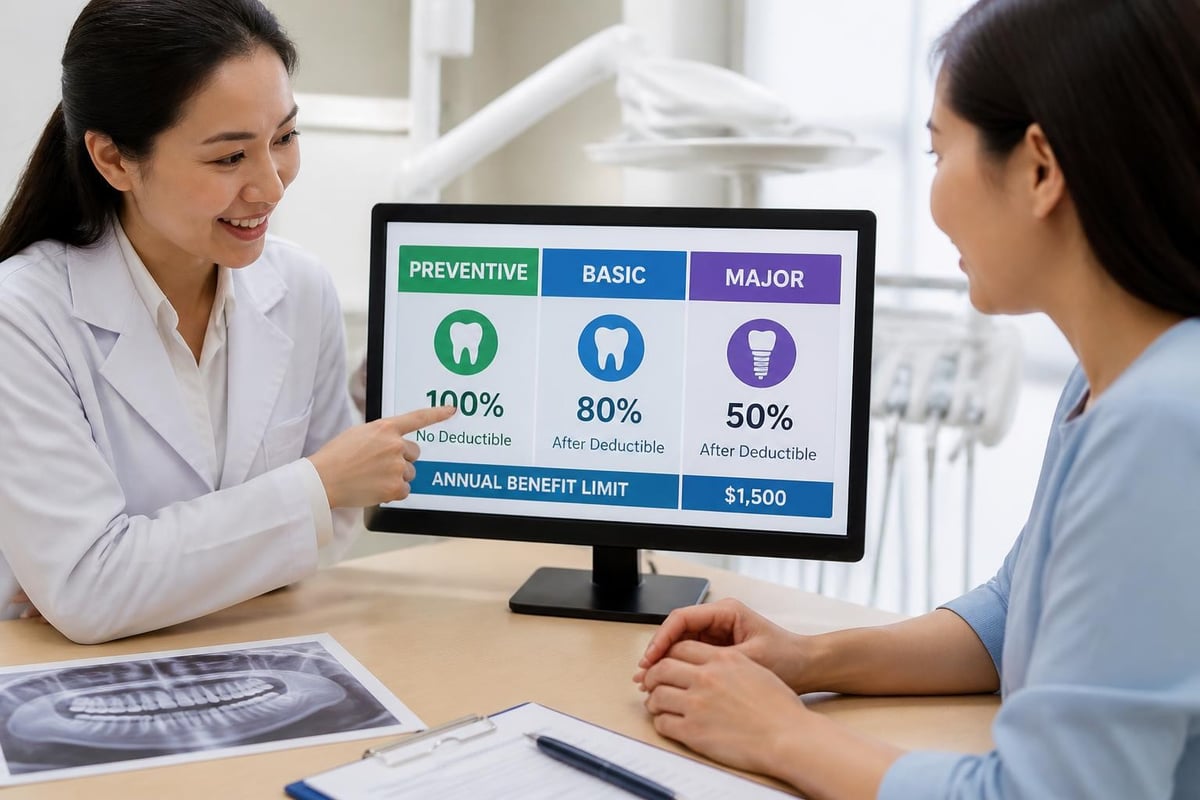
Most PPO dental insurance plans categorize services into distinct tiers that determine coverage percentages:
- Preventive care: Cleanings, exams, X-rays (typically 80-100% coverage)
- Basic procedures: Fillings, simple extractions (typically 70-80% coverage)
- Major procedures: Crowns, bridges, implants (typically 50% coverage)
When searching for implant specialists accepting major PPO plans, understanding this tier system helps you estimate your out-of-pocket expenses. According to Delta Dental’s PPO plan structure, major procedures like dental implants fall into the highest coverage tier, which means your insurance contribution makes a significant difference in overall treatment costs.
Annual maximums represent another crucial factor. Most PPO plans cap benefits between $1,000 and $2,500 per calendar year. Since dental implants can cost $3,000-$5,000 per tooth, planning your treatment timeline strategically maximizes insurance utilization.
Waiting Periods and Pre-Authorization Requirements
Many PPO dental plans impose waiting periods for major procedures, ranging from six to twelve months after enrollment. However, some carriers like Spirit Dental offer PPO plans with no waiting periods, providing immediate coverage for implant procedures.
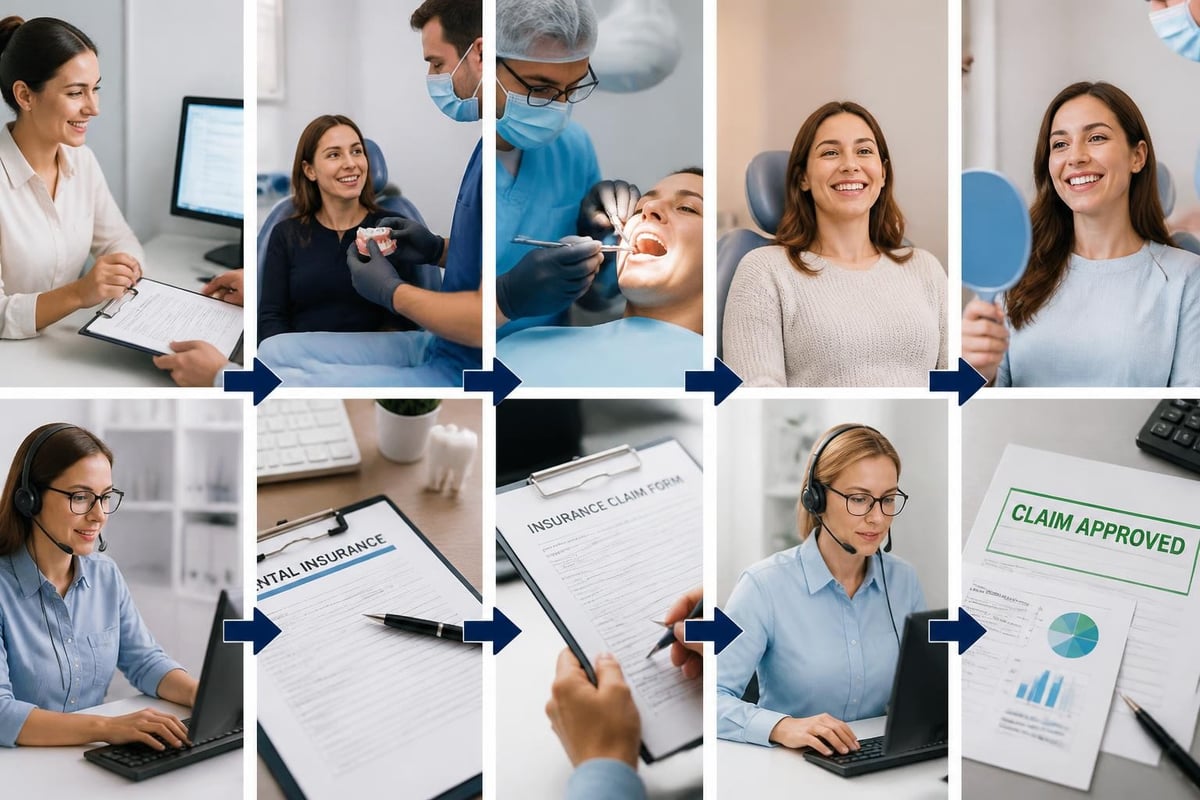
Pre-authorization remains essential when planning implant treatment. Your dental provider submits detailed treatment plans to your insurance carrier, which reviews medical necessity and provides a benefit estimate. This process typically takes 2-4 weeks but prevents unexpected claim denials.
Major PPO Insurance Carriers Covering Dental Implants
The landscape of dental insurance includes several major carriers that provide robust coverage for implant procedures through their PPO networks. Each carrier brings distinct advantages, network sizes, and coverage structures.
Leading PPO Insurance Providers
| Insurance Carrier | Network Size | Typical Implant Coverage | Key Features |
|---|---|---|---|
| Delta Dental | 155,000+ dentists | 50% after deductible | Largest PPO network in the U.S. |
| Humana | 265,000+ providers | 50% with some plans | Flexible provider choice |
| Guardian Life | 130,000+ dentists | 50-60% depending on plan | Preventive care emphasis |
| Cigna | 93,000+ providers | 50% major services | Comprehensive coverage options |
| MetLife | 140,000+ dentists | 50% after waiting period | Strong employer group plans |
Delta Dental maintains the most extensive network of participating providers nationwide. Their PPO plans typically classify dental implants as major services, and according to coverage analysis from Dental Reviewed, most plans cover 50% of implant costs after meeting annual deductibles.
Humana’s PPO dental insurance emphasizes freedom of choice, allowing members to visit any licensed dentist while receiving maximum benefits from network providers. Their plans frequently include orthodontic benefits and comprehensive major service coverage, making them popular among Texas families seeking implant specialists accepting major PPO plans.
Evaluating Your Specific PPO Plan Benefits
Not all PPO plans from the same carrier offer identical coverage. Individual, family, and employer-sponsored plans vary significantly in:
- Annual maximum benefits
- Deductible amounts
- Coverage percentages for major procedures
- Waiting period requirements
- Missing tooth clauses
The "missing tooth clause" deserves special attention. Some plans exclude coverage for teeth missing before enrollment, potentially affecting implant eligibility. Review your specific plan documents or contact your HR benefits coordinator to understand these limitations.
Maximizing Your PPO Benefits for Dental Implants
Strategic planning transforms good insurance coverage into exceptional value. When working with implant specialists accepting major PPO plans, several approaches help maximize your benefits while minimizing out-of-pocket expenses.
Timing Your Treatment Across Calendar Years
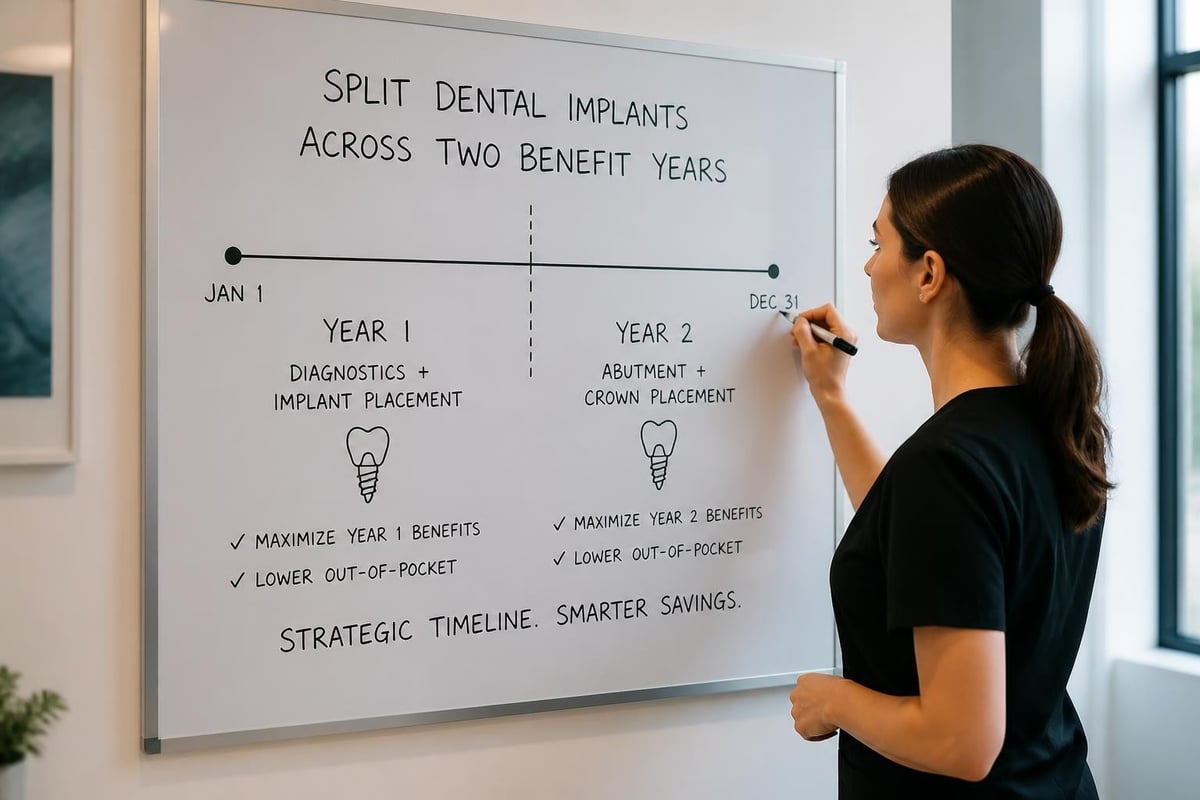
Since most PPO plans reset annual maximums on January 1st, splitting implant treatment across two calendar years doubles your available benefits. A typical implant procedure involves multiple phases:
- Initial consultation and planning (Year 1)
- Implant post placement surgery (Year 1, using current year's benefits)
- Healing period (3-6 months)
- Abutment and crown placement (Year 2, using next year's benefits)
This strategic approach effectively creates $2,000-$5,000 in additional coverage for patients whose plans have standard annual maximums. Your implant specialist can coordinate treatment timing to align with your benefit period.
Combining Multiple Coverage Sources
Families with access to dual coverage through two employed adults can coordinate benefits for even greater savings. Primary and secondary insurance coordination works like this:
- Primary insurance pays first according to their coverage percentage
- Secondary insurance covers remaining eligible expenses up to their limits
- Patient responsibility covers any remaining balance
Important consideration: Not all procedures qualify for coordination of benefits. Verify both policies allow this arrangement before proceeding with treatment planning.
Utilizing Flexible Spending Accounts (FSAs) and Health Savings Accounts (HSAs)
These tax-advantaged accounts complement PPO insurance coverage beautifully. Since dental implant expenses qualify as eligible medical expenses, you can use pre-tax dollars to cover:
- Insurance deductibles
- Co-insurance percentages
- Costs exceeding annual maximums
For a patient in the 22% tax bracket, using an FSA or HSA effectively reduces implant costs by 22% compared to paying with after-tax dollars. The latest dental implant technology combines with smart financial planning to make treatment more affordable.
Finding Quality Implant Specialists in Your PPO Network
Location and provider expertise matter tremendously when selecting an implant specialist. Texas residents benefit from robust dental networks, but not all in-network providers offer the same level of implant experience and technology.
Verifying Provider Network Status
Before scheduling consultations, confirm that potential providers participate in your specific PPO network. Many insurance websites provide searchable databases, but always verify directly with the dental office because network participation changes periodically.
When calling practices, ask these specific questions:
- Do you accept [your specific insurance carrier and plan name]?
- Are you in-network or out-of-network for my plan?
- Do you handle insurance pre-authorization and claims filing?
- What payment options exist for amounts not covered by insurance?
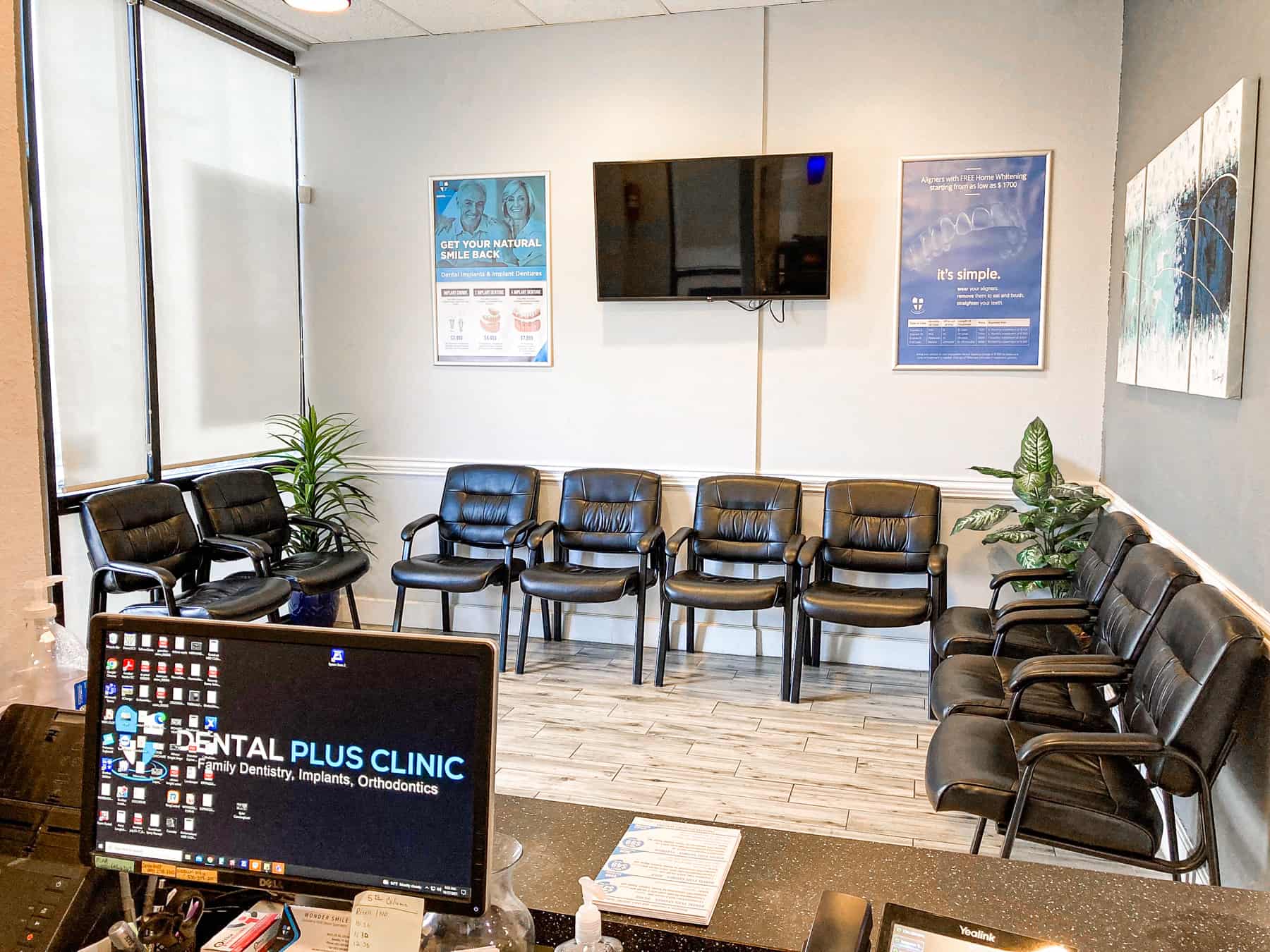
Dental Plus Clinic participates with major PPO insurance networks across all five Texas locations in Beeville, Seguin, New Braunfels, Leander, and Converse. Our administrative team verifies benefits and handles authorization paperwork, simplifying the process for patients.
Evaluating Implant Specialist Credentials
Board certification and continuing education distinguish exceptional implant specialists from general practitioners who occasionally place implants. Look for providers with:
- Advanced training in implantology or oral surgery
- Membership in professional organizations (American Academy of Implant Dentistry, International Congress of Oral Implantologists)
- Investment in modern technology (3D imaging, computer-guided surgery)
- Extensive implant placement experience (ideally 100+ cases annually)
The question "is it better to get a dental implant or a bridge" often arises during consultations. Experienced implant specialists provide evidence-based guidance tailored to your specific situation rather than one-size-fits-all recommendations.
Reading Patient Reviews and Testimonials
Online reviews reveal valuable insights about patient experiences, office atmosphere, and treatment outcomes. When researching implant specialists accepting major PPO plans, pay attention to comments about:
- Insurance coordination and billing transparency
- Pain management and comfort during procedures
- Long-term implant success rates
- Communication and patient education
- Office cleanliness and technology
Multiple negative reviews mentioning insurance billing problems or unexpected costs should raise concerns. Reputable practices maintain transparent financial policies and provide detailed treatment estimates before beginning work.
Cost Transparency and Treatment Planning
Understanding the complete financial picture before starting treatment prevents unwelcome surprises and builds trust between patients and providers. Professional implant specialists provide comprehensive cost breakdowns that account for all treatment phases.
Complete Implant Treatment Cost Components
A single dental implant involves multiple procedures and components, each with associated costs:
| Treatment Component | Typical Cost Range | Insurance Coverage |
|---|---|---|
| Initial consultation & imaging | $100-$300 | Often fully covered as diagnostic |
| Bone grafting (if needed) | $300-$1,200 | 50% as major service |
| Implant post placement | $1,500-$2,500 | 50% as major service |
| Abutment | $300-$500 | 50% as major service |
| Crown fabrication | $1,000-$2,000 | 50% as major service |
| Total per implant | $3,200-$6,500 | Varies by plan |
According to comprehensive analysis of dental insurance coverage for implants, most PPO plans contribute $1,500-$2,500 toward single implant procedures when patients maximize annual benefits and meet pre-authorization requirements.
For patients considering All-on-4 versus All-on-6 dental implants, the cost considerations multiply significantly. Full-arch restoration using four to six implants typically ranges from $20,000-$40,000 per arch, making insurance coordination and payment planning absolutely essential.
Transparent Pre-Treatment Estimates
Reputable implant specialists accepting major PPO plans provide written treatment estimates that include:
- Itemized procedure codes (CDT codes)
- Estimated insurance payment based on verified benefits
- Patient responsibility after insurance
- Payment timeline aligned with treatment phases
- Financing options for remaining balance
Request this documentation before scheduling treatment. Compare estimates from multiple providers to ensure fair pricing while considering provider experience and technology.
Alternative Financing Options
Even with excellent PPO coverage, patients often face substantial out-of-pocket expenses for implant treatment. Many dental practices partner with healthcare financing companies offering:
- No-interest promotional periods (6-24 months)
- Extended payment plans with competitive rates
- Quick approval processes
- Flexible monthly payment amounts
Some practices also offer in-house payment plans for established patients with good payment history. When comparing implant specialists accepting major PPO plans, factor in available financing options alongside clinical expertise and insurance participation.
Common Challenges and How to Overcome Them
Even patients with excellent PPO coverage encounter obstacles during the implant treatment process. Understanding these challenges and their solutions prevents frustration and treatment delays.
Challenge 1: Claim Denials for "Cosmetic" Procedures
Insurance carriers sometimes deny implant claims, classifying them as cosmetic rather than medically necessary. This particularly affects anterior (front) tooth replacements.
Solution: Your implant specialist should document medical necessity thoroughly, including:
- Impact on chewing function and nutrition
- Bone loss prevention benefits
- Speech impediment correction
- Psychological well-being considerations
Appealing denials with comprehensive clinical documentation frequently results in approval reversal. Professional practices experienced with insurance coordination handle this advocacy on behalf of patients.
Challenge 2: Missing Tooth Clause Exclusions
Some PPO plans exclude coverage for replacing teeth missing before policy enrollment, creating unexpected financial barriers.
Solution: Review policy details during open enrollment periods and consider:
- Switching to plans without missing tooth clauses
- Negotiating plan terms through employer HR departments
- Exploring alternative coverage through spouse's insurance
- Investigating supplemental dental insurance
Dental Fixes’ analysis of top insurance providers highlights carriers with favorable missing tooth policies, helping you make informed enrollment decisions.
Challenge 3: Network Limitations in Rural Areas
Texas families living in smaller communities sometimes struggle finding implant specialists accepting major PPO plans within reasonable driving distances.
Solution: Many PPO plans provide out-of-network benefits at reduced percentages (typically 40% instead of 50%). The cost difference might justify traveling to experienced specialists rather than choosing inexperienced local providers solely based on network status.
Additionally, some practices offer complimentary consultations or virtual preliminary appointments, reducing travel requirements during initial planning phases. Dental Plus Clinic's Seguin location serves patients from surrounding rural communities throughout central Texas.
Special Considerations for Complex Implant Cases
Some patients require additional procedures before or during implant placement, affecting both treatment timelines and insurance coordination. Understanding coverage for these supplementary procedures helps create realistic financial expectations.
Bone Grafting and Sinus Lifts
Insufficient jawbone density prevents successful implant integration. Approximately 40-60% of implant candidates require bone augmentation procedures. PPO insurance typically covers these preparatory procedures at the same 50% major service rate as implants themselves.
Key insurance considerations:
- Bone grafting adds 3-6 months to treatment timelines
- Separate pre-authorization may be required
- Some plans classify grafting as oral surgery rather than implant-related
- Total treatment costs increase by $500-$3,000
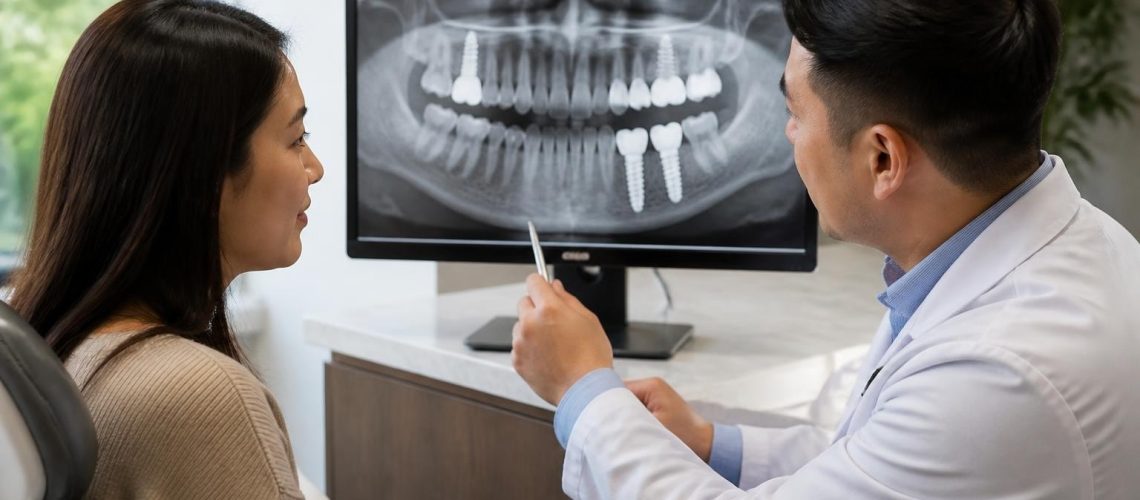
Experienced implant specialists use advanced imaging technology to identify bone density issues during initial consultations, allowing accurate treatment planning and cost estimation from the start.
Full-Mouth Rehabilitation with Multiple Implants
Patients missing most or all teeth face different insurance dynamics when considering comprehensive implant restoration. Treatment options include:
- Individual implants for each missing tooth (costly, rarely practical)
- Implant-supported bridges (4-6 implants supporting full arch)
- All-on-4 or All-on-6 fixed dentures (most cost-effective full-arch solution)
Insurance coordination becomes complex with extensive treatment because annual maximums provide smaller percentages of total costs. Strategic approaches include:
- Phasing treatment across multiple benefit years
- Prioritizing upper or lower arch based on functional need
- Combining insurance benefits with financing for larger procedures
- Exploring employer flexible benefit plan options
Understanding who qualifies as a good candidate for dental implants helps determine whether you're ready for treatment or need preliminary procedures first.
Frequently Asked Questions About PPO Coverage for Dental Implants
Do all PPO dental plans cover dental implants?
Most modern PPO plans include coverage for dental implants classified as major services, typically at 50% of allowed amounts after deductibles. However, coverage specifics vary significantly between carriers and individual plan designs. Some budget-friendly plans exclude implant coverage entirely, while premium plans may offer 60% or higher coverage percentages. Always verify your specific plan documents or contact your insurance carrier directly to confirm implant coverage before scheduling consultations.
How much will my PPO insurance pay toward dental implants?
PPO insurance typically contributes $1,500-$2,500 toward single implant procedures, though actual amounts depend on your plan's annual maximum, coverage percentage, and deductible. For example, a plan with a $2,000 annual maximum and 50% major service coverage would contribute up to $2,000 toward implant costs. If your total treatment costs $4,000, you would pay $2,000 after maximizing insurance benefits. Multiple implants may exceed annual maximums, requiring out-of-pocket payment or treatment phasing across benefit years.
Can I use PPO insurance at any dental implant specialist?
PPO insurance allows you to visit any licensed dentist, but you receive maximum benefits when choosing in-network providers. According to Guardian Life’s PPO structure, in-network specialists have negotiated fee schedules with insurance carriers, resulting in lower patient costs. Out-of-network providers can charge their full fees, and insurance pays based on "usual and customary" rates for your geographic area, potentially leaving you with higher out-of-pocket expenses even though your coverage percentage remains the same.
What is the waiting period for dental implant coverage?
Waiting periods for major procedures like dental implants typically range from 6-12 months after policy enrollment, though this varies by carrier and plan design. Some employer-sponsored plans waive waiting periods for new employees, while individual plans usually enforce them strictly. Notably, certain carriers offer immediate coverage options. Planning ahead by enrolling in quality PPO coverage before you need implant treatment helps avoid waiting period delays.
Does PPO insurance cover bone grafting before implants?
Most PPO plans cover bone grafting procedures at the same percentage as dental implants (typically 50%) when deemed medically necessary for implant success. Your dental provider submits pre-authorization documentation explaining why grafting is required, usually due to insufficient bone density or previous extraction complications. Coverage applies the same annual maximum and deductible as other major services, so bone grafting and implant costs combine when calculating total insurance contributions.
How do I find implant specialists accepting my specific PPO plan?
Start by contacting your insurance carrier's customer service number (found on your insurance card) and request a list of in-network implant specialists in your area. Most carriers also provide online provider search tools on their websites. When calling dental offices, always verify current network participation and ask about their experience handling your specific insurance carrier. Network participation changes periodically, so confirmation directly from the provider prevents miscommunication and billing surprises.
Can I use PPO insurance for implants if I have a missing tooth clause?
Missing tooth clauses exclude coverage for replacing teeth that were missing before your policy's effective date. If your plan includes this limitation, insurance won't contribute toward implants for pre-existing tooth loss. However, coverage would apply to teeth lost after enrollment. Some strategies to work around missing tooth clauses include switching plans during open enrollment, coordinating secondary insurance without such clauses, or negotiating plan terms through employer benefits departments. Review your specific policy language carefully, as some "missing tooth clauses" include time limitations (such as excluding teeth missing more than 12 months before enrollment but covering those missing less than 12 months).
What documentation does my implant specialist need to submit for insurance approval?
Comprehensive pre-authorization submissions typically include diagnostic X-rays or CT scans, clinical photographs, detailed treatment plans with CDT procedure codes, written narratives explaining medical necessity, periodontal charting documenting bone levels, and cost estimates for all treatment phases. Professional practices experienced with insurance coordination assemble complete documentation packages that address common carrier concerns, increasing approval likelihood and reducing processing delays. Incomplete submissions frequently result in requests for additional information, extending approval timelines by weeks.
How does coordination of benefits work with dual PPO coverage?
When covered under two PPO plans (often through your employer and your spouse's employer), primary insurance pays first according to their coverage structure, then secondary insurance considers remaining eligible expenses. The secondary carrier pays up to their coverage limits, but combined benefits cannot exceed 100% of total costs. Coordination of benefits rules determine which insurance serves as primary based on factors like employment status and dependent relationships. Contact both carriers to understand coordination rules specific to your situation before beginning expensive implant treatment.
Will my PPO insurance cover implant failure or complications?
Coverage for implant complications depends on timing and cause. Most PPO plans cover medically necessary treatment for complications occurring during the initial healing period or related to improper integration. However, implant failure years after placement due to poor oral hygiene or trauma may not be covered as a new procedure subject to annual maximums and deductibles. Some dental practices offer warranty programs covering implant replacement within specific timeframes, providing additional protection beyond insurance coverage. Discuss warranty and complication policies with your implant specialist before treatment.
Taking Action: Your Next Steps Toward Affordable Implant Treatment
Now that you understand how implant specialists accepting major PPO plans can make advanced dental restoration accessible and affordable, taking practical next steps moves you from consideration to treatment.
Step 1: Verify Your Current Insurance Benefits
Contact your PPO insurance carrier and request detailed information about:
- Annual maximum benefit amounts for the current year
- Coverage percentage for major services (procedure code D6010 for implant placement)
- Remaining benefits available this calendar year
- Waiting periods for major procedures
- Missing tooth clause limitations
- In-network providers in your geographic area
Document this information in writing, including the representative's name and date of contact. Insurance benefits can be complex, and written records prevent miscommunication during treatment planning.
Step 2: Schedule Consultations with Multiple Providers
Meeting with 2-3 implant specialists accepting major PPO plans allows comparison of treatment approaches, costs, and patient experience. Most practices offer complimentary or low-cost initial consultations including:
- Comprehensive oral examination
- Digital X-rays or 3D imaging
- Treatment plan development
- Cost estimates with insurance breakdown
- Financing options discussion
Prepare questions addressing your specific concerns:
- What is your experience with my type of implant case?
- What technology do you use for planning and placement?
- How do you handle insurance pre-authorization?
- What happens if complications arise?
- What is your implant success rate?
The quality of answers and your comfort level with the provider matters as much as cost considerations when making final decisions.
Step 3: Understand Total Investment and Payment Timeline
Request itemized treatment estimates showing all procedure costs, insurance contributions, and your responsibility at each treatment phase. Quality practices provide written financial agreements before beginning work, eliminating surprise bills later.
Consider total treatment investment including:
- Preliminary procedures (extractions, bone grafting)
- Implant placement surgery
- Healing period monitoring
- Final restoration (abutment and crown)
- Potential future maintenance
Comparing dental implant costs across providers requires understanding exactly what services each estimate includes. The lowest price rarely represents the best value when comparing different experience levels, technology, and materials quality.
Step 4: Optimize Treatment Timing for Maximum Benefits
Work with your chosen implant specialist to schedule treatment phases strategically:
- Use remaining current-year benefits for initial procedures
- Schedule major expenses early in new benefit years
- Allow adequate healing time between surgical phases
- Coordinate with FSA/HSA contribution schedules
- Plan around insurance open enrollment periods if switching plans
Professional practices experienced with insurance coordination help design treatment timelines that maximize coverage while respecting biological healing requirements.
Step 5: Maintain Excellent Oral Hygiene During Treatment
Successful implant integration and long-term durability depend significantly on oral health maintenance. Insurance typically covers preventive care at 80-100%, making regular cleanings and examinations affordable throughout implant treatment.
Understanding how poor oral health affects overall wellness motivates consistent home care and professional maintenance. Implant failure due to peri-implantitis (gum disease around implants) may not receive the same insurance coverage as initial placement, making prevention financially wise.
Making Implant Treatment a Reality with Professional Support
The combination of modern implant technology, experienced specialists, and smart insurance utilization makes tooth replacement more achievable than many Texas families realize. Implant specialists accepting major PPO plans transform what seems like an overwhelming expense into manageable treatment phases aligned with your insurance benefits and budget.
Success requires partnership between motivated patients and professional dental teams committed to transparent communication, quality outcomes, and patient advocacy. The administrative complexities of insurance coordination, pre-authorization, and benefit maximization should never prevent you from accessing the treatment you need.
Whether you're missing a single tooth or require comprehensive restoration, understanding your PPO insurance benefits represents the critical first step. Armed with knowledge about coverage percentages, annual maximums, network participation, and strategic treatment timing, you can confidently pursue implant treatment that restores your smile, function, and quality of life.
Finding implant specialists accepting major PPO plans in Texas doesn't have to be overwhelming when you partner with a practice that prioritizes patient education and insurance advocacy. Dental Plus Clinic works with major PPO insurance carriers to maximize your benefits while delivering exceptional implant outcomes using advanced technology and proven techniques. Our experienced team handles insurance verification, pre-authorization, and claims processing, simplifying the financial aspects of your treatment. With convenient locations across Texas in Beeville, Seguin, New Braunfels, Leander, and Converse, quality implant care is closer than you think. Contact Dental Plus Clinic today to schedule your complimentary implant consultation and discover how we can help you achieve a healthy, confident smile.