
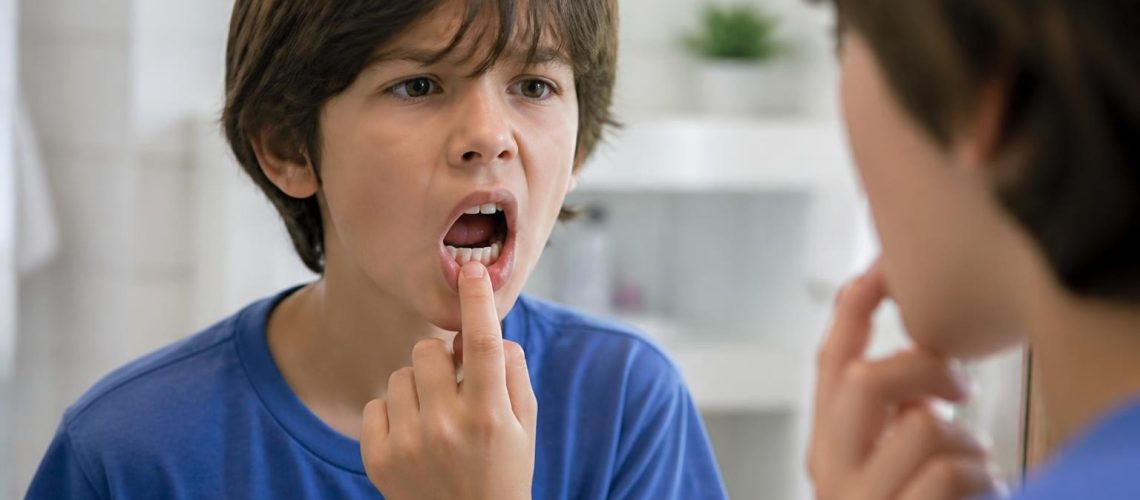
A knocked-out tooth represents one of the most urgent dental emergencies you'll ever face. Whether it happens during a sports game, an unexpected fall, or a vehicle accident, the moments immediately following tooth loss are critical. Understanding how to respond quickly and effectively can mean the difference between saving your natural tooth and requiring permanent replacement options. This comprehensive guide provides essential information for families across Texas who need to know exactly what to do when dental trauma strikes.
Understanding Dental Avulsion and Its Causes
Dental avulsion is the medical term for a completely knocked-out tooth. This traumatic injury occurs when a tooth is forcefully separated from its socket in the jawbone, including the roots, nerves, and supporting structures. Unlike a chipped or cracked tooth, knocked-out teeth are entirely displaced from the mouth.
Common Causes of Knocked-Out Teeth
Sports-related injuries account for a significant percentage of dental trauma cases. Contact sports like football, hockey, basketball, and soccer create numerous opportunities for facial impacts that can dislodge teeth. Even non-contact activities such as skateboarding, cycling, and gymnastics pose risks.
Everyday accidents also contribute to tooth loss:
- Falls on hard surfaces, particularly common among children and elderly individuals
- Motor vehicle accidents involving facial impact
- Physical altercations or assaults
- Workplace injuries in construction or industrial settings
- Biting down on extremely hard foods or objects
Children between ages 7 and 11 experience higher rates of dental injuries as their permanent teeth are still settling into position. Adults involved in high-risk activities or those with weakened tooth structures from decay or gum disease also face increased vulnerability.
The Critical First Hour: Immediate Response Steps
Time is your most valuable asset when dealing with knocked-out teeth. Research shows that teeth reimplanted within 30 minutes have the highest survival rates, sometimes exceeding 90%. After two hours, the likelihood of successful reattachment decreases dramatically.
What to Do in the First 60 Seconds
Stay calm and assess the situation. Panic can lead to mistakes that compromise the tooth's viability. If the injured person is bleeding, apply gentle pressure with clean gauze or cloth to control it.
Locate the tooth immediately. Handle it only by the crown (the white, visible part that normally shows in your mouth). Never touch the root surface, as the delicate periodontal ligament cells attached to it are essential for successful reimplantation.
According to MedlinePlus guidance on dental emergencies, proper handling significantly impacts outcomes.
Cleaning and Storing the Tooth
If the tooth has visible dirt or debris, rinse it gently with milk or saline solution. Regular tap water is acceptable if nothing else is available, but use it sparingly. Do not scrub, use soap, or remove any attached tissue fragments.
Storage options ranked by effectiveness:
- Optimal: Place the tooth back in its socket if possible, having the patient bite down gently on clean gauze
- Excellent: Store in cold milk (not skim milk)
- Good: Keep in the patient's saliva by placing it between the cheek and gum
- Acceptable: Use a specialized tooth preservation solution like Save-a-Tooth
- Last resort: Store in cool, clean water for minimal time
Never wrap a knocked-out tooth in tissue or cloth, as this allows it to dry out. The Oral Health Foundation emphasizes quick action to preserve the tooth's viability.
Professional Treatment and Reimplantation Process
Seeking emergency dental care should happen within 30 minutes of the injury. Contact your dental provider immediately, even if it's after regular business hours. Many practices, including Dental Plus Clinic locations across Texas, offer emergency services for urgent situations like knocked-out teeth.
The Dental Examination
Your dentist will perform a comprehensive evaluation to assess the tooth's condition and determine the best course of action. This examination includes radiographic imaging to check for jaw fractures, root damage, or other injuries to surrounding teeth and bone structures.
The dentist evaluates the periodontal ligament's condition, which is critical for successful reattachment. If the ligament cells remain viable, reimplantation becomes the preferred treatment approach.
Reimplantation Procedure Steps
| Step | Procedure | Purpose |
|---|---|---|
| 1 | Anesthetic administration | Ensure patient comfort during treatment |
| 2 | Socket examination and cleaning | Remove blood clots, debris, and damaged tissue |
| 3 | Tooth preparation | Rinse with saline, check for fractures |
| 4 | Careful repositioning | Place tooth back into original socket alignment |
| 5 | Splinting | Stabilize tooth to adjacent teeth for 7-14 days |
| 6 | Root canal planning | Schedule follow-up treatment if necessary |
The splinting process uses flexible wire and composite material to hold the reimplanted tooth in place while healing occurs. This allows the periodontal ligament to reattach to the bone without excessive pressure or movement.
Post-Treatment Care and Recovery Timeline
Recovery from knocked-out teeth requires diligent home care and regular monitoring. The success of reimplantation depends significantly on following your dentist's post-treatment instructions precisely.
Immediate Recovery Period (First 2 Weeks)
Maintain a soft food diet to avoid putting pressure on the healing tooth. Avoid chewing on that side of your mouth entirely. Good nutrition remains important, so focus on smoothies, yogurt, mashed vegetables, soups, and protein shakes.
Essential care practices include:
- Taking prescribed antibiotics to prevent infection
- Using antimicrobial mouthwash as directed
- Applying ice packs externally to reduce swelling
- Taking pain medication as recommended
- Avoiding smoking, which impairs healing
Gentle oral hygiene continues, but avoid brushing directly on the injured area for the first few days. After each meal, rinse carefully with warm salt water.
Long-Term Monitoring and Complications
Follow-up appointments are scheduled at specific intervals: one week, three weeks, six weeks, three months, six months, and annually thereafter. These visits allow your dentist to monitor healing progress and identify potential complications early.
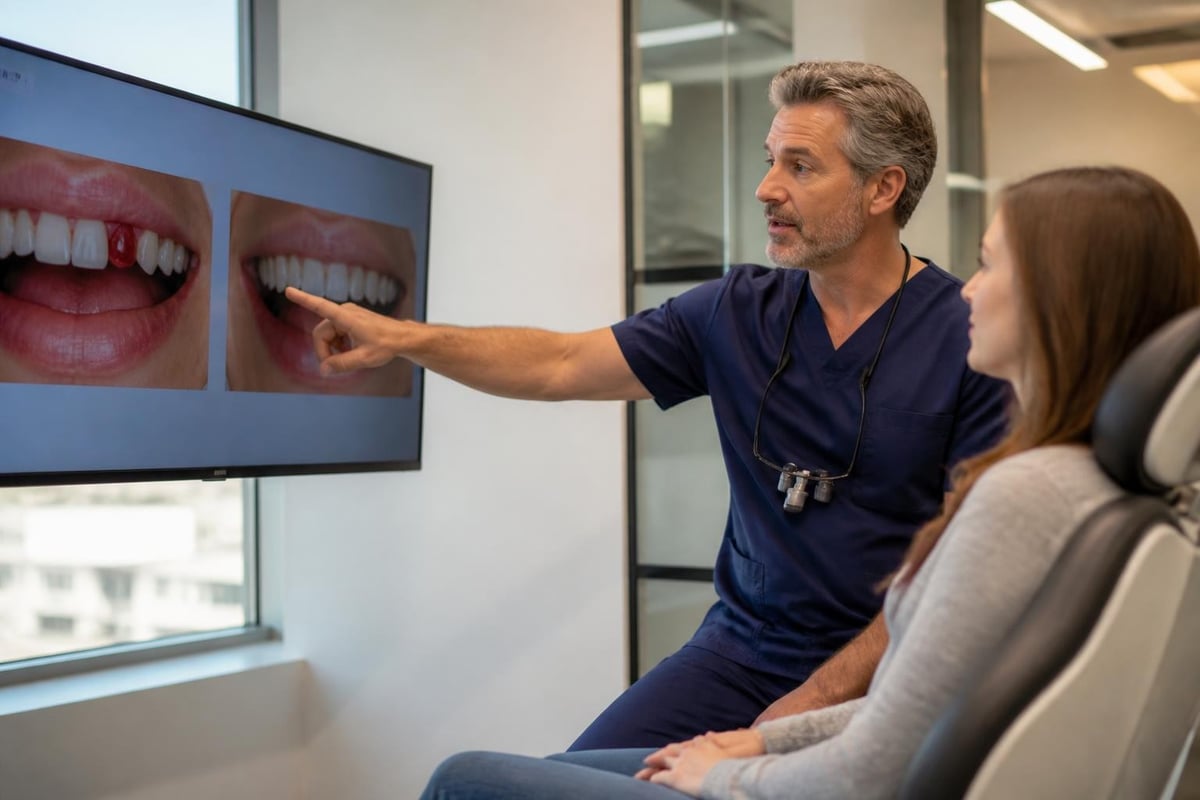
Possible complications include root resorption (where the body gradually breaks down the tooth root), ankylosis (fusion of tooth to bone), infection, or pulp necrosis requiring root canal treatment. According to Cleveland Clinic’s emergency dental guidance, most reimplanted teeth eventually need root canal therapy.
When Reimplantation Isn't Possible: Alternative Solutions
Not all knocked-out teeth can be successfully reimplanted. If too much time has elapsed, the tooth is severely damaged, or the patient has certain health conditions, alternative restoration methods become necessary.
Dental Implant Options
Dental implants represent the gold-standard replacement for missing teeth. A titanium post is surgically placed into the jawbone, serving as an artificial root. After osseointegration (bone fusion) occurs over several months, a custom crown is attached.
Benefits of dental implants:
- Permanent solution with 95%+ success rates
- Preserves jawbone density and facial structure
- Functions exactly like a natural tooth
- No impact on adjacent teeth
- Lasts 20+ years with proper care
For patients in Texas seeking dental implant options, understanding the process timeline and investment helps with planning. The procedure typically spans 3-6 months from initial placement to final restoration.
Bridge and Partial Denture Solutions
Dental bridges attach to neighboring teeth, spanning the gap left by the missing tooth. This option works well when adjacent teeth can support the restoration and the patient prefers avoiding surgery.
Partial dentures represent a removable option that hooks onto existing teeth. While less expensive initially, they require regular adjustments and eventual replacement.
| Treatment Option | Durability | Cost Range | Treatment Time | Jawbone Preservation |
|---|---|---|---|---|
| Dental Implant | 20+ years | $$$ | 3-6 months | Excellent |
| Fixed Bridge | 10-15 years | $$ | 2-3 weeks | None |
| Partial Denture | 5-7 years | $ | 1-2 weeks | None |
| Reimplantation | Variable | $ | Immediate | Maintains natural tooth |
Understanding dental implant financing options in Texas makes advanced treatments more accessible for families facing unexpected dental emergencies.
Prevention Strategies for Different Age Groups
Preventing knocked-out teeth is significantly easier and less expensive than treating them. Implementing protective measures appropriate for each family member's activities reduces risk substantially.
Protecting Children and Adolescents
Custom-fitted mouthguards should be mandatory for any child participating in contact sports or high-risk activities. While over-the-counter options provide some protection, professionally fitted guards from your dentist offer superior comfort and protection.
Childproofing homes helps prevent falls:
- Install safety gates at stairs
- Use corner guards on furniture
- Secure rugs to prevent slipping
- Maintain good lighting in hallways and stairs
- Supervise young children during play
Teaching children appropriate behavior around playgrounds, sports equipment, and recreational activities instills safety awareness. Families seeking comprehensive care for children can explore pediatric dentistry services that include preventive education.
Adult Protection Measures
Adults engaged in sports should wear appropriate protective gear regardless of skill level. Weekend warriors face just as much risk as competitive athletes.
Workplace safety in construction, manufacturing, and industrial settings requires proper personal protective equipment. Face shields and mouthguards should be standard in high-risk occupations.
Vehicle safety practices, including always wearing seatbelts and ensuring proper airbag function, prevent facial trauma during accidents. Avoiding risky behaviors like using teeth as tools to open packages or bottles eliminates unnecessary dental stress.
Special Considerations for Baby Teeth vs. Permanent Teeth
The approach to knocked-out teeth differs significantly depending on whether the lost tooth is primary (baby) or permanent. This distinction is crucial for appropriate emergency response.
Why Baby Teeth Are Not Reimplanted
Primary teeth are typically not reimplanted after being knocked out. The risk of damaging the developing permanent tooth underneath outweighs the benefits of reimplantation. Forcing a baby tooth back into its socket could fuse to the bone or damage the permanent tooth bud.
However, dental evaluation remains essential. The dentist needs to ensure no tooth fragments remain in the gum tissue and that the underlying permanent tooth wasn't damaged by the trauma.
Maintaining Space for Permanent Teeth
When a baby tooth is lost prematurely due to trauma, a space maintainer might be necessary. This orthodontic appliance prevents adjacent teeth from drifting into the empty space, ensuring proper alignment for the permanent tooth when it erupts.
Timeline considerations for children:
- Baby teeth naturally shed between ages 6-12
- Premature loss affects spacing and alignment
- Permanent tooth eruption may be delayed after trauma
- Regular monitoring ensures proper development
Parents should maintain regular dental exams and cleanings to monitor children's oral development after any dental trauma.
Insurance Coverage and Financial Planning
Understanding the financial aspects of treating knocked-out teeth helps families prepare for unexpected emergencies. Dental insurance coverage varies significantly based on policy type and specific circumstances.
What Dental Insurance Typically Covers
Emergency dental care for knocked-out teeth usually falls under urgent care provisions in most dental insurance plans. Reimplantation procedures are often covered at 50-80% after deductibles, depending on your specific policy.
Coverage breakdown by treatment type:
- Emergency examination and X-rays: 80-100%
- Tooth reimplantation and splinting: 50-80%
- Root canal therapy: 50-80%
- Dental implants: 0-50% (many plans exclude or limit coverage)
- Orthodontic space maintainers: 50% (if orthodontic coverage included)
For families without insurance or with limited coverage, exploring dental implants without insurance options provides clarity on out-of-pocket costs and payment plans.
Payment Plans and Financing Solutions
Many dental practices offer flexible payment arrangements for emergency treatments. Interest-free financing for 6-12 months allows families to manage unexpected expenses without financial strain.
Third-party healthcare financing companies like CareCredit provide extended payment terms specifically for dental procedures. These programs often feature promotional periods with reduced or zero interest rates.
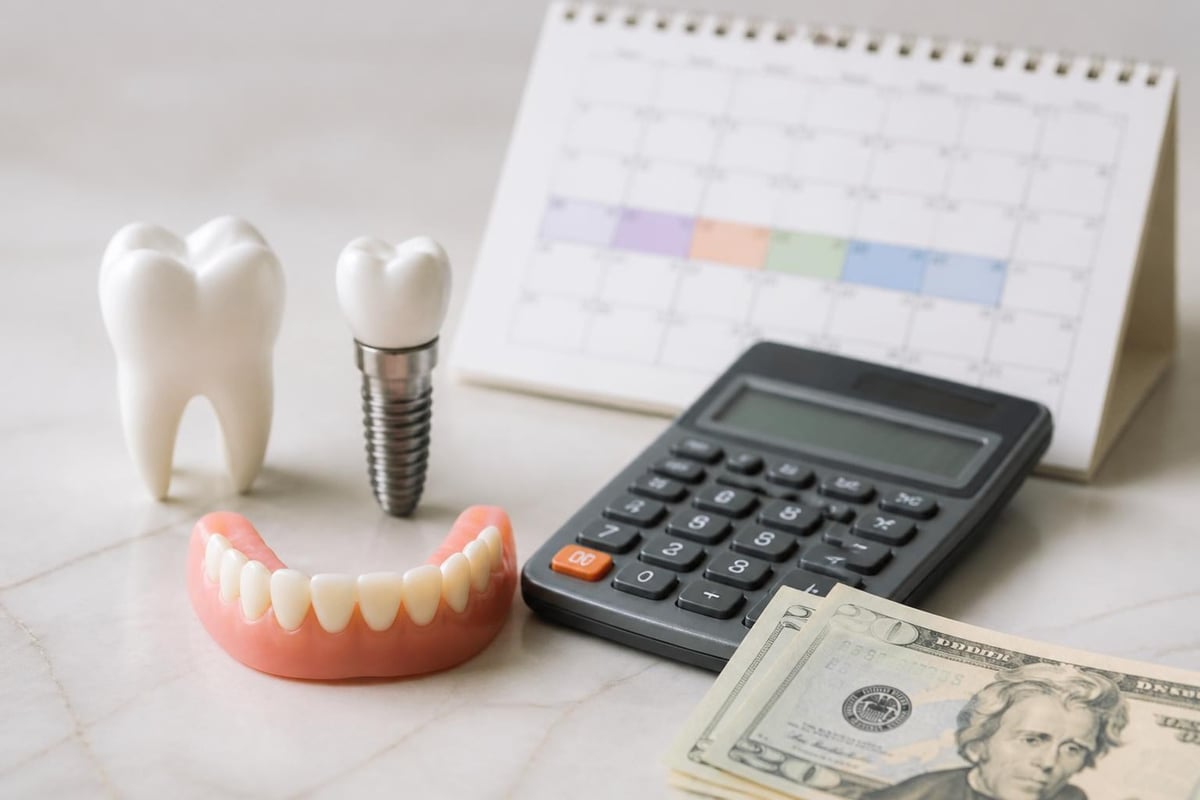
Health savings accounts (HSAs) and flexible spending accounts (FSAs) allow pre-tax dollars to cover dental emergencies. Planning ahead by contributing to these accounts creates a financial buffer for unexpected situations.
Long-Term Outlook and Quality of Life
Successfully treating knocked-out teeth significantly impacts long-term oral health, appearance, and overall quality of life. Understanding realistic expectations helps patients make informed treatment decisions.
Success Rates and Prognosis
When reimplanted within 30 minutes and properly cared for, knocked-out teeth have survival rates exceeding 90% in the first year. However, long-term success depends on multiple factors including patient age, tooth location, and treatment compliance.
Young patients with developing roots typically experience better outcomes than adults with fully formed teeth. The periodontal ligament in younger individuals has greater regenerative capacity.
Factors affecting long-term success:
- Time elapsed before reimplantation
- Proper storage method used
- Patient's age and overall health
- Compliance with post-treatment care
- Regular dental monitoring
- Absence of additional trauma
According to the Merck Manual’s guidance on dental emergencies, even successfully reimplanted teeth may eventually require root canal therapy or other interventions.
Impact on Oral Function and Aesthetics
Missing front teeth significantly affect appearance, speech, and self-confidence. Young adults and teenagers particularly struggle with the social and emotional impacts of tooth loss. Successful treatment restores not just function but also psychological well-being.
Replacing missing teeth, whether through reimplantation or alternatives like dental implants, preserves proper bite alignment and prevents neighboring teeth from shifting. This maintains overall oral health and prevents secondary complications like TMJ disorders or uneven wear patterns.
Common Myths and Misconceptions
Misinformation about knocked-out teeth can lead to improper emergency response and reduced treatment success. Addressing these misconceptions helps families respond appropriately during dental emergencies.
Debunking Tooth Loss Myths
Myth: You can wait until regular business hours to see a dentist about a knocked-out tooth.
Reality: Every minute counts. The 30-60 minute window is critical for successful reimplantation. Most dental practices offer emergency services, and multiple Dental Plus Clinic locations provide urgent care.
Myth: If you can't put the tooth back in the socket, it's not worth saving.
Reality: Proper storage in milk or saliva maintains cell viability for up to several hours, though faster treatment always improves outcomes.
Myth: Baby teeth don't matter because they fall out anyway.
Reality: While baby teeth aren't reimplanted, dental evaluation is still essential to check for underlying damage and ensure proper development.
Myth: Knocked-out teeth always turn dark and die eventually.
Reality: With proper treatment and care, many reimplanted teeth maintain vitality and natural appearance for decades.
Understanding Treatment Limitations
Not every knocked-out tooth can be saved, regardless of how quickly you respond. Severely damaged roots, contaminated teeth, or underlying bone fractures may prevent successful reimplantation. Having realistic expectations and understanding alternative solutions reduces disappointment and helps families make informed decisions.
The CommonSpirit Health resource on knocked-out teeth provides additional perspective on treatment limitations and alternative approaches.
Frequently Asked Questions
Can a knocked-out tooth be saved after 24 hours?
While reimplantation becomes increasingly unlikely after 2-3 hours, seeing a dentist remains essential even after 24 hours. The dentist can assess damage, treat any injuries, and discuss replacement options like dental implants or bridges.
Does reimplanting a tooth hurt?
The procedure itself shouldn't be painful due to local anesthesia. Mild discomfort and sensitivity are normal during the healing period. Your dentist will prescribe appropriate pain management medication.
Will my dental insurance cover emergency treatment for knocked-out teeth?
Most dental insurance plans cover emergency treatment, typically at 50-80% after deductibles. Coverage varies by policy, so contact your insurance provider for specific details about your plan.
How much does it cost to treat a knocked-out tooth without insurance?
Emergency reimplantation typically costs $300-$1,000 including examination, X-rays, and splinting. If dental implant replacement is needed, costs range from $3,000-$6,000 per tooth. Many practices offer payment plans and financing options.
Can knocked-out teeth happen more than once to the same person?
Yes, individuals who engage in high-risk activities face repeated exposure to dental trauma. Consistent use of protective mouthguards significantly reduces recurrence risk.
What happens if a piece of tooth is still in the gum?
Tooth fragments must be professionally removed to prevent infection and allow proper healing. Never attempt to remove embedded fragments yourself. Seek immediate dental care for thorough cleaning and treatment.
Do all reimplanted teeth need root canals eventually?
Many reimplanted teeth do require root canal therapy, often within 2-3 weeks to several months after reimplantation. The trauma disrupts blood supply to the tooth pulp, leading to pulp death even when the tooth successfully reattaches to the bone.
Should I go to the emergency room or dentist for a knocked-out tooth?
Contact your dentist first, as they have the specialized equipment and expertise needed for tooth reimplantation. Visit the emergency room only if you have severe bleeding that won't stop, jaw fractures, loss of consciousness, or if dental care is completely unavailable. However, for optimal outcomes, dental professionals provide the most appropriate treatment.
Can teeth knocked out by disease or decay be reimplanted?
Teeth lost due to severe decay, gum disease, or infection are not candidates for reimplantation. These conditions indicate underlying structural problems that would prevent successful reattachment. Alternative replacement options should be discussed with your dentist.
How do I know if my child's knocked-out tooth is permanent or baby?
Permanent teeth are typically larger, whiter, and have more defined edges than baby teeth. Children generally begin losing baby teeth around age 6, starting with the front bottom teeth. If you're uncertain, bring the tooth to your dentist for identification and appropriate treatment guidance.
Creating an Emergency Dental Action Plan
Every family should have a prepared strategy for responding to dental emergencies. Taking time now to create an action plan ensures you'll respond effectively during the stress and confusion of an actual emergency.
Essential Information to Keep Accessible
Compile emergency contact information and keep it readily available in multiple locations: your phone, refrigerator, car, and children's backpacks.
Your emergency dental contact list should include:
- Primary dentist's office number and after-hours emergency line
- Address and directions to your nearest dental clinic
- Poison control center: 1-800-222-1222
- Family physician contact information
- Nearby urgent care or emergency room addresses
- Insurance policy number and coverage details
For Texas families, having contact information for your nearest Dental Plus Clinic location ensures quick access to emergency dental care when needed.
Assembling a Dental Emergency Kit
Create a portable emergency kit that can be grabbed quickly during a crisis. Store it in an accessible location known to all family members.
Include these items:
- Save-a-Tooth or similar tooth preservation solution
- Small container with tight-fitting lid for temporary tooth storage
- Sterile gauze pads
- Disposable gloves
- Dental mirror
- Instant cold pack
- Over-the-counter pain reliever appropriate for different ages
- Contact lens saline solution for rinsing
- Written emergency instructions and contact numbers
Update your emergency kit annually, replacing expired items and adjusting contents as family needs change.
Practice and Preparation
Review emergency procedures with all family members, including children old enough to understand. Role-playing different scenarios helps everyone remember crucial steps during actual emergencies.
Ensure babysitters, grandparents, coaches, and other caregivers know your emergency dental plan and have access to necessary contact information. The NI Direct guidance on dental emergencies emphasizes that bystander response significantly impacts outcomes.
The Role of Regular Dental Care in Emergency Preparedness
Maintaining consistent preventive dental care establishes a relationship with your dental provider that proves invaluable during emergencies. Dentists familiar with your oral health history can make faster, more informed treatment decisions.
Building a Relationship with Your Dental Provider
Regular dental visits create trust and familiarity between patients and providers. During emergencies, this established relationship means your dentist already knows your medical history, previous treatments, insurance coverage, and personal concerns.
Benefits of consistent dental care:
- Complete oral health records readily available
- Established baseline for comparison after trauma
- Known allergies and medical conditions documented
- Existing relationship facilitates emergency scheduling
- Preventive care reduces overall dental vulnerability
Families who maintain routine check-ups can address potential problems before they become emergencies. Strong teeth with healthy supporting structures withstand trauma better than weakened, decayed teeth.
Preventive Treatments That Reduce Trauma Risk
Certain preventive treatments directly reduce the likelihood of severe dental injuries. Custom mouthguards fitted by your dentist provide superior protection compared to store-bought versions.
Fluoride treatments and dental sealants strengthen tooth enamel, making teeth more resistant to fractures during impacts. Addressing misaligned teeth through orthodontic treatment can reduce protrusion that increases trauma risk during facial impacts.
Regular professional cleanings and periodontal care maintain healthy gum tissue and bone support, ensuring teeth remain firmly anchored in their sockets. This strong foundation helps teeth withstand forces that might otherwise cause complete avulsion.
Moving Forward After Dental Trauma
Experiencing knocked-out teeth creates lasting impact beyond the immediate physical injury. Understanding the emotional and practical aspects of recovery helps patients and families navigate the healing journey more effectively.
Addressing Anxiety and Fear
Dental trauma, especially for children, can create lasting anxiety about dental visits and certain activities. Open communication with your dental provider about these concerns allows for accommodations that make treatment more comfortable.
Strategies for managing dental anxiety:
- Schedule appointments during low-stress times of day
- Bring comfort items like music or stress balls
- Use distraction techniques during procedures
- Consider sedation dentistry options for severe anxiety
- Celebrate successful treatment milestones
Professional counseling may benefit individuals experiencing significant emotional trauma from the incident that caused tooth loss, particularly if the injury resulted from assault or serious accident.
Returning to Normal Activities
Your dentist will provide specific guidance about resuming sports, exercise, and normal eating habits. Following these recommendations prevents re-injury during the critical healing period.
Most patients can return to non-contact activities within a few weeks, while contact sports may require waiting several months until complete healing occurs. Always wear appropriate protective equipment when resuming high-risk activities.
Gradual reintroduction of normal foods helps you assess comfort levels and identify any sensitivity issues that need addressing. Start with soft foods, progress to firmer textures, and eventually return to your regular diet as healing permits.
Long-Term Lifestyle Adjustments
Some patients choose to modify high-risk activities after experiencing dental trauma. This doesn't mean abandoning beloved sports or hobbies, but rather implementing better protective measures and being more safety-conscious.
Regular follow-up appointments become part of your routine, ensuring any developing problems are caught early. Treating a reimplanted tooth with extra care, particularly during the first year, significantly improves long-term success rates.
Maintaining excellent oral hygiene becomes even more important after dental trauma. Brushing twice daily, flossing regularly, and avoiding harmful habits like teeth grinding or chewing ice protects your investment in dental treatment.
Understanding how to respond to knocked-out teeth and knowing your treatment options empowers you to act confidently during dental emergencies. Whether the situation calls for immediate reimplantation or alternative restoration solutions, proper knowledge and quick action make all the difference in preserving your smile and oral health. With five convenient locations throughout Texas in Beeville, Seguin, New Braunfels, Leander, and Converse, Dental Plus Clinic provides comprehensive emergency dental care and advanced restorative treatments to help you navigate dental trauma with expert guidance, modern technology, and compassionate support for your entire family.