

Losing a tooth might seem like a minor inconvenience at first, especially if it's not visible when you smile. However, the missing tooth consequences extend far beyond aesthetics, affecting your oral health, overall wellness, and quality of life in ways many people don't anticipate. Understanding what happens when you choose not to replace a missing tooth can help you make informed decisions about your dental care and prevent complications that become increasingly difficult and expensive to address over time.
Bone Loss and Jawbone Deterioration
When you lose a tooth, the most immediate and concerning change occurs beneath your gum line. The jawbone requires constant stimulation from tooth roots to maintain its density and volume. Without this stimulation, a process called resorption begins, where the bone gradually deteriorates.
The Timeline of Bone Resorption
Bone loss doesn't happen overnight, but it starts sooner than most patients realize. Within the first year after tooth loss, approximately 25% of the bone width can disappear. This deterioration continues progressively, and within five years, significant bone volume reduction becomes evident.
The rate of bone loss varies based on several factors:
- Location of the missing tooth (front teeth vs. molars experience different resorption patterns)
- Individual bone density and overall health status
- Age and hormonal factors that influence bone metabolism
- Presence of periodontal disease before tooth extraction
- Number of missing teeth in the same area
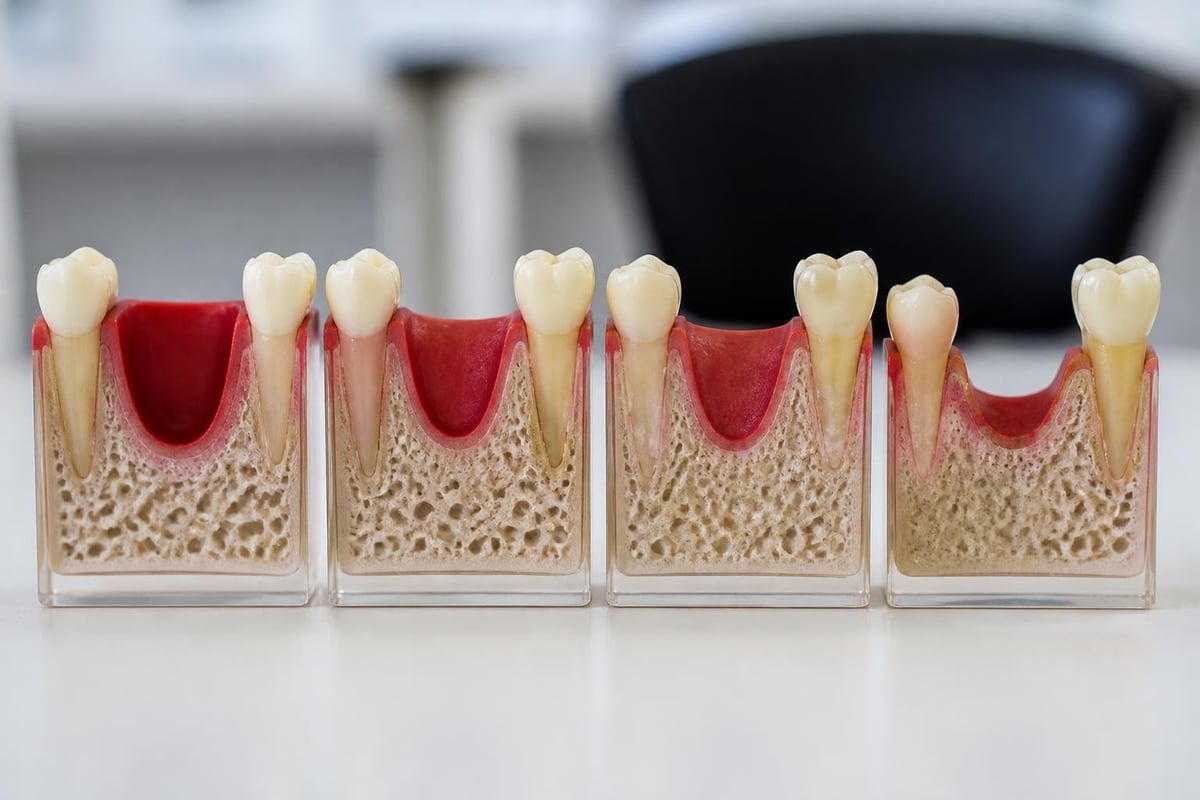
Research has shown that preserving the alveolar ridge through immediate intervention provides significantly better outcomes than attempting reconstruction years later. The American Academy of Periodontology emphasizes that single-tooth dental implants help preserve bone compared with traditional tooth-supported bridges, making timing critical for optimal results.
Facial Structure Changes
The missing tooth consequences extend to your facial appearance as bone loss progresses. The jawbone provides essential support for facial muscles and skin. When bone volume decreases, the face begins to show premature aging signs.
Patients with multiple missing teeth often develop a collapsed facial appearance characterized by:
- Sunken cheeks and hollow facial contours
- Increased wrinkles around the mouth
- A shorter distance between nose and chin
- Thinning lips due to lack of dental support
- Pronounced jowls and sagging skin
These changes can add years to your appearance and significantly impact self-confidence. At Dental Plus Clinic, we've observed how addressing missing teeth early prevents these aesthetic complications and helps patients maintain their natural facial structure.
Adjacent Tooth Movement and Bite Misalignment
Nature abhors a vacuum, and your mouth is no exception. When a tooth disappears, the surrounding teeth begin shifting to fill the empty space. This movement creates a cascade of orthodontic problems that compound over time.
How Teeth Shift After Loss
The teeth adjacent to the gap tend to tilt inward, while the opposing tooth in the opposite jaw may extrude or super-erupt downward. This three-dimensional movement disrupts your entire bite alignment.
| Tooth Movement Type | Description | Timeframe |
|---|---|---|
| Mesial Drift | Adjacent teeth tip toward the gap | 6-12 months |
| Super-Eruption | Opposing tooth extends into space | 12-24 months |
| Rotation | Neighboring teeth rotate off-axis | Variable |
| Spacing Changes | Gaps appear between other teeth | Ongoing |
The repositioning of teeth creates numerous problems beyond cosmetics. Tilted teeth are harder to clean effectively, increasing cavity and gum disease risk. The altered bite distribution places excessive force on certain teeth, accelerating wear and potentially causing fractures.
Temporomandibular Joint Disorders
One of the more painful missing tooth consequences involves your temporomandibular joint (TMJ). The jaw joints rely on balanced bite forces for proper function. When teeth shift and the bite becomes uneven, the TMJ must compensate for these imbalances.
Recent systematic reviews demonstrate a significant relationship between tooth loss and increased temporomandibular joint disorder risk. Patients may experience:
- Chronic jaw pain and facial discomfort
- Clicking or popping sounds when opening the mouth
- Limited jaw movement or locking episodes
- Persistent headaches originating from jaw tension
- Neck and shoulder pain from muscle compensation
TMJ disorders can become debilitating and require extensive treatment. Understanding why dental implants are a long-term investment means recognizing how they prevent these secondary complications that far exceed the initial replacement cost.
Nutritional and Digestive Complications
Your teeth serve a fundamental biological function beyond creating an attractive smile. They represent the first critical step in the digestive process, mechanically breaking down food into manageable particles. Missing tooth consequences significantly impact nutritional intake and overall health.
Chewing Efficiency Decline
Each tooth plays a specific role in food processing. Molars grind tough foods, while front teeth bite and tear. Losing even one molar can reduce chewing efficiency by up to 50% on that side of your mouth.
Patients naturally compensate by:
- Favoring the opposite side, leading to uneven wear
- Swallowing larger food particles before adequate chewing
- Avoiding nutritious foods that require extensive chewing
- Modifying their diet to include softer, often less healthy options

Impact on Nutritional Status
The connection between tooth loss and malnutrition risk has been extensively documented. Overview systematic reviews linking tooth loss to poorer nutritional status reveal concerning patterns, particularly among older adults who already face elevated nutritional vulnerability.
When patients cannot effectively chew raw vegetables, fresh fruits, whole grains, and lean proteins, they tend to shift toward processed, soft foods higher in refined carbohydrates and lower in essential nutrients. This dietary modification increases risks for:
- Protein deficiency and muscle loss
- Vitamin and mineral inadequacies
- Blood sugar regulation problems
- Cardiovascular disease progression
- Weakened immune function
The comprehensive NIDCR report on oral health in America documents the bidirectional relationship between tooth loss and systemic health conditions, emphasizing how compromised chewing ability contributes to broader health deterioration.
Digestive System Strain
Inadequately chewed food places additional burden on your digestive system. The stomach and intestines must work harder to break down large food particles, potentially leading to:
- Indigestion and acid reflux
- Bloating and abdominal discomfort
- Reduced nutrient absorption efficiency
- Gastrointestinal inflammation
These digestive issues create a cycle where patients further restrict their food choices, compounding nutritional deficiencies and health problems.
Increased Dental Disease Risk
One missing tooth creates vulnerabilities that extend throughout your mouth. The missing tooth consequences include elevated risk for additional tooth loss and accelerated dental disease progression.
Gum Disease Advancement
Shifted teeth create irregular spaces and hard-to-reach areas where bacteria accumulate. Even patients with previously excellent oral hygiene often struggle to maintain cleanliness around tilted or rotated teeth. This bacterial buildup accelerates periodontal disease development.
The progression follows a predictable pattern:
- Initial inflammation around adjacent teeth develops within months
- Pocket formation as gums separate from tooth surfaces occurs
- Bone loss around neighboring teeth begins and compounds existing resorption
- Additional tooth mobility emerges as supporting structures weaken
- Further tooth loss becomes increasingly likely without intervention
Cavity Formation in Adjacent Teeth
The teeth bordering a gap face increased cavity risk due to several factors. Food particles and bacteria collect in the space, creating an environment conducive to decay. Additionally, the exposed surfaces of adjacent teeth that previously contacted the missing tooth now face the gap, and these surfaces may lack the natural protection provided by contact points.
Patients who delay addressing missing teeth often find themselves on a trajectory of escalating dental problems. Understanding how poor oral health affects the rest of the body highlights why preventing this cascade of complications matters for overall wellness.
Speech and Communication Difficulties
Teeth play an essential role in producing clear speech. Missing tooth consequences include pronunciation challenges that can affect professional and social interactions.
Phonetic Challenges
Specific sounds require tongue contact with teeth for proper articulation. Front teeth are particularly critical for producing "s," "th," "f," and "v" sounds. Missing these teeth creates noticeable speech impediments including:
- Whistling or lisping during conversation
- Slurred or unclear word pronunciation
- Difficulty being understood on phone calls
- Self-consciousness that affects speaking confidence
Even missing back teeth can alter speech patterns as the tongue adjusts to the changed oral landscape. Some patients develop compensatory speech habits that persist even after tooth replacement, requiring speech therapy intervention.
Professional and Social Impact
Communication challenges extend beyond physical speech production. The psychological impact of speech difficulties affects how people present themselves in professional settings, social situations, and personal relationships.
Psychological and Social Consequences
The emotional toll of missing teeth represents one of the most underestimated missing tooth consequences. While physical health impacts are measurable and documented, the psychological effects profoundly influence quality of life.
Self-Confidence and Self-Esteem
Visible tooth gaps directly impact how people perceive themselves and how they believe others perceive them. Patients frequently report:
- Avoiding smiling in photographs
- Covering their mouth when laughing or speaking
- Declining social invitations to minimize exposure
- Experiencing anxiety in public situations
- Feeling prematurely aged or unattractive
Harvard Health research on the aging mouth documents how missing teeth affect not just appearance but also social participation and mental health outcomes. The isolation resulting from dental embarrassment can contribute to depression and reduced life satisfaction.
Career and Economic Impact
Professional success often depends on confident communication and positive first impressions. Missing teeth can create barriers in job interviews, client meetings, and advancement opportunities. Studies suggest that people with incomplete smiles face unconscious bias in professional settings, affecting hiring decisions and promotion opportunities.
The economic consequences extend beyond lost career opportunities. Delaying tooth replacement leads to more extensive and expensive treatment needs as complications accumulate. What might have been addressed with a single implant eventually requires orthodontics, bone grafting, treatment of adjacent tooth decay, and multiple restorations.
For patients concerned about treatment affordability, exploring dental implants without insurance options and understanding available savings programs can make timely intervention more accessible than many realize.
Accelerated Aging and Overall Health Decline
The systemic effects of missing tooth consequences extend well beyond oral health. Research increasingly demonstrates connections between tooth loss and broader health outcomes that influence longevity and quality of life.
Connection to Chronic Diseases
Tooth loss correlates with increased incidence of several chronic conditions. While correlation doesn't always indicate causation, the relationships are significant enough to warrant attention:
| Health Condition | Association with Tooth Loss | Potential Mechanisms |
|---|---|---|
| Cardiovascular Disease | 25-50% increased risk | Chronic inflammation, reduced nutritional quality |
| Diabetes Complications | Bidirectional relationship | Inflammatory pathways, difficulty managing blood sugar |
| Cognitive Decline | 1.5x increased dementia risk | Reduced chewing stimulation, nutritional deficiency |
| Osteoporosis | Strong correlation | Shared bone metabolism factors, systemic bone loss |
| Respiratory Infections | Elevated pneumonia risk | Oral bacteria aspiration, immune system challenges |
The mechanisms linking tooth loss to systemic health involve chronic inflammation, nutritional compromise, and the psychological stress of dealing with oral health challenges. These factors compound over years, contributing to accelerated biological aging.
Impact on Longevity
Multiple large-scale studies suggest that people with significant tooth loss experience reduced life expectancy compared to those who maintain their natural teeth or promptly replace missing ones. While tooth loss itself may not directly cause mortality, it serves as a marker for overall health status and healthcare engagement.
The functional limitations imposed by missing teeth reduce quality of life in measurable ways:
- Decreased ability to maintain social connections
- Reduced participation in enjoyable activities
- Compromised nutritional status affecting energy levels
- Chronic pain or discomfort impacting daily function
- Lower overall life satisfaction and mental health
Treatment Options and Prevention Strategies
Understanding missing tooth consequences emphasizes the importance of prompt intervention. Modern dentistry offers several effective replacement options, each with distinct advantages depending on individual circumstances.
Dental Implants
Dental implants represent the gold standard for tooth replacement because they address the root cause of bone loss. The titanium implant post functions like a natural tooth root, stimulating bone and preventing resorption.
Key benefits include:
- Preservation of bone density through ongoing stimulation
- No impact on adjacent teeth, which remain unaltered
- Restoration of full chewing function approaching natural teeth
- Long-term durability with proper care often lasting decades
- Natural appearance that blends seamlessly with existing teeth
Patients exploring implant options should understand the differences between approaches. Comparing all-on-4 vs. all-on-6 dental implants helps those facing multiple tooth loss, while learning about the latest dental implant technology provides insight into modern techniques that improve outcomes and reduce treatment time.
Fixed Bridges
Traditional bridges replace missing teeth by anchoring prosthetic teeth to adjacent natural teeth. While bridges restore aesthetics and some function, they don't prevent bone loss and require alteration of healthy neighboring teeth.
Removable Partial Dentures
Partial dentures offer an economical solution for multiple missing teeth. They restore basic chewing ability and appearance but provide minimal bone stimulation and require adjustment as bone resorption continues.
Prevention Through Early Intervention
The most effective strategy for avoiding missing tooth consequences involves addressing tooth loss promptly. Timing significantly impacts treatment complexity, success rates, and long-term outcomes. Early intervention:
- Minimizes bone loss requiring less extensive grafting
- Prevents adjacent tooth movement eliminating orthodontic needs
- Maintains bite alignment avoiding TMJ complications
- Preserves facial structure preventing aesthetic aging
- Reduces overall treatment cost compared to delayed intervention
Working with implant specialists accepting major PPO plans can make advanced treatment more accessible. Understanding whether dental implants are worth the cost requires considering not just the initial investment but the lifetime value of preventing the cascade of complications that missing tooth consequences create.
Financial Considerations and Long-Term Value
The economics of tooth replacement deserve careful consideration. While cost concerns often drive delayed treatment decisions, understanding the full financial picture reveals that postponement typically increases total expense.
The True Cost of Delayed Treatment
When patients wait to replace missing teeth, the initial savings quickly evaporate as complications develop:
- Bone grafting procedures adding $300-$3,000 depending on extent
- Orthodontic treatment to reposition shifted teeth costing $3,000-$8,000
- Treatment of decay in adjacent teeth requiring $150-$2,000 per tooth
- TMJ therapy involving $500-$5,000 in appliances and treatment
- Replacement of failed adjacent teeth that become compromised
A single implant placed promptly might cost $3,000-$5,000. The same tooth replaced after years of neglect could require $10,000-$15,000 in total treatment addressing all the accumulated complications.
Insurance Coverage and Payment Options
Many patients assume dental implants aren't covered by insurance, but coverage has expanded significantly in recent years. Learning about dental implants insurance coverage reveals that many plans now provide partial benefits, particularly when tooth loss results from trauma or necessary extraction.
For patients facing denied dental insurance claims, understanding appeal processes and alternative financing can open pathways to necessary treatment. Additionally, comparing in-network vs. out-of-network dentists helps maximize insurance benefits.
Return on Investment
Viewing tooth replacement as an investment rather than an expense provides valuable perspective. The returns include:
- Health preservation avoiding systemic complications and medical costs
- Maintained earning potential through confident professional presentation
- Quality of life enhancement enabling enjoyment of food and social activities
- Longevity of remaining teeth preventing cascade of additional tooth loss
- Aesthetic preservation maintaining youthful facial appearance
The long-term value of preventing missing tooth consequences far exceeds the initial treatment investment. Patients who address tooth loss promptly consistently report that the decision ranks among their best healthcare investments.
Special Considerations for Different Age Groups
Missing tooth consequences vary somewhat based on patient age, though the fundamental problems remain consistent across demographics.
Young Adults and Middle-Aged Patients
For patients in their 20s through 50s, missing teeth create complications that compound over decades. The bone loss that begins immediately after tooth loss has 30-50 years to progress, creating severe deterioration by retirement age. Early intervention provides maximum benefit for this age group, preserving bone and preventing the extensive reconstruction that becomes necessary with prolonged delay.
Professional and social considerations weigh heavily for working-age adults. The confidence to speak, laugh, and smile freely impacts career advancement, relationship formation, and overall life satisfaction during peak productive years.
Older Adults and Seniors
Seniors face unique challenges with missing teeth, particularly the nutritional complications that compound age-related health vulnerabilities. The difficulty chewing nutritious foods exacerbates existing conditions like diabetes, cardiovascular disease, and osteoporosis.
Contrary to outdated assumptions, age alone doesn't preclude successful implant treatment. Healthy seniors in their 70s, 80s, and beyond regularly achieve excellent implant outcomes. The key factors are overall health status, bone quality, and commitment to proper oral hygiene rather than chronological age.
Children and Adolescents
While less common, children can lose permanent teeth through trauma or severe decay. Addressing these losses requires specialized consideration of ongoing jaw growth and development. Temporary solutions often maintain space until growth completion permits permanent restoration.
Missing tooth consequences extend far beyond the visible gap in your smile, affecting your oral health, overall wellness, nutritional status, and quality of life in ways that compound over time. Understanding these impacts emphasizes why prompt intervention delivers better outcomes and lower total costs than delayed treatment. Whether you're dealing with recent tooth loss or have postponed replacement for years, modern dental solutions can restore function, prevent further complications, and help you regain confidence. At Dental Plus Clinic, our experienced team across Texas offers comprehensive tooth replacement options tailored to your unique needs, with flexible payment solutions and personalized treatment plans designed to protect your long-term oral health and overall wellness.