
Finding the right dental care for your child is one of the most important health decisions parents make. A pediatric dentist in Seguin offers specialized training and experience in treating infants, children, and adolescents, ensuring that your child develops healthy dental habits that last a lifetime. Unlike general dentists, pediatric specialists understand the unique developmental stages of children's teeth and jaws, creating treatment plans tailored to each age group. This comprehensive guide explores everything Seguin families need to know about pediatric dentistry, from your child's first appointment to managing common concerns like cavities and dental anxiety.
Understanding Pediatric Dentistry and Its Importance
Pediatric dentistry focuses exclusively on oral health care for children from infancy through the teenage years. These specialists complete an additional two to three years of training beyond dental school, concentrating on child psychology, growth and development, and pediatric-specific treatments.
Why specialized care matters:
- Children's teeth and jaws are constantly developing and require different approaches than adult dentistry
- Behavioral management techniques help children feel comfortable and safe
- Early intervention prevents complex problems later in life
- Education for parents and children builds foundation for lifelong oral health
Research from the National Institute of Dental and Craniofacial Research shows that early childhood caries remains one of the most common chronic childhood diseases, affecting nearly 20% of children aged 5 to 11. A pediatric dentist in Seguin can implement preventive strategies that significantly reduce this risk.
The Role of Early Dental Visits
The American Academy of Pediatric Dentistry recommends that children have their first dental visit by their first birthday or within six months of their first tooth erupting. This early intervention allows the dentist to monitor development, detect problems early, and establish a dental home where your child feels comfortable.
Many parents wonder if these early visits are truly necessary. The answer is a resounding yes. Baby teeth serve critical functions beyond chewing. They maintain space for permanent teeth, contribute to proper speech development, and support facial structure development.
What to Expect During Your Child's First Visit
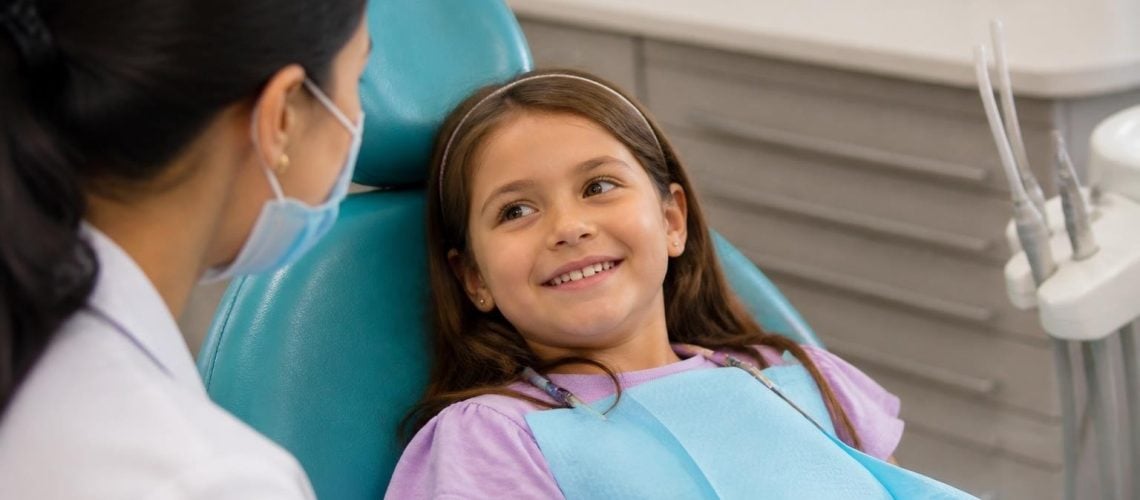
The initial appointment with a pediatric dentist in Seguin typically focuses on building rapport and making your child comfortable. Understanding what happens during this visit can help both you and your child prepare. Parents comparing options can also learn more about choosing a family dentist in Seguin, TX before booking a first visit.
Initial Examination Components
During the first visit, the dentist will conduct a gentle examination that includes:
- Oral assessment: Checking for tooth decay, gum health, bite alignment, and any developmental concerns
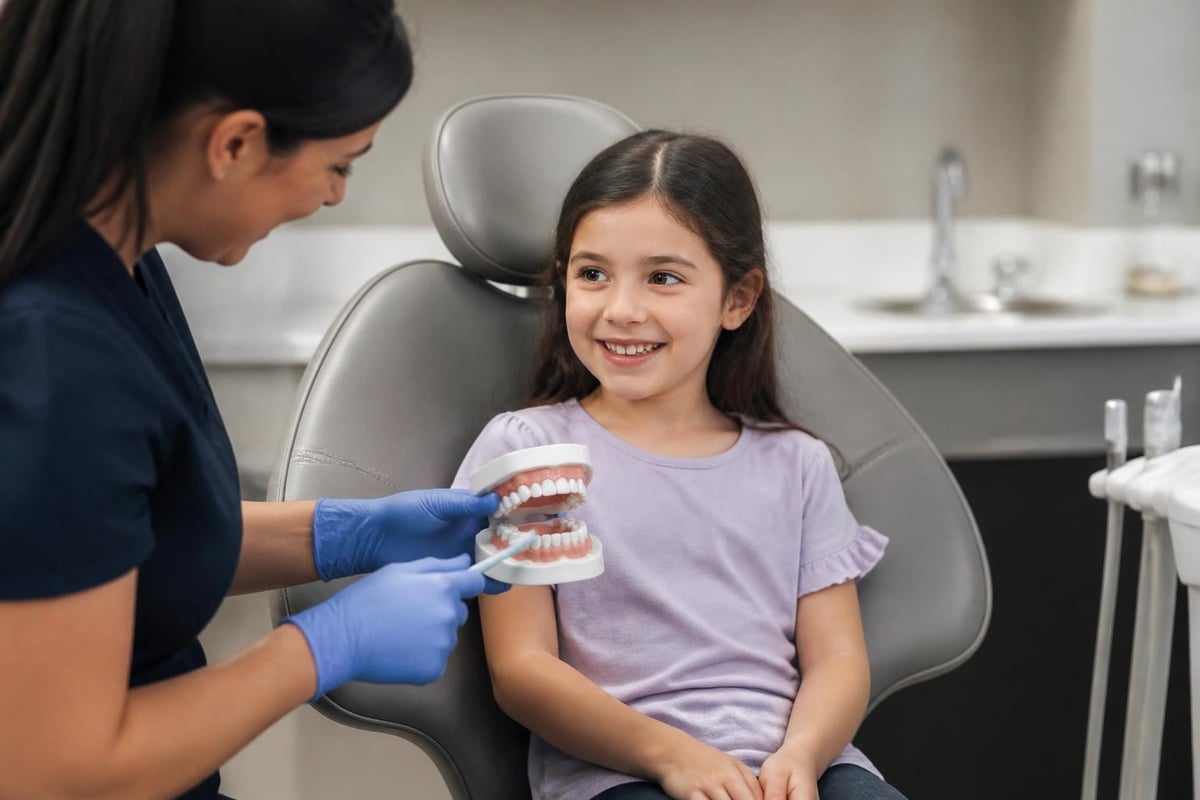
- Cleaning demonstration: Showing proper brushing and flossing techniques appropriate for your child's age
- Fluoride evaluation: Determining if your child needs supplemental fluoride based on diet and local water fluoridation status
- Nutritional counseling: Discussing dietary habits that affect dental health
- Parent education: Answering questions about teething, thumb-sucking, pacifier use, and cavity prevention
Most first visits last 30 to 45 minutes. The dentist and staff use child-friendly language, demonstrate procedures on stuffed animals or dolls, and allow children to explore tools in a non-threatening way.
| Age Group | Primary Focus | Common Treatments |
|---|---|---|
| 0-2 years | Development monitoring, parent education | Exam, fluoride varnish |
| 3-5 years | Cavity prevention, habit assessment | Cleaning, sealants, fluoride |
| 6-12 years | Mixed dentition management | Orthodontic evaluation, restorative care |
| 13+ years | Permanent dentition health | Comprehensive care, wisdom teeth monitoring |
Preventive Care Services for Children
Prevention forms the cornerstone of pediatric dentistry. A pediatric dentist in Seguin provides multiple preventive services designed to keep your child's teeth healthy and strong.
Professional Cleanings and Examinations
Regular dental exams and cleanings every six months allow the dentist to remove plaque and tartar that home brushing misses. These appointments also include digital X-rays when necessary to detect cavities between teeth or monitor tooth development.
Professional cleanings for children differ from adult cleanings. Pediatric dental hygienists use specialized techniques and tools sized for smaller mouths, making the experience more comfortable.
Fluoride Treatments and Their Benefits
Fluoride treatments strengthen tooth enamel and reverse early signs of decay. According to AAPD guidelines on fluoride therapy, topical fluoride applications significantly reduce cavity risk in children.
Application methods include:
- Varnish (painted on teeth, sets quickly)
- Foam (applied in trays for 1-4 minutes)
- Gel (similar application to foam)
The frequency of fluoride treatments depends on your child's cavity risk. High-risk children may benefit from applications every three to six months.
Dental Sealants for Long-Term Protection
Sealants provide a protective coating for the chewing surfaces of back teeth, where most childhood cavities occur. The procedure is quick, painless, and can prevent up to 80% of cavities in molars.
The application process takes just minutes per tooth. The dentist cleans the tooth surface, applies an acidic gel to roughen it slightly, rinses and dries the tooth, then paints on the liquid sealant that hardens under a special light.
Sealants typically last several years but should be checked at regular dental visits. They're most commonly applied to permanent molars that erupt around ages six and twelve.
Common Pediatric Dental Treatments
Despite best preventive efforts, some children need restorative or corrective treatments. Understanding these procedures helps parents make informed decisions.
Cavity Treatment and Dental Fillings
When cavities develop, prompt treatment prevents them from growing larger and causing pain or infection. Dental fillings for children use tooth-colored composite materials that blend naturally with teeth.
The process involves:
- Numbing the area with local anesthetic (topical anesthetic applied first to minimize needle discomfort)
- Removing decayed tooth structure
- Cleaning and preparing the cavity
- Placing the filling material in layers
- Shaping and polishing for proper bite alignment
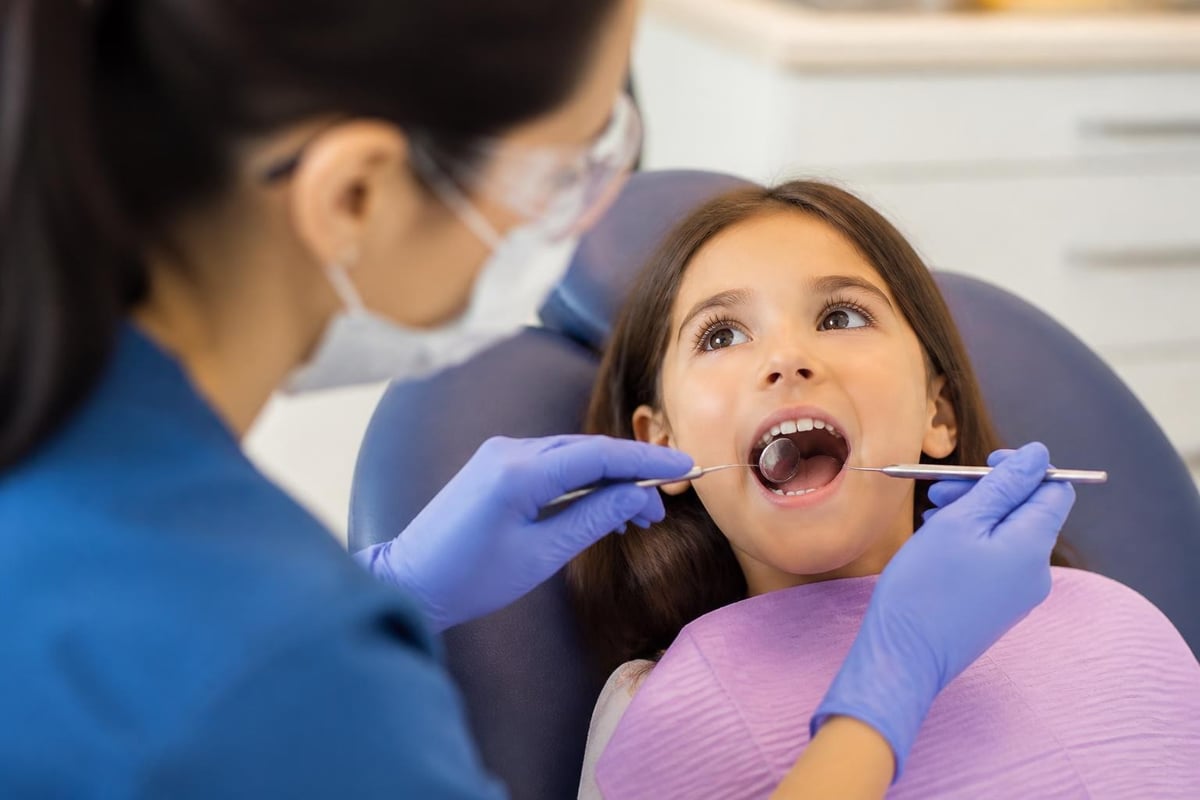
Modern pediatric dentistry emphasizes minimally invasive techniques that preserve maximum healthy tooth structure.
Crowns for Severely Damaged Teeth
When decay is too extensive for a filling, crowns restore the tooth's shape, strength, and function. Pediatric crowns come in several types:
| Crown Type | Material | Best For | Appearance |
|---|---|---|---|
| Stainless steel | Metal alloy | Back teeth, primary molars | Silver colored |
| Ceramic | Porcelain | Front teeth | Tooth-colored |
| Zirconia | Advanced ceramic | Any tooth | White, durable |
| Strip crowns | Composite resin | Front primary teeth | Natural looking |
Baby teeth crowns remain in place until the tooth naturally falls out, maintaining proper spacing for permanent teeth.
Pulp Therapy for Infected Teeth
When decay reaches the inner pulp of a tooth, pulp therapy (similar to a root canal) may save the tooth. For primary teeth, this often involves a pulpotomy, where the infected pulp in the crown portion is removed but healthy root pulp remains.
Saving baby teeth through pulp therapy is important because premature tooth loss can lead to:
- Space loss requiring orthodontic treatment later
- Difficulty chewing and nutritional impacts
- Speech development issues
- Self-esteem concerns
Addressing Dental Anxiety in Children
Many children experience fear or anxiety about dental visits. A pediatric dentist in Seguin uses specialized techniques to create positive experiences that build confidence rather than fear.
Creating a Comfortable Environment
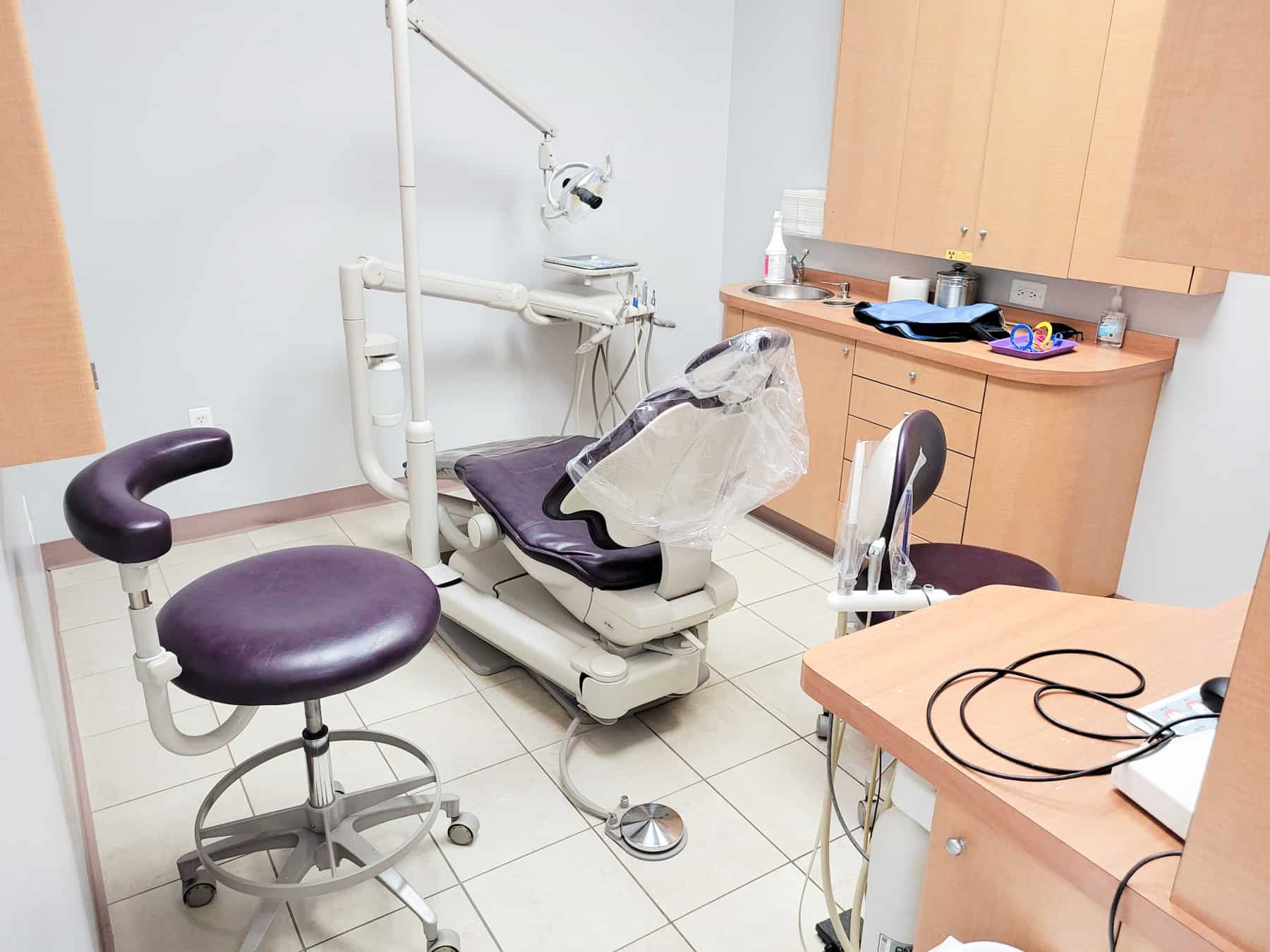
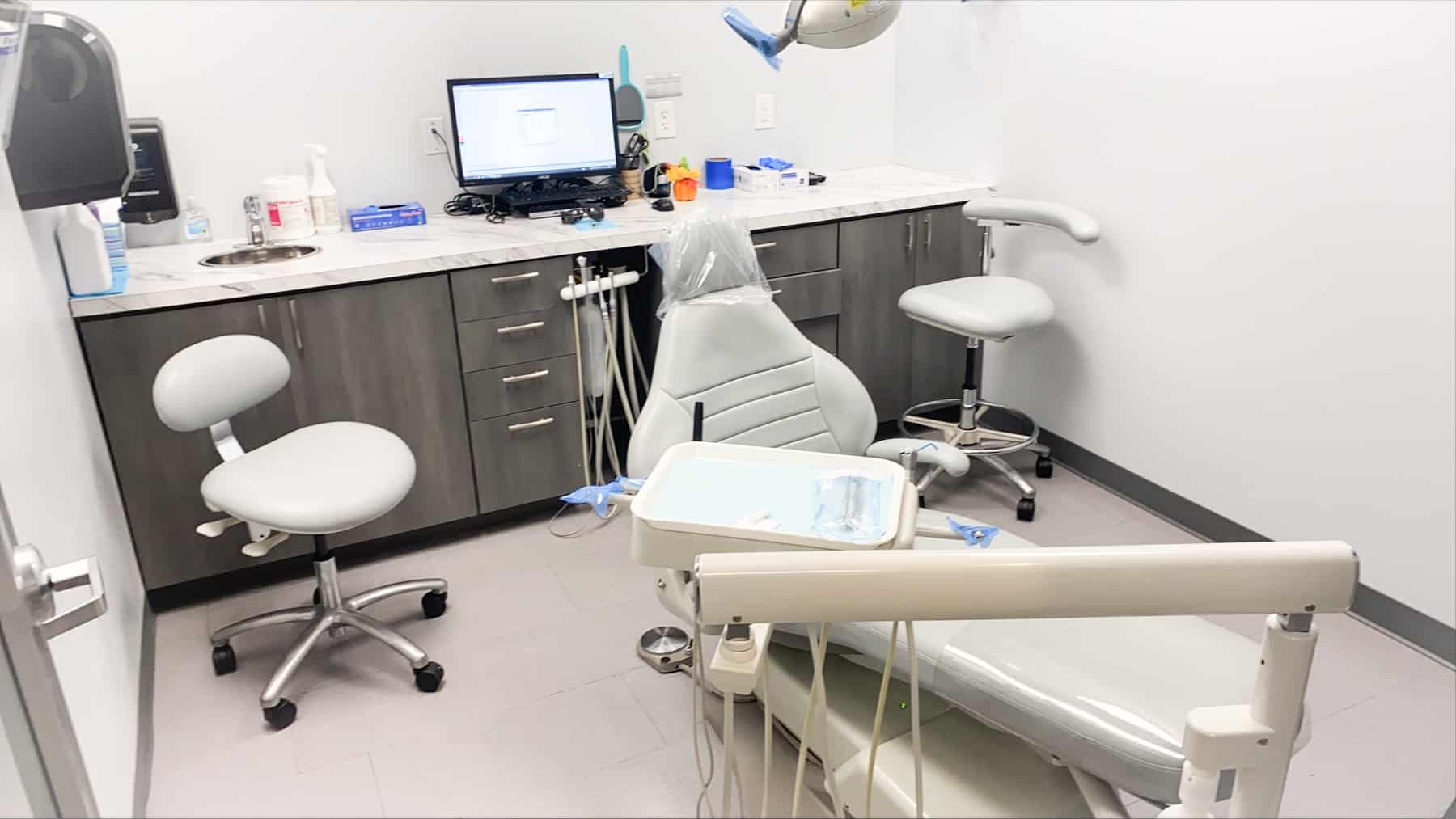
Pediatric dental offices differ significantly from adult practices. Colorful waiting rooms with toys, books, and games help children relax before their appointment. Treatment rooms often feature ceiling-mounted televisions, cheerful decorations, and child-sized equipment.
Behavior guidance techniques include:
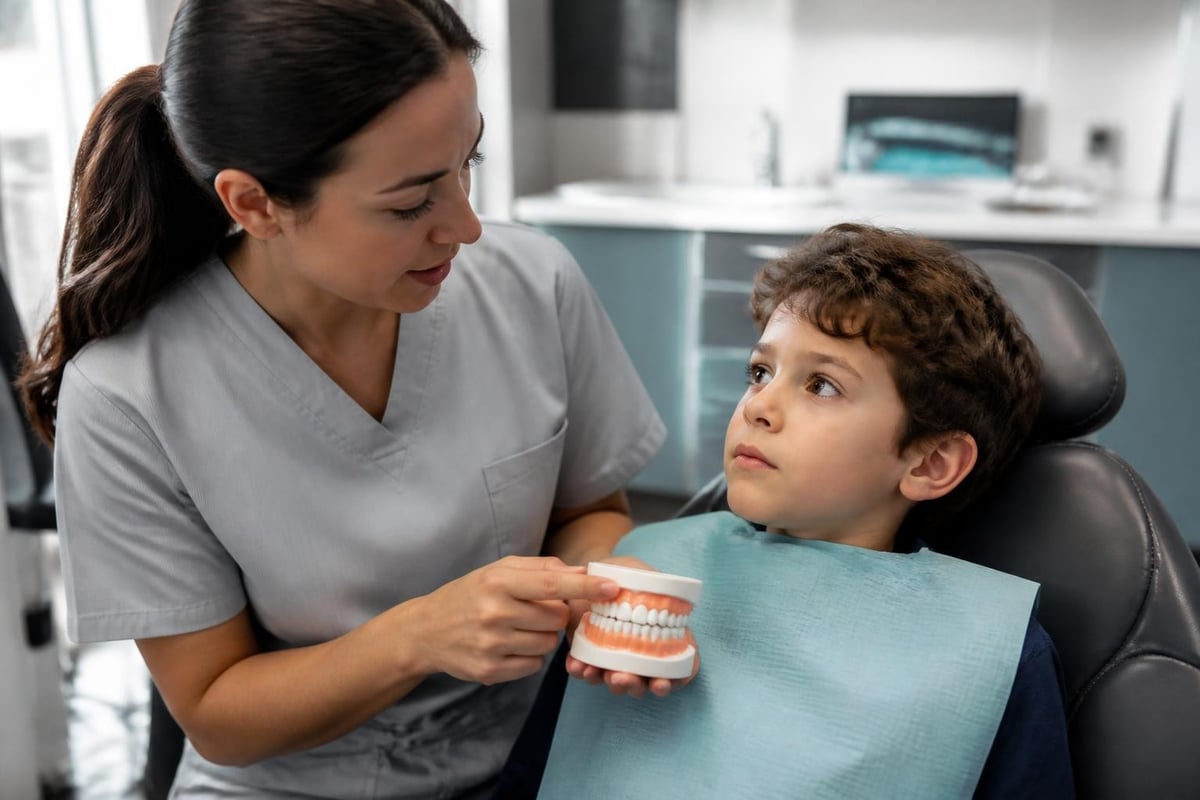
- Tell-Show-Do: Explaining procedures in age-appropriate terms, demonstrating on models, then performing the treatment
- Positive reinforcement: Praising cooperative behavior and celebrating successes
- Distraction: Using music, videos, or conversation to redirect attention
- Voice control: Changing tone or volume to gain attention and guide behavior
Sedation Options When Needed
For children with severe anxiety, extensive treatment needs, or special healthcare requirements, sedation dentistry provides safe options. The Texas Dental Association provides guidelines for pediatric sedation to ensure patient safety.
Available sedation levels:
- Nitrous oxide (laughing gas): Mild sedation that helps children relax while remaining fully conscious and responsive
- Oral conscious sedation: Medication taken before the appointment creates deeper relaxation
- IV sedation: Administered by trained professionals for more complex cases
- General anesthesia: Reserved for extensive treatment or patients with special needs, performed in hospital settings
The pediatric dentist will discuss your child's medical history, anxiety level, and treatment needs to recommend the appropriate option.
Orthodontic Considerations and Early Intervention
Monitoring tooth and jaw development is a critical component of pediatric dental care. Early orthodontic evaluation can identify problems when they're easiest to address.
When to Seek Orthodontic Assessment
The American Academy of Pediatric Dentistry recommends orthodontic screening by age seven. At this age, children have a mix of primary and permanent teeth, allowing the dentist to spot emerging issues with tooth alignment, bite relationships, and jaw growth.
Signs your child may need orthodontic evaluation:
- Early or late loss of baby teeth
- Difficulty chewing or biting
- Mouth breathing or snoring
- Thumb-sucking continuing past age five
- Crowded, misplaced, or blocked teeth
- Jaws that shift or make sounds
- Facial imbalance or asymmetry
Early intervention doesn't always mean immediate braces. Sometimes, monitoring development and addressing specific issues (like thumb-sucking habits) prevents more serious problems.
Orthodontic Treatment Options
When treatment is necessary, modern orthodontic solutions offer multiple approaches. Traditional braces remain highly effective, but alternatives like clear aligners work well for many teenagers and older children with specific alignment issues.
Phase I treatment (early intervention during mixed dentition) may include:
- Space maintainers to hold room for permanent teeth
- Palatal expanders to widen the upper jaw
- Partial braces to address specific problems
- Habit appliances to stop thumb-sucking or tongue-thrusting
Phase II treatment typically begins after most permanent teeth have erupted, using comprehensive orthodontic approaches to perfect alignment and bite.
Dental Emergency Care for Children
Accidents happen, and knowing how to respond to dental emergencies protects your child's oral health. A pediatric dentist in Seguin provides emergency dental care when urgent situations arise.
Common Pediatric Dental Emergencies
Knocked-out permanent tooth: Time is critical. Rinse the tooth gently without touching the root, place it back in the socket if possible, or store it in milk or saliva. See a dentist within 30 minutes for the best chance of saving the tooth.
Knocked-out baby tooth: Do not attempt to replant. Contact your dentist to ensure no damage to underlying permanent teeth.
Chipped or fractured tooth: Rinse the mouth with warm water, apply a cold compress to reduce swelling, and save any tooth fragments. Schedule an appointment as soon as possible.
Toothache: Rinse with warm water, gently floss to remove trapped food, and use a cold compress on the outside of the cheek. Avoid placing aspirin directly on gums. Contact your dentist if pain persists.
Prevention Strategies for Active Children
Sports-related injuries account for a significant percentage of pediatric dental emergencies. Custom-fitted mouthguards provide excellent protection during contact sports and activities like skateboarding or biking.
| Activity Type | Injury Risk | Protection Recommended |
|---|---|---|
| Contact sports (football, hockey) | High | Custom mouthguard essential |
| Court sports (basketball, volleyball) | Moderate | Mouthguard strongly recommended |
| Individual sports (gymnastics, martial arts) | Moderate | Protective gear appropriate |
| Recreational (biking, skating) | Variable | Helmet required, mouthguard beneficial |
Teaching children safe habits, like not chewing on ice or hard objects and avoiding using teeth as tools, also prevents many dental injuries.
Nutrition and Oral Health Connection
Diet plays a crucial role in dental health. Understanding which foods promote strong teeth and which increase cavity risk helps parents make informed choices.
Foods That Support Dental Health
Calcium-rich foods like milk, cheese, and yogurt strengthen tooth enamel and support jaw bone development. Cheese also raises mouth pH, reducing acid that causes decay.
Crunchy vegetables and fruits such as apples, carrots, and celery stimulate saliva production, which naturally cleanses teeth and neutralizes acids. Their fibrous texture also provides gentle cleaning action.
Phosphorus sources including eggs, fish, and lean meat help rebuild and strengthen tooth enamel. Water, especially fluoridated water, rinses away food particles and keeps mouths hydrated.
Foods and Beverages to Limit
Sugary snacks and drinks create an environment where cavity-causing bacteria thrive. According to AAPD caries risk assessment guidelines, frequent sugar exposure is one of the primary risk factors for childhood cavities.
High-risk items include:
- Candy, especially sticky or chewy varieties that cling to teeth
- Soda and fruit juices with high sugar content and acidity
- Sports drinks marketed to children but loaded with sugar
- Starchy snacks like chips that break down into sugars
- Dried fruits that stick to teeth and concentrate sugars
Timing matters too. Snacking throughout the day maintains constant acid exposure. Encourage eating sweets with meals when increased saliva production provides natural protection.
Choosing the Right Pediatric Dentist in Seguin
Selecting a dental provider for your child is an important decision. Several factors contribute to finding the best fit for your family's needs.
Essential Qualifications and Experience
Verify that the dentist has completed pediatric dentistry residency training and holds current board certification. Membership in professional organizations like the American Academy of Pediatric Dentistry indicates commitment to ongoing education and best practices.
Questions to ask during your search:
- How long have you been practicing pediatric dentistry?
- What percentage of your patients are children?
- Do you participate in continuing education specific to pediatric dentistry?
- Are you familiar with the latest evidence-based guidelines for children's oral health?
- How do you handle anxious or special needs children?
Office Environment and Staff
Visit the office before scheduling your child's appointment. Observe how staff interact with children and families. The environment should feel welcoming and child-centered, with staff who are patient, friendly, and skilled at communicating with different age groups.
Positive indicators include:
- Clean, organized facility with age-appropriate amenities
- Staff who greet families warmly and address children by name
- Flexible scheduling that accommodates school hours
- Clear communication about treatment plans and costs
- Emergency care availability
Insurance and Payment Options
Understanding financial aspects prevents surprises. Most pediatric dentists accept major dental insurance plans, including Medicaid and CHIP programs that provide coverage for eligible children.
The Texas Department of State Health Services offers resources for families seeking affordable dental care. Many practices, including those serving Seguin families, offer payment plans and in-house savings programs for patients without insurance.
Special Considerations for Different Age Groups
Dental care requirements change as children grow. A pediatric dentist in Seguin tailors treatment approaches to each developmental stage.
Infants and Toddlers (0-3 Years)
This stage focuses primarily on establishing healthy habits and preventing early childhood caries. Parents receive guidance on:
- Proper cleaning techniques for baby teeth and gums
- Transitioning from bottle to cup to prevent bottle tooth decay
- Pacifier and thumb-sucking management
- Introduction of toothpaste (rice-grain size of fluoride toothpaste at tooth eruption)
- Diet modifications to reduce cavity risk
Early childhood caries can develop rapidly in baby teeth. Regular dental visits every six months allow early detection and intervention.
Preschool and Early Elementary (3-7 Years)
During these years, children develop independence in oral hygiene while still requiring parental supervision. Key focuses include:
Building good brushing habits: Children lack the manual dexterity for thorough cleaning until around age 7-8. Parents should supervise and assist with brushing and flossing.
Managing dental fear: This age group often develops dental anxiety. Positive reinforcement and behavior guidance techniques help children feel comfortable.
Monitoring primary teeth: Baby molars are particularly susceptible to decay. Sealants on primary molars provide extra protection for high-risk children.
School-Age Children (7-12 Years)
The transition from baby teeth to permanent teeth requires careful monitoring. This mixed dentition stage presents unique challenges:
- Permanent molars erupt without replacing baby teeth, so parents may not notice them
- Spacing issues become apparent as permanent teeth emerge
- Orthodontic intervention may be recommended
- Children become more independent but may resist oral hygiene
Sealants on permanent molars shortly after eruption provide maximum protection during vulnerable early years.
Adolescents (13+ Years)
Teenage patients present distinct challenges and opportunities. Hormonal changes can increase gum inflammation, making consistent oral hygiene even more important.
Teen-specific considerations:
- Orthodontic treatment often occurs during this period
- Wisdom teeth monitoring begins around age 16
- Sports participation requires mouthguard discussions
- Dietary choices (energy drinks, frequent snacking) impact oral health
- Social concerns about appearance influence treatment acceptance
Involving teenagers in treatment decisions and explaining how oral health affects their appearance and social life increases cooperation and long-term success.
Technology and Modern Pediatric Dentistry
Advanced technology has transformed pediatric dental care, making treatments more comfortable, efficient, and precise.
Digital Imaging and Diagnostics
Digital X-rays expose children to significantly less radiation than traditional film X-rays (up to 90% reduction) while providing instant, high-quality images. This technology allows dentists to detect cavities, monitor tooth development, and assess bone structure with minimal risk.
Intraoral cameras capture detailed images of teeth, helping dentists show parents and children exactly what they're seeing. This visual communication improves understanding and treatment acceptance.
Laser Dentistry Applications
Dental lasers offer minimally invasive treatment for certain conditions. In pediatric dentistry, lasers can:
- Treat minor soft tissue issues with minimal discomfort
- Detect cavities in very early stages
- Reduce bacteria in infected areas
- Minimize bleeding and accelerate healing
- Decrease need for anesthesia in some procedures
While not appropriate for all treatments, laser technology provides valuable options for specific cases.
Comfort and Entertainment Features
Modern pediatric offices integrate technology to improve patient comfort. Ceiling-mounted screens allow children to watch movies during treatment. Virtual reality headsets provide immersive distraction for anxious patients. Some practices use gaming elements to make oral hygiene tracking fun and engaging.
Building a Dental Home for Your Family
The concept of a "dental home" means establishing a relationship with a primary dental provider who knows your child's complete oral health history and provides continuous, comprehensive care.
Benefits of Consistent Care
Seeing the same dentist and staff creates familiarity that reduces anxiety. The dental team develops deep understanding of your child's unique needs, risk factors, and developmental progression. This continuity enables:
- Personalized preventive strategies based on individual risk assessment
- Early detection of emerging problems through comparison with previous visits
- Stronger relationships that build trust and cooperation
- Coordinated care if specialists are needed
- Complete, organized health records in one location
Comprehensive Family Dental Services
Many practices serving Seguin families provide care for all ages, allowing parents to receive their own dental care during the same appointment as their children. This convenience saves time and helps children see parents modeling good oral health habits.
Dental Plus Clinic offers a full range of services across multiple Texas locations. Families in the Seguin area can access pediatric dentistry services along with adult treatments from general dentistry to cosmetic dentistry at their convenient locations.
Frequently Asked Questions
When should my child have their first dental visit?
Schedule your child's first dental appointment by their first birthday or within six months after their first tooth appears. Early visits establish a dental home, allow the dentist to monitor development, and help parents learn proper oral hygiene techniques for infants.
How often does my child need dental checkups?
Most children should visit the dentist every six months for routine examinations and cleanings. Children with higher cavity risk or orthodontic issues may need more frequent visits. Your pediatric dentist will recommend an appropriate schedule based on your child's individual needs.
Are dental X-rays safe for children?
Yes, dental X-rays are very safe. Modern digital X-rays use minimal radiation exposure while providing essential diagnostic information. Pediatric dentists only take X-rays when clinically necessary and use protective lead aprons and thyroid collars to maximize safety.
What should I do if my child has a toothache?
Rinse your child's mouth with warm water and use dental floss to remove any trapped food. Apply a cold compress to the outside of the cheek to reduce swelling. Avoid placing aspirin or other medications directly on the gums. Contact your pediatric dentist in Seguin promptly for an evaluation.
Do baby teeth really matter since they fall out anyway?
Absolutely. Primary teeth serve critical functions including maintaining space for permanent teeth, supporting proper speech development, enabling adequate nutrition through chewing, and contributing to facial structure development. Premature loss of baby teeth can lead to serious orthodontic problems requiring extensive treatment later.
How can I help my child who is afraid of the dentist?
Start dental visits early so they become routine rather than scary. Read children's books about dental visits, use positive language (avoid words like "pain" or "hurt"), never use dental visits as punishment, and praise your child's bravery. Consider visiting a pediatric dentist who specializes in behavior management techniques specifically designed to help anxious children feel comfortable.
What's the difference between a pediatric dentist and a family dentist?
Pediatric dentists complete an additional two to three years of specialized training beyond dental school, focusing exclusively on treating infants, children, and adolescents. They study child development, psychology, behavior management, and pediatric-specific treatments. Their offices are designed specifically for children with age-appropriate equipment and environments.
Does my child need fluoride treatments if our water is fluoridated?
Professional fluoride treatments provide concentrated topical application that strengthens enamel beyond what water fluoridation alone achieves. Your pediatric dentist will assess your child's cavity risk, diet, water source, and oral hygiene to determine if supplemental fluoride treatments would be beneficial. You can check Seguin's water fluoridation status through the city's water quality reports.
At what age should children start brushing their own teeth?
While children can begin attempting to brush around age 2-3, they typically don't have the manual dexterity for thorough cleaning until age 7-8. Parents should supervise brushing and either assist or follow up with their own brushing until children demonstrate consistent, effective technique. Most children need help with flossing until age 10 or older.
Will my child need braces?
Not all children require orthodontic treatment, but many benefit from it. Early evaluation around age seven allows the dentist to identify potential issues with tooth alignment, bite relationships, and jaw growth. Some problems are easier to correct during active growth phases. Your pediatric dentist will monitor your child's development and recommend orthodontic consultation if needed.
How do I choose between sedation options for my anxious child?
The appropriate sedation level depends on several factors: your child's age, anxiety level, medical history, length and complexity of treatment needed, and previous dental experiences. Your pediatric dentist will discuss your child's specific situation, explain the benefits and risks of each option, and recommend the approach that provides safe, comfortable care. Many children do well with behavioral techniques alone, while others benefit from mild sedation like nitrous oxide.
Can sports drinks and fruit juice cause cavities?
Yes, both sports drinks and fruit juice contain high amounts of sugar and acid that promote tooth decay. Even 100% fruit juice, while nutritious, bathes teeth in natural sugars. Limit these beverages, serve them with meals rather than throughout the day, and encourage water as the primary beverage. When children do consume sugary drinks, using a straw and rinsing with water afterward reduces harmful contact with teeth.
Establishing excellent oral health habits during childhood sets the foundation for a lifetime of healthy smiles. From your child's first tooth through their teenage years, partnering with a skilled pediatric dentist ensures they receive age-appropriate care, early intervention when needed, and education that empowers them to take charge of their own dental health. If you're searching for comprehensive, compassionate pediatric dental care in the Seguin area, Dental Plus Clinic offers expert treatment in a welcoming, child-friendly environment where your family's oral health is our top priority.