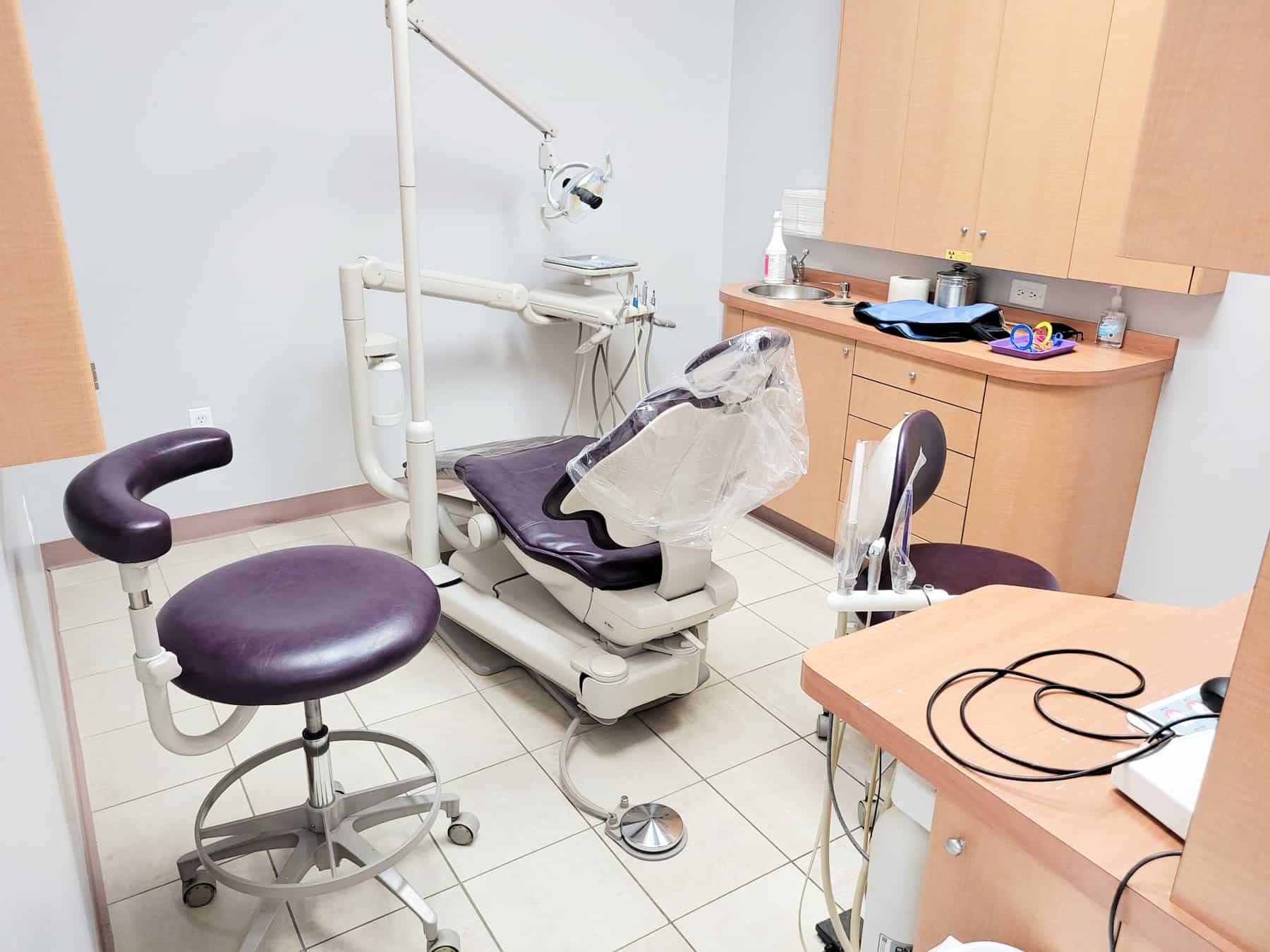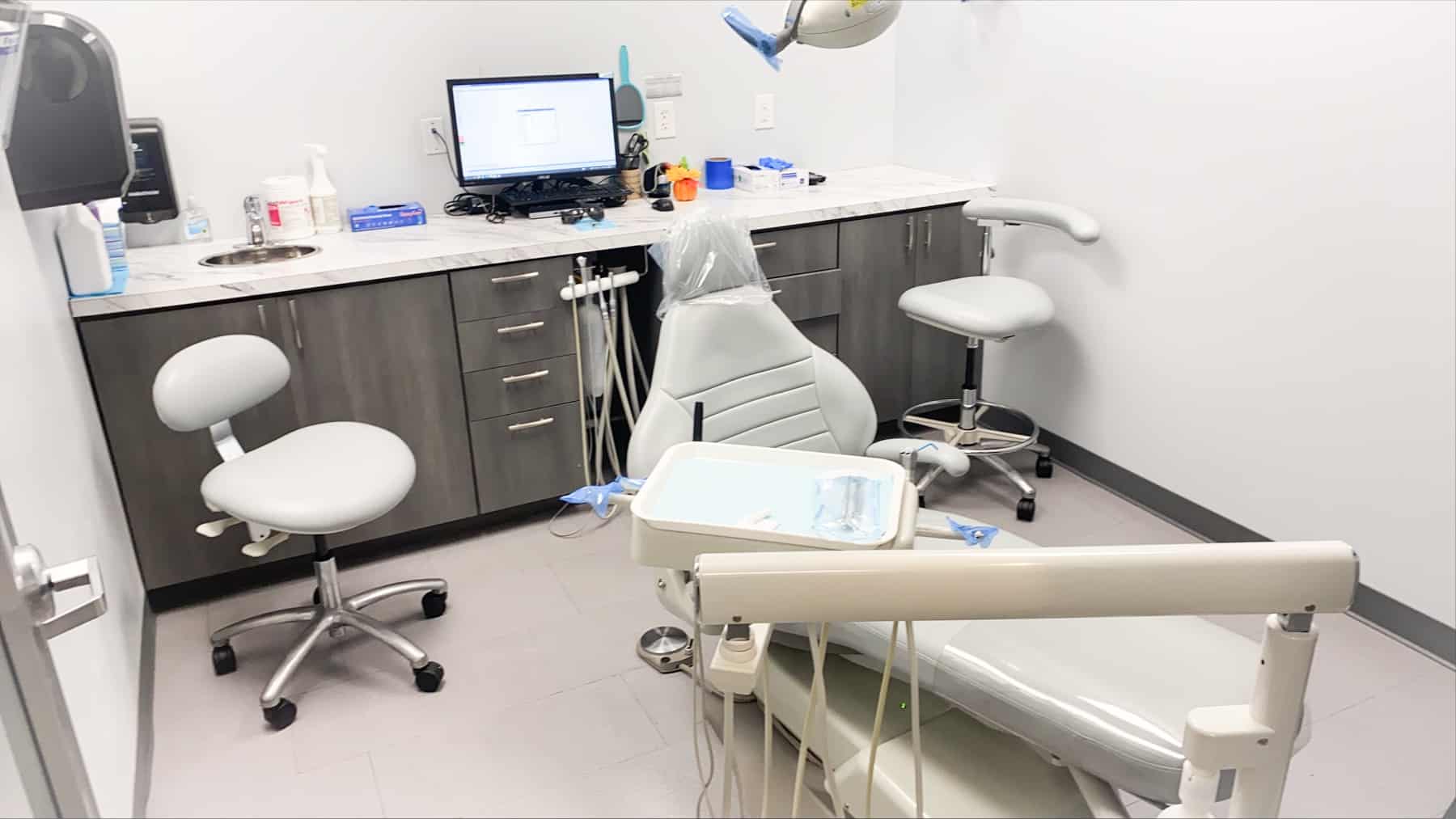


Severe tooth pain can transform even the most routine day into an unbearable experience, affecting your ability to eat, sleep, work, and enjoy daily activities. Whether it strikes suddenly in the middle of the night or develops gradually over several days, dental pain demands immediate attention and proper treatment. Understanding the underlying causes of severe tooth pain, recognizing warning signs, and knowing when to seek emergency dental care can make the difference between a simple treatment and a complex dental procedure. This comprehensive guide explores everything Texas families need to know about managing dental emergencies, from temporary relief strategies to professional treatment options available at Dental Plus Clinic.
Understanding Severe Tooth Pain and Its Impact
Severe tooth pain represents your body's urgent warning system, signaling that something is seriously wrong with your oral health. Unlike mild sensitivity or occasional discomfort, this type of pain typically indicates significant dental damage, infection, or trauma that requires professional intervention.
The intensity of dental pain can vary from sharp, stabbing sensations to constant throbbing that radiates throughout your jaw, face, and even your head. Many patients describe severe tooth pain as one of the most debilitating types of discomfort they've experienced, often comparing it to other serious medical conditions.
The Biological Mechanism Behind Dental Pain
Your teeth contain intricate networks of nerves and blood vessels housed within the pulp chamber at the tooth's center. When bacteria, trauma, or decay penetrates the protective enamel and dentin layers, these sensitive nerves become exposed and inflamed. The confined space within your tooth intensifies pressure buildup, creating the characteristic throbbing sensation associated with dental emergencies.
Key factors that amplify tooth pain intensity:
- Confined inflammation: Swelling within the rigid tooth structure increases pressure on nerves
- Bacterial toxins: Infection byproducts directly irritate nerve endings
- Temperature sensitivity: Hot or cold stimuli trigger exaggerated nerve responses
- Pressure changes: Biting, chewing, or even lying down can worsen symptoms
Research indicates that dental pain affects approximately 12% of American adults each year, with severe cases accounting for roughly 22% of all emergency room visits related to dental issues. These statistics highlight the widespread nature of this problem and the critical need for accessible dental care.

Common Causes of Severe Tooth Pain
Identifying the root cause of your dental discomfort is essential for receiving appropriate treatment. While various dental conditions can trigger tooth pain, some conditions are more likely to produce severe, urgent symptoms requiring immediate professional attention.
Dental Abscesses and Infections
A dental abscess represents one of the most serious causes of severe tooth pain. This pocket of pus forms when bacteria invade the tooth's pulp chamber or the surrounding gum tissues, creating an infection that can spread to other areas of your face, neck, or even bloodstream if left untreated.
| Type of Abscess | Location | Primary Symptoms | Urgency Level |
|---|---|---|---|
| Periapical | Tooth root tip | Severe throbbing, swelling, fever | Emergency |
| Periodontal | Gum pocket | Gum swelling, loose teeth, pain | Urgent |
| Gingival | Gum surface | Localized swelling, tenderness | Moderate |
Warning signs that indicate a dental abscess:
- Intense, persistent throbbing pain that worsens at night
- Visible swelling in your face, cheek, or neck
- Tender, swollen lymph nodes under your jaw
- Fever and general feelings of illness
- Foul taste in your mouth or bad breath
- Difficulty swallowing or breathing (seek immediate emergency care)
Advanced Tooth Decay and Cavities
When cavities penetrate through the enamel and dentin layers to reach the tooth's nerve, the resulting pain can be excruciating. Deep decay allows bacteria direct access to the pulp chamber, triggering inflammation and infection that produces severe, often constant discomfort.
The progression from minor cavity to severe tooth pain typically follows this pattern:
- Initial enamel erosion: No symptoms or mild sensitivity
- Dentin involvement: Increased sensitivity to sweet, hot, or cold
- Pulp proximity: Sharp pain when eating or drinking
- Pulp inflammation: Constant throbbing pain requiring treatment
- Nerve death: Pain may temporarily subside before abscess forms
Many Texas residents delay dental treatment due to concerns about costs or insurance coverage. However, addressing cavities early through routine dental exams and cleanings prevents minor issues from escalating into painful emergencies requiring more extensive and expensive procedures.
Cracked or Fractured Teeth
Tooth fractures can occur from various causes including biting hard foods, grinding teeth, trauma from accidents, or weakening from large existing fillings. Depending on the crack's depth and location, pain levels can range from occasional discomfort to severe, debilitating agony.
Common types of tooth fractures:
- Craze lines: Superficial cracks in enamel (usually painless)
- Fractured cusp: Broken portion of chewing surface
- Cracked tooth: Vertical crack extending toward root
- Split tooth: Complete separation into distinct segments
- Vertical root fracture: Crack beginning at root traveling upward
Severe tooth pain from fractures often intensifies when biting down or releasing pressure, as the crack opens and closes, irritating the pulp tissue. Temperature changes can also trigger sharp pain as the crack provides a pathway for stimuli to reach sensitive nerve endings.
Gum Disease and Periodontal Issues
Advanced periodontal disease creates conditions that lead to severe tooth pain through multiple mechanisms. As bacteria accumulate below the gum line, they form deep pockets that harbor infection, destroy supporting bone, and expose tooth roots that lack protective enamel covering.
Symptoms indicating periodontal-related tooth pain include:
- Bleeding gums during brushing or flossing
- Receding gums exposing tooth roots
- Loose or shifting teeth
- Persistent bad breath or taste
- Pain when chewing
- Visible pus between teeth and gums
Regular periodontal exams help identify gum disease in its early stages when treatment is simpler and more effective, preventing the progression to painful advanced stages.
Failed Dental Work and Complications
Previous dental treatments can sometimes fail or develop complications that result in severe tooth pain. Old fillings may crack or leak, allowing bacteria to re-infect the tooth. Root canal treatments occasionally fail to eliminate all infected tissue, leading to persistent infection and discomfort.
Additional dental work complications include:
- Crown issues: Improper fit or decay beneath restoration
- Filling problems: Leaking or cracked restorations
- Root canal failure: Missed canals or incomplete cleaning
- Implant complications: Infection or improper integration
Emergency Relief Strategies for Severe Tooth Pain
While professional dental treatment remains the only permanent solution for severe tooth pain, several strategies can provide temporary relief until you reach your dentist. These methods help manage symptoms but should never replace proper dental care.
Over-the-Counter Pain Management
Appropriate medication can significantly reduce dental pain intensity and make waiting for your appointment more bearable. Over-the-counter medications and home remedies offer varying levels of effectiveness depending on your pain's cause and severity.
| Medication Type | Examples | Effectiveness | Duration |
|---|---|---|---|
| NSAIDs | Ibuprofen (Advil, Motrin) | High for inflammation | 4-6 hours |
| Analgesics | Acetaminophen (Tylenol) | Moderate for pain | 4-6 hours |
| Combination | Alternating both | Maximum relief | Continuous |
| Topical | Benzocaine gels (Orajel) | Temporary numbing | 1-2 hours |
Important safety considerations:
- Follow dosage instructions carefully and never exceed recommended amounts
- Consult with your physician if you have liver, kidney, or stomach conditions
- Avoid aspirin directly on gums as it can cause tissue burns
- Never give aspirin to children due to Reye's syndrome risk
Home Remedies and Natural Solutions
Several home-based approaches can complement pain medication and provide additional relief from severe tooth pain while you await professional treatment.
Effective home remedies include:
- Cold compress application: Apply ice pack to cheek for 15-20 minutes to reduce swelling and numb pain
- Saltwater rinses: Mix half teaspoon salt in 8 ounces warm water, swish for 30 seconds to reduce bacteria and inflammation
- Elevation: Keep your head elevated, even during sleep, to prevent blood pooling that increases pressure
- Clove oil: Apply small amount to affected area for natural numbing effect (use sparingly)
- Avoid trigger foods: Stay away from hot, cold, sweet, or hard foods that worsen pain
While these remedies provide temporary comfort, they address symptoms rather than underlying causes. Delaying professional treatment risks allowing the condition to worsen, potentially leading to tooth loss or systemic infection.

When to Seek Immediate Dental Care
Recognizing the difference between dental discomfort that can wait for a regular appointment and true emergencies requiring immediate attention can prevent serious complications and potentially save your tooth or even your life.
Red Flag Symptoms Requiring Emergency Treatment
Certain symptoms accompanying severe tooth pain indicate potentially dangerous conditions that demand urgent professional intervention, often within hours rather than days.
Seek emergency dental care immediately if you experience:
- High fever (above 101°F) accompanying tooth pain
- Severe swelling in your face, jaw, or neck
- Difficulty breathing or swallowing
- Swelling closing your eye or limiting jaw movement
- Uncontrolled bleeding from the tooth or gums
- Trauma from an accident resulting in knocked-out or severely damaged teeth
These symptoms may indicate that infection has spread beyond the tooth into surrounding tissues or that significant structural damage requires immediate stabilization. Texas residents can access emergency dental services at convenient locations throughout the state, including Beeville, Seguin, New Braunfels, Leander, and Converse.
Understanding Pain Patterns and Severity
The characteristics of your dental pain provide important clues about its cause and urgency. Learning to describe your symptoms accurately helps dental professionals prioritize your care and prepare appropriate treatments.
Pain assessment questions to consider:
- Onset: Did pain start suddenly or gradually worsen over time?
- Duration: Is pain constant or does it come and go?
- Intensity: Rate pain on scale of 1-10 (severe typically 7-10)
- Character: Is pain sharp, throbbing, dull, or burning?
- Triggers: What makes pain better or worse?
- Location: Can you identify the specific tooth or is pain diffuse?
Constant, throbbing pain that prevents sleep or concentrating on daily tasks typically indicates infection or advanced decay requiring prompt treatment. Sharp pain triggered only by specific stimuli may be less urgent but still needs professional evaluation.
Professional Treatment Options for Severe Dental Pain
Once you reach your dental office, various treatment approaches address the underlying cause of your severe tooth pain, providing lasting relief and preventing future complications.
Root Canal Therapy
Despite its intimidating reputation, modern root canal treatment effectively eliminates infection while preserving your natural tooth structure. This procedure becomes necessary when decay or trauma damages the tooth's pulp beyond healing.
The root canal process involves:
- Local anesthesia: Complete numbing ensures pain-free treatment
- Access opening: Small hole created in tooth crown
- Pulp removal: Infected or damaged tissue carefully extracted
- Canal cleaning: Thorough disinfection and shaping of root canals
- Filling: Biocompatible material seals cleaned spaces
- Restoration: Crown placement protects and strengthens treated tooth
Modern techniques and anesthesia make root canal therapy no more uncomfortable than receiving a standard filling. Most patients report immediate relief from the severe tooth pain that brought them to the office, with any post-treatment discomfort easily managed with over-the-counter medication.
Tooth Extraction
When a tooth is too severely damaged to save, or when extraction represents the most cost-effective solution, tooth extraction provides definitive pain relief while preventing infection spread.
Situations requiring extraction include:
- Extensive decay destroying most of tooth structure
- Severe periodontal disease causing extreme mobility
- Fractures extending deep into the root
- Failed root canal with persistent infection
- Overcrowding requiring orthodontic space creation
Following extraction, several replacement options restore function and appearance, from traditional bridges to modern dental implants that provide permanent, natural-looking solutions.
Periodontal Treatment for Gum-Related Pain
Severe tooth pain originating from gum disease requires specialized periodontal therapy to eliminate infection, reduce inflammation, and restore healthy supporting tissues.
| Treatment Level | Procedure | Condition Addressed | Expected Outcome |
|---|---|---|---|
| Basic | Scaling and root planing | Early to moderate disease | Infection control |
| Intermediate | Antibiotic therapy | Active infection | Bacterial reduction |
| Advanced | Surgical intervention | Severe bone loss | Tissue regeneration |
| Maintenance | Regular cleanings | Disease prevention | Long-term stability |
Periodontal treatments range from deep cleaning procedures performed under local anesthesia to surgical interventions that regenerate lost bone and tissue. Early intervention produces the best outcomes with the least invasive approaches.
Preventing Future Episodes of Severe Tooth Pain
While immediate pain relief and treatment remain priorities during dental emergencies, implementing preventive strategies protects against future episodes and maintains long-term oral health.
Essential Daily Oral Hygiene Practices
Consistent, thorough oral hygiene removes the bacteria responsible for decay and gum disease, eliminating the primary causes of severe tooth pain before problems develop.
Comprehensive daily routine includes:
- Brushing twice daily: Use fluoride toothpaste and soft-bristled brush for two minutes each session
- Flossing once daily: Clean between teeth where brushing cannot reach
- Antibacterial rinse: Reduce bacteria levels throughout mouth
- Tongue cleaning: Remove bacteria from tongue surface
- Timing matters: Wait 30 minutes after eating before brushing to protect softened enamel
Many Texas families struggle to maintain consistent oral hygiene routines, particularly with children. Establishing good habits early through pediatric dentistry visits creates foundation for lifelong dental health.
The Critical Role of Regular Dental Examinations
Professional dental examinations detect problems in their earliest stages when treatment is simpler, less expensive, and less painful. Dentists identify issues invisible to patients, including hidden decay, cracked fillings, and early gum disease.
Recommended examination schedule:
- Adults: Every six months for routine check-ups
- High-risk patients: Every three to four months if history of decay or gum disease
- Children: Every six months starting at first tooth eruption
- Pregnant women: At least once during pregnancy
Regular visits also include professional cleanings that remove hardened plaque and tartar your home care cannot eliminate, preventing the buildup that leads to cavities and periodontal disease.
Protective Measures for Active Lifestyles
Texas residents engaged in sports, recreational activities, or those who grind their teeth require additional protective measures to prevent trauma and damage.
Protective devices include:
- Sports mouthguards: Custom-fitted protection for contact sports
- Night guards: Prevent damage from teeth grinding (bruxism)
- Proper technique: Use scissors, not teeth, to open packages
- Dietary caution: Avoid chewing ice, hard candy, or popcorn kernels
For families seeking comprehensive protection, custom-fitted devices provide superior comfort and protection compared to over-the-counter alternatives.
Insurance Coverage and Affordability Considerations
Financial concerns should never prevent you from seeking treatment for severe tooth pain. Understanding your insurance benefits and available payment options ensures you receive necessary care without unmanageable financial burden.
Maximizing Dental Insurance Benefits
Most dental insurance plans cover emergency treatments, though coverage levels vary by procedure type and policy terms. Understanding your benefits helps you make informed decisions about treatment timing and options.
Typical insurance coverage structure:
- Preventive care: 100% coverage for exams, cleanings, X-rays
- Basic procedures: 70-80% coverage for fillings, extractions
- Major procedures: 50% coverage for crowns, root canals
- Annual maximums: Usually $1,000-$2,000 per person per year
Texas residents can explore information about the best dental insurance plans in Texas to ensure adequate coverage for both routine care and emergency situations.
Alternative Payment Solutions
For patients without insurance or facing procedures exceeding their coverage limits, several payment alternatives make quality dental care accessible and affordable.
Available options include:
- In-house payment plans: Spread treatment costs over several months
- Healthcare credit cards: Special financing for medical and dental expenses
- Discount dental plans: Annual membership providing reduced fees
- Flexible spending accounts: Pre-tax dollars for healthcare expenses
Dental practices understand that unexpected dental emergencies create financial stress. Discussing your concerns openly with the office staff helps identify solutions that work within your budget while addressing your urgent dental needs.
Special Considerations for Different Age Groups
Severe tooth pain affects patients differently depending on their age, with specific causes and treatment considerations relevant to children, adults, and seniors.
Dental Pain in Children and Adolescents
Children experiencing severe tooth pain require special attention, as they may struggle to communicate their symptoms effectively or understand the importance of treatment. Common causes in younger patients include aggressive decay, dental trauma from sports or play, and emerging wisdom teeth in teenagers.
Pediatric-specific pain causes:
- Baby bottle tooth decay: Severe cavities from prolonged bottle use
- Sports injuries: Knocked-out or fractured teeth
- Orthodontic issues: Pain from braces or emerging teeth
- Wisdom teeth: Impaction and infection in late teens
Parents seeking specialized care for children can find experienced professionals who understand pediatric needs and create comfortable, anxiety-free treatment environments. Early positive dental experiences establish patterns of regular care that prevent severe problems throughout life.
Adult Dental Emergencies
Working adults often delay addressing dental pain due to busy schedules, financial concerns, or dental anxiety. However, severe tooth pain typically worsens without treatment, eventually requiring more extensive and costly interventions than early care would have involved.
Adult-specific considerations include:
- Work absences: Untreated dental pain affects productivity and may require emergency time off
- Pregnancy concerns: Hormonal changes increase cavity and gum disease risk
- Medication interactions: Inform dentist of all medications and health conditions
- Chronic conditions: Diabetes and heart disease complicate dental infections
Senior Dental Health Challenges
Older adults face unique challenges related to severe tooth pain, including medication side effects causing dry mouth, receding gums exposing vulnerable root surfaces, and decades of wear on existing dental work.
Senior-specific risk factors:
- Decreased saliva production from medications
- Root surface decay from gum recession
- Failing old dental restorations
- Difficulty maintaining oral hygiene due to limited dexterity
- Medical conditions complicating treatment
Seniors should communicate their complete medical history, including all medications and supplements, to ensure safe, effective treatment planning.
Frequently Asked Questions About Severe Tooth Pain
What should I do if severe tooth pain strikes in the middle of the night?
Take appropriate over-the-counter pain medication following package directions, apply a cold compress to your cheek, rinse with warm salt water, and keep your head elevated. Contact your dental office first thing in the morning for an emergency appointment. If you experience difficulty breathing, severe swelling, or high fever, seek immediate emergency room care.
Can severe tooth pain go away on its own without treatment?
While pain may temporarily subside, particularly if the tooth's nerve dies, the underlying problem continues worsening. An apparent improvement often indicates infection progression rather than healing. Untreated dental infections can spread to other areas of your face, jaw, or bloodstream, creating life-threatening complications. Professional treatment remains essential regardless of current pain levels.
How quickly can a dentist see me for severe tooth pain?
Most dental practices, including those at Dental Plus Clinic locations, reserve time slots for emergency patients and can typically accommodate same-day appointments for severe pain. Call as early as possible to secure the earliest available time. Describe your symptoms clearly to help staff prioritize your situation appropriately.
Will a root canal hurt as much as my current tooth pain?
Modern root canal procedures, performed under effective local anesthesia, typically produce no more discomfort than receiving a standard filling. Most patients report immediate relief from the severe tooth pain that brought them to the office. Any post-treatment soreness is usually mild and well-controlled with over-the-counter medication.
How much does emergency dental treatment typically cost?
Costs vary based on the specific procedure required and your insurance coverage. Simple treatments like prescribing antibiotics or draining an abscess cost less than root canals or extractions. Dental offices provide treatment estimates before beginning work and can discuss payment options for uninsured or under-insured patients.
Can I wait until Monday if tooth pain starts on the weekend?
This depends on pain severity and accompanying symptoms. Mild to moderate pain often can wait for regular office hours, particularly if managed with over-the-counter medication. However, severe, uncontrollable pain, significant swelling, fever, or difficulty breathing require immediate emergency care regardless of day or time.
Are there any foods I should avoid with severe tooth pain?
Yes, avoid extremely hot or cold foods and beverages, hard or crunchy items requiring vigorous chewing, sugary foods that promote bacterial growth, and acidic foods that irritate sensitive tissues. Stick with soft, room-temperature, bland foods until you receive treatment. Chew on the opposite side of your mouth when possible.
What's the difference between tooth sensitivity and severe tooth pain?
Sensitivity typically produces brief, sharp discomfort in response to specific triggers like cold drinks or sweet foods, with rapid resolution once the stimulus is removed. Severe tooth pain tends to be constant or frequently recurring, intense enough to interfere with daily activities, and may throb or worsen when lying down. Sensitivity rarely requires emergency treatment, while severe pain indicates serious problems needing prompt professional attention.
Can stress or anxiety cause severe tooth pain?
While stress doesn't directly cause tooth pain, it can contribute through teeth grinding (bruxism), jaw clenching, and decreased immune function that makes infections more likely. Stress may also lower your pain threshold, making existing dental problems feel more severe. However, actual severe tooth pain almost always has a physical dental cause requiring professional treatment.
How can I tell if my tooth pain is from a sinus infection rather than a dental problem?
Sinus-related pain typically affects multiple upper back teeth on one side, worsens when bending over or lying down, and accompanies other sinus symptoms like nasal congestion, facial pressure, and discharge. Dental pain usually affects a single tooth, may respond to tapping or temperature changes, and doesn't necessarily correlate with sinus symptoms. When uncertain, consulting your dentist provides definitive diagnosis, as widespread tooth pain can have multiple causes requiring different treatments.
Severe tooth pain signals urgent dental problems requiring professional diagnosis and treatment to prevent complications and preserve your oral health. While temporary relief measures help manage symptoms, only addressing the underlying cause through appropriate dental care provides lasting solutions. Whether you're experiencing your first dental emergency or dealing with recurring problems, seeking prompt professional attention protects your teeth, your health, and your quality of life. Dental Plus Clinic offers comprehensive emergency dental services across five Texas locations, providing accessible, affordable care when you need it most with flexible scheduling, multiple payment options, and a patient-focused approach that prioritizes your comfort and long-term dental wellness.