
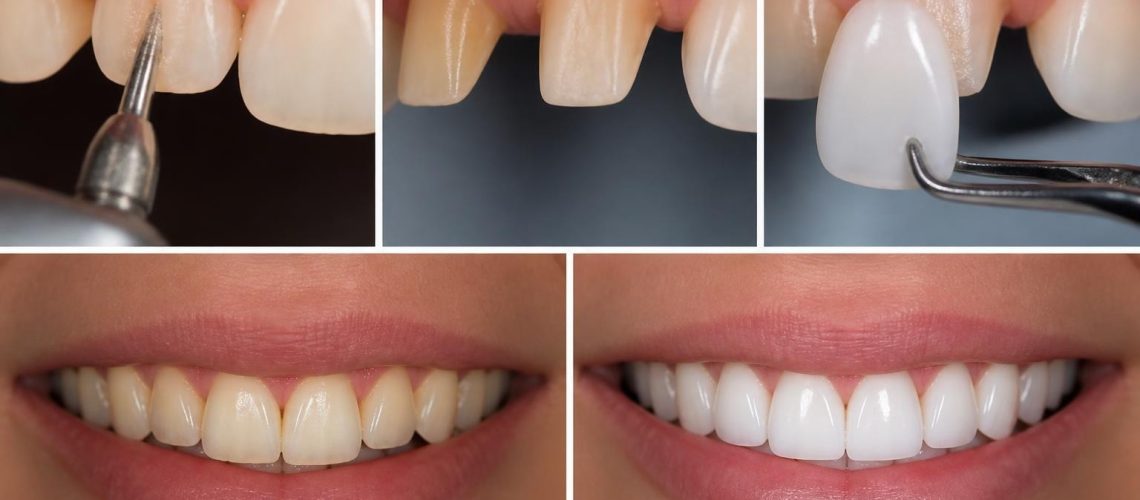
Achieving a perfect smile through cosmetic dentistry has become increasingly accessible, with veneers standing out as one of the most popular treatments for transforming discolored, chipped, or misaligned teeth. However, many patients express concern when they learn about the tooth preparation process involved. Understanding the procedure of shaving teeth for veneers is essential for anyone considering this cosmetic enhancement, as it helps set realistic expectations and ensures informed decision-making about your oral health journey.
Understanding the Tooth Preparation Process
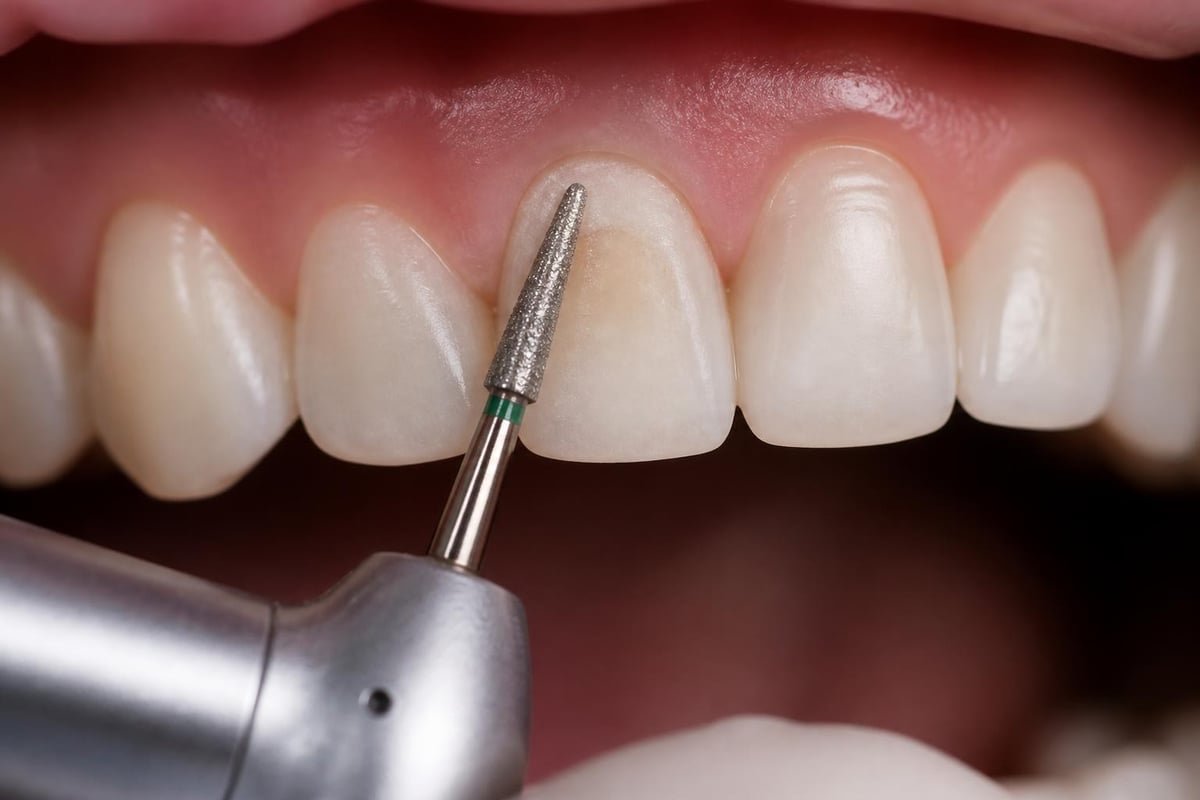
Shaving teeth for veneers involves removing a thin layer of tooth enamel to create space for the veneer shell. This process is medically known as tooth reduction or preparation, and it serves multiple critical purposes in the veneer placement procedure.
The amount of enamel removed typically ranges from 0.5 to 0.7 millimeters, though this varies based on the type of veneer selected and the specific aesthetic goals of the patient. Traditional porcelain veneers generally require more preparation than minimal-prep or no-prep alternatives.
Why Tooth Reduction Is Necessary
The primary reasons for enamel removal include:
- Creating adequate space for the veneer without making teeth appear bulky or protruding
- Ensuring proper bonding between the natural tooth and the veneer material
- Allowing the dentist to align the veneer flush with adjacent teeth and gum tissue
- Enabling correction of tooth shape, size, or minor alignment issues
Without proper tooth preparation, veneers would add thickness to your natural teeth, resulting in an unnatural, horse-like appearance. The reduction process ensures that once the veneer is placed, your teeth maintain their natural proportions and contours.
Types of Veneers and Preparation Requirements
Different veneer options require varying degrees of tooth preparation. Understanding these distinctions helps patients make informed choices that align with their comfort level and aesthetic preferences.
| Veneer Type | Enamel Removal | Reversibility | Durability | Best For |
|---|---|---|---|---|
| Traditional Porcelain | 0.5-0.7mm | Irreversible | 10-15 years | Major cosmetic corrections |
| Minimal-Prep Veneers | 0.3-0.5mm | Mostly irreversible | 8-12 years | Moderate improvements |
| No-Prep Veneers | 0-0.3mm | Sometimes reversible | 5-10 years | Minor aesthetic changes |
| Composite Veneers | 0.3-0.5mm | Reversible | 5-7 years | Budget-friendly options |
Traditional porcelain veneers remain the gold standard for comprehensive smile transformations, though they do require the most extensive tooth preparation. At Dental Plus Clinic, patients receive detailed consultations to determine which veneer type best suits their individual needs and dental structure.
No-Prep and Minimal-Prep Alternatives
Recent advancements in dental materials have introduced ultra-thin veneers that require minimal to no tooth preparation. These options appeal to patients who want to preserve more of their natural tooth structure while still achieving cosmetic improvements.
Brands like Lumineers and Vivaneers fall into this category, typically measuring only 0.2-0.3 millimeters in thickness. However, these alternatives work best for patients with specific dental conditions, such as naturally small teeth or minor spacing issues.
The Step-by-Step Veneer Preparation Procedure
Understanding what happens during the tooth preparation appointment can alleviate anxiety and help patients prepare mentally for the process.
The procedure typically unfolds as follows:
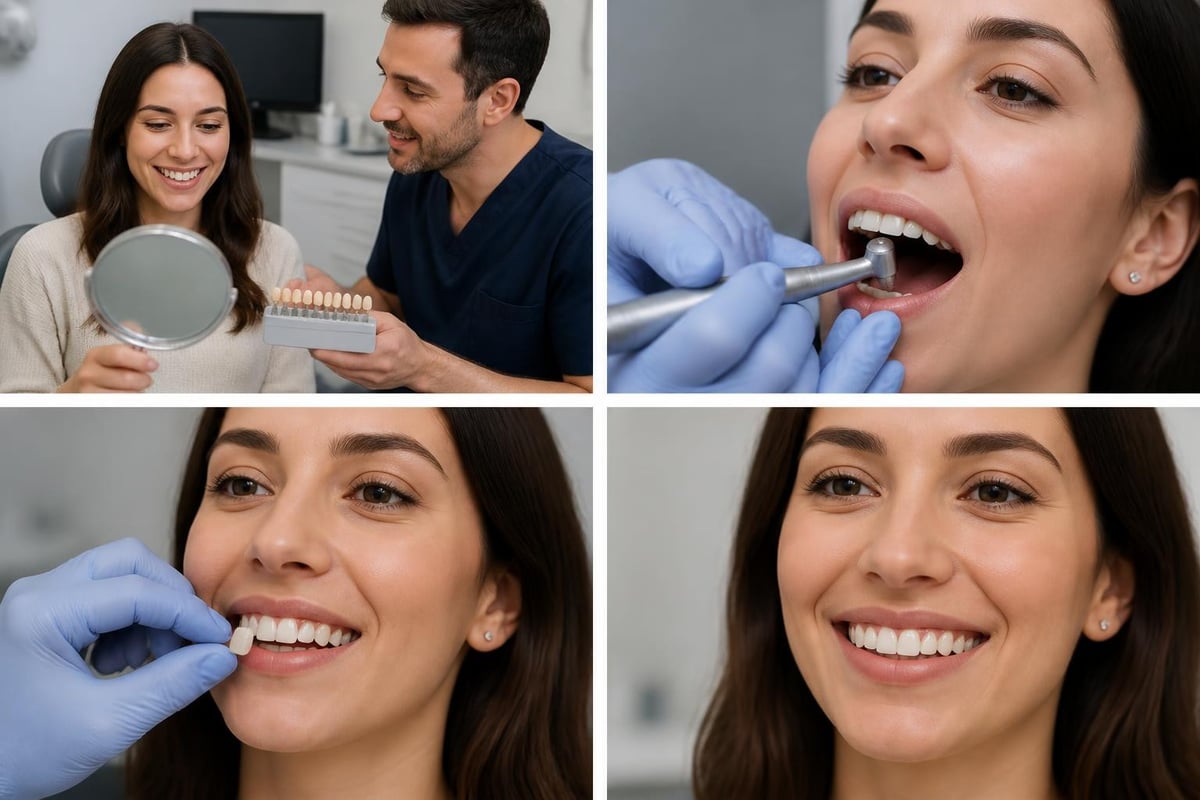
- Initial consultation and smile design – Your dentist evaluates your teeth, discusses your aesthetic goals, and creates a treatment plan
- Digital imaging or impressions – Modern technology captures precise measurements of your teeth
- Local anesthesia administration – Numbing medication ensures comfort during the preparation phase
- Controlled enamel removal – Using specialized burs and precision instruments, the dentist carefully removes the predetermined amount of enamel
- Temporary veneer placement – Protective coverings shield prepared teeth while permanent veneers are fabricated
- Final veneer bonding – After approximately two weeks, custom veneers are permanently cemented to prepared teeth
The entire preparation appointment usually takes 60-90 minutes per tooth, though many patients opt to have multiple teeth prepared simultaneously to minimize total treatment time.
Pain Management and Patient Comfort
One of the most common questions patients ask concerns discomfort during shaving teeth for veneers. Modern dentistry prioritizes patient comfort through several methods.
Local anesthesia effectively numbs the treatment area, making the preparation process virtually painless. Some patients report mild sensitivity after the anesthetic wears off, particularly when temporary veneers are in place. This sensitivity is typically manageable with over-the-counter pain relievers and subsides once permanent veneers are bonded.
Patients seeking cosmetic dental treatment should discuss any anxiety or pain concerns with their dentist beforehand to explore additional comfort options like sedation dentistry.
Risks and Considerations of Tooth Reduction
While shaving teeth for veneers is a routine procedure performed thousands of times daily across the country, patients should understand the potential risks and long-term implications.
Increased Tooth Sensitivity
Removing enamel exposes the underlying dentin layer, which contains microscopic tubules leading to the tooth's nerve center. This exposure can result in temporary or, in some cases, persistent sensitivity to hot, cold, or sweet stimuli.
Most sensitivity resolves once permanent veneers are bonded, as the porcelain creates a protective barrier. However, approximately 5-10% of patients experience ongoing sensitivity that may require additional treatment.
Irreversibility of the Procedure
The most significant consideration is that traditional tooth preparation is permanent. Once enamel is removed, it cannot regenerate. This means you will always need some form of restoration-whether veneers, crowns, or another solution-to protect the prepared teeth.
Long-term commitments include:
- Replacing veneers every 10-15 years as they wear or debond
- Maintaining excellent oral hygiene to prevent decay at veneer margins
- Regular dental check-ups to monitor veneer integrity and underlying tooth health
- Potential need for dental crowns if veneers fail and insufficient tooth structure remains
Professional guidance is crucial, and seeking treatment from licensed practitioners rather than unlicensed providers advertising on social media ensures proper assessment and safe execution of the procedure.
Protecting Your Investment After Veneer Placement
Once veneers are placed, proper care extends their lifespan and maintains the aesthetic results patients invest in achieving.
Daily Maintenance Practices
Veneers require the same fundamental care as natural teeth, with a few additional precautions. Brushing twice daily with non-abrasive toothpaste and flossing once daily prevents decay at the margins where the veneer meets natural tooth structure.
Avoid using your veneered teeth as tools to open packages or bite hard objects like ice, nuts, or pen caps. While porcelain veneers are strong, they can chip or crack under excessive force.
Professional Monitoring
Regular dental examinations every six months allow your dentist to check for signs of wear, debonding, or decay around veneer edges. Early detection of issues prevents more extensive damage and costly repairs.
During these visits, professional cleanings should use techniques appropriate for veneers. Polishing pastes and ultrasonic scalers must be applied carefully to avoid scratching or damaging the porcelain surface.
Alternatives to Traditional Veneers
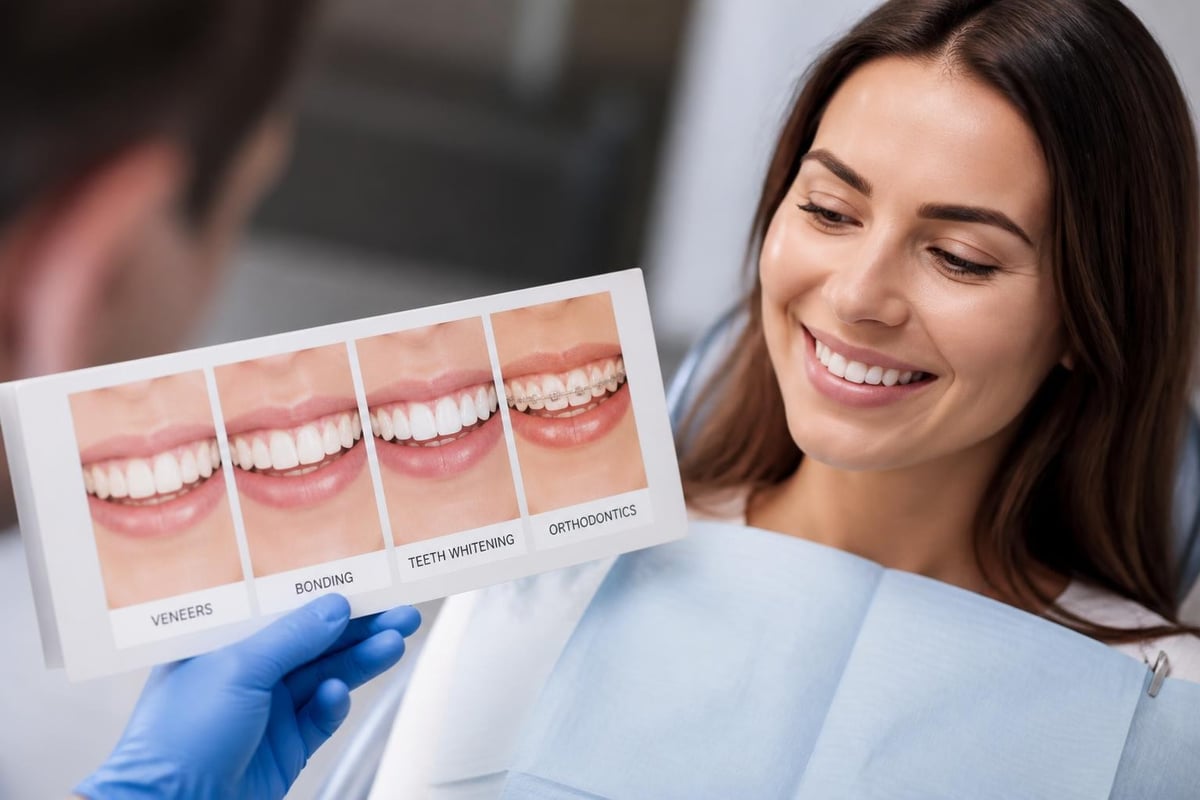
Not every patient requires shaving teeth for veneers to achieve their desired smile improvements. Several alternative treatments may accomplish similar aesthetic goals with less invasive approaches.
Dental Bonding
Composite resin bonding adds material to teeth rather than removing enamel. This reversible procedure works well for minor chips, gaps, or discoloration. While less durable than porcelain veneers (lasting 3-7 years compared to 10-15 years), bonding preserves natural tooth structure and costs significantly less.
Understanding whether dental bonding is permanent helps patients weigh this option against veneers based on their specific circumstances and budget.
Orthodontic Treatment
For patients whose primary concern involves tooth alignment or spacing, orthodontic solutions like traditional braces or clear aligners may eliminate the need for veneers entirely. Comparing clear aligners versus Invisalign options reveals various paths to achieving straighter teeth without enamel removal.
Teeth Whitening
When discoloration is the main issue without structural concerns, professional whitening treatments can dramatically improve tooth appearance. Learning about the most permanent teeth whitening procedures may present a simpler solution than veneers for some patients.
Selecting the Right Dental Professional
The success of your veneer treatment depends heavily on choosing a qualified, experienced cosmetic dentist. This decision impacts not only the aesthetic outcome but also the long-term health of your prepared teeth.
Credentials and Experience
Verify that your chosen dentist has specific training in cosmetic dentistry beyond general dental school education. While any licensed dentist can legally perform veneer procedures, those with advanced certifications or extensive experience in smile design typically produce superior results.
Ask potential dentists about their veneer case volume, request before-and-after photos of actual patients, and inquire about their approach to tooth preparation. Dentists who practice conservative preparation techniques preserve maximum enamel while still achieving excellent bonding and aesthetics.
When choosing a cosmetic dentist, consider factors like technology investment, lab partnerships, and patient reviews in addition to credentials.
Technology and Materials
Modern dental practices utilize digital smile design software, intraoral scanners, and temporary veneer fabrication systems that improve accuracy and patient experience. These technologies allow you to preview your new smile before any irreversible preparation occurs.
The quality of porcelain materials and the dental laboratory partnership significantly affects veneer appearance and longevity. Premium dental ceramics mimic natural tooth translucency and resist staining better than economy options.
Cost Considerations and Financial Planning
Shaving teeth for veneers represents a significant financial investment, with costs varying based on geographic location, dentist expertise, materials selected, and the number of teeth treated.
| Cost Factor | Traditional Porcelain | Minimal-Prep | Composite |
|---|---|---|---|
| Per Tooth Cost | $925-$2,500 | $800-$2,000 | $250-$1,500 |
| Average Lifespan | 10-15 years | 8-12 years | 5-7 years |
| Replacement Frequency | Less frequent | Moderate | More frequent |
| Insurance Coverage | Usually cosmetic (not covered) | Usually cosmetic (not covered) | Sometimes partial |
Most dental insurance plans classify veneers as cosmetic procedures and do not provide coverage. However, if veneers restore function after trauma or decay, partial coverage may apply. Patients should review their policy details and discuss options with their insurance provider.
Financing Options
Many dental practices, including locations throughout Texas, offer payment plans or financing through third-party healthcare credit companies. These arrangements make veneer treatment more accessible by spreading costs over monthly installments.
Resources on reducing costs for dental care provide additional strategies for managing treatment expenses without compromising quality.
Common Myths and Misconceptions
Misinformation about shaving teeth for veneers circulates widely, often causing unnecessary anxiety or unrealistic expectations among prospective patients.
Myth: All Your Tooth Enamel Gets Removed
Reality: Only a fraction of enamel thickness is removed-typically less than one millimeter. Healthy tooth structure remains beneath the veneer, and the dentin layer stays intact in properly executed procedures.
Detailed explanations from dental professionals, such as this video on tooth shaving necessity, clarify the actual extent of enamel removal and dispel exaggerated claims.
Myth: Prepared Teeth Will Hurt Forever
Reality: While initial sensitivity is common, most patients adapt within days to weeks after permanent veneer placement. The bonded porcelain actually protects prepared enamel from temperature changes and physical stress.
Persistent pain typically indicates underlying issues like improper bonding, tooth decay, or bite misalignment-all correctable problems when addressed promptly.
Myth: You Can Never Remove Veneers
Reality: Veneers can be removed, though the prepared teeth underneath will require some form of restoration since natural enamel was reduced. Options include new veneers, dental crowns, or extensive bonding to rebuild tooth contours.
Understanding the difference between dental implants and veneers helps patients distinguish between these distinct treatments and their respective permanence levels.
Special Considerations for Different Patient Groups
Certain patient populations face unique considerations when contemplating veneer treatment and tooth preparation.
Young Adults and Adolescents
Dentists typically recommend waiting until late teens or early twenties before placing veneers, as teeth and jaw development should be complete. Younger patients may benefit more from orthodontic solutions or temporary bonding until their facial structure fully matures.
The irreversible nature of shaving teeth for veneers makes this timing consideration particularly important. Committing to lifelong restoration maintenance at age 18 differs significantly from making the same decision at age 30 or 40.
Patients with Existing Dental Work
Those with crowns, bridges, or extensive fillings on front teeth may need alternative treatment planning. Veneers bond best to natural enamel, so teeth with minimal remaining tooth structure might require crowns instead.
Comprehensive evaluation identifies which teeth can successfully receive veneers and which need different restorations. Mixed approaches often produce the best aesthetic and functional outcomes.
Individuals with Grinding Habits
Bruxism (teeth grinding) poses significant risks to veneer longevity. The excessive forces generated during grinding can crack, chip, or debond veneers prematurely.
Patients with grinding habits should use custom nightguards to protect their investment. Some dentists may recommend addressing bruxism before proceeding with veneers, or they might suggest more durable restorations like crowns for severe grinders.
The Role of Digital Technology in Modern Veneer Preparation
Technological advancements have revolutionized how dentists plan and execute shaving teeth for veneers, improving precision and patient satisfaction.
Digital Smile Design
Sophisticated software allows dentists to photograph your face and teeth, then digitally manipulate images to show how different veneer designs will appear. This preview capability ensures alignment between patient expectations and achievable results before any tooth preparation occurs.
Patients can request modifications to tooth shape, length, or shade during the design phase, preventing dissatisfaction after irreversible preparation is complete.
CAD/CAM Manufacturing
Computer-aided design and manufacturing systems enable same-day veneer fabrication in some practices. While traditional veneers require temporary coverage for 2-3 weeks during laboratory fabrication, CAD/CAM technology can produce final restorations in a single appointment.
This approach minimizes time with sensitive, prepared teeth and reduces the number of office visits required for complete treatment.
Recovery and Adjustment Period
The transition period between tooth preparation and final veneer placement requires patience and adherence to specific guidelines.
During the temporary veneer phase:
- Avoid extremely hot or cold foods and beverages
- Choose softer foods and avoid biting into hard items with temporary veneers
- Be gentle when brushing around temporary restorations
- Contact your dentist immediately if a temporary veneer becomes loose or falls off
- Expect mild sensitivity that should gradually decrease
Once permanent veneers are bonded, a brief adjustment period allows your mouth to adapt to the new tooth contours. Your bite may feel slightly different initially, though this sensation typically resolves within a few days as your oral muscles and tongue accommodate the changes.
Long-Term Outcomes and Patient Satisfaction
Research and clinical experience demonstrate high satisfaction rates among veneer patients, with success largely dependent on proper case selection, skilled execution, and diligent maintenance.
Studies indicate that properly placed porcelain veneers achieve survival rates exceeding 95% at 10 years and approximately 90% at 15 years. These impressive statistics reflect both the durability of modern materials and improvements in bonding techniques.
Realistic Expectations
The most satisfied patients enter treatment with realistic expectations about both the process and results. Veneers can dramatically improve smile aesthetics, but they don't prevent future dental problems like decay or gum disease.
Understanding that shaving teeth for veneers creates a permanent commitment to maintaining those restorations helps patients appreciate the long-term relationship they're establishing with their dental care provider.
Accessibility Across Texas Communities
For residents throughout Texas seeking veneer treatments, access to qualified cosmetic dentistry has expanded significantly. Multiple locations ensure patients can receive expert care without extensive travel.
Whether you're located in Beeville, Seguin, New Braunfels, Leander, or Converse, comprehensive cosmetic dental services are available within reasonable proximity.
Local accessibility matters because veneer treatment requires multiple appointments over several weeks. Choosing a conveniently located practice increases compliance with follow-up visits and makes emergency care accessible should unexpected issues arise.
Making an Informed Decision
Deciding whether to proceed with shaving teeth for veneers requires careful consideration of multiple factors including aesthetic goals, budget, lifestyle, and long-term commitment to dental maintenance.
Schedule consultations with multiple qualified dentists to compare treatment approaches, cost structures, and communication styles. The right provider will answer all your questions thoroughly, show you cases similar to yours, and never pressure you into treatment before you're ready.
Consider creating a decision matrix that weighs:
Personal priorities:
- Importance of preserving natural tooth structure
- Budget constraints and payment timeline preferences
- Desired smile transformation magnitude
- Willingness to commit to long-term maintenance
- Alternative treatment viability for your specific concerns
Additional educational resources, such as this comprehensive discussion of factors affecting the procedure, provide valuable perspectives from experienced professionals.
Professional Guidance and Next Steps
Transforming your smile through veneers represents a significant decision that deserves thorough research and professional guidance. The process of shaving teeth for veneers, while routine in skilled hands, creates permanent changes requiring lifelong maintenance commitments.
Educating yourself about the procedure, understanding realistic outcomes, and selecting a qualified cosmetic dentist form the foundation for successful treatment. Don't rush the decision-take time to explore all options, ask questions, and ensure your chosen treatment plan aligns with your goals and values.
For patients concerned about dental work costs or insurance coverage, resources addressing what to do when dental insurance is denied can provide helpful guidance for navigating financial aspects of cosmetic treatment.
Shaving teeth for veneers is a proven cosmetic procedure that has helped millions achieve confident, beautiful smiles when performed by qualified professionals. Understanding the process, benefits, and commitments involved empowers you to make informed decisions about your oral health. The experienced team at Dental Plus Clinic offers comprehensive cosmetic dentistry consultations across five Texas locations, combining advanced technology with personalized care to help you determine whether veneers align with your aesthetic goals and lifestyle. Schedule your consultation today to explore how modern veneer options can transform your smile while preserving maximum tooth structure through conservative preparation techniques.