
Losing a tooth can affect your confidence, oral health, and daily life. Whether due to injury, decay, or disease, replacing a missing tooth becomes a priority for many patients seeking to restore their smile and functionality. Dental implants have emerged as the gold standard for tooth replacement, offering durability, natural appearance, and long-term value. However, the single dental implant cost remains one of the most common questions patients ask when considering this investment in their oral health. Understanding the financial commitment, factors that influence pricing, and available payment options helps you make an informed decision about your dental care.
Understanding Single Dental Implant Components and Associated Costs
A dental implant is not a single piece but rather a complete restoration system. Each component contributes to the overall single dental implant cost and serves a specific function in recreating a natural tooth.
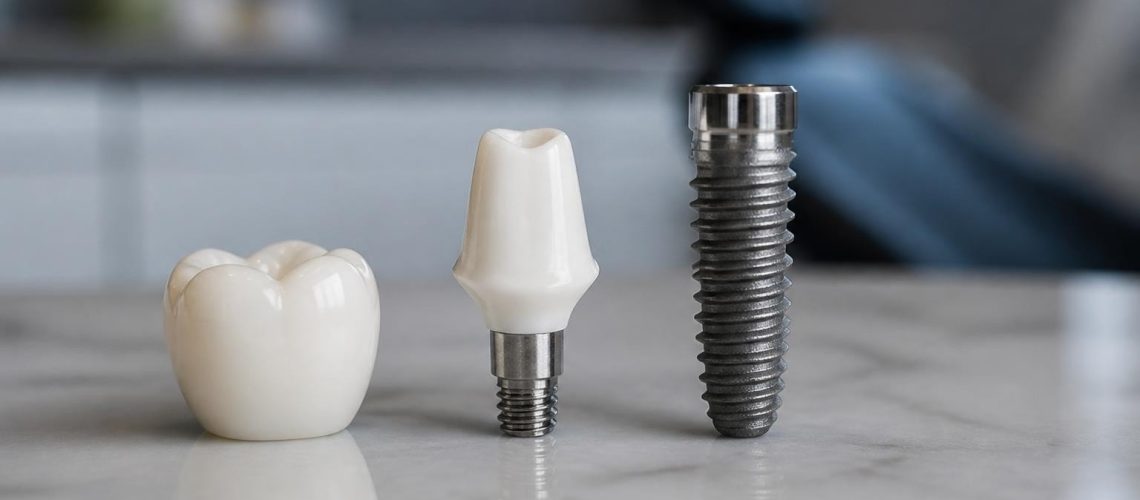
The Three-Part Implant System
The implant fixture represents the foundation of the restoration. This titanium post is surgically placed into your jawbone, acting as an artificial tooth root. The abutment connects the implant fixture to the visible crown. Finally, the dental crown sits atop the abutment, providing the visible, functional tooth replacement.
Cost breakdown by component:
- Implant fixture (surgical placement): $1,500-$2,500
- Abutment: $300-$700
- Custom crown: $1,000-$3,000
- Total typical range: $3,000-$6,000
These figures represent national averages, and Texas pricing typically falls within this spectrum. According to recent data from the National Institute of Dental and Craniofacial Research, single dental implant costs frequently exceed $3,000 when accounting for all necessary components and procedures.
Additional Procedures That Affect Total Investment
Many patients require preparatory treatments before implant placement. Bone grafting becomes necessary when jawbone density is insufficient to support an implant. This procedure adds $300-$3,000 depending on graft material and extent. Sinus lifts, required for upper posterior teeth, range from $1,500-$2,500. Tooth extraction, if needed before implant placement, costs between $75-$650 depending on complexity.
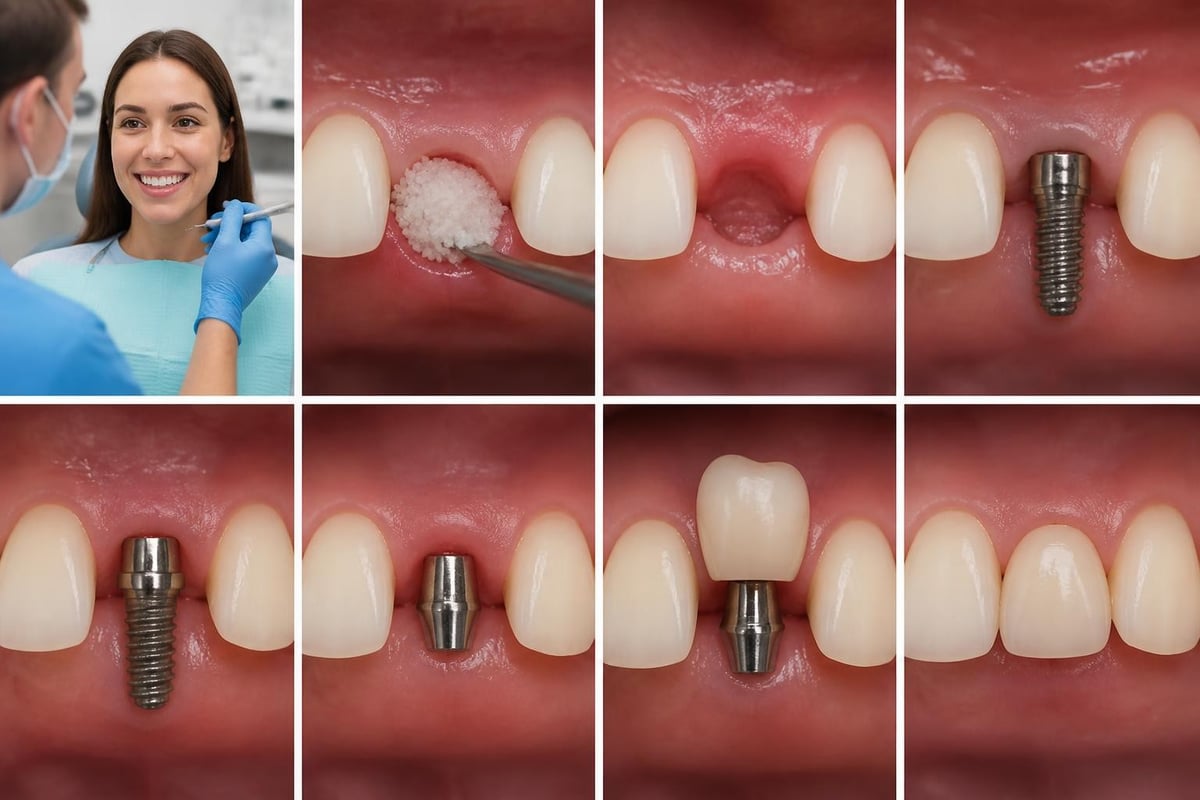
Diagnostic imaging provides essential information for treatment planning. Panoramic X-rays cost $100-$250, while cone beam CT scans range from $300-$600. These imaging tools help your dentist assess bone quality, nerve locations, and optimal implant positioning.
Geographic and Practice Variations in Texas Pricing
Location significantly impacts the single dental implant cost across Texas. Urban centers with higher operating expenses typically charge more than rural communities, though exceptions exist based on competition and local market dynamics.
Texas Regional Cost Patterns
Metropolitan areas like Dallas, Houston, and Austin often see higher pricing due to elevated overhead costs, specialist availability, and market demand. Patients in these cities might pay toward the upper end of the national range. Conversely, communities in South and Central Texas frequently offer more competitive pricing while maintaining quality standards.
| Texas Region | Typical Single Implant Range | Market Factors |
|---|---|---|
| Major Metro (Dallas, Houston, Austin) | $3,800-$6,500 | Higher overhead, specialist concentration |
| Mid-Size Cities (San Antonio area) | $3,200-$5,800 | Balanced competition, moderate costs |
| Smaller Communities | $2,800-$5,200 | Lower overhead, competitive pricing |
Dental Plus Clinic maintains consistent, transparent pricing across all five Texas locations in Beeville, Seguin, New Braunfels, Leander, and Converse. This approach ensures patients receive quality care without geographic price inflation.
Practice Type and Expertise Influence
General dentists who place implants typically charge differently than oral surgeons or periodontists. Specialists bring advanced training and may command higher fees, though this often correlates with complex case expertise. The comparison between dental implants and bridges shows that while implants cost more initially, their longevity often makes them more cost-effective long-term.
Academic dental centers and teaching institutions sometimes offer reduced rates as residents perform procedures under expert supervision. Private practices vary based on technology investment, materials used, and service models. Patients should evaluate both cost and qualifications when selecting a provider.
Material Choices and Quality Considerations
Not all dental implants are created equal. Material selection, manufacturing quality, and brand reputation directly influence both the single dental implant cost and long-term outcomes.
Implant Material Options
Titanium remains the industry standard for implant fixtures due to its biocompatibility and proven osseointegration success. Premium titanium alloys from established manufacturers like Nobel Biocare, Straumann, and Zimmer Biomet command higher prices but offer extensive research backing and warranty programs. Budget-friendly options from newer or overseas manufacturers cost less but may have limited long-term data.
Zirconia implants represent an emerging alternative, particularly for patients with metal sensitivities. These ceramic implants offer excellent aesthetics and biocompatibility but typically cost 20-30% more than titanium options. Their newness in the market means less longitudinal research compared to titanium.
Crown material comparison:
- Porcelain-fused-to-metal: $800-$1,500 (durable, less aesthetic)
- All-ceramic/porcelain: $1,200-$2,500 (superior aesthetics, natural translucency)
- Zirconia: $1,000-$3,000 (strength plus aesthetics, highly durable)
The differences between cheap and premium dental implants extend beyond initial cost to include warranty coverage, component precision, and success rates. Premium systems often feature better-engineered connections, reducing complications and improving longevity.
Technology and Technique Impact
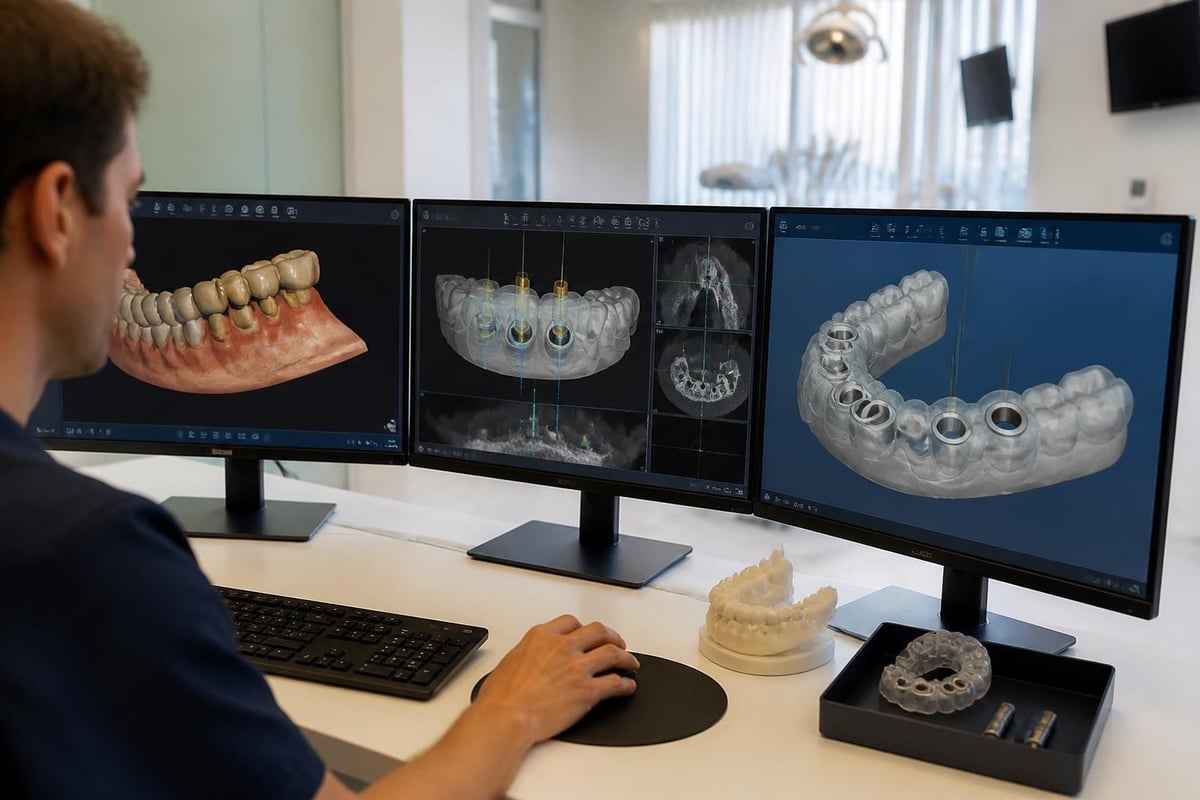
Digital planning and guided surgery increase precision while potentially adding to upfront costs. Computer-guided implant placement ranges from $300-$1,000 additional but improves accuracy and may reduce healing time. CAD/CAM technology for crown fabrication creates precise restorations, sometimes with same-day delivery capability.
Traditional methods cost less initially but may require more appointments and adjustments. For many patients, the convenience and predictability of modern technology justify the investment. Dental Plus Clinic utilizes latest dental implant technology to enhance patient outcomes and comfort.
Insurance Coverage and Out-of-Pocket Expenses
Understanding insurance benefits significantly affects your net single dental implant cost. Coverage varies widely based on policy type, provider, and specific circumstances.
Dental Insurance Limitations
Most traditional dental insurance policies categorize implants as elective or cosmetic procedures, resulting in limited or no coverage. When covered, benefits typically apply only to the crown portion, leaving patients responsible for surgical and abutment costs. Annual maximum benefits, usually $1,000-$2,000, rarely cover complete implant treatment.
According to health insurance coverage information, policies that do include implants often impose waiting periods of 6-12 months and may require pre-authorization with documented medical necessity. Understanding these limitations helps set realistic expectations for out-of-pocket expenses.
Some insurance plans cover implants when tooth loss results from accident or trauma rather than decay or periodontal disease. This distinction makes documentation of loss circumstances important for claim submission. Working with your dental office to maximize available benefits can reduce your financial burden.
Medicare and Medicaid Considerations
Traditional Medicare does not cover dental implants, as it excludes most dental procedures. Recent updates to Medicare dental implant coverage confirm this limitation continues in 2026. However, Medicare Advantage plans may offer dental benefits including partial implant coverage, varying significantly by plan and region.
Medicaid dental coverage for adults remains limited in most states, with Texas offering basic services but generally excluding implants. Children covered by Medicaid or CHIP may access more comprehensive benefits. The policy landscape around Medicare and Medicaid dental benefits continues evolving, though major expansions remain uncertain.
Navigating In-Network vs. Out-of-Network Providers
Choosing an in-network provider can reduce your single dental implant cost through negotiated fee schedules. Network dentists agree to maximum fees for specific procedures, providing cost predictability. However, out-of-network benefits often reimburse at lower percentages, increasing patient responsibility.
Understanding in-network vs. out-of-network differences helps you maximize insurance benefits while maintaining provider choice. Dental Plus Clinic works with multiple insurance carriers and can verify your benefits before treatment begins, eliminating surprise costs.
Financing Options and Payment Plans
The single dental implant cost represents a significant investment for most patients. Fortunately, multiple financing solutions make treatment accessible regardless of your immediate budget.
Third-Party Healthcare Financing
Specialized healthcare credit cards like CareCredit offer promotional periods with deferred interest or reduced rates. These programs typically approve applicants quickly and provide credit lines specifically for medical and dental expenses. Detailed dental implant financing options include various repayment terms matching different budgets.
Interest-free periods commonly range from 6-24 months depending on the total amount financed. Understanding promotional terms prevents unexpected interest charges if balances remain after the promotional period expires. Monthly payment calculators help you determine affordable treatment timing.
In-House Payment Plans
Many dental practices, including Dental Plus Clinic, offer direct payment arrangements. These plans divide treatment costs into manageable monthly installments without credit checks or interest charges in many cases. Flexibility in structuring payments makes quality dental care accessible to more patients.
Common financing structures:
- Down payment (typically 10-30% of total cost)
- Monthly installments over 6-18 months
- Interest-free periods with automatic payment enrollment
- Extended terms with modest interest rates for larger treatments
In-house plans often provide more flexible approval criteria than third-party financing, particularly for patients with limited credit history. Discussing financial options during your consultation ensures you understand all available pathways to treatment.
Health Savings Accounts and Flexible Spending Accounts
HSAs and FSAs offer tax-advantaged ways to pay for dental implants. Both account types allow pre-tax dollars to cover qualified medical expenses, effectively reducing your single dental implant cost by your marginal tax rate. HSA funds roll over annually and earn interest, while FSA balances typically follow use-it-or-lose-it rules with annual limits.
For 2026, HSA contribution limits are $4,300 for individuals and $8,550 for families. FSA limits are $3,200 annually. Planning implant treatment around these accounts maximizes tax savings. Implant procedures qualify as eligible expenses for both account types, including diagnostic work, surgery, and restorations.
Comparing Implants to Alternative Tooth Replacement Options
Evaluating the single dental implant cost requires context from alternative treatments. Each option offers distinct advantages, limitations, and long-term value propositions.
Dental Bridges Cost Comparison
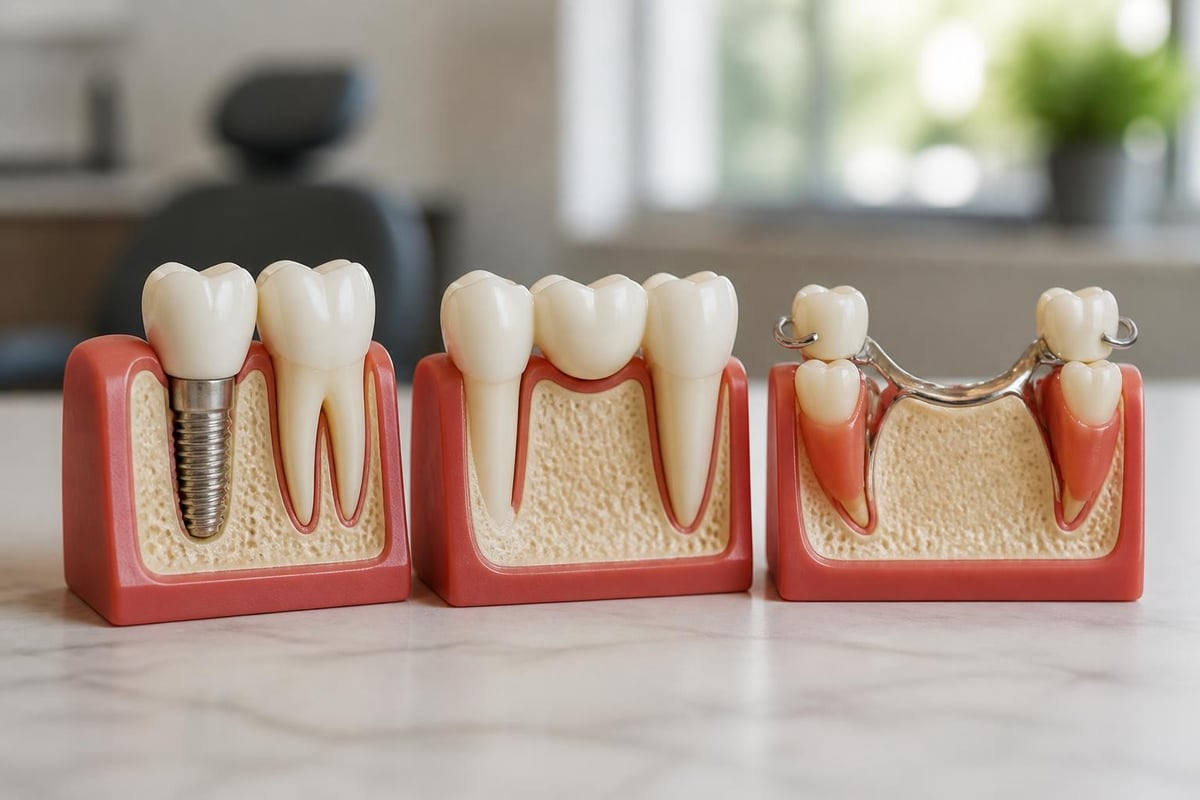
Traditional bridges replace missing teeth by crowning adjacent teeth and suspending a prosthetic tooth between them. Initial costs typically range from $2,000-$5,000 for a three-unit bridge, appearing more affordable than implants. However, bridges require altering healthy adjacent teeth and typically last 10-15 years before replacement.
Research comparing implant costs versus bridge costs over time demonstrates that implants often prove more economical over 20-30 years when accounting for replacements and maintenance. Implants preserve adjacent teeth, maintain jawbone density, and frequently last 25+ years with proper care.
| Feature | Single Implant | Traditional Bridge |
|---|---|---|
| Initial Cost | $3,000-$6,000 | $2,000-$5,000 |
| Lifespan | 25+ years | 10-15 years |
| Adjacent Teeth | Preserved | Must be crowned |
| Bone Preservation | Yes | No |
| Cleanability | Like natural tooth | Special flossing required |
The detailed comparison of dental implants versus bridges helps patients understand which option suits their clinical situation and financial preferences.
Removable Partial Dentures
Partial dentures represent the most budget-friendly initial option, costing $300-$5,000 depending on materials and teeth replaced. These removable appliances clip onto remaining teeth, restoring function and appearance. However, they require regular removal for cleaning, may feel bulky, and can accelerate bone loss in edentulous areas.
Comfort and stability challenges lead many partial denture wearers to eventually pursue implants. When viewed as a temporary solution rather than permanent replacement, partials serve patients needing immediate affordability while saving for implant treatment. Some patients combine approaches, using partials during implant healing periods.
When Implants Provide Superior Value
Despite higher initial investment, implants excel in specific situations. Young patients benefit from implants' longevity, avoiding repeated replacements throughout their lifetime. Single missing teeth in visible areas favor implants for superior aesthetics without compromising adjacent teeth. Patients prioritizing bone preservation find implants prevent the resorption that occurs with other options.
The long-term investment value of dental implants extends beyond financial considerations to quality of life, confidence, and oral health preservation. For many patients, these benefits justify the single dental implant cost difference compared to alternatives.
Regional Cost Data and Texas-Specific Considerations
Understanding how Texas compares to national averages and what factors drive local pricing variations helps set realistic budget expectations.
Texas Position in National Cost Rankings
Texas dental implant costs typically align closely with national averages, though variation exists within the state. Geographic cost data by state shows Texas falling in the middle range nationally, with costs lower than Northeast and West Coast states but comparable to other Southern and Southwestern regions.
Urban Texas markets see pricing similar to other mid-sized metropolitan areas nationwide. Rural Texas often offers particularly competitive pricing due to lower overhead and cost of living. This creates opportunities for patients willing to travel within the state for treatment.
Cost Considerations Across Dental Plus Clinic Locations
Dental Plus Clinic's five Texas locations maintain consistent pricing structures while serving diverse communities. The Seguin location serves Guadalupe County patients, while the Leander facility provides convenient access for Williamson County residents. New Braunfels, Beeville, and Converse offices ensure comprehensive coverage across Central and South Texas.
This multi-location approach eliminates the need to travel to major metropolitan centers for quality implant care. Patients receive identical treatment standards and pricing regardless of which office they choose, with the convenience of selecting the most accessible location for their needs.
Factors Driving Texas Dental Costs
Several elements influence the single dental implant cost specifically in Texas. The state's regulatory environment affects practice overhead and administrative expenses. Texas maintains competitive laboratory costs, keeping crown fabrication expenses reasonable. Material costs remain relatively consistent nationwide, though shipping and handling vary slightly by location.
Provider competition in populated areas creates pricing pressure, benefiting patients through competitive rates and package offerings. Conversely, underserved rural areas may have limited provider options but lower operating costs. These factors balance differently across Texas regions, creating the observed pricing variations.
Maximizing Value and Minimizing Your Investment
Strategic planning and informed decision-making can significantly reduce your net single dental implant cost without compromising quality or outcomes.
Timing Considerations
Dental insurance benefits reset annually, allowing patients to split treatment across calendar years. Placing the implant fixture in late 2026 and completing the crown in early 2027 maximizes two years of benefits. This strategy works particularly well when approaching annual maximum limits.
Tax planning around HSA and FSA contributions allows pre-tax dollars to cover treatment costs. Contributing the maximum allowed and scheduling treatment after sufficient funds accumulate provides substantial savings through tax deductions. End-of-year FSA balances create opportunities to schedule procedures before forfeiting unused funds.
Package Pricing and Multiple Implants
Patients needing multiple implants often receive per-tooth discounts when treating several areas simultaneously. Economies of scale reduce per-implant costs for surgical time, anesthesia, and laboratory work. While this article focuses on single dental implant cost, discussing full-arch options like All-on-4 can provide context for extensive treatment needs.
Some practices offer bundled pricing including all components, preparatory procedures, and follow-up care. These packages provide cost certainty and eliminate surprise charges during treatment. Comparing bundled versus itemized pricing helps identify the most economical approach for your specific situation.
Leveraging Dental School and Residency Programs
Academic institutions with dental schools often provide implant treatment at reduced rates. Supervised residents perform procedures under expert faculty oversight, maintaining quality while reducing costs by 30-50% compared to private practice fees. Treatment typically requires more appointments and extended timeframes due to the educational component.
This option suits patients prioritizing affordability over speed and convenience. Screening processes ensure appropriate case complexity for resident training levels. Urban Texas areas with dental schools provide these opportunities, though availability and wait times vary.
Payment Negotiation and Discount Programs
Many practices offer cash payment discounts, reducing total costs by 5-10% when paying in full before treatment. Senior discounts, military benefits, and employer wellness programs sometimes provide additional savings. Asking about available discounts during consultation can reveal unexpected savings opportunities.
Dental Plus Clinic maintains a savings program for patients without insurance, providing predictable pricing and value-added benefits. These membership programs often include preventive care and treatment discounts, reducing overall dental expenses including implants.
Common Hidden Costs and How to Avoid Them
Understanding potential additional expenses beyond the quoted single dental implant cost prevents budget surprises and financial stress during treatment.
Diagnostic and Preparatory Expenses
Initial consultations may carry separate fees or apply toward treatment when proceeding. Comprehensive examinations including periodontal evaluation, diagnostic imaging, and treatment planning range from $150-$400. Some practices include these in total implant pricing, while others charge separately.
Sedation costs add $200-$800 depending on the type. Nitrous oxide (laughing gas) costs less than oral conscious sedation, which costs less than IV sedation. Discussing anxiety management during consultation helps budget for appropriate sedation while ensuring comfort.
Temporary Restorations
The healing period between implant placement and final crown attachment ranges from 3-6 months. During this time, patients may need temporary solutions to maintain aesthetics and function. Removable temporary partials cost $300-$800, while temporary bonded bridges range from $500-$1,200.
Not all patients require temporaries depending on tooth location and aesthetic concerns. Discussing temporary needs during planning prevents unexpected expenses and ensures you understand the complete timeline and associated costs.
Maintenance and Long-Term Care
While implants themselves don't decay, surrounding gum tissue and bone require proper maintenance. Regular professional cleanings cost $75-$200 per visit. Specialized implant maintenance cleaning may cost slightly more than standard prophylaxis. Periodic X-rays monitoring implant health add $25-$150 depending on imaging type.
Crown replacement, while infrequent, eventually becomes necessary due to normal wear. Replacing the crown while leaving the implant and abutment intact costs $1,000-$2,500, substantially less than complete implant replacement. Proper home care and regular professional maintenance maximize crown and implant lifespan.
Complication Management
Most implants succeed without complications, but failures occur in roughly 5% of cases. Failed implants may require removal and replacement, potentially doubling costs if not covered by warranty. Premium implant systems often include warranty programs covering component replacement, reducing patient financial risk.
Infection treatment, bone loss management, or nerve complications generate additional expenses. Comprehensive treatment planning, proper surgical technique, and appropriate case selection minimize these risks. Choosing experienced providers reduces complication likelihood despite slightly higher fees.
Special Considerations for Specific Patient Populations
Different patient groups face unique challenges and opportunities regarding single dental implant cost and treatment access.
Seniors and Fixed-Income Patients
Retirees often prioritize dental implants after years of wearing removable dentures but face budget constraints on fixed incomes. Medicare's limited dental coverage creates financial challenges, though some Medicare Advantage plans offer partial benefits.
Payment plans with extended terms and low monthly payments make treatment accessible despite limited discretionary income. Some practices offer senior discounts or participate in dental savings programs designed for retirement-age patients. The long-term value proposition particularly benefits seniors, as properly placed implants typically last for life.
Young Adults and Long-Term Investment
Patients in their 20s and 30s who lose teeth to trauma or congenital absence face decades of using their tooth replacement. Implants' longevity makes them ideal for younger patients despite higher initial costs compared to bridges or partials. Avoiding repeated replacements throughout life yields substantial savings and reduced dental chair time.
Financing options particularly suit young professionals with growing income trajectories but limited current savings. Starting with implant treatment early preserves bone and prevents complications from prolonged tooth absence. Parents considering dental implants for young adults should weigh long-term value against current budget constraints.
Patients Without Insurance
The uninsured patient population faces the full single dental implant cost without insurance offsets. However, various strategies make treatment accessible. Dental savings plans provide discounted fee schedules for annual membership fees, reducing implant costs by 10-40%.
Direct payment arrangements, third-party financing, and treatment phasing spread costs over time. Some practices offer special pricing for uninsured patients paying cash, recognizing reduced administrative burden. Exploring all available options during consultation reveals pathways to treatment regardless of insurance status.
Making Your Decision: Value Beyond Price
While understanding the single dental implant cost is essential, the decision involves factors beyond immediate financial outlay.
Quality of Life Improvements
Dental implants restore confident smiling, comfortable eating, and natural speech. These benefits affect professional success, social interactions, and personal wellbeing in ways difficult to quantify financially. Patients consistently report improved quality of life after implant treatment, valuing functionality and aesthetics beyond monetary considerations.
The psychological impact of tooth loss includes social anxiety, dietary limitations, and reduced self-esteem. Implants eliminate these challenges, often justifying their cost through intangible life improvements. Comparing the value of restored confidence against the price of treatment provides important perspective.
Oral Health Protection
Implants prevent bone resorption that occurs after tooth loss, maintaining facial structure and preventing the sunken appearance associated with missing teeth. They preserve adjacent teeth by eliminating the need for bridge preparation. These protective benefits reduce future dental expenses and health complications.
The cascade of problems following untreated tooth loss includes shifting teeth, TMJ issues, and additional tooth loss. Addressing missing teeth promptly with implants prevents these complications, reducing lifetime dental costs despite higher initial investment compared to other options.
Treatment Success Factors
Success rates exceed 95% when proper case selection, surgical technique, and patient compliance align. Choosing qualified providers, following post-operative instructions, and maintaining oral hygiene maximize treatment success. The investment proves worthwhile only when implants integrate successfully and function long-term.
Discussing your specific medical history, bone quality, and expectations during consultation helps determine candidacy. Not all patients make ideal implant candidates, and alternative treatments may prove more appropriate in some situations. Honest professional assessment protects both your health and financial investment.
Questions to Ask During Your Consultation
Arriving at your implant consultation prepared with relevant questions helps you understand total costs and make informed decisions.
Essential cost-related questions:
- What is the all-inclusive price for my specific treatment?
- Which components are included in the quoted price?
- What additional procedures might become necessary?
- Do you offer payment plans or financing options?
- What happens if the implant fails during the warranty period?
- How do insurance benefits apply to my treatment?
- Are there opportunities for cost savings through timing or payment method?
Understanding the complete financial picture before committing to treatment prevents surprises and ensures you can comfortably afford the investment. Transparency from your dental provider builds trust and facilitates successful treatment relationships.
Quality and outcome questions:
- What implant system do you use and why?
- How many implants have you personally placed?
- What is your success rate for cases similar to mine?
- What technology do you use for planning and placement?
- What are realistic expectations for my specific situation?
Balancing cost considerations with quality factors ensures you receive value rather than simply the lowest price. The cheapest option rarely proves most economical when accounting for success rates, longevity, and patient satisfaction.
Understanding the single dental implant cost empowers you to make informed decisions about your oral health investment. While prices vary based on numerous factors, quality care remains accessible through strategic planning, financing options, and informed provider selection. Dental Plus Clinic offers transparent pricing, advanced technology, and flexible payment solutions across five convenient Texas locations, making your journey to a complete, confident smile both achievable and affordable.