
A bright, white smile has become one of the most sought-after aesthetic qualities in modern society. While over-the-counter whitening products flood the market with promises of dramatic results, professional teeth whitening treatments performed by a qualified teeth whitening dentist remain the gold standard for achieving safe, effective, and long-lasting results. Understanding the difference between professional dental treatments and at-home alternatives can help you make informed decisions about your oral health and cosmetic goals.
Understanding Professional Teeth Whitening
Professional teeth whitening treatments administered by a teeth whitening dentist use higher concentrations of bleaching agents compared to retail products. These treatments are performed under controlled conditions with proper safety protocols to protect your gums, tooth enamel, and overall oral health.
Dentists typically use hydrogen peroxide or carbamide peroxide as the active whitening ingredient. Professional-grade formulations contain concentrations ranging from 15% to 40%, significantly higher than the 3% to 10% found in store-bought products.
Types of Professional Whitening Treatments
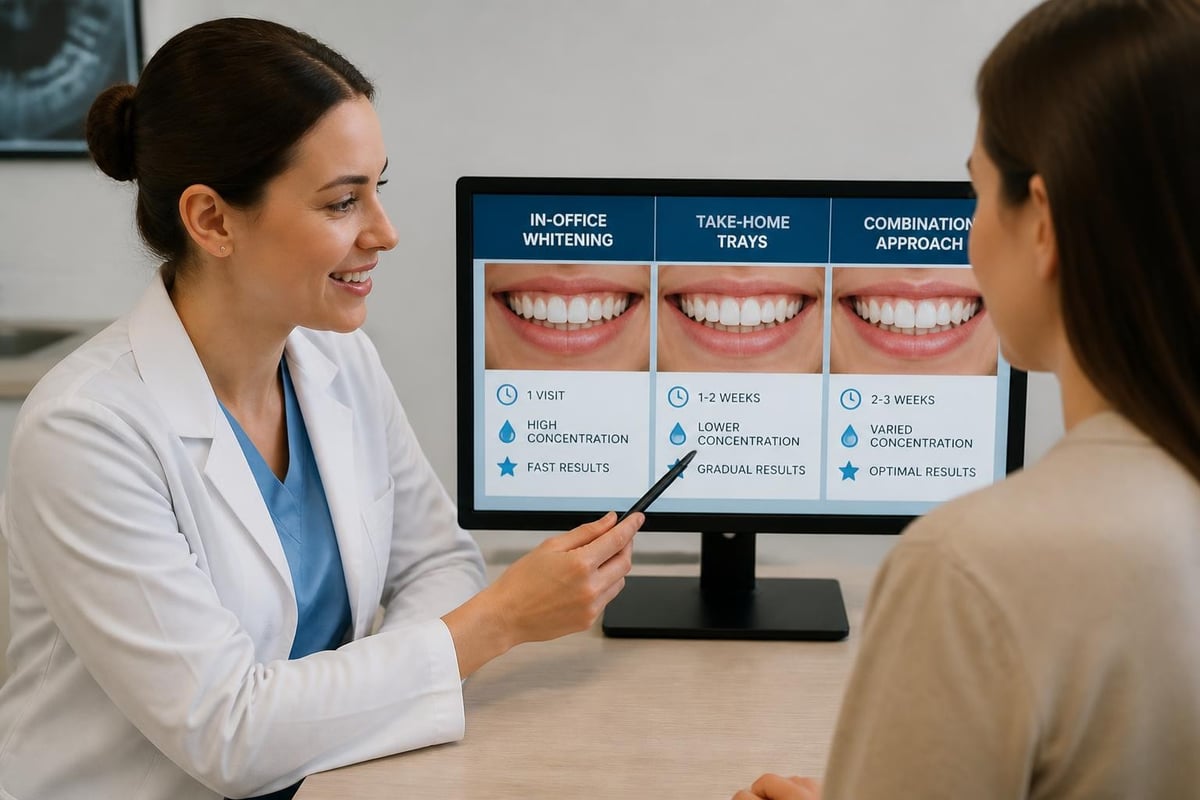
In-Office Whitening
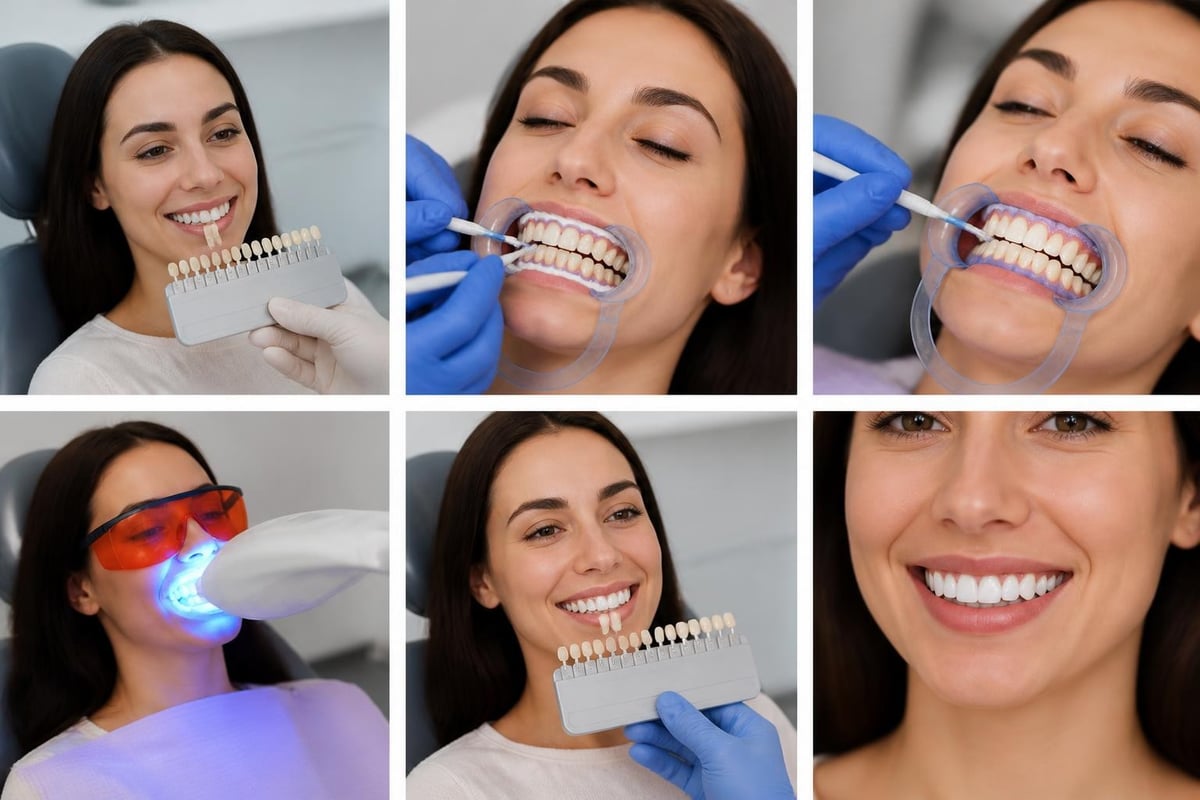
This procedure delivers the most dramatic results in the shortest time. A teeth whitening dentist applies a protective barrier to your gums before applying a concentrated bleaching gel to your teeth. Many treatments incorporate specialized LED lights or lasers to activate the whitening agents and accelerate the process.
- Treatment duration: 60 to 90 minutes
- Results visible: Immediately
- Whitening levels: Up to 8 shades lighter
- Number of sessions: Typically one, sometimes two
Custom Take-Home Trays
Dentists create custom-fitted whitening trays based on impressions of your teeth. These trays ensure even distribution of the whitening gel and prevent irritation to your gums. The treatment involves wearing the trays with professional-strength gel for specified periods over several weeks.
Combination Treatments
Many dental professionals recommend combining in-office treatments with take-home maintenance kits. This approach delivers immediate results while providing ongoing whitening support for sustained brightness.
Why Choose a Teeth Whitening Dentist Over DIY Options
The expertise of a professional teeth whitening dentist extends beyond simply applying bleaching agents. According to safety information from the American Dental Association, professional supervision ensures appropriate treatment selection and minimizes risks associated with whitening procedures.
Professional Assessment and Customization
Before any whitening treatment begins, a dentist performs a comprehensive oral examination. This assessment identifies potential complications that could affect treatment success or safety.
Pre-Treatment Evaluation
Your dentist checks for:
- Existing cavities requiring treatment before whitening
- Gum disease or recession that might cause sensitivity
- Exposed tooth roots vulnerable to bleaching agents
- Previous dental work including crowns, veneers, or fillings
- Intrinsic stains requiring alternative treatments
This thorough evaluation prevents complications and ensures realistic expectations. For instance, existing dental restorations won't respond to whitening treatments, which may necessitate replacement after whitening to maintain color consistency.
Superior Results and Longevity
Professional treatments deliver more dramatic and longer-lasting results than over-the-counter alternatives. While retail whitening strips might lighten teeth by two or three shades, a teeth whitening dentist can achieve improvements of six to eight shades in a single session.
The longevity difference is equally significant. Professional whitening results typically last between one and three years with proper maintenance, while store-bought products may require continuous reapplication for temporary improvements.
| Treatment Type | Whitening Concentration | Shades Improved | Results Duration | Cost Range |
|---|---|---|---|---|
| In-Office Professional | 25-40% peroxide | 6-8 shades | 1-3 years | $500-$1,200 |
| Custom Take-Home | 10-20% peroxide | 4-6 shades | 6-12 months | $300-$600 |
| Over-the-Counter Strips | 3-10% peroxide | 2-3 shades | 2-4 months | $20-$100 |
| Whitening Toothpaste | Minimal peroxide | 1 shade | Temporary | $5-$15 |
The Professional Whitening Process
Understanding what happens during a professional teeth whitening appointment helps reduce anxiety and sets appropriate expectations. At Dental Plus Clinic, the process follows a systematic approach designed for optimal results and patient comfort.
Initial Consultation
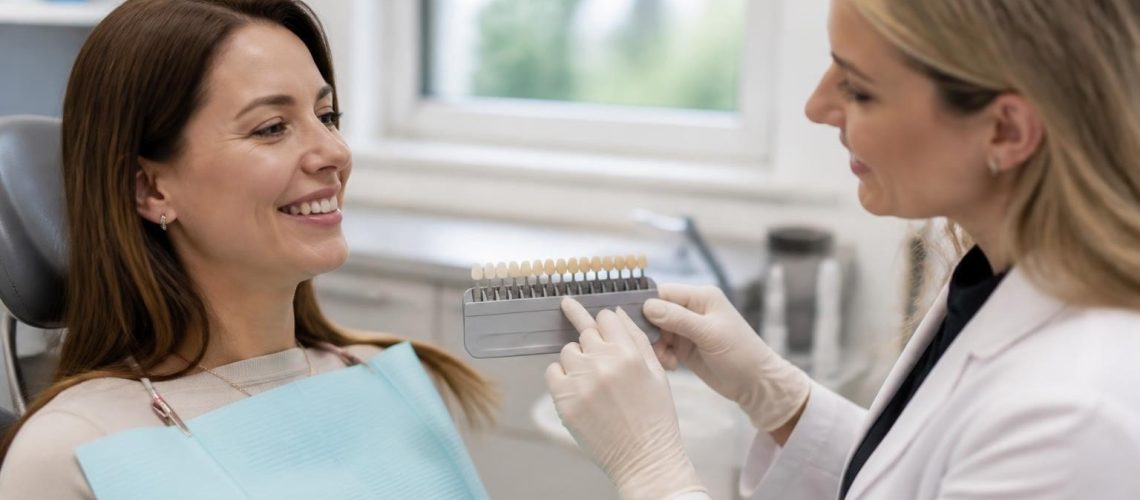
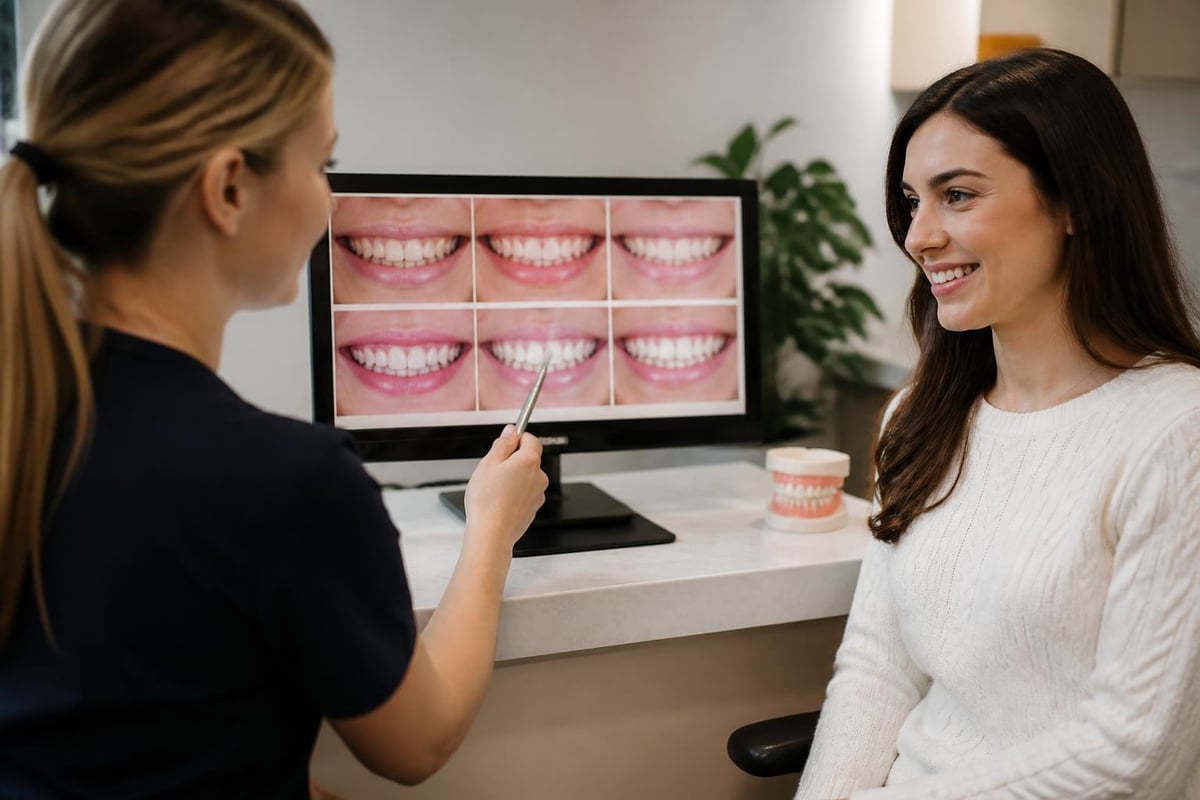
Your first appointment focuses on evaluation and planning. The teeth whitening dentist examines your teeth, discusses your aesthetic goals, and determines the most appropriate treatment approach. This consultation includes shade assessment using standardized color guides to establish baseline measurements and track progress.
During this visit, your dentist photographs your teeth for comparison purposes and discusses factors that might influence treatment outcomes, such as lifestyle habits, dietary preferences, and expectations for shade improvement.
Treatment Day Preparation
Before applying whitening agents, the dentist takes several preparatory steps:
- Professional cleaning to remove plaque and surface stains
- Shade documentation using standardized color charts
- Application of protective barriers to gums and soft tissues
- Isolation of teeth using specialized dental instruments
- Ensuring the treatment area is completely dry
Application and Activation
The teeth whitening dentist carefully applies the professional-grade bleaching gel to the surface of each tooth. For accelerated treatments, a specialized light or laser may be positioned to activate the whitening compounds. The gel typically remains on teeth for 15 to 20 minutes before removal and reapplication.
Most in-office treatments involve three to four application cycles during a single appointment, with each cycle intensifying the whitening effect.
Safety Considerations and Side Effects
The Cleveland Clinic discusses teeth whitening safety, noting that professional treatments under dental supervision present minimal risks when performed correctly. However, understanding potential side effects helps patients prepare and manage discomfort.
Common Temporary Side Effects
Tooth Sensitivity
The most frequently reported side effect is increased tooth sensitivity to temperature extremes. This sensitivity occurs because whitening agents temporarily open pores in tooth enamel, exposing dentin tubules that connect to nerve endings.
A qualified teeth whitening dentist minimizes sensitivity through:
- Pre-treatment desensitizing agents
- Careful concentration selection based on patient history
- Fluoride treatments post-whitening
- Customized treatment duration adjustments
- Prescription-strength sensitivity relief products
Most sensitivity resolves within 24 to 48 hours after treatment completion. If you're concerned about sensitivity management, Dental Plus Clinic’s approach to patient comfort prioritizes pain-free solutions for all procedures.
Gum Irritation
Improper application or poorly fitted whitening trays can cause gum irritation. Professional treatments use protective barriers and precise application techniques to prevent gel contact with soft tissues. When irritation occurs, it typically resolves quickly without intervention.
When Professional Whitening Isn't Appropriate
Certain conditions require alternative cosmetic treatments. A teeth whitening dentist will recommend different approaches for:
- Severely discolored or damaged teeth requiring veneers
- Teeth with significant enamel erosion
- Pregnant or nursing patients
- Individuals with extreme tooth sensitivity
- Patients with allergies to peroxide compounds
For patients seeking comprehensive smile transformations, cosmetic dental treatment options extend beyond whitening to include veneers, bonding, and complete smile makeovers.
Comparing Costs and Value
Professional teeth whitening represents a significant investment in your appearance and confidence. Understanding the cost structure helps you make informed financial decisions.
Professional Treatment Investment
In-office whitening treatments at a teeth whitening dentist typically range from $500 to $1,200 per session, depending on geographic location, practice overhead, and technology used. Custom take-home systems cost between $300 and $600, including professional-grade gel and custom trays.
Value Considerations Beyond Price
- Supervised treatment minimizes health risks
- Customized approach addresses individual needs
- Dramatic, immediate results save time
- Professional maintenance guidance extends results
- Access to corrective treatments if issues arise
Many dental practices offer financing options or payment plans to make professional whitening more accessible. Questions about managing dental care costs can often be addressed during your consultation.
Insurance Coverage
Most dental insurance plans classify teeth whitening as a cosmetic procedure and don't provide coverage. However, some exceptions exist:
- Whitening following trauma-related discoloration
- Treatment for medication-induced staining
- Whitening as part of comprehensive smile restoration
Check with your insurance provider about specific coverage terms before scheduling treatment.
Maintaining Your Whitening Results
The longevity of professional whitening results depends significantly on post-treatment care and lifestyle modifications. Your teeth whitening dentist provides specific maintenance guidelines, but general principles apply to all patients.
Dietary Modifications
Foods and Beverages to Limit
- Coffee and tea (major staining culprits)
- Red wine and dark sodas
- Berries and tomato-based sauces
- Dark chocolate and soy sauce
- Balsamic vinegar and colored condiments
When consuming staining substances, use a straw to minimize contact with front teeth, and rinse your mouth with water immediately afterward.
Whitening-Friendly Choices
Certain foods naturally clean teeth and help maintain brightness:
- Crunchy vegetables like celery and carrots
- Apples and pears with high water content
- Dairy products containing calcium
- Strawberries with natural malic acid
- Nuts that scrub tooth surfaces
Oral Hygiene Protocol
Maintaining results requires diligent oral care. Brush teeth twice daily with whitening toothpaste approved by your teeth whitening dentist, and floss daily to remove particles that can cause staining. Understanding proper brushing and flossing techniques ensures effective plaque removal.
Professional Maintenance Appointments
Schedule regular cleanings every six months to remove surface stains and maintain oral health. Many dentists offer touch-up whitening treatments during these appointments at reduced costs for existing whitening patients.
Alternative and Complementary Treatments
While professional whitening addresses external tooth discoloration, some staining requires different approaches. A comprehensive teeth whitening dentist evaluates whether standard whitening will achieve your goals or if alternative treatments are necessary.
Internal Bleaching for Root Canal Teeth
Teeth that have undergone root canal treatment often darken from the inside. Internal bleaching involves placing whitening agents inside the tooth chamber to address intrinsic discoloration that external whitening can't reach.
Veneers and Bonding
For teeth with severe staining, structural damage, or shape irregularities, porcelain veneers or composite bonding may provide superior aesthetic results. These treatments permanently alter tooth appearance and can achieve shade improvements beyond what bleaching alone delivers.
Combination Cosmetic Approaches
Many patients achieve optimal results through multiple cosmetic procedures. A teeth whitening dentist might recommend whitening existing teeth before placing veneers on front teeth, ensuring color harmony across your entire smile. What a cosmetic dentist can do extends far beyond single procedures to comprehensive smile transformations.
Addressing Common Whitening Concerns
Patients frequently have questions and concerns about professional teeth whitening. Understanding facts versus myths helps you approach treatment with confidence.
Will Whitening Damage My Enamel?
Research consistently shows that professional teeth whitening performed by a qualified teeth whitening dentist does not damage tooth enamel when proper protocols are followed. The temporary porosity that causes sensitivity reverses naturally, and enamel structure remains intact.
According to guidance on safe teeth whitening methods, professional treatments using approved concentrations and application techniques present minimal risk to dental health.
How White Can My Teeth Get?
Natural tooth color varies significantly among individuals based on genetics, age, and lifestyle factors. While professional whitening can dramatically improve brightness, limitations exist. A teeth whitening dentist provides realistic expectations based on your starting shade and tooth characteristics.
Most patients achieve satisfying results within the natural white spectrum. Attempting unnaturally bright shades can result in a artificial appearance that doesn't complement facial features.
Why Don't My Results Match My Friend's Results?
Individual responses to whitening treatments vary based on:
- Original tooth shade and underlying dentin color
- Enamel thickness and translucency
- Type and depth of existing stains
- Age-related changes in tooth structure
- Lifestyle habits affecting staining
Your teeth whitening dentist customizes treatment parameters to optimize your individual results rather than applying a one-size-fits-all approach.
Special Populations and Whitening
Certain groups require special consideration when pursuing professional teeth whitening treatments.
Adolescent Patients
Most dental professionals recommend waiting until permanent teeth have fully matured before pursuing whitening treatments. The pulp chambers in young teeth are larger, increasing sensitivity risk. A teeth whitening dentist evaluates dental development before recommending treatment for teenage patients, typically suggesting waiting until age 14 or older.
Patients with Sensitive Teeth
Individuals with existing tooth sensitivity can still pursue professional whitening with appropriate modifications:
| Sensitivity Management Strategy | Application | Effectiveness |
|---|---|---|
| Desensitizing toothpaste | 2 weeks before treatment | Reduces nerve response |
| Lower concentration gels | Extended treatment duration | Minimizes discomfort |
| Shorter application periods | Multiple sessions | Gradual whitening |
| Potassium nitrate treatments | Pre and post-whitening | Blocks pain signals |
| Fluoride varnish application | Immediately after whitening | Strengthens enamel |
Understanding tooth sensitivity causes and management helps your dentist develop an appropriate treatment plan.
Pregnancy and Nursing
While limited research suggests professional whitening poses minimal risk during pregnancy, most dentists recommend postponing elective cosmetic procedures until after delivery and nursing completion. This conservative approach prioritizes fetal and infant safety.
Technology Advances in Professional Whitening
The field of cosmetic dentistry continually evolves with technological innovations that improve whitening efficacy and patient comfort. Modern teeth whitening dentist practices incorporate advanced systems that deliver superior results.
LED and Laser Activation Systems
Contemporary in-office whitening systems use specific light wavelengths to activate bleaching compounds, accelerating the chemical reactions that break down stain molecules. These systems reduce treatment time while improving whitening depth.
Benefits of Advanced Activation Technology
- Reduced chair time for busy patients
- More consistent whitening across all teeth
- Enhanced penetration of bleaching agents
- Lower sensitivity incidence
- Predictable, reproducible results
Custom Tray Manufacturing
Digital impression technology has revolutionized custom whitening tray fabrication. Instead of traditional messy impression materials, dentists now use intraoral scanners to create precise digital models of your teeth. Computer-aided design and 3D printing produce perfectly fitted trays that ensure even gel distribution and comfortable wear.
Whitening Gel Innovations
Recent formulations incorporate ingredients that reduce sensitivity while maintaining whitening effectiveness. Potassium nitrate, fluoride, and amorphous calcium phosphate strengthen enamel and minimize discomfort during treatment.
Choosing the Right Teeth Whitening Dentist
Selecting a qualified professional for your whitening treatment requires careful consideration. Not all dental practices offer the same level of expertise or use equivalent products and techniques.
Credentials and Experience
Verify that your prospective teeth whitening dentist has:
- Active state dental licensure without disciplinary actions
- Membership in professional organizations like the American Dental Association
- Continuing education in cosmetic dentistry procedures
- Multiple years of experience performing whitening treatments
- Positive patient reviews and testimonials
Treatment Options and Technology
Progressive dental practices offer multiple whitening approaches and use current technology. During your consultation, ask about:
- Available whitening systems and their differences
- Typical results patients achieve
- Management protocols for sensitivity
- Follow-up care and maintenance programs
- Before-and-after photography of actual patients
Selecting the right cosmetic dentist involves evaluating qualifications, experience, and patient care philosophy.
Accessibility and Convenience
Consider practical factors when choosing your teeth whitening dentist:
- Office location and hours compatible with your schedule
- Availability of multiple locations for convenience
- Emergency contact availability for post-treatment concerns
- Payment options and financing availability
- Professional, responsive office staff
With five convenient locations across Texas in Beeville, Seguin, New Braunfels, Leander, and Converse, accessibility becomes a significant advantage when selecting a dental care provider.
Understanding Treatment Limitations
Professional teeth whitening delivers impressive results for many patients, but understanding its limitations prevents disappointment and ensures appropriate treatment selection.
Whitening Won't Change Existing Dental Work
Dental restorations including crowns, veneers, bridges, and fillings don't respond to bleaching agents. If you have visible restorations on front teeth, whitening your natural teeth may create color mismatches requiring restoration replacement.
A thorough teeth whitening dentist discusses these considerations during consultation and helps you plan sequencing for dental work. Typically, whitening comes first, followed by restoration placement or replacement to match your newly brightened smile.
Intrinsic Stains Require Different Approaches
Some discoloration originates within tooth structure rather than on the surface. Intrinsic stains from:
- Tetracycline antibiotic use during tooth development
- Excessive fluoride exposure causing fluorosis
- Trauma-related internal tooth damage
- Genetic conditions affecting enamel formation
These conditions may respond poorly to standard whitening. Your teeth whitening dentist might recommend internal bleaching, veneers, or bonding for optimal aesthetic improvement.
Age-Related Color Changes
As we age, tooth enamel naturally thins, revealing more of the yellowish dentin beneath. While professional whitening can improve brightness, it cannot completely reverse structural changes associated with aging. Realistic expectations aligned with natural tooth anatomy ensure satisfaction with results.
Post-Whitening Care Instructions
Following your teeth whitening dentist's post-treatment instructions maximizes results and minimizes complications.
Immediate Aftercare (First 48 Hours)
The first two days following whitening treatment are critical for achieving optimal results. During this period:
Avoid all staining substances including coffee, tea, red wine, dark sodas, berries, tomato sauce, soy sauce, and tobacco products. Your tooth enamel remains more porous immediately after treatment, making it particularly vulnerable to staining.
Stick to white or light-colored foods such as chicken, fish, white rice, pasta with white sauce, bananas, and clear beverages. This "white diet" protects your investment during the critical setting period.
Skip the lipstick for the first day, as pigmented cosmetics can transfer to sensitive teeth.
Manage sensitivity using products recommended by your teeth whitening dentist, typically including sensitivity toothpaste and avoiding extreme temperature foods and beverages.
Long-Term Maintenance Guidelines
Beyond the initial recovery period, sustaining your bright smile requires ongoing commitment:
- Brush twice daily with whitening toothpaste
- Floss daily to remove stain-causing particles
- Rinse after consuming staining foods or beverages
- Use touch-up treatments as recommended
- Schedule regular professional cleanings
- Avoid tobacco products entirely
Debunking Whitening Myths
Misconceptions about teeth whitening create unnecessary confusion and concern. Your teeth whitening dentist can address these common myths with evidence-based facts.
Myth: Whitening Weakens Teeth
Reality: Professional whitening does not weaken tooth structure when performed correctly. Studies demonstrate that approved whitening agents don't compromise enamel integrity or increase cavity risk. Temporary sensitivity occurs but resolves without permanent damage.
Myth: Natural Remedies Work Just as Well
Reality: Internet recommendations for lemon juice, baking soda, or activated charcoal carry risks without proven benefits. The Oral Health Foundation explains effective tooth whitening and warns against unproven home remedies that can damage enamel through excessive abrasion or acid erosion.
Myth: One Treatment Lasts Forever
Reality: All whitening results fade over time due to natural aging and exposure to staining substances. Professional treatments deliver longer-lasting results than over-the-counter products, but maintenance remains necessary. Most patients benefit from touch-ups every 12 to 24 months.
Myth: Whitening Works for Everyone
Reality: While most patients achieve satisfying improvements, certain stains and conditions respond poorly to bleaching. Gray-toned discoloration, severe tetracycline staining, and intrinsic defects may require alternative cosmetic treatments for optimal results.
The Role of Professional Guidance
The expertise a teeth whitening dentist brings extends beyond technical skill in applying bleaching agents. Comprehensive understanding of oral health, cosmetic principles, and individual patient needs creates treatment plans that deliver safe, effective, and aesthetically pleasing outcomes.
Holistic Smile Assessment
Professional whitening represents one component of overall smile aesthetics. Your dentist evaluates tooth alignment, gum health, lip position, facial proportions, and smile symmetry to ensure whitening complements your complete appearance rather than existing as an isolated improvement.
Coordinating Multiple Treatments
Many patients pursue whitening as part of broader smile makeovers. A teeth whitening dentist coordinates timing and sequencing of procedures including orthodontics, veneers, bonding, and gum contouring to achieve harmonious results. Understanding comprehensive cosmetic options helps patients visualize complete smile transformations.
Ongoing Professional Relationship
Establishing care with a teeth whitening dentist creates a foundation for long-term oral health and aesthetic maintenance. Regular visits allow monitoring of whitening longevity, timely touch-up recommendations, and early detection of any concerns requiring attention.
Evaluating At-Home Alternatives
While professional treatment delivers superior results, understanding retail whitening products helps you make informed decisions about supplemental maintenance between professional treatments.
Whitening Strips
Dentist-recommended whitening strips offer convenience and modest improvements for maintenance purposes. These thin, flexible strips coated with peroxide gel adhere to teeth for specified periods. However, they contain lower bleaching agent concentrations than professional treatments and may not whiten evenly due to imperfect contact with tooth surfaces.
Whitening Trays
Over-the-counter tray systems provide better gel coverage than strips but suffer from poor fit compared to custom professional trays. Ill-fitting trays allow gel leakage, reducing effectiveness while increasing gum irritation risk.
Whitening Toothpaste and Rinses
These products remove surface stains through mild abrasives but don't change intrinsic tooth color. They serve as maintenance tools following professional whitening rather than standalone whitening solutions. Differences between mouthwashes include various active ingredients targeting specific oral health needs.
When to Seek Professional Treatment Instead
Choose professional whitening with a teeth whitening dentist when you:
- Want dramatic improvements quickly
- Have tried over-the-counter products without satisfactory results
- Experience tooth sensitivity from retail products
- Need whitening coordinated with other dental treatments
- Value safety and predictability over cost savings
Preparing for Your Whitening Appointment
Proper preparation ensures smooth treatment and optimal results. Your teeth whitening dentist provides specific instructions, but general guidelines apply to most patients.
Schedule Professional Cleaning First
Professional cleaning removes plaque and tartar that can interfere with whitening gel contact. Clean teeth allow even bleaching agent distribution and maximize treatment effectiveness. Many dental practices bundle cleaning with whitening appointments for convenience and cost efficiency.
Address Existing Dental Issues
Complete necessary dental work before whitening. Untreated cavities can allow bleaching agents to reach inner tooth structures, causing pain and complications. Gum disease requires management before pursuing elective cosmetic procedures. Understanding cavity detection and treatment prevents delays in your whitening timeline.
Avoid Staining Substances Pre-Treatment
Minimize coffee, tea, red wine, and tobacco use for several days before your appointment. Starting with teeth as stain-free as possible enhances whitening effectiveness and result visibility.
Plan Post-Treatment Schedule
Arrange your whitening appointment when you can follow aftercare instructions without disruption. Avoid scheduling immediately before important events where diet restrictions might prove inconvenient.
Regional Considerations for Texas Patients
For patients seeking a teeth whitening dentist in Texas, understanding regional factors helps optimize your treatment experience.
Climate and Lifestyle Factors
Texas heat and outdoor lifestyle mean many residents consume iced tea, coffee, and other staining beverages regularly. Discussing lifestyle factors with your dentist allows realistic planning for results maintenance in your environment.
Accessibility Across Multiple Locations
Texas residents benefit from dental practices with multiple locations offering consistent quality care across communities. Whether you're in Beeville, Seguin, New Braunfels, Leander, or Converse, accessing professional whitening services shouldn't require extensive travel.
Cultural Considerations
Texas's diverse population means teeth whitening dentist practices serve patients from varied cultural backgrounds with different aesthetic preferences and expectations. Professional dentists customize treatment plans respecting individual beauty standards and personal goals.
Professional teeth whitening represents a valuable investment in your appearance and confidence when performed by a qualified teeth whitening dentist using proven techniques and professional-grade materials. Understanding treatment options, expected results, and maintenance requirements helps you achieve and sustain the bright, beautiful smile you desire. At Dental Plus Clinic, our experienced team combines advanced whitening technology with personalized care to deliver exceptional results across all five Texas locations, ensuring every patient enjoys a comfortable treatment experience and stunning smile transformation.