
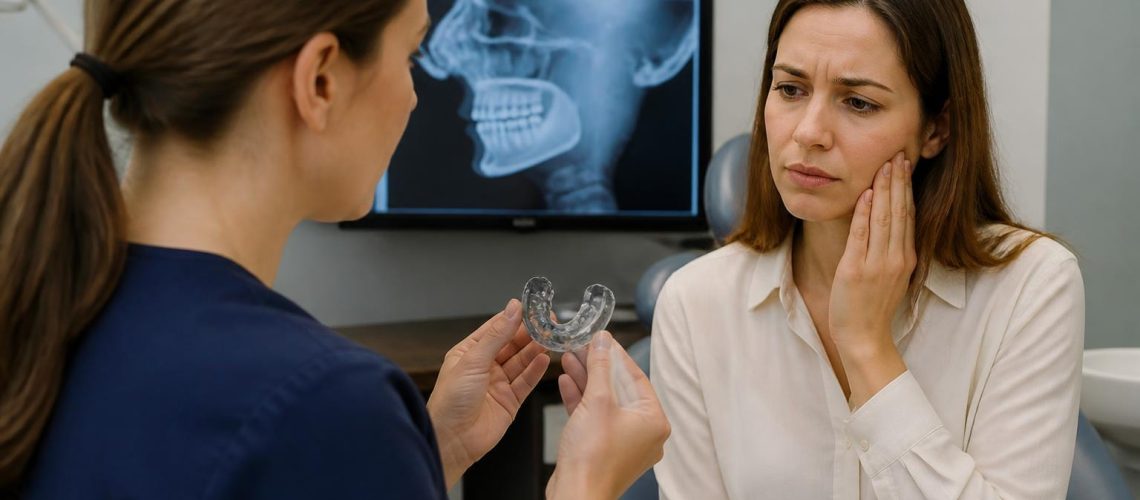
Waking up with jaw pain, headaches, or tooth sensitivity has become all too common for millions of Americans. Whether you're experiencing temporomandibular joint dysfunction or grinding your teeth at night, understanding the difference between a TMJ mouth guard and a bruxism night guard can transform your quality of life. These dental appliances may appear similar at first glance, but they serve distinct purposes and are designed with fundamentally different treatment goals in mind. For families across Texas seeking relief from jaw discomfort or protecting their dental health, knowing which appliance addresses your specific condition is the first step toward lasting relief and better sleep.
Understanding TMJ Disorders and Their Impact
Temporomandibular joint disorder affects the hinge connecting your jaw to your skull, creating a cascade of symptoms that extend far beyond simple jaw discomfort. The TMJ acts as a sliding hinge on both sides of your face, and when this complex joint becomes misaligned or inflamed, patients experience clicking sounds, limited jaw movement, facial pain, and chronic headaches.
Common TMJ symptoms include:
- Persistent jaw pain or tenderness
- Difficulty chewing or painful chewing
- Aching facial pain radiating to the neck
- Locking of the joint, making it difficult to open or close your mouth
- Clicking, popping, or grating sounds in the jaw joint
The causes of TMJ disorders range from arthritis and jaw injury to chronic stress and structural jaw misalignment. According to Cleveland Clinic’s research on dental mouthguards for jaw pain, approximately 12% of the population experiences TMJ symptoms at any given time, with women being more commonly affected than men.
The Role of TMJ Mouth Guards
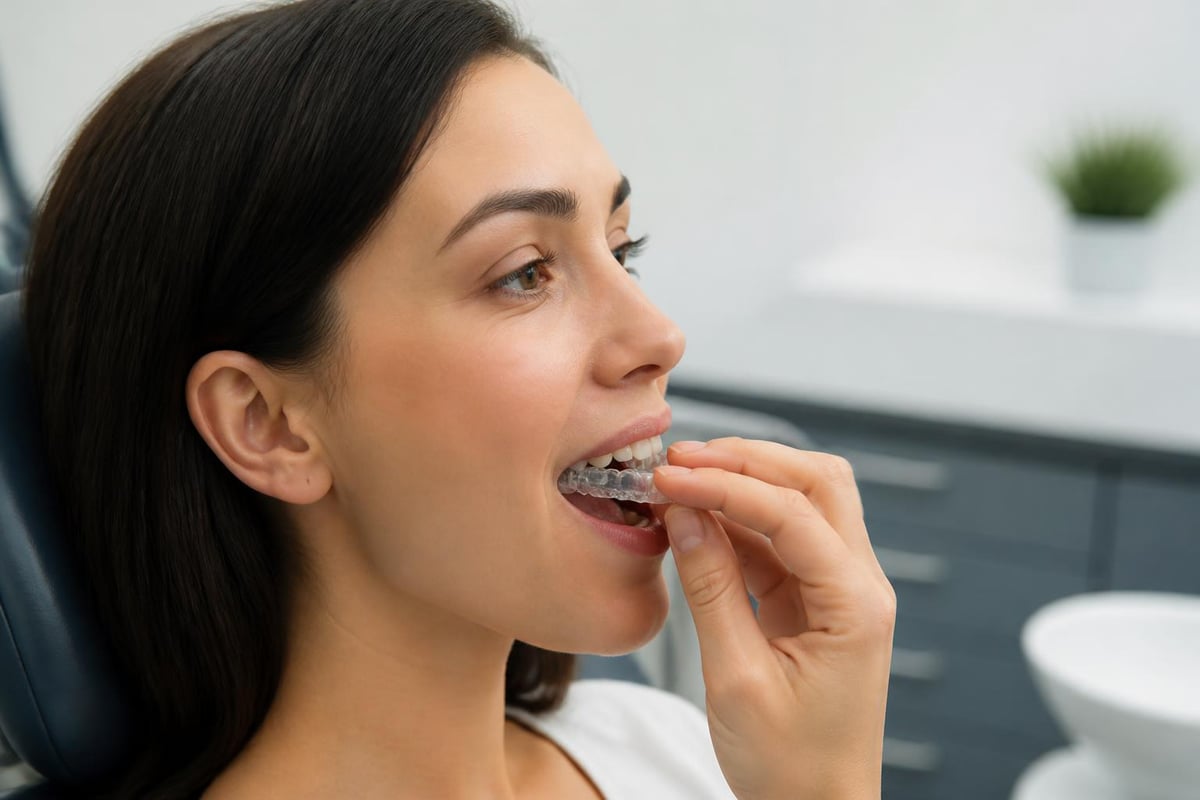
A TMJ mouth guard is specifically engineered to reposition the jaw and relieve pressure on the temporomandibular joint. Unlike standard protective devices, these appliances are designed to guide your jaw into a more optimal position, reducing strain on the joint and surrounding muscles.
The device works by creating a slight separation between your upper and lower teeth, which allows the jaw muscles to relax and prevents the joint from compressing. This repositioning effect is critical for patients whose TMJ symptoms stem from jaw misalignment or muscle tension.
At Dental Plus Clinic, our dental professionals create custom-fitted TMJ mouth guards after conducting thorough assessments of your bite pattern, jaw alignment, and specific symptoms. These personalized appliances ensure optimal therapeutic benefit while maintaining comfort during wear.
Bruxism: The Silent Dental Destroyer
Bruxism, the medical term for teeth grinding and clenching, often occurs unconsciously during sleep, causing extensive dental damage over time. This condition affects approximately 30 to 40 million Americans, with many individuals completely unaware they're grinding their teeth until a dentist points out the visible wear patterns.
The consequences of untreated bruxism extend beyond tooth damage:
| Bruxism Symptom | Impact Level | Long-term Consequence |
|---|---|---|
| Tooth enamel erosion | High | Increased cavity risk, sensitivity |
| Cracked or chipped teeth | Severe | Need for crowns, dental implants |
| Jaw muscle fatigue | Moderate | Chronic facial pain |
| Sleep disruption | Variable | Daytime fatigue, reduced quality of life |
| Headaches | Moderate to High | Chronic tension headaches |
Stress, anxiety, sleep disorders, and certain medications can trigger bruxism. Some patients experience daytime bruxism (awake bruxism), though nocturnal grinding tends to be more forceful and damaging. Understanding whether you need help with tooth pain is often the first step in identifying undiagnosed bruxism.
How Bruxism Night Guards Protect Your Teeth
A bruxism night guard functions primarily as a protective barrier between your upper and lower teeth. Rather than repositioning the jaw, this appliance absorbs and distributes the grinding forces that would otherwise damage tooth enamel, dental work, and jaw structures.
Key protective features include:
- Durable material that withstands grinding forces
- Even distribution of bite pressure across all teeth
- Prevention of direct tooth-to-tooth contact
- Cushioning effect that reduces wear on dental restorations
The material composition of bruxism night guards typically involves harder acrylic or laminated materials designed to resist the significant forces generated during sleep grinding. Research from Pro Teeth Guard indicates that severe grinders can exert forces exceeding 250 pounds per square inch during nocturnal episodes.
TMJ Mouth Guard vs Bruxism Night Guard: Critical Distinctions
The comparison between a tmj mouth guard vs bruxism night guard reveals fundamental differences in design philosophy, treatment objectives, and functional mechanisms. While both devices fit in your mouth and are often worn during sleep, their engineering reflects entirely different therapeutic goals.
Design and Construction Differences
TMJ mouth guards prioritize jaw positioning and muscle relaxation. These appliances typically feature:
- Anterior repositioning components that guide the lower jaw forward
- Specific thickness designed to achieve optimal joint decompression
- Strategic contact points that influence jaw muscle activity
- Materials selected for comfort during extended wear periods
Bruxism night guards emphasize durability and tooth protection through:
- Uniform thickness that creates consistent separation
- Hard outer surfaces that resist grinding wear
- Broad coverage that protects multiple teeth simultaneously
- Dense materials engineered to absorb grinding forces
The distinction between these approaches is significant. Ocean Dental’s analysis highlights that using the wrong type of appliance can potentially worsen symptoms or fail to address the underlying condition.
Treatment Objectives and Outcomes
When examining tmj mouth guard vs bruxism night guard treatment goals, the differences become even clearer:
TMJ Mouth Guard Objectives:
- Reduce joint inflammation and compression
- Relax overactive jaw muscles
- Prevent joint clicking and locking
- Alleviate associated headaches and facial pain
- Improve jaw range of motion
Bruxism Night Guard Objectives:
- Prevent tooth enamel erosion
- Protect existing dental work from damage
- Reduce jaw muscle fatigue from grinding
- Minimize sleep disruption for patient and partner
- Prevent tooth fractures and chips
These distinct objectives require different evaluation processes and treatment approaches, which is why professional diagnosis is essential before selecting an appliance.
Diagnostic Process: Determining Your Needs
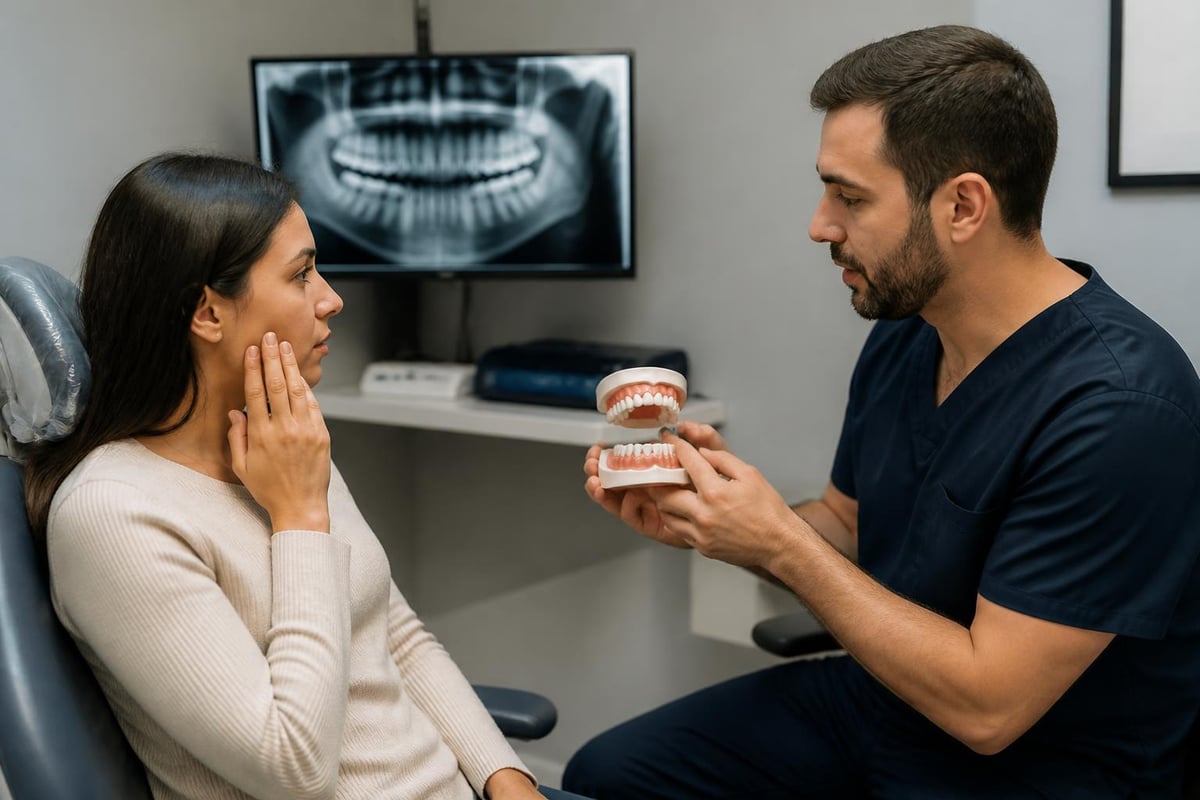
Proper diagnosis distinguishes effective treatment from wasted effort and resources. Many patients experience overlapping symptoms, making professional evaluation critical for identifying whether TMJ dysfunction, bruxism, or both conditions are present.
Professional Assessment Methods
Dental professionals at facilities like Dental Plus Clinic’s New Braunfels location employ multiple diagnostic techniques:
Clinical Examination:
- Palpation of jaw muscles to identify tender areas
- Range of motion assessment of the jaw joint
- Observation of jaw tracking during opening and closing
- Evaluation of bite alignment and tooth contact patterns
Diagnostic Imaging:
- X-rays to reveal joint positioning and bone structure
- CT scans for detailed joint analysis in complex cases
- MRI for soft tissue evaluation when indicated
Symptom Analysis:
- Detailed patient history of pain patterns
- Sleep partner observations of grinding sounds
- Documentation of wear patterns on existing teeth
- Assessment of lifestyle factors and stress levels
Dr. Nojan Bakhtiari’s insights emphasize that custom-fitted appliances, created after thorough professional assessment, provide significantly better outcomes than over-the-counter alternatives.
When Both Conditions Coexist
Approximately 30% of TMJ patients also experience bruxism, creating a complex clinical picture. In these cases, the tmj mouth guard vs bruxism night guard decision becomes more nuanced, often requiring a hybrid approach or sequential treatment strategy.
Patients with both conditions may need:
- Initial treatment addressing the most severe symptoms
- Progressive appliance therapy that evolves as symptoms improve
- Combination devices that incorporate both repositioning and protective features
- Complementary therapies including physical therapy or stress management
Material Selection and Comfort Considerations
The materials used in dental appliances significantly impact their effectiveness, durability, and patient compliance. Understanding these differences helps explain why professional custom appliances outperform generic store-bought options.
TMJ Mouth Guard Materials
TMJ appliances typically use softer, more flexible materials that accommodate jaw movement while maintaining therapeutic positioning:
- Dual-laminate designs combining hard and soft layers
- Pressure-relieved acrylic that reduces contact stress
- Heat-sensitive materials that conform to individual anatomy
- Biocompatible plastics that prevent allergic reactions
The softer composition allows the jaw to adjust gradually to new positioning without triggering protective muscle responses that could worsen symptoms.
Bruxism Night Guard Materials
Night guards for grinding require harder, more wear-resistant materials:
| Material Type | Durability | Comfort Level | Best For |
|---|---|---|---|
| Hard Acrylic | Excellent | Moderate | Severe grinders |
| Soft Silicone | Poor | High | Mild bruxism |
| Dual-Layer | Very Good | Good | Moderate to severe grinding |
| Hybrid Composite | Excellent | Very Good | Heavy grinders seeking comfort |
According to ADW Center’s comparison, hard acrylic night guards last significantly longer for heavy grinders but may require an adjustment period for comfort.
Cost Analysis and Long-term Value
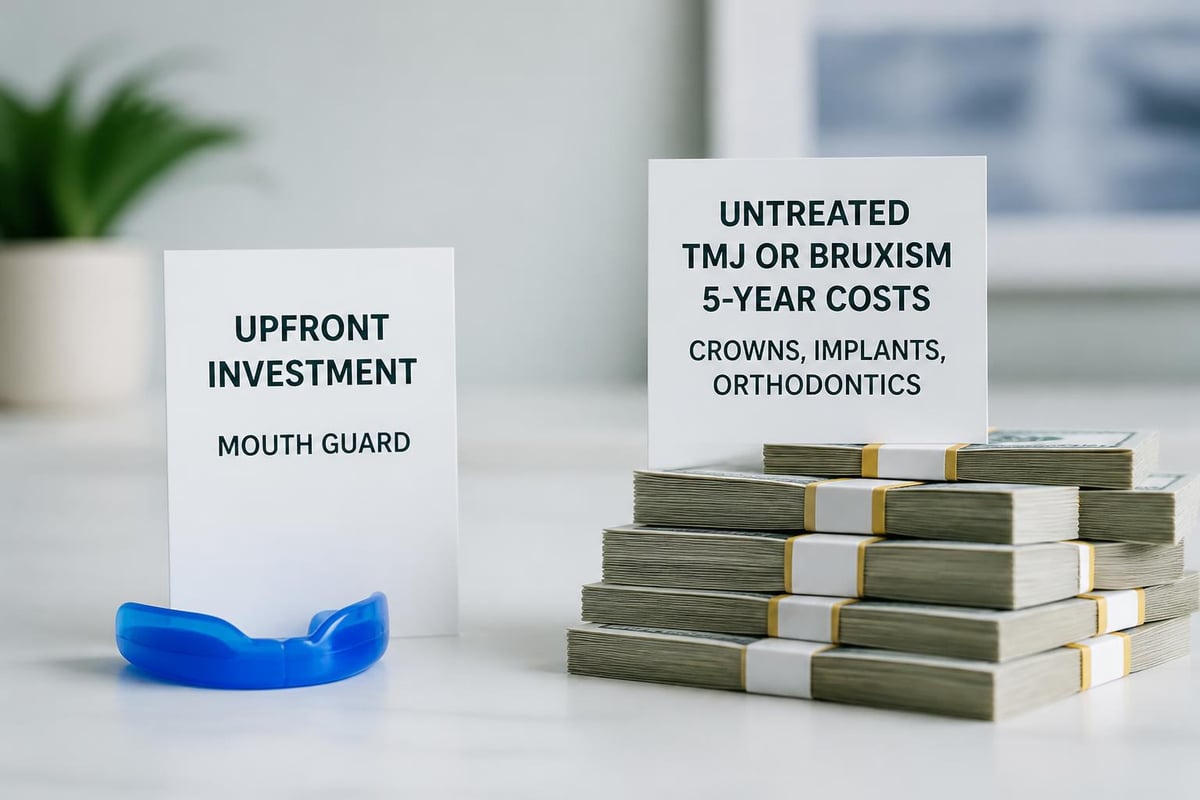
Investment in the appropriate appliance involves upfront costs that pale in comparison to the expense of treating advanced dental damage or chronic TMJ dysfunction. Understanding the financial implications helps patients make informed decisions about their oral health.
Initial Investment Comparison
Custom TMJ Mouth Guards:
- Professional diagnosis: $150-$350
- Custom fabrication: $400-$800
- Follow-up adjustments: $50-$150 per visit
- Total initial investment: $600-$1,300
Custom Bruxism Night Guards:
- Professional diagnosis: $100-$250
- Custom fabrication: $300-$600
- Follow-up adjustments: $50-$100 per visit
- Total initial investment: $450-$950
Over-the-Counter Alternatives:
- Boil-and-bite guards: $20-$50
- Stock guards: $10-$30
- Replacement frequency: Every 3-6 months
While the tmj mouth guard vs bruxism night guard cost comparison shows professional appliances require higher initial investment, their superior fit, effectiveness, and durability provide better long-term value.
Prevention of Costly Dental Procedures
Untreated bruxism and TMJ disorders lead to expensive dental interventions:
- Crown replacements: $800-$1,500 per tooth
- Root canals from cracked teeth: $700-$1,400
- Dental implants for lost teeth: $3,000-$6,000 per tooth
- Orthodontic treatment for bite correction: $3,000-$8,000
Patients interested in dental implant options should recognize that prevention through appropriate mouth guards costs a fraction of restorative procedures.
Professional vs Over-the-Counter Solutions
The tmj mouth guard vs bruxism night guard decision extends beyond choosing between these two appliance types. Patients must also consider whether professional custom fabrication or over-the-counter products better serve their needs.
Advantages of Custom Professional Appliances
Professional appliances created by dental clinics offer substantial benefits:
Precision Fit:
- Impressions capture exact tooth and jaw anatomy
- Computer-aided design ensures optimal positioning
- Custom adjustments address individual bite patterns
- Retention that prevents nighttime displacement
Material Quality:
- Medical-grade materials with proven biocompatibility
- Thickness optimized for specific therapeutic goals
- Durability tested for long-term use
- Comfort engineering that promotes compliance
Professional Oversight:
- Regular monitoring of treatment progress
- Adjustments as symptoms improve or change
- Early detection of appliance wear or damage
- Coordinated care with other treatment modalities
The expertise available at practices throughout Texas, including Dental Plus Clinic’s Leander location, ensures patients receive appliances precisely engineered for their condition.
Limitations of Store-Bought Options
Over-the-counter mouth guards present several significant drawbacks:
- Generic sizing that rarely achieves optimal fit
- Materials that may trigger sensitivities or allergic reactions
- Inability to provide proper jaw repositioning for TMJ disorders
- Inadequate durability for severe bruxism cases
- Lack of professional guidance regarding proper use
- Potential to worsen symptoms if incorrectly applied
TMJ Go Away’s research demonstrates that poorly fitted appliances can actually exacerbate TMJ symptoms by forcing the jaw into unnatural positions or preventing necessary muscle relaxation.
Maintenance and Replacement Guidelines
Proper care extends the lifespan of dental appliances while maintaining their therapeutic effectiveness. Both TMJ mouth guards and bruxism night guards require consistent maintenance protocols.
Daily Care Routine
Cleaning Best Practices:
- Rinse with cool water immediately after removal
- Brush gently with soft-bristled toothbrush and mild soap
- Avoid hot water that can warp the material
- Allow complete air drying before storage
- Store in ventilated case away from heat and direct sunlight
Weekly Deep Cleaning:
- Soak in denture cleaner or specialized appliance solution
- Inspect for cracks, rough spots, or wear patterns
- Check fit and retention quality
- Remove any calcium or mineral deposits
Replacement Timelines
Different appliances require replacement at varying intervals:
TMJ Mouth Guards:
- Expected lifespan: 2-5 years with proper care
- Replacement indicators: Changes in fit, visible damage, symptom recurrence
- Annual evaluation recommended
Bruxism Night Guards:
- Expected lifespan: 1-3 years depending on grinding severity
- Replacement indicators: Holes worn through material, reduced thickness, cracking
- Six-month check-ups advisable for severe grinders
Understanding general dentistry services helps patients recognize that appliance management is part of comprehensive oral health maintenance.
Additional Treatment Modalities
While examining tmj mouth guard vs bruxism night guard options, patients should understand that oral appliances often work best as part of comprehensive treatment plans incorporating complementary therapies.
Supplementary TMJ Treatments
Physical Therapy:
- Jaw exercises to improve range of motion
- Massage techniques for muscle tension relief
- Postural correction to reduce jaw strain
- Heat and cold therapy applications
Lifestyle Modifications:
- Stress reduction through meditation or counseling
- Sleep position adjustments
- Dietary changes to avoid hard or chewy foods
- Awareness training to reduce daytime clenching
Medical Interventions:
- Anti-inflammatory medications for acute flare-ups
- Muscle relaxants for severe muscle tension
- Corticosteroid injections in resistant cases
- Trigger point therapy for muscle knots
Complementary Bruxism Therapies
Beyond night guards, bruxism management may include:
- Cognitive behavioral therapy for stress-related grinding
- Biofeedback training to increase grinding awareness
- Treatment of underlying sleep disorders like apnea
- Medication review to identify grinding-inducing prescriptions
- Botox injections to reduce masseter muscle activity
Patients experiencing tooth sensitivity issues often find that addressing bruxism through multiple approaches yields the best results.
Pediatric Considerations
Children face unique challenges regarding TMJ disorders and bruxism, requiring modified approaches to the tmj mouth guard vs bruxism night guard decision.
Bruxism in Children
Childhood bruxism affects 15-33% of children, with peak prevalence during the eruption of primary and permanent teeth. Most children naturally outgrow grinding habits, but intervention may be necessary when:
- Excessive tooth wear threatens dental health
- Jaw pain or headaches develop
- Sleep quality deteriorates significantly
- Permanent teeth show damage
Pediatric Night Guard Considerations:
- Frequent adjustments needed due to jaw growth
- Softer materials preferred for developing dentition
- Shorter replacement cycles as teeth and jaws change
- Emphasis on comfort to ensure compliance
Parents seeking pediatric dental guidance should discuss whether their child's grinding requires intervention or monitoring.
TMJ Issues in Adolescents
Teenage TMJ problems often relate to:
- Orthodontic treatment affecting bite alignment
- Sports injuries to the jaw
- Increased stress from academic and social pressures
- Poor posture from device usage
Adolescent TMJ mouth guards require careful monitoring as facial structure continues developing through the late teens and early twenties.
Insurance Coverage and Financial Planning
Understanding insurance benefits helps patients access necessary treatment without financial hardship. Coverage for tmj mouth guard vs bruxism night guard appliances varies considerably among plans.
Typical Insurance Coverage Patterns
Medical Insurance:
- May cover TMJ mouth guards when diagnosed as medical condition
- Requires documentation of conservative treatment attempts
- Often subjects to deductibles and specialist co-pays
- Coverage varies widely by plan and carrier
Dental Insurance:
- Usually covers bruxism night guards as preventive care
- Typical coverage: 50-80% of allowed amount after deductible
- May require pre-authorization or proof of medical necessity
- Annual maximum limits apply
Coverage Comparison Table:
| Appliance Type | Medical Insurance | Dental Insurance | Typical Patient Cost |
|---|---|---|---|
| TMJ Mouth Guard | Sometimes (50-80%) | Rarely | $200-$650 |
| Bruxism Night Guard | Rarely | Usually (50-80%) | $150-$400 |
| Hybrid Appliance | Case-by-case | Case-by-case | $300-$700 |
Patients dealing with dental insurance denials should work with their dental office to provide necessary documentation and appeal processes.
Flexible Payment Options
Many dental practices, recognizing the preventive value of these appliances, offer:
- Payment plans with zero or low interest
- Healthcare credit cards with promotional financing
- Bundled pricing when combined with other treatments
- Family discounts for multiple appliances
Frequently Asked Questions
Can I use a bruxism night guard for TMJ pain?
While bruxism night guards may provide some relief if grinding contributes to your TMJ symptoms, they don't address the jaw repositioning needs that many TMJ patients require. According to Get Reviv’s guidance on choosing night guards, using a bruxism guard for primary TMJ dysfunction may provide minimal benefit and could potentially worsen symptoms by maintaining problematic jaw positions. Professional diagnosis ensures you receive the appropriate appliance for your specific condition.
How long does it take to see results from a TMJ mouth guard?
Most patients notice some symptom improvement within two to four weeks of consistent TMJ mouth guard use. Significant relief typically develops over six to twelve weeks as jaw muscles adapt to the new positioning and inflammation subsides. However, individual response times vary based on severity of dysfunction, consistency of appliance wear, and incorporation of complementary therapies.
Will wearing a night guard make my jaw weaker?
This common concern lacks scientific support. Properly fitted night guards don't weaken jaw muscles. TMJ mouth guards may temporarily reduce muscle activity during sleep, but this relaxation is therapeutic for overworked muscles. Bruxism night guards simply protect teeth without affecting muscle strength. Normal daytime jaw function maintains muscle tone regardless of nighttime appliance use.
Can I get a mouth guard without seeing a dentist?
While over-the-counter options exist, professional evaluation is strongly recommended for several reasons. Self-diagnosis often misidentifies the underlying condition, leading to inappropriate appliance selection. DC Mouth Guards’ explanation of TMJ and bruxism emphasizes that custom-fitted appliances provide superior therapeutic benefit and comfort. Additionally, dental professionals can identify other conditions that may contraindicate certain appliance types or require alternative treatments.
How do I know if I'm grinding my teeth at night?
Common indicators of nocturnal bruxism include waking with jaw soreness, unexplained headaches, tooth sensitivity, visible wear on tooth surfaces, and reports from sleep partners who hear grinding sounds. Your dentist can identify characteristic wear patterns during routine examinations. If you're wondering how to identify cavities, similar professional assessment applies to diagnosing grinding habits.
Should I wear my appliance during the day?
Recommendations vary based on your specific condition and appliance type. TMJ mouth guards are sometimes prescribed for daytime wear during symptom flare-ups or high-stress periods. Bruxism night guards are typically worn only during sleep unless daytime grinding (awake bruxism) is diagnosed. Always follow your dental professional's specific instructions regarding wear schedule for optimal results.
What should I do if my mouth guard causes more pain?
Increased pain may indicate improper fit, incorrect appliance type for your condition, or necessary adjustment to the device. Contact your dental provider immediately rather than discontinuing use without guidance. Minor discomfort during the first few days is normal as you adapt, but significant pain warrants professional evaluation and possible appliance modification.
Can mouth guards fix TMJ permanently?
TMJ mouth guards manage symptoms rather than cure the underlying condition in most cases. However, for patients whose TMJ disorder stems from bite misalignment or muscle tension, consistent appliance use combined with lifestyle modifications can provide long-term relief that may eventually allow discontinuation of the appliance. Chronic TMJ often requires ongoing management rather than permanent cure.
Understanding the tmj mouth guard vs bruxism night guard comparison empowers you to make informed decisions about protecting your oral health and relieving jaw discomfort. Whether you're experiencing TMJ pain, teeth grinding, or both conditions simultaneously, professional diagnosis and custom-fitted appliances provide the foundation for effective treatment. Dental Plus Clinic offers comprehensive evaluations and personalized treatment plans at convenient locations throughout Texas, helping patients achieve lasting relief through properly fitted oral appliances and expert guidance. Schedule a consultation today to discover which appliance type best addresses your specific needs and start your journey toward pain-free days and restful nights.