

When considering cosmetic dental treatments to improve your smile, understanding the financial investment is essential for making informed decisions. Tooth bonding has emerged as one of the most popular and affordable cosmetic dentistry options available today, offering patients a quick solution for chipped, cracked, discolored, or misaligned teeth. Whether you're exploring options at Dental Plus Clinic or researching general pricing trends, knowing what affects tooth bonding cost helps you budget appropriately and evaluate whether this procedure aligns with your aesthetic goals and financial situation. This comprehensive guide breaks down everything you need to know about pricing, insurance coverage, and factors that influence the final amount you'll pay.
Understanding Tooth Bonding and Its Applications
Tooth bonding represents a versatile cosmetic dental procedure where a tooth-colored composite resin material is applied to teeth to repair damage or improve appearance. The tooth bonding procedure typically takes 30 to 60 minutes per tooth and can be completed in a single visit.
Dentists use bonding to address multiple dental concerns:
- Repairing chipped or cracked teeth after accidents or wear
- Closing small gaps between teeth for a more uniform smile
- Covering discolored teeth that don't respond well to whitening
- Reshaping teeth to create better proportions and symmetry
- Protecting exposed tooth roots from gum recession
- Serving as an alternative to amalgam fillings for cavities
The process involves minimal tooth preparation compared to veneers or crowns. Your dentist roughens the tooth surface slightly, applies a conditioning liquid, then molds and shapes the composite resin material. A special light hardens the material, and final polishing creates a natural appearance that blends seamlessly with surrounding teeth.
Why Patients Choose Bonding Over Other Procedures
Dental bonding has gained popularity because it offers several advantages that make it attractive for budget-conscious patients seeking smile improvements. The procedure requires minimal enamel removal, preserving natural tooth structure more effectively than alternatives like porcelain veneers.
Time efficiency stands out as a major benefit. Most bonding procedures are completed during a single appointment, unlike veneers or crowns that require multiple visits and laboratory work. This convenience appeals to busy professionals and parents who cannot commit to extended treatment timelines.
The reversibility of bonding also provides peace of mind. Unlike veneers that permanently alter tooth structure, bonding can be replaced or removed if preferences change over time. This flexibility makes it an excellent option for younger patients who might pursue different cosmetic treatments later in life.

Average Tooth Bonding Cost Per Tooth in 2026
The tooth bonding cost typically ranges from $300 to $600 per tooth across most dental practices in the United States. However, this represents a general baseline, and actual prices can vary significantly based on multiple factors discussed later in this article.
According to recent dental bonding cost data, the national average sits around $400 per tooth for straightforward cosmetic bonding procedures. This figure includes the consultation, preparation, material application, and finishing work.
| Procedure Complexity | Average Cost Range | Treatment Time |
|---|---|---|
| Simple chip repair | $300 – $400 | 30-45 minutes |
| Gap closure | $400 – $500 | 45-60 minutes |
| Full tooth reshaping | $500 – $600 | 60-90 minutes |
| Multiple teeth (per tooth) | $350 – $550 | Varies by number |
Premium dental practices in major metropolitan areas may charge $700 to $1,000 per tooth, while rural or suburban clinics often offer more competitive pricing. At specialized cosmetic dentistry centers, the focus on aesthetic excellence may justify higher costs through advanced materials and techniques.
Geographic Price Variations Across Texas
Texas dental patients experience considerable price differences depending on their location. Urban centers like Houston, Dallas, and Austin typically command higher prices due to increased overhead costs and market demand.
Patients visiting our Leander location or New Braunfels location often find more affordable rates compared to major metropolitan dental practices. Suburban and rural areas generally offer competitive pricing while maintaining high-quality care standards.
The tooth bonding cost at practices in smaller communities like Beeville, Seguin, and Converse may fall on the lower end of the spectrum while still delivering exceptional results. These regional differences can translate to savings of 20-30% compared to urban dental centers.
Key Factors Influencing Tooth Bonding Cost
Multiple variables determine the final price you'll pay for dental bonding. Understanding these factors helps you anticipate costs and ask informed questions during your consultation.
Extent and Complexity of Treatment
The size and severity of the dental issue directly impact pricing. A small chip on a front tooth requires less material and time than reshaping an entire tooth or closing significant gaps between multiple teeth.
Complex cases involving:
- Multiple surfaces of a single tooth
- Structural damage requiring extensive rebuilding
- Color matching challenges with existing dental work
- Bite alignment considerations
These situations demand greater skill, more materials, and extended chair time, naturally increasing the tooth bonding cost.
Tooth Location and Visibility
Front teeth (incisors and canines) often cost more to bond than back teeth (molars and premolars) due to the higher aesthetic demands. Your dentist must match color, translucency, and texture perfectly for visible teeth to create natural-looking results.
Back teeth bonding may focus more on functionality than appearance, potentially reducing costs slightly. However, these teeth endure greater biting forces, sometimes requiring reinforced materials or techniques that can offset savings.
Dentist Experience and Expertise
Highly experienced cosmetic dentists who have completed advanced training in aesthetic procedures typically charge premium rates for their services. Their expertise often produces superior results with better longevity and more natural appearance.
Board-certified cosmetic dentists or those with extensive portfolios demonstrating bonding mastery may command 25-40% higher fees than general practitioners. This investment often proves worthwhile for patients prioritizing optimal aesthetic outcomes, particularly for highly visible front teeth.
Materials and Technology Used
The quality of composite resin materials significantly affects both cost and results. Premium composites offer:
- Better color stability over time
- Greater resistance to staining
- Superior strength and durability
- More natural translucency and light reflection
Advanced practices utilizing state-of-the-art shade-matching technology, digital imaging, and high-quality bonding agents may charge more but deliver results that last longer and look more authentic. These technological advantages can justify higher upfront costs through reduced need for replacements or touch-ups.
Insurance Coverage for Tooth Bonding
Dental insurance coverage for bonding procedures varies considerably based on whether the treatment is deemed cosmetic or restorative. Understanding your policy specifics is crucial for accurate budgeting.
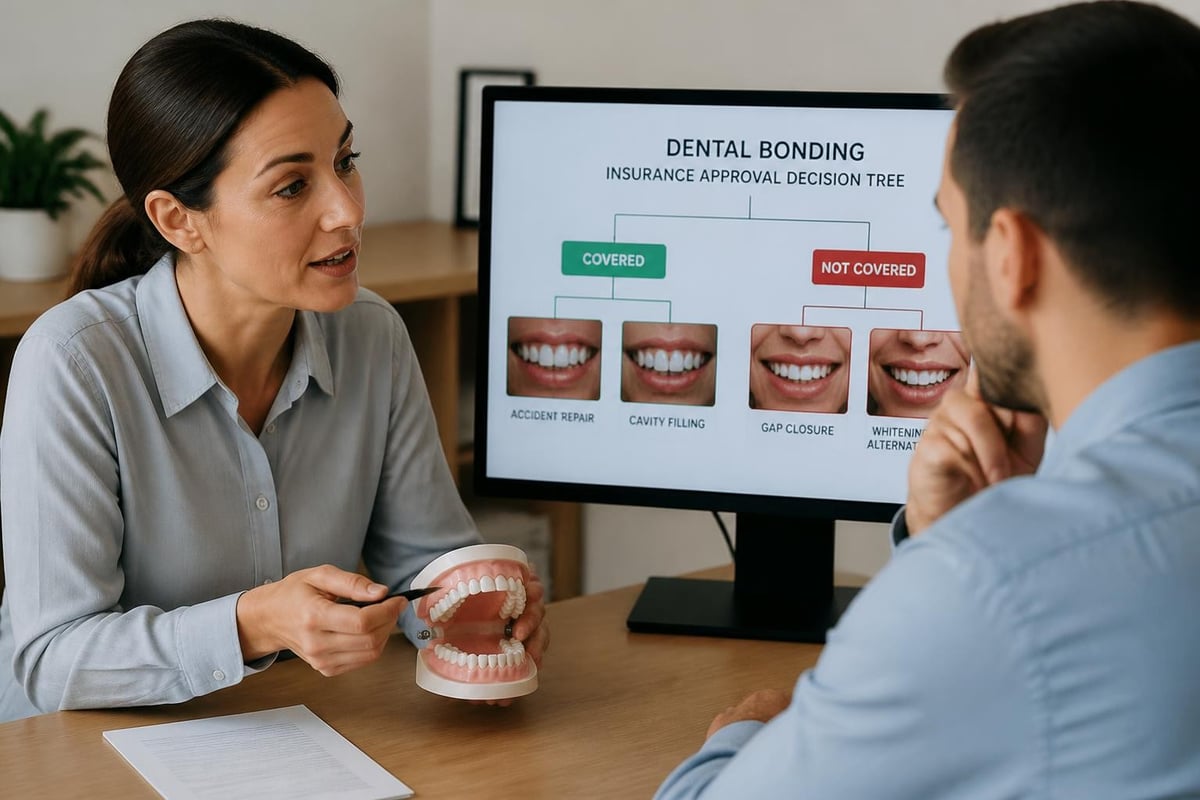
When Insurance May Cover Bonding
Most dental insurance plans categorize bonding as cosmetic and therefore do not provide coverage. However, important exceptions exist when bonding serves restorative or functional purposes rather than purely aesthetic goals.
Insurance may cover tooth bonding cost when used for:
- Repairing teeth damaged by decay as an alternative to traditional fillings
- Restoring teeth broken in accidents or traumatic injuries
- Protecting exposed roots from periodontal disease or recession
- Filling cavities in visible areas where composite bonding provides better aesthetics than amalgam
Documentation from your dentist explaining the medical necessity of bonding treatment significantly improves approval chances. Similar to dental implant insurance coverage, proper claim submission with supporting evidence makes the difference between approval and denial.
Typical Coverage Percentages
When insurance does cover bonding, typical reimbursement follows these patterns:
| Coverage Scenario | Insurance Pays | Patient Pays |
|---|---|---|
| Preventive/diagnostic | Not applicable | 100% |
| Basic restorative | 70-80% | 20-30% |
| Major restorative | 50% | 50% |
| Cosmetic | 0% | 100% |
Most bonding falls under basic restorative care when covered, meaning insurance may pay 70-80% after you meet your annual deductible. Your out-of-pocket tooth bonding cost would be 20-30% of the total fee per tooth.
If your dental insurance denied coverage for bonding initially classified as restorative, appealing with additional documentation and photographs demonstrating functional necessity may reverse the decision.
Navigating Out-of-Pocket Costs
For purely cosmetic bonding, expect to pay the full tooth bonding cost yourself. Many dental practices offer strategies to make these expenses more manageable despite lack of insurance coverage.
Flexible payment plans allow you to spread costs across several months without interest, making even multiple-tooth bonding affordable. Some practices partner with healthcare financing companies that offer promotional periods with zero interest if paid within specified timeframes.
Health Savings Accounts (HSAs) and Flexible Spending Accounts (FSAs) can be used for cosmetic dental procedures, providing tax advantages that effectively reduce your total cost. According to CareCredit’s teeth bonding guide, financing options have made cosmetic dentistry accessible to broader patient populations.
Comparing Bonding Costs to Alternative Treatments
Understanding how tooth bonding cost compares to other cosmetic dental procedures helps you make informed decisions about which treatment best suits your needs and budget.
Bonding vs. Porcelain Veneers
Porcelain veneers represent the premium option for smile transformation, offering unparalleled aesthetic results with exceptional durability. However, this quality comes with significantly higher costs.
Cost comparison per tooth:
- Dental bonding: $300-$600
- Porcelain veneers: $925-$2,500
- Composite veneers: $250-$1,500
Veneers require more extensive tooth preparation, involving permanent enamel removal and multiple appointments. The porcelain veneers process includes impressions, temporary veneers, and precise fitting of custom-made shells.
While veneers last 10-15 years compared to bonding's 5-7 year lifespan, the initial investment is three to four times higher. For patients seeking affordable smile improvements without long-term commitments, bonding provides excellent value.
Bonding vs. Dental Crowns
Dental crowns cover the entire tooth structure, providing maximum protection and restoration for severely damaged teeth. The tooth bonding cost is substantially lower than crown placement, but the applications differ significantly.
Crowns are necessary when:
- Tooth structure is compromised beyond bonding's repair capability
- Root canal treatment requires protection
- Extensive decay has weakened the tooth
- Fractures extend below the gum line
Crown costs range from $800 to $3,000 per tooth depending on materials (porcelain, ceramic, metal, or zirconia). The procedure requires two visits with temporary crowns between appointments.
For minor cosmetic issues, bonding offers a conservative, cost-effective alternative that preserves natural tooth structure. Patients with more significant damage should consult with their dentist about whether strengthening through crowns justifies the additional expense.
Bonding vs. Teeth Whitening
When addressing tooth discoloration, patients often weigh bonding against professional teeth whitening treatments. The choice depends on the type and severity of staining.
Surface stains from coffee, tea, wine, or tobacco respond well to whitening treatments costing $300-$800 for in-office procedures. Take-home whitening kits range from $100-$400 and deliver results over several weeks.
Intrinsic discoloration from medications (like tetracycline), trauma, or excessive fluoride doesn't respond to whitening. Bonding becomes the preferred solution, covering discolored enamel with color-matched composite material.
Bonding also addresses multiple concerns simultaneously (discoloration plus chips, gaps, or shape irregularities), providing comprehensive smile enhancement that whitening alone cannot achieve. This versatility often makes the tooth bonding cost worthwhile despite higher initial investment compared to whitening.
Maximizing the Longevity of Bonded Teeth
Proper care extends the lifespan of bonded teeth, maximizing your investment and reducing long-term costs. While bonding material is durable, it requires mindful maintenance to prevent damage and staining.
Daily Care Practices
Maintaining bonded teeth requires similar attention to natural teeth with some additional considerations:
- Brush twice daily with non-abrasive toothpaste to avoid scratching the composite surface
- Floss daily to prevent decay at bonding margins where material meets natural tooth
- Avoid staining substances like coffee, red wine, and tobacco during the first 48 hours after bonding
- Use a straw when drinking beverages that might stain bonded teeth
- Rinse immediately after consuming acidic foods or drinks
Unlike natural enamel, composite resin material can absorb stains over time. Regular professional cleanings during dental exams help polish bonding and maintain color consistency with surrounding teeth.
Protecting Your Investment
Certain habits and activities can damage bonded teeth prematurely, necessitating repairs that increase your overall tooth bonding cost:
- Avoid biting hard objects like ice, pens, or fingernails
- Don't use teeth as tools to open packages or crack nuts
- Wear a night guard if you grind teeth during sleep
- Use a sports mouthguard during athletic activities
- Schedule regular check-ups to catch issues before they worsen
Patients who grind or clench their teeth (bruxism) should discuss protective options with their dentist. Similar to how a dental night guard protects against grinding damage, custom guards prevent bonding fractures that would require costly replacements.
The composite material may chip or crack under excessive force. Athletes participating in contact sports should always wear protective mouthguards to prevent traumatic damage to bonded teeth.
Expected Lifespan and Replacement Costs
Well-maintained dental bonding typically lasts five to seven years before requiring touch-ups or replacement. Factors affecting longevity include:
- Location of bonded tooth (front teeth last longer due to less biting force)
- Size of bonded area (larger restorations experience more stress)
- Patient habits (avoiding damaging behaviors extends lifespan)
- Material quality (premium composites resist wear better)
When bonding requires replacement, the tooth bonding cost is similar to initial placement since the entire composite material must be removed and reapplied. However, some practices offer reduced rates for existing patients returning for maintenance.

Special Considerations for Multiple Teeth
Patients seeking comprehensive smile makeovers often bond multiple teeth simultaneously. Understanding pricing structures for extensive bonding helps with financial planning.
Volume Discounts and Package Pricing
Many dental practices offer reduced per-tooth rates when bonding multiple teeth during the same appointment. This approach benefits both patient and provider through:
Patient advantages:
- Lower total tooth bonding cost per tooth
- Single recovery period
- Consistent color matching across all bonded teeth
- Fewer appointments and time off work
Practice efficiencies:
- Consolidated chair time
- Bulk material usage
- Single anesthesia administration if needed
- Streamlined scheduling
Typical discounts range from 10-20% when bonding four or more teeth. A patient bonding six front teeth at $450 each ($2,700 total) might receive a package price of $2,300-$2,400, saving $300-$400.
Always ask about multi-tooth pricing during your consultation. Some practices advertise smile makeover packages specifically designed for comprehensive bonding treatments.
Full Smile Transformations
Complete smile makeovers involving eight to twelve teeth represent significant investments but deliver dramatic aesthetic improvements. These transformations typically include bonding on all visible teeth when smiling.
For extensive work, the tooth bonding cost considerations expand beyond simple per-tooth multiplication:
| Number of Teeth | Standard Pricing | Package Pricing | Potential Savings |
|---|---|---|---|
| 4-6 teeth | $1,600-$3,000 | $1,400-$2,600 | 10-15% |
| 8-10 teeth | $3,200-$5,000 | $2,700-$4,200 | 15-20% |
| 12+ teeth | $4,800-$7,200 | $3,900-$6,000 | 20-25% |
Full mouth reconstructions and smile makeovers may combine bonding with other procedures like whitening, gum contouring, or orthodontic treatments for optimal results. Comprehensive treatment plans should detail all costs upfront, preventing surprise expenses.
Alternative Financing and Payment Options
When tooth bonding cost exceeds your immediate budget, several financing solutions make treatment accessible without compromising quality or delaying care.
In-House Payment Plans
Many dental practices, including patient-focused providers like those at our Texas locations, offer flexible payment arrangements that spread costs over manageable monthly installments.
Typical payment plan features:
- Zero or low interest rates for qualified patients
- 6-24 month repayment terms
- Automatic monthly deductions from checking accounts
- No credit check requirements for some plans
- Down payment of 10-30% at treatment time
These arrangements allow patients to proceed with bonding immediately rather than waiting months to save the full amount. Discuss payment options during your initial consultation to understand available terms.
Third-Party Healthcare Financing
Specialized healthcare credit cards and loan programs specifically designed for medical and dental expenses provide another financing avenue. According to information from dental bonding cost resources, these programs offer promotional periods with deferred interest.
Popular healthcare financing options:
- CareCredit: 6-24 month promotional periods
- LendingClub Patient Solutions: Fixed-rate loans
- Alphaeon Credit: Healthcare-specific revolving credit
- Prosper Healthcare Lending: Personal loans for medical expenses
These programs typically require credit approval and feature varying interest rates based on creditworthiness. Reading terms carefully is essential, as deferred interest plans charge accumulated interest retroactively if not paid within the promotional period.
Health Savings and Flexible Spending Accounts
Pre-tax savings accounts provide valuable options for reducing the effective tooth bonding cost through tax advantages. While these accounts don't reduce the actual procedure price, tax savings effectively lower your net expense.
HSA benefits:
- Contribute pre-tax dollars
- Funds roll over year to year
- Can be invested for growth
- Owned by you (portable between jobs)
FSA benefits:
- Pre-tax payroll deductions
- Immediate full-year balance availability
- Lower taxable income
- Employer may contribute matching funds
Using these accounts for cosmetic bonding saves your marginal tax rate (typically 22-32% for middle-income earners) on the procedure cost. A $2,000 bonding treatment effectively costs $1,360-$1,560 after tax savings for someone in the 32% bracket.
Getting Accurate Cost Estimates
Obtaining precise tooth bonding cost estimates requires comprehensive consultations with detailed treatment planning. Generic pricing ranges provide starting points, but your specific situation determines actual costs.
What to Expect During Consultations
Professional dental consultations evaluate your oral health, aesthetic goals, and treatment options before providing accurate pricing. Quality practices conduct thorough examinations including:
- Visual inspection of teeth requiring bonding
- Digital photographs from multiple angles
- X-rays to assess underlying tooth structure
- Shade matching against existing teeth
- Bite analysis to identify functional considerations
Your dentist should explain exactly what bonding will accomplish, realistic expectations for results, and maintenance requirements. This discussion helps you evaluate whether the tooth bonding cost aligns with anticipated benefits.
Questions to Ask Your Dentist
Maximize consultation value by asking targeted questions that clarify pricing and treatment specifics:
- What is the total cost for my specific bonding needs?
- Does the quote include all fees (consultation, materials, follow-up)?
- What payment options and financing are available?
- How long will the bonding last with proper care?
- What warranty or guarantee do you offer on bonding work?
- Will insurance cover any portion of my treatment?
- What happens if bonding chips or becomes damaged?
- How does my case complexity compare to average bonding procedures?
Taking notes during consultations helps you compare options when visiting multiple practices. Don't hesitate to request itemized estimates detailing material costs, labor fees, and any additional charges.
Comparing Quotes Across Providers
While cost is important, the lowest quote doesn't always represent the best value. Evaluate multiple factors when comparing dental practices:
Consider beyond price:
- Dentist credentials and cosmetic dentistry experience
- Before-and-after portfolio demonstrating bonding results
- Patient reviews and testimonials
- Office technology and materials used
- Convenience of location and appointment availability
- Comfort with the dentist's communication style
The tooth bonding cost difference between a highly experienced cosmetic dentist and a general practitioner may be justified by superior aesthetic outcomes and longer-lasting results. Investing an additional $100-$200 per tooth for expertise that ensures natural-looking bonding lasting years longer represents wise financial planning.
Addressing Common Cost-Related Concerns
Patients frequently have specific questions and concerns about tooth bonding cost that affect their treatment decisions. Addressing these issues helps you move forward confidently.
Is Bonding Worth the Investment?
For most patients seeking affordable cosmetic improvements, bonding delivers excellent return on investment through:
- Immediate confidence boost from improved smile appearance
- Professional advantages in careers where appearance matters
- Social benefits from increased comfort smiling in photographs and social situations
- Preventive protection for damaged teeth that might worsen without treatment
The relatively modest tooth bonding cost compared to alternatives like veneers or orthodontics makes bonding accessible to broader patient populations. Many patients report that enhanced self-esteem and smile satisfaction far exceed the financial investment.
When Bonding Isn't the Right Choice
Honest evaluation sometimes reveals bonding isn't the optimal treatment for certain situations. Your dentist should recommend alternatives when:
- Severe tooth decay requires more extensive restoration
- Significant structural damage needs crown protection
- Large gaps would be better addressed through orthodontics
- Heavy biting forces would quickly damage bonding material
- Patient habits (like nail-biting) would compromise bonding longevity
In these cases, investing in more appropriate treatments, even at higher costs, provides better long-term value than repeatedly replacing failed bonding. Comprehensive consultations should explore all options, weighing tooth bonding cost against alternative treatment expenses and expected outcomes.
Managing Emergency Bonding Costs
Unexpected dental emergencies requiring bonding create financial challenges when budgets don't accommodate surprise expenses. Accidents causing chipped or broken teeth need prompt treatment to prevent further damage and complications.
Many practices, including dental emergency providers, work with patients experiencing urgent needs to arrange affordable payment solutions. Emergency bonding costs typically align with standard pricing, though weekend or after-hours appointments may include additional fees.
Maintaining an emergency fund specifically for unexpected medical and dental expenses provides peace of mind. Even modest monthly contributions to a dedicated savings account create buffers that absorb emergency tooth bonding costs without financial stress.
Regional Price Insights for Texas Residents
Texas residents benefit from competitive dental pricing across the state while maintaining access to high-quality care. Understanding regional variations helps you identify the best value for your specific location.
Urban vs. Suburban Pricing Patterns
Major Texas cities like Houston, Dallas, San Antonio, and Austin feature higher tooth bonding costs reflecting increased operational expenses and market demand. Dental practices in premium urban locations often charge $500-$700 per tooth for standard bonding procedures.
Suburban and smaller city practices typically offer more competitive pricing while delivering comparable quality. Patients willing to travel 20-30 minutes outside major metropolitan areas can save 20-30% on bonding costs without sacrificing care standards.
Texas regional averages (per tooth):
- Major metro areas: $500-$700
- Suburban locations: $400-$550
- Small cities and towns: $300-$450
- Rural areas: $300-$400
These ranges represent general patterns, with individual practice pricing varying based on specific factors discussed throughout this article.
Accessibility Across Multiple Locations
Patients throughout Texas have convenient access to quality dental bonding through strategically located practices. Having multiple location options allows you to select the most convenient dental provider without compromising on care quality or paying premium prices.
Whether you're located in Central Texas, South Texas, or the Hill Country region, finding accessible dental care with transparent pricing remains achievable. Research practices in your area, compare estimates, and select providers balancing quality, convenience, and affordability.
Taking the Next Step Toward Your Smile Transformation
Armed with comprehensive knowledge about tooth bonding cost, factors affecting pricing, and strategies for managing expenses, you're prepared to pursue the smile improvements you deserve. Making informed decisions about cosmetic dentistry requires understanding both financial and clinical aspects of treatment.
Schedule consultations with qualified cosmetic dentists to receive personalized assessments and accurate cost estimates based on your specific needs. During these appointments, discuss your aesthetic goals, ask detailed questions about pricing and payment options, and evaluate whether the proposed treatment plan aligns with your budget and expectations.
Remember that investing in your smile contributes to overall confidence, professional success, and quality of life. While tooth bonding cost considerations are important, they represent just one factor in your decision-making process. Balancing affordability with quality care, dentist expertise, and expected results ensures you achieve optimal value from your investment.
Understanding the complete picture of tooth bonding costs empowers you to make confident decisions about enhancing your smile without financial surprises. Whether you need a simple chip repair or comprehensive smile transformation, transparent pricing and flexible payment options make quality cosmetic dentistry accessible. At Dental Plus Clinic, our patient-focused approach combines exceptional care with honest cost discussions, helping you achieve the healthy, confident smile you deserve through personalized treatment plans that respect your budget and aesthetic goals.