

Missing teeth affect more than just your smile. For seniors across Texas, tooth loss can impact nutrition, speech, self-confidence, and overall quality of life. According to the American Dental Association, nearly 120 million Americans are missing at least one tooth, with seniors representing a significant portion of this statistic. The good news is that modern dentistry offers multiple effective tooth replacement options for seniors, each designed to restore function, appearance, and oral health. Understanding these solutions helps you make informed decisions about your dental care and invest in treatments that align with your lifestyle, budget, and health needs.
Understanding Why Tooth Replacement Matters for Seniors
Tooth loss in older adults stems from various causes, including periodontal disease, tooth decay, injury, and age-related oral health decline. Many seniors assume missing teeth are simply a normal part of aging, but this misconception can lead to serious health consequences.
When teeth go unreplaced, the jawbone begins to deteriorate due to lack of stimulation. This bone loss changes facial structure, creating a sunken appearance that adds years to your look. Adjacent teeth shift into the empty spaces, causing misalignment and bite problems. Chewing becomes difficult, forcing dietary changes that may lead to nutritional deficiencies.
The health implications extend beyond the mouth:
- Increased risk of cardiovascular disease linked to poor oral health
- Digestive issues from inadequate chewing
- Social withdrawal due to embarrassment about appearance
- Difficulty speaking clearly
- Loss of self-esteem and confidence
Research published by the Centers for Disease Control and Prevention shows that approximately 17% of adults aged 65 and older have lost all their teeth. This complete tooth loss, known as edentulism, significantly impacts quality of life. However, modern tooth replacement solutions can prevent these complications and restore normal function.
The Economic Impact of Delayed Treatment
Postponing tooth replacement often costs more in the long run. Bone loss becomes more severe, requiring additional procedures like bone grafting before implants can be placed. Adjacent teeth may need restoration or replacement due to shifting and increased stress. The emotional toll of living with missing teeth affects personal relationships and professional opportunities.
At Dental Plus Clinic, we emphasize early intervention and comprehensive treatment planning to help seniors maintain optimal oral health throughout their retirement years.
Removable Dentures: Traditional and Accessible
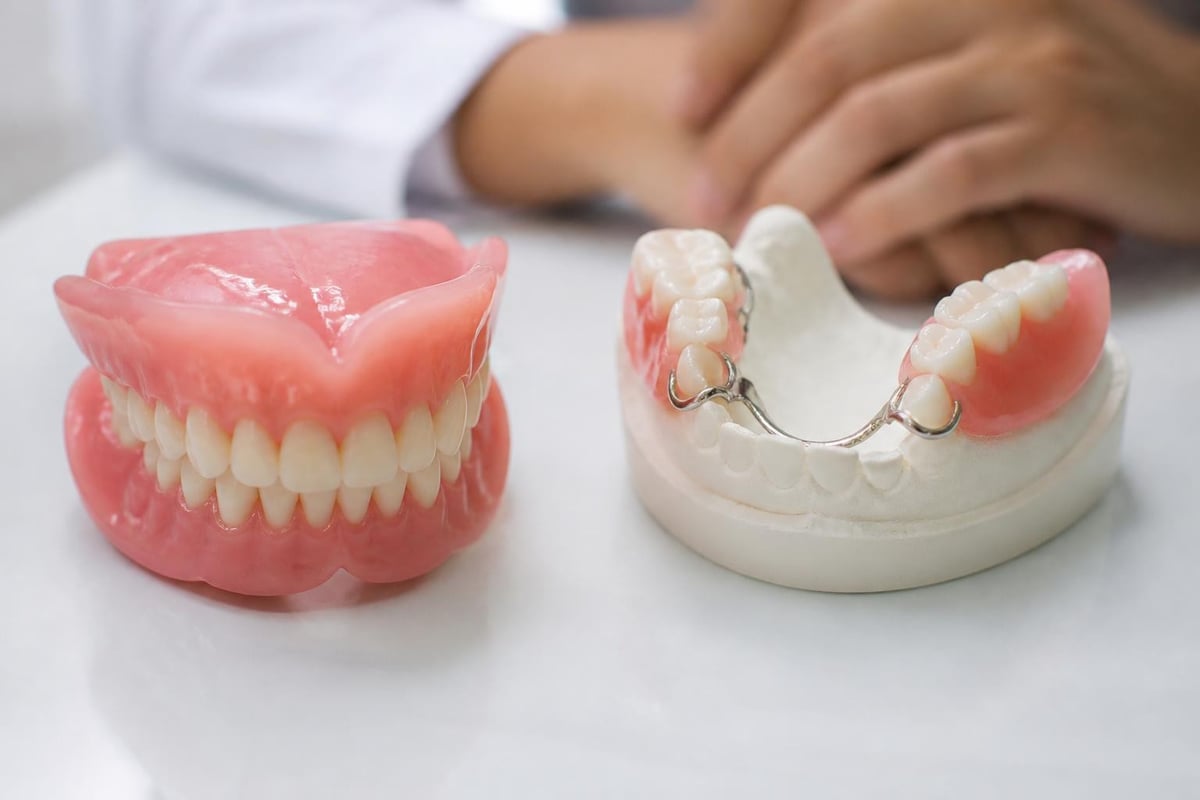
Dentures remain one of the most common tooth replacement options for seniors, offering an affordable and non-surgical solution for missing teeth. These removable appliances come in two primary types: complete dentures and partial dentures.
Complete Dentures
Complete dentures replace all teeth in the upper or lower arch (or both). They consist of a gum-colored acrylic base that sits over the gums, with prosthetic teeth attached. Modern dentures look remarkably natural, with customizable tooth shapes, sizes, and shades that match your facial features and complexion.
Types of complete dentures include:
- Conventional dentures: Placed 8-12 weeks after tooth extraction, allowing gums to heal completely
- Immediate dentures: Inserted the same day teeth are removed, preventing you from being without teeth during healing
- Implant-supported dentures: Anchored to dental implants for superior stability and retention
The adjustment period for new dentures typically lasts several weeks. During this time, you may experience increased saliva production, minor soreness, and difficulty speaking or eating. These symptoms are normal and diminish as your mouth adapts.
Partial Dentures
Partial dentures fill gaps created by several missing teeth while preserving remaining natural teeth. They attach to existing teeth using metal clasps or precision attachments, creating a secure fit that restores chewing ability and prevents remaining teeth from shifting.
| Feature | Complete Dentures | Partial Dentures |
|---|---|---|
| Cost Range | $1,000 – $3,000 per arch | $700 – $1,800 |
| Treatment Time | 4-8 weeks | 3-6 weeks |
| Durability | 5-10 years | 5-8 years |
| Maintenance | Daily cleaning, annual adjustments | Daily cleaning, periodic adjustments |
| Bone Preservation | Does not prevent bone loss | Does not prevent bone loss |
Advantages and Limitations
Dentures offer several benefits that make them attractive for many seniors. They provide an affordable entry point into tooth replacement, require no surgery, and can be adjusted or relined as your mouth changes over time. For patients with significant bone loss or health conditions that prevent surgery, dentures may be the only viable option.
However, dentures also have limitations. They don't prevent jawbone deterioration, may slip during eating or speaking, and typically require adhesives for secure retention. Taste perception may change slightly due to the upper palate coverage. Some foods become challenging to eat, particularly hard or sticky items.
According to comprehensive dental restoration studies, many denture wearers eventually transition to implant-supported solutions for improved stability and comfort. This represents one of several tooth replacement options for seniors seeking enhanced quality of life.
Dental Bridges: Fixed Solutions for Partial Tooth Loss
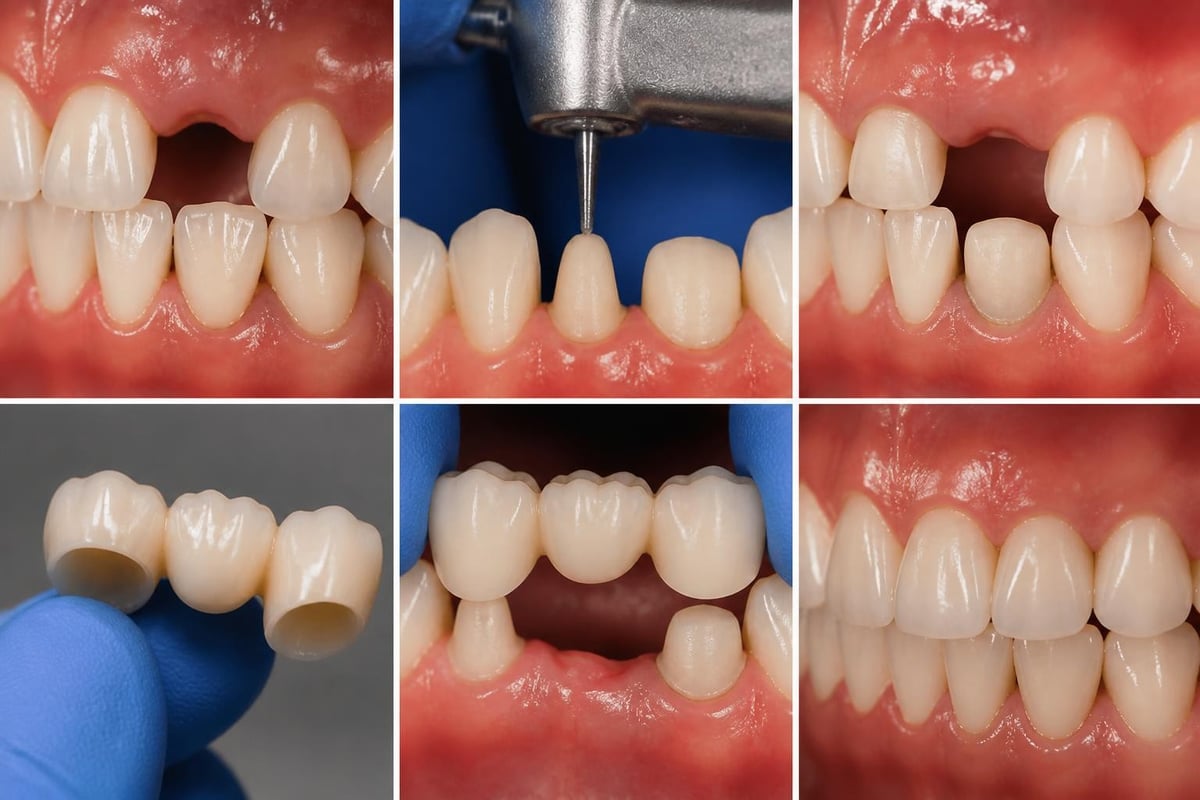
Dental bridges offer a permanent, non-removable solution for replacing one to three consecutive missing teeth. Unlike dentures, bridges are cemented in place and function like natural teeth, requiring no removal for cleaning.
How Traditional Bridges Work
A traditional bridge consists of one or more artificial teeth (pontics) held in place by dental crowns on adjacent natural teeth (abutment teeth). Your dentist prepares the neighboring teeth by removing enamel to accommodate the crowns, creating a stable foundation for the bridge.
The process requires two appointments. During the first visit, the abutment teeth are prepared and impressions are taken. A temporary bridge protects the prepared teeth while a dental laboratory fabricates your custom bridge. At the second appointment, the temporary bridge is removed and the permanent bridge is cemented into position.
Types of dental bridges include:
- Traditional fixed bridges: Supported by crowns on natural teeth
- Cantilever bridges: Anchored on one side only, used when teeth are present on just one side
- Maryland bonded bridges: Utilize a metal or porcelain framework bonded to the backs of adjacent teeth, preserving more natural tooth structure
- Implant-supported bridges: Anchored to dental implants rather than natural teeth, eliminating the need to prepare healthy teeth
Material Options and Aesthetics
Modern bridges are crafted from various materials, each offering distinct advantages. Porcelain-fused-to-metal bridges provide strength and acceptable aesthetics. All-ceramic or all-porcelain bridges deliver superior natural appearance, ideal for front teeth replacement. Zirconia bridges combine exceptional strength with excellent aesthetics, making them suitable for any location in the mouth.
At Dental Plus Clinic’s cosmetic dentistry department, we help patients select materials that balance aesthetics, durability, and budget considerations.
Longevity and Maintenance
Properly maintained bridges typically last 10-15 years or longer. Success depends on the health of supporting teeth and your commitment to oral hygiene. Brushing twice daily, flossing with special bridge threaders, and attending regular dental checkups protect your investment.
Potential complications include:
- Decay in abutment teeth if oral hygiene is inadequate
- Bridge loosening or detachment requiring recementation
- Gum recession around the bridge
- Structural damage to supporting teeth over time
The main drawback of traditional bridges is the requirement to modify healthy adjacent teeth. This irreversible alteration may compromise those teeth's long-term health. However, for patients who cannot undergo implant surgery due to medical conditions or insufficient bone, bridges represent an excellent fixed alternative among tooth replacement options for seniors.
Dental Implants: The Gold Standard in Tooth Replacement
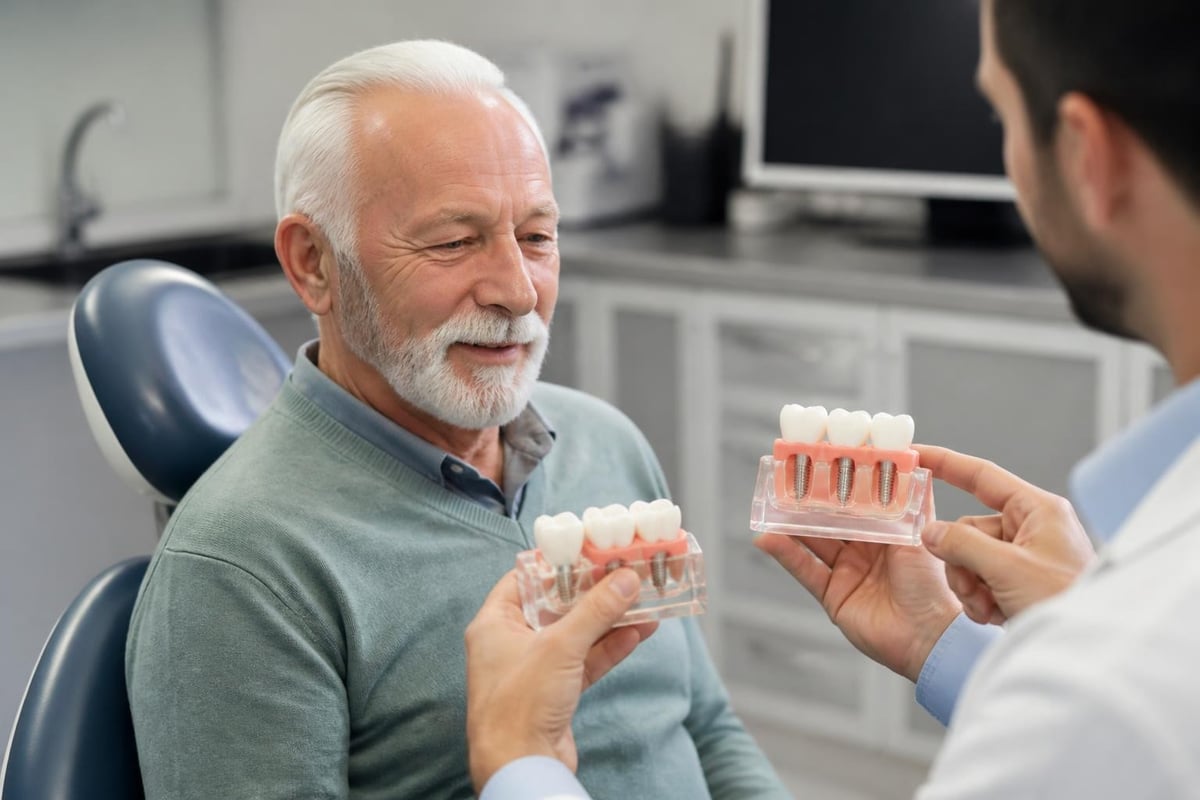
Dental implants have revolutionized tooth replacement, offering the most natural-looking and functional solution available. These titanium posts are surgically placed into the jawbone, where they integrate with the bone through a process called osseointegration, creating a stable foundation for replacement teeth.
The Implant Procedure and Timeline
The dental implant process typically unfolds in several stages over 3-6 months. First, your dentist evaluates your oral health, takes 3D imaging scans, and develops a comprehensive treatment plan. If bone loss has occurred, bone grafting may be necessary before implant placement.
During the surgical phase, performed under local anesthesia or sedation, the implant post is precisely positioned in the jawbone. A healing period of 3-6 months follows, allowing the implant to fuse with the bone. Once integration is complete, an abutment (connector piece) is attached to the implant, and a custom crown is placed on top.
The complete timeline includes:
- Initial consultation and planning (1-2 weeks)
- Bone grafting if needed (3-6 months healing)
- Implant placement surgery (1 day)
- Osseointegration period (3-6 months)
- Abutment placement (1 appointment)
- Crown fabrication and placement (2-3 weeks)
For seniors requiring multiple tooth replacements, dental implants with All-on-4 technology can restore an entire arch using just four strategically placed implants. This innovative approach reduces treatment time and eliminates the need for bone grafting in many cases.
Benefits That Set Implants Apart
Dental implants offer unparalleled advantages over other tooth replacement options for seniors. They preserve jawbone density by stimulating bone tissue just like natural tooth roots. This prevents the facial collapse and bone deterioration associated with dentures and bridges.
Implants restore 90% or more of natural biting force, allowing you to eat favorite foods without restrictions. They don't require alteration of adjacent teeth, preserving your natural dental structure. With proper care, implants can last 25 years or longer, making them the most cost-effective long-term solution despite higher upfront costs.
| Benefit Category | Dental Implants | Dentures | Bridges |
|---|---|---|---|
| Bone Preservation | Yes | No | No |
| Adjacent Teeth | Not affected | Not affected | Require modification |
| Eating Ability | 90%+ of natural | 50-60% of natural | 80%+ of natural |
| Lifespan | 25+ years | 5-10 years | 10-15 years |
| Maintenance | Brush and floss normally | Special cleaning required | Special cleaning required |
Candidacy Considerations for Seniors
Not every senior is an immediate candidate for dental implants. Successful implant placement requires adequate bone density, healthy gums, and good overall health. Certain conditions may complicate treatment, including uncontrolled diabetes, active periodontal disease, heavy smoking, and recent radiation therapy to the jaw area.
However, many perceived barriers are surmountable. Bone grafting can rebuild deficient bone. Periodontal treatment can restore gum health. Medical conditions can be managed in coordination with your physician. Advanced dental implant technology continues to expand candidacy, making implants accessible to more seniors than ever before.
The cost of dental implants ranges from $3,000 to $6,000 per tooth, depending on complexity and location. While this represents a significant investment, many patients find the long-term benefits justify the expense. Some dental insurance plans provide partial coverage, and financing options make treatment more accessible.
Implant-Supported Overdentures: Combining Stability and Affordability
For seniors seeking a middle ground between traditional dentures and individual implants, implant-supported overdentures present an attractive option. These hybrid appliances combine the affordability of dentures with the stability of dental implants.
How Overdentures Function
Implant-supported overdentures attach to 2-4 dental implants placed in the jawbone. Unlike traditional dentures that rest on the gums and rely on suction or adhesives, overdentures snap onto the implants using special attachments. This connection provides remarkable stability while allowing you to remove the denture for cleaning.
Two primary attachment systems are available. Ball-and-socket attachments feature spherical connectors on the implants that fit into corresponding sockets in the denture. Bar-attachment systems use a thin metal bar connecting the implants, with clips in the denture that attach to the bar.
Key advantages include:
- Significantly improved stability compared to traditional dentures
- Enhanced chewing efficiency and comfort
- Prevention of denture slippage during eating and speaking
- Reduced palate coverage on upper dentures, improving taste sensation
- Some degree of bone preservation from implant stimulation
- Lower cost than replacing each tooth with individual implants
Treatment Process and Adjustment
The overdenture process begins with implant placement, typically requiring 2-4 implants per arch. After a healing period of 3-4 months, attachments are added to the implants and your denture is modified or fabricated to connect with these attachments.
If you currently wear dentures, they can often be converted to overdentures, reducing overall treatment costs. This conversion involves placing the implants, allowing them to heal, and then retrofitting your existing dentures with the necessary attachments.
Adjustment to overdentures is typically easier than traditional dentures because the increased stability provides confidence during eating and speaking. Most patients adapt within a few days and report significant improvement in quality of life.
According to research on senior tooth replacement, overdentures represent an excellent compromise for patients who want improved stability without the cost of full-arch implant restorations.
Mini Dental Implants: Less Invasive Alternative
Mini dental implants (MDIs) offer a less invasive alternative to traditional implants, particularly beneficial for seniors with moderate bone loss or health concerns that make major surgery risky. These narrow-diameter implants measure less than 3mm wide, compared to 3.5-6mm for standard implants.
Applications and Advantages
Mini implants are primarily used to stabilize lower dentures, though they can also replace small teeth or serve as temporary anchors during orthodontic treatment. The placement procedure is minimally invasive, often completed in a single appointment without extensive incisions or sutures.
Benefits of mini implants include:
- Single-visit placement with immediate loading in many cases
- Less invasive surgery with faster healing
- Suitable for patients with insufficient bone for standard implants
- Lower cost than traditional implants
- Reduced post-operative discomfort
However, mini implants have limitations. They provide less stability than standard implants and may not be suitable for replacing molars or supporting fixed bridges. Their smaller size makes them more susceptible to failure under heavy chewing forces. Most dentists recommend mini implants primarily for denture stabilization rather than as standalone tooth replacements.
The cost of mini implants typically ranges from $500 to $1,500 per implant, making them more affordable than traditional implants. This price point makes them accessible to seniors on fixed incomes who want improved denture stability without extensive surgery.
Selecting the Right Solution: Factors to Consider
Choosing among tooth replacement options for seniors requires careful evaluation of multiple factors. No single solution is ideal for everyone, and the best choice depends on your unique circumstances, priorities, and goals.
Health and Anatomical Considerations
Your overall health status significantly influences treatment options. Dental implants require adequate healing capacity and bone density. Conditions like uncontrolled diabetes, immune disorders, or recent cancer treatment may necessitate alternative approaches or additional precautions.
Bone quality and quantity determine implant feasibility. Seniors who have been without teeth for extended periods often experience significant bone loss, potentially requiring grafting procedures. Traditional dentures or bridges may be more appropriate when bone rebuilding is not desired or possible.
Gum health also plays a crucial role. Active periodontal disease must be treated before any tooth replacement procedure. Healthy gums provide the foundation for successful outcomes with any restoration type.
Financial Considerations and Insurance
Budget constraints influence treatment decisions for many seniors on fixed incomes. Understanding both immediate costs and long-term value helps you make informed choices.
Approximate cost ranges for tooth replacement options for seniors:
- Traditional dentures: $1,000 – $3,000 per arch
- Partial dentures: $700 – $1,800
- Dental bridges: $2,000 – $5,000 per unit
- Single dental implants: $3,000 – $6,000
- Implant-supported overdentures: $8,000 – $15,000 per arch
- All-on-4 full arch restoration: $20,000 – $30,000 per arch
Most dental insurance plans provide partial coverage for dentures and bridges, typically covering 50% of costs up to annual maximums. Implant coverage varies significantly, with many traditional plans excluding them entirely. However, some Medicare Advantage plans now include dental benefits that may cover portions of implant treatment.
For patients in the Beeville, Seguin, New Braunfels, Leander, and Converse areas, Dental Plus Clinic offers flexible financing options that make comprehensive tooth replacement accessible regardless of insurance coverage.
Lifestyle and Personal Preferences
Your daily activities, dietary preferences, and personal priorities should guide your decision. Active seniors who enjoy varied diets often prefer the stability and functionality of implants or implant-supported solutions. Those comfortable with maintenance routines may find dentures perfectly acceptable.
Questions to ask yourself:
- How important is the ability to eat all types of food?
- Am I comfortable with removable appliances?
- Do I want a permanent, fixed solution?
- How much maintenance am I willing to perform?
- What timeline works best for my schedule?
- How important is preserving my natural facial structure?
Honest answers to these questions, combined with professional guidance, help identify the tooth replacement option that aligns with your values and goals.
The Consultation Process: What to Expect
Making informed decisions about tooth replacement options for seniors begins with a comprehensive dental consultation. This evaluation provides the foundation for successful treatment planning and optimal outcomes.
Initial Examination and Diagnostics
Your consultation starts with a thorough examination of your oral health. The dentist assesses remaining teeth, gum condition, bite alignment, and jaw joint function. Digital X-rays and 3D cone beam computed tomography (CBCT) scans reveal bone density and anatomical structures critical for treatment planning.
Medical history review identifies conditions or medications that might affect treatment. Blood thinners, bisphosphonates, and certain health conditions require special consideration and coordination with your physician.
Photographs and impressions document current conditions and assist in treatment planning. For implant cases, surgical guides may be fabricated to ensure precise placement.
Treatment Planning and Options Discussion
Based on diagnostic findings, your dentist presents appropriate tooth replacement options with detailed explanations of each approach. This discussion covers procedures involved, expected timelines, costs, and anticipated outcomes.
Quality dental practices provide written treatment plans with cost breakdowns, enabling informed comparison and decision-making. Don't hesitate to ask questions about success rates, potential complications, and long-term maintenance requirements.
Critical questions to ask during your consultation:
- What are my specific treatment options given my oral health status?
- What are the success rates for each option in my situation?
- What is the complete timeline from start to finish?
- What are all costs involved, including potential additional procedures?
- What financing options are available?
- What happens if complications arise?
- How long will the restoration last with proper care?
At Dental Plus Clinic locations across Texas, our team provides comprehensive consultations that empower patients to make confident decisions about their oral health.
Second Opinions and Further Research
For major dental investments, seeking a second opinion is prudent and encouraged by ethical dental professionals. Different dentists may recommend varying approaches based on their expertise, technology, and treatment philosophies.
Researching providers includes verifying credentials, reading patient reviews, and evaluating before-and-after case galleries. Look for dentists with advanced training in implant dentistry, prosthodontics, or geriatric dental care when considering complex restorations.
Understanding various dental bridge options and comprehensive implant solutions helps you ask informed questions and evaluate recommendations critically.
Caring for Your Tooth Replacement: Maintenance Essentials
Proper maintenance extends the lifespan of any tooth replacement and protects your oral health. Each solution type requires specific care protocols that become routine with practice.
Denture Care Guidelines
Traditional and partial dentures require daily cleaning with denture-specific products. Regular toothpaste is too abrasive and can scratch denture surfaces, creating areas where bacteria accumulate.
Daily denture maintenance includes:
- Rinse dentures after eating to remove food particles
- Brush all surfaces with a soft denture brush and denture cleaner
- Soak dentures overnight in denture solution
- Rinse thoroughly before reinserting
- Brush gums, tongue, and palate with a soft-bristled toothbrush
Handle dentures carefully over a folded towel or basin of water to prevent breakage if dropped. Never use hot water, which can warp the acrylic material. Annual dental visits allow your dentist to check fit, make adjustments, and screen for oral cancer.
Well-maintained dentures typically require relining every 2-3 years as your mouth changes shape. Complete replacement becomes necessary every 5-10 years as wear accumulates and facial structure continues evolving.
Bridge and Implant Maintenance
Fixed bridges and dental implants require diligent oral hygiene similar to natural teeth. Brushing twice daily with fluoride toothpaste removes plaque and prevents decay in supporting teeth.
Flossing requires special techniques and tools. Floss threaders, interdental brushes, or water flossers clean beneath bridge pontics and around implant crowns. These areas are susceptible to inflammation and infection without proper cleaning.
| Maintenance Task | Frequency | Tools Needed |
|---|---|---|
| Brushing | Twice daily | Soft-bristled toothbrush, fluoride toothpaste |
| Flossing | Once daily | Floss threaders, interdental brushes, or water flosser |
| Antimicrobial rinse | Once daily | Alcohol-free mouthwash |
| Professional cleaning | Every 6 months | N/A |
| Dental examination | Every 6 months | N/A |
Implants are susceptible to peri-implantitis, an inflammatory condition similar to gum disease that can lead to implant failure. Professional cleanings every six months and meticulous home care prevent this complication.
Avoid chewing ice, hard candy, or other extremely hard substances that can damage crowns and bridges. If you grind your teeth at night, a protective nightguard preserves your restoration and prevents fractures.
Warning Signs Requiring Immediate Attention
Certain symptoms indicate problems requiring prompt dental evaluation. Early intervention prevents minor issues from becoming major complications.
Contact your dentist if you experience:
- Persistent pain or sensitivity around restorations
- Loosening or movement of bridges or implants
- Swelling, redness, or bleeding around implants
- Broken or cracked artificial teeth
- Dentures that no longer fit properly
- Sores that don't heal within two weeks
- Changes in bite or jaw alignment
Regular professional care combined with dedicated home maintenance ensures your tooth replacement remains functional and attractive for its full expected lifespan.
Common Concerns and Questions About Tooth Replacement
Seniors considering tooth replacement options often have similar questions and concerns. Addressing these helps you move forward with confidence.
Pain and Discomfort During Treatment
Many seniors worry about pain associated with tooth replacement procedures. Modern dentistry offers multiple anesthesia and sedation options that ensure comfortable experiences.
Local anesthesia completely numbs treatment areas during procedures. For anxious patients or extensive treatments, oral sedation or IV sedation provides relaxation while remaining conscious. General anesthesia is available for complex cases when recommended by your dentist and physician.
Post-treatment discomfort is typically manageable with over-the-counter pain relievers. Most patients report less pain than anticipated. Implant surgery often causes less discomfort than tooth extraction, with most patients returning to normal activities within 24-48 hours.
Treatment Duration and Immediate Solutions
The timeline for tooth replacement varies considerably by option type. Traditional dentures can be completed in 4-8 weeks. Bridges typically require 2-3 weeks. Dental implants take 3-6 months for complete treatment due to healing requirements.
For patients needing immediate solutions, temporary restorations bridge the gap. Immediate dentures are placed the same day teeth are extracted. Temporary crowns protect prepared teeth during bridge fabrication. Some implant cases allow immediate temporary crowns, though permanent restorations still require waiting for osseointegration.
According to expert analysis of replacement options, understanding realistic timelines helps patients plan appropriately and maintain realistic expectations throughout treatment.
Age-Related Considerations
Some seniors question whether age limits tooth replacement options. While advanced age presents certain considerations, it rarely prohibits treatment. Successful implant placement has been documented in patients well into their 90s when overall health permits.
Health status matters more than chronological age. A healthy 80-year-old may be an excellent implant candidate, while a 65-year-old with multiple medical complications might require alternative approaches.
Bone quality and quantity decline with age, potentially complicating implant placement. However, bone grafting and advanced surgical techniques expand treatment possibilities. Mini implants offer alternatives when standard implants aren't feasible.
Multiple Missing Teeth Solutions
Seniors missing numerous teeth often wonder about the most efficient restoration approach. Multiple individual implants become cost-prohibitive for whole-arch replacement. Fortunately, alternatives exist.
Implant-supported bridges replace multiple consecutive teeth using fewer implants. All-on-4 or All-on-6 restorations replace entire arches with just 4-6 strategically placed implants. These approaches significantly reduce costs while providing fixed, stable restorations.
For patients comparing All-on-4 versus All-on-6 options, understanding the differences in implant number, stability, and cost helps guide appropriate selection.
Frequently Asked Questions
What is the most affordable tooth replacement option for seniors?
Traditional removable dentures represent the most budget-friendly tooth replacement option, with costs ranging from $1,000 to $3,000 per arch. Partial dentures cost even less at $700 to $1,800. While dentures require ongoing maintenance and periodic replacement, they provide immediate affordability for seniors on fixed incomes. Many dental insurance plans cover 50% or more of denture costs, further reducing out-of-pocket expenses.
How long do dental implants last for older adults?
Dental implants can last 25 years or longer with proper care, regardless of patient age at placement. Success depends more on overall health, oral hygiene practices, and maintenance than chronological age. Studies show implant success rates exceeding 95% in healthy seniors. Factors affecting longevity include smoking status, diabetes control, bone quality, and commitment to regular dental visits. The crown attached to the implant may require replacement after 10-15 years due to normal wear, but the implant itself typically remains stable for decades.
Can I get dental implants if I have osteoporosis?
Osteoporosis doesn't automatically disqualify you from dental implants, though it requires additional evaluation and precautions. The primary concern involves medications used to treat osteoporosis, particularly bisphosphonates, which can affect jaw bone healing. Your dentist will coordinate with your physician to assess risks and potentially adjust medications before implant surgery. Bone grafting may be necessary to reinforce areas of low bone density. Many patients with osteoporosis successfully receive implants with appropriate planning and precautions.
Are there tooth replacement options that don't require surgery?
Yes, several non-surgical tooth replacement options for seniors exist. Traditional dentures and partial dentures require no surgery and can replace any number of missing teeth. Dental bridges provide fixed solutions without implant surgery, though they do require preparation of adjacent teeth. Maryland bonded bridges minimize tooth alteration while avoiding surgery. These options work well for patients who cannot undergo surgery due to health conditions, medication concerns, or personal preference. Your dentist can recommend the most appropriate non-surgical solution based on your specific situation.
Will Medicare or dental insurance cover tooth replacement?
Traditional Medicare does not cover most dental procedures, including tooth replacement. However, some Medicare Advantage plans include dental coverage that may partially cover dentures, bridges, and occasionally implants. Most private dental insurance plans cover 50% of dentures and bridges up to annual maximum limits, typically $1,000-$2,000. Implant coverage varies widely, with many plans excluding them or classifying them as cosmetic. Reviewing your specific plan benefits and exploring supplemental dental insurance or discount plans can reduce costs. Dental Plus Clinic’s savings programs provide additional options for making treatment affordable.
How do I know which tooth replacement option is best for me?
Determining the optimal tooth replacement option requires comprehensive evaluation by a qualified dentist who considers multiple factors including your oral health status, bone density, overall medical conditions, budget, lifestyle preferences, and personal goals. A thorough examination with diagnostic imaging reveals anatomical considerations and candidacy for various options. Discussing priorities like permanence, stability, maintenance requirements, and aesthetics helps narrow choices. Many patients benefit from staged approaches, starting with one solution and potentially upgrading later. The best option balances clinical appropriateness with your individual circumstances and values.
What happens if a dental implant fails?
While dental implant failure is uncommon (occurring in less than 5% of cases), it can result from infection, insufficient bone integration, excessive forces, or other factors. Early failures typically occur within months of placement when osseointegration doesn't succeed. Late failures develop after years of function, often due to peri-implantitis or bone loss. Failed implants are removed, usually with minimal discomfort. After a healing period of 3-4 months, a replacement implant can often be placed with or without bone grafting. Many implant failures are salvageable with appropriate intervention, and dentists often warranty implants against failure for specified periods.
Can I eat normally with dentures or implants?
Eating ability varies significantly among tooth replacement types. Traditional dentures restore approximately 50-60% of natural chewing force and may restrict certain hard or sticky foods. Implant-supported overdentures improve chewing efficiency to 70-80% of natural function. Dental implants with fixed crowns or bridges restore 90% or more of natural biting force, allowing virtually unrestricted diet. Most patients adapt eating techniques regardless of restoration type, though implants provide the closest experience to natural teeth. Your dentist provides specific dietary guidance during the adjustment period following any tooth replacement procedure.
How often do dentures need to be replaced?
Well-maintained dentures typically last 5-10 years before requiring replacement. However, the underlying bone and gum tissues continue changing throughout life, causing dentures to fit less precisely over time. Relining (adding material to the denture base) every 2-3 years maintains proper fit and function. Eventually, accumulated wear, staining, and tissue changes necessitate complete denture replacement. Regular dental examinations monitor fit and condition, helping determine optimal replacement timing. Proper care including gentle cleaning, overnight soaking, and avoiding damage extends denture lifespan and delays replacement needs.
Is tooth replacement treatment painful for seniors?
Modern dental techniques and anesthesia make tooth replacement procedures comfortable for patients of all ages. Local anesthetic completely numbs treatment areas during procedures. For anxious patients, sedation dentistry options including oral sedation, nitrous oxide, or IV sedation provide relaxation throughout treatment. Post-procedure discomfort is typically mild and manageable with over-the-counter pain relievers. Most seniors report less pain than anticipated. Implant surgery causes less discomfort than many expect, with most patients experiencing only minor soreness for a few days. Your dental team provides detailed pain management instructions and remains available to address any concerns during recovery.
Advanced Technologies Improving Senior Tooth Replacement
Technological innovations continue expanding treatment possibilities and improving outcomes for seniors pursuing tooth replacement. Modern dental practices invest in advanced equipment that enhances precision, comfort, and predictability.
Digital Imaging and Treatment Planning
3D cone beam computed tomography (CBCT) provides detailed views of bone structure, nerve locations, and sinus positions essential for safe implant placement. This technology allows precise virtual implant positioning before surgery begins, reducing complications and improving success rates.
Intraoral scanners eliminate uncomfortable impression materials, capturing detailed digital models of your mouth within minutes. These scans integrate with computer-aided design and manufacturing (CAD/CAM) systems that fabricate precise, custom restorations.
Digital smile design software allows you to preview results before treatment begins, ensuring aesthetic expectations align with achievable outcomes.
Guided Implant Surgery
Computer-guided implant surgery utilizes surgical guides fabricated from digital treatment plans. These guides ensure implants are placed at precisely predetermined positions, angles, and depths. Guided surgery improves accuracy, reduces surgical time, and often allows less invasive techniques.
Some advanced practices offer fully guided surgery where the entire procedure follows digital planning with minimal deviation. This precision is particularly valuable for complex cases involving multiple implants or challenging anatomy.
Same-Day Restorations
CAD/CAM technology enables same-day crown fabrication for certain cases. Rather than wearing temporary restorations for weeks, you receive permanent crowns during a single appointment. While not appropriate for all situations, same-day dentistry significantly improves convenience for qualifying patients.
Immediate-load dental implants allow placement of temporary teeth the same day as implant surgery in selected cases. Though final restorations still require osseointegration completion, you avoid being without teeth during healing.
These advancements make tooth replacement more accessible, comfortable, and predictable for seniors seeking optimal solutions. Staying informed about the latest dental implant technology helps you make decisions based on current capabilities rather than outdated assumptions.
Special Considerations for Seniors in Texas
Geographic location influences access to specialists, treatment costs, and insurance options. Seniors throughout Texas benefit from numerous qualified dental practices offering comprehensive tooth replacement services.
Regional Availability and Access
Urban areas like San Antonio, Austin, and surrounding regions provide access to dental specialists including prosthodontists, oral surgeons, and periodontists who focus on complex tooth replacement cases. Rural areas may have fewer specialists, though general dentists often provide excellent tooth replacement services or coordinate referrals when necessary.
Dental Plus Clinic serves communities across Texas with locations in Beeville, Seguin, New Braunfels, Leander, and Converse, bringing advanced tooth replacement options to both urban and rural populations.
Climate and Oral Health
Texas's warm climate encourages active lifestyles well into senior years. Tooth replacement that supports unrestricted eating and confident smiling enhances quality of life for active seniors who enjoy dining out, traveling, and social activities.
Adequate hydration is essential in Texas heat, which also benefits oral health. Dry mouth, common among seniors taking multiple medications, accelerates tooth decay and affects denture retention. Discussing dry mouth management with your dentist protects both natural teeth and restorations.
Insurance and Medicare Advantage Plans
Texas offers numerous Medicare Advantage plans with varying dental benefits. Comparing plans during annual enrollment periods can significantly reduce tooth replacement costs. Some plans cover preventive care plus partial coverage for restorative procedures including dentures and bridges.
Dental discount plans popular in Texas provide reduced fees for services at participating providers. While not insurance, these plans can reduce costs by 20-50% for seniors without dental coverage.
According to comprehensive reviews of senior dental solutions, understanding regional insurance landscapes helps maximize benefits and minimize out-of-pocket expenses.
Making Your Decision and Moving Forward
Selecting among tooth replacement options for seniors represents an important decision affecting health, appearance, and quality of life for years to come. Taking time to gather information, evaluate options, and choose wisely ensures satisfaction with your investment.
Creating Your Personal Decision Framework
Start by identifying your priorities. Rank factors like cost, treatment timeline, permanence, maintenance requirements, and aesthetics according to their importance to you. This framework guides conversations with your dentist and helps evaluate recommendations objectively.
Consider your long-term goals. Will this restoration serve you for the next 5 years? 10 years? 20 years? Choosing solutions with appropriate longevity prevents premature replacement and additional expenses.
Evaluate your commitment to maintenance. Some solutions require more diligent care than others. Honest assessment of your willingness to perform necessary maintenance helps identify sustainable options.
Financial Planning Strategies
Understanding total costs prevents surprises and enables informed budgeting. Request itemized treatment plans showing all procedures, materials, and fees. Ask about potential additional costs for complications or unforeseen issues.
Explore all payment options including insurance benefits, health savings accounts, flexible spending accounts, dental financing plans, and payment plans offered by dental practices. Many practices offer interest-free financing for qualified patients.
Consider long-term value versus immediate cost. While implants cost more initially, their extended lifespan often makes them more economical over 20-30 years compared to replacing dentures multiple times.
Taking the First Step
The journey to restored oral health begins with scheduling a comprehensive consultation. Prepare for this appointment by listing questions, gathering medical records, and documenting current medications.
During your consultation, openly discuss concerns, preferences, and limitations. Quality dentists appreciate informed, engaged patients and welcome detailed conversations about treatment options.
Don't rush major decisions. Take time to review information, discuss options with family, and reflect on recommendations. Most tooth replacement situations aren't emergencies requiring immediate decisions.
However, avoid indefinite delay. Extended tooth loss leads to progressive complications that complicate eventual treatment and reduce options. Acting within reasonable timeframes preserves your oral health and maximizes available choices.
Choosing the right tooth replacement solution transforms more than just your smile. It impacts nutrition, confidence, social engagement, and overall well-being throughout your retirement years. Whether you select dentures, bridges, implants, or hybrid solutions, modern dentistry offers effective options that restore function and aesthetics at every budget level. Dental Plus Clinic provides comprehensive tooth replacement services throughout Texas, combining advanced technology with personalized care to help seniors achieve optimal oral health. Schedule your consultation today at one of our five convenient locations to explore solutions tailored to your unique needs and goals.