
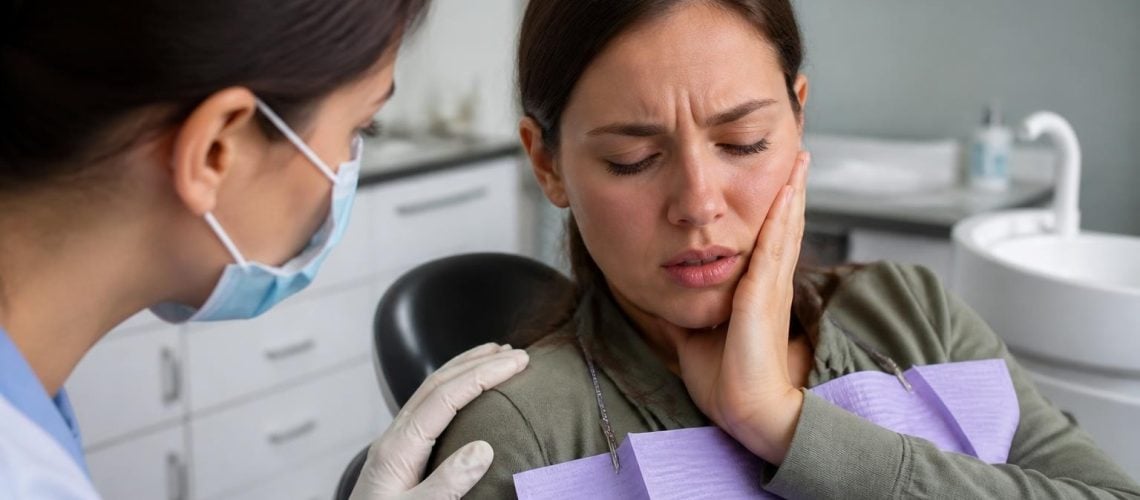
Dental emergencies can happen at the most unexpected moments-during a weekend family barbecue, while your child is playing sports, or in the middle of the night when dental offices are closed. Knowing what is considered a dental emergency empowers you to make quick, informed decisions that can save a tooth, prevent infection, or alleviate severe pain. Many patients struggle to distinguish between situations requiring immediate attention and those that can wait for a scheduled appointment. This comprehensive guide provides clarity on dental emergencies, helping Texas families understand when to seek urgent care and how to respond effectively before reaching professional help.
Understanding What Is Considered a Dental Emergency
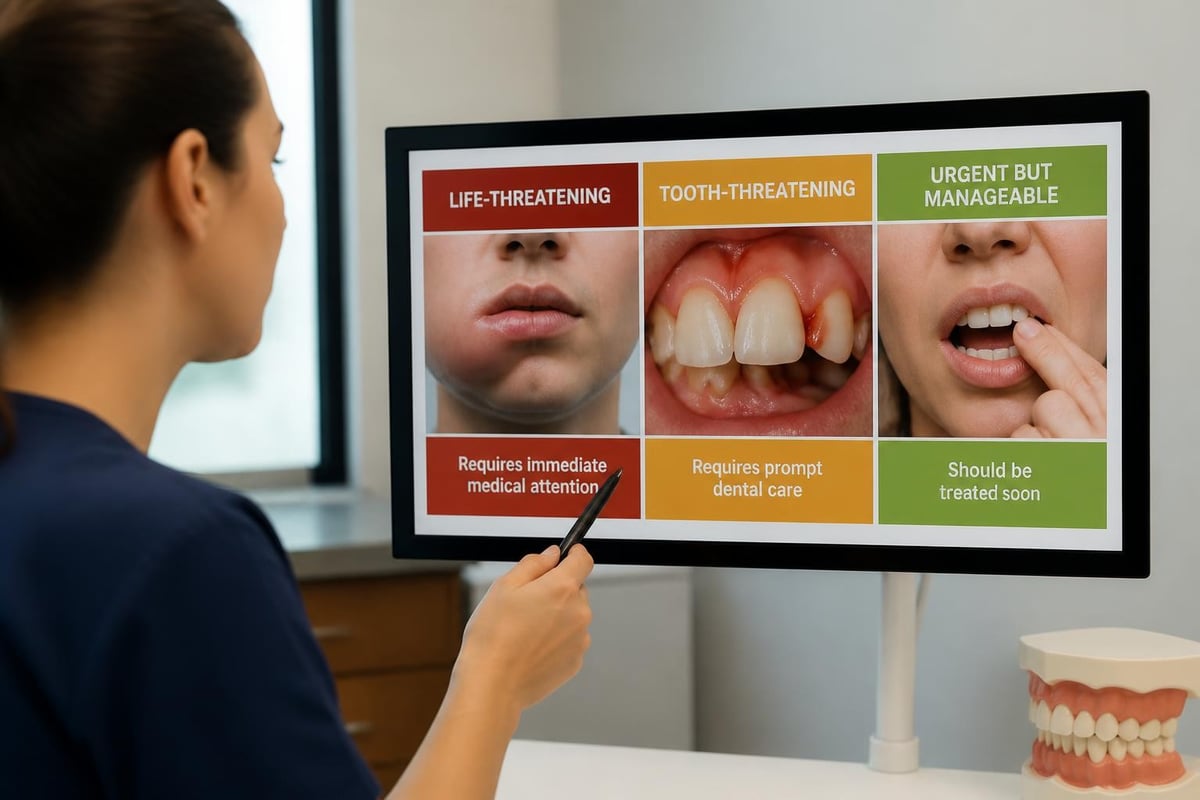
A dental emergency encompasses any oral health situation requiring immediate professional intervention to alleviate severe pain, stop ongoing tissue bleeding, save a tooth, or address an infection that could become life-threatening. The American Dental Association provides clear guidance on categorizing these urgent conditions.
Time-Sensitive Dental Conditions
Not every toothache or minor chip requires emergency care. The distinguishing factor is urgency-will delaying treatment cause irreversible damage, uncontrolled infection, or unbearable pain?
Immediate emergency situations include:
- Uncontrolled bleeding that doesn't stop after 15 minutes of applied pressure
- Swelling affecting your ability to breathe or swallow
- Trauma causing severe pain with visible tooth fracture or displacement
- Knocked-out permanent teeth (avulsion)
- Suspected jaw fracture or dislocation
- Abscess with fever, facial swelling, or rapidly spreading infection
Urgent but manageable situations include:
- Moderate toothache without swelling or fever
- Lost filling or crown causing sensitivity
- Broken or chipped tooth without severe pain
- Loose permanent tooth in adults
- Soft tissue injury with controlled bleeding
The key difference lies in potential consequences. A knocked-out tooth has a narrow window for successful reimplantation, making it a true emergency. A lost filling, while uncomfortable, can typically wait 24-48 hours for professional attention.
Recognizing Traumatic Dental Emergencies
Dental trauma constitutes one of the most common reasons patients seek emergency care. Understanding what is considered a dental emergency in traumatic situations helps you respond appropriately and increases the chances of saving injured teeth.
Knocked-Out Teeth (Avulsion)
A completely knocked-out permanent tooth represents a critical emergency with time-dependent outcomes. According to the International Association of Dental Traumatology guidelines, the chances of successful reimplantation decrease significantly after 30 minutes outside the socket.
Immediate action steps:
- Find the tooth and handle it only by the crown (white part)
- Rinse gently with milk or saline if dirty-never scrub or use soap
- Attempt to reposition it in the socket if the patient is conscious and cooperative
- If reinsertion isn't possible, store the tooth in cold milk, saline, or the patient's saliva
- Seek dental care within 30 minutes for best outcomes
For children, the American Academy of Pediatric Dentistry emphasizes different protocols for baby teeth versus permanent teeth. Baby teeth are typically not reimplanted due to potential damage to developing permanent teeth underneath.
Fractured or Broken Teeth
Tooth fractures vary widely in severity. What is considered a dental emergency depends on the extent of the break and associated symptoms.
| Fracture Type | Emergency Level | Immediate Action Required |
|---|---|---|
| Minor chip (enamel only) | Low | Save fragment, schedule appointment within 1-2 days |
| Moderate fracture (dentin exposed) | Moderate | Cover sharp edges, seek care within 24 hours |
| Severe fracture (pulp exposed) | High | Rinse mouth, apply cold compress, seek immediate care |
| Root fracture | High | Minimize movement, immediate dental evaluation |
| Vertical split | Critical | Emergency care required, possible extraction |
Exposed dental pulp (the tooth's nerve center) creates significant pain and infection risk. These fractures require same-day treatment to preserve the tooth and prevent complications.
Luxation and Displacement Injuries
When teeth are pushed out of position (extrusion), driven deeper into the socket (intrusion), or displaced sideways (lateral luxation), professional evaluation is essential. These injuries often damage supporting structures and blood supply.
Patients should avoid attempting to reposition displaced teeth themselves except in avulsion cases. Gentle stabilization with light finger pressure and immediate professional care offer the best outcomes.
Infection-Related Dental Emergencies
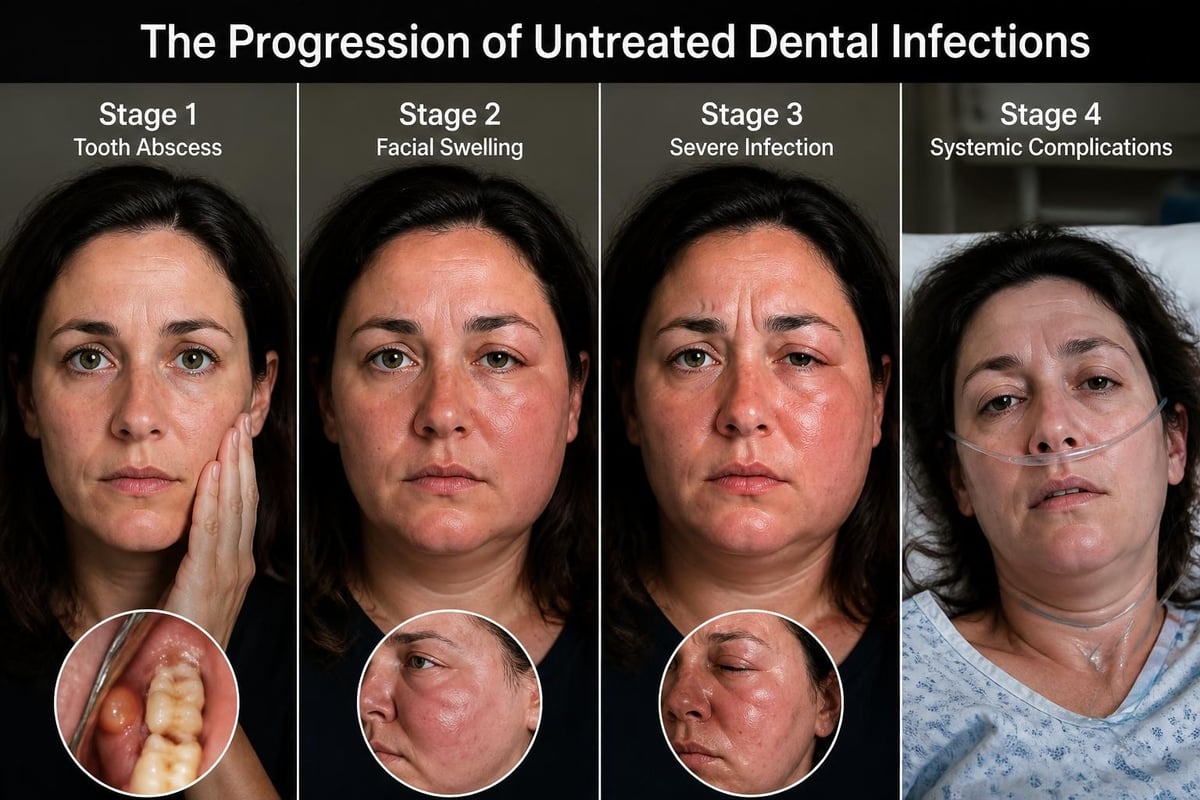
Dental infections can escalate quickly from localized discomfort to life-threatening systemic conditions. Understanding infection-based emergencies helps patients recognize warning signs requiring immediate intervention.
Dental Abscesses and Their Complications
An abscess is a pocket of pus caused by bacterial infection. What is considered a dental emergency versus a routine dental problem often hinges on infection severity and systemic symptoms.
Signs indicating emergency-level abscess:
- Swelling extending to the face, neck, or floor of the mouth
- Difficulty breathing or swallowing
- Fever above 101°F
- Rapid progression of swelling over hours
- Severe, throbbing pain unrelieved by over-the-counter medications
- General feeling of illness, confusion, or elevated heart rate
The StatPearls clinical overview notes that dental infections can spread to deep fascial spaces, potentially causing airway obstruction or sepsis. These represent true medical emergencies requiring hospital-level care.
Pericoronitis and Wisdom Tooth Infections
Pericoronitis occurs when gum tissue around partially erupted wisdom teeth becomes infected and inflamed. While often manageable with antibiotics and improved hygiene, certain presentations constitute emergencies. If you're experiencing specific infections around wisdom teeth, understanding pericoronitis and operculitis can provide valuable context.
Emergency scenarios include severe trismus (inability to open the mouth), swelling extending to the throat or submandibular region, or systemic fever and malaise. These situations may require immediate incision and drainage or emergency extraction.
Post-Procedure Complications
Excessive bleeding, severe pain, or infection signs following tooth extraction or dental surgery warrant emergency evaluation. Normal post-operative discomfort differs significantly from complications.
Red flags after dental procedures:
- Bleeding that soaks through gauze every 20-30 minutes for over two hours
- Swelling that worsens after day three
- Fever developing 48+ hours post-procedure
- Foul taste or smell indicating infection
- Increasing pain despite medication compliance
Pain-Related Dental Emergencies
Severe dental pain significantly impacts quality of life and may indicate serious underlying conditions. Determining what is considered a dental emergency for pain requires assessing intensity, duration, and associated symptoms.
Severe Toothache Assessment
Not all toothaches require emergency care, but certain characteristics signal urgent problems. If you're experiencing tooth pain, our guide on understanding your toothache offers additional insights into pain patterns and causes.
Emergency-level toothache indicators:
- Pain rated 7-10 out of 10 on the pain scale
- Pain preventing sleep or normal daily activities
- Swelling accompanying the pain
- Pain with fever or general illness
- Sudden onset of extreme sensitivity to temperature
- Pain following recent trauma
Manageable toothache characteristics:
- Mild to moderate pain (1-6 on pain scale)
- Intermittent discomfort triggered by specific foods
- Sensitivity without swelling or fever
- Gradual onset over days or weeks
- Pain controlled with over-the-counter medication
Our article on how to help with tooth pain provides temporary relief strategies while awaiting professional care.
Dry Socket (Alveolar Osteitis)
This painful condition develops when the blood clot protecting the extraction site becomes dislodged, exposing bone and nerves. While technically a post-operative complication rather than an emergency, the severe pain warrants prompt professional attention for medicated dressing placement and pain management.
Soft Tissue Injuries and Bleeding
Injuries to the lips, tongue, cheeks, or gums can produce dramatic bleeding, but what is considered a dental emergency versus a manageable injury depends on bleeding control and tissue damage extent.
Controlling Oral Bleeding
Most soft tissue injuries respond to direct pressure applied with clean gauze or cloth. Bleeding that persists beyond 15 minutes of continuous pressure requires professional evaluation.
Steps for managing oral soft tissue injuries:
- Rinse the mouth with warm salt water to visualize the injury
- Apply direct pressure with clean gauze for 15 minutes
- Use a cold compress externally to reduce swelling
- Elevate the head above heart level
- Avoid disturbing any forming clot by limiting mouth movement
When Soft Tissue Injuries Require Emergency Care
Certain lacerations and puncture wounds need professional suturing or specialized treatment:
- Cuts longer than half an inch
- Deep wounds exposing underlying muscle or bone
- Injuries caused by contaminated objects requiring tetanus consideration
- Animal or human bites with high infection risk
- Lacerations along the vermillion border (lip edge) requiring precise cosmetic closure
- Tongue injuries affecting the tip or involving significant tissue loss
The NHS provides practical guidance on distinguishing between injuries requiring emergency dental care versus those needing hospital emergency department evaluation.
Pediatric Dental Emergencies
Children experience unique dental emergencies, and what is considered a dental emergency for young patients sometimes differs from adult scenarios. The American Academy of Pediatric Dentistry provides specialized guidance for pediatric trauma and urgent situations.
Baby Teeth vs. Permanent Teeth
Treatment protocols vary significantly based on tooth type. Knocked-out baby teeth are typically not reimplanted because reimplantation may damage developing permanent teeth. However, displaced or intruded baby teeth require evaluation to assess potential impact on permanent tooth development.
Pediatric emergency priorities:
- Assess for permanent tooth involvement in children over age 6
- Evaluate potential aspiration risk if a tooth fragment is missing
- Address pain and anxiety with age-appropriate techniques
- Document injuries for potential follow-up developmental concerns
- Screen for non-accidental trauma in injury patterns inconsistent with reported cause
Common Childhood Dental Emergencies
Falls, sports injuries, and playground accidents commonly cause dental trauma in children. Parents should remain calm while quickly assessing the situation.
Emergency scenarios in children include:
- Any injury to permanent teeth in children over age 6
- Severe bleeding that doesn't stop with pressure
- Suspected jaw injury or difficulty closing the mouth properly
- Tooth displacement affecting breathing or eating
- Facial swelling or signs of infection
For preventive strategies, our article on helping your child avoid tooth decay addresses common pediatric dental concerns.
Lost Dental Restorations
While lost fillings, crowns, or bridges rarely constitute true emergencies, they require timely attention to prevent complications. Understanding what is considered a dental emergency helps patients prioritize appropriately.
Temporary Management of Lost Restorations
For lost crowns:
- Clean the crown and try to reposition it using dental cement or denture adhesive (temporary measure)
- Avoid chewing on the affected side
- Protect exposed tooth structure from temperature sensitivity
- Schedule appointment within 2-3 days
For lost fillings:
- Rinse the area gently
- Apply temporary dental filling material from pharmacies
- Avoid sticky, hard, or temperature-extreme foods
- Seek professional replacement within one week
Emergency-level restoration loss occurs when:
- Severe pain accompanies the loss, suggesting nerve exposure
- Sharp edges cause soft tissue injury
- The tooth fractures when the restoration falls out
- Swelling or infection signs develop
Our comprehensive guide on dental crowns pros and cons explains why timely restoration replacement matters for long-term tooth health.
Orthodontic Emergencies
Patients with braces occasionally experience situations they perceive as emergencies. True orthodontic emergencies are rare, but certain scenarios require prompt professional attention.
Non-Emergency Orthodontic Issues
Most orthodontic concerns can wait for the next scheduled appointment:
- Loose brackets or bands without pain
- Minor wire irritation manageable with orthodontic wax
- Slight discomfort after adjustment appointments
- Broken elastics or ties
True Orthodontic Emergencies
Situations requiring same-day care:
- Trauma causing significant bracket displacement or wire damage
- Wire puncturing the cheek or gum tissue, unmanageable with wax
- Severe pain suggesting infection or bracket impingement on tissue
- Appliance pieces that could be swallowed or aspirated
- Significant swelling or bleeding around orthodontic hardware
When to Visit the Emergency Room vs. Emergency Dentist
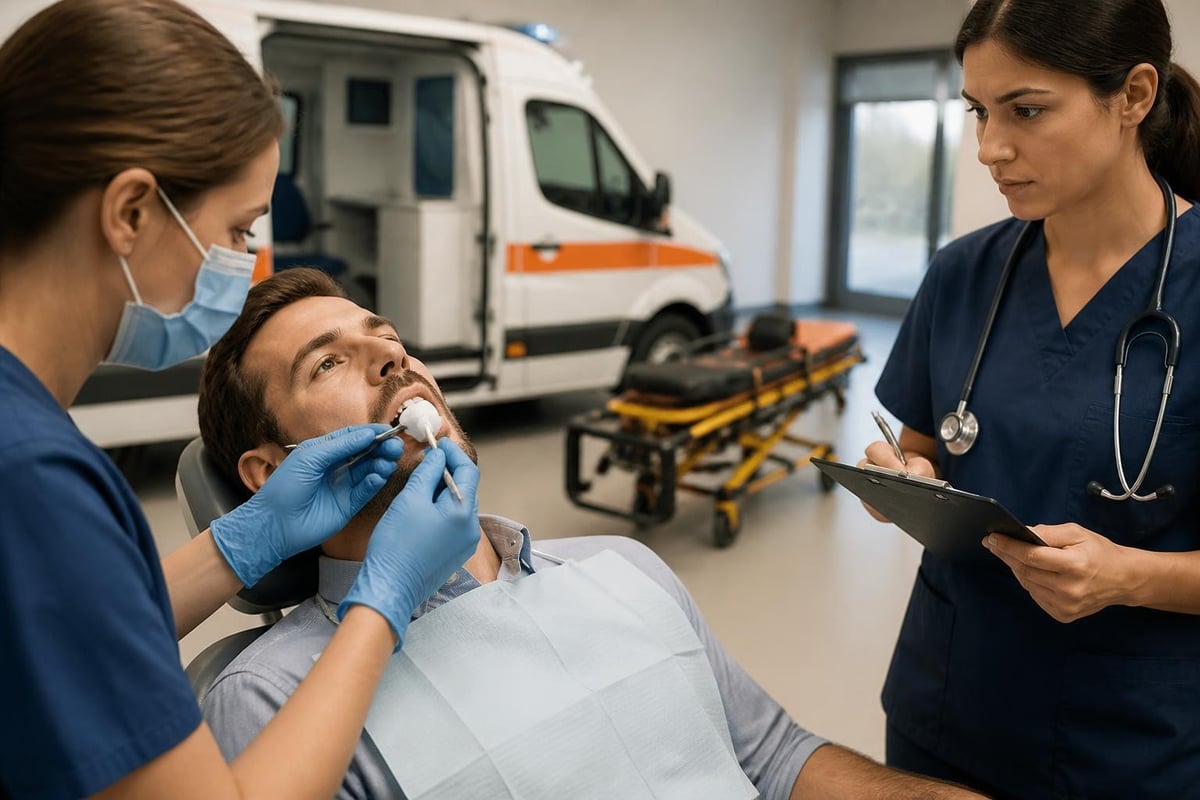
Understanding what is considered a dental emergency versus a medical emergency helps patients access appropriate care efficiently. Most dental problems are best handled by dental professionals, but certain situations require hospital emergency department evaluation.
Hospital Emergency Department Scenarios
Seek hospital emergency care for:
- Suspected jaw fracture or dislocation
- Uncontrolled bleeding despite 30+ minutes of direct pressure
- Difficulty breathing related to oral swelling
- Difficulty swallowing or throat swelling
- Dental trauma with concurrent head injury, loss of consciousness, or neurological symptoms
- High fever (103°F+) with facial swelling suggesting severe infection
- Signs of spreading infection including red streaking, eye swelling, or altered mental status
The NHS clinical guidance addresses triage protocols for determining appropriate care settings for urgent dental conditions.
Emergency Dental Care Scenarios
Contact an emergency dentist for:
- Knocked-out or severely displaced teeth
- Dental abscesses with localized swelling and moderate fever
- Severe toothache unmanageable with over-the-counter medication
- Fractured teeth with pulp exposure
- Significant soft tissue lacerations requiring suturing
- Lost restorations with severe pain
- Post-procedure complications with excessive bleeding or pain
Dental Plus Clinic maintains emergency protocols at all five Texas locations to ensure patients receive timely urgent care when dental emergencies arise.
Preventing Dental Emergencies
While not all emergencies are preventable, proactive measures significantly reduce risk. Regular preventive care identifies potential problems before they become urgent situations.
Routine Preventive Strategies
Reduce emergency risk through:
- Six-month dental examinations and cleanings
- Addressing small cavities before they progress to infection
- Wearing custom mouthguards during sports activities
- Avoiding hard foods that fracture teeth (ice, hard candy, popcorn kernels)
- Managing teeth grinding with nightguards
- Maintaining good oral hygiene to prevent infections
- Following post-treatment instructions carefully after dental procedures
Understanding how tooth infections spread emphasizes the importance of addressing dental issues promptly before they escalate.
Special Considerations for High-Risk Groups
Certain populations face elevated dental emergency risks:
Athletes: Custom-fitted mouthguards reduce sports-related dental trauma by 60% according to dental trauma research. Generic over-the-counter guards provide less protection.
Children: Supervision during play, child-proofing homes to minimize fall risks, and addressing dental anxiety early encourage timely treatment before small problems become emergencies.
Pregnant women: Hormonal changes increase gingival inflammation and infection susceptibility. Regular prenatal dental care prevents emergency-level pregnancy gingivitis.
Patients with chronic conditions: Diabetes, cardiovascular disease, and immunocompromising conditions affect infection risk and healing. These patients require particularly attentive preventive care.
Financial Considerations for Emergency Dental Care
Cost concerns often cause patients to delay emergency dental treatment, potentially worsening outcomes. Understanding payment options and insurance coverage helps patients access needed urgent care.
Insurance Coverage for Emergencies
Most dental insurance plans cover emergency care, though coverage levels vary. Understanding the best dental insurance plans in Texas helps families select policies with strong emergency benefits.
Typical emergency coverage includes:
| Service Type | Average Coverage | Patient Responsibility |
|---|---|---|
| Emergency exam | 80-100% | $20-50 copay |
| X-rays (diagnostic) | 80-100% | Minimal to none |
| Tooth extraction | 70-80% | 20-30% coinsurance |
| Root canal therapy | 50-80% | 20-50% coinsurance |
| Temporary restoration | 70-80% | 20-30% coinsurance |
Questions about in-network vs. out-of-network dentists become especially important during emergencies when patients may have limited provider choices.
Payment Options Without Insurance
Emergency dental care remains accessible even without insurance. Dental Plus Clinic offers multiple payment solutions:
- Flexible payment plans for emergency treatments
- Third-party healthcare financing with approved credit
- Discounted fee schedules for uninsured patients
- Transparent pricing provided before treatment when possible
For patients concerned about costs, our guide on reducing dental care costs provides practical strategies for managing expenses.
Creating Your Dental Emergency Action Plan
Preparation reduces panic during actual emergencies. Every household should maintain a dental emergency kit and action plan.
Essential Dental Emergency Kit Components
Assemble a kit containing:
- Emergency dentist contact information (saved in phone contacts)
- Clean gauze pads and cotton rolls
- Small container with lid (for storing knocked-out teeth or fragments)
- Temporary dental cement from pharmacy
- Dental wax for orthodontic emergencies
- Over-the-counter pain reliever (ibuprofen or acetaminophen)
- Cold pack
- Saline solution or contact lens solution
- Small flashlight for examining the mouth
- Dental floss and interdental cleaners
Emergency Contact Protocol
Create a written protocol including:
- Primary emergency dentist: Dental Plus Clinic emergency line
- After-hours instructions: Specific guidance from your regular dentist
- Backup options: Secondary emergency dental clinic contacts
- Hospital emergency department: For life-threatening situations
- Poison control: For accidental medication or chemical exposures
Share this protocol with family members, babysitters, coaches, and others who care for your children.
Frequently Asked Questions About Dental Emergencies
Is a chipped tooth considered a dental emergency?
A chipped tooth severity determines urgency. Minor enamel chips without pain can typically wait for a regular appointment within a few days. However, if the chip exposes the inner tooth structure (dentin or pulp), causes sharp edges cutting your tongue or cheek, or creates severe sensitivity, seek same-day emergency dental care. Save any tooth fragments and rinse your mouth with warm water while awaiting professional treatment.
What should I do if my child knocks out a baby tooth?
Baby teeth that are knocked out should not be reimplanted because doing so risks damaging the developing permanent tooth underneath. Rinse your child's mouth gently with water, apply a cold compress to reduce swelling, and contact your pediatric dentist for evaluation. The dentist will assess whether any fragments remain and whether the injury affected the permanent tooth bud. Most knocked-out baby teeth require monitoring but not emergency intervention unless bleeding is excessive or there are signs of jaw injury.
How quickly do I need to see a dentist for a knocked-out permanent tooth?
Time is critical for knocked-out permanent teeth. The best reimplantation success rates occur when treatment happens within 30 minutes of the injury. Handle the tooth only by the crown, rinse it gently if dirty (never scrub), and attempt to reposition it in the socket if possible. If reinsertion isn't feasible, store the tooth in cold milk or the patient's saliva and seek immediate emergency dental care. Even if 30 minutes have passed, still seek urgent treatment as reimplantation may still succeed up to several hours post-injury.
Can a severe toothache wait until Monday if it starts on the weekend?
Severe toothaches accompanied by swelling, fever, difficulty swallowing, or pain preventing sleep should not wait for regular business hours. These symptoms may indicate infection requiring immediate treatment. Contact an emergency dentist for weekend or after-hours care. However, if you have mild to moderate pain controlled by over-the-counter medication without swelling or systemic symptoms, you can likely wait for the next business day while practicing good oral hygiene and avoiding temperature extremes.
Does dental insurance cover emergency dental visits?
Most dental insurance plans provide coverage for emergency dental care, though coverage percentages vary by plan and specific treatment needed. Emergency examinations typically receive 80-100% coverage after any applicable deductible. Treatments like extractions, root canals, or restorations may have different coverage levels (typically 50-80%). Contact your insurance provider or review your benefits document to understand your specific emergency coverage. Dental Plus Clinic accepts most major dental insurance plans and can verify your emergency benefits before treatment when time permits.
What constitutes a dental emergency in children versus adults?
While many dental emergencies are similar across ages, pediatric emergencies have unique considerations. For children, what is considered a dental emergency includes any trauma to permanent teeth (typically age 6 and older), severe infection with fever, uncontrolled bleeding, or injuries affecting the child's ability to eat or sleep. Baby tooth trauma is usually less urgent than permanent tooth trauma, though evaluation is still important. Children may also have difficulty articulating pain levels, so behavioral changes like refusing food, difficulty sleeping, or facial swelling should prompt immediate professional evaluation.
Should I go to the emergency room or emergency dentist for dental pain?
For dental pain without life-threatening symptoms, an emergency dentist is the appropriate choice. Dentists have specialized training, equipment, and medications for dental emergencies. Visit a hospital emergency room only if you experience breathing difficulties, uncontrolled bleeding after 30 minutes of pressure, severe facial swelling, high fever with altered mental status, suspected jaw fracture, or dental trauma accompanying head injury. Hospital ERs typically provide pain medication and antibiotics but cannot perform definitive dental procedures like root canals or extractions.
How can I tell if my dental abscess requires emergency treatment?
A dental abscess requires emergency treatment when accompanied by facial swelling, fever above 101°F, difficulty swallowing or breathing, rapid swelling progression, severe pain unrelieved by over-the-counter medication, or general feeling of illness. These symptoms indicate the infection may be spreading beyond the localized area. A small, stable abscess with manageable pain can typically wait for next-business-day care, though you should still contact a dentist for guidance. Never ignore dental abscesses as they can progress to serious systemic infections.
What first aid should I provide for someone with a dental emergency before reaching the dentist?
First aid depends on the emergency type. For knocked-out teeth, rinse and attempt gentle reinsertion or store in milk. For severe bleeding, apply direct pressure with clean gauze for 15 minutes. For toothaches, rinse with warm salt water and take over-the-counter pain medication as directed. For soft tissue injuries, clean the area gently and apply pressure and cold compress. For dental trauma, collect any tooth fragments, manage bleeding, and protect the injured area from further damage. In all cases, contact an emergency dentist promptly for professional guidance and arrange immediate care.
Are cracked teeth considered dental emergencies?
The answer depends on crack severity and symptoms. Superficial craze lines (tiny cracks in enamel) without pain are cosmetic concerns that don't require emergency treatment. However, cracks extending into the dentin or pulp, causing severe pain, sensitivity to temperature, or visible separation of tooth segments constitute emergencies requiring same-day care. Vertical root cracks are particularly serious and may necessitate extraction. If you suspect a cracked tooth, avoid chewing on that side, rinse with warm water, use a cold compress for any swelling, and seek prompt dental evaluation even if pain is minimal, as cracks can worsen rapidly.
Knowing what is considered a dental emergency enables you to respond confidently during urgent oral health situations, potentially saving teeth and preventing serious complications. Understanding the difference between true emergencies and situations that can wait ensures you access appropriate care at the right time.
Whether you're facing a knocked-out tooth, severe infection, or traumatic injury, Dental Plus Clinic provides comprehensive emergency dental care across our five Texas locations in Beeville, Seguin, New Braunfels, Leander, and Converse. Our experienced dental professionals offer same-day emergency appointments, advanced pain management, and compassionate care when you need it most. Don't let uncertainty delay critical treatment-contact Dental Plus Clinic immediately when dental emergencies arise, and trust our team to restore your oral health and peace of mind.