

Every parent wants to give their child the best possible start in life, and that includes establishing healthy habits early. One question that frequently puzzles new parents is when should children have their first dental visit. Many assume that dental care begins when a child has a full set of teeth or starts school, but modern pediatric dentistry tells a very different story. Understanding the right timing for your child's first dental appointment can make a significant difference in their long-term oral health, potentially preventing painful cavities, costly treatments, and dental anxiety that can last a lifetime.
The Official Recommendation: Earlier Than You Think
The American Academy of Pediatric Dentistry (AAPD) provides clear guidance on when should children have their first dental visit. According to AAPD best practices, children should establish a "dental home" by their first birthday or within six months of their first tooth erupting, whichever comes first.
This recommendation surprises many parents who grew up visiting the dentist much later in childhood. However, the evidence supporting early dental visits has grown substantially over the past two decades.
What Is a Dental Home?
A dental home is more than just a place where your child receives cleanings and checkups. It represents an ongoing relationship with a dental care provider who:
- Monitors your child's oral development from infancy
- Provides preventive care tailored to your child's specific needs
- Educates parents about proper home care techniques
- Identifies potential problems before they become serious
- Coordinates care with other healthcare providers when necessary
- Maintains comprehensive records of your child's dental history
At Dental Plus Clinic, our pediatric dentistry team creates a welcoming environment where children feel comfortable and parents receive the education they need to support their child's oral health journey.
Why the First Year Matters More Than You Realize
Understanding when should children have their first dental visit requires recognizing what's happening in your baby's mouth during that crucial first year. Tooth development begins long before you see that first pearly white breaking through the gums.
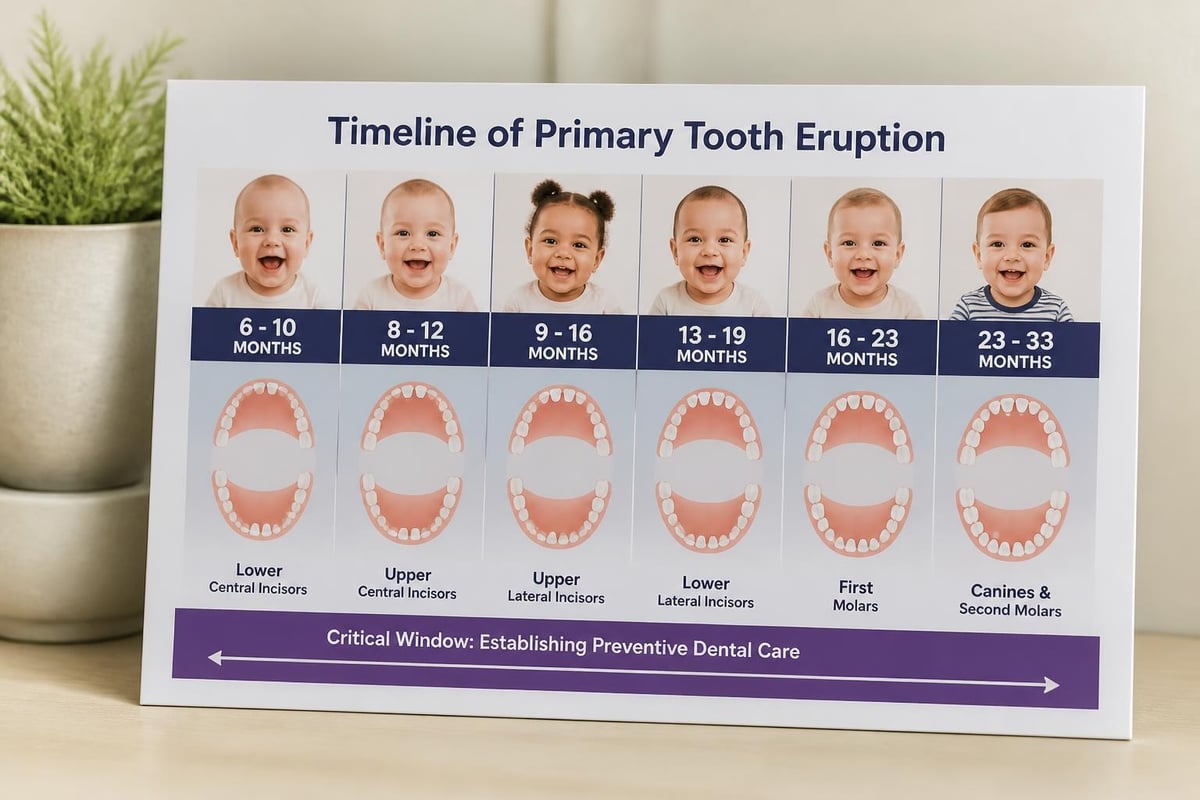
Primary teeth typically emerge according to this timeline:
- Lower central incisors: 6-10 months
- Upper central incisors: 8-12 months
- Lateral incisors: 9-16 months
- First molars: 13-19 months
- Canines: 16-23 months
- Second molars: 20-33 months
Even before teeth appear, babies can develop oral health issues. Early childhood caries (cavities) can begin as soon as the first tooth emerges, and certain feeding practices can set the stage for problems that won't become visible for months.
The Science Behind Early Dental Visits
Research consistently demonstrates that early preventive dental care reduces the likelihood of future dental problems. Studies analyzing claims data have found a clear association between the age at first dental exam and later restorative treatment needs, with children who visit the dentist earlier requiring fewer invasive procedures as they grow.
A comprehensive analysis published in PMC examined whether early preventive dental visits actually reduce future operative treatments. The findings support what pediatric dentists have observed in practice: establishing preventive care early creates a foundation for better oral health outcomes.
What Happens During Your Child's First Dental Visit
Many parents wonder what to expect when determining when should children have their first dental visit. The first appointment focuses more on education and assessment than extensive treatment.
Typical Components of an Initial Pediatric Dental Exam
| Component | Purpose | What to Expect |
|---|---|---|
| Visual examination | Check tooth development, gum health, bite alignment | Gentle inspection of mouth, tongue, palate |
| Parent consultation | Discuss feeding habits, oral hygiene, fluoride needs | Questions about diet, bottle use, cleaning routine |
| Demonstration | Teach proper brushing techniques | Hands-on guidance with appropriate tools |
| Risk assessment | Identify factors that increase cavity risk | Evaluation of diet, hygiene, family history |
| Fluoride guidance | Determine appropriate fluoride exposure | Recommendations based on water supply, age |
| Future planning | Schedule next visit and outline preventive strategy | Personalized care plan and follow-up timeline |
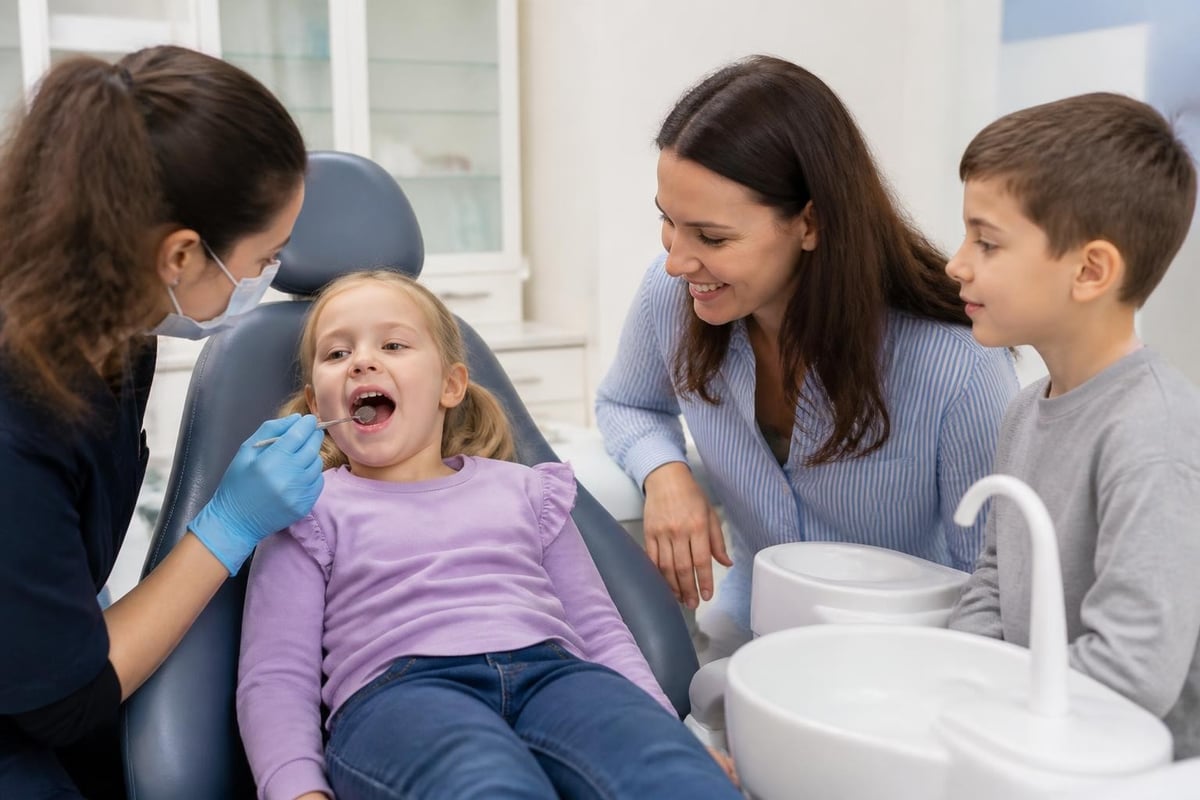
The dentist will examine your baby's teeth and gums, assess their bite, check for signs of tooth decay, and look for any developmental concerns. This examination is typically quick and gentle, designed to be a positive experience that helps your child become comfortable with dental visits.
Our team at Dental Plus Clinic locations across Texas specializes in making these first visits comfortable for both children and parents, understanding that early experiences shape attitudes toward dental care for years to come.
Common Obstacles That Delay First Dental Visits
Despite clear professional recommendations, many children don't receive dental care during their first year. Understanding these barriers helps parents overcome them.
Top reasons parents delay dental appointments:
- Lack of awareness about the age-one recommendation
- Assumption that baby teeth don't require professional care
- Difficulty finding a pediatric dentist accepting new patients
- Concerns about insurance coverage for preventive infant care
- Uncertainty about whether teeth have erupted sufficiently
- Fear that the experience will traumatize their baby
Research published in Frontiers in Oral Health examined dentists' perspectives on implementing the age-one visit recommendation and identified several implementation challenges, including parent awareness and access to care.
Addressing Insurance and Cost Concerns
One practical concern when deciding when should children have their first dental visit involves insurance coverage and affordability. Most dental insurance plans cover preventive care for children at 100%, including early childhood visits.
If you're navigating dental insurance questions, understanding the best dental insurance plans in Texas can help you maximize your benefits. Dental Plus Clinic works with families to ensure cost doesn't prevent children from receiving essential preventive care.
Preparing Your Baby for Their First Dental Appointment
Once you've decided when should children have their first dental visit and scheduled the appointment, preparation can make the experience smoother for everyone involved.
Before the Visit
-
Choose the right timing: Schedule the appointment when your baby is typically well-rested and fed, not during normal nap time or when they're likely to be hungry.
-
Gather relevant information: Be prepared to discuss your child's medical history, feeding habits, oral hygiene routine, and any concerns you've noticed.
-
Practice at home: Get your baby accustomed to having their mouth gently examined by occasionally lifting their lip to look at their teeth and gums.
-
Stay calm and positive: Babies pick up on parental anxiety, so maintain a relaxed, cheerful attitude about the upcoming visit.
What to Bring
- Insurance information and identification
- List of any medications or supplements your baby takes
- Written questions you want to ask the dentist
- A favorite toy or comfort item
- Extra diapers and wipes
- A bottle or sippy cup if your baby might need comfort nursing
Critical Topics Your Dentist Will Address
The conversation during your child's first dental visit covers several essential topics that directly impact their oral health development.
Bottle and Breastfeeding Practices
Your dentist will discuss feeding habits because they significantly influence cavity risk. Baby bottle tooth decay occurs when sugary liquids pool around teeth for extended periods, particularly during sleep.
Recommendations typically include:
- Avoid putting your baby to bed with a bottle containing anything other than water
- Don't allow prolonged, at-will breastfeeding after teeth emerge, especially at night
- Transition from bottle to cup around 12-14 months
- Never dip pacifiers in sweet substances
Fluoride Needs and Safety
The American Academy of Pediatrics provides guidance on fluoride use for infants and toddlers. Fluoride strengthens tooth enamel and helps prevent cavities, but the appropriate amount varies based on your water supply and your child's specific risk factors.
Your dentist will determine whether your child needs fluoride supplements, prescription toothpaste, or professional fluoride treatments based on:
- Local water fluoridation levels
- Your child's cavity risk assessment
- Current toothpaste usage and amount
- Dietary fluoride exposure

Home Care Techniques
Even before teeth emerge, oral hygiene matters. Your dentist will demonstrate proper cleaning techniques appropriate for your child's age and development stage.
| Age Range | Cleaning Method | Frequency | Key Points |
|---|---|---|---|
| 0-6 months | Damp washcloth on gums | After feedings | Removes milk residue, massages gums |
| 6-12 months | Soft infant toothbrush or cloth | Twice daily | Use water only or rice-grain sized fluoride paste |
| 12-24 months | Small soft-bristled brush | Morning and night | Rice-grain to pea-sized fluoride toothpaste |
| 2-3 years | Child-sized toothbrush | After meals and bedtime | Pea-sized fluoride toothpaste, supervise closely |
The Long-Term Benefits of Early Dental Care
Understanding when should children have their first dental visit becomes clearer when you examine the lasting impact of early preventive care.
Establishing Positive Dental Attitudes
Children who visit the dentist regularly from an early age typically develop more positive attitudes toward dental care. These early experiences occur before dental anxiety has a chance to develop, creating a foundation of comfort and familiarity.
Long-term psychological benefits include:
- Reduced dental anxiety throughout childhood and adulthood
- Greater willingness to seek care when problems arise
- Better compliance with preventive recommendations
- More positive overall health attitudes and behaviors
Preventing Serious Dental Problems
Early childhood caries remains one of the most common chronic childhood diseases, affecting approximately 20% of children aged 2-5 years. These cavities can cause pain, difficulty eating, speech problems, and infections that affect overall health and development.
Systematic reviews of early dental visits have examined the evidence for preventive care in young children, consistently finding that early intervention and education reduce the incidence and severity of dental disease.
Financial Savings Over Time
Prevention costs significantly less than treatment. A routine early dental visit costs a fraction of what parents might spend on fillings, crowns, or emergency dental care for advanced tooth decay.
Cost comparison example:
- Preventive visit with fluoride treatment: $50-150
- Simple filling for primary tooth: $150-300
- Extensive decay requiring sedation dentistry: $1,000-3,000+
When cavities develop in very young children, treatment often requires sedation or general anesthesia, adding substantial cost and risk. Early visits help parents implement strategies that prevent these scenarios.
Special Considerations for High-Risk Children
Some children face elevated cavity risk due to various factors. Identifying these children early allows for enhanced preventive strategies.
Risk Factors That Warrant Extra Attention
- Premature birth or low birth weight
- Special healthcare needs or developmental delays
- Visible plaque or white spot lesions on teeth
- Frequent consumption of sugary foods or drinks
- Limited access to fluoridated water
- Family history of extensive dental disease
- Socioeconomic factors limiting access to care
For children with elevated risk, dentists may recommend more frequent visits, additional fluoride treatments, dietary modifications, or other targeted interventions. Pediatric dentistry specialists have specific training in managing complex cases and working with children who have special needs.
Regional Considerations for Texas Families
Families in Texas face specific considerations when determining when should children have their first dental visit, particularly regarding water fluoridation and access to care.
Water Fluoridation Variations
Texas communities vary in water fluoridation levels. Some areas have optimally fluoridated water, while others have minimal or no fluoridation. Your dentist needs to know your water source to make appropriate fluoride recommendations.
Texas cities and their fluoridation status matter for your child's fluoride needs. Families served by Dental Plus Clinic locations in Beeville, Seguin, New Braunfels, Leander, and Converse should discuss local water fluoridation with their dental care provider to ensure optimal fluoride exposure without excess.
Access to Pediatric Dental Care
Rural and underserved areas of Texas sometimes face shortages of pediatric dental providers. This makes it even more important to establish care early, as finding appointments can be challenging. Planning ahead and scheduling well in advance helps ensure your child receives timely care.
Addressing Common Parental Concerns and Misconceptions
Parents often have questions and concerns about early dental visits. Addressing these directly helps families make informed decisions.
"Baby Teeth Fall Out Anyway, So Why Do They Matter?"
This common misconception overlooks the critical functions of primary teeth:
- Guide permanent teeth into proper position
- Enable proper nutrition through effective chewing
- Support normal speech development
- Maintain space in the jaw for adult teeth
- Contribute to facial structure and appearance
Losing primary teeth prematurely due to decay can cause spacing problems, bite issues, and the need for orthodontic intervention later. Protecting baby teeth protects your child's long-term oral health.
"My Child Doesn't Have Enough Teeth Yet"
The AAPD executive summary on the age one visit emphasizes that even one tooth warrants professional attention. The first visit isn't primarily about treating existing teeth; it's about establishing a preventive care relationship and educating parents.
Even if your baby hasn't yet erupted their first tooth by 12 months, the visit remains valuable for discussing:
- Teething symptoms and management
- Oral hygiene preparation
- Feeding practices that affect oral health
- What to expect as teeth emerge
- Signs of potential developmental concerns
"Won't the Visit Traumatize My Baby?"
When conducted properly by experienced pediatric dental professionals, early dental visits are typically gentle, brief, and stress-free. Dentists trained in pediatric care understand child development and use age-appropriate techniques.
The exam often takes place with your child sitting on your lap, in a "knee-to-knee" position with the dentist. This keeps your baby comfortable and secure while allowing the dentist access to examine their mouth. Most babies tolerate this remarkably well, especially when the dentist works quickly and efficiently.
Creating a Dental Care Routine at Home
Professional dental visits represent just one component of your child's oral health. What happens at home every day matters even more.
Building Healthy Habits From the Start
Morning routine:
- Clean your child's teeth after breakfast
- Use appropriate amount of fluoride toothpaste
- Offer water after cleaning
- Praise cooperation and make it fun
Evening routine:
- Brush teeth after the last feeding of the day
- Ensure nothing but water after brushing
- Make it part of the bedtime routine
- Read a tooth-themed book occasionally to reinforce the importance
Nutrition Strategies That Support Oral Health
Diet plays an enormous role in cavity development. Sugar and starches feed bacteria that produce acid, which damages tooth enamel.
Tooth-friendly practices:
- Limit juice to 4 ounces per day, served with meals
- Avoid constant snacking; establish regular meal times
- Choose water as the primary beverage between meals
- Offer cheese, vegetables, and fruits rather than cookies or candy
- Read labels to identify hidden sugars in foods
Frequently Asked Questions
When exactly should children have their first dental visit?
Children should visit the dentist by their first birthday or within six months of their first tooth erupting, whichever comes first. This timing allows the dentist to monitor development, provide preventive care, and educate parents before problems develop.
What if my child is older and hasn't been to the dentist yet?
If your child is past the recommended age for a first visit, schedule an appointment as soon as possible. It's never too late to establish dental care, and catching up on preventive services can still prevent future problems. Be honest with your dentist about your child's dental history so they can provide appropriate care.
How often should young children visit the dentist after the first appointment?
Most children should visit the dentist every six months for routine checkups and cleanings. However, children with elevated cavity risk may need more frequent visits, every three to four months. Your dentist will recommend an appropriate schedule based on your child's individual needs.
Will my child need X-rays during early dental visits?
X-rays typically aren't necessary during the very first visit unless there's a specific concern. Most children don't need their first dental X-rays until around age 2-3, when teeth are touching and cavities between teeth become possible. Your dentist will only recommend X-rays when clinically necessary.
What should I do if my child has a dental emergency before their first scheduled visit?
Contact a dentist immediately if your child experiences a dental injury, severe tooth pain, swelling, or other urgent symptoms. Emergency dental care addresses immediate problems, and you can establish ongoing care afterward. Don't wait for a scheduled appointment if your child is in pain.
How can I find a good pediatric dentist in my area?
Look for dentists with pediatric training or extensive experience with young children. Ask for recommendations from your pediatrician, friends, or family members. Check online reviews and visit the office to assess whether it's welcoming and child-friendly. Dental Plus Clinic offers comprehensive pediatric services at multiple Texas locations.
Does dental insurance cover preventive care for babies and toddlers?
Most dental insurance plans cover preventive care for children at 100%, including exams, cleanings, fluoride treatments, and sometimes sealants. Check your specific plan details or contact your insurance provider. Many offices also offer payment plans or discount programs for families without insurance.
What if my baby cries during the dental exam?
It's completely normal for babies to cry during examinations. They're in an unfamiliar environment with new people, and the exam involves touching their mouth. Experienced pediatric dentists can complete a thorough examination even if your baby is crying. What matters most is establishing the habit of regular dental care, not perfect behavior at every appointment.
Making the Most of Your Child's Dental Visits
Maximizing the value of dental appointments requires active parent participation. These visits offer opportunities to learn and ask questions that help you support your child's oral health at home.
Questions to Ask Your Dentist
- Is my child's tooth development on track for their age?
- What specific cavity risk factors does my child have?
- Am I brushing correctly and using the right amount of toothpaste?
- Should we use fluoride supplements based on our water supply?
- Are there dietary changes that would benefit my child's teeth?
- When should we begin flossing?
- What signs of problems should I watch for at home?
- Is my child's bite developing normally?
Don't hesitate to ask for demonstrations or clarifications. Your dentist wants you to feel confident in caring for your child's teeth between appointments.
Building Continuity of Care
Seeing the same dental provider consistently offers significant advantages. The dentist becomes familiar with your child's specific development, risk factors, and history, allowing for more personalized care. Your child also becomes comfortable with the provider, reducing anxiety and building trust.
If you need to switch dentists, request copies of your child's dental records to maintain continuity. Complete records help the new provider understand your child's dental history and provide seamless care.
The Role of Dental Technology in Pediatric Care
Modern dental technology has transformed pediatric dentistry, making visits more comfortable, efficient, and effective for young patients.
Digital Radiography
When X-rays become necessary, digital systems expose children to significantly less radiation than traditional X-rays while producing higher-quality images. The images appear instantly on screens, eliminating processing time and allowing dentists to share them easily with parents.
Preventive Treatments
Contemporary preventive options help protect children's teeth more effectively than ever:
- Fluoride varnish: Quick-applying, pleasant-tasting fluoride treatment that strengthens enamel
- Dental sealants: Protective coating applied to molars to prevent cavities in grooves and pits
- Silver diamine fluoride: Non-invasive treatment that can arrest cavity progression without drilling
These technologies align with modern pediatric dentistry's emphasis on minimally invasive, prevention-focused care.
When Dental Problems Do Develop
Despite best efforts, some children develop cavities or other dental issues. Early detection through regular visits allows for conservative treatment before problems become severe.
Treatment Options for Young Children
Modern pediatric dentistry offers various approaches to treating dental problems in young children, selected based on the child's age, cooperation level, and extent of treatment needed:
- Protective stabilization: Gentle, safe restraint for brief procedures
- Nitrous oxide: "Laughing gas" helps children relax during treatment
- Conscious sedation: Oral medication for anxious children or extensive treatment
- General anesthesia: Reserved for complex cases or children unable to cooperate
The goal is always to provide necessary care while keeping the experience as positive as possible, preserving your child's comfort with dental visits.
If your child requires more extensive treatment, comprehensive dental care providers like Dental Plus Clinic offer advanced treatment options alongside routine preventive services, ensuring continuity throughout your child's dental journey.
Supporting Your Child's Lifelong Oral Health Journey
Deciding when should children have their first dental visit marks the beginning of a lifelong relationship with oral health care. The habits, attitudes, and knowledge established during these early years shape your child's dental health for decades to come.
Key principles for long-term success:
- Maintain consistent routines at home and regular professional visits
- Model good oral health habits yourself
- Keep dental visits positive and stress-free
- Address problems promptly rather than waiting
- Celebrate dental health milestones with your child
- Educate yourself continuously about oral health topics
As children grow, their dental needs evolve. Primary teeth give way to permanent teeth, orthodontic needs may emerge, and independence in oral care gradually increases. The dental home you establish during infancy provides the foundation for navigating all these changes successfully.
Parents who understand when should children have their first dental visit and act on that knowledge give their children an invaluable gift: the foundation for a lifetime of healthy, confident smiles. The seemingly simple decision to schedule that first appointment before your child's first birthday can prevent years of dental problems, reduce treatment costs, and establish positive attitudes toward oral health that last a lifetime.
Establishing early dental care sets the foundation for your child's lifelong oral health, preventing problems before they start and creating positive experiences that shape their attitude toward dental care. At Dental Plus Clinic, our experienced team provides comprehensive pediatric dental services in a welcoming, child-friendly environment across our five Texas locations in Beeville, Seguin, New Braunfels, Leander, and Converse. Whether you're scheduling your infant's first visit or catching up on care for an older child, we're here to support your family's dental health journey with personalized, compassionate care. Schedule your child's appointment with Dental Plus Clinic today and invest in their healthiest smile.