
Understanding when should children start losing baby teeth is one of the most common questions parents ask as their little ones grow. This natural developmental milestone marks an exciting transition from childhood to adolescence, yet it often brings uncertainty and worry for families. The process of losing primary teeth and welcoming permanent ones follows a predictable pattern, though every child develops at their own pace. Knowing what to expect helps parents distinguish between normal development and situations that warrant professional attention from pediatric dental specialists.
Understanding the Baby Tooth Timeline
Primary teeth, commonly called baby teeth, begin erupting around six months of age and typically complete their arrival by age three. These twenty teeth serve critical functions beyond just helping children eat solid foods. Baby teeth hold space for permanent teeth, guide jaw development, support proper speech formation, and contribute to facial structure during crucial growth years.
The question of when should children start losing baby teeth doesn't have a single answer, because developmental timelines vary. However, most children experience their first loose tooth between ages five and seven. This process, called exfoliation, occurs when permanent teeth developing beneath the gums begin pushing upward, gradually dissolving the roots of primary teeth above them.
Why Timing Matters for Oral Development
The American Academy of Pediatric Dentistry emphasizes proper management of developing dentition because premature or delayed tooth loss can impact spacing, alignment, and overall oral health. When baby teeth fall out too early due to decay or trauma, adjacent teeth may drift into the empty space, creating crowding issues when permanent teeth try to emerge.
Conversely, primary teeth that remain too long can prevent permanent teeth from erupting properly, causing them to emerge crooked or in incorrect positions. Understanding typical patterns helps parents and dental professionals monitor development and intervene when necessary.
Normal Age Range for Losing Baby Teeth
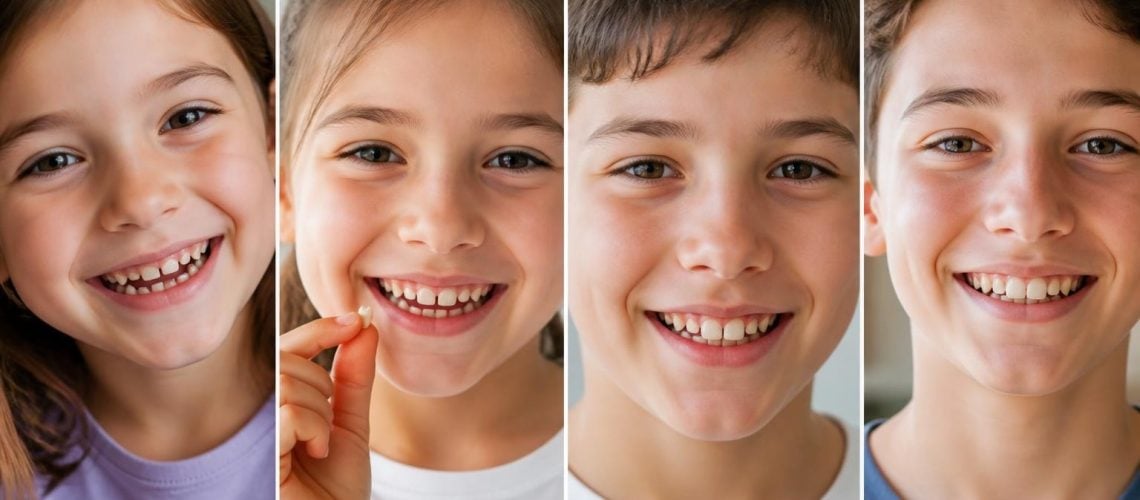
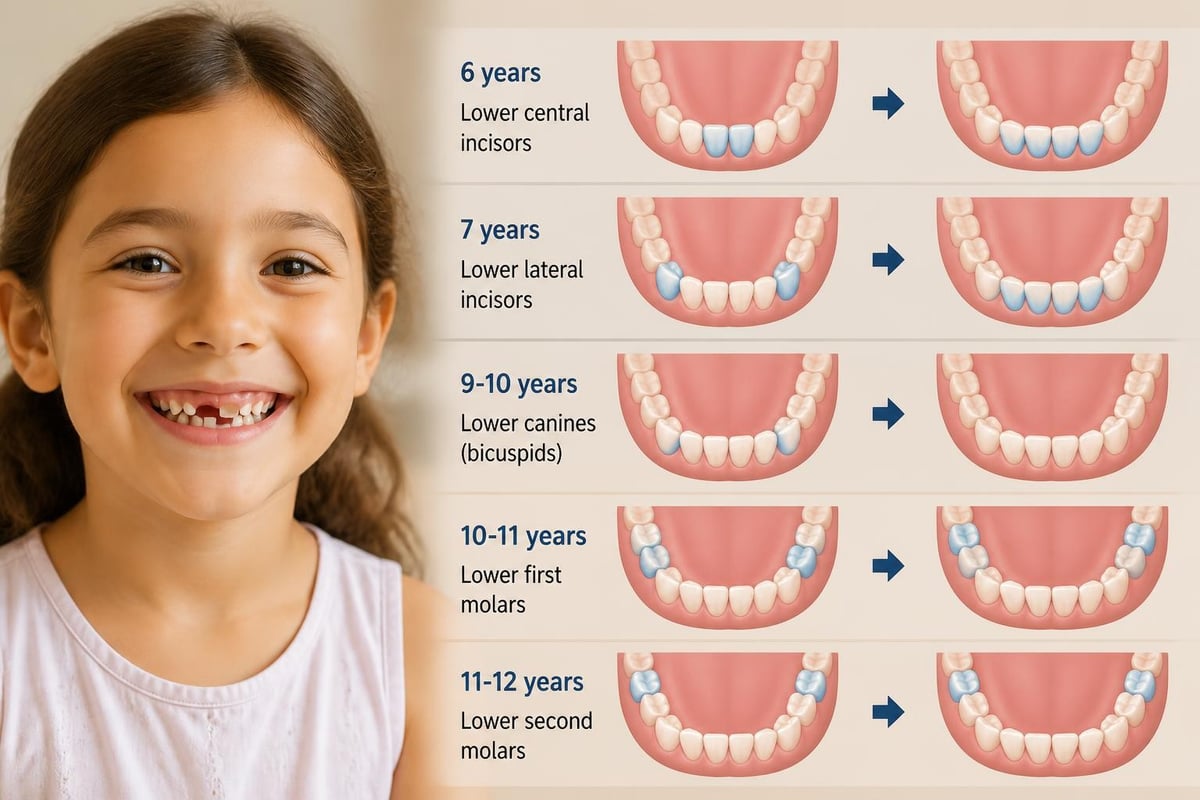
When should children start losing baby teeth in most cases? The majority of children lose their first tooth between ages five and seven, with girls typically starting slightly earlier than boys. This initial tooth loss usually involves the lower central incisors, followed shortly by the upper central incisors.
The complete exfoliation process spans approximately six years, from the first loose tooth around age six to the last primary molars departing around age twelve. During this extended period, children navigate what dentists call the "mixed dentition" stage, where primary and permanent teeth coexist in the mouth.
| Age Range | Teeth Typically Lost | What to Expect |
|---|---|---|
| 5-7 years | Lower and upper central incisors | First wobbly teeth, excitement mixed with nervousness |
| 6-8 years | Lower and upper lateral incisors | Continued front tooth loss, gap-toothed smiles |
| 9-11 years | First molars and canines | Loss of chewing teeth, temporary eating adjustments |
| 10-12 years | Second molars | Final baby teeth, completion of transition |
The Sequence of Tooth Loss
Baby teeth generally fall out in the same sequence they originally erupted. Lower front teeth typically loosen first, followed by upper front teeth. The lateral incisors come next, creating the classic gap-toothed appearance many parents photograph enthusiastically.
Around ages nine through eleven, children lose their first molars and canines. These larger teeth can feel more dramatic when they become loose, and children may experience increased sensitivity during this phase. The second molars are typically the last to go, departing around age twelve and completing the primary dentition chapter.
Parents often notice that once tooth loss begins, it proceeds fairly steadily. Most children lose several teeth per year throughout elementary school. However, there may be periods of several months between losses, which remains completely normal.
Early Tooth Loss: Causes and Concerns
While knowing when should children start losing baby teeth helps set expectations, some children experience tooth loss earlier than typical. Losing baby teeth before age four warrants a dental evaluation to identify underlying causes and prevent future complications.
Common Reasons for Premature Loss
Several factors can cause baby teeth to fall out ahead of schedule:
- Dental trauma from falls or sports injuries that knock teeth loose or out completely
- Advanced tooth decay that destroys tooth structure and requires extraction
- Gum disease (periodontitis) weakening the supporting structures around teeth
- Congenital conditions affecting tooth development or attachment
- Crowding issues where emerging permanent teeth push primary teeth out early
Dental trauma represents the most frequent cause of early baby tooth loss among active children. Whether from playground accidents, sports collisions, or simple tumbles, impact injuries can dislodge teeth before their natural exfoliation time.
Tooth decay presents another significant concern. Proper care for baby and toddler teeth prevents cavities that might necessitate early extraction. When decay destroys a primary tooth, maintaining that space becomes essential for proper permanent tooth eruption.
Space Maintenance Solutions
Pediatric dentists at facilities like Dental Plus Clinic’s pediatric dentistry services often recommend space maintainers when baby teeth are lost prematurely. These custom appliances hold the gap open, preventing adjacent teeth from drifting and ensuring adequate room for permanent successors.
Research demonstrates the importance of this intervention. A systematic review on dental arch changes after premature primary molar loss found that early loss without space maintenance frequently leads to crowding and orthodontic complications requiring more extensive treatment later.
Late Tooth Loss: When to Seek Professional Guidance
On the opposite end of the spectrum, some children retain their baby teeth well beyond the typical timeline. When should children start losing baby teeth if they haven't lost any by age eight? This situation merits professional evaluation, though it doesn't always indicate a problem.
Delayed Exfoliation Factors
Several explanations exist for late tooth loss:
- Genetic factors running in families where later development is normal
- Lack of permanent successor teeth (congenitally missing teeth)
- Ankylosis, where baby tooth roots fuse to the jawbone
- Dense bone structure slowing the natural loosening process
- Crowding preventing permanent teeth from pushing upward effectively
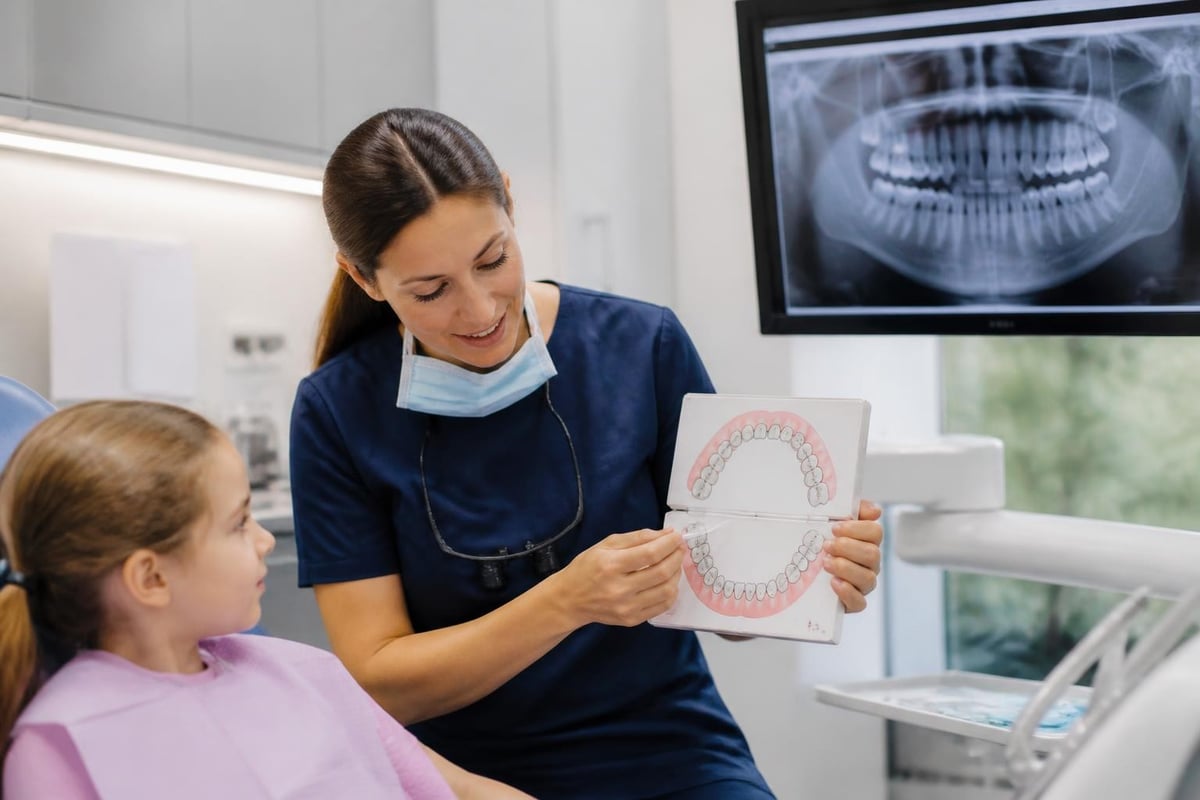
Some children simply develop on a slower timeline than their peers. If parents or siblings experienced late tooth loss, their children may follow the same pattern without any underlying issues. Dental X-rays can confirm whether permanent teeth are developing beneath the gums and progressing normally.
Missing Permanent Teeth
Occasionally, panoramic radiographs reveal that certain permanent teeth never formed. This condition, called hypodontia, affects approximately 3-7% of the population. When permanent teeth are congenitally absent, their corresponding baby teeth may remain in place indefinitely since no successor exists to trigger exfoliation.
Treatment planning for missing permanent teeth varies based on location and number. Some children retain healthy baby teeth well into adulthood, while others eventually need dental implants or bridges to replace teeth that finally fail or require extraction.
What Parents Can Expect During Tooth Loss
Understanding when should children start losing baby teeth is just the beginning. Parents benefit from knowing what physical and emotional experiences accompany this developmental milestone. The tooth loss process typically begins with mild wiggling that gradually increases over days or weeks.
Physical Sensations and Symptoms
Children report various sensations as teeth loosen:
- Mild pressure or itching around the loose tooth
- Slight discomfort when eating certain foods
- Increased wiggling desire to touch and move the tooth
- Minor bleeding when the tooth finally releases
- Temporary sensitivity in the exposed gum area
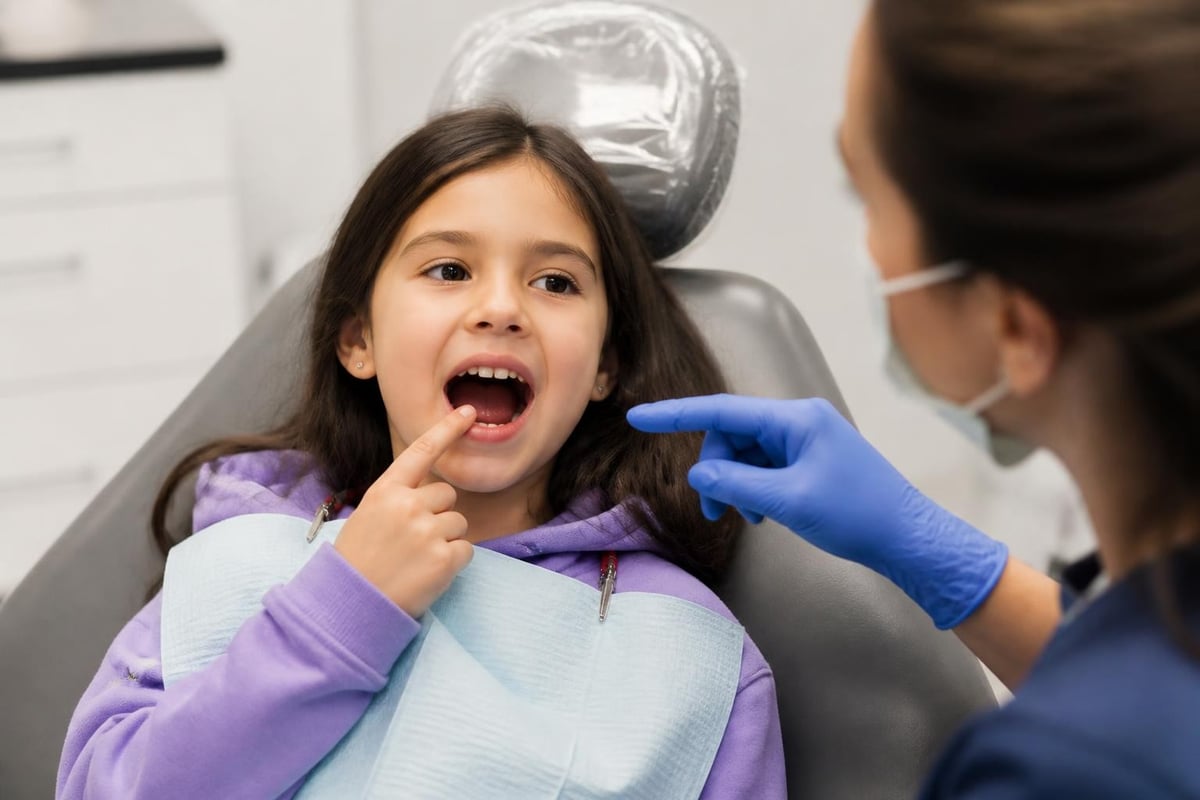
Most children experience minimal pain during natural tooth loss. The discomfort resembles teething rather than a toothache. Over-the-counter pain relievers are rarely necessary, though cold foods or ice pops can soothe tender gums if needed.
The Wiggling Debate
Parents often wonder whether they should let children wiggle their loose teeth or discourage the habit. Dental professionals generally agree that gentle wiggling causes no harm and may actually help teeth progress toward natural exfoliation. However, aggressive pulling or premature yanking can damage surrounding tissue or break the tooth, leaving fragments behind.
The best approach involves letting nature take its course. When teeth are ready to fall out, they typically do so with minimal intervention. Children eating an apple, brushing teeth, or wiggling gently often find their tooth suddenly releases without force or pain.
Managing the Moment
When a tooth finally falls out, parents should:
- Stay calm and positive to model appropriate reactions
- Rinse the child's mouth with water to clean the area
- Apply gentle pressure with gauze if bleeding continues beyond a few minutes
- Save the tooth for Tooth Fairy traditions if desired
- Ensure the entire tooth came out without leaving root fragments
Bleeding typically stops within five to ten minutes. If it continues longer or seems excessive, contact your dentist for guidance.
Caring for the Mouth During Mixed Dentition
The period when children have both baby teeth and permanent teeth requires adjusted oral hygiene approaches. Permanent teeth arriving behind still-present baby teeth need protection from the moment they emerge, as these teeth must last a lifetime.
Brushing and Flossing Techniques
Parents should supervise brushing until at least age eight, ensuring children:
- Brush twice daily for two full minutes each session
- Use fluoride toothpaste in age-appropriate amounts (pea-sized for children over three)
- Brush at a 45-degree angle to the gum line with gentle circular motions
- Floss daily between teeth that touch, especially new permanent molars
- Replace toothbrushes every three months or when bristles fray
The six-year molars deserve special attention. These large permanent teeth erupt behind the baby molars around age six, often without parents realizing they've arrived. These molars lack baby tooth predecessors, so they don't replace anything – they simply appear in previously empty space.
Protecting Permanent Teeth
Dental sealants offer excellent protection for newly erupted permanent molars. This preventive treatment applies a thin plastic coating to the chewing surfaces, blocking cavity-causing bacteria from settling into the deep grooves that characterize back teeth.
Sealants prove particularly valuable during the mixed dentition period when children are still mastering proper brushing techniques. Studies consistently demonstrate significant cavity reduction in sealed teeth compared to unsealed ones.
Orthodontic Considerations and Tooth Loss
Understanding when should children start losing baby teeth connects directly to orthodontic timing. The American Association of Orthodontists recommends evaluation around age seven, which coincides with the early mixed dentition period when initial tooth loss occurs and permanent molars arrive.
Why Age Seven Matters
Early orthodontic evaluation doesn't necessarily mean immediate treatment. Instead, it allows specialists to:
- Assess jaw growth patterns and identify potential problems
- Monitor tooth eruption and spacing issues
- Detect bite problems like crossbites or underbites early
- Identify habits such as thumb-sucking affecting development
- Plan intervention timing for maximum effectiveness
Some orthodontic issues benefit from early intervention during the mixed dentition stage. Phase I treatment between ages seven and ten can guide jaw growth, create space for crowded teeth, or correct harmful bite patterns before all permanent teeth erupt.
Space Management and Alignment
Baby teeth maintain proper spacing for permanent successors. When primary teeth are lost prematurely or develop cavities, the space available for permanent teeth may decrease. Similarly, baby teeth that linger too long can force permanent teeth to erupt in improper positions.
Children who might eventually need clear aligners or traditional braces often benefit from proactive space management during tooth loss years. Addressing crowding, spacing, or bite issues early can reduce treatment complexity and duration later.
Diet and Nutrition During Tooth Loss
When should children start losing baby teeth isn't just about timing – it's also about ensuring adequate nutrition despite changing dentition. Children with multiple loose teeth or recent losses may struggle with certain foods, requiring temporary menu adjustments.
Foods to Emphasize
Nutritious soft foods support oral health and development:
- Yogurt and cottage cheese providing calcium for bone health
- Scrambled eggs offering protein without difficult chewing
- Smoothies packed with fruits and vegetables
- Mashed sweet potatoes delivering vitamins and minerals
- Soft-cooked vegetables like steamed broccoli or carrots
- Oatmeal and cream of wheat for gentle breakfast options
- Protein-rich beans mashed or in soup form
Adequate calcium and vitamin D intake during these years supports strong permanent tooth development. Children ages 4-8 need approximately 1,000 mg of calcium daily, increasing to 1,300 mg for ages 9-18 when many permanent teeth are still forming beneath the gums.
Foods to Avoid or Modify
Certain foods pose challenges during active tooth loss periods:
| Food Category | Concern | Alternative Approach |
|---|---|---|
| Hard candies | Risk of choking or damaging loose teeth | Offer soft fruits instead |
| Whole apples | Difficult to bite with loose front teeth | Cut into small pieces |
| Corn on the cob | Front tooth biting required | Cut kernels off the cob |
| Chewy caramels | Can pull teeth out prematurely | Choose soft puddings |
| Hard nuts | May cause pain or damage | Grind into nut butters |
Parents don't need to eliminate crunchy foods entirely. Simply cutting items into smaller pieces allows children to chew with back teeth rather than biting with loose front teeth.
Common Myths About Baby Teeth
Misconceptions about when should children start losing baby teeth and how to handle the process circulate widely among parents. Separating fact from fiction helps families navigate this milestone with accurate information.
Myth: Baby Teeth Aren't Important Since They Fall Out
This dangerous fallacy leads some parents to neglect primary tooth care. Baby teeth serve essential functions including maintaining space, enabling proper nutrition, supporting speech development, and boosting confidence through healthy smiles.
Decay in baby teeth can spread to developing permanent teeth beneath the gums. Additionally, painful cavities in primary teeth discourage children from eating nutritious foods and may require emergency dental care to address infections.
Myth: Pull Out Loose Teeth to Speed the Process
While severely loose teeth may come out with gentle wiggling, forcibly removing teeth before they're ready can break roots, damage gums, or create unnecessary pain. The natural exfoliation timeline ensures roots have dissolved adequately before the tooth releases.
Myth: Early Tooth Loss Means Permanent Teeth Will Arrive Early
Premature baby tooth loss doesn't accelerate permanent tooth eruption. In fact, the opposite often occurs – permanent teeth may delay eruption if the baby tooth was lost significantly early. The developing permanent tooth follows its own genetic timeline regardless of when its predecessor departed.
Myth: No Loose Teeth by Age Seven Indicates a Problem
While most children begin losing teeth by age seven, developmental variation is normal. Children whose baby teeth all erupted late often lose them late as well. As long as X-rays confirm permanent teeth are developing properly, later tooth loss rarely signals concern.
Regional Variations in Dental Development
Families across Texas cities like Beeville, Seguin, New Braunfels, Leander, and Converse often wonder whether geographic or ethnic factors influence when should children start losing baby teeth. Research indicates some population-level variations exist, though individual genetics remain the primary determinant.
Ethnic and Geographic Considerations
Studies have documented slight differences in tooth eruption and exfoliation timing across ethnic groups. Children of African descent tend to develop teeth slightly earlier on average compared to children of European or Asian descent, though substantial overlap exists between all groups.
Environmental factors like nutrition, fluoride exposure, and overall health also influence dental development. Children with optimal nutrition and preventive dental care throughout early childhood often experience smoother transitions through the tooth loss period.
Access to Pediatric Dental Care
Regular dental visits starting by age one help establish baselines for each child's unique development pattern. Dental Plus Clinic locations across Texas provide families with accessible pediatric dentistry services that monitor tooth loss progression and address concerns promptly.
Routine dental examinations every six months allow dentists to:
- Track tooth loss against expected timelines
- Identify early or delayed losses requiring intervention
- Take radiographs to monitor permanent tooth development
- Provide space maintainers if premature loss occurs
- Offer anticipatory guidance about upcoming changes
When to Contact Your Dentist
Understanding when should children start losing baby teeth helps parents recognize situations requiring professional evaluation. While the process usually proceeds smoothly, certain circumstances warrant dental consultation.
Schedule an Appointment If:
- No teeth have loosened by age eight despite normal early tooth eruption
- Teeth were lost before age four without trauma explanation
- Significant pain, swelling, or fever accompanies tooth loss
- Permanent teeth erupt before baby teeth fall out, creating double rows
- Bleeding continues beyond 15 minutes after a tooth comes out
- The tooth broke during loss, possibly leaving root fragments
- New permanent teeth appear discolored or damaged upon eruption
Emergency Situations
Some tooth loss scenarios require urgent attention. If a baby tooth is knocked out completely due to trauma before it was naturally loose, save the tooth in milk and contact your dentist immediately. While dentists don't reimplant primary teeth (to avoid damaging developing permanent teeth), they need to assess whether fragments remain and evaluate potential injury to underlying structures.
Similarly, if a permanent tooth is knocked out, this represents a true dental emergency requiring immediate care. Emergency dental services can sometimes save permanently knocked-out teeth if patients seek treatment within 30-60 minutes.
Supporting Children Emotionally
The physical aspects of when should children start losing baby teeth receive substantial attention, but the emotional dimensions deserve equal consideration. Losing teeth represents a significant milestone that can evoke excitement, anxiety, or both simultaneously.
Building Positive Associations
Parents can foster healthy attitudes about tooth loss through:
- Celebrating the milestone with special recognition or traditions
- Reading age-appropriate books about losing baby teeth
- Sharing personal stories about their own childhood tooth loss experiences
- Maintaining calm reactions even if unexpected bleeding or tears occur
- Avoiding scary language about pulling, pain, or blood
The Tooth Fairy tradition provides one popular framework for making tooth loss special. Whether families embrace this custom or create their own celebrations, marking the occasion helps children feel proud rather than worried.
Addressing Fears and Anxiety
Some children feel genuinely frightened about losing teeth. They may worry about pain, bleeding, or the appearance of gaps in their smiles. Validating these concerns rather than dismissing them builds trust and emotional security.
Parents can help anxious children by:
- Explaining the process in simple, honest terms without exaggeration
- Assuring them that brief discomfort is normal and temporary
- Emphasizing that everyone loses baby teeth as part of growing up
- Pointing out older siblings or friends who successfully navigated tooth loss
- Offering choices about wiggling or waiting for natural release
The Role of Regular Dental Checkups
Professional monitoring throughout the mixed dentition period ensures tooth loss proceeds normally. Regular dental exams and cleanings provide opportunities for dentists to assess development, answer parent questions, and intervene if concerns arise.
What Happens During Pediatric Visits
Dental appointments for children losing baby teeth typically include:
- Visual examination of erupting and exfoliating teeth
- Radiographic assessment to monitor developing permanent teeth
- Oral hygiene evaluation and technique improvement coaching
- Fluoride treatments to strengthen newly erupted permanent teeth
- Sealant application for permanent molars needing protection
- Anticipatory guidance about upcoming developmental changes
Dentists track tooth loss patterns using standardized eruption charts that show expected timelines. Comparing individual children to these norms helps identify significant deviations requiring further evaluation or treatment.
Building Dental Home Relationships
Establishing care with the same dental practice throughout childhood creates continuity and familiarity. Children who visit Dental Plus Clinic regularly develop comfort with the environment, staff, and procedures, reducing anxiety about dental visits.
This consistency proves especially valuable during the tooth loss years when children may need space maintainers, sealants, or early orthodontic evaluation. A dental home provides coordinated care addressing preventive, restorative, and developmental needs comprehensively.
Global Perspectives on Tooth Loss
While this article focuses primarily on patterns observed in Texas and the United States, it's worth noting that tooth loss timing shows remarkable consistency worldwide. WHO guidance on oral health emphasizes the universal importance of preserving primary teeth and ensuring healthy transition to permanent dentition.
International research confirms that when should children start losing baby teeth follows similar timelines across diverse populations, though nutrition, healthcare access, and environmental factors create some variation. The fundamental biological process remains constant regardless of geographic location.
Frequently Asked Questions
What age do most children lose their first baby tooth?
Most children lose their first baby tooth between ages five and seven, typically starting with the lower central incisors. Girls often begin slightly earlier than boys, though individual variation is normal and expected.
Should I be concerned if my eight-year-old hasn't lost any teeth yet?
Not necessarily, though a dental evaluation is recommended. Some children develop on slower timelines, and if baby teeth erupted late, they may fall out late too. Dental X-rays can confirm whether permanent teeth are developing normally beneath the gums.
Can baby teeth fall out too early?
Yes, losing primary teeth before age four (except due to known trauma) warrants dental evaluation. Early loss from decay or other causes may require space maintainers to prevent crowding of permanent teeth and potential orthodontic complications later.
What should I do if my child's baby tooth is knocked out?
Save the tooth in milk and contact your dentist for evaluation. Unlike permanent teeth, baby teeth are not reimplanted to avoid damaging developing permanent teeth underneath. However, examination ensures no fragments remain and assesses potential injury to underlying structures.
How long does it take for permanent teeth to grow in after baby teeth fall out?
Permanent teeth typically erupt within one to six months after baby teeth fall out, though timing varies. If significant delay occurs beyond six months, dental evaluation and radiographs can assess whether the permanent tooth is developing and progressing normally.
Is it normal for permanent teeth to come in behind baby teeth?
This "shark teeth" phenomenon occurs occasionally, especially with lower front teeth. The baby tooth usually loosens and falls out within weeks as the permanent tooth continues erupting forward. If it doesn't, your dentist may recommend extraction.
Do all 20 baby teeth fall out?
Yes, all 20 primary teeth eventually exfoliate, typically between ages 6 and 12. They're replaced by 32 permanent teeth (including wisdom teeth), though some people congenitally lack certain permanent teeth and may retain baby teeth longer.
Can diet affect when children start losing baby teeth?
While genetics primarily determines tooth loss timing, overall nutrition influences dental health and development. Adequate calcium, vitamin D, and phosphorus support healthy bone and tooth development, but won't significantly accelerate or delay the natural exfoliation schedule.
Should loose teeth be pulled out?
Teeth should fall out naturally when ready. Gentle wiggling by the child is harmless, but forcibly pulling teeth before roots have dissolved adequately can cause pain, damage tissue, or leave root fragments requiring professional removal.
What happens if a baby tooth doesn't fall out but the permanent tooth is coming in?
This situation requires dental evaluation. The dentist may recommend extracting the retained baby tooth to allow the permanent tooth to erupt properly. Delayed exfoliation can cause permanent teeth to emerge in incorrect positions, potentially requiring orthodontic correction.
Understanding when should children start losing baby teeth empowers parents to recognize normal development and identify situations requiring professional guidance. Every child follows a unique timeline, though most begin this exciting transition between ages five and seven. Whether your child loses teeth early, late, or right on schedule, Dental Plus Clinic provides comprehensive pediatric dental care across five convenient Texas locations. Our experienced team monitors tooth loss progression, addresses concerns promptly, and ensures your child maintains excellent oral health throughout this important developmental stage. Schedule an appointment today to discuss your child's dental development and receive personalized guidance for their specific needs.