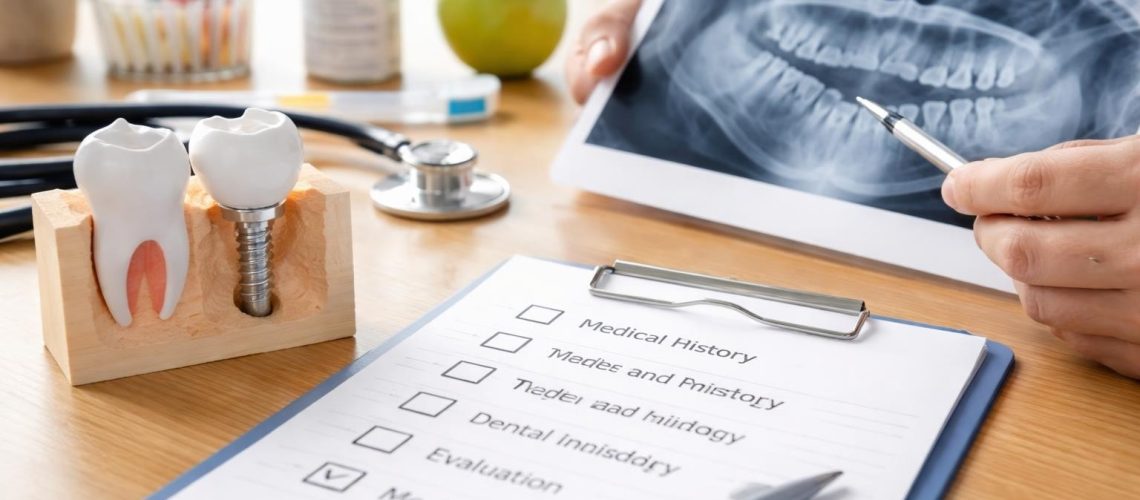
Dental implants have changed the way people replace missing teeth. They offer a permanent solution that looks and feels like natural teeth. But not everyone can get them right away. Understanding who is a good candidate for dental implants helps you know if this treatment fits your needs. This guide explains the key factors that determine if you qualify for dental implants and what steps you can take to become a better candidate.
What Makes Someone an Ideal Dental Implant Candidate
The best candidates for dental implants share several important traits. These factors work together to create the right conditions for successful implant placement and long-term success.
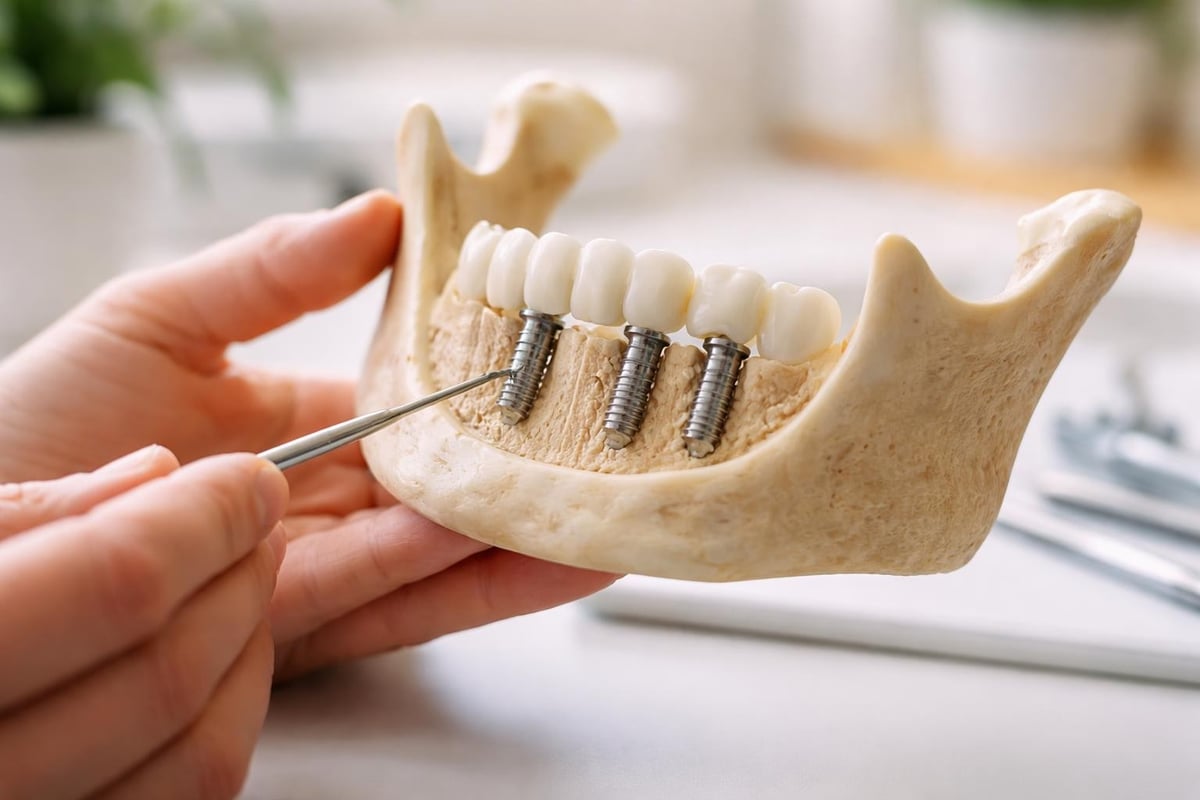
Sufficient Bone Density and Quality
Your jawbone must be strong enough to support the implant. When you lose a tooth, the bone in that area starts to shrink over time. This process is called bone resorption.
Good bone density means:
- The jawbone has enough height and width
- The bone quality is firm and healthy
- There is enough space between nerves and sinuses
- The bone can fuse with the titanium implant
Dentists use special X-rays and scans to check your bone. They measure the bone volume and density. If you lack sufficient bone, you may need a bone grafting procedure before getting implants.
Healthy Gums and Oral Tissues
Your gums must be free from active disease. Gum disease weakens the tissues that will support your implant. Healthy gums are pink, firm, and do not bleed when you brush.
People with untreated gum disease face higher risks. The infection can spread to the bone around the implant. This causes the implant to fail. Treatment for gum disease must come first.
At Dental Plus Clinic, our team checks your gum health before planning implant surgery. We provide thorough cleanings and periodontal care to prepare your mouth.
Medical Conditions That Affect Candidacy
Your overall health plays a big role in determining who is a good candidate for dental implants. Some medical conditions require extra care and planning.
Controlled Chronic Conditions
Many people with chronic health issues can still get dental implants. The key word is “controlled.” Your condition must be stable and well-managed.
| Medical Condition | Implant Candidacy | Requirements |
|---|---|---|
| Diabetes | Possible | Blood sugar must be controlled, HbA1c below 7% |
| Heart Disease | Possible | Condition stable, cleared by cardiologist |
| Osteoporosis | Possible | Bone density assessed, medication reviewed |
| Autoimmune Disorders | Case by case | Disease activity low, doctor approval needed |
Uncontrolled diabetes poses serious risks. High blood sugar slows healing and increases infection risk. It also affects how bone grows around the implant. Patients with diabetes should work with their doctor to control blood sugar levels before surgery.
Medications That Impact Healing
Some medications affect bone health and healing. You need to tell your dentist about all medicines you take.
Medications of concern include:
- Bisphosphonates for osteoporosis
- Blood thinners like warfarin
- Steroids taken long-term
- Immunosuppressants
- Radiation therapy medications
Bisphosphonates can interfere with bone healing. They may increase the risk of jaw bone problems. Your dentist will review your medication history and may consult with your doctor. Sometimes a waiting period or medication adjustment is needed.
Cancer Treatment History
Past cancer treatment affects implant success. Radiation to the head or neck area damages bone and tissue. This makes healing harder.
People who had radiation therapy may still get implants, but they need careful planning. The timing matters. Most dentists wait at least one year after radiation ends. The radiation dose and location also matter.
Chemotherapy affects your immune system. It can slow healing for a while. Once treatment ends and your body recovers, you may become a good candidate again.
Age and Dental Implant Success
Age itself does not disqualify you from getting dental implants. Both young adults and seniors can be good candidates. However, age does bring some considerations.
Younger Patients and Jaw Growth
Young people under age 18 usually need to wait. The jawbone must finish growing first. Girls typically finish jaw growth around age 16. Boys may continue growing until age 18 or later.
Placing implants too early causes problems. As the jaw grows, the implant stays in place. This creates an uneven smile. The implant may end up in the wrong position.
Dentists use hand and wrist X-rays to check if growth is complete. Once the jaw stops growing, young adults make excellent candidates. They often heal quickly and enjoy their implants for many decades.
Senior Patients and Health Factors
Older adults are often great candidates for dental implants. Age alone does not prevent success. What matters more is overall health and bone quality.
Advantages for seniors:
- They often have stable health conditions
- They are motivated to maintain quality of life
- Modern techniques are safe for older patients
- They understand the value of permanent solutions
Many seniors take multiple medications. A thorough health review is important. The dentist and your regular doctor should work together. This ensures the safest treatment plan.
The dental implant team at Dental Plus Clinic in Seguin has extensive experience helping patients of all ages. We create personalized treatment plans that address your unique needs.

Lifestyle Factors That Determine Candidacy
Your daily habits affect who is a good candidate for dental implants. Some lifestyle choices must change before getting implants.
Smoking and Tobacco Use
Smoking significantly reduces implant success rates. Nicotine restricts blood flow to the gums and bone. This slows healing and increases complications.
Smoking risks include:
- Higher infection rates after surgery
- Slower bone integration with the implant
- Increased implant failure rates
- Poor long-term outcomes
Studies show that smokers have much higher rates of implant complications. The risk of failure can be two to three times higher than for non-smokers.
Most dentists require patients to quit smoking before implant surgery. You should stop at least two weeks before surgery. Many recommend quitting permanently for the best results.
Oral Hygiene Habits
Good oral care is essential for implant success. People who maintain excellent hygiene make better candidates.
Daily care requirements include:
- Brushing twice daily with proper technique
- Flossing around all teeth and future implant sites
- Using antimicrobial mouthwash as directed
- Attending regular dental cleanings
Poor hygiene leads to infection and gum disease. These conditions destroy the bone around implants. If you struggle with daily oral care now, work on improving these habits first.
Your dentist can teach you better techniques. They can recommend tools that make cleaning easier. Building good habits before surgery sets you up for long-term success.
Teeth Grinding and Clenching
Bruxism, or teeth grinding, puts extra stress on dental implants. This habit can damage both natural teeth and implants.
People who grind their teeth may still get implants. But they need protection. A custom night guard shields the implants from excessive force. Wearing this guard every night is essential.
Severe grinding may require other solutions. Some patients need stress management or medication adjustments. Your dentist will evaluate the severity and create a protection plan.
Oral Health Requirements for Candidacy
Beyond general health, specific oral conditions determine who is a good candidate for dental implants. Your mouth must be ready for surgery.
No Active Infections or Decay
All infections must be treated first. Active tooth decay, abscesses, and gum infections prevent implant placement.
Pre-treatment needed for:
- Untreated cavities in remaining teeth
- Root infections or abscesses
- Active gum disease or periodontitis
- Oral infections or sores
Treating these problems first protects your investment. It prevents bacteria from spreading to the new implant site. It also improves overall oral health.
The team at Dental Plus Clinic in Beeville provides comprehensive evaluations. We identify and treat any issues before moving forward with implants.
Adequate Space for Implant Placement
Your mouth needs enough room for the implant. The space between teeth matters. So does the relationship between upper and lower teeth.
Dentists measure the available space carefully. They consider:
- Distance to neighboring teeth
- Height of the opposing tooth
- Width of the ridge where the implant goes
- Position of nerves and sinuses
Sometimes other teeth need adjustment first. Orthodontics can create better spacing. Removing problematic teeth may be necessary. These preparatory steps ensure proper implant positioning.
Financial and Commitment Factors
Understanding who is a good candidate for dental implants includes practical considerations. You need to be ready for the time and financial investment.
Financial Preparedness
Dental implants cost more upfront than other tooth replacement options. But they last longer and provide better value over time.
| Tooth Replacement Option | Initial Cost | Lifespan | Long-term Value |
|---|---|---|---|
| Dental Implants | Higher | 20+ years | Excellent |
| Fixed Bridge | Moderate | 10-15 years | Good |
| Removable Denture | Lower | 5-7 years | Fair |
| Partial Denture | Lower | 5-10 years | Fair |
Many dental offices offer payment plans. Dental insurance may cover part of the cost. Some patients use health savings accounts.
Dental Plus Clinic offers savings plans that make implants more affordable. These plans reduce out-of-pocket costs and spread payments over time.
Time Commitment for Treatment
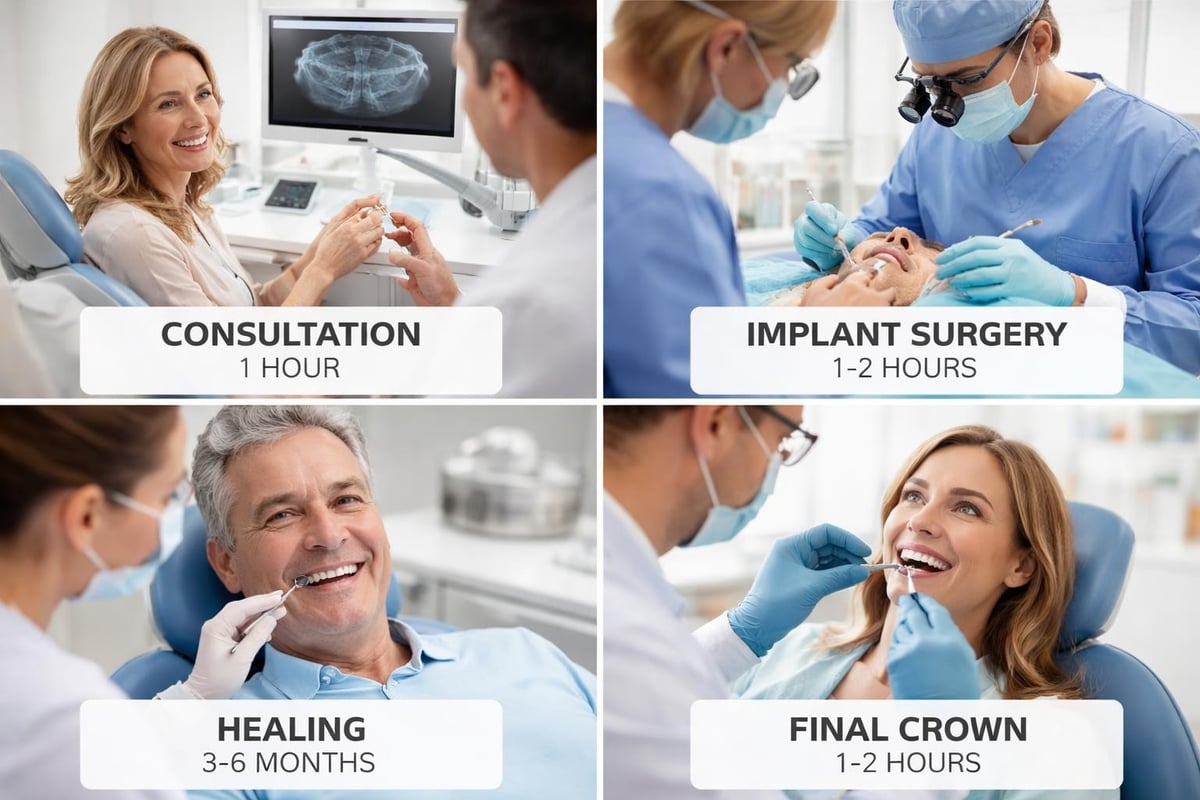
The implant process takes several months from start to finish. Good candidates understand and accept this timeline.
Typical treatment stages:
- Initial consultation and planning (1-2 visits)
- Preparatory treatments if needed (varies)
- Implant placement surgery (1 visit)
- Healing period (3-6 months)
- Abutment placement (1 visit)
- Final crown placement (1-2 visits)
You must attend all appointments. You need to follow care instructions carefully. Missing steps or rushing the process leads to problems.
People with busy schedules can still get implants. Planning ahead helps. Working with a flexible dental team makes the process easier.
Evaluating Your Individual Candidacy
Every person is unique. A thorough evaluation determines if you are a good candidate. This assessment includes multiple steps.
Comprehensive Dental Examination
Your dentist performs a detailed exam of your entire mouth. They check every tooth, the gums, and the soft tissues.
The exam includes:
- Visual inspection of teeth and gums
- Probing to measure gum pocket depths
- Checking for loose teeth or damaged restorations
- Evaluating bite alignment and jaw function
- Assessing the health of remaining teeth
This exam reveals any problems that need treatment first. It also shows if your mouth is healthy enough for implants.
Advanced Imaging and Diagnostics
Modern imaging provides crucial information. 3D scans show bone structure in detail. These images help plan exact implant placement.
Imaging types used:
- Panoramic X-rays for overall view
- Cone beam CT scans for 3D bone assessment
- Digital photographs for treatment planning
- Intraoral scans for precise measurements
These images show bone density, nerve locations, and sinus positions. They reveal any hidden problems. They also help create surgical guides for precise placement.
The technology at Dental Plus Clinic includes advanced imaging systems. This ensures accurate diagnosis and treatment planning.
Medical History Review
Your complete medical history matters. Be honest about all health conditions and medications.
Important information to share:
- Current medications and supplements
- Past surgeries and hospitalizations
- Chronic health conditions
- Allergies to medications or materials
- History of radiation or chemotherapy
Some health issues require extra planning. Others may need clearance from your medical doctor. Understanding the contraindications for dental implants helps dentists create safe treatment plans.
Improving Your Candidacy Status
Not everyone qualifies immediately. But many people can take steps to become better candidates.
Treating Gum Disease
Gum disease treatment improves your chances significantly. The treatment depends on severity.
Treatment options include:
- Professional deep cleanings (scaling and root planing)
- Antimicrobial treatments
- Laser gum therapy
- Gum surgery for advanced cases
After successful treatment, your gums heal. The inflammation goes away. The bone stabilizes. This creates a healthier foundation for implants.
Maintenance is important. Regular cleanings prevent disease from returning. Most patients need cleanings every three to six months.
Bone Grafting Procedures
If you lack sufficient bone, grafting can help. This procedure adds bone material to the jaw. It rebuilds volume and density.
Types of bone grafts:
- Socket preservation after extraction
- Ridge augmentation for width
- Sinus lift for upper back teeth
- Block grafts for severe deficiencies
The graft material comes from different sources. It may be your own bone, donor bone, or synthetic material. The graft integrates with your natural bone over several months.
After healing, the bone is strong enough for implants. Many patients who initially were not candidates become excellent candidates after grafting.
Managing Systemic Health Conditions
Working with your medical doctor improves candidacy. Better health management reduces risks.
Steps to take:
- Control blood sugar levels if diabetic
- Stabilize blood pressure
- Manage autoimmune conditions with medication
- Review medications with your doctor
- Improve nutrition and vitamin levels
Sometimes medication adjustments help. Other times, additional treatments are needed. Your dentist and doctor should communicate about your care.
Many people with health conditions successfully get implants. Proper evaluation of medical contraindications ensures safe treatment.
Special Situations and Candidacy
Some situations require extra consideration when determining who is a good candidate for dental implants.
Replacing Failed Implants
People who had a failed implant may still get a new one. The key is understanding why the first one failed.
Common failure reasons:
- Insufficient bone integration
- Infection at the implant site
- Poor oral hygiene
- Smoking or health issues
- Excessive force from grinding
The failed implant must be removed. The site needs time to heal. Sometimes additional bone grafting is needed. Once healed, a new implant can be placed.
Success rates for second implants are good when the original problem is fixed. Patients must address the cause of failure. This may mean quitting smoking, improving hygiene, or managing health better.
Multiple Missing Teeth
People missing several teeth often make good candidates. Multiple implants can support bridges or dentures.
Options include:
- Individual implants for each missing tooth
- Implant-supported bridges spanning gaps
- All-on-4 or All-on-6 full arch solutions
- Implant-retained dentures for stability
These solutions provide better stability than traditional dentures. They preserve bone and feel more natural. The evaluation process is similar but more comprehensive.
Your dentist assesses each potential implant site. They create a treatment plan that addresses all missing teeth. This may involve staged treatment over several months.
Immediate Implant Placement
Some patients qualify for immediate implants. This means placing the implant right after tooth extraction.
Requirements for immediate placement:
- Healthy bone at the extraction site
- No active infection
- Adequate bone volume
- Good overall health
- Non-smoker preferred
This approach reduces treatment time. You avoid a separate surgery. The implant goes into fresh bone.
Not everyone qualifies for immediate placement. Infected sites need healing time first. Large bone defects require grafting. Your dentist evaluates if this option suits your situation.
Understanding the differences between dental implants and other options helps you make informed decisions about your treatment.
Patient Responsibilities for Success
Being a good candidate means more than meeting clinical criteria. You must take an active role in your care.
Following Pre-Surgery Instructions
Your dentist provides specific instructions before surgery. Following these exactly improves outcomes.
Common pre-surgery requirements:
- Taking prescribed antibiotics
- Avoiding certain medications
- Fasting before surgery if sedation is used
- Arranging transportation home
- Preparing soft foods for recovery
These instructions protect your health. They reduce infection risk, ensure safe anesthesia. and prepare you for comfortable recovery.
Ask questions if anything is unclear. Write down the instructions. Set reminders on your phone. Preparation makes a big difference.
Post-Surgery Care Commitment
Recovery requires careful attention. You must follow all post-operative instructions.
Recovery responsibilities include:
- Taking medications as prescribed
- Avoiding hard foods during healing
- Keeping the surgical site clean
- Attending follow-up appointments
- Reporting any problems immediately
The first few weeks are critical. The implant must integrate with bone. Your care during this time affects long-term success.
Most people return to normal activities within a few days. But full healing takes months. Patience and compliance are essential.
Long-Term Maintenance
Implants need lifelong care. Good candidates commit to regular maintenance.
Ongoing care includes:
- Daily brushing and flossing
- Regular professional cleanings
- Annual X-rays to check implant health
- Using recommended oral care products
- Wearing night guards if needed
Implants do not get cavities. But the surrounding gum and bone need protection. Infections can still develop. Regular checkups catch problems early.
Many patients find that caring for implants is easier than caring for dentures. Learning about proper oral hygiene benefits your overall health too.
Making Your Decision
Deciding if dental implants are right for you involves several factors. You need information, professional guidance, and honest self-assessment.
Consulting with Qualified Professionals
Choose a dentist with implant experience. Ask about their training and success rates. Look for someone who uses modern technology.
Questions to ask your dentist:
- How many implants have you placed?
- What is your success rate?
- What technology do you use?
- Do you handle complications in-house?
- Can I see before and after photos?
A good dentist provides thorough explanations. They answer all your questions. They do not rush you into treatment.
Dental Plus Clinic locations across Texas offer experienced implant teams. Our dentists stay current with the latest techniques and technology.
Understanding Alternative Options
Implants are not the only choice. Understanding all options helps you decide.
Alternatives to consider:
- Fixed bridges supported by natural teeth
- Removable partial dentures
- Complete dentures for multiple missing teeth
- Doing nothing and leaving the gap
Each option has advantages and disadvantages. Your dentist can explain how each would work for you. Comparing dental implants to bridges clarifies the differences.
Some people choose different options for different teeth. A combination approach may work best. The right choice depends on your specific situation.
Assessing Your Personal Goals
Think about what you want from tooth replacement. Your goals guide the decision.
Consider these questions:
- How important is a permanent solution?
- Do you want to avoid affecting other teeth?
- Is chewing function your main concern?
- How much do aesthetics matter?
- What is your budget for dental care?
Honest answers help you and your dentist find the best solution. Some people prioritize permanence. Others focus on cost. Neither choice is wrong.
Your lifestyle matters too. Active people often prefer the stability of implants. Those with medical concerns may choose simpler options. Understanding what factors affect candidacy helps clarify your decision.
The Consultation Process
A thorough consultation determines who is a good candidate for dental implants. This visit sets the foundation for successful treatment.
What to Expect at Your First Visit
Your initial consultation includes several components. Plan for at least an hour.
The visit typically includes:
- Discussion of your concerns and goals
- Review of medical and dental history
- Clinical examination of your mouth
- Diagnostic imaging (X-rays or scans)
- Initial treatment recommendations
Come prepared with questions. Bring a list of medications. Share any concerns about the process. This information helps create the best plan.
The dentist explains what they find. They discuss if you are a candidate. They outline any preparatory work needed.
Creating Your Treatment Plan
If you qualify, the dentist develops a detailed treatment plan. This roadmap guides your entire journey.
Your plan includes:
- Number of implants needed
- Timeline for each treatment phase
- Cost breakdown and payment options
- Alternative approaches if applicable
- Expected outcomes and success rates
Review this plan carefully. Ask about anything unclear. Understand the time commitment. Know the total investment.
A good treatment plan is flexible. It can adjust if circumstances change. But it provides clear direction and expectations.
Second Opinions and Research
Getting a second opinion is perfectly acceptable. It helps you feel confident in your decision.
When seeking another opinion:
- Bring copies of your X-rays and records
- Share the first dentist’s recommendations
- Ask specific questions about differences
- Compare approaches and philosophies
- Consider both clinical and personal factors
Research helps too. Read about dental implant candidacy requirements. Learn about the procedure. Understand the risks and benefits.
Education empowers you to make the best choice. Learning about various dental treatments at Dental Plus Clinic gives you valuable information.
Final Thoughts
Understanding who is a good candidate for dental implants involves many factors including bone health, overall wellness, lifestyle habits, and commitment to care. Most people with missing teeth can become excellent candidates with proper preparation and treatment. Whether you are ready now or need preparatory work, dental implants offer a permanent solution that restores function and confidence. Dental Plus Clinic provides comprehensive evaluations and personalized treatment plans at our five Texas locations in Beeville, Seguin, New Braunfels, Leander, and Converse. Schedule a consultation today to discover if dental implants are right for you and take the first step toward a healthier, more confident smile.