

Missing teeth can impact your confidence, oral health, and quality of life in ways you never imagined. While dental implants have long been considered the gold standard for tooth replacement, many Texas families hesitate due to cost concerns. The good news? Affordable dental implants are more accessible than ever in 2026, and understanding your options can help you make an informed decision without sacrificing quality. Whether you’re from Beeville, Seguin, New Braunfels, Leander, or Converse, this comprehensive guide will walk you through everything you need to know about finding cost-effective implant solutions that deliver lasting results.
Understanding Dental Implants and Their True Value
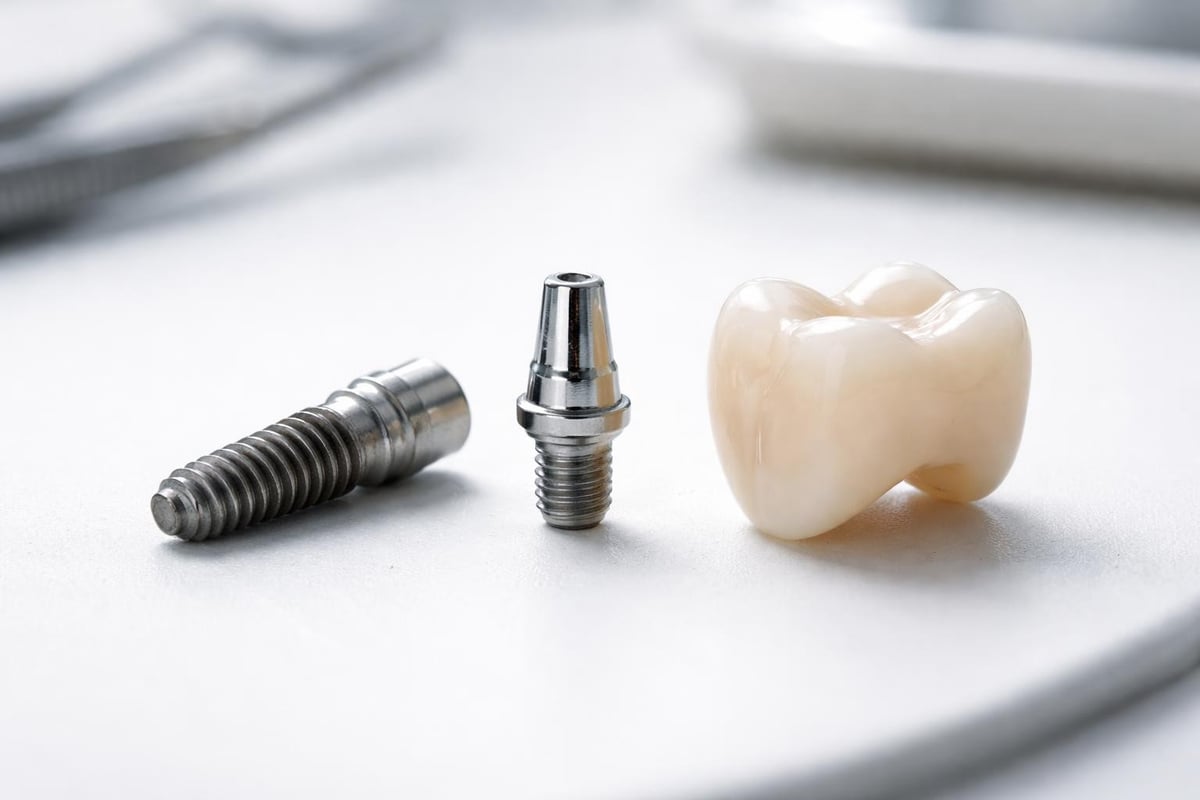
Dental implants represent a permanent solution for missing teeth, consisting of a titanium post surgically placed into your jawbone, an abutment connector, and a custom crown. Unlike dentures or bridges, implants function like natural teeth and can last a lifetime with proper care.
The investment in dental implants goes beyond aesthetics. They prevent bone loss, maintain facial structure, and allow you to eat, speak, and smile with complete confidence. According to recent dental health studies, patients with dental implants report significantly higher satisfaction rates compared to other tooth replacement options.
Why Implants Cost What They Do
Understanding the pricing structure helps you appreciate the value proposition. The cost includes multiple components:
- Surgical expertise and training required for precise placement
- High-grade titanium materials that integrate with bone tissue
- Advanced imaging technology like 3D CT scans for treatment planning
- Custom crown fabrication matched to your natural teeth
- Follow-up care and adjustments ensuring long-term success
Many patients discover that when you calculate the cost per year over an implant’s lifespan, they become one of the most economical tooth replacement options available.
What Makes Dental Implants Affordable in 2026
The dental industry has evolved significantly, making affordable dental implants more accessible through technological advances and improved treatment protocols. Digital dentistry has streamlined many procedures, reducing chair time and associated costs.
Manufacturing Innovations Reducing Costs
Modern dental labs utilize CAD/CAM technology to create precise restorations faster and more affordably. This computer-aided design and manufacturing process eliminates many traditional laboratory steps, passing savings directly to patients.
Competition among implant manufacturers has also driven prices down while maintaining quality standards. FDA-approved implant systems from reputable companies now offer various price points without compromising safety or durability.
Treatment Planning Efficiency
Advanced diagnostic tools allow dentists to plan procedures with unprecedented accuracy. This precision reduces surgery time, minimizes complications, and improves success rates, all contributing to more affordable treatment overall.
Digital impressions have replaced messy traditional molds, providing better accuracy while reducing material costs and patient discomfort. These technological improvements translate into meaningful savings for families seeking dental implants.
Breaking Down Affordable Dental Implants Costs in Texas
Texas offers competitive pricing for dental implants compared to many other states. In 2026, patients can expect the following general price ranges:
| Procedure Type | Average Cost Range | What’s Included |
|---|---|---|
| Single Implant | $1,500 – $3,500 | Post, abutment, crown |
| Multiple Implants | $3,000 – $8,000 | Posts, abutments, crowns |
| All-on-4 Full Arch | $15,000 – $30,000 | Complete arch restoration |
| Bone Grafting (if needed) | $300 – $1,200 | Site preparation |
These costs vary based on location, complexity, and materials chosen. Rural areas like Beeville often have lower overhead costs compared to larger metropolitan regions, potentially offering more competitive pricing.
Hidden Costs to Consider
Transparency matters when budgeting for dental implants. Ask your dentist about:
- Pre-surgical consultations and imaging
- Temporary restorations during healing
- Sedation or anesthesia options
- Post-operative medications
- Follow-up appointments and adjustments
Understanding the complete financial picture prevents surprises and helps you plan effectively. Many practices now provide detailed treatment estimates upfront, allowing you to make informed decisions about your oral health investment.
Financing Options That Make Implants Accessible
The path to affordable dental implants often involves strategic financing rather than paying the full amount upfront. Texas dental practices increasingly offer flexible payment solutions designed for families at various income levels.
Dental Savings Plans
Unlike traditional insurance, dental savings plans function as membership programs offering discounted rates on procedures. Annual fees typically range from $100 to $200, providing 10-60% savings on implant procedures.
Dental savings plans can significantly reduce out-of-pocket expenses, especially for patients without traditional dental insurance. These plans often activate immediately without waiting periods or annual maximums.
Third-Party Financing Programs
Healthcare financing companies like CareCredit, LendingClub, and Prosper Healthcare Lending offer payment plans specifically for dental procedures:
- Interest-free periods ranging from 6-24 months
- Extended payment terms up to 60 months
- Quick approval processes often within minutes
- No prepayment penalties allowing early payoff
Patients with good credit can access these affordable dental implants financing options to spread costs over manageable monthly payments. Even those with challenged credit may qualify for specialized programs with reasonable terms.
In-House Payment Plans
Many dental practices offer their own financing arrangements, allowing patients to pay directly to the clinic over time. These plans sometimes feature:
- No credit checks required
- Flexible down payment options
- Custom payment schedules
- Direct relationship with your care provider
Building a payment arrangement directly with your dental team can create a partnership focused on your long-term oral health rather than just a single transaction.

Insurance Coverage for Dental Implants
Dental insurance traditionally viewed implants as cosmetic procedures, but coverage has expanded dramatically in recent years. As of 2026, approximately 45% of dental insurance plans offer at least partial implant coverage.
What Insurance Typically Covers
Most plans that include implant benefits cover specific portions:
| Coverage Component | Typical Coverage Percentage |
|---|---|
| Diagnostic imaging | 50-80% |
| Surgical placement | 50% |
| Abutment | 50% |
| Crown restoration | 50-80% |
Understanding your policy’s fine print helps maximize benefits. Some plans categorize different implant components under various coverage tiers, potentially spreading benefits across plan years for strategic savings.
Maximizing Your Dental Benefits
Strategic timing can stretch your insurance dollars further. Consider these approaches:
- Schedule procedures across benefit years to utilize annual maximums twice
- Combine insurance with flexible spending accounts (FSAs) or health savings accounts (HSAs)
- Verify pre-authorization requirements before beginning treatment
- Appeal denials with detailed medical necessity documentation
Your dental team can work with you to structure treatment in ways that optimize insurance benefits while maintaining clinical integrity.
Finding Quality Affordable Dental Implants Providers
Cost matters, but quality should never be compromised when it comes to surgical procedures. Affordable implant dentistry doesn’t mean low quality when you know what credentials and standards to evaluate.
Essential Qualifications to Verify
Before selecting a provider, confirm these critical qualifications:
- Advanced training in implant dentistry through accredited programs
- Years of experience specifically placing implants
- Success rate statistics and willingness to discuss outcomes
- Technology investments demonstrating commitment to modern techniques
- Professional affiliations with organizations like the American Academy of Implant Dentistry
Experienced implant dentists have placed hundreds or thousands of implants, developing expertise that directly impacts your treatment success.
Questions to Ask During Consultations
A thorough consultation reveals much about a practice’s approach to affordable dental implants:
- What is your personal experience with this specific procedure?
- What implant system do you use and why?
- How do you handle complications if they arise?
- Can I speak with previous implant patients?
- What warranty or guarantee do you offer?
Reputable practices welcome these questions and provide detailed, confident answers. Hesitation or vague responses should raise concerns about their expertise or transparency.
Red Flags to Avoid
Protect yourself from substandard care by watching for warning signs:
- Prices significantly below market rates without clear explanation
- Pressure to proceed without adequate consultation
- Unwillingness to provide detailed treatment plans
- Lack of proper licensing or credentials
- Poor reviews or complaints about implant failures
Remember that budget-friendly solutions for dental implants should still meet rigorous safety and quality standards.
Comparing Dental Implants to Alternative Solutions
Understanding how implants stack up against other tooth replacement options helps contextualize their value. While the upfront cost may be higher, the long-term benefits often make affordable dental implants the most economical choice.
Cost Comparison Over Time
| Solution | Initial Cost | Lifespan | Cost Per Year |
|---|---|---|---|
| Dental Bridge | $2,000 – $5,000 | 5-10 years | $200 – $1,000 |
| Partial Denture | $300 – $1,500 | 5-8 years | $40 – $300 |
| Complete Denture | $1,000 – $3,000 | 5-7 years | $140 – $600 |
| Single Implant | $1,500 – $3,500 | 25+ years | $60 – $140 |
This analysis reveals that despite higher initial costs, implants often prove more affordable over their lifetime. They require no replacement and preserve surrounding teeth and bone structure.
For a detailed comparison of tooth replacement methods, explore dental implants vs dentures to understand which solution best fits your needs and budget.
Functional and Health Considerations
Beyond cost, implants offer superior functionality:
- Eating capability: Bite force comparable to natural teeth
- Speech clarity: No slipping or clicking sounds
- Bone preservation: Stimulates jawbone preventing deterioration
- Adjacent tooth protection: No alteration of neighboring teeth required
- Stability: Permanent fixture that doesn’t require removal or adjustment
These functional advantages contribute to better nutrition, clearer communication, and preserved facial structure, benefits that impact overall health and quality of life.
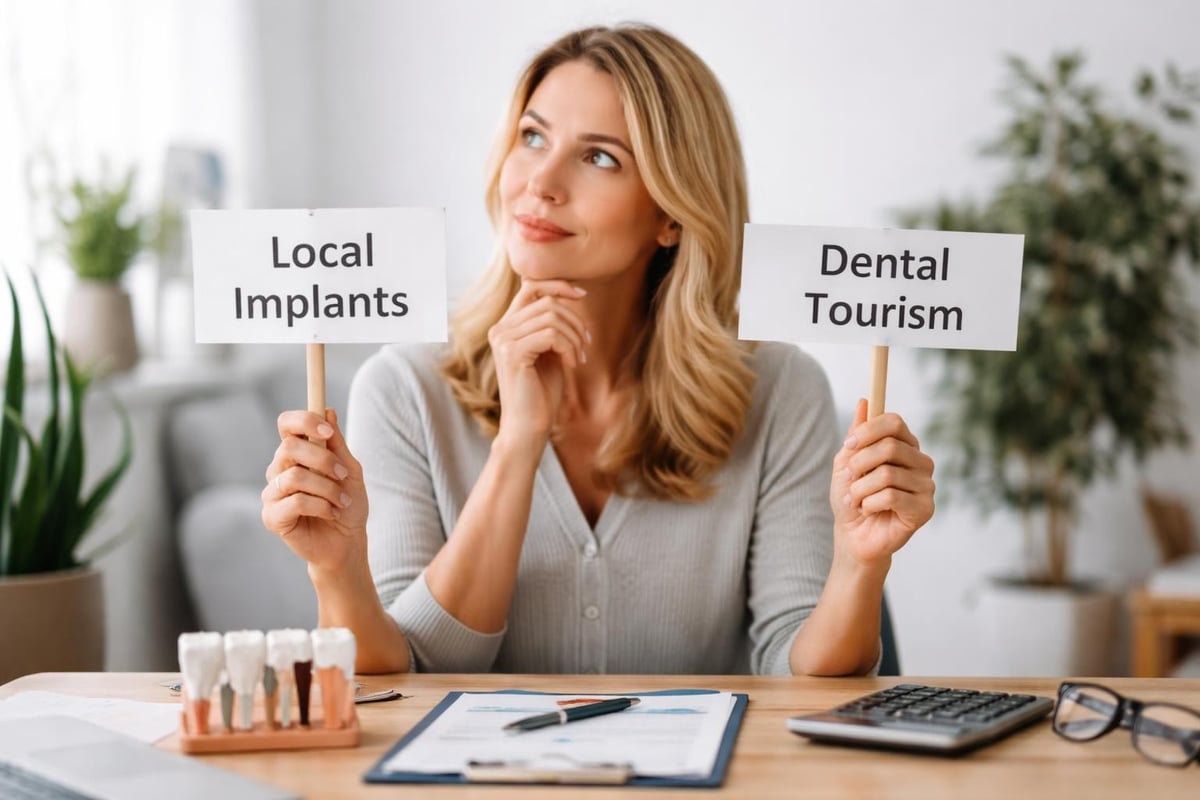
Dental Tourism and Affordable Implants
Some Texas residents consider traveling internationally for dental work, attracted by significantly lower prices. While medical tourism offers affordable dental implants, this option requires careful evaluation of risks versus benefits.
Popular Destinations for Dental Tourism
Countries frequently chosen for implant procedures include:
- Mexico: 40-70% savings, proximity to Texas
- Costa Rica: High-quality facilities, English-speaking dentists
- Thailand: Advanced technology, comprehensive packages
- Hungary: EU-certified clinics, experienced specialists
Geographic proximity makes Mexico particularly attractive for Texas families, with border cities offering easy access and familiar cultural context.
Weighing the Risks
International dental care presents legitimate concerns:
- Follow-up care coordination across borders
- Legal recourse limitations if complications arise
- Variable quality standards and oversight
- Travel expenses reducing total savings
- Language barriers affecting communication
Additionally, warranties and guarantees may be difficult to enforce from thousands of miles away. Emergency complications require local intervention, potentially negating any cost savings.
Domestic Alternatives to Consider
Before booking international travel, explore these local options that can deliver comparable affordability:
- University dental schools offering supervised implant procedures
- Community health centers with sliding fee scales
- Rural practices with lower overhead costs
- Dental charity events and mission programs
- Dental discount plans and financing through established providers
Special Programs and Discounts for Affordable Dental Implants
Resourceful patients can access various programs designed to make dental care more affordable for underserved populations. These initiatives help bridge the gap between need and financial capacity.
Dental School Clinics
Accredited dental schools offer significantly reduced rates on implant procedures performed by supervised students. Texas has several programs:
- University of Texas Health Science Center San Antonio
- Texas A&M College of Dentistry in Dallas
- UT Health Houston School of Dentistry
Procedures take longer due to the educational component, but supervising faculty are experienced specialists ensuring quality outcomes. Savings typically range from 30-50% compared to private practice fees.
Veterans Benefits and Military Programs
Veterans may qualify for dental benefits through the VA healthcare system, including implant coverage for service-connected conditions. Active military personnel and their families can access care through TRICARE dental programs.
Non-Profit Organizations and Charity Care
Several organizations provide free or reduced-cost dental care to qualifying individuals:
- Dental Lifeline Network: Connects vulnerable patients with volunteer dentists
- Mission of Mercy events: Free dental clinics held periodically across Texas
- Local health departments: Some offer dental services on sliding fee scales
- Religious organizations: Many sponsor dental mission programs
These resources require patience and may involve waiting lists, but they provide legitimate pathways to necessary care for those facing financial hardship.
Preparing for Your Affordable Dental Implants Procedure
Proper preparation for affordable dental implants procedure enhances success rates and can reduce costs by preventing complications. Understanding what to expect helps you plan effectively both medically and financially.
Initial Consultation and Treatment Planning
Your journey begins with comprehensive evaluation including:
- Complete oral examination assessing gum health and bone density
- 3D imaging to plan precise implant placement
- Medical history review identifying potential complications
- Treatment timeline outlining each phase and associated costs
- Alternative options if implants aren’t immediately viable
This planning phase typically costs $100-300 but prevents expensive mistakes and ensures you’re a good candidate before significant financial commitment.
Bone Grafting and Preparatory Procedures
Some patients require bone grafting to create adequate foundation for implants. While this adds cost and time, it’s essential for long-term success. Modern grafting materials and techniques have improved healing times and outcomes significantly.
Minor grafting might add $300-800 per site, while major reconstruction can cost $1,200-3,000. However, simultaneous placement (grafting and implant together) can reduce overall expenses and treatment duration.
Timeline and Healing Expectations
Understanding the process timeline helps you plan time off work and manage expectations:
- Implant placement surgery: 1-2 hours per implant
- Initial healing period: 3-6 months for osseointegration
- Abutment placement: Simple procedure, minimal recovery
- Crown fabrication and placement: 2-3 weeks after abutment
- Total timeline: 4-8 months from start to final restoration
Rush procedures promising immediate results sometimes compromise success rates. Following proven protocols ensures your investment delivers decades of service.
Maintaining Your Dental Implants for Lasting Value
The affordability equation extends beyond initial costs to long-term maintenance. Proper care ensures your implants remain functional for decades, maximizing your return on investment.
Daily Care Requirements
Implants require similar care to natural teeth:
- Brush twice daily with soft-bristled toothbrush
- Floss daily using implant-specific floss or interdental brushes
- Use antimicrobial mouth rinse as recommended
- Avoid excessive force from teeth grinding (use nightguard if needed)
- Maintain regular professional cleanings every 6 months
These simple habits prevent peri-implantitis, an infection that can compromise implant stability and require expensive intervention.
Professional Monitoring
Regular dental visits allow early detection of potential issues before they become serious problems. Professional cleanings remove buildup that home care might miss, particularly around implant margins.
Your dental team monitors:
- Implant stability and integration
- Gum tissue health surrounding implants
- Proper crown fit and occlusion
- Overall oral health affecting implant longevity
Long-Term Cost Considerations
While implants rarely need replacement, crowns may require updating after 10-15 years due to normal wear. This maintenance cost is minimal compared to repeatedly replacing bridges or dentures.
Budget approximately $1,000-1,500 every decade for crown replacement, still making implants highly cost-effective over a lifetime compared to alternatives requiring complete replacement every 5-7 years.
Geographic Considerations: Affordable Dental Implants Across Texas
Location significantly impacts dental implant costs within Texas. Understanding regional pricing helps you make strategic decisions about where to receive care.
Urban vs. Rural Pricing
Metropolitan areas like Austin and San Antonio typically charge 15-25% more than smaller communities due to higher overhead costs. However, rural areas may have fewer specialists, potentially requiring travel anyway.
Cities like Beeville, Seguin, and Converse offer balanced pricing with access to experienced providers without major metropolitan markups.
Travel Considerations for Texas Families
If you’re considering traveling within Texas for affordable dental implants, factor in:
- Fuel costs for multiple appointments
- Potential overnight accommodations
- Time off work for extended travel
- Emergency access if complications arise
Sometimes local care, even at slightly higher base rates, proves more economical when accounting for these hidden travel expenses.
Multi-Location Dental Practices
Practices operating multiple locations across Texas often standardize pricing and quality protocols. This consistency provides predictability and the convenience of choosing the most accessible location for different appointments.
Frequently Asked Questions About Affordable Dental Implants
How much do affordable dental implants really cost in Texas?
Affordable dental implants in Texas typically range from $1,500 to $3,500 per tooth, depending on location, complexity, and materials chosen. This cost includes the titanium post, abutment, and crown. Multiple implants or full-arch restorations cost more but offer per-tooth savings. Financing options and dental savings plans can reduce out-of-pocket expenses significantly.
Are affordable dental implants lower quality than expensive ones?
Not necessarily. Price variations often reflect overhead costs, geographic location, and practice business models rather than quality differences. The complete guide to affordable dental implants confirms that affordability doesn’t mean compromising quality when providers use FDA-approved materials and follow proper protocols. Focus on provider credentials and success rates rather than price alone.
Does dental insurance cover implants in 2026?
Many dental insurance plans now offer partial coverage for implants, typically paying 50% of certain components after deductibles. Coverage has expanded significantly, with approximately 45% of plans including some implant benefits. Review your specific policy details, as annual maximums and waiting periods may apply. Strategic planning can maximize insurance benefits across multiple benefit years.
How long do dental implants last compared to other tooth replacements?
Dental implants can last 25 years or more with proper care, often lasting a lifetime. This longevity significantly exceeds bridges (5-10 years) and dentures (5-7 years). While initial costs are higher, the cost-per-year calculation makes implants highly economical. The crown may need replacement after 10-15 years, but the implant post itself rarely requires intervention.
Can I get affordable dental implants if I have bone loss?
Yes, though you may need bone grafting first to create adequate foundation. Modern grafting techniques have improved success rates and shortened healing times. Some patients qualify for specialized implants designed for compromised bone. Your dentist can evaluate bone density through 3D imaging and recommend appropriate solutions. While grafting adds cost, it ensures long-term implant success.
What financing options make dental implants affordable for families?
Multiple financing pathways make implants accessible: third-party healthcare financing (CareCredit, LendingClub) offering interest-free periods and extended terms; dental savings plans providing 10-60% discounts; in-house payment plans through dental practices; FSAs and HSAs for tax-advantaged savings; and insurance coverage where available. Most patients combine several strategies to manage costs comfortably.
Is dental tourism worth it for affordable dental implants?
Dental tourism can offer 40-70% savings but carries risks including limited follow-up care, variable quality standards, travel expenses, and complications requiring local intervention. Affordable dental implants through medical tourism requires thorough research and careful provider vetting. Before traveling internationally, explore domestic alternatives like dental schools, rural practices, and financing programs that may offer comparable affordability with better accessibility.
How can I find a qualified affordable implant dentist in Texas?
Start by verifying credentials including advanced implant training, professional affiliations, and years of experience. Request success rate statistics and patient references. Compare quotes from multiple providers, ensuring they include all procedure components. Read online reviews focusing on implant-specific experiences. Schedule consultations to assess communication style and comfort level. Finding the right implant dentist requires balancing cost considerations with quality indicators and personal rapport.
What happens if my affordable dental implant fails?
Implant failure rates are low (around 5% overall) when proper protocols are followed. Most practices offer warranties covering implant replacement if failure occurs within specified timeframes. Causes include infection, insufficient bone integration, or excessive force. Early detection through regular monitoring allows intervention before complete failure. Discuss warranty terms and complication management during your consultation to understand your protection.
Are there affordable options for replacing all my teeth with implants?
Yes, full-arch restoration using All-on-4 or similar techniques provides affordable solutions for complete tooth replacement. These methods use four strategically placed implants to support an entire arch, costing $15,000-30,000 compared to $40,000+ for individual implants per arch. All-on-4 hybrid implants offer stability and function superior to traditional dentures while remaining more accessible than individual implant replacements for every tooth.
Making Your Decision: Next Steps Toward Affordable Dental Implants
Armed with comprehensive information about affordable dental implants, you’re prepared to take action toward restoring your smile and oral health. The decision requires balancing multiple factors including cost, quality, convenience, and long-term value.
Creating Your Personal Action Plan
Develop a strategic approach to moving forward:
- Assess your specific needs: Number of missing teeth, bone health, overall dental condition
- Set realistic budget parameters: What you can afford upfront versus through financing
- Research qualified providers: Verify credentials, read reviews, compare consultation offerings
- Schedule multiple consultations: Compare treatment approaches and cost estimates
- Explore all financing options: Insurance benefits, savings plans, healthcare financing, in-house arrangements
- Make informed decision: Select provider offering best combination of quality, cost, and comfort
This methodical approach prevents impulsive decisions while moving you steadily toward treatment.
Questions to Finalize Before Proceeding
Before committing to treatment, ensure you have clear answers to:
- What is the total all-inclusive cost with no surprises?
- What warranty or guarantee protects my investment?
- How will you handle complications if they arise?
- What is the detailed timeline from start to completion?
- What are my responsibilities for ensuring success?
Clear communication at this stage establishes realistic expectations and builds the trust necessary for successful long-term outcomes.
Taking Advantage of Current Opportunities
Some practices offer periodic promotions or seasonal discounts on implant procedures. Ask about:
- New patient specials reducing consultation or imaging costs
- Multiple implant discounts for treating several teeth simultaneously
- Referral programs offering savings for both parties
- Seasonal promotions around slower scheduling periods
However, finding affordable dental implants shouldn’t mean rushing into treatment before you’re ready. Take advantage of genuine opportunities without compromising your decision-making process.
The Role of Technology in Affordable Dental Implants
Technological advancement continues driving costs down while improving outcomes. Understanding these innovations helps you appreciate the value modern implant dentistry delivers.
Digital Workflow Benefits
Computer-aided design and manufacturing streamline the implant process:
- Digital impressions: More comfortable and accurate than traditional molds
- 3D treatment planning: Precise surgical guide creation reducing chair time
- Same-day crowns: In some cases, eliminating temporary restoration needs
- Virtual consultations: Reduced appointment requirements and travel
These efficiencies translate directly into cost savings passed to patients while improving the overall treatment experience.
Cone Beam CT Technology
Three-dimensional imaging allows implant dentists to visualize bone structure, nerve locations, and sinus cavities with unprecedented detail. This precision prevents complications, optimizes implant positioning, and reduces the need for exploratory procedures.
While adding to diagnostic costs initially, CBCT technology significantly reduces complication rates and revision surgery needs, protecting your long-term investment.
Guided Surgery Systems
Computer-designed surgical guides ensure implants are placed at exact predetermined angles and depths. This accuracy:
- Minimizes tissue trauma and post-operative discomfort
- Shortens healing times
- Improves long-term success rates
- Reduces overall treatment time and associated costs
These technological investments by dental practices demonstrate commitment to quality outcomes that justify your confidence and financial investment.
Community Resources for Affordable Dental Care in Texas
Beyond private practice options, Texas offers community resources helping residents access necessary dental care regardless of financial circumstances.
Federally Qualified Health Centers
FQHCs provide comprehensive healthcare including dental services on sliding fee scales based on income. Texas has numerous locations offering implant referrals or basic restorative care:
- Services adjusted to family size and income
- No patient turned away due to inability to pay
- Coordination with specialists for complex procedures
- Preventive care emphasis reducing future needs
While FQHCs may not perform implant surgery in-house, they coordinate referrals and help patients access necessary advanced care.
Texas Health and Human Services Programs
State programs assist qualifying residents with dental care:
- Medicaid dental benefits: Limited adult coverage, comprehensive children’s benefits
- CHIP Perinate: Pregnancy-related dental care
- Emergency dental services: Crisis intervention preventing medical complications
These programs rarely cover implants but provide foundational care addressing infections or extractions, potentially part of your overall treatment plan.
Local Charitable Organizations
Community organizations periodically sponsor dental care events:
- Give Kids a Smile: Annual children’s dental care event
- Mission of Mercy clinics: Free comprehensive care including extractions
- Local dental society charitable programs: Volunteer dentists donating services
Stay connected with local health departments and community centers to learn about upcoming opportunities in your area.
Understanding the Psychological Value of Affordable Dental Implants
While this guide focuses heavily on financial considerations, the psychological and emotional benefits of restored smiles deserve recognition in the value equation.
Confidence and Self-Esteem Impact
Missing teeth significantly affect how people perceive themselves and interact socially. Studies show individuals with complete smiles:
- Interview more successfully for employment opportunities
- Engage more confidently in social situations
- Report higher overall life satisfaction
- Experience less anxiety in public settings
These psychological benefits carry real economic value through improved career prospects and enhanced quality of life that’s difficult to quantify but genuinely valuable.
Health Beyond Oral Care
The connection between oral health and systemic health continues strengthening through research. Proper chewing function facilitated by dental implants:
- Improves nutrition through better food choices
- Reduces digestive issues from inadequately chewed food
- Decreases cardiovascular disease risk associated with periodontal disease
- Supports cognitive health through preserved facial bone structure
These whole-health benefits extend the value proposition beyond dental considerations alone, justifying the investment in permanent tooth replacement.
Family Impact Considerations
For Texas families, parental oral health influences children’s attitudes toward dental care. Modeling positive dental health through implant treatment:
- Demonstrates prioritizing long-term health over short-term cost avoidance
- Normalizes professional dental care for children
- Reduces family stress around parental health concerns
- Creates positive associations with dental visits
These intergenerational benefits multiply the value of your implant investment throughout your family system.
Final Thoughts
Affordable dental implants represent a significant investment in your oral health, confidence, and overall quality of life, but with strategic planning and the right provider, they’re more accessible than many Texas families realize. Whether you’re exploring financing options, comparing providers, or evaluating alternatives, the key is finding a solution that balances quality with affordability for your unique situation. Dental Plus Clinic serves families across Beeville, Seguin, New Braunfels, Leander, and Converse with comprehensive implant services, transparent pricing, and flexible payment options designed to make permanent tooth replacement accessible. Schedule your consultation today to discover how we can restore your smile with solutions that fit both your clinical needs and your family budget.