
Finding the right dental care provider becomes significantly easier when you understand how dental insurance networks operate in Texas. With numerous insurance plans available and thousands of dental practices across the state, identifying a dentist that accepts dental insurance in Texas requires strategic planning and knowledge of the verification process. Whether you're new to the Lone Star State or simply switching providers, understanding how to navigate insurance networks, verify coverage, and maximize your benefits ensures you receive quality care without unexpected costs.
Understanding Dental Insurance Networks in Texas
Dental insurance networks function as partnerships between insurance companies and dental providers who agree to offer services at pre-negotiated rates. When searching for a dentist that accepts dental insurance in Texas, you'll encounter several network types that directly impact your out-of-pocket costs and provider choices.
Types of Dental Insurance Networks
Preferred Provider Organization (PPO) plans offer the most flexibility when selecting dental providers. These networks allow patients to visit any licensed dentist, though staying in-network results in substantially lower costs. PPO plans typically cover 80-100% of preventive care, 70-80% of basic procedures, and 50% of major work when using network providers.
Health Maintenance Organization (HMO) dental plans, also known as Dental Health Maintenance Organizations (DHMO), require members to select a primary dentist from the network. These plans offer lower premiums but less flexibility, as visiting out-of-network providers usually results in no coverage except for emergencies.
Exclusive Provider Organization (EPO) plans fall between PPO and HMO structures, offering no coverage for out-of-network care except emergencies while maintaining slightly lower premiums than PPO plans.
| Network Type | Out-of-Network Coverage | Referral Required | Premium Cost | Flexibility |
|---|---|---|---|---|
| PPO | Partial | No | Higher | High |
| HMO/DHMO | None (except emergency) | Sometimes | Lower | Low |
| EPO | None (except emergency) | No | Moderate | Moderate |
Understanding these distinctions helps you identify which dentist that accepts dental insurance in Texas aligns with your coverage type and budget requirements.

Verifying Insurance Acceptance Before Your Appointment
Confirming that a dental practice accepts your specific insurance plan prevents billing surprises and ensures smooth claim processing. The verification process involves multiple steps that protect both your financial interests and treatment timeline.
Direct Contact Methods
Calling the dental office directly remains the most reliable verification method. When contacting practices, prepare specific questions:
- Does the practice accept my insurance carrier and specific plan name?
- Are all dentists at the practice in-network, or only certain providers?
- What percentage of common procedures does my plan cover at this office?
- Does the office handle insurance claims filing, or is that the patient's responsibility?
Many dental practices, particularly multi-location clinics, maintain updated insurance information on their websites. However, insurance contracts change frequently, making phone verification advisable even when online listings appear current.
Online Insurance Directories
Insurance carriers provide searchable directories for finding in-network providers. Blue Cross and Blue Shield of Texas offers a comprehensive tool that allows members to search by location, specialty, and specific plan type. These directories update regularly but should serve as a starting point rather than the sole verification source.
When using online directories:
- Enter your specific plan details, not just the carrier name
- Filter by distance from your home or workplace
- Check multiple dentists to compare availability and services
- Note the directory's last update date
- Cross-reference results with direct office contact
Important consideration: Directory listings occasionally lag behind actual network changes. A practice listed as in-network might have recently left the network, or vice versa. Always confirm current status directly with the dental office before scheduling.
Major Insurance Providers Accepted by Texas Dentists
Texas dental practices typically accept a wide range of insurance carriers, though acceptance varies by region and practice size. Understanding which providers maintain the largest networks helps streamline your search for a dentist that accepts dental insurance in Texas.
Commercial Insurance Carriers
Blue Cross Blue Shield of Texas maintains one of the largest dental networks in the state, with thousands of participating dentists across urban and rural areas. Their BlueCare Dental plans offer various coverage tiers suitable for individuals and families.
Delta Dental operates extensive networks throughout Texas, particularly strong in metropolitan areas like Houston, Dallas, San Antonio, and Austin. Their PPO and Premier networks provide broad provider choices with predictable out-of-pocket costs.
Humana offers competitive dental insurance options across Texas, with multiple plan structures designed for different budgets and coverage needs. Their network includes both general dentists and specialists.
MetLife, Cigna, and Aetna round out the major commercial carriers, each maintaining substantial networks in Texas. These carriers often provide dental benefits through employer-sponsored group plans, making them common among working Texans.
Government-Sponsored Programs
For eligible Texans, government programs provide essential dental coverage through specific provider networks. DentaQuest administers dental benefits for Medicaid and CHIP members in Texas, connecting low-income families and children with participating dentists.
The Texas Department of State Health Services offers resources for finding affordable dental care, particularly valuable for uninsured or underinsured residents seeking sliding-scale fee clinics or community health centers.
Medicare recipients should note that Original Medicare doesn't cover routine dental care, though some Medicare Advantage plans include dental benefits. Understanding dental insurance versus dental savings plans helps retirees make informed coverage decisions.
Geographic Considerations Across Texas Regions
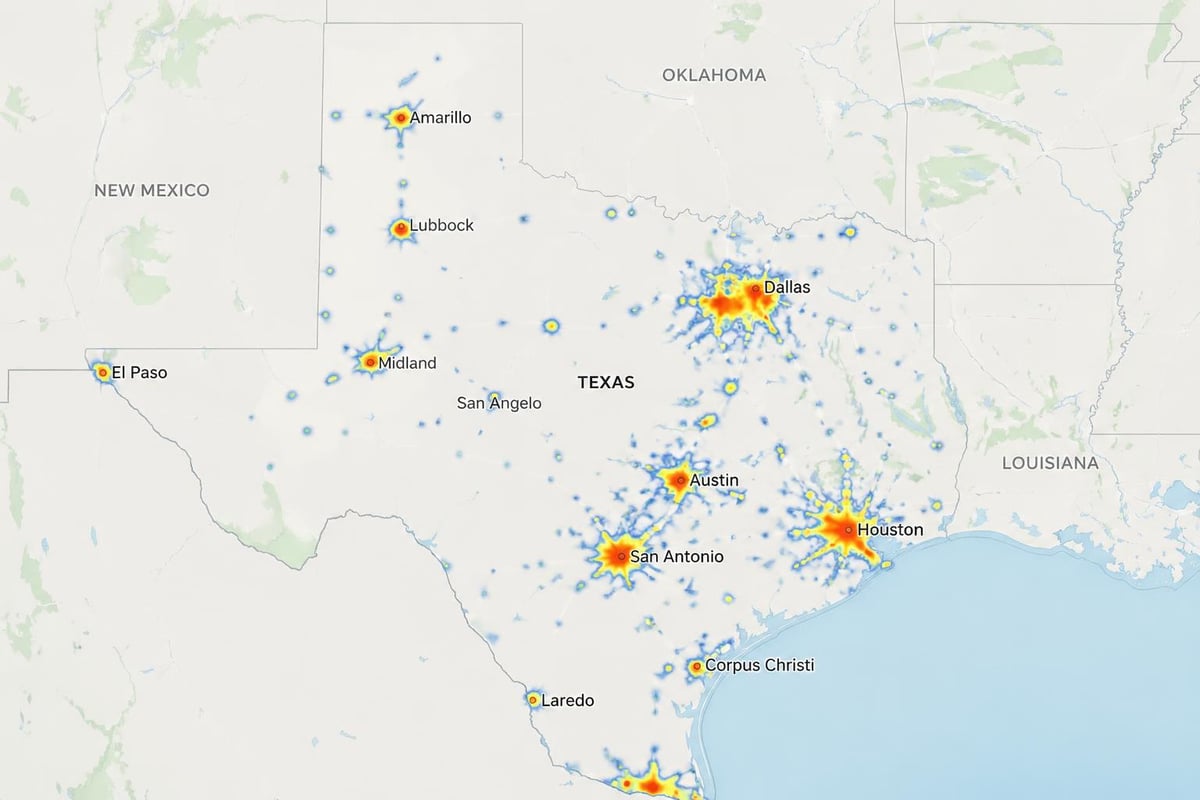
Texas's vast geography creates regional variations in dental insurance acceptance and provider density. Finding a dentist that accepts dental insurance in Texas may present different challenges depending on your location within the state's 268,596 square miles.
Urban vs. Rural Access
Metropolitan areas including Houston, Dallas-Fort Worth, San Antonio, and Austin offer abundant choices for insured patients. These regions typically feature:
- Higher concentrations of in-network providers
- Specialists accepting most major insurance plans
- Evening and weekend appointment availability
- Multi-location practices with consistent insurance acceptance
Rural communities face different realities. Smaller towns may have limited dental providers, with some practices selectively accepting certain insurance plans due to administrative burden or reimbursement rates. Patients in rural Texas often travel 30-50 miles to access in-network specialists.
Regional Insurance Patterns
Central Texas cities like New Braunfels, Seguin, and Leander demonstrate mixed insurance acceptance patterns. Mid-sized communities typically support 10-30 dental practices, with most accepting major commercial carriers while fewer participate in Medicaid or CHIP programs.
South Texas regions including Beeville and Converse show strong acceptance of government-sponsored insurance programs alongside commercial plans, reflecting demographic patterns and community needs.
| Region | Provider Density | Common Accepted Plans | Specialist Access |
|---|---|---|---|
| Major Metro | High | All major carriers | Excellent |
| Mid-Size Cities | Moderate | Most commercial plans | Good |
| Rural Areas | Low | Selective acceptance | Limited |
| Border Communities | Moderate | Government + commercial | Moderate |
When searching for care in specific areas, understanding these patterns helps set realistic expectations for finding a dentist that accepts dental insurance in Texas near your location.
Maximizing Your Dental Insurance Benefits
Once you've identified a dentist that accepts dental insurance in Texas, understanding how to fully utilize your coverage ensures optimal value from your premium payments and minimizes surprise costs.
Annual Maximum and Coverage Limitations
Most dental insurance plans establish annual maximum benefits ranging from $1,000 to $2,000 per covered individual. This cap represents the total amount your insurance pays within a calendar year, not your out-of-pocket maximum.
Strategic timing of major procedures can maximize benefits. If you're approaching your annual maximum in November or December, consider postponing elective procedures until January when your benefits reset. Conversely, if you haven't used benefits by year-end, schedule preventive visits before losing unused coverage.
Preventive Care Advantages
Insurance plans typically cover preventive services at 80-100%, making regular check-ups financially advantageous. Services usually classified as preventive include:
- Routine cleanings (typically two per year)
- Comprehensive oral examinations
- Dental X-rays (frequency varies by plan)
- Fluoride treatments for children
- Sealants for pediatric patients
Utilizing these benefits maintains oral health while avoiding more expensive restorative work later. Understanding what types of treatments general dentists provide helps you categorize your needed services and anticipate coverage levels.
Pre-Authorization Requirements
Major procedures often require pre-authorization before your insurance commits to coverage. This process involves:
- Treatment plan submission: Your dentist sends detailed procedure information to your insurance carrier
- Review period: Insurance evaluates medical necessity (typically 2-4 weeks)
- Coverage determination: Insurer confirms covered amount and patient responsibility
- Procedure scheduling: Treatment proceeds with cost clarity
Pre-authorization doesn't guarantee payment if your coverage changes or lapses, but it provides valuable cost estimates before committing to expensive treatments.
Common Insurance Coverage Levels for Dental Procedures
Understanding typical coverage percentages helps you budget for dental care when working with a dentist that accepts dental insurance in Texas. While specific percentages vary by plan, industry-standard tiers provide general guidance.
The 100-80-50 Coverage Model
Most dental insurance follows a tiered structure that categorizes procedures by complexity and cost:
Preventive Care (100% coverage) includes routine cleanings, exams, and basic diagnostics. These services usually don't count toward deductibles, encouraging regular maintenance visits.
Basic Procedures (70-80% coverage) encompass fillings, simple extractions, and emergency care for pain relief. These services typically apply after meeting your annual deductible.
Major Procedures (50% coverage) involve crowns, bridges, dentures, and root canals. The substantial patient cost-sharing reflects these procedures' higher expense and complexity.
| Procedure Category | Typical Coverage | Common Services | Annual Limit Impact |
|---|---|---|---|
| Preventive | 100% | Cleanings, exams, X-rays | Minimal |
| Basic | 70-80% | Fillings, extractions | Moderate |
| Major | 50% | Crowns, bridges, dentures | Significant |
| Orthodontics | 50% (lifetime max) | Braces, aligners | Separate limit |
Waiting Periods and Coverage Restrictions
New insurance policies often impose waiting periods before covering certain services:
- No waiting: Preventive care typically available immediately
- 6-month waiting: Basic procedures like fillings
- 12-month waiting: Major procedures including crowns and bridges
- 24-month waiting: Orthodontic treatment
When comparing the difference between dental implants and veneers, remember that cosmetic procedures rarely receive insurance coverage, while medically necessary implants may qualify for partial reimbursement under major services.
Questions to Ask Your Prospective Dentist
Before committing to a new dental provider, asking targeted questions ensures the practice meets your insurance needs and treatment preferences. This conversation establishes clear expectations and prevents misunderstandings about coverage and costs.
Insurance Processing Questions
How does your office handle insurance claims?
Most modern practices file claims electronically as a courtesy, though some require patients to submit their own claims for reimbursement. Understanding this upfront prevents processing delays.
What happens if my insurance denies a claim?
Clarify whether the practice will work with you on appeals or payment plans for denied claims. Reputable offices typically assist with appeals for medically necessary procedures.
Do you offer payment plans for amounts not covered by insurance?
Many practices partner with financing companies like CareCredit or offer in-house payment arrangements. Understanding these options before needing them reduces financial stress.
Treatment Planning and Communication
- Will I receive a cost estimate before treatment showing my insurance coverage and out-of-pocket responsibility?
- How long does it typically take to receive insurance pre-authorization?
- Can I review different treatment options at varying price points?
- Does your office notify patients when it's time for their next covered preventive visit?
These questions demonstrate that you're an informed patient who values transparent communication about costs and coverage.
Alternative Coverage Options for Texas Residents
Not all Texans maintain traditional dental insurance, yet numerous alternatives provide access to affordable dental care. Understanding these options expands your possibilities when searching for a dentist that accepts dental insurance in Texas or alternative coverage arrangements.
Dental Savings Plans
Dental savings plans, sometimes called dental discount plans, operate differently from insurance. Members pay an annual fee (typically $80-$200) to access discounted rates at participating dentists, usually 10-60% off standard fees.
Advantages include:
- No annual maximums or coverage caps
- No waiting periods for services
- Immediate access to discounted rates
- Coverage for cosmetic procedures
Limitations include:
- No insurance claims or reimbursement
- Smaller provider networks
- Full payment required at time of service
- Savings vary significantly by procedure
Comparing dental insurance versus dental savings plans helps determine which model best fits your expected dental needs and budget.
State and Community Programs
Texas Medicaid and CHIP provide dental coverage for eligible children and some adults meeting income requirements. DentaQuest manages benefits for most Texas Medicaid recipients, offering comprehensive pediatric coverage including preventive, restorative, and emergency services.
Federally Qualified Health Centers (FQHCs) operate throughout Texas, offering dental services on sliding-scale fees based on income. These community health centers accept most insurance plans while also serving uninsured patients.
Dental schools including those at the University of Texas Health Science Center provide reduced-cost care delivered by supervised students. While appointments take longer, costs typically run 30-50% below private practice rates.
Special Considerations for Specific Patient Groups
Different patient populations face unique challenges when seeking a dentist that accepts dental insurance in Texas. Tailoring your search to specific needs increases the likelihood of finding compatible, quality care.
Pediatric Dental Coverage
Children's dental insurance often includes more comprehensive coverage than adult plans. Texas Medicaid and CHIP provide extensive pediatric dental benefits through age 20, covering:
- Preventive services with no cost-sharing
- Restorative treatments including fillings and crowns
- Extractions and space maintainers
- Medically necessary orthodontics
Pediatric dentistry help with thumbsucking and other childhood habits represents preventive care often covered under children's plans. Parents should seek practices specifically trained in pediatric dentistry for optimal outcomes.
Senior Dental Insurance
Medicare's lack of dental coverage leaves many seniors searching for supplemental options. Solutions include:
- Medicare Advantage plans with embedded dental benefits
- Stand-alone dental insurance purchased individually
- Dental savings plans for those with limited budgets
- Veterans Affairs (VA) benefits for eligible former service members
Seniors often require more extensive dental work, making it crucial to find a dentist that accepts dental insurance in Texas offering senior-friendly services like dentures, implants, and periodontal care.
Employer-Sponsored Group Coverage
Employees receiving dental insurance through their workplace typically enjoy more favorable terms than individual plans, including:
- Lower premiums due to group purchasing power
- Reduced or waived waiting periods
- Higher annual maximums
- Broader provider networks
Group dental insurance plans through employers often provide the best value, though plan quality varies significantly between organizations.
Red Flags When Evaluating Dental Practices
While searching for a dentist that accepts dental insurance in Texas, certain warning signs suggest a practice may not prioritize patient welfare or transparent billing practices.
Insurance-Related Warning Signs
Reluctance to verify insurance before treatment indicates potential billing problems. Reputable practices confirm coverage and provide written estimates for significant procedures.
Pressure to accept treatment plans without insurance verification or cost discussions suggests profit-driven rather than patient-focused care. Quality dentists welcome questions about costs and alternatives.
Frequent claim denials or billing disputes reported by other patients may indicate the practice submits inappropriate codes or performs unnecessary procedures.
Practice Quality Indicators
Beyond insurance acceptance, evaluate:
- Staff professionalism: Courteous, knowledgeable team members who explain procedures clearly
- Facility cleanliness: Modern sterilization equipment and hygienic treatment areas (learn more about sterilization in dentistry)
- Technology adoption: Digital X-rays, electronic records, and modern treatment equipment
- Emergency availability: Clear protocols for after-hours emergencies
- Patient reviews: Consistent positive feedback about treatment outcomes and billing transparency
When deciding when to switch dentists, trust your instincts about practice quality alongside insurance considerations.
Managing Out-of-Pocket Costs Even With Insurance
Even with comprehensive coverage from a dentist that accepts dental insurance in Texas, patients typically pay some out-of-pocket costs. Strategic planning minimizes these expenses while maintaining quality care.
Understanding Cost Components
Deductibles represent the amount you pay before insurance begins covering services. Most dental plans set annual deductibles between $50-$150 per person, with preventive care often exempt.
Coinsurance refers to the percentage you pay after meeting your deductible. A procedure with 80% coverage means you pay 20% coinsurance.
Copayments are fixed amounts for specific services, common in HMO-style plans. You might pay $10 for a cleaning or $50 for a filling regardless of the actual cost.
Balance billing occurs when dentists charge more than your insurance's allowed amount for in-network services. Texas law provides some protections against excessive balance billing, though limitations exist.
Strategies for Reducing Costs
- Maximize preventive benefits: Using covered cleanings and exams prevents expensive problems
- Time major procedures strategically: Spread treatments across benefit years when possible
- Request generic materials: Some procedures allow choice between premium and standard materials
- Ask about payment plans: Many practices offer interest-free payment arrangements
- Investigate Health Savings Accounts (HSAs): Tax-advantaged accounts reduce effective costs
Understanding how to reduce dental care costs empowers patients to make financially sound decisions without compromising oral health.
The Importance of In-Network Provider Selection
Choosing an in-network dentist that accepts dental insurance in Texas delivers tangible financial benefits compared to out-of-network alternatives. Understanding these differences guides informed provider selection.
Cost Comparison Analysis
In-network providers agree to contracted fees with insurance carriers, typically 20-40% below their standard rates. These negotiated rates limit patient responsibility even when insurance doesn't cover the full procedure.
Out-of-network providers charge their full fees, with insurance reimbursing based on "usual and customary" rates for your area. You're responsible for the difference between what the dentist charges and what insurance pays.
Consider this example for a crown procedure:
| Cost Component | In-Network | Out-of-Network |
|---|---|---|
| Dentist's charge | $1,000 (contracted rate) | $1,400 (full fee) |
| Insurance payment (50%) | $500 | $500 (based on $1,000 usual rate) |
| Patient responsibility | $500 | $900 |
| Patient savings | $400 | $0 |
This scenario demonstrates how in-network selection reduces costs even when coverage percentages remain identical.
Network Adequacy Considerations
Before enrolling in a dental plan, verify that adequate network providers practice near your home or workplace. Individual dental insurance options vary significantly in network breadth, with some maintaining limited provider panels.
Adequate network characteristics include:
- Multiple dentists within 10-15 miles
- Specialists (orthodontists, periodontists, oral surgeons) accepting your plan
- Practices with convenient hours and appointment availability
- Providers accepting new patients
Planning for Complex Dental Procedures
Major dental work requires additional planning when coordinating insurance coverage. Whether you need implants, orthodontics, or extensive restorative work, understanding coverage nuances helps you budget appropriately and find a dentist that accepts dental insurance in Texas capable of handling complex cases.
Dental Implant Coverage
Dental implants typically receive limited insurance coverage, with most plans classifying them as cosmetic rather than medically necessary. However, some situations qualify for partial coverage:
- Implants replacing teeth lost due to accident or injury
- Implants necessary for proper bite alignment
- Implants supporting dentures for edentulous patients
When comparing All-on-4 versus All-on-6 dental implants, discuss coverage possibilities with both your dentist and insurance carrier. Understanding the dental implant recovery timeline helps you plan for time away from work and associated costs.
Patients should also research potential risks and complications of dental implants to make informed decisions about this significant investment.
Orthodontic Coverage
Orthodontic benefits operate under separate rules from other dental coverage:
Lifetime maximum benefits typically range from $1,000-$2,000 rather than renewing annually. Once exhausted, no further orthodontic coverage exists under that policy.
Age restrictions commonly limit orthodontic coverage to patients under 19, though some plans extend benefits to adults.
Treatment duration affects payment timing. Insurance usually pays monthly installments throughout treatment rather than upfront, requiring coordination between your orthodontist and insurance carrier.
Understanding the importance of orthodontics beyond cosmetic benefits helps patients appreciate this coverage and seek appropriate treatment.
Emergency Dental Care and Insurance Coverage
Dental emergencies rarely occur at convenient times, making it essential to understand how your insurance handles urgent care and which dentist that accepts dental insurance in Texas provides emergency services.
Types of Dental Emergencies
True emergencies requiring immediate attention include:
- Knocked-out permanent teeth
- Uncontrolled bleeding
- Jaw fractures or dislocations
- Severe infections causing facial swelling
- Trauma affecting breathing
Urgent situations needing prompt care include:
- Severe toothaches (understanding your toothache)
- Broken or cracked teeth
- Lost fillings or crowns
- Abscessed teeth
Understanding how quickly tooth infections spread emphasizes the importance of prompt emergency care.
Insurance Coverage for Emergency Treatment
Most dental insurance covers emergency care at basic or major procedure rates depending on required treatment. However, several factors affect coverage:
In-network versus out-of-network: Emergency situations sometimes necessitate visiting the nearest available dentist rather than an in-network provider. Many plans provide partial out-of-network coverage for true emergencies, though at reduced rates.
Weekend and after-hours care: Emergency visits outside regular business hours may incur facility fees or emergency consultation charges. Verify whether your plan covers these additional costs.
Follow-up treatment: Initial emergency stabilization (stopping bleeding, relieving pain) may receive different coverage than definitive treatment (root canal, extraction). Understanding this distinction prevents surprise bills.
Cosmetic Dentistry and Insurance Limitations
While searching for a dentist that accepts dental insurance in Texas, patients interested in cosmetic procedures face different coverage realities than those seeking restorative care.
Typically Non-Covered Cosmetic Procedures
Most dental insurance plans exclude purely cosmetic treatments:
- Teeth whitening: Whether in-office or take-home systems
- Veneers: Porcelain or composite coverings for aesthetic improvement
- Cosmetic bonding: Reshaping teeth for appearance
- Gum contouring: Reshaping gum lines for aesthetic balance
What a cosmetic dentist can do extends beyond insurance-covered procedures, requiring out-of-pocket payment or alternative financing.
Gray Area Procedures
Some procedures serve both functional and cosmetic purposes, creating coverage ambiguity:
Orthodontics may receive coverage when correcting significant bite problems affecting chewing or speech, but not solely for appearance.
Crowns qualify for coverage when restoring damaged teeth but not when placed purely to improve appearance.
Dental bonding receives coverage when repairing chips or decay but not when used solely for cosmetic reshaping.
When evaluating whether dental bonding is permanent, consider both the longevity and coverage implications of this versatile treatment.
Alternative Financing Options
Patients seeking cosmetic improvements can explore:
- Third-party financing: Companies like CareCredit offer payment plans specifically for medical and dental procedures
- Practice payment plans: Many dentists offer in-house financing for significant cosmetic work
- Health Savings Accounts: HSA funds can pay for any dental treatment, including cosmetic procedures
- Dental savings plans: Some discount plans include reduced rates for cosmetic services
Building a Long-Term Relationship With Your Dental Provider
Once you've found a dentist that accepts dental insurance in Texas who meets your needs, maintaining that relationship provides continuity of care and better oral health outcomes.
Benefits of Consistent Dental Care
Comprehensive health records tracking your dental history enable better diagnosis and treatment planning. Your dentist notices subtle changes in your oral health that might indicate developing problems.
Established trust and communication make discussing sensitive issues like cost concerns, treatment anxiety, or cosmetic goals more comfortable. Long-term patient-dentist relationships typically result in more personalized care.
Preventive focus becomes easier when your dentist understands your risk factors, lifestyle habits, and compliance patterns. Customized prevention strategies address your specific vulnerabilities.
Maintaining Coverage Continuity
When changing insurance plans:
- Verify your current dentist accepts your new plan before finalizing the change
- Understand any waiting periods under new coverage
- Request your dental records if switching providers
- Complete any in-progress treatment before coverage changes
Regular communication with your dental office about insurance changes prevents coverage gaps and billing confusion.
Finding quality dental care that works with your insurance doesn't have to be complicated when you understand network types, verification processes, and coverage optimization strategies. Whether you need routine preventive care, emergency treatment, or complex restorative procedures, selecting an in-network provider maximizes your benefits while minimizing out-of-pocket costs. Dental Plus Clinic accepts most major dental insurance plans across our five Texas locations in Beeville, Seguin, New Braunfels, Leander, and Converse, offering comprehensive services from preventive care to advanced treatments with transparent pricing and insurance verification. Contact our team today to verify your coverage and schedule your appointment with experienced dental professionals committed to your oral health and financial peace of mind.