
Understanding your dental implant recovery timeline is crucial for setting realistic expectations and ensuring successful healing outcomes. Whether you’re preparing for your first dental implant procedure or replacing multiple missing teeth, knowing what to expect during each recovery phase helps you plan your schedule, manage discomfort, and follow proper aftercare protocols. At Dental Plus Clinic, we believe that informed patients experience smoother recoveries and achieve better long-term results. This comprehensive guide walks you through every stage of the healing process, from the immediate hours after surgery to the final restoration placement months later.
Understanding the Dental Implant Procedure and Recovery Phases
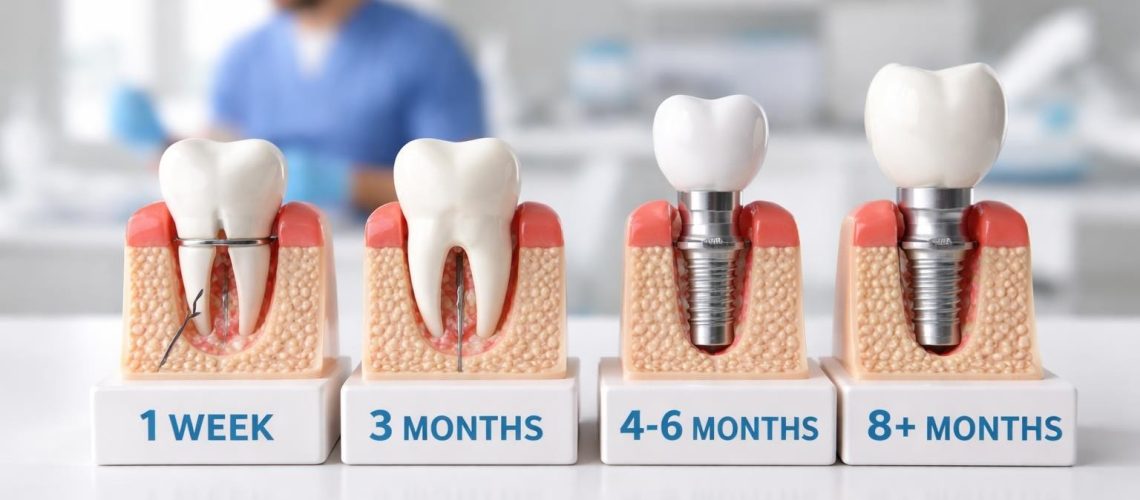
The dental implant recovery timeline varies significantly among patients based on several factors including overall health, bone density, and whether additional implants procedures like bone grafting are necessary. The entire process typically spans three to nine months, though some patients may experience faster or slower healing depending on individual circumstances.
Immediate Post-Surgery Period (First 24-72 Hours)
The first few days after dental implant surgery are the most critical for establishing a strong foundation for healing. During this immediate recovery phase, your body begins responding to the surgical procedure, and proper care during these initial hours significantly impacts your overall dental implant recovery timeline.
Key expectations during the first 72 hours:
- Bleeding is normal for the first 24 hours and should gradually decrease
- Swelling peaks around 48-72 hours post-surgery
- Discomfort ranges from mild to moderate and is manageable with prescribed medications
- Rest is essential to promote healing and prevent complications
Your dental team will provide specific post-operative instructions tailored to your procedure. Following these guidelines carefully can prevent infections, minimize discomfort, and keep your recovery on track. Most patients at our dental implants services can return to light activities within 48-72 hours.
The First Week: Early Healing Stage
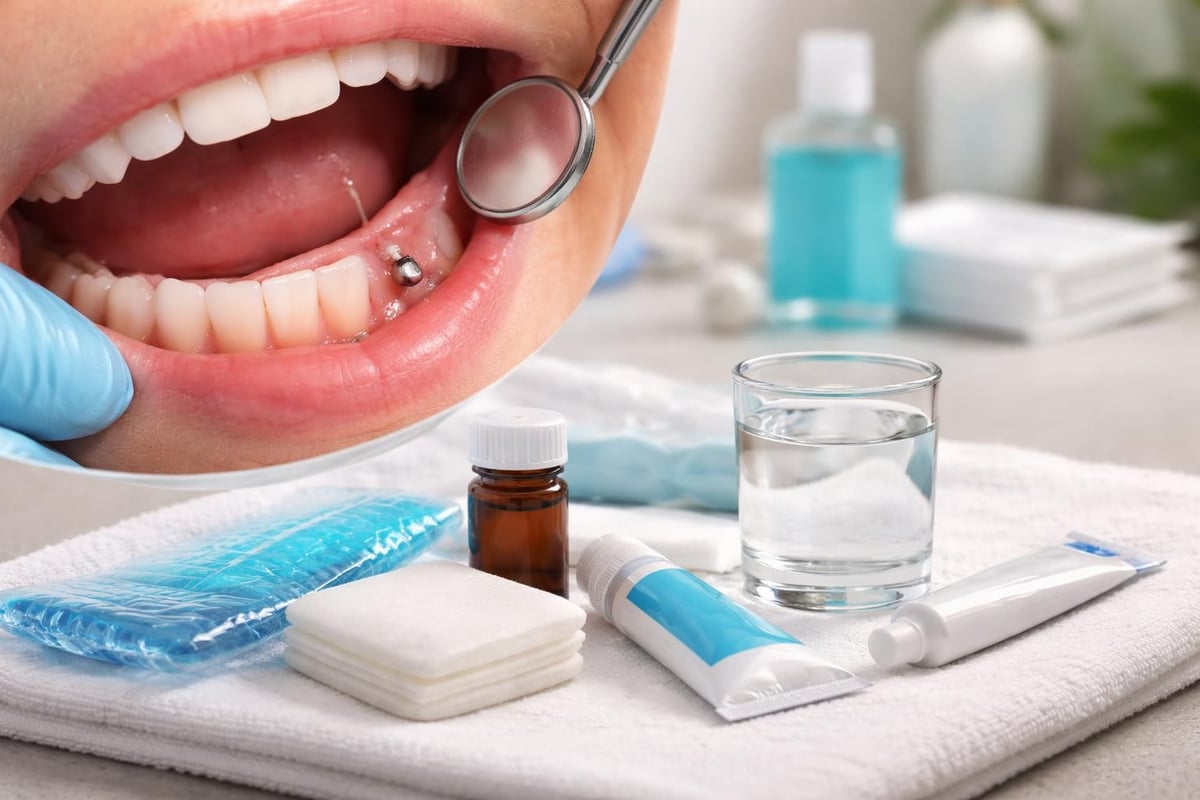
Week one marks significant progress in your dental implant recovery timeline. The surgical site begins healing, swelling subsides considerably, and most patients report decreased discomfort levels. This phase requires vigilant oral hygiene while being gentle around the implant site.
During this critical week, you’ll transition from a liquid or soft food diet to incorporating more variety while still avoiding hard, crunchy, or chewy foods. According to comprehensive dental implant recovery guidelines, maintaining proper nutrition supports healing without compromising the surgical site.
| Recovery Milestone | Timeline | What to Expect |
|---|---|---|
| Bleeding stops | 24-48 hours | Light oozing may continue briefly |
| Peak swelling | 48-72 hours | Then gradually decreases |
| Suture removal | 7-14 days | If non-dissolvable sutures used |
| Return to work | 2-3 days | Depending on job requirements |
Pain management during this phase typically involves over-the-counter medications, though some patients require prescription pain relievers for the first few days. Ice packs applied externally help reduce swelling and provide comfort.
Weeks Two Through Four: Soft Tissue Healing
The second through fourth weeks represent a transitional period in the dental implant recovery timeline where soft tissues continue healing while early bone integration begins. Most visible signs of surgery, such as swelling and bruising, resolve completely during this timeframe.
Dietary Adjustments and Nutritional Considerations
Proper nutrition accelerates healing and supports your immune system during recovery. While you’ll still need to avoid certain foods, your diet can expand considerably compared to the first week.
Foods to embrace:
- Protein-rich smoothies with Greek yogurt or protein powder
- Scrambled eggs and soft omelets
- Well-cooked pasta and rice dishes
- Steamed vegetables mashed or pureed
- Fish and tender chicken
- Oatmeal and cream of wheat
Foods to avoid:
- Hard candies and ice
- Popcorn and nuts
- Crusty bread and hard rolls
- Raw vegetables like carrots and celery
- Sticky foods like caramel and taffy
- Extremely hot beverages
Research indicates that patients who maintain balanced diets rich in vitamins C and D, calcium, and protein experience faster healing times. Many families throughout Texas trust our locations across the state for personalized nutritional guidance during their dental implant recovery timeline.
Oral Hygiene Protocols
Maintaining excellent oral hygiene without disturbing the implant site requires a delicate balance. Your dental team will provide specific brushing and rinsing instructions, but general guidelines include gentle brushing of natural teeth while avoiding the surgical area initially, then gradually incorporating soft-bristled brushing around the implant as healing progresses.
Antimicrobial mouth rinses prescribed by your dentist help prevent infection while promoting clean healing. Saltwater rinses provide natural disinfection and soothing relief. The factors influencing recovery time emphasize that proper oral hygiene significantly impacts healing speed and implant success rates.
Months Two and Three: Osseointegration Phase
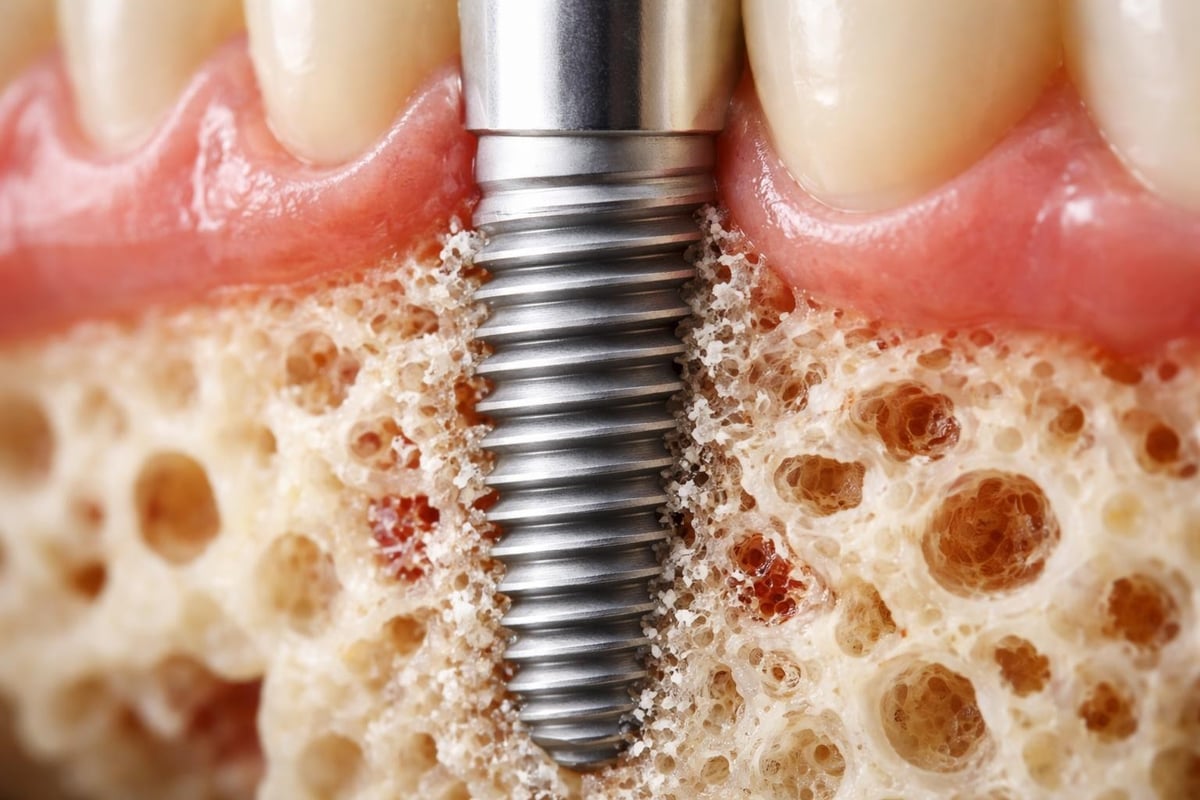
Osseointegration represents the most crucial aspect of your dental implant recovery timeline. During this phase, your jawbone gradually fuses with the titanium implant post, creating the stable foundation necessary for supporting your permanent restoration. This biological process cannot be rushed and typically requires three to six months.
The Science Behind Bone Integration
Understanding osseointegration helps patients appreciate why the dental implant recovery timeline extends several months. Titanium’s unique biocompatible properties allow bone cells to attach directly to the implant surface, essentially treating it as natural tooth root structure.
Factors affecting osseointegration speed:
- Bone density and quality – Denser bone integrates faster than softer bone
- Patient age – Younger patients typically experience quicker healing
- Overall health status – Conditions like diabetes may slow healing
- Smoking status – Tobacco use significantly impairs osseointegration
- Implant location – Lower jaw bone is denser and integrates faster than upper jaw
During osseointegration, you’ll likely have follow-up appointments to monitor progress. X-rays or other imaging helps your dental team assess bone growth and integration quality. Most patients report no discomfort during this phase and return to normal daily activities, though contact sports and activities risking facial injury should still be avoided.
When Bone Grafting Extends Your Timeline
Some patients require bone grafting procedures before implant placement, which extends the overall dental implant recovery timeline by three to six additional months. Bone grafting builds up insufficient jawbone volume to support implants securely.
If you need bone grafting, the graft must heal and integrate with existing bone before implant placement. This sequential approach ensures adequate bone volume for long-term implant stability. While this extends your timeline, it dramatically improves success rates for patients with bone loss from periodontal disease, tooth loss, or facial trauma.
Months Four Through Six: Abutment Placement and Healing
Once osseointegration completes successfully, your dental team schedules abutment placement. The abutment is the connector piece between your implant post and final crown. This minor surgical procedure involves reopening the gum tissue, attaching the abutment to the implant, and allowing gums to heal around it.
What to Expect During Abutment Surgery
Abutment placement is considerably less invasive than initial implant surgery. Most patients experience minimal discomfort and swelling, with recovery taking only one to two weeks. This procedure marks an exciting milestone in your dental implant recovery timeline as it brings you one step closer to your final restoration.
Local anesthesia ensures comfort during the procedure, which typically takes 30-60 minutes depending on the number of implants. After placement, gum tissue heals around the abutment, creating natural-looking contours that support your crown aesthetically and functionally.
Post-abutment care instructions:
- Resume gentle oral hygiene immediately
- Use prescribed antimicrobial rinse for one week
- Soft diet for 3-5 days
- Avoid direct pressure on the abutment
- Attend follow-up appointments as scheduled
According to detailed recovery stage information, proper care during abutment healing significantly impacts the aesthetic outcome of your final restoration. The gum tissue must heal properly to create natural-looking emergence profiles.
Final Restoration: Completing Your Dental Implant Journey
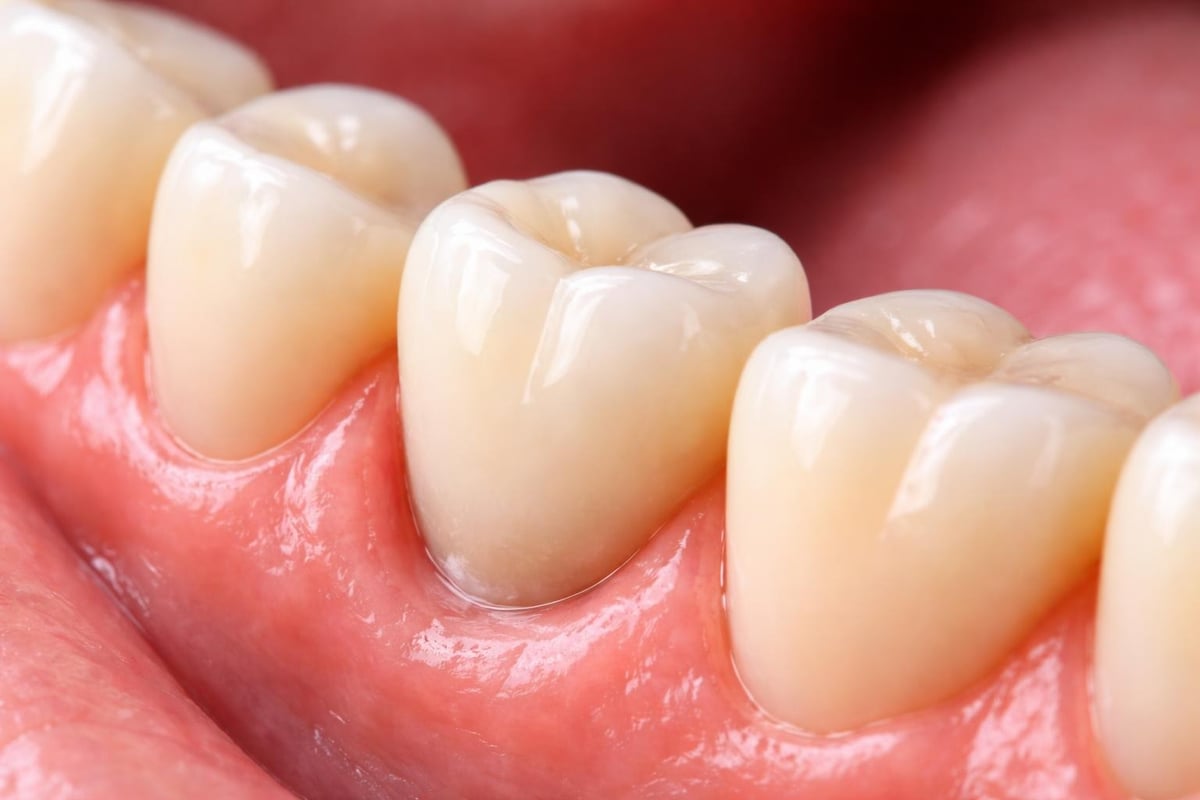
The final phase of your dental implant recovery timeline involves creating, fitting, and permanently attaching your custom crown, bridge, or denture. This exciting appointment transforms your implant from a healing surgical site into a fully functional, beautiful tooth replacement.
Crown Fabrication and Fitting Process
Your dental team takes detailed impressions or digital scans of your abutment and surrounding teeth to create a restoration that matches your natural dentition perfectly. Modern dental laboratories craft crowns from durable materials like porcelain, zirconia, or porcelain-fused-to-metal, depending on aesthetic requirements and functional demands.
| Restoration Type | Timeline | Best For |
|---|---|---|
| Single crown | 2-3 weeks fabrication | Individual tooth replacement |
| Fixed bridge | 2-4 weeks fabrication | Multiple adjacent teeth |
| Implant-supported denture | 4-6 weeks fabrication | Full arch replacement |
| All-on-4 system | 3-6 months total | Full mouth restoration |
The fitting appointment ensures proper bite alignment, comfortable fit, and aesthetic satisfaction. Minor adjustments are normal and expected. Once you approve the fit and appearance, your dentist permanently cements or screws the restoration to your abutment.
Patients often ask about comparing dental implants vs dentures when considering tooth replacement options. Implants offer superior stability and bone preservation, though they require a longer dental implant recovery timeline compared to traditional dentures.
Immediate Load Implants: A Faster Alternative
Some patients qualify for immediate load or same-day implants, which significantly compress the dental implant recovery timeline. This approach places a temporary crown on the implant immediately after surgery, allowing you to leave with functional teeth the same day.
However, immediate load implants require excellent bone quality, strategic implant placement, and careful case selection. Not all patients are candidates. The temporary crown must remain non-functional (not used for chewing) during osseointegration, and the permanent restoration is still placed after complete healing.
Managing Pain and Discomfort Throughout Recovery
Understanding pain management strategies helps you navigate your dental implant recovery timeline with confidence and minimal discomfort. Most patients report that actual pain levels are significantly lower than anticipated, especially when following proper care protocols.
Medication Management Strategies
Your dental team prescribes or recommends pain management appropriate for your specific procedure complexity. Single implant procedures typically require only over-the-counter medications, while multiple implants or complex cases may need prescription pain relievers for the first few days.
Effective pain management approach:
- Take medications as prescribed, before pain becomes severe
- Use ice packs for the first 48 hours (20 minutes on, 20 minutes off)
- Switch to warm compresses after 48 hours to promote circulation
- Keep your head elevated, even during sleep
- Avoid aspirin as it increases bleeding risk
- Stay well-hydrated to support healing
According to comprehensive implant recovery research, patients who proactively manage pain rather than waiting for severe discomfort experience better overall recovery experiences and outcomes.
Recognizing Normal Versus Concerning Symptoms
Understanding which symptoms indicate normal healing versus potential complications helps you know when to contact your dental team. While some discomfort is expected, certain signs require immediate professional attention.
Normal healing symptoms:
- Mild to moderate pain for 3-5 days
- Swelling peaking at 48-72 hours
- Minor bleeding for first 24 hours
- Bruising around surgical site
- Difficulty opening mouth fully for several days
Symptoms requiring immediate attention:
- Severe, increasing pain after day three
- Fever above 101°F
- Heavy bleeding that doesn’t stop with pressure
- Pus or foul-smelling discharge
- Implant feels loose or mobile
- Severe swelling that worsens after 72 hours
Our experienced team at locations throughout Texas, including Beeville and Converse, provides 24/7 emergency contact information to ensure you receive prompt care if complications arise during your dental implant recovery timeline.
Factors That Influence Your Individual Recovery Timeline
Every patient’s dental implant recovery timeline differs based on multiple personal and procedural factors. Understanding these variables helps set realistic expectations and empowers you to optimize your healing process.
Patient-Specific Health Considerations
Your overall health status significantly impacts healing speed and implant success rates. Certain medical conditions require special considerations or may extend recovery timelines.
Health factors affecting recovery:
- Diabetes management – Well-controlled diabetes minimally impacts healing, while poorly controlled blood sugar significantly delays recovery
- Smoking and tobacco use – Reduces blood flow to healing tissues and doubles implant failure rates
- Autoimmune conditions – May slow healing and require medication adjustments
- Osteoporosis – Can affect bone density and integration
- Age – Older adults may experience slightly slower healing but still achieve excellent outcomes
Studies show that patients who optimize their health before surgery experience smoother recoveries. If you have chronic health conditions, work closely with both your physician and dental team to create a coordinated care plan supporting your dental implant recovery timeline.
Procedural Complexity and Number of Implants
The complexity of your implant procedure directly correlates with recovery duration. Single implant placement in healthy bone represents the simplest scenario with the shortest dental implant recovery timeline, while full mouth reconstruction or procedures requiring bone grafting extend the timeline considerably.
| Procedure Type | Typical Recovery Timeline | Complexity Level |
|---|---|---|
| Single implant | 3-6 months total | Low |
| Multiple implants (2-4) | 4-7 months total | Moderate |
| Full arch restoration | 6-9 months total | High |
| Implants with bone graft | 9-12 months total | Very high |
Patients considering comprehensive smile restoration can explore options like full mouth reconstructions that combine multiple advanced techniques for dramatic results.
Lifestyle Adjustments During Recovery
Successfully navigating your dental implant recovery timeline requires temporary lifestyle modifications that protect your investment and promote optimal healing. Most restrictions are temporary, with gradual return to normal activities as healing progresses.
Physical Activity and Exercise Guidelines
Physical activity affects blood pressure and circulation, which can impact surgical site healing. Understanding when to resume various activity levels prevents complications while maintaining your fitness routine.
Week 1: Avoid all strenuous exercise, heavy lifting, and activities causing increased heart rate or blood pressure. Light walking is acceptable and beneficial for circulation.
Weeks 2-4: Gradually reintroduce moderate exercise like cycling, swimming, or light jogging. Avoid contact sports and activities risking facial injury.
Month 2 and beyond: Resume normal exercise routines, though continue avoiding contact sports until final restoration placement and your dentist’s approval.
Work and Social Considerations
Most patients return to desk jobs within 2-3 days after implant surgery. Jobs requiring physical labor, public speaking, or significant interaction may require 5-7 days off depending on the number of implants and procedure complexity.
Social situations involving eating can feel awkward during the soft food phase of your dental implant recovery timeline. Planning ahead helps you navigate these situations comfortably:
- Choose restaurants with soft food options
- Eat slowly and cut food into small pieces
- Explain your temporary dietary restrictions to friends and family
- Focus on the social aspect rather than the meal
Many of our patients throughout New Braunfels and surrounding communities appreciate our practical advice for managing social and professional obligations during recovery.
Long-Term Care and Maintenance After Recovery
Completing your dental implant recovery timeline doesn’t mean your care ends. Long-term implant success requires ongoing maintenance and proper oral hygiene practices that protect your investment for decades.
Daily Oral Hygiene for Implant Longevity
Dental implants cannot develop cavities, but they remain susceptible to peri-implantitis, an inflammatory condition affecting surrounding gum tissue and bone. Proper daily care prevents this condition and ensures long-term implant success.
Essential daily care routine:
- Brush twice daily with soft-bristled toothbrush
- Use low-abrasive toothpaste designed for implants
- Floss daily using implant-specific floss or interdental brushes
- Rinse with antimicrobial mouthwash
- Consider water flossers for hard-to-reach areas
Research indicates that patients maintaining excellent oral hygiene enjoy implant success rates exceeding 95% over 10-15 years. This impressive longevity makes implants a cost-effective long-term investment despite the extended dental implant recovery timeline.
Professional Maintenance and Follow-Up Care
Regular professional cleanings and examinations monitor implant health and address minor issues before they become serious problems. Most dental professionals recommend cleanings every six months, though patients with risk factors may need more frequent visits.
During maintenance appointments, your dental team:
- Removes plaque and tartar from implant surfaces
- Checks implant stability and surrounding tissue health
- Takes periodic x-rays to assess bone levels
- Evaluates bite alignment and crown condition
- Provides personalized care recommendations
Our comprehensive approach to dental exams and cleanings ensures your implants receive the specialized attention they require for maximum longevity.
Special Considerations for Different Implant Types
The specific type of implant procedure you undergo affects your dental implant recovery timeline and care requirements. Understanding these distinctions helps you prepare appropriately for your particular situation.
Single Tooth Implants
Single tooth replacement represents the most straightforward implant procedure with the most predictable dental implant recovery timeline. These cases typically heal quickly with minimal discomfort, allowing most patients to return to normal activities within days.
The primary concern during recovery involves avoiding pressure on the implant site while eating. Once the final crown is placed, your implant functions exactly like a natural tooth, requiring no special care beyond normal oral hygiene.
Multiple Implants and Bridge Restorations
Replacing several teeth with multiple implants or implant-supported bridges increases surgical complexity and may extend initial recovery by several days compared to single implants. However, the osseointegration phase remains the same duration regardless of implant number.
Patients receiving multiple implants often experience more pronounced swelling and may require prescription pain management for a longer period. The aesthetic and functional benefits of replacing multiple teeth simultaneously often outweigh the slightly extended recovery period.
All-on-4 and Full Arch Replacements
Full arch replacement using the All-on-4 technique or similar approaches represents the most complex implant procedure. Learn more about all-on-4 vs all-on-6 dental implants. These cases often qualify for immediate load protocols, allowing patients to receive temporary teeth the same day as surgery.
The comprehensive recovery process for full mouth replacement typically spans six to nine months from initial surgery to final restoration. While this represents a significant time investment, the life-changing results provide permanent tooth replacement that restores full chewing function and facial aesthetics.
Frequently Asked Questions About Dental Implant Recovery
How long does it take to fully recover from dental implant surgery?
The complete dental implant recovery timeline spans three to nine months depending on individual factors, though most daily activities resume within one week. The extended timeline accommodates osseointegration, the bone fusion process essential for implant stability.
Can I go to work the day after dental implant surgery?
Most patients with desk jobs return to work within 2-3 days after single implant placement. Jobs requiring physical labor, extensive speaking, or public interaction may require 5-7 days off. Multiple implant procedures may extend this timeline slightly.
What can I eat during dental implant recovery?
The first week requires liquid or soft foods like smoothies, yogurt, soup, and mashed potatoes. Gradually introduce soft solids like pasta, eggs, and tender fish during weeks 2-4. Avoid hard, crunchy, sticky, or chewy foods until your dentist approves based on your healing progress.
How much pain should I expect after dental implant surgery?
Most patients report mild to moderate discomfort for 3-5 days, easily managed with over-the-counter or prescribed pain medications. Pain typically peaks within 24-48 hours and steadily decreases. Severe or increasing pain after day three may indicate complications requiring professional evaluation.
When can I exercise after getting dental implants?
Avoid strenuous exercise for the first week to prevent increased blood pressure that could cause bleeding or swelling. Light walking is acceptable immediately. Gradually resume moderate exercise during weeks 2-4. Wait for your dentist’s approval before returning to contact sports or activities risking facial injury.
How do I know if my dental implant is healing properly?
Normal healing involves gradually decreasing pain and swelling over the first week, with the surgical site appearing less red and inflamed each day. Warning signs include increasing pain after day three, fever, heavy bleeding, pus, foul odors, or implant mobility. Contact your dental team immediately if you experience concerning symptoms.
Does smoking affect dental implant recovery?
Yes, significantly. Smoking reduces blood flow to healing tissues, doubles implant failure rates, and extends the dental implant recovery timeline. Most dental professionals strongly recommend quitting smoking at least two weeks before surgery and throughout the healing process for optimal outcomes.
Will my dental implant look natural?
Modern dental implants achieve remarkably natural aesthetics when placed by experienced professionals. Custom crowns match your natural teeth in color, shape, and size. Properly healed gum tissue creates natural emergence profiles. Most people cannot distinguish well-made implant restorations from natural teeth.
What if I need bone grafting before implants?
Bone grafting extends your dental implant recovery timeline by 3-6 months while the graft heals and integrates with existing bone. Though this delays final restoration, it ensures adequate bone volume for long-term implant stability and success, particularly for patients with bone loss from periodontal disease or extended tooth loss.
How long do dental implants last?
With proper care and maintenance, dental implants routinely last 15-25 years or longer. Many patients enjoy lifelong implant success. The crown may need replacement after 10-15 years due to normal wear, but the implant post typically remains stable indefinitely when properly maintained.
Can dental implants fail after successful healing?
While rare, implant failure can occur even after successful osseointegration. Common causes include peri-implantitis from poor oral hygiene, excessive bite forces from grinding or clenching, systemic health changes, or trauma. Regular professional maintenance and excellent home care minimize long-term failure risk.
What makes Dental Plus Clinic different for implant procedures?
At Dental Plus Clinic, we combine advanced technology with personalized care across our five Texas locations. Our experienced teams guide patients through every phase of their dental implant recovery timeline, from initial consultation through long-term maintenance, ensuring optimal outcomes and patient satisfaction.
Optimizing Your Recovery for Best Results
Taking proactive steps throughout your dental implant recovery timeline significantly improves healing speed, comfort levels, and long-term success rates. These evidence-based strategies help you achieve optimal outcomes.
Pre-Surgery Preparation
Recovery success begins before surgery. Patients who prepare thoroughly experience smoother healing and fewer complications.
Pre-surgery optimization checklist:
- Complete all recommended dental work (cleanings, treating gum disease)
- Optimize chronic health conditions with your physician
- Quit smoking at least two weeks before surgery
- Stock your kitchen with appropriate soft foods
- Arrange transportation for surgery day
- Fill prescribed medications before your appointment
- Prepare ice packs and clean washcloths for post-surgery comfort
Creating Your Recovery Environment
Setting up a comfortable recovery space at home supports healing and minimizes stress during the first few critical days. Consider these environmental factors:
Bedroom setup:
- Extra pillows for elevated sleeping position
- Easily accessible water and medications
- Entertainment options (books, streaming services) for rest periods
Kitchen preparation:
- Pre-made soups and smoothies
- Soft foods requiring minimal preparation
- Straws for drinking (though avoid using immediately after surgery)
Bathroom organization:
- Prescribed medications and supplements
- Salt for warm water rinses
- Gentle mouthwash
- Extra soft toothbrushes
According to detailed recovery guidelines, patients who prepare their environment thoroughly report lower stress levels and better adherence to post-operative care instructions.
The Psychological Aspect of Recovery
The extended dental implant recovery timeline can feel challenging psychologically, particularly during the waiting periods between procedures. Understanding the emotional aspects helps you maintain positive perspective throughout the journey.
Managing Expectations and Patience
Osseointegration cannot be rushed. While waiting months for complete healing feels frustrating, this biological process ensures long-term implant stability and success. Focusing on the permanent benefits rather than temporary inconveniences helps maintain motivation.
Strategies for staying positive:
- Set milestone celebrations (completing each recovery phase)
- Document your progress with photos showing healing
- Connect with others who have completed successful implant treatment
- Focus on improved function and aesthetics as healing progresses
- Remember that temporary restrictions lead to permanent solutions
Dealing with Temporary Aesthetic Concerns
If your implant replaces a visible front tooth, temporary aesthetics during healing may cause self-consciousness. Discuss temporary restoration options with your dental team. Many patients receive temporary crowns or removable appliances that maintain appearance during osseointegration.
Our team understands these concerns and works closely with patients to minimize aesthetic impact throughout their dental implant recovery timeline. We offer various temporary solutions ensuring you feel confident during healing.
Making Informed Decisions About Dental Implants
Understanding the complete dental implant recovery timeline helps you make informed decisions about tooth replacement. While the process requires significant time investment, the permanent benefits typically far outweigh temporary inconveniences.
Comparing Alternative Tooth Replacement Options
When considering tooth replacement, comparing dental implants to alternatives helps clarify the best choice for your specific situation and lifestyle.
Dental implants advantages:
- Preserve jawbone density and facial structure
- Function like natural teeth
- No damage to adjacent teeth
- Superior longevity (15-25+ years)
- Most natural appearance and feel
Dental implants considerations:
- Extended treatment timeline
- Higher initial investment
- Requires surgical procedure
- Not suitable for all patients (inadequate bone, certain health conditions)
Traditional bridges and dentures offer faster treatment timelines but don’t prevent bone loss and typically require replacement every 5-10 years. Exploring options like zirconia dental implants provides additional choices for patients seeking metal-free solutions.
Cost Considerations and Investment Value
While dental implants represent a significant financial investment, their longevity and superior function often make them more cost-effective long-term compared to alternatives requiring periodic replacement.
Many patients appreciate that despite the extended dental implant recovery timeline, they’re investing in a permanent solution rather than temporary fixes. Our team works with patients to explore financing options and insurance coverage, making quality implant treatment accessible to families throughout Texas.
Regional Considerations for Texas Patients
Patients throughout Texas considering dental implants should account for regional factors that may influence their dental implant recovery timeline and treatment experience.
Climate and Seasonal Planning
Texas weather varies significantly across regions and seasons. Planning your implant surgery around weather conditions helps ensure comfortable recovery.
Summer considerations:
- Stay well-hydrated in high heat
- Limit sun exposure during early healing
- Keep indoor environments cool for comfort
- Plan around family vacations and summer activities
Winter timing:
- Fewer outdoor commitments may ease recovery scheduling
- Holiday periods offer time off work for recovery
- Indoor recovery is more comfortable in moderate temperatures
Accessing Care Across Multiple Locations
Dental Plus Clinic’s five locations across Texas ensure convenient access to expert implant care regardless of where you live. Our Seguin location, along with offices in Beeville, Converse, New Braunfels, and Leander, provides comprehensive implant services with coordinated care across all facilities.
This geographic accessibility means you can receive consistent, high-quality care throughout your dental implant recovery timeline without extensive travel, an important consideration during the early healing phases when frequent appointments may be necessary.
Final Thoughts
Understanding the complete dental implant recovery timeline empowers you to prepare thoroughly, follow care protocols precisely, and achieve optimal long-term results. While the process requires patience and commitment over several months, the permanent benefits of restored function, preserved bone health, and natural aesthetics make dental implants an exceptional investment in your oral health. Dental Plus Clinic provides comprehensive implant services across five convenient Texas locations, guiding you through every recovery phase with experienced care, advanced technology, and personalized support to ensure your implant journey is successful and comfortable from consultation through final restoration and beyond.