

Receiving notification that your dental insurance denied coverage for a necessary procedure can be frustrating and financially stressful. Whether you're facing unexpected costs for a root canal, dental implants, or routine preventive care, understanding why insurers reject claims and how to prevent these denials is essential for protecting your oral health and your wallet. At Dental Plus Clinic, we work closely with patients across Texas to navigate insurance challenges and ensure that quality dental care remains accessible and affordable for everyone.
Understanding Why Dental Insurance Claims Get Rejected
Dental insurance companies deny claims for numerous reasons, many of which stem from administrative errors, policy limitations, or misunderstandings about coverage. The good news is that most denials are preventable with proper documentation and knowledge of your policy terms.
Common Causes of Claim Denials
Insurance companies process millions of claims annually, and denial rates can reach 15-20% in some dental practices. Missing or incorrect patient information represents one of the most frequent reasons for rejection. Simple errors like transposed digits in a date of birth, incorrect policy numbers, or outdated insurance information can trigger automatic denials.
Pre-authorization requirements also cause significant issues. Many insurance plans require pre-approval for procedures exceeding certain cost thresholds. When dental practices submit claims for crowns, bridges, or orthodontic work without obtaining prior authorization, the dental insurance denied response arrives swiftly.
Policy limitations create another category of denials. Most plans include:
- Waiting periods for major procedures (typically 6-12 months)
- Annual maximum benefits (commonly $1,000-$2,000)
- Frequency limitations on cleanings, X-rays, and exams
- Age restrictions for certain preventive services
- Missing tooth clauses that exclude coverage for pre-existing conditions

Coding Errors and Documentation Issues
The American Dental Association maintains thousands of Current Dental Terminology (CDT) codes that dentists use to describe procedures. Selecting the wrong code or using outdated codes frequently results in claim rejections. Understanding common claim rejection reasons helps dental teams avoid these preventable errors.
Bundling violations occur when dentists bill separately for procedures that insurers consider inclusive of another service. For example, billing for both a comprehensive exam and a problem-focused exam on the same visit typically triggers a denial.
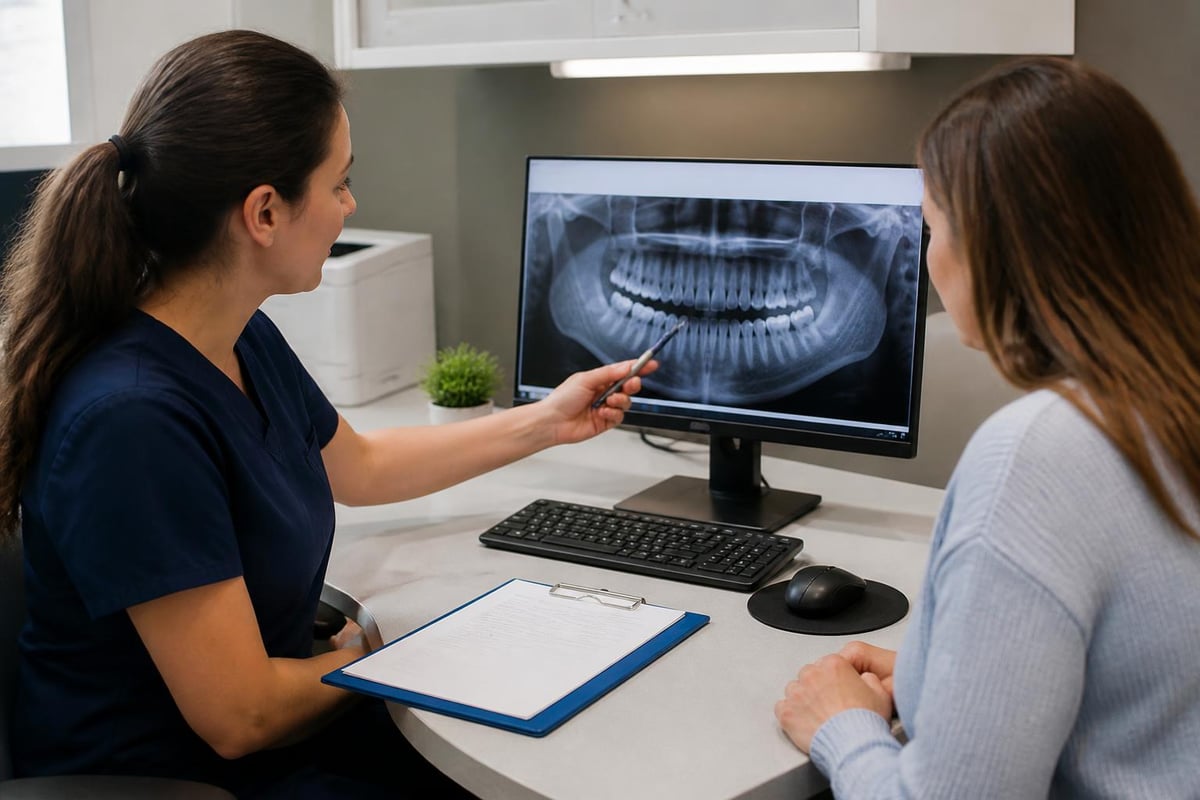
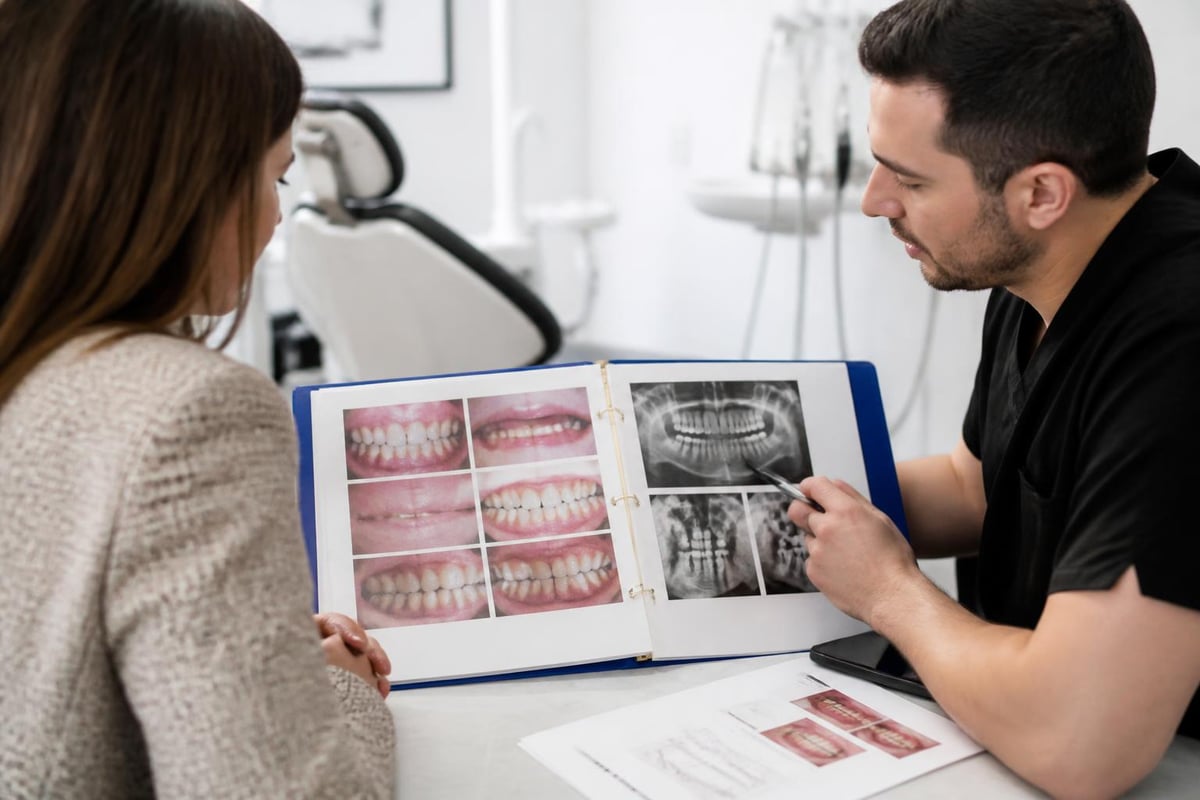
Insufficient clinical documentation represents another critical issue. Insurance adjusters need detailed narratives, X-rays, photographs, and periodontal charting to justify coverage for certain procedures. When a dental practice submits a claim without adequate supporting materials, the insurer lacks the information needed to approve payment.
How Policy Terms Affect Coverage Decisions
Reading and understanding your dental insurance policy prevents surprises when you need care. These contracts contain specific language about covered services, exclusions, and limitations that directly impact claim approvals.
Medical Necessity Requirements
Insurance companies evaluate whether procedures meet their criteria for medical necessity. A cosmetic procedure like teeth whitening typically receives no coverage, while the same whitening might be partially covered if it's part of reconstructive treatment following an accident.
The determination of medical necessity varies significantly between insurance carriers. Some plans readily approve dental implants following tooth loss from trauma or disease, while others classify implants as cosmetic regardless of circumstances. This inconsistency means that understanding your specific policy terms is essential before scheduling major procedures.
| Coverage Category | Typical Coverage Level | Common Limitations |
|---|---|---|
| Preventive Care | 80-100% | Two cleanings per year |
| Basic Procedures | 70-80% | Waiting periods apply |
| Major Procedures | 50% | 12-month waiting period |
| Orthodontics | 50% | Lifetime maximum $1,500 |
Alternative Missing Tooth Clauses
Many dental insurance plans include alternative missing tooth clauses that exclude coverage for replacing teeth lost before your policy's effective date. If you lost a tooth in 2024 but enrolled in your current insurance plan in 2025, the plan might deny coverage for an implant or bridge to replace that tooth.
These clauses significantly impact patients seeking restorative work. Before investing in comprehensive dental implant treatment, verify whether your insurance includes this exclusion and understand your out-of-pocket responsibilities.
Preventing Dental Insurance Denials Before They Happen
Proactive strategies dramatically reduce the likelihood that your dental insurance denied your claim. Working with a dental office experienced in insurance coordination makes the process smoother and more successful.
Pre-Treatment Verification Steps
Insurance verification should occur before every appointment, not just initial visits. Benefits change frequently due to plan renewals, employer changes, and annual resets. Strategies for preventing dental claim denials emphasize the importance of real-time verification systems.
Effective verification includes confirming:
- Active coverage status on the service date
- Remaining annual maximum benefits
- Deductible amounts already met
- Specific procedure coverage percentages
- Pre-authorization requirements for planned treatments
- In-network status of your dental provider
Obtaining Pre-Authorizations
For major dental work, pre-authorization provides written confirmation of expected coverage before treatment begins. While pre-authorization doesn't guarantee payment, it offers valuable insight into potential coverage issues and out-of-pocket costs.
The pre-authorization process typically requires:
- Detailed treatment plan with CDT codes
- Supporting radiographs or photographs
- Clinical narrative explaining medical necessity
- Periodontal charting for gum disease treatments
- Alternative treatment options and costs
Choosing a dental clinic that accepts insurance and actively manages pre-authorization requests simplifies this process significantly. Experienced billing teams know exactly what documentation each insurance carrier requires.
Understanding Your Plan Type
Different insurance structures have distinct claim submission and approval processes. PPO plans (Preferred Provider Organizations) typically offer greater flexibility in choosing providers and have more straightforward claim procedures. DHMO plans (Dental Health Maintenance Organizations) require selecting in-network providers and obtaining referrals for specialists.
Learning the differences between PPO and DHMO dental plans helps you maximize benefits and minimize denials. PPO plans usually process claims directly between your dentist and insurance company, while DHMO plans may require different coordination procedures.
What to Do When Your Claim Gets Denied
Despite best efforts, you may still receive notification that your dental insurance denied coverage. Quick, organized action improves your chances of overturning the decision and securing the benefits you deserve.
Reading Your Explanation of Benefits
The Explanation of Benefits (EOB) document contains critical information about why coverage was denied. This isn't a bill-it's a detailed breakdown showing what the insurance processed, what they paid, and what they denied.
Your EOB includes specific denial codes and brief explanations. Common codes indicate:
- D1: Claim lacks necessary information
- D23: Fee exceeds the plan's maximum allowance
- D30: Procedure not covered under patient's plan
- D54: Procedure has not been deemed medically necessary
Understanding these codes helps you determine whether the denial resulted from correctable errors or policy limitations. Guidance on handling denied dental claims provides detailed interpretations of common denial codes.
Gathering Supporting Documentation
Successful appeals require comprehensive evidence supporting the medical necessity and appropriateness of your treatment. Assemble the following materials:
- Complete clinical records including examination notes
- High-quality radiographs showing the condition requiring treatment
- Photographs documenting aesthetic or functional concerns
- Periodontal charting for gum disease-related procedures
- Treatment alternatives considered and why they were unsuitable
- Professional literature supporting your treatment approach
Your dentist plays a crucial role in this documentation process. At facilities like Dental Plus Clinic’s New Braunfels location, experienced clinical teams regularly prepare appeal documentation and understand what evidence resonates with insurance reviewers.
Filing an Effective Appeal
The appeals process follows specific timelines and procedures outlined in your policy documents. Most insurers allow 60-180 days from the denial date to file an appeal, though timeframes vary significantly.
The step-by-step guide to appealing insurance denials outlines proven strategies for crafting persuasive appeals that overturn initial denials.
First-level appeals typically involve submitting additional documentation to the same claims department that issued the denial. Your appeal letter should:
- Reference your claim number and denial date
- Clearly state which decision you're appealing
- Explain why the denial was incorrect
- Provide supporting clinical evidence
- Cite specific policy language supporting coverage
- Request a specific resolution with timeline
Second-level appeals escalate to supervisory reviewers or medical directors when first-level appeals fail. Some states require external review processes for persistent denials, providing an independent assessment of your claim.
Special Considerations for Major Dental Procedures
Complex treatments face higher scrutiny from insurance companies, making prevention and appeal strategies even more important for procedures involving significant costs.
Dental Implants and Restorative Work
Dental implant procedures frequently encounter coverage challenges because some plans classify them as cosmetic or experimental. However, implants performed to restore function after tooth loss from disease, trauma, or congenital conditions often qualify for coverage.
When seeking coverage for implants, documentation must emphasize:
- Functional impairment caused by missing teeth
- Medical complications from tooth loss (bone loss, bite problems)
- Failure of alternative treatments like bridges or dentures
- Long-term cost effectiveness compared to repeated bridge replacements
Understanding current dental implant technology helps explain to insurers why advanced techniques provide superior outcomes worth covering.
Orthodontic Treatment Denials
Orthodontic coverage typically requires proving medical necessity beyond aesthetic improvement. Insurance companies approve Invisalign and traditional braces when treatment addresses:
- Significant malocclusion affecting chewing function
- Speech impediments caused by tooth positioning
- TMJ disorders exacerbated by bite problems
- Severe crowding creating hygiene difficulties
Many plans use the Salzmann Index or Handicapping Labio-lingual Deviation Index to quantify orthodontic need. Scores above certain thresholds qualify for coverage, while lower scores result in denials based on cosmetic classification.
| Procedure Type | Average Denial Rate | Most Common Denial Reason |
|---|---|---|
| Crowns/Bridges | 12-15% | Missing pre-authorization |
| Root Canals | 8-10% | Frequency limitations |
| Implants | 25-30% | Not medically necessary |
| Orthodontics | 20-25% | Cosmetic classification |
| Periodontal Surgery | 18-22% | Insufficient documentation |
Cosmetic Dentistry Coverage
Purely aesthetic procedures like porcelain veneers rarely receive insurance coverage. However, veneers placed to restore teeth damaged by trauma, severe erosion, or failed restorations may qualify for partial coverage as restorative treatment.
The key distinction lies in documentation. When veneers restore function and prevent further damage rather than simply improving appearance, insurance companies sometimes approve claims. Your dentist must clearly articulate the functional benefits and medical necessity in the treatment plan.
Working with Your Dental Provider to Maximize Coverage
Choosing a dental practice with strong insurance expertise significantly impacts your coverage success rate. Experienced teams prevent denials through proper coding, documentation, and communication with insurance carriers.
Benefits of In-Network Providers
Selecting in-network dentists provides several advantages when dental insurance denied situations arise. In-network providers have:
- Contracted fee schedules that insurance companies readily accept
- Established relationships with claims processors
- Streamlined submission processes reducing administrative errors
- Experience with specific carrier requirements and preferences
Finding a dentist that accepts dental insurance in Texas ensures you're working with a provider familiar with common carriers and their specific requirements.
Communication and Transparency
Your dental team should provide clear, upfront estimates of insurance coverage and out-of-pocket costs before treatment begins. Transparency about potential coverage limitations allows you to make informed decisions about proceeding with care.
Quality dental practices offer:
- Pre-treatment cost estimates based on benefit verification
- Alternative treatment options at different price points
- Flexible payment plans for portions insurance doesn't cover
- Active assistance with appeals when claims are denied
At Dental Plus Clinic locations throughout Texas, dedicated insurance coordinators work directly with patients to understand coverage, file claims correctly, and appeal denials when necessary.
Coordination of Benefits
Patients with dual coverage through multiple insurance plans face additional complexity. Coordination of benefits (COB) rules determine which plan pays first (primary) and which pays second (secondary). Errors in COB designation frequently result in denials from both carriers.
Primary and secondary insurance coordination requires:
- Accurate identification of which plan covers the patient as primary
- Submission to primary insurance first
- Receipt of primary EOB before secondary submission
- Proper secondary claim filing including primary EOB
- Understanding of non-duplication clauses limiting combined coverage
Alternative Options When Insurance Coverage Falls Short
Even after exhausting appeals, some procedures remain uncovered or partially covered. Exploring alternative financing and coverage options makes necessary dental care accessible regardless of insurance limitations.
Dental Savings Plans
Dental savings plans offer an alternative to traditional insurance, providing discounted fees for members. Unlike insurance, these plans have no waiting periods, annual maximums, or claim denials.
Comparing dental insurance versus dental savings plans helps determine which option better suits your needs. Savings plans work particularly well for patients facing:
- Repeated insurance denials for needed procedures
- Annual maximum exhaustion requiring additional work
- Waiting periods preventing timely treatment
- High-frequency needs exceeding policy limitations
Payment Plans and Healthcare Financing
Many dental practices offer in-house payment plans or work with third-party healthcare financing companies. These arrangements allow spreading treatment costs over months or years, making procedures affordable even when dental insurance denied coverage.
Options include:
- In-house installment plans with no interest
- CareCredit and similar healthcare credit cards
- Health savings accounts (HSAs) for tax-advantaged payment
- Flexible spending accounts (FSAs) for pre-tax dollars
Appealing to State Regulators
When insurers repeatedly deny legitimate claims or engage in questionable practices, state insurance departments provide consumer protection. Legal citations in dental claim appeals can strengthen your case when filing regulatory complaints.
State regulators investigate patterns of improper denials and can compel insurers to review decisions. Filing complaints also creates documentation useful if legal action becomes necessary.
Preventive Strategies for Long-Term Success
Building a sustainable approach to dental insurance management reduces stress and improves access to care over time. Long-term strategies focus on education, relationship-building, and proactive planning.
Regular Policy Reviews
Insurance benefits change annually, and employers frequently modify plan offerings. Annual policy reviews ensure you understand current coverage, identify upcoming changes, and adjust treatment timing accordingly.
Review sessions should cover:
- Changes to covered procedures or coverage percentages
- Modifications to annual maximums or deductibles
- Updates to in-network provider lists
- New pre-authorization requirements
- Alterations to frequency limitations
Scheduling major procedures strategically around benefit years maximizes available coverage. For example, splitting treatment between December and January allows accessing two years of annual maximums.
Maintaining Detailed Records
Personal health records provide crucial documentation when dental insurance denied claims require appeals. Maintain copies of:
- All EOB statements from insurance companies
- Receipts and payment records for dental services
- Treatment plans and estimates from your dentist
- Correspondence with insurance companies including appeal letters
- Clinical records including X-rays and photographs
Digital organization systems make retrieving documentation quick when appealing denials or verifying previous treatments during benefit verification.
Building Relationships with Insurance Coordinators
Developing rapport with both your dental office's insurance coordinator and your insurance company's customer service representatives facilitates smoother claim processing. These professionals often provide insider knowledge about:
- Common denial triggers for specific procedures
- Documentation preferences for particular reviewers
- Upcoming policy changes affecting coverage
- Alternative coding approaches that improve approval rates
The Role of Preventive Care in Avoiding Coverage Issues
Consistent preventive care reduces the likelihood of needing major procedures that commonly face coverage challenges. Regular dental exams and cleanings prevent costly problems while maintaining excellent oral health.
Maximizing Preventive Benefits
Most insurance plans cover preventive services at 90-100% with no deductible, including:
- Routine examinations (typically two per year)
- Professional cleanings (two per year)
- Fluoride treatments for children
- Dental sealants for permanent molars
- Oral cancer screenings
- Routine X-rays (frequency varies by age)
Taking full advantage of these benefits costs nothing out-of-pocket while preventing expensive restorative work. Early detection of cavities, gum disease, and other conditions allows treatment while problems remain minor and insurance coverage remains straightforward.
Documentation Through Regular Visits
Consistent dental visits create documented history of your oral health status. This longitudinal record proves invaluable when dental insurance denied claims for major procedures. Regular documentation shows:
- Progressive deterioration justifying crown or extraction
- Failed conservative treatments supporting more aggressive intervention
- Compliance with recommended care demonstrating your commitment to oral health
- Baseline comparisons illustrating significant changes requiring treatment
Insurance companies view patients with regular dental visits more favorably, recognizing that recommended procedures result from genuine need rather than delayed care or cosmetic preferences.
Early Intervention Benefits
Addressing dental problems early, when they're small and insurance typically covers treatment fully, prevents the need for major procedures facing higher denial rates. A small cavity filled promptly costs less and receives automatic approval, while delaying until a root canal becomes necessary introduces coverage complications and higher costs.
Preventive services like fluoride treatments and dental sealants strengthen teeth against decay, reducing future treatment needs. These covered services provide excellent return on investment by preventing problems requiring complex procedures.
Navigating Emergency Dental Situations
Dental emergencies present unique insurance challenges. Time-sensitive situations don't allow leisurely pre-authorization processes, yet emergency treatments can be expensive when dental insurance denied coverage retroactively.
Emergency Coverage Provisions
Most dental insurance plans include emergency coverage provisions, though definitions of "emergency" vary significantly. Genuine emergencies typically include:
- Severe tooth pain indicating infection or abscess
- Traumatic injuries causing tooth fractures or avulsion
- Uncontrolled bleeding following dental procedures
- Infections causing facial swelling or fever
- Lost crowns or fillings causing pain or sensitivity
Insurance companies generally cover emergency exams and basic stabilization regardless of frequency limitations. However, definitive treatment following emergency care may face standard coverage rules and pre-authorization requirements.
Documentation for Emergency Claims
When seeking emergency care, obtain detailed documentation of:
- The emergency nature of your situation (date, time, symptoms)
- Failed attempts to reach your regular dentist
- Clinical findings justifying immediate intervention
- Treatment provided during emergency visit
- Follow-up care recommendations
This documentation supports claims when insurers question whether treatment truly constituted an emergency or could have waited for standard appointment scheduling.
Understanding Appeal Success Rates and Expectations
Setting realistic expectations about appeal outcomes helps you decide when to pursue denials and when to explore alternative solutions. Success rates vary dramatically based on denial reasons and documentation quality.
Factors Affecting Appeal Success
Appeals overturning administrative errors (wrong codes, missing information) succeed at rates exceeding 70%. These denials result from correctable mistakes rather than coverage limitations, making resolution straightforward once proper documentation is submitted.
Conversely, appeals challenging medical necessity determinations or policy exclusions succeed only 15-25% of the time. When your policy explicitly excludes a procedure or caps annual benefits, appeals rarely succeed regardless of documentation quality.
Factors improving appeal success include:
- Clear policy language supporting coverage
- Comprehensive clinical documentation
- Peer-reviewed literature supporting treatment approach
- Failed alternative treatments documented in clinical records
- Expert opinions from specialists in relevant fields
When to Seek External Review
After exhausting internal appeals, external review processes provide independent assessment. Most states require insurers to offer external review for denied medical claims, though dental coverage sometimes receives different treatment under state law.
Resources for addressing delayed or denied claims explain state-specific processes for escalating appeals beyond insurance company review. External reviewers evaluate claims based on medical evidence and policy terms without insurer influence.
External review typically:
- Occurs after completing all internal appeal levels
- Involves independent medical experts in relevant fields
- Provides binding decisions in many states
- Costs nothing or minimal fees to consumers
- Concludes within 30-45 days in most jurisdictions
Planning Major Dental Work Around Insurance Limitations
Strategic timing of dental procedures maximizes insurance benefits and minimizes out-of-pocket costs. Understanding policy years, benefit structures, and coverage limitations enables smart scheduling decisions.
Utilizing Multiple Benefit Years
Comprehensive treatments like full mouth reconstructions often exceed annual maximum benefits. Splitting treatment phases across calendar years accesses multiple years of coverage, potentially doubling available benefits.
For example, if your plan provides $1,500 annual maximum and you need $4,000 in restorative work, strategic scheduling might include:
- December 2025: Complete phase one ($1,500 covered)
- January 2026: Complete phase two ($1,500 covered)
- Remaining balance: $1,000 out-of-pocket versus $2,500 if completed in single year
This approach requires coordination with your dental provider and consideration of clinical factors affecting treatment sequencing.
Understanding Downgrades and UCR Limitations
Insurance companies sometimes "downgrade" claims, paying for less expensive alternatives than the actual procedure performed. A porcelain crown might receive payment at the level of a metallic crown, requiring you to pay the difference.
Usual, Customary, and Reasonable (UCR) limitations cap payments at amounts insurers deem appropriate for your geographic area. Even with coverage, you may owe the difference between your dentist's fee and the UCR allowance.
Common reasons dental insurance claims get denied include these payment limitations that, while not technically denials, significantly increase patient costs.
Understanding why dental insurance denied claims and implementing preventive strategies empowers you to maximize benefits and minimize unexpected costs. While insurance complexity can feel overwhelming, working with experienced professionals simplifies the process and improves outcomes. Whether you need routine preventive care or complex restorative treatment, Dental Plus Clinic provides expert insurance coordination alongside exceptional clinical care at our five convenient Texas locations, ensuring that coverage challenges never stand between you and optimal oral health.