

Dental insurance represents a valuable resource that many patients underutilize, leaving hundreds or even thousands of dollars in benefits unused each year. Understanding how to maximize dental insurance benefits requires strategic planning, awareness of coverage details, and proactive scheduling of necessary treatments. In Texas, where Dental Plus Clinic serves communities across five locations, patients who leverage their insurance wisely can access comprehensive dental care while minimizing out-of-pocket expenses. This guide provides actionable strategies to help you extract maximum value from your dental insurance plan throughout 2026 and beyond.
Understanding Your Dental Insurance Coverage Structure
The foundation for maximizing benefits begins with understanding how dental insurance operates. Most plans follow a tiered structure that categorizes services into preventive, basic, and major treatments. Understanding dental insurance basics helps patients navigate this complex system effectively.
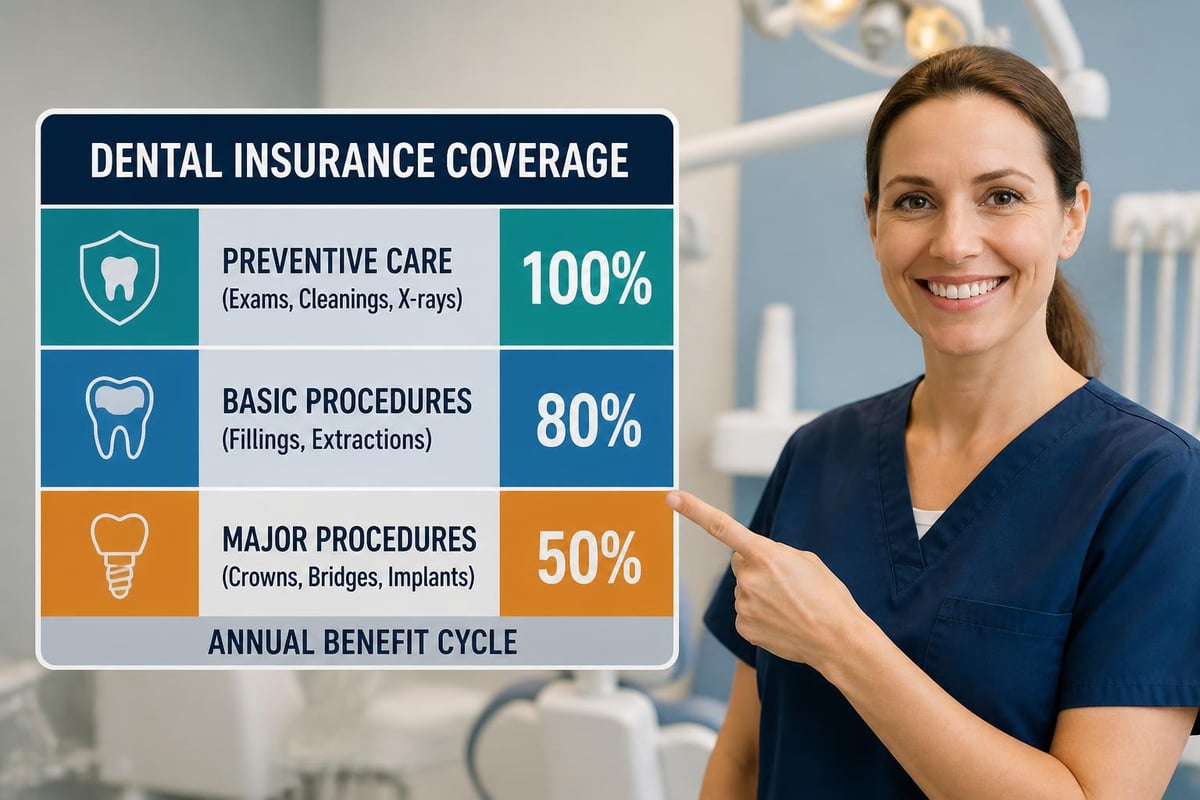
The 100-80-50 Coverage Model
The majority of dental insurance plans utilize a percentage-based payment structure:
- Preventive care: 100% coverage for cleanings, exams, and X-rays
- Basic procedures: 80% coverage for fillings, extractions, and root canals
- Major procedures: 50% coverage for crowns, bridges, and implants
This tiered approach incentivizes preventive care while requiring patients to share costs for more extensive treatments. Knowing where each procedure falls within this structure allows you to plan expenses accurately and prioritize treatments based on coverage levels.
Annual Maximum Limitations
Every dental insurance plan includes an annual maximum, typically ranging from $1,000 to $2,000. Understanding annual maximums is critical because unused benefits do not roll over to the following year. Once you reach this threshold, you become responsible for 100% of additional costs until the benefit year resets.
| Coverage Component | Typical Range | Key Consideration |
|---|---|---|
| Annual Maximum | $1,000-$2,000 | Resets January 1 |
| Deductible | $50-$150 | Per person/family |
| Preventive Coverage | 100% | Usually no deductible |
| Basic Coverage | 70-80% | After deductible |
| Major Coverage | 50% | After deductible |
Strategic Timing for Dental Treatments
Timing your dental care strategically can significantly impact how much value you extract from your insurance benefits. Many patients fail to maximize dental insurance benefits simply because they don't schedule treatments at optimal times throughout the year.
Front-Loading Preventive Care
Schedule your preventive appointments early in the year to establish a baseline for your oral health. Most insurance plans cover two cleanings and examinations annually at 100%, along with necessary X-rays. By completing your first appointment in January or February, you create opportunities to identify issues early and plan treatments before year-end.
Your second preventive visit should occur six months later, ensuring you maintain optimal oral health while fully utilizing your preventive benefits. This schedule also helps detect problems before they escalate into costly major procedures.
Splitting Major Treatments Across Benefit Years
When facing expensive procedures like crowns, bridges, or dental implants, consider strategic timing to maximize coverage. If your treatment plan includes multiple major procedures, discuss with your dentist the possibility of completing some work before December 31 and scheduling remaining treatments after January 1.
This approach allows you to tap into two separate annual maximums, potentially doubling your available benefits. For instance, if you need three crowns and your annual maximum is $1,500, completing two in December and one in January provides $3,000 in total coverage instead of exhausting benefits with the first procedure.
Benefits of treatment splitting:
- Access to multiple annual maximums
- Reduced out-of-pocket expenses
- Better budget management over time
- Flexibility in payment planning
- Opportunity to adjust treatment based on results
End-of-Year Planning
As the calendar year approaches its conclusion, review how much of your annual maximum remains unused. If you have significant benefits remaining and known dental needs, December becomes an ideal time to address those issues. Whether you need cosmetic treatments or restorative procedures, using benefits before they expire prevents financial waste.
Leveraging Preventive Care for Long-Term Savings
Preventive care represents the most cost-effective aspect of dental insurance and the cornerstone of maximizing dental insurance benefits. These services not only come at no cost to you but also prevent expensive problems from developing.
Comprehensive Examinations and Cleanings
Regular examinations allow dentists to identify cavities, gum disease, and other issues in their earliest stages. Treating a small cavity with a simple filling costs significantly less than waiting until it requires a root canal and crown. Professional cleanings remove plaque and tartar buildup that home care cannot address, preventing periodontal disease that could lead to tooth loss.
At Dental Plus Clinic, comprehensive examinations include oral cancer screenings, bite assessments, and evaluation of existing dental work. These thorough evaluations often reveal problems patients don't realize exist, allowing for proactive treatment before symptoms emerge.
Diagnostic Imaging
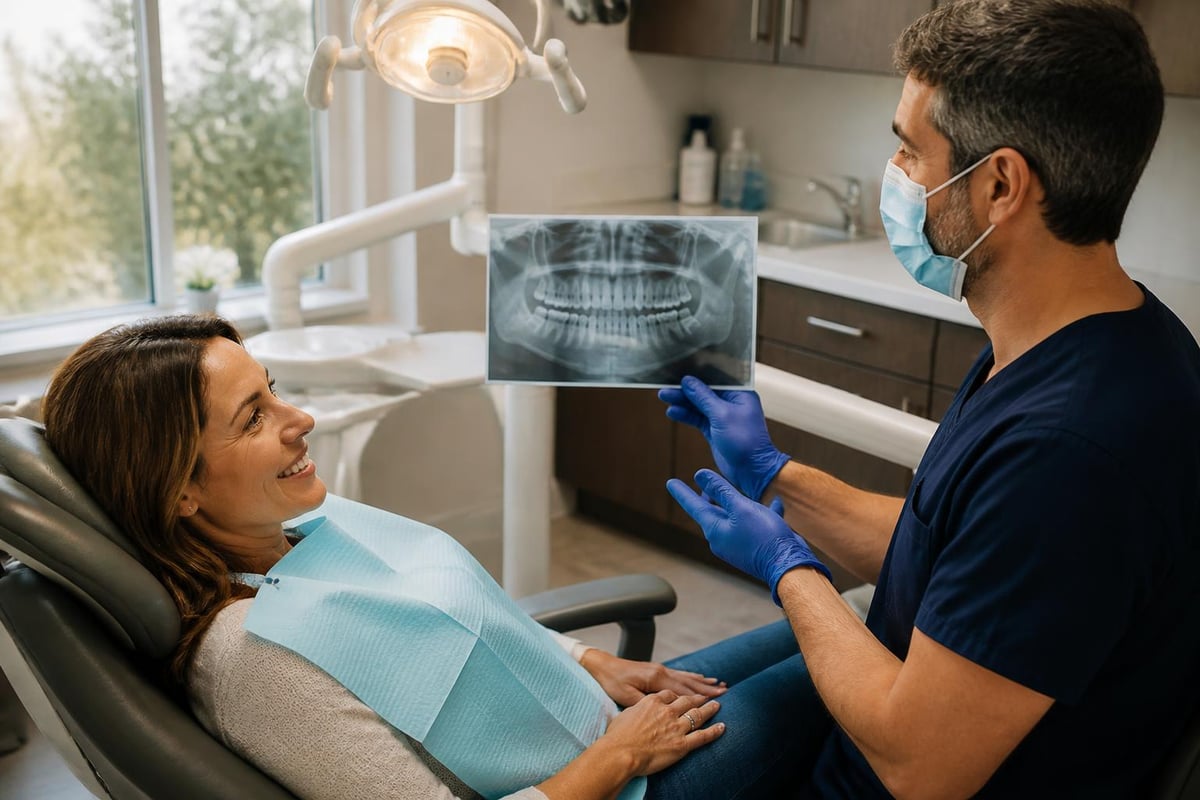
Most insurance plans cover diagnostic X-rays at 100%, including bitewing X-rays annually and full-mouth series every three to five years. These images reveal decay between teeth, bone loss, impacted teeth, and other conditions invisible during visual examinations. Utilizing this covered benefit provides your dentist with essential information for accurate diagnosis and treatment planning.
Three-dimensional imaging technology, when medically necessary, may also qualify for coverage under diagnostic benefits. This advanced imaging assists in planning complex procedures like dental implants with precision.
Understanding Coverage Exclusions and Limitations
Knowing what your insurance does not cover proves equally important as understanding included benefits. Common dental insurance exclusions often surprise patients who assume comprehensive coverage for all dental needs.
Common Exclusions
Most dental insurance plans exclude or severely limit coverage for:
- Cosmetic procedures performed solely for appearance
- Orthodontic treatment for adults (unless specifically included)
- Dental implants (though this is changing in many plans)
- Treatment of temporomandibular joint disorders (TMJ)
- Replacement of lost or stolen appliances
- Services deemed not medically necessary
Understanding these limitations allows you to budget appropriately for treatments you want or need that fall outside standard coverage. Some procedures initially classified as cosmetic may qualify for coverage if they also serve restorative or functional purposes.
Waiting Periods
Many insurance plans impose waiting periods for certain services, particularly major procedures. These periods typically range from six to twelve months after your policy's effective date. Planning ahead and enrolling in dental insurance before you need major work ensures you can access benefits when necessary.
Frequency Limitations
Beyond the two annual cleanings, insurance plans often limit how frequently certain procedures can be performed. Crowns, bridges, and dentures may only be covered once every five to seven years on the same tooth or area. X-rays have specific frequency limitations based on type and necessity.
Knowing these restrictions helps you time treatments appropriately and avoid claim denials that result in unexpected out-of-pocket costs.
Choosing the Right Dental Insurance Plan
Maximizing benefits begins with selecting appropriate coverage for your needs. If you have options through your employer or are purchasing individual coverage, evaluate plans carefully based on your anticipated dental requirements.
Comparing Plan Types
Dental insurance comes in several formats, each with distinct advantages:
| Plan Type | Network Restrictions | Cost Structure | Best For |
|---|---|---|---|
| PPO | Preferred network, out-of-network allowed | Higher premiums, lower treatment costs | Those wanting flexibility |
| HMO/DHMO | Must use network dentists | Lower premiums, fixed copays | Budget-conscious individuals |
| Indemnity | Any dentist | Highest premiums, reimbursement model | Maximum choice preference |
| Discount Plans | Network required | Annual fee, discounted rates | Supplement or alternative |
Understanding the differences between PPO and DHMO plans helps you select coverage that aligns with your dental care preferences and financial situation.
Evaluating Network Dentists
Verify that your preferred dental provider participates in your plan's network. Using in-network providers typically results in significantly lower out-of-pocket costs due to negotiated fee schedules. When choosing a dentist that accepts your insurance, confirm they participate as a preferred provider rather than simply accepting assignment of benefits.
Dental Plus Clinic accepts most major insurance plans across our Texas locations, including facilities in Beeville, Seguin, New Braunfels, Leander, and Converse.
Assessing Your Dental Needs
Select coverage based on realistic expectations of your dental requirements. If you have ongoing dental issues or know you need major work, choosing a plan with higher annual maximums and better coverage percentages for major procedures makes financial sense despite higher premiums.
Conversely, individuals with excellent oral health who only need preventive care may benefit from basic plans with lower premiums, since they'll primarily use the fully covered preventive benefits.
Coordinating Benefits with Family Coverage
Families with multiple insurance options can sometimes coordinate benefits to maximize coverage. This strategy, known as dual coverage, allows claims to be submitted to both insurances, with the secondary plan potentially covering portions the primary plan doesn't.
Primary and Secondary Coverage
When both spouses have dental insurance through their employers, children typically appear as dependents on both plans. The birthday rule usually determines which plan serves as primary: the parent whose birthday occurs earlier in the calendar year provides primary coverage.
After the primary insurance pays its portion, the secondary insurance may cover some or all of the remaining balance, depending on its coordination of benefits provisions. This arrangement can result in little to no out-of-pocket expenses for covered services.
Individual Considerations
Even adults can benefit from dual coverage if both spouses' employers offer individual and family plans. Running the numbers to determine whether dual premiums cost less than typical out-of-pocket expenses makes this decision clearer.
Coordination strategies:
- Submit all claims to primary insurance first
- Provide explanation of benefits to secondary insurer
- Understand non-duplication clauses that may limit total reimbursement
- Keep detailed records of all claims and payments
- Verify coordination rules annually as policies change
Utilizing Flexible Spending and Health Savings Accounts
Pre-tax medical accounts complement dental insurance to maximize dental insurance benefits while reducing overall healthcare costs. These accounts allow you to set aside money before taxes for qualified medical and dental expenses.
Flexible Spending Accounts (FSAs)
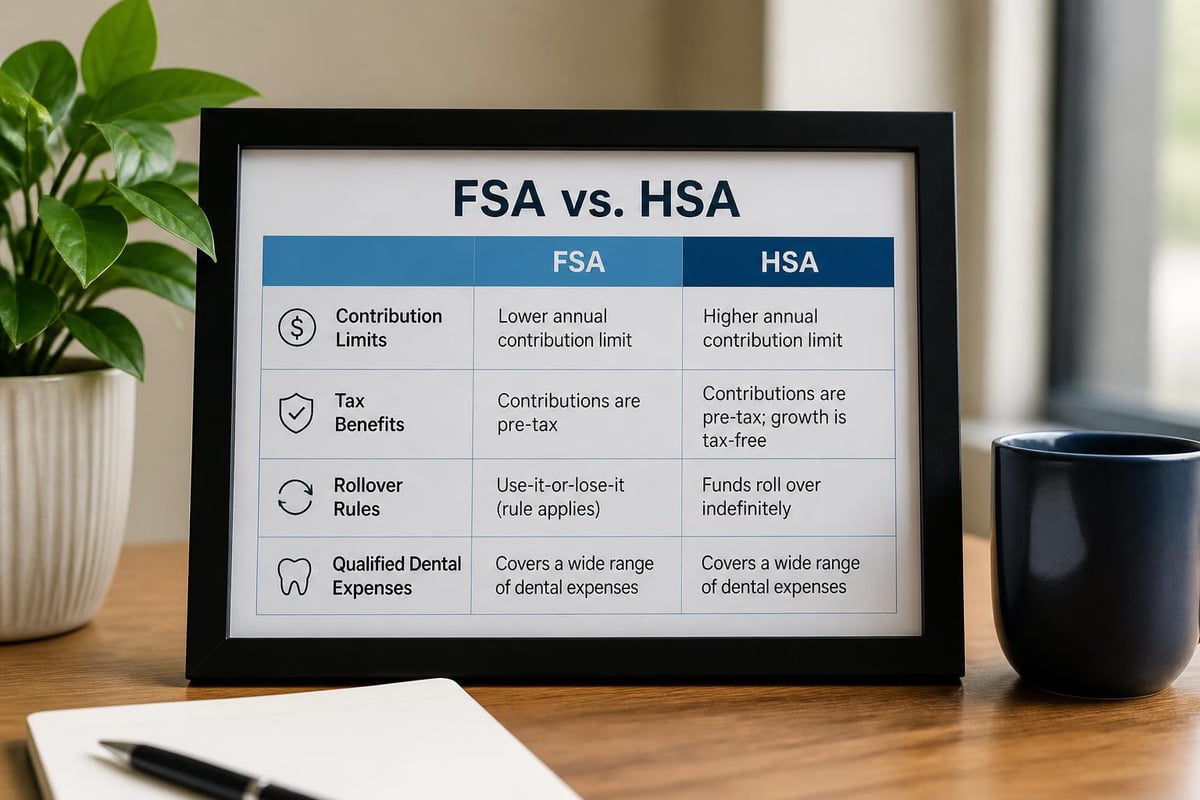
FSAs permit employees to contribute up to $3,200 annually (2026 limit) for healthcare expenses. Since dental procedures often involve significant out-of-pocket costs even with insurance, FSAs provide valuable tax savings on deductibles, copayments, and non-covered services.
The primary consideration with FSAs involves their "use it or lose it" provision. Most plans require you to spend contributions by year-end or forfeit remaining balances, though some offer grace periods or small rollover amounts.
Health Savings Accounts (HSAs)
Available only with high-deductible health plans, HSAs offer triple tax advantages: tax-deductible contributions, tax-free growth, and tax-free withdrawals for qualified expenses. Unlike FSAs, HSA funds roll over indefinitely, making them excellent long-term healthcare savings vehicles.
For 2026, individuals can contribute up to $4,300 annually, while families can save up to $8,550. These accounts can fund dental expenses not covered by insurance, including many cosmetic procedures and orthodontic treatments.
Planning Contributions Strategically
Estimate your annual out-of-pocket dental expenses to determine appropriate contribution levels. Review your insurance explanation of benefits from the previous year to identify typical costs. Add any planned treatments you know you'll need, considering deductibles and coinsurance amounts.
Documenting and Tracking Your Benefits Usage
Maintaining organized records of your dental insurance utilization helps you maximize dental insurance benefits throughout the year. Many patients lose track of how much they've used and miss opportunities to leverage remaining coverage.
Creating a Benefits Tracker
Develop a simple spreadsheet or document tracking:
- Annual maximum amount and how much you've used
- Deductible status (individual and family)
- Preventive visits completed versus allowed
- Specific limitations on procedures (crowns, X-rays, etc.)
- Out-of-pocket expenses for tax deduction purposes
Update this tracker after each dental visit and insurance claim processing. This visibility helps you make informed decisions about timing additional treatments.
Requesting Pre-Treatment Estimates
For any procedure beyond basic preventive care, request a pre-treatment estimate from your insurance company. Your dentist's office typically submits treatment plans to your insurer, who responds with a breakdown of covered amounts versus patient responsibility.
These estimates, while not guarantees of payment, provide reliable projections of costs and help you plan financially. They also reveal any coverage issues before treatment begins, allowing time to address discrepancies or explore alternatives.
Understanding Explanation of Benefits
Every time your insurance processes a claim, they send an Explanation of Benefits (EOB) detailing charges, covered amounts, and patient responsibility. Review these documents carefully to verify accuracy and understand how your benefits are being applied.
Common EOB elements include:
| EOB Section | What It Tells You | Why It Matters |
|---|---|---|
| Billed Amount | What dentist charged | Compare to contracted rates |
| Allowed Amount | Contracted rate | Actual basis for coverage calculation |
| Insurance Paid | Amount insurer covers | Confirms coverage percentage |
| Patient Responsibility | What you owe | Deductible, coinsurance, non-covered |
| Benefit Remaining | Annual maximum left | Planning for additional treatments |
Exploring Alternative Coverage Options
Traditional dental insurance isn't the only way to access affordable dental care. Understanding alternatives helps you maximize value regardless of your insurance situation.
Dental Savings Plans
These membership programs offer discounted rates on dental services for an annual fee, typically $100-$200. While not insurance, they provide significant savings for individuals without employer-sponsored coverage or those needing services insurance doesn't cover.
Comparing dental insurance versus dental savings plans helps you determine which option better suits your circumstances. Some patients find combining both approaches maximizes their purchasing power for dental care.
In-House Membership Programs
Many dental practices, including Dental Plus Clinic, offer proprietary membership plans providing preventive care and discounts on additional services for a flat annual fee. These programs benefit patients without insurance or with limited coverage who want predictable costs for routine care.
Negotiating Payment Plans
For major procedures requiring significant out-of-pocket expenses, discuss payment plans with your dental office. Many practices offer interest-free financing for qualified patients, making expensive treatments more accessible without waiting to accumulate savings.
Third-party healthcare financing companies also provide options for larger treatment plans, allowing you to spread costs over extended periods while receiving necessary care immediately.
Staying Informed About Policy Changes
Dental insurance policies change annually, and staying informed ensures you continue to maximize dental insurance benefits effectively. Employers often modify plan options during open enrollment, while insurance companies adjust coverage levels, networks, and limitations.
Annual Policy Review
Each year, typically in November or December, review your insurance policy documents carefully. Look for changes in:
- Annual maximum amounts
- Coverage percentages for different procedure categories
- In-network provider lists
- Covered and excluded services
- Deductible amounts
- Frequency limitations on specific procedures
Even small changes can significantly impact your out-of-pocket costs and treatment planning strategies.
Open Enrollment Opportunities
If your employer offers multiple dental plan options, use open enrollment to reassess your selection. Consider anticipated dental needs for the coming year based on your dentist's recommendations during recent examinations.
Employees planning major dental work might switch to plans with higher annual maximums or better major procedure coverage percentages, even if premiums increase slightly. The additional coverage often exceeds the premium difference.
Communication with Your Dental Office
Dental practices stay informed about insurance plan changes affecting their patients. Establishing good communication with your dentist's administrative staff ensures they can alert you to coverage issues and help you maximize benefits within your plan's parameters.
Many dental offices offer complimentary insurance verification and benefit breakdowns, helping you understand exactly what your plan covers before scheduling treatment.
Planning Major Dental Work Strategically
Major dental procedures represent the most expensive category of dental care and require careful planning to maximize dental insurance benefits. Whether you need multiple crowns, bridges, implants, or extensive restorative work, strategic approaches minimize your financial burden.
Prioritizing Treatment Based on Urgency
Work with your dentist to prioritize treatments based on both clinical urgency and insurance coverage. Address issues threatening your oral health first, then consider elective procedures that improve function and aesthetics.
Some conditions deteriorate rapidly without intervention, while others progress slowly over years. Understanding your specific dental problems helps you make informed decisions about treatment timing.
Phased Treatment Approaches
Large treatment plans often benefit from phasing across multiple benefit periods. Your dentist can develop a multi-year treatment roadmap that addresses all your dental needs while spreading costs across several annual maximums.
For example, if you need four crowns and your annual maximum is $1,500, completing two crowns each year for two consecutive years provides $3,000 in coverage versus $1,500 if all four were done simultaneously.
Considering Clinical Sequencing
Some dental procedures must occur in specific sequences for clinical reasons. Root canals must be completed before crowns, bone grafting precedes implant placement, and periodontal disease requires treatment before cosmetic work. Understanding these clinical requirements helps you plan benefit usage effectively while ensuring proper treatment outcomes.
Addressing Common Insurance Challenges
Even with careful planning, dental insurance can present challenges. Understanding common issues and their solutions helps you navigate the system effectively.
Claim Denials
Insurance companies sometimes deny claims for various reasons: services deemed not medically necessary, frequency limitations, or missing documentation. When facing denials, request detailed explanations and work with your dental office to appeal if appropriate.
Many denials result from administrative errors or miscommunication rather than actual lack of coverage. Persistence and proper documentation often resolve these issues successfully.
Pre-Authorization Requirements
Some insurance plans require pre-authorization for major procedures before treatment begins. Failing to obtain required approvals can result in claim denials and unexpected out-of-pocket expenses.
Always confirm pre-authorization requirements with your insurance company before proceeding with expensive treatments. Your dental office typically handles this process, but verifying completion protects you from billing surprises.
Out-of-Network Complications
Receiving care from out-of-network providers usually results in higher costs and more complex billing. Insurance companies pay based on their contracted rates, leaving you responsible for the difference between billed charges and allowed amounts.
If you must use an out-of-network provider, understand the financial implications beforehand. Some situations, like dental emergencies while traveling, justify the additional expense, while others offer opportunities to wait for in-network care.
Solutions for insurance challenges:
- Maintain detailed records of all communications with insurers
- Request written explanations for denials or coverage decisions
- Work closely with your dental office's insurance coordinator
- Understand appeal processes and deadlines
- Consider state insurance department assistance for unresolved disputes
Leveraging Technology for Benefits Management
Modern technology simplifies tracking and maximizing dental insurance benefits through various digital tools and resources.
Online Insurance Portals
Most insurance companies provide online portals where members can view coverage details, track claims, check benefit usage, and download explanation of benefits documents. Registering for these portals gives you 24/7 access to your insurance information.
Mobile Applications
Insurance company apps allow you to manage benefits from your smartphone, including viewing digital insurance cards, finding network dentists, and submitting claims for reimbursement. Some apps provide cost estimators helping you anticipate out-of-pocket expenses for specific procedures.
Dental Office Management Systems
Many dental practices, including Dental Plus Clinic, utilize sophisticated practice management software that interfaces with insurance systems for real-time benefit verification. These systems help offices provide accurate cost estimates before treatment and identify coverage issues proactively.
Personal Health Records
Maintaining digital personal health records that include dental history, treatment plans, and insurance information creates a comprehensive resource for managing your oral healthcare. Cloud-based applications allow you to access this information from anywhere, ensuring you have necessary details when scheduling appointments or discussing coverage with providers.
Maximizing Preventive Care Benefits Beyond Cleanings
While most people associate preventive care with cleanings and examinations, modern dental insurance often covers additional preventive services that many patients underutilize.
Fluoride Treatments
Although commonly associated with pediatric dentistry, fluoride treatments benefit adults at high risk for decay. Many insurance plans cover these treatments for children and increasingly for adults with certain risk factors. Fluoride strengthens enamel and helps prevent cavities, potentially avoiding more expensive restorative work later.
Sealants
Dental sealants protect vulnerable tooth surfaces from decay by creating barriers against bacteria and food particles. Insurance typically covers sealants for children, but some plans extend coverage to adults for specific molars. This simple preventive measure can prevent the need for fillings, saving money and preserving natural tooth structure.
Periodontal Maintenance
Patients with history of gum disease often qualify for more frequent cleanings classified as periodontal maintenance rather than routine prophylaxis. These specialized cleanings, typically covered three to four times annually, help prevent disease recurrence and maintain gum health.
Oral Cancer Screenings
Comprehensive oral examinations should include oral cancer screenings, typically covered as part of preventive care. Early detection dramatically improves treatment outcomes, making these screenings invaluable despite patients often being unaware they're receiving them.
Special Considerations for Texas Residents
Texas dental insurance consumers face unique considerations due to state regulations, available plans, and regional factors affecting dental care costs.
Network Availability
Texas's large geographic area means network density varies significantly between urban and rural regions. Residents of smaller communities may find limited in-network providers, potentially requiring travel for covered care or acceptance of out-of-network cost differentials.
However, the benefits of choosing a dental clinic that accepts insurance extend beyond simple coverage verification to include predictable costs and simplified billing processes.
State-Specific Regulations
Texas insurance regulations affect policy provisions, including mandated coverage items and consumer protections. Understanding these regulations helps you recognize when insurance companies must provide certain coverages or follow specific procedures.
Regional Cost Variations
Dental care costs vary throughout Texas based on local economic conditions and competition. Urban areas like Austin and San Antonio typically have higher costs but also more provider options, while smaller towns may offer lower costs but fewer choices.
Multi-Location Access
For Texas residents who work in one city but live in another, having access to dental care in multiple locations proves advantageous. Dental Plus Clinic's five locations across Texas provide flexibility for patients to receive care conveniently, whether they're near New Braunfels during the week or closer to Beeville on weekends.
Educating Yourself on Dental Procedures and Costs
Knowledge empowers better decision-making about dental care and insurance utilization. Understanding common procedures, typical costs, and clinical necessity helps you maximize dental insurance benefits while maintaining excellent oral health.
Common Restorative Procedures
Familiarize yourself with frequent dental treatments and their cost ranges:
- Fillings: $150-$400 depending on material and tooth location
- Root canals: $700-$1,500 varying by tooth complexity
- Crowns: $1,000-$3,000 based on material selection
- Bridges: $2,000-$5,000 depending on span and materials
- Extractions: $150-$650 for routine to surgical removal
Knowing these ballpark figures helps you evaluate insurance estimates and understand your financial responsibility for recommended treatments.
Cosmetic Versus Restorative Distinctions
Insurance companies distinguish between cosmetic procedures performed purely for aesthetics and restorative treatments addressing functional problems. The same procedure might be classified differently based on clinical circumstances.
For example, veneers placed solely to improve appearance are cosmetic and rarely covered. However, veneers restoring fractured or severely worn teeth that compromise function may qualify for coverage as restorative treatment.
Treatment Alternatives
Most dental problems have multiple treatment options with varying costs. Discussing alternatives with your dentist helps you select approaches that balance clinical effectiveness with financial considerations.
A missing tooth might be replaced with an implant, bridge, or partial denture, each having different coverage levels, costs, and longevity. Understanding these options allows you to make informed decisions aligned with your budget and insurance benefits.
Protecting Your Investment in Dental Health
Maximizing insurance benefits extends beyond treatment timing to maintaining results and preventing future problems. Proper home care and lifestyle choices protect your investment in dental procedures while reducing long-term costs.
Comprehensive Home Care Routines
Brushing twice daily with fluoride toothpaste, flossing at least once daily, and using antimicrobial rinses when recommended by your dentist prevents most common dental problems. These simple habits cost pennies daily compared to restorative treatments required when oral hygiene lapses.
Investing in quality oral care products, including electric toothbrushes and water flossers, enhances cleaning effectiveness and reduces decay and gum disease risk. While these devices represent upfront costs, they pale compared to treatment expenses for preventable conditions.
Dietary Considerations
Dietary choices significantly impact oral health. Limiting sugar and acidic foods reduces cavity risk, while adequate calcium and vitamin D intake supports strong teeth and bones. Drinking water, especially fluoridated water, throughout the day helps neutralize acids and wash away food particles.
Protective Appliances
If you grind your teeth at night (bruxism) or play contact sports, protective appliances preserve your dental work and prevent damage requiring expensive repairs. Night guards and sports mouthguards, often partially covered by insurance, cost far less than replacing broken crowns or treating fractured teeth.
Regular Follow-Through
Actually scheduling and attending recommended appointments makes the difference between maximizing benefits and wasting coverage. Set up your next cleaning before leaving each dental visit, and add appointments to your calendar immediately. Many dental offices offer appointment reminders via text, email, or phone to help you stay on schedule.
Understanding how to maximize dental insurance benefits transforms insurance from a confusing obligation into a powerful tool for maintaining excellent oral health affordably. By timing treatments strategically, utilizing all preventive benefits, understanding policy details, and planning major work across benefit periods, you can significantly reduce out-of-pocket dental expenses while receiving comprehensive care. Dental Plus Clinic helps patients throughout Texas navigate insurance complexities and develop treatment plans that optimize coverage while delivering exceptional dental care. Whether you need routine preventive services or extensive restorative treatments, our experienced team works with you to maximize your benefits and achieve your healthiest smile. Contact Dental Plus Clinic today to schedule your next appointment and discover how we can help you make the most of your dental insurance coverage.