
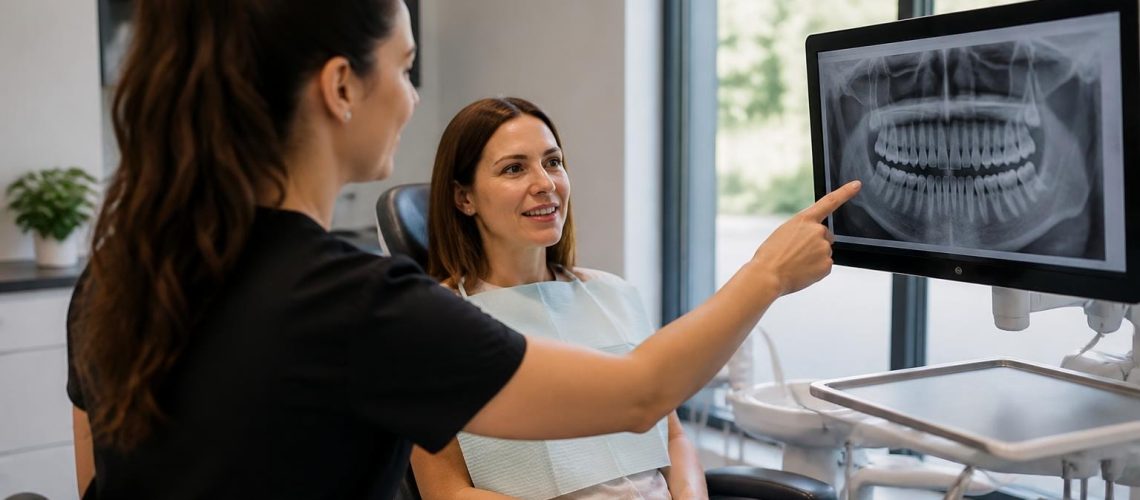
Finding a dentist that accepts insurance in Leander when you're experiencing a dental emergency can feel overwhelming, especially when you're dealing with pain or discomfort. Whether you've cracked a tooth, lost a filling, or are experiencing severe tooth pain, understanding how dental insurance works for emergency situations and knowing where to turn for immediate care can make all the difference. Leander residents have access to quality dental providers who accept various insurance plans, but navigating coverage details, appointment availability, and out-of-pocket costs requires preparation and knowledge. This comprehensive guide will help you understand how to find emergency dental care that works with your insurance plan, maximize your benefits, and get the treatment you need without unexpected financial surprises.
Understanding Emergency Dental Coverage in Leander
Emergency dental situations require immediate attention, and your insurance coverage plays a significant role in determining where you can receive care and what costs you'll face. Most dental insurance plans classify emergencies separately from routine preventive care, often placing them under basic or major services categories depending on the treatment required.
Common emergency situations that insurance typically covers include:
- Severe toothaches requiring immediate diagnosis
- Broken or fractured teeth from accidents
- Knocked-out permanent teeth requiring reimplantation
- Lost crowns or fillings that expose tooth structure
- Abscesses or infections requiring urgent treatment
- Soft tissue injuries affecting gums or oral structures
The coverage level for these emergencies varies significantly based on your specific plan type and provider network. Understanding your dental plan before an emergency occurs helps you make informed decisions when time is critical.
Insurance Plan Types Accepted in Leander
A dentist that accepts insurance in Leander typically works with multiple plan types to accommodate diverse patient needs. The most common insurance structures include Preferred Provider Organization (PPO) plans, Dental Health Maintenance Organization (DHMO) plans, and indemnity insurance.
PPO plans offer the greatest flexibility, allowing you to visit any licensed dentist while receiving maximum benefits when choosing in-network providers. These plans typically cover emergency services at 50-80% after your deductible, making them popular among patients who value choice and predictable costs. DHMO plans require you to select a primary dentist from the network and obtain referrals for specialist care, but they often feature lower monthly premiums and minimal copayments for covered services.
| Plan Type | Emergency Flexibility | Typical Coverage | Referral Required |
|---|---|---|---|
| PPO | High – any dentist | 50-80% after deductible | No |
| DHMO | Limited – network only | Fixed copays | Often yes |
| Indemnity | Highest – any provider | 50-80% of UCR fees | No |
| Medicare Advantage | Varies by plan | Supplemental only | Sometimes |
Understanding the differences between PPO vs DHMO dental plans helps you select coverage that aligns with your emergency care preferences and budget constraints.
Verifying Your Insurance Before Emergency Treatment
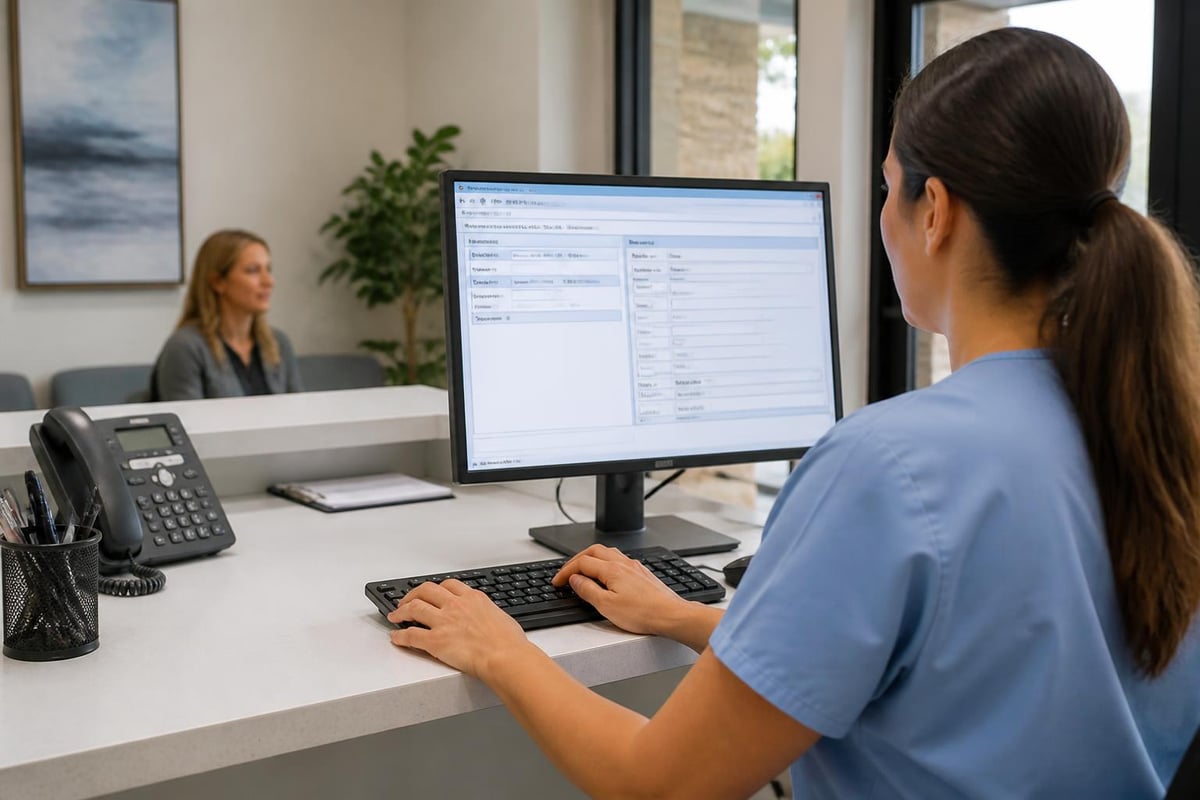
When facing a dental emergency, verifying your insurance coverage before treatment prevents billing surprises and helps you understand your financial responsibility. Most dental offices in Leander offer digital insurance verification systems that can confirm your benefits within minutes, even during emergency appointments.
Key information to have ready when verifying coverage:
- Your insurance member ID number and group number
- Policy holder's name and date of birth
- Insurance company contact information
- Recent explanation of benefits (EOB) statements
- Knowledge of your annual maximum and remaining benefits
The verification process checks multiple aspects of your coverage including active status, deductible amounts already met this year, annual maximum limits, and specific coverage percentages for different procedure categories. For emergency situations, this process also confirms whether pre-authorization is required for certain treatments, though most insurers waive this requirement for true emergencies.
Common Coverage Limitations for Emergency Care
Even with comprehensive insurance, certain limitations may apply to emergency dental treatments. Annual maximums typically range from $1,000 to $2,000, and if you've already used substantial benefits earlier in the year, your emergency coverage may be reduced or exhausted. Waiting periods for new policies can also affect coverage, though most plans waive these for true emergencies involving pain or infection.
Frequency limitations represent another common restriction. Insurance companies may limit certain procedures to once every few years, such as crowns or root canals on the same tooth. Additionally, alternative benefit clauses allow insurers to cover the least expensive effective treatment, which might differ from your dentist's recommendation for optimal long-term results.
What Qualifies as a Dental Emergency
Determining whether your situation constitutes a true emergency helps you make appropriate decisions about seeking immediate care from a dentist that accepts insurance in Leander. Insurance companies distinguish between urgent situations requiring same-day treatment and issues that can wait for a scheduled appointment.
Immediate Emergency Situations
Certain dental problems require attention within hours to prevent permanent damage or serious health complications. A completely knocked-out permanent tooth has the best chance of successful reimplantation if you receive treatment within 30-60 minutes. Severe bleeding that doesn't stop with pressure, suspected jaw fractures, and abscesses causing facial swelling or fever all qualify as true emergencies requiring immediate professional care.
Infections spreading beyond the tooth present serious health risks and demand urgent intervention. Warning signs include difficulty swallowing or breathing, fever above 101°F, severe swelling affecting your face or neck, and persistent bleeding following dental work or injury.
Urgent But Not Immediate Issues
Some dental problems cause significant discomfort but don't require emergency room visits. A dentist that accepts insurance in Leander can typically accommodate these situations with same-day or next-day appointments rather than after-hours emergency care.
Urgent situations include:
- Moderate toothaches responsive to over-the-counter pain relief
- Chipped teeth without pain or sharp edges
- Lost fillings or crowns not causing severe sensitivity
- Minor soft tissue injuries that have stopped bleeding
- Temporary crown dislodgment without pain
- Orthodontic wire irritation that can be temporarily managed
These conditions still need professional attention but allow time to verify insurance coverage, confirm the provider accepts your plan, and schedule an appropriate appointment time. Understanding common dental insurance terminology helps you communicate effectively with both your insurance company and dental office when discussing urgent care needs.
Finding In-Network Emergency Dental Providers
Locating a dentist that accepts insurance in Leander who can accommodate emergency patients requires knowing where to look and what questions to ask. In-network providers have negotiated fee schedules with your insurance company, resulting in lower out-of-pocket costs and simplified billing processes.
Your insurance company's website offers the most current provider directory, searchable by location, specialty, and services offered. These online tools often indicate which dentists accept new patients and offer emergency appointments. Calling your insurance company's customer service line provides personalized assistance, particularly helpful when you need same-day care and want confirmation about specific providers' emergency availability.
Evaluating Emergency Dental Practices
Not all dental offices that accept your insurance offer the same level of emergency services. When researching options, consider their hours of operation, including availability for after-hours emergencies, weekend appointments, and holiday coverage. Emergency equipment and treatment capabilities vary between practices, with some offering comprehensive on-site services while others may refer complex cases to specialists.
| Evaluation Factor | Questions to Ask | Why It Matters |
|---|---|---|
| Insurance Processing | "Do you accept assignment?" | Determines if you pay only your portion |
| Emergency Availability | "What are your emergency protocols?" | Ensures timely access when needed |
| Technology | "Do you have digital X-rays and imaging?" | Faster diagnosis means quicker treatment |
| Payment Options | "What payment plans are available?" | Manages costs beyond insurance coverage |
The practice's experience with insurance claims processing significantly impacts your experience. Offices that handle insurance filing as a courtesy reduce your administrative burden and typically have established relationships with major carriers, leading to faster claim approvals and fewer billing disputes.

Maximizing Your Insurance Benefits for Emergency Care
Strategic use of your dental insurance ensures you receive necessary emergency treatment while minimizing financial stress. Understanding your plan's structure and timing treatments appropriately can significantly reduce your out-of-pocket expenses when visiting a dentist that accepts insurance in Leander.
Tips for maximizing emergency coverage:
- Schedule follow-up treatments across calendar years if your emergency occurs near year-end
- Confirm whether diagnostic X-rays fall under preventive or diagnostic benefits
- Ask about alternative treatment options that may have better coverage rates
- Request predetermination for extensive work to confirm coverage before proceeding
- Keep detailed records of all emergency treatments for insurance documentation
Many patients don't realize that preventive services like exams and X-rays typically receive 100% coverage even during emergency visits. Separating these from restorative work on your treatment plan and insurance claim can preserve more of your annual maximum for the actual emergency procedures.
Understanding Your Financial Responsibility
Even with insurance coverage, emergency dental care involves out-of-pocket costs. Your deductible must be met before insurance begins paying, typically ranging from $50 to $150 annually per person. After meeting the deductible, coinsurance represents your share of covered services, commonly 20-50% depending on whether the procedure is classified as basic or major.
The dentist's usual and customary rate (UCR) versus your insurance company's allowed amount can create additional costs. If your dentist charges $1,200 for a crown but your insurance allows only $1,000, you're responsible for the $200 difference plus your coinsurance percentage of the allowed amount, unless the dentist accepts assignment and agrees to write off the difference.
Insurance Coverage for Common Emergency Procedures
Different emergency treatments receive varying levels of coverage, and understanding these distinctions helps you prepare financially when seeking care from a dentist that accepts insurance in Leander. Insurance companies categorize procedures based on complexity and cost, with each category typically covered at different percentage rates.
Basic Emergency Procedures
Basic procedures generally include treatments that address immediate problems with relatively simple solutions. Fillings for cavities or fractures typically receive 70-80% coverage after your deductible. Simple extractions for severely damaged teeth usually fall into this category as well, with similar coverage rates.
Emergency exams and diagnostic X-rays often receive either 100% coverage under preventive benefits or 80% coverage under diagnostic services. This variation depends on your specific plan structure, making it important to verify how your policy classifies these services before treatment.
Major Emergency Procedures
More complex treatments typically receive 50% coverage and may require waiting periods if your insurance is new. Root canals, considered major services by most insurers, address infected teeth requiring removal of damaged pulp tissue. Coverage for these procedures ranges from 50-80% depending on your plan type and whether the dentist is in-network.
Dental crowns necessary to protect teeth after root canals or to repair severely fractured teeth also fall under major services. Implants to replace knocked-out teeth that cannot be saved receive the lowest coverage rates, often 50% or less, and some plans exclude them entirely as cosmetic procedures. Learning about dental implant costs helps you plan for these expenses.
| Procedure Type | Typical Coverage | Deductible Applies | Common Emergency Scenarios |
|---|---|---|---|
| Emergency Exam | 80-100% | Sometimes | All emergency visits |
| X-rays | 80-100% | Sometimes | Diagnosis and assessment |
| Fillings | 70-80% | Yes | Fractures, lost fillings |
| Simple Extraction | 70-80% | Yes | Severe decay, trauma |
| Root Canal | 50-80% | Yes | Infection, severe pain |
| Crown | 50% | Yes | Fractures, post-root canal |
When Insurance Denies Emergency Coverage
Despite having insurance, claim denials occur for various reasons, leaving patients responsible for unexpected costs. Understanding why denials happen and how to appeal them protects your financial interests when receiving emergency care from a dentist that accepts insurance in Leander.
Common denial reasons include services deemed not medically necessary, procedures performed outside your network without prior authorization, exceeding annual maximum benefits, and claims submitted incorrectly with missing information or wrong procedure codes. Pre-existing condition clauses may also apply if your insurance is new and the emergency relates to previous untreated dental problems.
The Appeals Process
When your insurance denies coverage for emergency treatment, you have the right to appeal the decision. The first step involves requesting a detailed explanation of the denial from your insurance company, including the specific policy language they cite as justification. Review your policy documents carefully to verify whether the denial is legitimate or based on misinterpretation.
Steps for appealing insurance denials:
- Contact your dentist's office to verify claim coding accuracy
- Request all X-rays, treatment notes, and clinical documentation
- Submit a formal written appeal with supporting evidence
- Include a letter from your dentist explaining medical necessity
- Follow up regularly until you receive a final determination
Most insurance companies provide multiple appeal levels, starting with internal review by different staff members and potentially escalating to external review by independent dental professionals. The appeals process typically takes 30-60 days, though urgent situations may qualify for expedited review. Understanding what to do when dental insurance is denied helps you navigate this challenging situation.

Alternative Payment Options Beyond Insurance
Even when working with a dentist that accepts insurance in Leander, your coverage may not fully address emergency treatment costs. Multiple payment alternatives help bridge the gap between insurance coverage and total treatment expenses, ensuring you receive necessary care without financial hardship.
Dental savings plans offer an alternative to traditional insurance, particularly beneficial for patients whose insurance has reached annual maximums or who lack coverage entirely. These membership programs provide discounted fees for services at participating dentists, typically 10-60% off standard rates. Unlike insurance, dental savings plans have no waiting periods, no annual maximums, and no claim forms, making them ideal for immediate emergency needs. Comparing dental insurance versus dental savings plans helps you determine which option suits your situation.
Financing and Payment Plans
Many dental practices partner with healthcare financing companies offering special promotional periods with deferred interest or low interest rates. CareCredit, LendingClub, and similar services provide credit lines specifically for medical and dental expenses, with approval decisions often made within minutes during your emergency visit.
In-house payment plans arranged directly with your dental office may offer more flexibility than third-party financing. These arrangements allow you to spread treatment costs over several months without interest charges or credit checks, though terms vary significantly between practices. The savings plans offered by some dental clinics provide additional options for managing emergency care costs.
Coordinating Multiple Insurance Policies
Some Leander residents have access to dual dental coverage through different sources, such as individual and spouse employer plans or supplemental policies. Understanding coordination of benefits rules maximizes your total coverage when receiving emergency care from a dentist that accepts insurance in Leander.
Primary and secondary insurance designation follows specific rules. When you have coverage through your own employer and your spouse's employer, your own policy typically serves as primary. For dependent children covered under both parents' plans, the birthday rule usually applies, making the parent whose birthday falls earlier in the calendar year the primary coverage provider.
Submitting Claims to Secondary Insurance
After your primary insurance processes the claim and pays their portion, the remaining balance can be submitted to secondary coverage. The secondary insurer pays up to their coverage limits, potentially reducing or eliminating your out-of-pocket costs entirely. However, the total payment from both insurers cannot exceed the dentist's actual charges.
Coordination of benefits process:
- Primary insurance receives and processes claim first
- Dentist's office receives explanation of benefits showing payment
- Remaining balance gets submitted to secondary insurance
- Secondary carrier pays their portion based on their policy terms
- Patient receives final bill for any remaining balance
This coordination requires careful documentation and may extend the payment timeline by several weeks, but the potential savings make it worthwhile for expensive emergency procedures. Your dental office typically handles this coordination, though verifying they have current information for both policies ensures smooth processing.
Preventive Care to Avoid Future Emergencies
While finding a dentist that accepts insurance in Leander for emergency situations is crucial, preventive care reduces the likelihood of experiencing dental emergencies altogether. Most insurance plans recognize this connection by covering preventive services at 100%, making regular dental care both clinically and financially advantageous.
Routine dental exams and cleanings every six months allow dentists to identify potential problems before they become emergencies. Small cavities detected early can be treated with simple fillings covered at 70-80%, whereas delaying treatment may necessitate root canals and crowns covered at only 50%. Professional cleanings remove plaque and tartar buildup that contribute to decay and gum disease, both common sources of dental emergencies.
Protective Treatments and Early Intervention
Insurance-covered preventive treatments provide additional protection against emergencies. Fluoride treatments strengthen tooth enamel, reducing cavity risk, while sealants protect vulnerable chewing surfaces of back teeth. Both services typically receive full coverage for children and adolescents, with adult coverage varying by plan.
Addressing minor problems promptly prevents emergency escalation. A small chip might only require cosmetic bonding covered at 80%, but ignoring it could lead to fracture requiring a crown covered at 50%. Regular dental visits establish relationships with providers who understand your oral health history, often leading to better emergency care coordination when urgent situations arise.
| Preventive Service | Typical Coverage | Frequency Limit | Emergency Prevention Benefit |
|---|---|---|---|
| Routine Exams | 100% | Every 6 months | Early problem detection |
| Professional Cleaning | 100% | Every 6 months | Prevents decay and disease |
| X-rays | 100% | Annually | Identifies hidden issues |
| Fluoride Treatment | 100% (children) | Annually | Strengthens enamel |
| Sealants | 100% (children) | Per tooth | Prevents decay |
Special Considerations for Pediatric Emergency Coverage
Children experience unique dental emergencies requiring specialized care, and insurance coverage for pediatric situations often differs from adult benefits. Finding a dentist that accepts insurance in Leander who offers pediatric dentistry services ensures your child receives appropriate emergency treatment.
Knocked-out baby teeth typically don't require reimplantation since permanent teeth will eventually replace them, but the emergency visit for assessment and pain management still receives insurance coverage. Permanent teeth knocked out in older children require immediate emergency care, with reimplantation covered similarly to adult tooth avulsion procedures.
Children's Dental Insurance Benefits
Many states require health insurance plans to include pediatric dental coverage as an essential health benefit, either embedded in medical plans or offered as standalone dental policies. These plans often provide more generous coverage than adult policies, with higher annual maximums and broader service coverage including orthodontic benefits that may extend to emergency orthodontic repairs.
Medicaid and Children's Health Insurance Program (CHIP) coverage provides comprehensive dental benefits for eligible children, including emergency services with minimal or no copayments. If your child qualifies for these programs, finding Leander dental providers who accept Medicaid ensures access to quality emergency care regardless of your ability to pay at the time of service.
Understanding Out-of-Network Emergency Benefits
Sometimes dental emergencies occur when in-network providers aren't available or during travel outside your usual area. Understanding how your insurance handles out-of-network care from a dentist that accepts insurance in Leander helps you make informed decisions when facing urgent situations with limited options.
PPO plans typically provide out-of-network benefits, though at reduced coverage levels compared to in-network care. Instead of 80% coverage for basic procedures in-network, you might receive 60% out-of-network. Additionally, out-of-network dentists don't have contracted fee schedules with your insurer, potentially creating balance billing situations where you're responsible for charges exceeding the insurance company's usual and customary rate determinations.
Emergency Exception Provisions
Many insurance plans include emergency exception clauses that provide in-network benefit levels even when you receive treatment from out-of-network providers under true emergency circumstances. These provisions recognize that patients experiencing genuine emergencies cannot always reach in-network providers and shouldn't face financial penalties for seeking necessary immediate care.
Triggering emergency exceptions requires documentation demonstrating the urgent nature of your situation and the unavailability of in-network alternatives. Your dentist's clinical notes describing symptoms, diagnostic findings, and treatment necessity serve as crucial evidence when submitting claims for emergency exception consideration.
Technology Improving Emergency Insurance Processing
Modern dental practices serving as a dentist that accepts insurance in Leander increasingly utilize technology that streamlines insurance verification and claim processing, particularly beneficial during emergency situations when time is critical. Digital systems provide real-time benefit checks, electronic claim submission, and automated payment posting that reduce wait times and improve accuracy.
Electronic dental records integrate with insurance processing software, automatically populating claim forms with procedure codes, diagnostic information, and clinical notes that support medical necessity. This integration minimizes errors that cause claim denials and speeds reimbursement, often reducing payment cycles from weeks to days.
Technology benefits for emergency insurance processing:
- Real-time eligibility verification confirms active coverage instantly
- Digital imaging allows immediate attachment of X-rays to insurance claims
- Automated coding suggestions ensure accurate procedure billing
- Electronic claim submission reduces processing time by 50-70%
- Patient portals provide transparent cost estimates before treatment
Artificial intelligence tools emerging in dental insurance processing can predict claim approval likelihood, alert staff to potential coverage issues before treatment begins, and suggest alternative coding that maximizes reimbursement while maintaining accuracy. These advancements particularly benefit emergency patients who need quick decisions about treatment affordability.
Insurance Considerations for Dental Implants After Trauma
Traumatic injuries resulting in tooth loss may necessitate dental implants for optimal long-term outcomes, particularly when multiple teeth are affected or when the patient's age makes bridges impractical. Understanding insurance coverage for dental implants in Texas helps you plan financially when emergency tooth loss occurs.
Traditional insurance plans historically excluded implants as cosmetic or elective procedures, but coverage has expanded as implants have become the standard of care for tooth replacement. Modern policies increasingly cover implants at major service levels (50% after deductible) when deemed medically necessary, particularly in trauma cases where alternatives are unsuitable.
Medical Insurance Crossover for Trauma
Severe dental trauma from accidents may trigger medical insurance coverage in addition to or instead of dental insurance. When injuries involve multiple teeth, jaw fractures, or significant soft tissue damage, medical policies may cover hospital-based treatment, surgical interventions, and certain reconstruction procedures that dental insurance excludes.
Coordinating medical and dental insurance for traumatic emergencies requires careful documentation linking dental treatment to the overall injury event. Emergency room records, accident reports, and physician referrals strengthen claims for medical insurance coverage of dental procedures that would otherwise fall outside traditional dental policy benefits.
Planning Ahead: Emergency Fund and Insurance Review
Proactive financial planning and regular insurance review reduce stress when dental emergencies inevitably occur, even when you have access to a dentist that accepts insurance in Leander. Creating a dedicated emergency fund for unexpected dental costs provides a financial buffer for deductibles, coinsurance, and services exceeding annual maximums.
Financial experts recommend maintaining emergency funds covering 3-6 months of living expenses, but dental-specific savings of $500-1,000 can address most common emergency scenarios without depleting general emergency reserves. Setting aside small amounts monthly makes this goal achievable, and health savings accounts (HSAs) or flexible spending accounts (FSAs) offer tax-advantaged options for building dental emergency funds.
Annual Insurance Policy Review
Reviewing your dental insurance annually during open enrollment ensures your coverage meets current needs and takes advantage of plan improvements. Compare your current policy's benefits, premiums, and provider network against alternative options your employer or marketplace offers, paying particular attention to emergency coverage specifics.
Key policy elements to review annually:
- Annual maximum benefits and whether they've increased
- Deductible amounts and family deductible structures
- Coverage percentages for basic and major services
- Network changes affecting your preferred providers
- Addition of new covered services or technology
- Premium changes and whether they reflect value received
Understanding how dental coverage works within the Health Insurance Marketplace helps individuals selecting standalone dental policies make informed choices that include adequate emergency coverage while managing premium costs effectively.
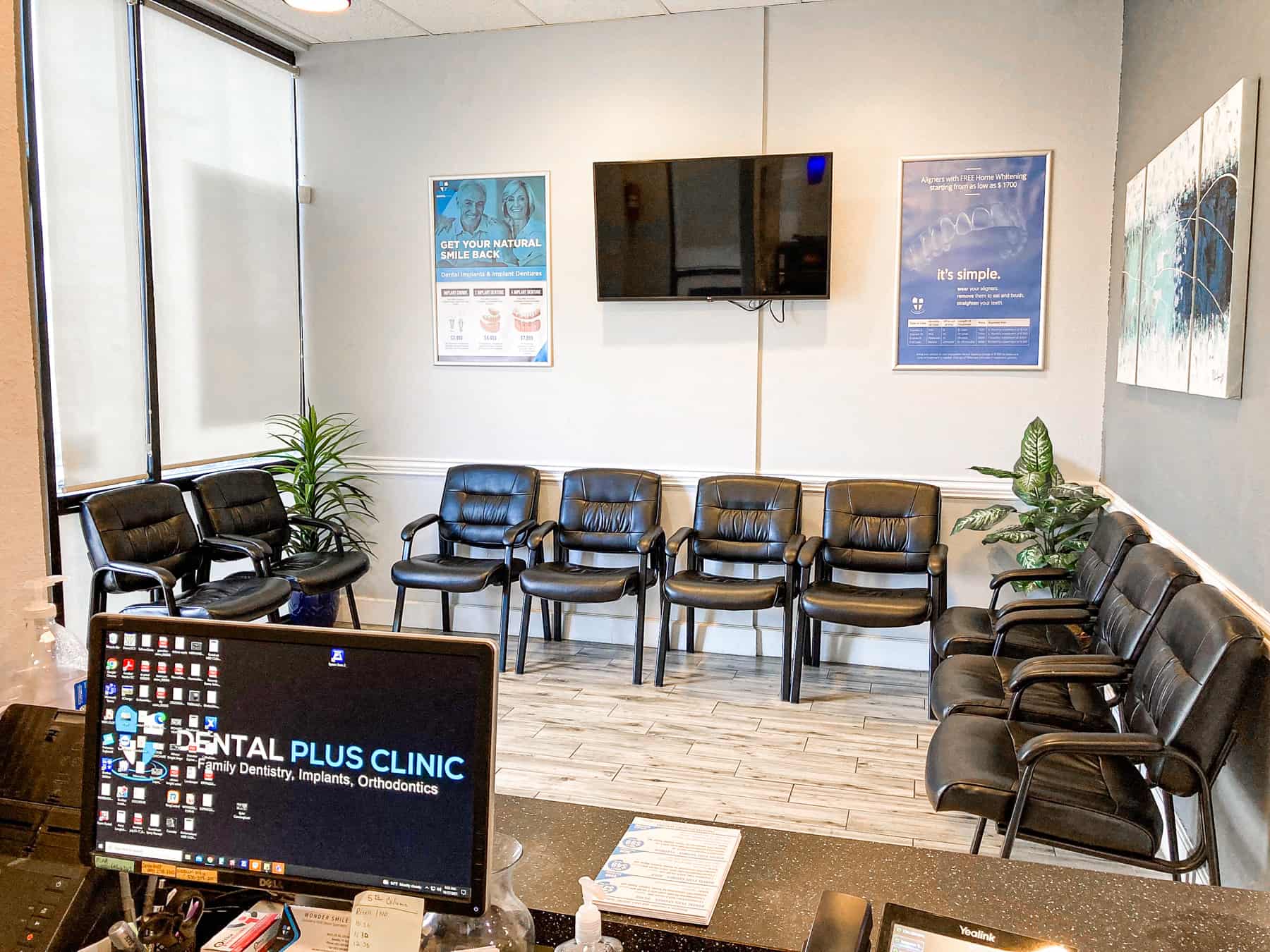
Finding quality emergency dental care that accepts your insurance in Leander requires understanding coverage details, knowing where to seek treatment, and preparing financially for out-of-pocket costs. When dental emergencies strike, having a trusted provider who works with your insurance plan makes all the difference in receiving prompt, affordable treatment. Dental Plus Clinic offers comprehensive emergency dental services in Leander and throughout Texas, accepting most major insurance plans and providing transparent cost estimates before treatment begins. Our experienced team handles insurance verification, claim filing, and payment plan arrangements, allowing you to focus on recovery rather than paperwork. Contact us today to verify your coverage and establish care with a dental team committed to accessible, high-quality emergency services.