

When considering tooth replacement options, many patients focus solely on the initial price tag rather than evaluating the complete picture. Understanding why dental implants are a long-term investment requires looking beyond the upfront costs to examine durability, health benefits, functionality, and overall value over decades. Unlike temporary solutions that require frequent replacements, dental implants offer a permanent foundation that protects your oral health, preserves your facial structure, and delivers confidence that lasts a lifetime. For families and adults across Texas seeking reliable dental solutions, this comprehensive analysis will help you make an informed decision about your oral health future.
The Financial Reality of Dental Implants Over Time
The initial cost of dental implants often causes sticker shock for patients exploring tooth replacement options. However, examining how dental implants can save money in the long run reveals a completely different financial picture when you calculate total lifetime expenses.
Breaking Down the True Cost Comparison
Traditional bridges and dentures appear more affordable initially, but their hidden costs accumulate rapidly over the years. Consider these financial realities:
Dentures require replacement every 5-7 years, with costs including:
- New denture fabrication every five to seven years
- Regular adjustments and relining procedures
- Adhesives, cleaning solutions, and maintenance products
- Repairs for cracks, breaks, and worn teeth
- Treatment for gum irritation and sores
Bridges typically last 10-15 years and involve:
- Replacement costs when the bridge fails
- Potential damage to supporting teeth requiring additional work
- Increased cavity risk on adjacent teeth
- Root canal treatments on supporting teeth
| Solution | Initial Cost | Lifespan | Replacements in 30 Years | Total 30-Year Cost |
|---|---|---|---|---|
| Dentures | $1,500-$3,000 | 5-7 years | 4-6 times | $6,000-$18,000+ |
| Bridges | $2,500-$5,000 | 10-15 years | 2-3 times | $7,500-$15,000+ |
| Dental Implants | $3,000-$6,000 | 25+ years | 0-1 times | $3,000-$12,000 |

Hidden Costs Nobody Discusses
Beyond replacement expenses, alternative solutions create additional financial burdens. Denture wearers often modify their diets to avoid hard or sticky foods, potentially increasing grocery costs for softer, sometimes more expensive alternatives. The bone loss that occurs without dental implants can change facial structure, leading some patients to seek cosmetic procedures to address sagging skin and premature aging.
Missing work for frequent dental appointments adds up over time. Dental implants require fewer follow-up visits compared to bridges and dentures, which need regular adjustments. The latest dental implant technology has streamlined procedures, reducing total treatment time and associated costs.
Durability That Exceeds Other Tooth Replacement Options
Understanding why dental implants are a long-term investment becomes crystal clear when examining their remarkable durability. With proper care, dental implants boast success rates exceeding 95% and can last a lifetime for many patients.
The Science Behind Implant Longevity
Dental implants achieve their exceptional durability through a biological process called osseointegration. The titanium or zirconia implant post fuses directly with your jawbone, creating a permanent anchor as strong as natural tooth roots. This integration typically completes within three to six months, establishing a foundation that withstands normal chewing forces for decades.
Research demonstrates that dental implants have a 10-year success rate of 90-95% and many patients enjoy their implants for 20, 30, or even 40 years. The crown attached to the implant may need replacement every 10-15 years due to normal wear, but the implant post itself remains stable.
Real-World Performance Advantages
Dental implants resist common problems that plague other solutions:
- No slipping or clicking during eating or speaking
- No dietary restrictions beyond normal dental care recommendations
- Resistance to decay since the implant itself cannot develop cavities
- Protection against bone deterioration
- Maintenance of proper bite alignment
Patients at our Leander location frequently report that their implants feel and function exactly like natural teeth, often forgetting which teeth are implants after the healing period completes. This seamless integration contributes to the long-term satisfaction rates that exceed other restoration options.
Protecting Your Jawbone and Facial Structure
One of the most compelling reasons why dental implants are a long-term investment relates to bone preservation. When you lose a tooth, the jawbone beneath it begins deteriorating immediately because it no longer receives stimulation from chewing forces.
The Bone Loss Timeline
Without intervention, jawbone deterioration follows a predictable pattern:
First year after tooth loss: 25% of bone width disappears
Following years: Continued gradual bone loss
After 10 years: Significant bone volume reduction affecting facial appearance
This bone loss creates a cascade of problems. Your facial structure changes, causing a sunken appearance that adds years to your appearance. Remaining teeth may shift into gaps, affecting your bite and potentially requiring orthodontic treatment. The bone loss can become so severe that future implant placement becomes more difficult or impossible without extensive bone grafting.
How Implants Preserve Bone
Dental implants protect jawbone health by mimicking natural tooth roots. Every time you chew, the implant transfers force into the surrounding bone, signaling your body to maintain bone density in that area. This stimulation continues throughout your lifetime, preserving your facial structure and preventing the sunken appearance common in long-term denture wearers.
Benefits of bone preservation include:
- Maintaining natural facial contours and youthful appearance
- Preventing remaining teeth from shifting
- Preserving proper jaw alignment
- Reducing risk of additional tooth loss
- Eliminating need for future bone grafting procedures
Functionality That Restores Quality of Life
The practical, everyday benefits of dental implants extend far beyond aesthetics. When evaluating why dental implants are a long-term investment, consider how they restore normal function and eliminate the frustrations associated with other tooth replacement options.
Eating Without Restrictions or Worry
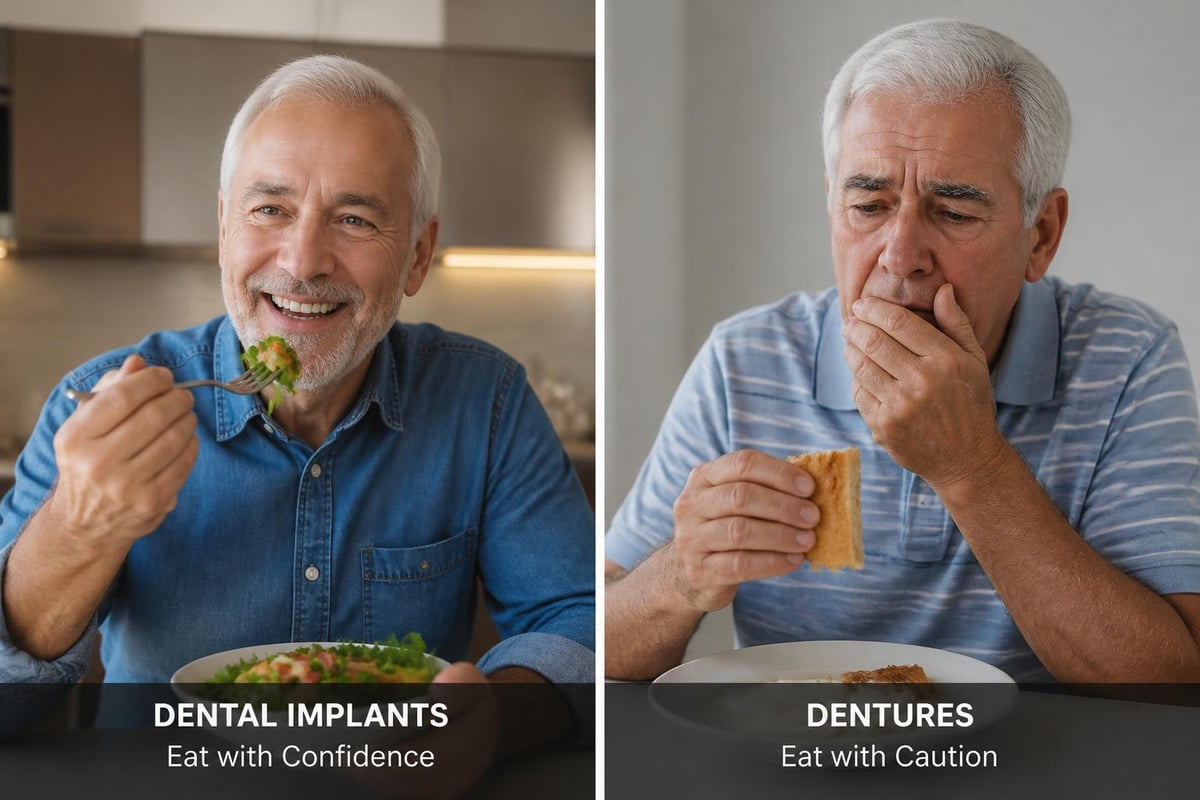
Dental implants allow you to enjoy your favorite foods without modification or concern. Unlike dentures that limit your diet to soft foods or create embarrassing moments when they slip, implants provide stability that matches natural teeth. You can bite into apples, enjoy corn on the cob, savor steaks, and eat sticky foods without worry.
This dietary freedom has nutritional implications. Many denture wearers unconsciously avoid healthy foods like raw vegetables, nuts, and lean proteins because they're difficult to chew. Dental implants eliminate these restrictions, supporting better overall health through improved nutrition.
Speech Clarity and Confidence
Missing teeth or ill-fitting dentures affect speech patterns, causing lisping, clicking sounds, or difficulty pronouncing certain words. Dental implants remain firmly in place, allowing natural tongue movement and proper airflow for clear pronunciation. Patients report increased confidence in professional settings, social situations, and public speaking after receiving implants.
Simplified Daily Maintenance
The care routine for dental implants mirrors natural tooth care: brushing twice daily, flossing, and regular dental checkups. Compare this simplicity to denture maintenance requiring nightly removal, soaking, special cleaning products, and adhesive application. Our patients appreciate returning to normal oral hygiene habits rather than adopting complicated maintenance routines.
The Psychological and Social Benefits of Permanent Teeth
Beyond physical health advantages, understanding why dental implants are a long-term investment requires acknowledging their profound impact on mental well-being and social confidence. The psychological benefits accumulate over years, affecting career opportunities, relationships, and overall life satisfaction.
Confidence That Compounds Over Time
Studies consistently demonstrate that people with complete, healthy smiles experience:
- Higher self-esteem in social and professional situations
- Increased willingness to smile and laugh freely
- Greater comfort in dating and romantic relationships
- Enhanced performance in job interviews and client meetings
- Reduced anxiety about dental-related embarrassment
The confidence boost from dental implants isn't temporary. Unlike the declining confidence that often accompanies deteriorating bridges or ill-fitting dentures, implant-supported teeth maintain their appearance and function for decades. This sustained confidence creates opportunities and experiences that compound over your lifetime.
Freedom from Dental Anxiety
Many denture wearers develop anxiety around eating in public, worried their teeth might slip or click. They avoid certain social situations, decline dinner invitations, or experience constant stress during meals. Dental implants eliminate these concerns permanently, allowing you to focus on enjoying experiences rather than managing dental appliances.
Patients at our Seguin clinic frequently describe the relief they feel after transitioning from dentures to implants. One patient noted, "I stopped avoiding restaurants and finally accepted that dinner invitation I'd been declining for months. I forgot how much I missed enjoying meals without worry."
Comparing Dental Implants to Alternative Solutions
To fully appreciate why dental implants are a long-term investment, examining direct comparisons with alternative tooth replacement options provides valuable context. Each solution serves specific needs, but the long-term outcomes differ significantly.
Dental Implants vs. Dentures: The Long-Term Perspective
The long-term benefits of dental implants over dentures become more pronounced as years pass. While dentures offer an immediate, economical solution, their limitations accumulate over time.
| Feature | Dental Implants | Dentures |
|---|---|---|
| Bone Preservation | Prevents bone loss | Accelerates bone loss |
| Stability | Permanent, no movement | Can slip, requires adhesive |
| Dietary Freedom | No restrictions | Limited to soft foods |
| Lifespan | 25+ years | 5-7 years |
| Speech Impact | Natural speech | May cause lisping |
| Daily Maintenance | Brush and floss normally | Remove, soak, clean daily |
Dentures may serve as an appropriate temporary solution or budget-conscious option for some patients. However, the progressive bone loss beneath dentures eventually affects facial structure and may complicate future implant placement if circumstances change.
Dental Implants vs. Bridges: Protecting Adjacent Teeth
When choosing between dental implants and bridges, consider the impact on surrounding teeth. Traditional bridges require grinding down adjacent healthy teeth to create anchors for the restoration. This irreversible modification increases cavity risk on those teeth and may necessitate root canals or additional dental work in the future.
Dental implants preserve adjacent teeth by standing independently without requiring support from neighboring teeth. This protective approach maintains your natural teeth in their original, healthy state. Over 20-30 years, this preservation often prevents thousands of dollars in additional dental treatments on adjacent teeth.
Success Rates and Clinical Evidence
The medical evidence supporting dental implants as a long-term investment continues strengthening as longitudinal studies track patient outcomes over decades. Research on dental implant durability consistently demonstrates exceptional success rates that improve with advancing technology.
What the Research Shows
Clinical studies reveal impressive statistics:
- 95-98% success rate for lower jaw implants
- 90-95% success rate for upper jaw implants
- 10-year survival rates exceeding 90%
- 20-year survival rates around 80-85%
- Success rates improving with modern techniques
These success rates surpass virtually all other dental restorations. Hip and knee replacements, often considered the gold standard for medical implants, show comparable success rates, placing dental implants among the most reliable medical procedures available.
Factors Influencing Long-Term Success
While dental implants demonstrate remarkable durability, certain factors influence long-term outcomes:
Success-promoting factors include:
- Excellent oral hygiene practices
- Regular dental checkups and professional cleanings
- Non-smoking status
- Controlled systemic health conditions
- Adequate bone density at implant site
- Working with experienced implant dentists
Patients with diabetes, osteoporosis, or who smoke can still receive dental implants successfully, though success rates may be slightly lower. Modern implant techniques and materials continue improving outcomes for patients with previously challenging health profiles.
The Role of Modern Technology in Implant Longevity
Advances in dental implant technology continue extending implant lifespan and improving patient outcomes. Understanding why dental implants are a long-term investment in 2026 requires recognizing how modern innovations enhance traditional implant benefits.
Computer-Guided Implant Placement
Digital planning software allows dentists to map implant placement with submillimeter precision before beginning surgery. 3D imaging reveals bone density, nerve locations, and sinus positions, enabling optimal implant positioning that maximizes stability and longevity. This precision reduces complications and improves long-term success rates.
Material Science Improvements
Today's dental implants utilize advanced materials engineered for biocompatibility and durability. Medical-grade titanium remains the gold standard due to its exceptional strength and osseointegration properties. Additionally, ceramic zirconia implants offer metal-free alternatives for patients with metal sensitivities or aesthetic concerns in visible areas.
Modern implant materials provide:
- Superior biocompatibility reducing rejection risk
- Enhanced surface treatments promoting faster osseointegration
- Improved corrosion resistance for decades of stability
- Stronger crown materials reducing restoration replacement frequency
Minimally Invasive Techniques
Contemporary implant procedures often utilize minimally invasive approaches that reduce healing time, discomfort, and complications. Some patients qualify for same-day teeth replacement with immediate load implants, walking out with functional temporary teeth on the day of surgery. These advances improve patient experience while maintaining the long-term durability that makes implants valuable.
Making Dental Implants Accessible and Affordable
Despite their long-term value, the upfront cost of dental implants remains a barrier for many patients. Fortunately, multiple strategies can make this investment more accessible without compromising quality.
Insurance Coverage and Financing Options
Dental insurance coverage for implants has expanded significantly in recent years. While coverage varies by plan, many policies now provide partial reimbursement for implant procedures, particularly when tooth loss results from accident or medical necessity. Understanding your dental insurance options helps maximize available benefits.
Financing strategies to consider:
- Dental-specific financing plans with promotional periods
- Health savings accounts (HSA) and flexible spending accounts (FSA)
- Payment plans through dental practices
- Medical credit cards designed for healthcare expenses
- Employer-sponsored dental benefits with implant coverage
Many practices, including Dental Plus Clinic, offer flexible payment arrangements that divide the total cost into manageable monthly installments. This approach makes the investment accessible while still delivering the long-term benefits that justify the expense.
Evaluating Quality vs. Cost
When considering dental implants, the lowest price doesn't always represent the best value. Bargain implants may use inferior materials, less experienced dentists, or rushed procedures that compromise long-term success. The true investment value comes from combining reasonable pricing with quality materials, experienced clinicians, and comprehensive follow-up care.
Questions to ask when evaluating implant providers:
- What implant systems and materials do you use?
- How many implant procedures has the dentist performed?
- What is your practice's implant success rate?
- What warranty or guarantee do you offer?
- What does the total cost include (imaging, surgery, crown, follow-up)?
Real Patient Experiences and Outcomes
Clinical statistics provide valuable information, but real patient experiences illustrate why dental implants are a long-term investment in practical, everyday terms. Patients consistently report life-changing improvements that extend far beyond dental health.
Career and Professional Impact
Multiple patients describe how dental implants improved their professional lives. One sales professional noted that her confidence increased dramatically after receiving implants, directly contributing to better client relationships and increased sales performance. Another patient, a teacher, reported that students paid better attention once he could speak clearly without the clicking sounds his dentures created.
Social and Relationship Benefits
The social freedom dental implants provide appears frequently in patient testimonials. Patients describe accepting dinner invitations they previously declined, dating with renewed confidence, and smiling freely in photographs without embarrassment. These experiences accumulate over years, creating a life substantially different from one limited by dental concerns.
Health and Wellness Improvements
Patients also report unexpected health benefits after receiving dental implants. Improved nutrition from expanded dietary options contributes to better overall health. Reduced stress from eliminating dental anxiety may improve mental health. The ability to exercise without worrying about dentures shifting enhances fitness routines.
Frequently Asked Questions About Dental Implants as an Investment
How long do dental implants actually last?
With proper care, dental implants can last 25 years or longer, with many patients enjoying their implants for life. The implant post itself rarely fails once osseointegration completes. The crown attached to the implant may require replacement every 10-15 years due to normal wear, but this represents a minor expense compared to replacing the entire restoration.
Are dental implants worth the cost compared to dentures?
Research shows dental implants offer superior value when evaluating total lifetime costs, functionality, and quality of life improvements. While the initial investment exceeds denture costs, the elimination of replacement expenses, superior functionality, and bone preservation create greater long-term value for most patients.
Can I afford dental implants if I have limited income?
Many dental practices offer financing options that make implants accessible to patients with various income levels. Monthly payment plans, dental financing companies, and the use of HSA or FSA accounts can divide the cost into manageable amounts. Additionally, considering the long-term savings compared to repeatedly replacing dentures or bridges makes implants financially viable for many patients.
What if my dental implant fails?
Modern dental implants have a success rate exceeding 95%, but occasional failures occur. Most experienced implant dentists offer warranties covering implant failure within specific timeframes. If an implant fails to integrate properly, it can typically be removed and replaced after the site heals. Choosing an experienced provider and following post-operative care instructions minimizes failure risk.
How do I know if I'm a good candidate for dental implants?
Most adults with missing teeth qualify as candidates for dental implants. Good candidates typically have adequate jawbone density, healthy gums, and good overall health. Patients with certain conditions like uncontrolled diabetes, active gum disease, or insufficient bone may need preliminary treatments before receiving implants. A comprehensive evaluation with an experienced implant dentist determines candidacy and identifies any necessary preparatory procedures.
Do dental implants require special maintenance?
Dental implants require the same basic care as natural teeth: brushing twice daily, daily flossing, and regular dental checkups. No special cleaning solutions, overnight soaking, or adhesives are necessary. This simplified maintenance routine contributes to long-term success while avoiding the complexity associated with denture care.
Can dental implants improve my overall health?
Yes, dental implants can positively impact overall health in multiple ways. They preserve jawbone density, preventing the facial sagging associated with bone loss. The ability to eat nutritious foods without dietary restrictions supports better nutrition. Eliminating chronic dental infections and inflammation may reduce risks for systemic health conditions. Additionally, improved oral health affects overall body health in ways that compound over decades.
What happens to the bone around dental implants over time?
When properly placed and maintained, dental implants stimulate surrounding bone tissue, maintaining bone density indefinitely. This stands in stark contrast to dentures, which accelerate bone loss. The ongoing stimulation from chewing forces transmitted through the implant signals your body to maintain bone in that area, preserving your facial structure and jaw strength throughout your lifetime.
Taking Action: Starting Your Dental Implant Journey
Understanding the theory behind why dental implants are a long-term investment provides valuable knowledge, but taking action creates actual results. The process of receiving dental implants follows a clear, structured path designed to maximize long-term success.
Initial Consultation and Evaluation
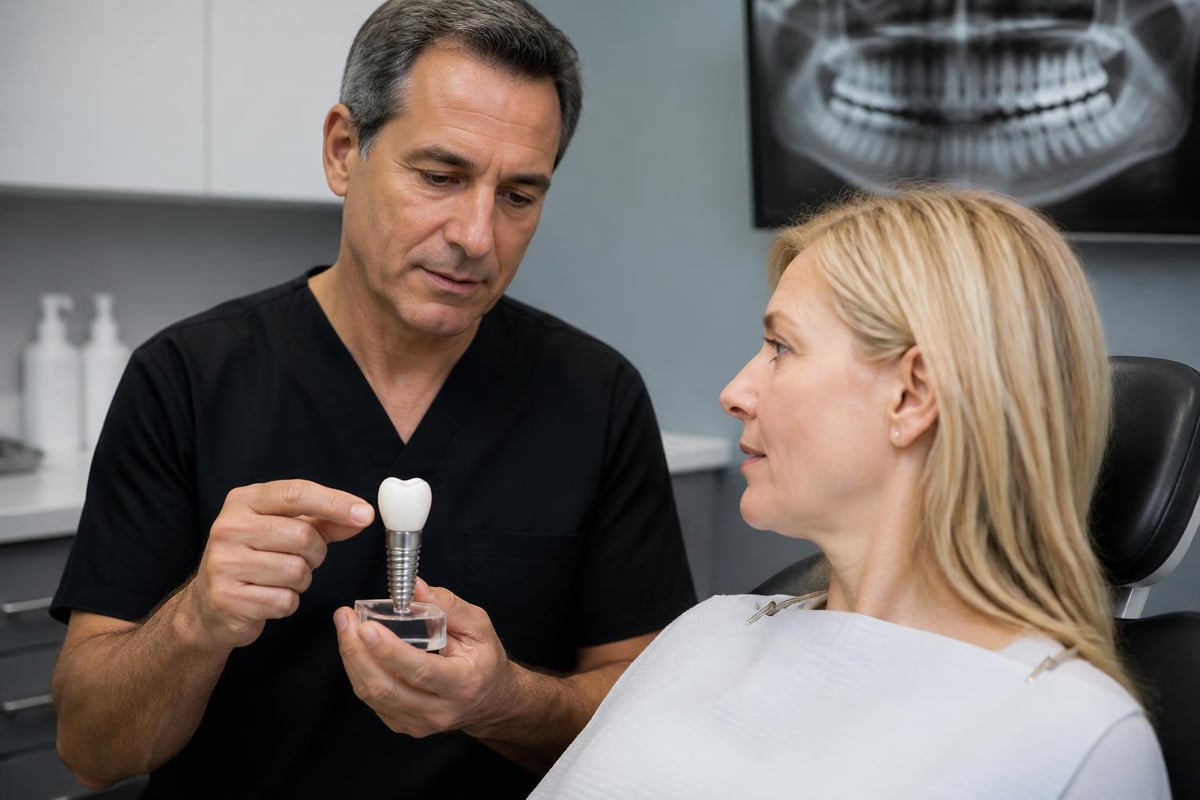
Your journey begins with a comprehensive evaluation assessing your oral health, bone density, and treatment goals. Advanced imaging including panoramic X-rays or CT scans reveals bone structure and identifies any preliminary treatments needed. During this consultation, discuss your concerns, expectations, and financial considerations to develop a personalized treatment plan.
The consultation typically includes:
- Complete oral examination
- Medical history review
- Digital imaging and diagnostic scans
- Discussion of treatment timeline and costs
- Review of financing and insurance options
- Answers to all your questions and concerns
Understanding the Treatment Timeline
Dental implant placement typically occurs in phases spread over several months, allowing proper healing between procedures. While this timeline may seem lengthy, it ensures optimal integration and long-term success.
Standard implant timeline:
- Initial surgery (Day 1): Implant post placement in jawbone
- Healing period (3-6 months): Osseointegration occurs
- Abutment placement: Connector piece attached to implant
- Final restoration (2-4 weeks later): Custom crown attached
- Follow-up appointments: Monitoring healing and function
Some patients qualify for accelerated protocols including same-day teeth options, particularly when replacing all teeth with full mouth dental implants or All-on-4 systems. Your dentist will recommend the appropriate approach based on your specific situation.
Preparing for Long-Term Success
Maximizing your implant investment requires:
- Following all pre-operative and post-operative instructions carefully
- Maintaining excellent oral hygiene throughout the process
- Attending all scheduled follow-up appointments
- Avoiding smoking during healing periods
- Reporting any concerns or unusual symptoms immediately
- Committing to long-term maintenance and regular checkups
The decisions you make today regarding your dental health will impact your quality of life for decades. Evaluating why dental implants are a long-term investment from multiple perspectives reveals their exceptional value for most patients facing tooth loss.
Finding the Right Implant Provider
The expertise and experience of your dental team significantly influence long-term implant success. When selecting an implant provider, consider factors beyond price including training, experience, technology, and patient care philosophy.
Qualities of excellent implant providers:
- Specialized training in implant dentistry
- Extensive experience with various implant systems
- Investment in modern diagnostic and surgical technology
- Comprehensive approach addressing overall oral health
- Clear communication about procedures, costs, and expectations
- Strong track record of successful outcomes
- Commitment to ongoing patient support and maintenance
Patients throughout Texas seeking dental implants near them have multiple options. Taking time to research providers, read patient reviews, and schedule consultations ensures you select a practice capable of delivering the long-term results that justify the investment.
Dental implants represent one of the most valuable investments you can make in your health, confidence, and quality of life. Their combination of durability, functionality, health benefits, and long-term cost-effectiveness creates exceptional value that compounds over decades. If you're ready to explore how dental implants can transform your life, Dental Plus Clinic offers comprehensive implant services at convenient locations throughout Texas, including specialized care from experienced professionals committed to your long-term dental health. Schedule a consultation today to discover how modern dental implants can provide the permanent, confident smile you deserve.