
Choosing the right dental implant material represents one of the most significant decisions in your tooth replacement journey. As dental technology advances in 2026, patients across Texas now have more options than ever before when considering permanent tooth replacement solutions. The debate between titanium implants vs ceramic implants continues to evolve as both materials offer distinct advantages for different clinical situations and patient preferences. Understanding these differences empowers you to make an informed choice that aligns with your oral health goals, aesthetic expectations, and long-term wellness priorities.
Material Composition and Structural Differences
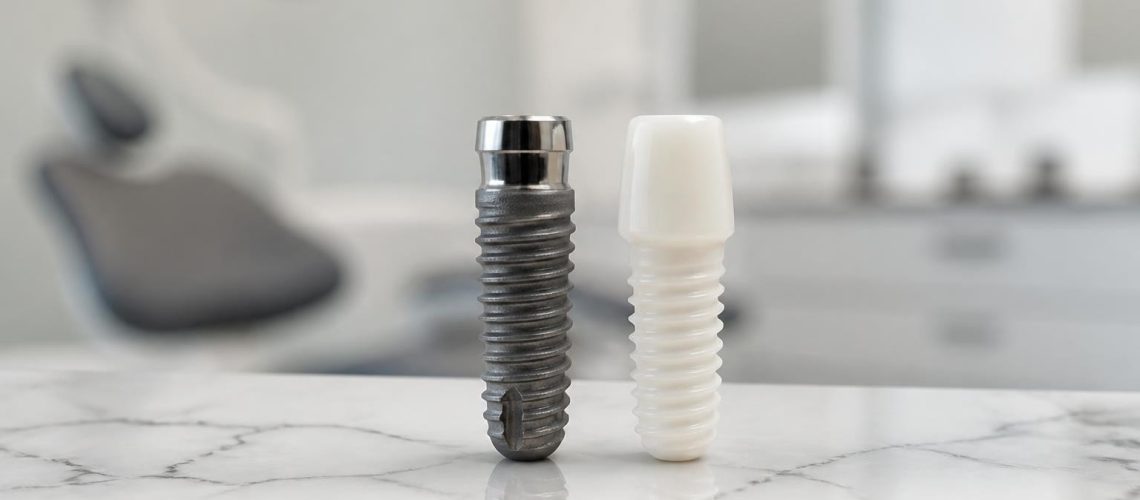
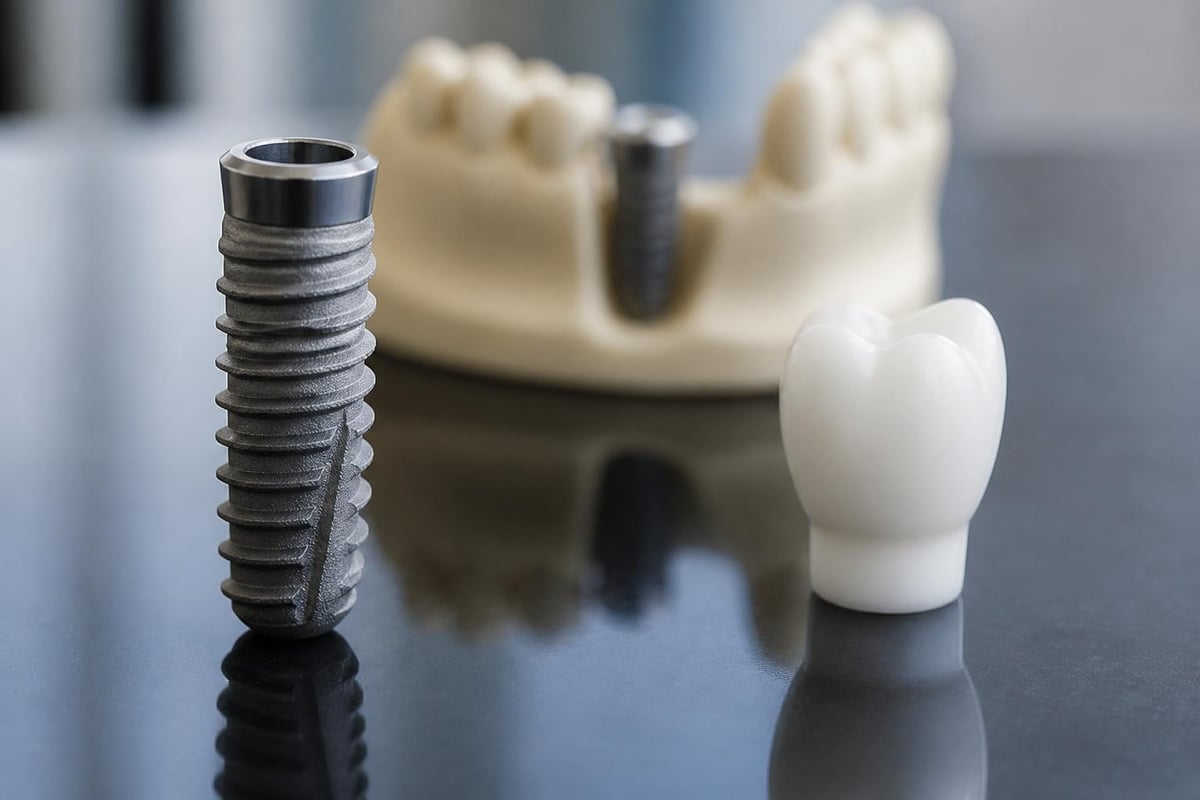
The fundamental distinction in titanium implants vs ceramic implants begins with their molecular structure and composition. Titanium implants utilize a biocompatible metal alloy, typically commercially pure titanium or titanium-6aluminum-4vanadium, which has been the gold standard in dental implantology for over five decades. This material exhibits exceptional strength-to-weight ratios and demonstrates remarkable resistance to corrosion in the oral environment.
Ceramic implants, conversely, are manufactured from zirconia, a crystalline dioxide of zirconium that appears white in color. Modern zirconia implants feature advanced material processing that creates high-density ceramic structures capable of withstanding significant occlusal forces. The manufacturing process involves controlled sintering at extremely high temperatures, resulting in a material that combines aesthetic appeal with functional durability.
Physical Properties That Matter
When evaluating titanium implants vs ceramic implants, several key physical characteristics influence clinical performance:
- Hardness: Zirconia rates higher on the Mohs hardness scale compared to titanium
- Fracture resistance: Titanium demonstrates superior flexibility and fracture toughness
- Thermal conductivity: Titanium conducts temperature changes more readily than ceramic
- Radiopacity: Titanium appears clearly on dental X-rays, while zirconia shows reduced visibility
- Surface texture: Both materials can be engineered with specific roughness patterns to promote osseointegration
The density of titanium typically ranges from 4.5 to 4.7 grams per cubic centimeter, while zirconia ceramic measures approximately 6.0 grams per cubic centimeter. This density difference affects how each material distributes stress forces throughout the jawbone during chewing and speaking activities.
| Property | Titanium Implants | Ceramic Implants |
|---|---|---|
| Material Base | Titanium alloy | Zirconia ceramic |
| Color | Gray metallic | White tooth-like |
| Flexural Strength | 900-1000 MPa | 900-1200 MPa |
| Elastic Modulus | 110 GPa | 200 GPa |
| Track Record | 50+ years | 20+ years |
Biocompatibility and Immune Response Considerations
Biocompatibility represents a critical factor when comparing titanium implants vs ceramic implants, particularly for patients with sensitivities or autoimmune conditions. Titanium has demonstrated exceptional biocompatibility in millions of successful implant procedures worldwide. The material forms a passive oxide layer on its surface that prevents ion release and promotes stable integration with bone tissue.
However, a small percentage of patients experience titanium sensitivity or allergic reactions. Research from 2025 suggests that approximately 0.6% of the population may exhibit some form of titanium hypersensitivity, though true allergic reactions remain extremely rare. For these individuals, ceramic implants offer a metal-free alternative that eliminates concerns about metallic ion release or electromagnetic sensitivity.
Osseointegration Performance
The process of osseointegration-where bone cells grow directly onto the implant surface-determines long-term implant success. Both materials achieve successful osseointegration, though through slightly different mechanisms:
Titanium osseointegration occurs through direct bone-to-implant contact, with the titanium oxide layer serving as a scaffold for bone growth. The material's slight flexibility allows for micromovement that stimulates healthy bone remodeling. Success rates for titanium implants consistently exceed 95% over ten-year periods when properly placed and maintained.
Ceramic osseointegration relies on the material's chemical stability and bio-inert properties. Zirconia's surface can be modified to enhance bone cell attachment, and recent advances in surface treatments have improved integration rates significantly. Studies tracking ceramic implant performance through 2026 report success rates approaching those of titanium, particularly in anterior aesthetic zones.
Patients with concerns about oral health impacts on overall wellness should discuss biocompatibility testing with their dental provider before proceeding with implant placement.
Aesthetic Outcomes and Visual Integration
The cosmetic appearance of dental implants often drives patient preference in the titanium implants vs ceramic implants discussion, especially for front teeth replacement. Ceramic implants provide unparalleled aesthetic advantages in situations where gum tissue may be thin or where patients have a high smile line that exposes the gum margin.
Titanium's gray metallic color can potentially show through thin gingival tissue, creating a shadowing effect that compromises the natural appearance of the restoration. This becomes particularly noticeable in patients with translucent gum tissue or those who have experienced gum recession. While pink porcelain can be applied to titanium abutments to mask this effect, the underlying metal may still be visible in certain lighting conditions.
Color Transmission Through Soft Tissue
Ceramic implants maintain their tooth-colored appearance throughout the entire implant structure, from the root form to the abutment connection. This eliminates the risk of gray show-through and creates a more natural color gradient beneath the gum line. When light passes through the crown and gingival tissue, ceramic implants reflect light similarly to natural tooth roots, enhancing the overall aesthetic result.
For patients seeking cosmetic dental solutions, the choice between materials often depends on the specific tooth location and visibility during smiling, speaking, and laughing. Back teeth may not require the same aesthetic considerations as front teeth, making titanium a practical choice for molars and premolars where strength matters more than appearance.
The transparency of modern all-ceramic crowns and bridges works harmoniously with ceramic implants, creating seamless integration that even dental professionals struggle to distinguish from natural dentition. According to comparative analyses of implant aesthetics, ceramic implants consistently score higher in patient satisfaction surveys focusing on cosmetic outcomes.
Strength, Durability, and Longevity Analysis
When evaluating titanium implants vs ceramic implants for long-term performance, clinical data reveals important distinctions in mechanical behavior under functional loads. Titanium's metallic structure provides inherent ductility, meaning the material can bend slightly under extreme pressure rather than fracturing catastrophically. This characteristic contributes to titanium's exceptional long-term survival rates.
Ceramic implants, being crystalline in structure, exhibit brittleness that makes them more susceptible to fracture under excessive lateral forces or impact trauma. Early-generation ceramic implants experienced higher failure rates due to fractures at the implant-abutment connection. Modern one-piece ceramic designs have addressed many of these concerns by eliminating the connection point, though this design limits restoration options.
Two-Piece vs One-Piece Design Implications
- Two-piece titanium implants allow for flexible restoration angles and replacement of damaged components
- One-piece ceramic implants eliminate micro-gaps but restrict prosthetic positioning options
- Two-piece ceramic systems now exist but require careful case selection to avoid fracture risk
- Titanium's modular design facilitates easier revision procedures if complications arise
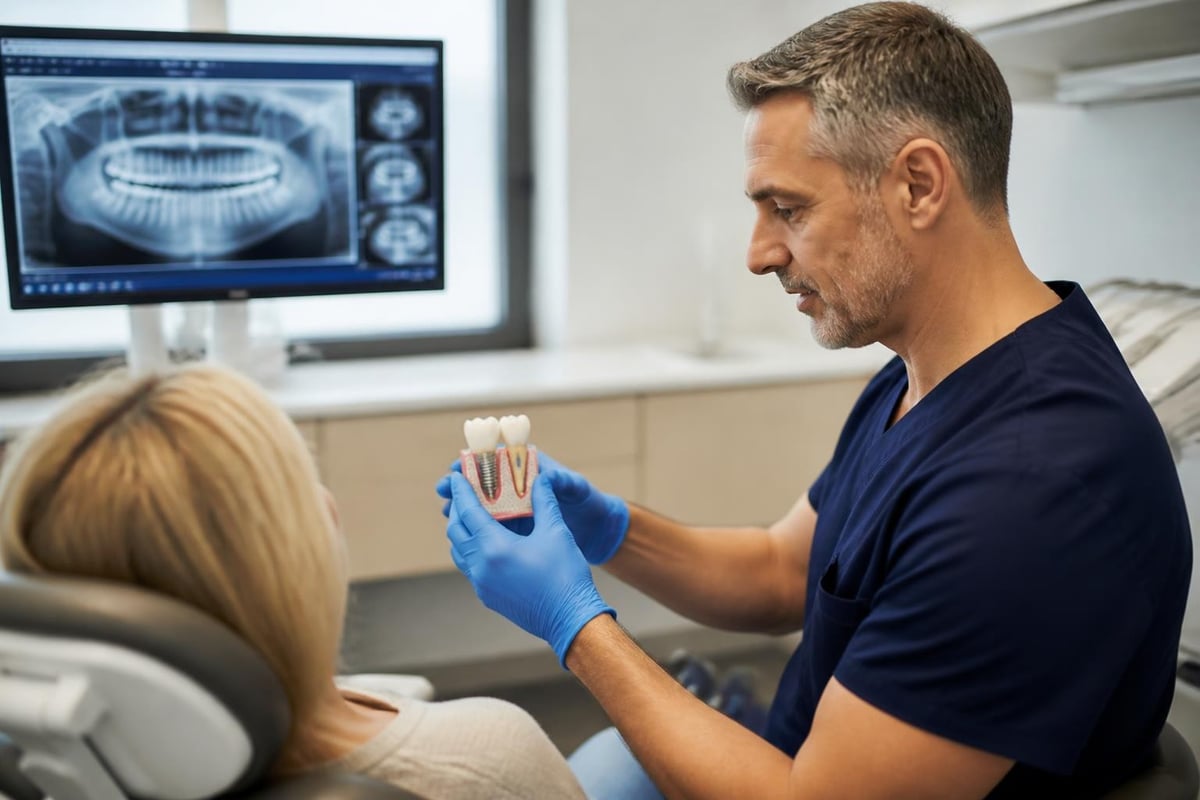
The choice between designs significantly impacts treatment planning for dental implant procedures. Patients with heavy bite forces, bruxism, or parafunctional habits may benefit from titanium's superior fracture resistance. Those seeking single-tooth replacement in the aesthetic zone with favorable bone anatomy often find one-piece ceramic implants ideal.
Clinical Success Rates and Evidence-Based Research
Examining the scientific literature on titanium implants vs ceramic implants reveals important differences in research depth and clinical track records. Titanium implants benefit from over fifty years of documented clinical use, with longitudinal studies tracking patient outcomes across multiple decades. This extensive evidence base provides high confidence in predicting long-term success across diverse patient populations.
Ceramic implant research, while growing rapidly, spans approximately twenty years of clinical documentation. Recent systematic reviews published in 2025 and 2026 demonstrate encouraging results, with five-year survival rates for ceramic implants reaching 95-98% in carefully selected cases. However, the long-term data beyond ten years remains limited compared to titanium's extensive documentation.
Success Rate Comparisons by Location
| Tooth Position | Titanium Success Rate | Ceramic Success Rate |
|---|---|---|
| Anterior (Front) | 97-99% at 10 years | 95-98% at 5 years |
| Premolar (Bicuspid) | 96-98% at 10 years | 94-97% at 5 years |
| Molar (Back) | 95-97% at 10 years | 92-95% at 5 years |
| Full Arch | 94-96% at 10 years | Limited data |
Patients interested in understanding who qualifies as a good candidate for dental implants should recognize that success rates depend heavily on individual factors including bone quality, oral hygiene, systemic health, and smoking status.
According to comprehensive guides on dental implant materials, both material types achieve excellent outcomes when properly indicated and expertly placed. The key lies in matching the implant material to the patient's specific clinical situation and personal preferences.
Cost Considerations and Investment Analysis
Financial factors play a significant role in the titanium implants vs ceramic implants decision-making process for most patients. Titanium implants generally cost between $1,500 and $2,500 per implant fixture, not including the abutment, crown, and surgical procedures. The widespread availability of titanium systems and extensive dentist training with these materials helps control costs.
Ceramic implants typically command premium pricing, ranging from $2,000 to $3,500 per implant fixture. The higher cost reflects several factors:
- Limited number of manufacturers producing ceramic systems
- Specialized training required for proper placement techniques
- One-piece designs requiring precise surgical protocols
- Smaller market share resulting in less competitive pricing
Total Treatment Investment Breakdown
When calculating dental implant costs, patients should consider the complete treatment expense:
- Diagnostic phase: CBCT scans, study models, treatment planning ($300-$500)
- Surgical phase: Implant placement, bone grafting if needed ($1,500-$4,000)
- Restorative phase: Abutment, crown fabrication, final placement ($1,500-$3,000)
- Maintenance phase: Annual check-ups, professional cleanings, periodic X-rays ($200-$400 yearly)
Insurance coverage varies significantly, with some plans covering a portion of implant treatment while others exclude implants entirely. Patients experiencing dental insurance denials may need to explore alternative financing options or payment plans offered through dental practices.
The long-term value proposition favors both materials when compared to alternative treatments like bridges or dentures. A properly maintained implant can last twenty to thirty years or longer, making the per-year cost surprisingly reasonable despite the upfront investment.
Procedure Differences and Treatment Timeline
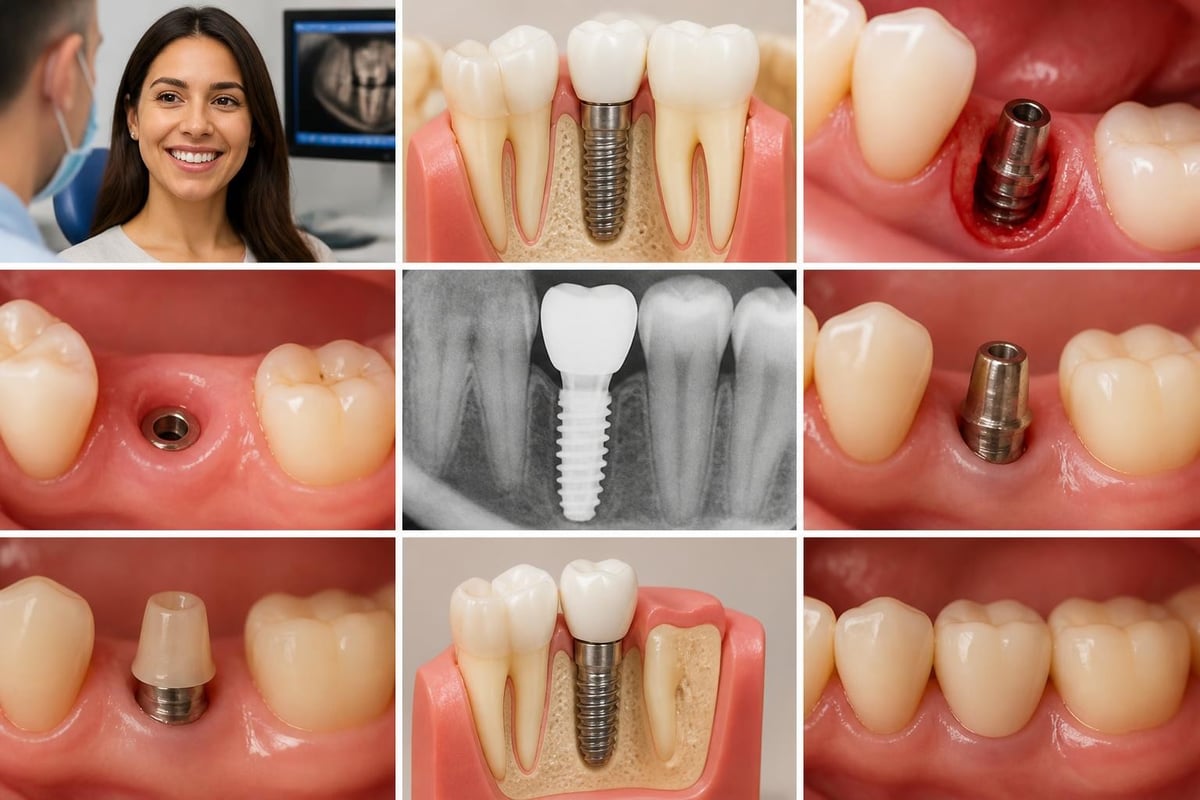
The surgical protocols for titanium implants vs ceramic implants share many similarities but diverge in several important aspects. Titanium implant placement has been refined over decades, with extensive documentation of optimal torque values, healing protocols, and loading timelines. Most dentists receive comprehensive training in titanium implant placement during their advanced education.
Ceramic implant placement requires additional considerations due to the material's brittleness. Surgeons must carefully control insertion torque to avoid microfractures that could compromise long-term stability. The drilling protocols often differ slightly, with specific bur sequences designed to prepare the osteotomy for ceramic implant characteristics.
Healing and Loading Protocols
Immediate loading involves placing the final crown on the implant during the same appointment as surgical placement. Titanium implants have well-established protocols for immediate loading in suitable cases, particularly for single-tooth replacement in favorable bone conditions.
Delayed loading requires a healing period of three to six months before placing the final restoration. This traditional approach remains the gold standard for both titanium and ceramic implants in challenging cases involving bone grafting or compromised bone quality.
Ceramic implants often require slightly longer healing periods due to their different osseointegration mechanisms. Conservative protocols recommend three to six months of healing before loading ceramic implants, though emerging evidence suggests earlier loading may be possible in ideal situations.
Patients exploring the latest dental implant technology should discuss timeline expectations with their dentist based on their specific clinical situation and chosen implant material.
Maintenance Requirements and Long-Term Care
Proper maintenance represents a crucial factor in maximizing the lifespan of both titanium and ceramic implants. The daily care routine remains essentially identical regardless of implant material, emphasizing thorough plaque removal and regular professional monitoring. However, subtle differences exist in how each material responds to various maintenance challenges.
Titanium implants develop a stable oxide layer that resists bacterial adhesion reasonably well, though peri-implantitis (inflammation around the implant) remains a concern when oral hygiene falters. The use of metal instruments during professional cleanings requires caution to avoid scratching the titanium surface, which could create retention sites for bacteria.
Cleaning Protocols and Product Recommendations
Daily home care for both implant types includes:
- Gentle brushing with a soft-bristled toothbrush twice daily
- Daily flossing using implant-specific floss or interdental brushes
- Antimicrobial mouth rinses as recommended by your dentist
- Water flossers set to appropriate pressure levels
- Regular inspection for signs of inflammation or bleeding
Professional maintenance visits should occur:
- Every three to four months during the first year post-placement
- Every six months thereafter for patients with excellent home care
- Every three to four months for patients with peri-implant disease history
- Immediately if any concerning symptoms develop
Ceramic implants may offer slight advantages in resisting bacterial colonization due to their smooth, non-porous surface. Research from 2026 suggests that plaque accumulates less readily on zirconia surfaces compared to titanium, potentially reducing long-term peri-implantitis risk. However, this advantage only materializes when combined with excellent oral hygiene practices.
Addressing Common Patient Concerns and Misconceptions
When discussing titanium implants vs ceramic implants with patients, several recurring concerns and misunderstandings typically arise. Addressing these proactively helps patients make decisions based on accurate information rather than marketing claims or internet misinformation.
Concern: "Are ceramic implants completely metal-free?"
Yes, zirconia ceramic implants contain no metallic components. This makes them suitable for patients seeking holistic or metal-free dental solutions. However, "metal-free" does not automatically mean "better" for all patients.
Concern: "Will titanium implants interfere with MRI scans?"
Titanium is non-magnetic and does not interfere with MRI procedures. Patients can safely undergo MRI scans with titanium dental implants without image distortion or safety concerns.
Concern: "Do ceramic implants last as long as titanium?"
Current evidence suggests ceramic implants can achieve longevity comparable to titanium when properly indicated and placed. However, titanium's longer track record provides more confidence in predicting outcomes beyond twenty years.
Making the Right Choice for Your Situation
Selecting between titanium implants vs ceramic implants requires honest assessment of your priorities and clinical circumstances:
Choose titanium implants when:
- Replacing posterior (back) teeth where aesthetics matter less
- You have heavy bite forces or grind your teeth
- Cost considerations significantly influence your decision
- Your dentist has extensive experience with titanium systems
- You need a two-piece system for prosthetic flexibility
Choose ceramic implants when:
- Replacing anterior (front) teeth in the aesthetic zone
- You have thin or translucent gum tissue
- You prefer metal-free dental restorations
- You have confirmed titanium sensitivity
- You have sufficient bone volume for proper placement
Consulting with experienced implant specialists at locations like Dental Plus Clinic in Seguin provides personalized guidance based on your unique anatomy and goals.
Special Considerations for Different Patient Populations
Certain patient groups face unique considerations when evaluating titanium implants vs ceramic implants. Understanding how each material performs in specific clinical scenarios helps optimize treatment outcomes and patient satisfaction.
Patients with Autoimmune Conditions
Individuals with autoimmune disorders sometimes express concern about titanium's potential to trigger immune responses. While true titanium allergies remain rare, some patients with multiple chemical sensitivities or metal hypersensitivities prefer avoiding all metallic materials. Ceramic implants provide peace of mind for these patients, eliminating one potential variable in managing their complex health conditions.
Patients with Bruxism or Heavy Bite Forces
Chronic teeth grinding (bruxism) or exceptionally strong bite forces create challenging conditions for any dental implant. According to information on factors that influence dental implant choice, titanium's superior fracture resistance makes it the preferred choice for patients with parafunctional habits. Nightguards remain essential regardless of implant material to protect both the implant and opposing natural teeth.
Younger Patients Planning Long-Term Replacement
Patients receiving implants in their twenties or thirties need solutions that will last potentially fifty to sixty years. Titanium's extensive long-term documentation provides confidence in predicting performance over such extended periods. While ceramic technology continues advancing rapidly, younger patients may prefer the proven track record that titanium offers.
Emerging Technologies and Future Developments
The field of dental implantology continues evolving rapidly, with innovations affecting both titanium and ceramic implant systems. Understanding upcoming developments helps patients make forward-looking decisions about their tooth replacement options.
Recent advances in titanium implant technology include:
- Surface modifications that accelerate osseointegration and reduce healing times
- Narrow-diameter implants that expand treatment possibilities in limited bone situations
- Antimicrobial coatings that reduce infection risk during the healing phase
- Smart implants with embedded sensors to monitor integration progress
Ceramic implant innovations focus on:
- Two-piece ceramic systems that combine aesthetic benefits with prosthetic flexibility
- Enhanced zirconia formulations with improved fracture resistance
- Hybrid designs incorporating both ceramic and titanium components
- Computer-aided manufacturing that ensures precise dimensional accuracy
Research continues exploring the differences between various dental implant options, including surface treatments, connection designs, and loading protocols. Patients considering implants in 2026 benefit from more sophisticated options than were available even five years ago.
Frequently Asked Questions
How do I know if I'm a good candidate for ceramic implants specifically?
Good candidates for ceramic implants typically have adequate bone volume, good oral hygiene, non-heavy bite forces, and aesthetic concerns in visible areas. A thorough clinical examination with CBCT imaging helps determine suitability.
Can ceramic implants be used for full-arch replacements?
While possible, full-mouth dental implants typically utilize titanium due to the extensive clinical documentation and superior strength characteristics needed for supporting complete arch prostheses.
Do ceramic implants require special cleaning products?
No, ceramic implants can be cleaned using the same oral hygiene products recommended for titanium implants. The key is gentle, thorough daily plaque removal rather than specific product formulations.
How long after extraction can implants be placed?
Both titanium and ceramic implants can be placed immediately after extraction, after several weeks of initial healing, or after complete bone remodeling (three to six months). The optimal timing depends on bone quality, infection presence, and aesthetic requirements.
What happens if a ceramic implant fractures?
Fractured ceramic implants typically require complete removal and replacement. Unlike titanium two-piece systems where components can be replaced individually, one-piece ceramic designs cannot be repaired in situ. This represents one significant disadvantage of ceramic materials.
Are there financing options for dental implant treatment?
Most dental practices, including Dental Plus Clinic locations throughout Texas, offer financing plans to help manage implant treatment costs. Third-party healthcare financing companies provide various payment options with different interest rates and terms.
How do I choose between getting a dental implant or bridge?
The choice between dental implants and bridges depends on the condition of adjacent teeth, bone quality, budget, and timeline preferences. Implants preserve bone and don't require altering neighboring teeth, while bridges can be completed more quickly and at lower initial cost.
Can I switch from titanium to ceramic implants if I already have some titanium implants?
Yes, you can have different implant materials in your mouth simultaneously. There's no contraindication to having both titanium and ceramic implants, though maintaining consistent prosthetic protocols simplifies long-term maintenance.
Do insurance plans cover ceramic implants differently than titanium?
Insurance coverage typically focuses on the procedure (implant placement) rather than the specific material used. However, some plans may limit coverage based on medical necessity criteria. Understanding different dental plan options helps navigate coverage questions.
How soon can I eat normally after implant placement?
Soft food diets are typically recommended for the first week following implant surgery regardless of material. Gradual return to normal diet occurs over two to three weeks for delayed loading protocols. Immediate loading situations may allow faster dietary progression under professional guidance.
What are the warning signs of implant complications?
Warning signs include persistent pain, swelling, bleeding, implant mobility, pus discharge, or loosening of the restoration. Any concerning symptoms warrant immediate professional evaluation. Resources on understanding tooth pain provide additional context for recognizing problematic symptoms.
Can ceramic implants be used for All-on-4 procedures?
While technically possible, All-on-4 and similar full-arch rehabilitation protocols predominantly utilize titanium implants due to their proven success rates, greater strength, and established loading protocols for these complex cases.
Regional Considerations for Texas Patients
Patients across Texas communities including Beeville, Converse, Leander, New Braunfels, and Seguin face similar decisions regarding titanium implants vs ceramic implants. The hot Texas climate doesn't directly affect implant performance, but lifestyle factors common in the region deserve consideration.
Active outdoor lifestyles popular in Texas increase the risk of dental trauma from sports injuries, cycling accidents, or recreational activities. Titanium's superior fracture resistance provides an advantage for patients engaged in contact sports or activities with fall risks. Mouthguard use remains essential for protecting both natural teeth and implants during high-risk activities.
The diverse population throughout Texas includes individuals from various cultural backgrounds with different aesthetic preferences and expectations. According to comparative resources on ceramic versus titanium options, patient satisfaction correlates strongly with how well the final result aligns with personal aesthetic values. Open communication about expectations helps ensure treatment success.
Access to experienced implant dentists varies across Texas regions. Urban centers typically offer more providers trained in both titanium and ceramic implant systems, while smaller communities may have limited access to ceramic implant expertise. Finding a dentist with extensive experience in your chosen implant material significantly influences treatment outcomes. Information on when to consider switching dentists helps patients evaluate their current provider relationships.
Making Your Decision: A Systematic Approach
Approaching the titanium implants vs ceramic implants decision systematically ensures you weigh all relevant factors appropriately. Consider creating a decision matrix that scores each option based on your personal priorities:
Step 1: Identify Your Top Priorities
Rank the following factors from most to least important for your situation: aesthetics, proven longevity, cost, biocompatibility, strength, dentist expertise, and material preference.
Step 2: Assess Your Clinical Situation
Work with your dentist to evaluate bone quality, bite forces, aesthetic demands, and any anatomical limitations that might favor one material over another.
Step 3: Explore Provider Experience
Ask potential dentists about their experience with both materials, complication rates, and patient satisfaction outcomes. Dentists comfortable with both options can provide unbiased guidance.
Step 4: Review Financial Implications
Calculate total treatment costs for each option including potential long-term maintenance differences. Explore financing options and insurance coverage to understand your actual out-of-pocket expenses.
Step 5: Consider Long-Term Implications
Think beyond the initial treatment to consider how each option might perform over twenty to thirty years. Factor in your age, overall health trajectory, and likelihood of future dental needs.
Resources from organizations like Ceramic Implants educational sites and comparative implant analyses provide additional perspectives to inform your decision-making process.
The complexity of choosing between titanium implants vs ceramic implants reflects the sophisticated nature of modern dental implant treatment. Neither material represents a universally superior choice. Instead, the optimal selection depends entirely on matching implant characteristics to your unique clinical situation, personal preferences, and long-term goals. Patients who invest time in understanding these differences and work collaboratively with experienced dental professionals achieve the most satisfying outcomes.
Understanding the nuances between titanium implants vs ceramic implants empowers you to participate actively in treatment planning and select the option best suited to your needs. Whether you prioritize proven longevity, aesthetic perfection, metal-free materials, or cost-effectiveness, modern dental implant options provide excellent solutions for tooth replacement. The experienced team at Dental Plus Clinic offers comprehensive implant consultations at convenient Texas locations in Beeville, Converse, Leander, New Braunfels, and Seguin, helping you navigate these important decisions with personalized guidance based on your unique circumstances. Schedule your consultation today to explore which implant material will help you achieve your healthiest, most confident smile for decades to come.