

Dental implants represent one of the most significant investments in oral health, yet the cost of dental implants with insurance remains a critical concern for patients across Texas. Understanding how insurance coverage affects the final price can make the difference between delaying treatment and moving forward with confidence. At Dental Plus Clinic, we recognize that navigating insurance benefits and out-of-pocket expenses requires clear, actionable information to help you make informed decisions about your dental health.
Understanding Dental Implant Costs in 2026
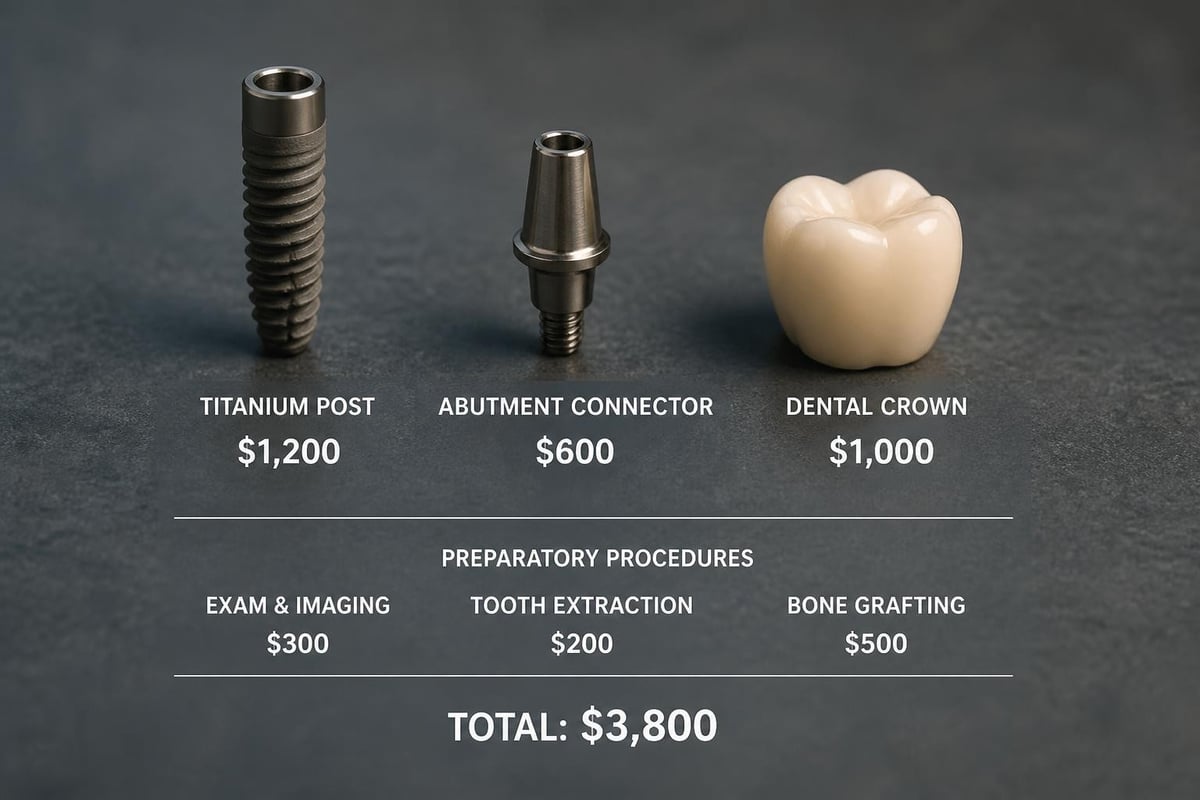
The cost of dental implants with insurance varies significantly based on several factors, including the complexity of your case, the number of implants needed, and your specific insurance coverage. In 2026, the average cost for a single dental implant ranges from $3,000 to $6,000 without insurance consideration. This price includes the implant post, abutment, and crown.
Components of Dental Implant Pricing
Understanding what drives the total cost helps you evaluate insurance coverage more effectively. Each dental implant consists of three primary components:
- Titanium implant post: The surgical component placed into your jawbone
- Abutment: The connector piece between the post and crown
- Dental crown: The visible tooth replacement that matches your natural teeth
Additional procedures may increase costs substantially. Bone grafting, sinus lifts, or tooth extractions can add $500 to $3,000 per procedure depending on complexity. Understanding the latest dental implant technology helps patients appreciate how modern techniques can improve outcomes and potentially reduce long-term costs.
How Insurance Coverage Affects Your Total Cost
Most dental insurance plans categorize implants as a major procedure, typically offering coverage between 50% and 80% of the total cost after you meet your annual deductible. However, annual maximum benefits create significant limitations that every patient should understand before proceeding with treatment.
Annual Maximum Limitations
The majority of dental insurance plans impose an annual maximum benefit between $1,000 and $2,000. This cap represents the total amount your insurance will pay for all dental procedures within a calendar year. When the cost of dental implants with insurance exceeds this maximum, you become responsible for the remaining balance.
| Insurance Coverage Level | Annual Maximum | Typical Coverage % | Patient Responsibility |
|---|---|---|---|
| Basic Plan | $1,000-$1,500 | 50% | $2,500-$5,000 |
| Standard Plan | $1,500-$2,000 | 50-60% | $2,200-$4,500 |
| Premium Plan | $2,000-$3,000 | 60-80% | $1,500-$3,600 |
According to Aspen Dental’s comprehensive cost guide, patients should carefully review their annual maximum before scheduling implant procedures to avoid unexpected out-of-pocket expenses.
Medical vs. Dental Insurance Coverage
In specific circumstances, medical insurance may contribute to implant costs when the tooth loss results from an accident, injury, or medical condition. This distinction becomes particularly important for patients who have exhausted their dental insurance maximum. Health insurance coverage for dental implants typically requires substantial documentation proving medical necessity rather than cosmetic improvement.
Factors That Influence Insurance Reimbursement
Insurance companies evaluate multiple factors when determining coverage for dental implants. Understanding these criteria helps patients navigate the approval process more effectively and potentially increase their reimbursement percentage.
Documentation Requirements
Comprehensive documentation strengthens your insurance claim and demonstrates medical necessity. Your dentist should provide:
- Detailed treatment plan with itemized costs for each procedure
- Diagnostic radiographs showing bone structure and tooth condition
- Clinical photographs documenting current oral health status
- Medical history linking tooth loss to accidents, disease, or congenital conditions
- Pre-authorization request submitted before beginning treatment
Alternative Treatment Considerations
Insurance companies often require proof that alternative treatments are unsuitable for your specific situation. Dentures and bridges typically cost less than implants, making them preferred options from an insurance perspective. Comparing dental implants versus dentures helps patients understand why implants offer superior long-term value despite higher initial costs.
The cost of dental implants with insurance becomes more favorable when you can demonstrate that traditional alternatives would fail due to insufficient bone structure, allergies to denture materials, or the need to preserve adjacent healthy teeth.

Out-of-Pocket Expenses: What to Expect
Even with insurance coverage, patients should prepare for significant out-of-pocket expenses. In 2026, the average patient pays between $1,500 and $4,500 per implant after insurance benefits are applied. Understanding these costs in advance prevents financial surprises and allows proper budget planning.
Breaking Down Patient Costs
Your total out-of-pocket expense includes several components beyond the basic procedure cost:
- Annual deductible: $50-$150 before insurance coverage begins
- Coinsurance percentage: Your share of costs after deductible (typically 20-50%)
- Amount exceeding annual maximum: All costs beyond your plan's yearly limit
- Non-covered services: Procedures insurance classifies as cosmetic or unnecessary
At Dental Plus Clinic locations across Texas, our financial coordinators provide detailed cost estimates showing exactly what your insurance will cover and what you'll pay directly. This transparency helps families budget appropriately and explore financing options when needed.
Multiple Implant Cost Scenarios
The cost of dental implants with insurance becomes more complex when multiple teeth require replacement. Full-mouth reconstruction or All-on-4 dental implants can cost between $20,000 and $50,000 before insurance, with patients typically paying $15,000 to $40,000 after benefits.
| Number of Implants | Total Cost Before Insurance | Typical Insurance Payment | Patient Responsibility |
|---|---|---|---|
| Single Implant | $3,000-$6,000 | $1,000-$2,000 | $2,000-$5,000 |
| 2-3 Implants | $6,000-$18,000 | $2,000-$3,000 | $4,000-$15,000 |
| All-on-4 | $20,000-$30,000 | $2,000-$3,000 | $17,000-$28,000 |
| Full Mouth | $40,000-$50,000 | $2,000-$3,000 | $37,000-$48,000 |
Maximizing Your Insurance Benefits
Strategic planning can significantly reduce the cost of dental implants with insurance by optimizing how you use available benefits. Patients who understand insurance timing and coordination can potentially save thousands of dollars on comprehensive implant treatment.
Timing Treatment Across Calendar Years
Spreading implant procedures across two calendar years allows you to access your annual maximum twice. For example, completing preparatory work like extractions and bone grafting in December 2026, then placing the implant and crown in January 2027, doubles your available insurance benefits from $2,000 to $4,000.
This strategy works particularly well for patients requiring multiple implants. Your dental team can create a phased treatment plan that maximizes insurance reimbursement while maintaining optimal clinical outcomes.
Coordination of Benefits
Patients with dual coverage through separate insurance policies can coordinate benefits to increase total reimbursement. Your primary insurance pays first according to their benefits schedule, then your secondary insurance may cover a portion of the remaining balance.
However, combined payments cannot exceed 100% of the total procedure cost. Understanding how dental insurance plans cover implants helps you realistically estimate total coverage when coordinating multiple policies.
Alternative Financing Options
When insurance coverage proves insufficient, several financing solutions help manage the cost of dental implants with insurance gaps. Many patients combine insurance benefits with alternative payment methods to make implants affordable without delaying necessary treatment.
In-House Payment Plans
Dental Plus Clinic offers flexible payment plans that allow patients to spread costs over 6 to 24 months with low or zero interest. These arrangements eliminate the need for third-party financing and provide predictable monthly payments that fit within family budgets.
Benefits of in-house financing include:
- No credit check requirements for qualified patients
- Simple approval process with immediate decisions
- Flexible terms based on individual financial situations
- Direct relationship with your dental provider
- No hidden fees or prepayment penalties
Third-Party Healthcare Financing
Companies like CareCredit and LendingClub provide healthcare-specific financing with promotional periods offering zero percent interest for 6 to 24 months. These options work well for patients with good credit who can repay the balance during the promotional period.
Dental Savings Plans
For patients without insurance, dental savings plans offer 10% to 60% discounts on procedures including implants. Annual membership fees range from $100 to $200, making these plans cost-effective alternatives when insurance coverage is unavailable or inadequate.

Special Considerations for Texas Patients
Geographic location affects both treatment costs and insurance coverage. Patients seeking dental implants in Texas benefit from competitive pricing compared to coastal metropolitan areas while maintaining access to advanced technology and experienced specialists.
Regional Cost Variations
The cost of dental implants with insurance varies across Texas based on local economic factors and provider expertise. Urban areas like Austin and San Antonio typically charge 10% to 15% more than smaller communities, though these differences often reflect higher overhead costs rather than quality differences.
Dental Plus Clinic maintains consistent pricing across all five Texas locations in Beeville, Seguin, New Braunfels, Leander, and Converse, ensuring patients receive fair, transparent costs regardless of which clinic they choose.
State-Specific Insurance Regulations
Texas insurance regulations require clear disclosure of coverage limitations and exclusions. Patients should specifically ask about:
- Waiting periods for major procedures like implants
- Missing tooth clauses that exclude coverage for teeth lost before policy enrollment
- Age restrictions limiting implant coverage for pediatric or senior patients
- Network requirements mandating treatment at specific providers
Understanding these provisions prevents claim denials and helps patients select insurance plans offering meaningful implant coverage.
Pre-Authorization: Critical First Step
Submitting a pre-authorization request before beginning treatment protects patients from unexpected costs and clarifies exactly what insurance will cover. This process typically takes 2 to 4 weeks but provides definitive answers about coverage and patient responsibility.
What Pre-Authorization Reveals
Your insurance company's pre-authorization response specifies:
- Covered procedures and their allowed amounts
- Non-covered services you must pay entirely out-of-pocket
- Alternative treatment suggestions your insurance prefers
- Required documentation to support medical necessity
- Estimated patient responsibility after insurance payments
According to detailed insurance cost analyses, patients who skip pre-authorization face claim denials 40% more frequently than those who complete this critical step.
Appealing Denied Claims
Insurance companies deny implant coverage for various reasons, but many denials can be successfully appealed with proper documentation. Common denial reasons include:
- Insufficient documentation of medical necessity
- Classification as cosmetic rather than restorative
- Missing tooth exclusions in policy language
- Exceeding annual maximum benefits
- Treatment from out-of-network providers
Working with your dental office's insurance coordinator significantly improves appeal success rates. Dental Plus Clinic’s team helps patients navigate appeals, providing necessary documentation and clinical justification to overturn inappropriate denials.
Comparing Costs: Implants vs. Alternatives
The cost of dental implants with insurance may initially seem high compared to bridges or dentures, but long-term value calculations often favor implants for eligible candidates. Understanding these comparisons helps patients make financially sound decisions aligned with their oral health goals.
Lifetime Cost Analysis
While dentures cost $1,000 to $3,000 initially, they require replacement every 5 to 7 years and frequent adjustments costing $200 to $500 annually. Over a 20-year period, denture expenses can exceed implant costs while providing inferior function and aesthetics.
20-Year Cost Comparison:
| Treatment Option | Initial Cost | Maintenance/Replacement | Total 20-Year Cost |
|---|---|---|---|
| Dental Implant | $3,000-$6,000 | $0-$500 | $3,000-$6,500 |
| Fixed Bridge | $2,500-$5,000 | $1,500-$3,000 | $4,000-$8,000 |
| Partial Denture | $1,500-$3,000 | $6,000-$10,000 | $7,500-$13,000 |
| Full Denture | $2,000-$4,000 | $8,000-$15,000 | $10,000-$19,000 |
Patients interested in understanding whether dental implants or bridges better suit their needs should consider both immediate costs and long-term value when making treatment decisions.
Understanding Your Insurance Policy Details
Not all dental insurance policies treat implants identically. Reading your specific policy documents reveals critical details affecting the cost of dental implants with insurance coverage and helps prevent unexpected expenses.
Key Policy Sections to Review
Successful navigation of insurance benefits requires careful examination of several policy components:
Coverage Categories:
- Diagnostic and preventive services (typically 100% covered)
- Basic procedures including fillings and extractions (70-80% covered)
- Major procedures including implants (50-80% covered)
- Orthodontic services (often separate or excluded)
Exclusions and Limitations:
- Pre-existing condition clauses
- Missing tooth exclusions
- Age-based restrictions
- Cosmetic procedure exclusions
Network Provisions:
- In-network vs. out-of-network benefits
- Allowed amounts for specific procedures
- Balance billing protections
- Referral requirements
Resources explaining insurance coverage for dental implants help patients interpret complex policy language and identify potential coverage gaps before beginning treatment.
Candidacy and Medical Necessity
Insurance coverage often hinges on whether implants are deemed medically necessary rather than cosmetic. Understanding how insurance companies evaluate medical necessity helps patients and dentists build stronger cases for coverage approval.
Conditions Supporting Medical Necessity
Certain conditions strengthen claims that implants are medically necessary:
- Traumatic tooth loss from accidents or injuries
- Congenital conditions causing missing teeth
- Cancer treatment requiring tooth extraction
- Severe periodontal disease causing tooth loss
- Failed previous dental work requiring replacement
Patients wondering about their candidacy for dental implants should discuss both clinical suitability and insurance implications with their dental team during initial consultations.
Documentation Building Stronger Cases
Comprehensive documentation transforms cosmetic classifications into medically necessary treatments. Your dentist should include:
- Clinical examination findings detailing functional impairment
- Patient complaints regarding chewing difficulty or pain
- Radiographic evidence showing bone loss or structural problems
- Treatment alternatives and why they're unsuitable
- Long-term prognosis for implants versus other options
Multi-Year Treatment Planning
Complex cases requiring multiple implants benefit from strategic multi-year planning that maximizes insurance benefits while maintaining clinical excellence. This approach reduces the cost of dental implants with insurance by spreading procedures across multiple benefit periods.
Phased Treatment Advantages
Breaking comprehensive treatment into distinct phases offers several benefits:
- Accessing multiple years of annual maximum benefits
- Allowing healing time between surgical procedures
- Spreading costs over extended periods
- Adjusting treatment based on initial outcomes
- Managing financial burden through smaller incremental expenses
For patients considering full mouth dental implants, phased treatment can reduce immediate out-of-pocket costs from $30,000 to manageable annual payments of $10,000 to $15,000.
Clinical Considerations
While financial benefits drive multi-year planning, clinical outcomes remain paramount. Your dentist evaluates whether phased treatment maintains:
- Proper bite alignment throughout the process
- Adequate chewing function during interim stages
- Aesthetic appearance with temporary solutions
- Bone preservation in untreated areas
- Overall oral health during extended treatment timelines
Employer-Sponsored vs. Individual Insurance
The type of insurance policy you carry significantly affects the cost of dental implants with insurance coverage. Employer-sponsored plans typically offer better implant benefits than individual policies purchased on healthcare exchanges.
Employer Plan Advantages
Group insurance through employers generally provides:
- Higher annual maximums ($2,000-$3,000 vs. $1,000-$1,500)
- Better coverage percentages (60-80% vs. 50-60%)
- Fewer exclusions for pre-existing conditions
- Lower premiums through employer contributions
- More comprehensive major procedure coverage
Individual Market Limitations
Patients purchasing individual dental insurance face stricter limitations that increase out-of-pocket costs for implants. Common restrictions include:
- Missing tooth clauses excluding teeth lost before enrollment
- Extended waiting periods of 12-24 months for major procedures
- Lower annual maximums limiting total reimbursement
- Higher deductibles before coverage begins
- More restrictive network requirements
Dental Discount Plans as Alternatives
For patients whose insurance provides minimal implant coverage, dental discount plans offer an alternative approach to reducing the cost of dental implants with insurance alternatives. These membership programs differ fundamentally from traditional insurance.
How Discount Plans Work
Members pay annual fees between $100 and $200 to access negotiated discounts at participating dental offices. Unlike insurance, these plans:
- Have no annual maximums limiting benefits
- Require no claim submissions or approvals
- Provide immediate access without waiting periods
- Exclude no procedures based on pre-existing conditions
- Apply to all dental services including cosmetic procedures
Typical Discount Plan Savings:
| Procedure Type | Standard Cost | Discount Plan Cost | Savings |
|---|---|---|---|
| Single Implant | $3,500 | $2,500-$2,800 | 20-30% |
| Implant Crown | $1,500 | $1,050-$1,200 | 20-30% |
| Bone Graft | $1,200 | $840-$960 | 20-30% |
| All-on-4 | $25,000 | $17,500-$20,000 | 20-30% |
Comprehensive cost guides help patients compare traditional insurance benefits against discount plan savings to determine which approach offers better value for their specific situation.
Frequently Asked Questions
Does dental insurance cover implants at all?
Most dental insurance policies provide some coverage for dental implants, typically classifying them as major procedures with 50% to 80% coverage after deductibles. However, annual maximum benefits between $1,000 and $2,000 limit total reimbursement, meaning patients still pay substantial out-of-pocket costs even with insurance.
How much will I pay for a single implant with insurance?
The cost of dental implants with insurance typically ranges from $1,500 to $4,500 per tooth for patients with coverage. This amount represents your share after insurance pays its portion, including any costs exceeding your annual maximum benefit.
Can I use medical insurance for dental implants?
Medical insurance may cover dental implants when tooth loss results from accidents, injuries, or medical conditions rather than decay or periodontal disease. Patients must provide extensive documentation proving medical necessity, and coverage decisions vary significantly between insurance carriers.
What if my insurance denies coverage?
Insurance denials can often be appealed successfully with proper documentation and clinical justification. Working with your dental office's insurance coordinator improves appeal outcomes by ensuring all necessary information supports medical necessity rather than cosmetic classification.
Should I wait until I have better insurance?
Delaying implant treatment can lead to bone loss requiring additional procedures like grafting, ultimately increasing total costs. Understanding dental implant procedures helps patients recognize that timely treatment often proves less expensive than delayed intervention, even with current insurance limitations.
How long do I have to wait for insurance coverage?
Most dental insurance policies impose waiting periods of 6 to 12 months for major procedures like implants. Individual policies purchased on healthcare exchanges often require 12 to 24 months before implant coverage begins.
Do all dentists accept my insurance?
Insurance acceptance varies by dental practice and specific insurance plans. Dental Plus Clinic works with most major insurance carriers and helps patients maximize their benefits regardless of network status. Out-of-network benefits typically reimburse at lower percentages than in-network treatment.
Can I finance the portion insurance doesn't cover?
Multiple financing options help manage costs exceeding insurance coverage, including in-house payment plans, third-party healthcare financing through companies like CareCredit, and dental savings plans offering percentage discounts. Many patients combine insurance benefits with financing to make implants affordable.
How do I know if implants are worth the investment?
Dental implants offer superior longevity, function, and aesthetics compared to alternatives like bridges or dentures. When considering actual dental implant costs over 20+ years, implants often prove more economical despite higher initial expenses. Patients should evaluate both immediate costs and long-term value when making treatment decisions.
What documentation does my insurance need?
Insurance companies typically require comprehensive treatment plans, diagnostic radiographs, clinical photographs, detailed medical history, and pre-authorization requests before approving implant coverage. Your dental office should submit all necessary documentation to maximize approval chances.
Making Treatment Affordable for Texas Families
Financial concerns should never prevent necessary dental treatment. Understanding the cost of dental implants with insurance empowers patients to make informed decisions while exploring all available options for managing expenses.
Payment Strategy Development
Creating a comprehensive payment strategy combines multiple approaches:
- Maximize insurance benefits through proper timing and documentation
- Explore financing options offering manageable monthly payments
- Consider phased treatment spreading costs across multiple years
- Investigate discount programs providing percentage savings
- Discuss alternative treatments if implants exceed budget constraints
Value-Based Decision Making
The lowest initial cost rarely represents the best long-term value. Patients should evaluate:
- Treatment longevity and expected lifespan
- Maintenance requirements and ongoing costs
- Functional outcomes affecting quality of life
- Aesthetic results impacting confidence and appearance
- Overall health benefits beyond tooth replacement
According to expert analyses of implant costs with insurance, patients who choose implants report higher satisfaction rates and fewer long-term complications compared to traditional alternatives, justifying the initial investment.
Taking Your Next Steps
Understanding insurance coverage represents just the beginning of your implant journey. Taking concrete action moves you from information gathering to treatment completion and restored oral health.
Schedule a Comprehensive Consultation
During your initial consultation, expect:
- Complete oral examination assessing implant candidacy
- Detailed treatment planning with timeline and phases
- Accurate cost estimates showing insurance coverage and patient responsibility
- Financing discussion exploring all payment options
- Questions and answers addressing concerns about procedure, recovery, and outcomes
Verify Insurance Benefits
Before proceeding with treatment, complete these essential steps:
- Request pre-authorization from your insurance company
- Review policy documents identifying coverage limitations
- Confirm annual maximum and remaining benefits
- Understand deductibles and coinsurance percentages
- Clarify network status and how it affects reimbursement
Prepare Necessary Documentation
Gathering documentation early streamlines the approval process:
- Current dental records from previous providers
- Medical history including relevant conditions or medications
- Insurance cards with policy and group numbers
- Identification documents for verification
- Previous radiographs showing tooth and bone condition
Understanding the cost of dental implants with insurance removes financial uncertainty and helps you confidently pursue the tooth replacement solution that offers superior longevity and function. While insurance coverage varies significantly between policies, strategic planning and proper documentation maximize benefits and minimize out-of-pocket expenses. Whether you need a single implant or comprehensive full-mouth restoration, Dental Plus Clinic provides transparent pricing, insurance coordination, and flexible financing across our five Texas locations to make high-quality dental implants accessible for families throughout Beeville, Seguin, New Braunfels, Leander, and Converse.