

Finding the right dental care provider for your entire household can feel overwhelming, especially when you search "family dentist near me" and face countless options. The decision matters because your family's oral health impacts overall wellness, confidence, and quality of life. A trusted family dentist becomes a long-term partner in maintaining healthy smiles for every member of your household, from toddlers experiencing their first checkup to grandparents seeking restorative treatments. This comprehensive guide explores what makes an exceptional family dental practice, how to evaluate your options, and why choosing the right provider in Texas can transform your family's approach to oral health care.
Understanding What Makes a True Family Dentist
A family dentist differs significantly from general practitioners who focus on specific age groups or specialized procedures. These comprehensive providers offer services tailored to patients across all life stages, creating continuity of care that builds trust and familiarity over years.
Services That Span All Ages
When searching for a family dentist near me, you should expect a practice equipped to handle diverse needs. Pediatric services include preventive care, fluoride treatments, sealants, and early orthodontic assessments for children. Adults require routine dental exams alongside cosmetic enhancements, restorative work, and gum disease management. Seniors often need dentures, implants, or specialized care for age-related conditions.
Comprehensive family dental services typically include:
- Preventive care (cleanings, exams, X-rays)
- Pediatric dentistry with child-friendly approaches
- Orthodontic solutions including clear aligners
- Cosmetic treatments like whitening and veneers
- Restorative procedures (crowns, bridges, implants)
- Emergency dental care for all ages
- Oral cancer screenings
- Periodontal therapy
The Convenience Factor for Busy Families
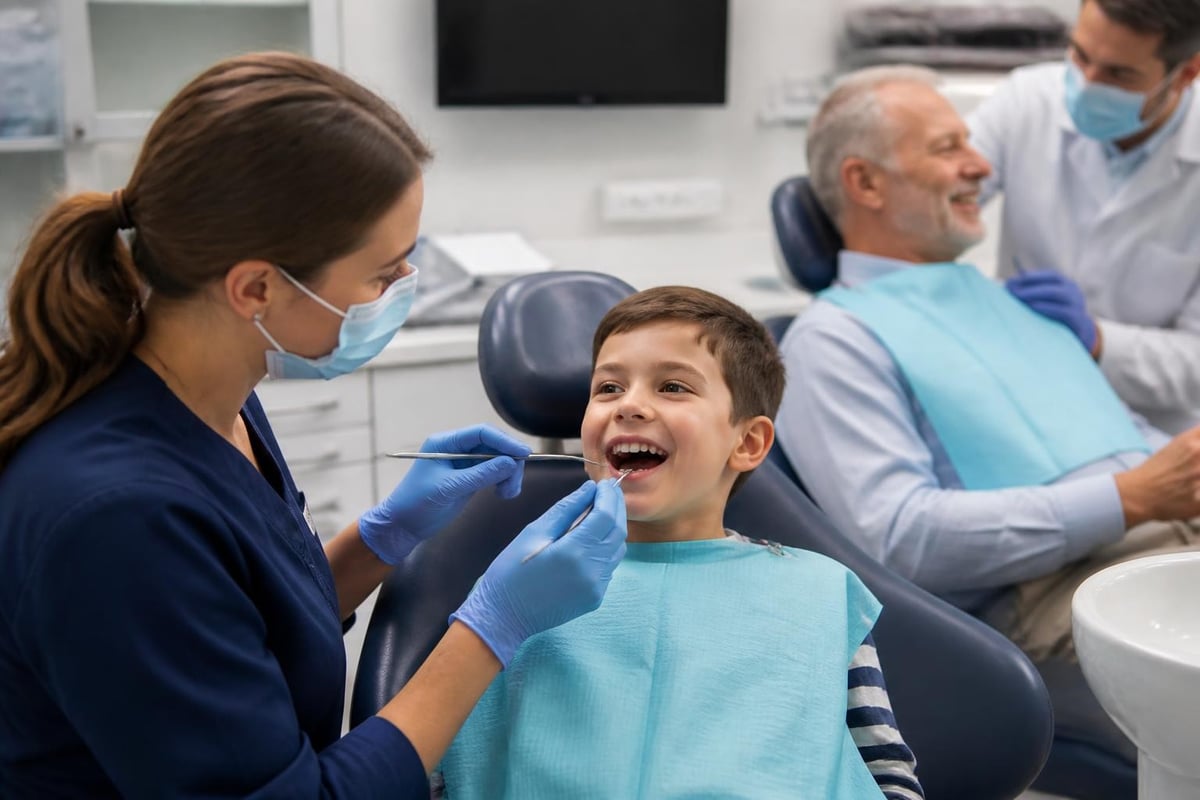
Managing separate dental appointments across multiple providers creates scheduling nightmares for busy families. A true family practice allows you to book consecutive appointments for different family members, reducing time away from work and school. This efficiency proves invaluable for parents juggling multiple responsibilities while ensuring consistent dental care.
The American Dental Association’s resources on X-rays explain how modern practices use digital technology to minimize radiation exposure and streamline diagnostic processes for patients of all ages. This technology integration demonstrates how contemporary family practices invest in equipment that serves diverse patient needs safely and efficiently.
Evaluating Your Local Options
Not every dental practice claiming to serve families delivers the same quality or breadth of services. Your search for a family dentist near me requires careful evaluation of credentials, technology, patient reviews, and practical considerations.
Critical Factors to Assess
| Evaluation Criteria | What to Look For | Why It Matters |
|---|---|---|
| Credentials & Experience | Board certifications, years in practice, continuing education | Ensures current knowledge and proven expertise |
| Technology & Equipment | Digital X-rays, intraoral cameras, laser dentistry | Improves diagnosis accuracy and treatment comfort |
| Office Environment | Cleanliness, child-friendly areas, accessibility | Impacts patient comfort and safety |
| Insurance & Payment | Accepted plans, financing options, transparent pricing | Affects affordability and financial planning |
| Emergency Availability | After-hours contact, same-day appointments | Critical for urgent dental needs |
According to WebMD’s guide to finding a dentist, checking state dental board records and reading verified patient reviews provides insight into a practice's reputation and any disciplinary actions. This research phase prevents future disappointments and ensures you select a provider meeting professional standards.
Location and Accessibility Considerations
Geographic proximity significantly impacts your family's consistency with dental care. A conveniently located practice increases the likelihood of keeping regular appointments and seeking timely treatment for concerns. For Texas families, having multiple locations across communities like Seguin, New Braunfels, Leander, Beeville, and Converse provides flexibility as family circumstances change.
Key accessibility factors include:
- Driving distance from home, work, and school
- Parking availability and public transportation access
- Office hours compatibility with your schedule
- Wheelchair accessibility for family members with mobility needs
- Availability of weekend or evening appointments
The practice's proximity affects not just convenience but also emergency responsiveness. Dental emergencies don't respect regular business hours, and having a family dentist near me means faster access when your child chips a tooth or an adult experiences sudden pain.
The Financial Side of Family Dental Care
Understanding costs and payment options prevents financial surprises and ensures your family receives necessary care without overwhelming your budget. Dental expenses vary widely based on procedures, geographic location, and whether you carry insurance.
Insurance Navigation and Verification
Dental insurance can be complex, with varying coverage levels for preventive, basic, and major procedures. Modern practices streamline this process through digital insurance verification, confirming your benefits before appointments and providing accurate cost estimates.
Common coverage patterns include:
- Preventive care: Typically covered at 100% (cleanings, exams, X-rays)
- Basic procedures: Usually 70-80% coverage (fillings, simple extractions)
- Major treatments: Often 50% coverage (crowns, bridges, implants)
- Orthodontics: Separate benefit with lifetime maximums
Many families face situations where dental insurance gets denied for specific treatments. Working with a practice experienced in appeals and alternative payment arrangements protects your family's access to necessary care regardless of insurance complications.
Alternative Payment Solutions
For families without dental insurance or facing coverage gaps, flexible payment options make quality care accessible. Membership plans, financing through third-party providers, and in-house payment arrangements allow you to budget for dental expenses predictably.

In-office savings programs often provide significant value for families needing multiple services annually. These plans typically include preventive visits, discounts on additional treatments, and predictable monthly costs without deductibles or annual maximums.
Essential Services Every Family Needs
While individual dental needs vary, certain services prove universally important for maintaining family oral health. Understanding these core offerings helps you evaluate whether a practice can truly serve your household's complete needs.
Preventive Care Foundation
Regular dental checkups every six months form the cornerstone of oral health maintenance. These visits allow early detection of cavities, gum disease, and other conditions before they require expensive interventions.
Professional dental exams and cleanings remove plaque and tartar buildup that home care misses, preventing tooth decay and periodontal disease. For children, preventive services include sealants that protect vulnerable molars and fluoride treatments that strengthen developing enamel.
Pediatric Expertise Within Family Practice
Children require specialized approaches that combine clinical expertise with behavioral management skills. Pediatric dentistry services within a family practice create positive early experiences that shape lifelong attitudes toward dental care.
Age-specific pediatric services include:
- Infant oral health assessments (first tooth or first birthday)
- Cavity prevention through sealants and fluoride
- Early orthodontic screening (age 7)
- Sports mouthguard fittings
- Gentle treatment techniques for anxious children
- Parental education on home care and nutrition
Young patients benefit from seeing parents receive care in the same environment, normalizing dental visits and reducing anxiety. This family-centered approach builds comfort and trust that carries through adolescence into adulthood.
Restorative and Cosmetic Options
Even with excellent preventive care, restorative needs arise. A comprehensive family dentist near me should offer solutions ranging from simple fillings to complex reconstructions. Dental implants replace missing teeth with permanent solutions that function like natural teeth, while crowns and bridges restore damaged or lost teeth.
Cosmetic services increasingly interest families seeking to enhance their smiles. Teeth whitening, porcelain veneers, and clear aligners address aesthetic concerns that affect confidence and social interactions. Having access to these services within your family practice eliminates referrals and maintains continuity of care.
Addressing Common Dental Anxieties
Dental anxiety affects patients across all ages, preventing many families from seeking necessary care. Understanding how practices address these concerns helps you select a provider who prioritizes patient comfort alongside clinical excellence.
Child-Friendly Approaches
Children develop dental anxiety from various sources including fear of the unknown, previous negative experiences, or parental anxiety transmission. Effective pediatric dentists use age-appropriate communication, show-tell-do techniques, and positive reinforcement to create comfortable experiences.
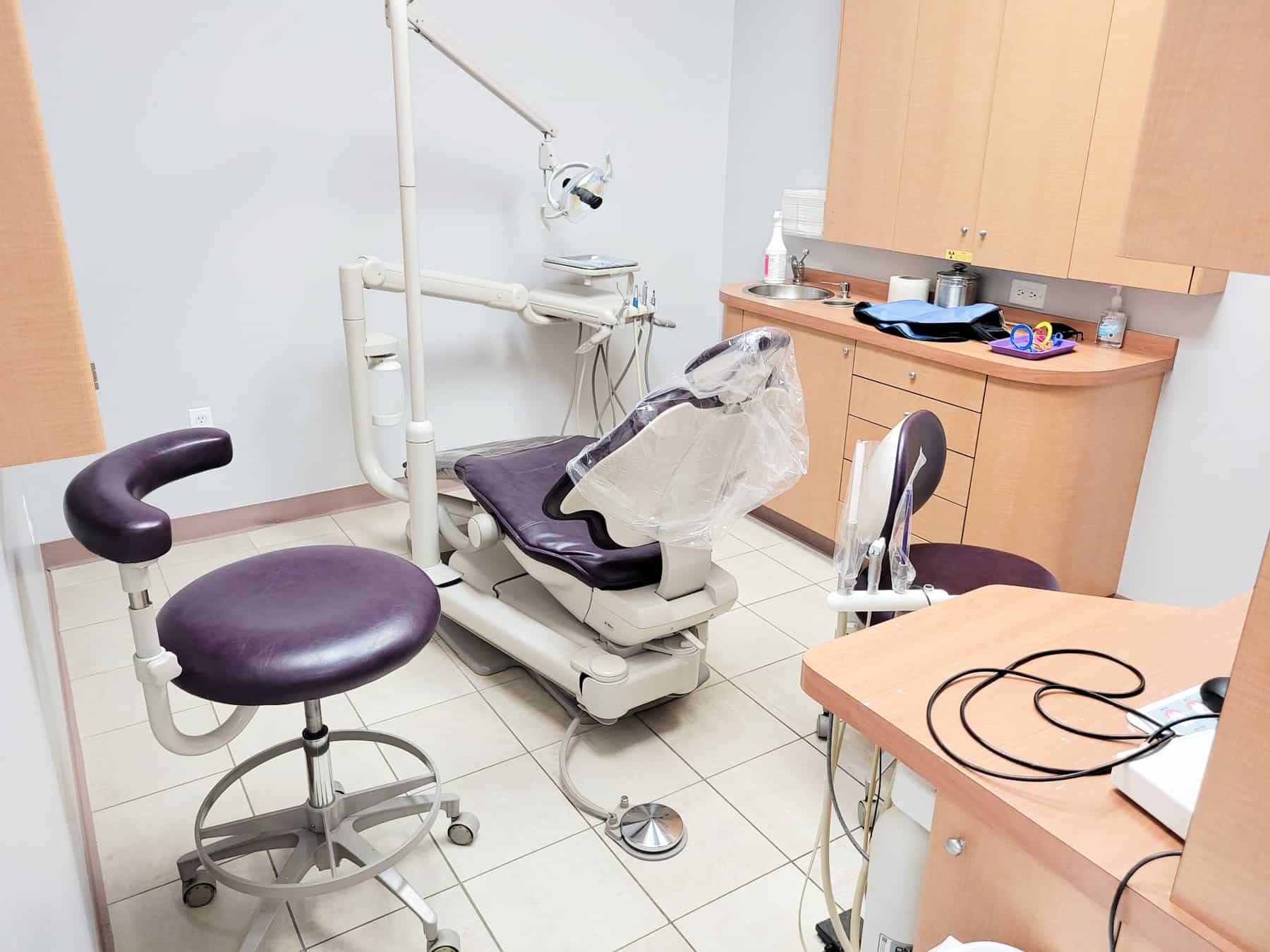
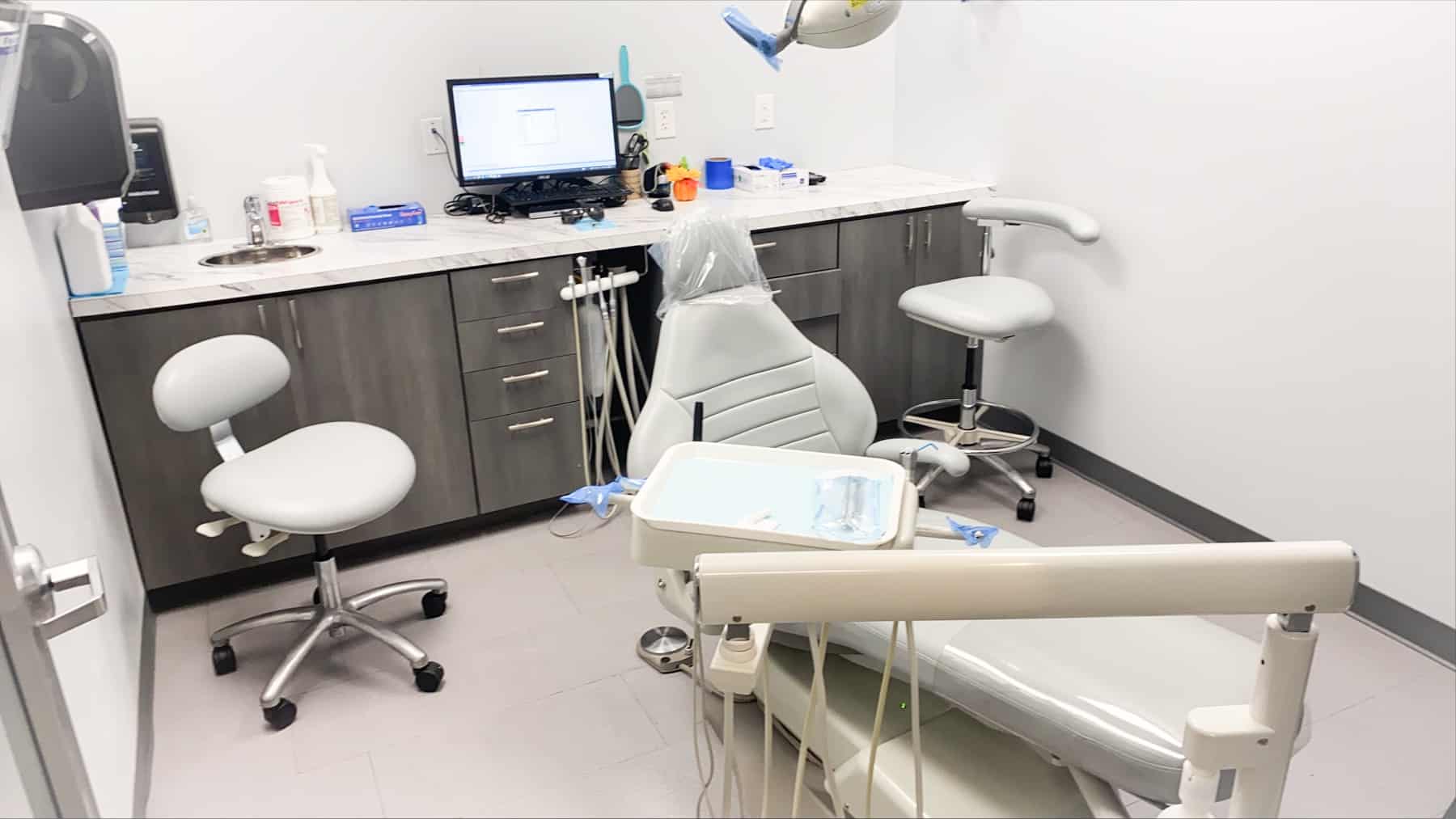
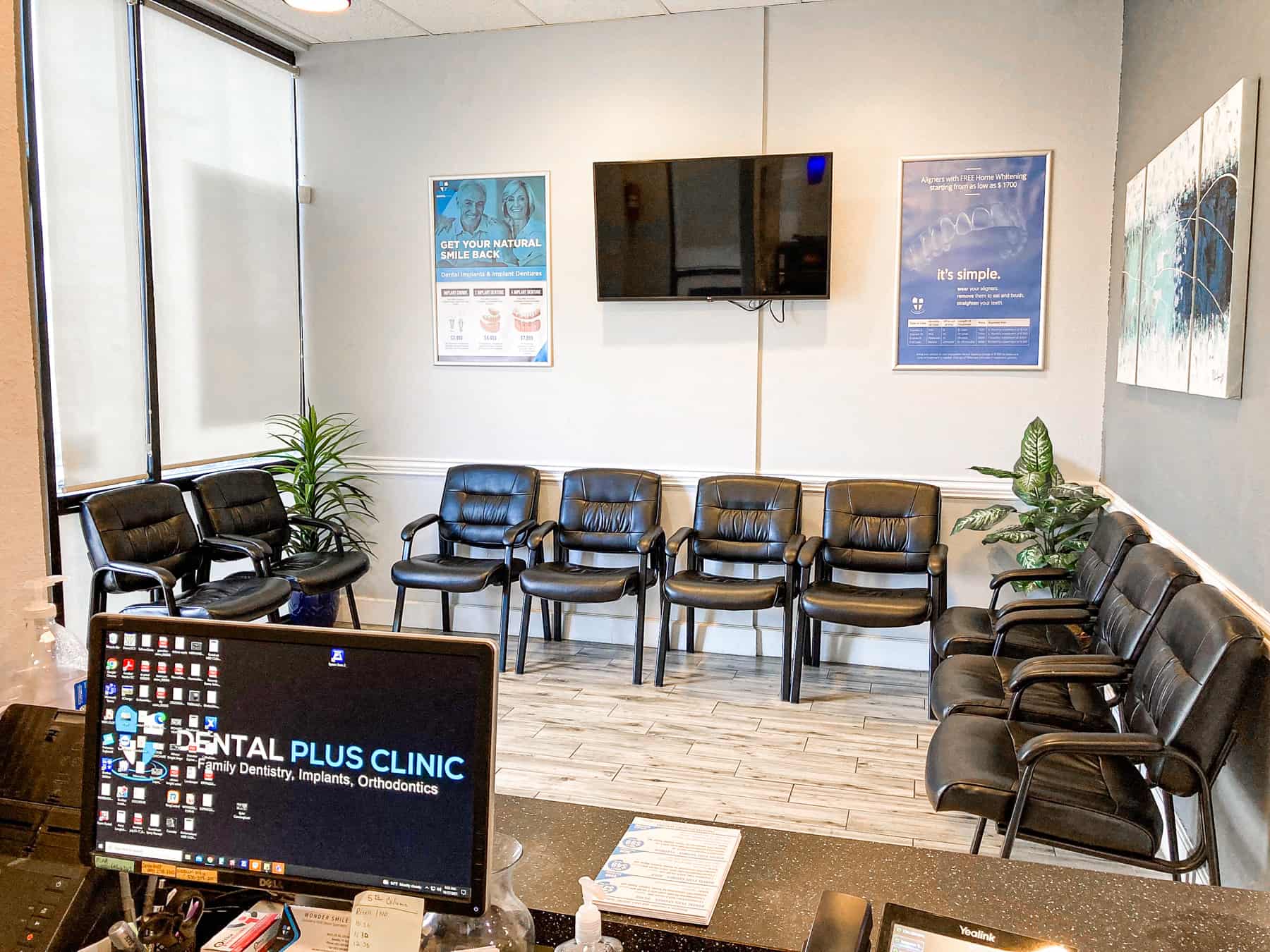
Modern family practices design reception areas and treatment rooms with children in mind, incorporating entertainment options and cheerful decor that reduce stress. Some offices offer headphones with music or shows, weighted blankets for sensory comfort, and rewards programs that motivate good behavior.
Adult Anxiety Management
Adults often carry dental anxiety from childhood experiences or fear pain associated with procedures. Transparent communication about treatment plans, pain management options, and what to expect helps reduce uncertainty that amplifies anxiety.
Anxiety reduction strategies include:
- Detailed procedure explanations before treatment begins
- Local anesthesia with modern techniques minimizing discomfort
- Sedation dentistry options for extensive procedures
- Breaks during longer appointments
- Distraction techniques including music or video
- Compassionate staff trained in anxiety recognition
Patients who previously avoided dental care due to anxiety often find that contemporary practices bear little resemblance to their fearful memories. Technology improvements, refined techniques, and patient-centered philosophies have transformed the dental experience significantly over recent decades.
Emergency Dental Care Access
Dental emergencies don't schedule themselves conveniently. Knocked-out teeth, severe toothaches, broken crowns, and abscess infections require prompt professional attention to prevent complications and preserve teeth.
What Constitutes a Dental Emergency
Understanding which situations demand immediate care versus those that can wait until regular business hours helps families respond appropriately. True emergencies involve uncontrolled bleeding, severe pain, trauma affecting permanent teeth, or infections showing systemic symptoms.
Common dental emergencies requiring same-day care:
- Permanent tooth knocked completely out
- Severe, persistent tooth pain
- Facial swelling indicating infection
- Uncontrolled bleeding from mouth injury
- Broken jaw or significant facial trauma
- Lost filling or crown causing sharp edges or pain
Having established care with a family dentist near me who offers emergency dental services means you know exactly who to contact when urgent situations arise. Established patients receive priority scheduling and benefit from the dentist's familiarity with their dental history.
After-Hours Support Systems
Quality family practices provide after-hours contact information for emergencies occurring evenings, weekends, or holidays. This support might include an emergency phone line with on-call dentists, partnerships with emergency dental facilities, or clear protocols for accessing urgent care.
The CDC’s overview of oral health emphasizes that timely treatment of dental emergencies prevents complications affecting overall health. Dental infections can spread systemically if left untreated, making emergency access a critical component of comprehensive family care.
The Role of Technology in Modern Family Dentistry
Technological advancement has revolutionized dental care, improving diagnostic accuracy, treatment outcomes, and patient comfort. When evaluating options during your family dentist near me search, understanding these technologies helps you assess practice modernization.
Diagnostic Innovations
Digital radiography reduces radiation exposure by up to 90% compared to traditional X-rays while providing instant images that dentists can enhance for detailed examination. Intraoral cameras allow patients to see what the dentist sees, improving understanding of treatment recommendations.
Modern diagnostic tools include:
- 3D cone beam imaging for implant planning and complex cases
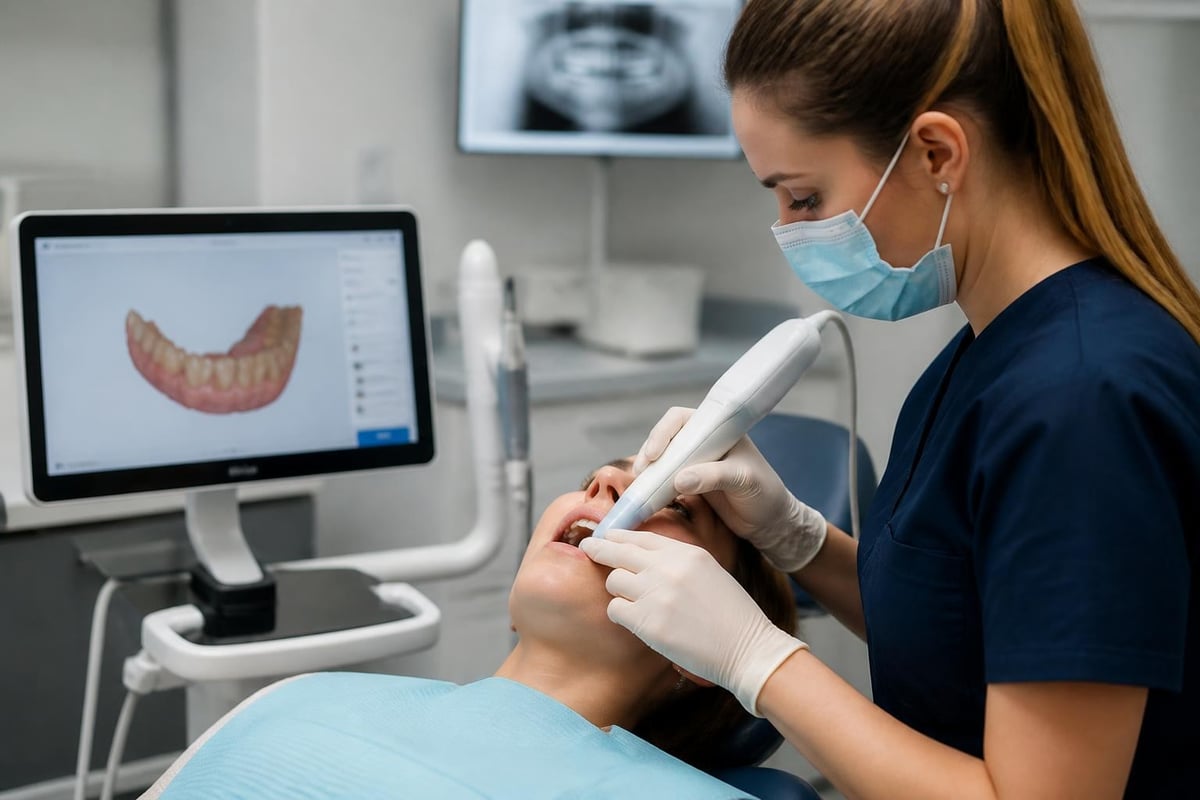
- Digital impressions replacing uncomfortable traditional molds
- Cavity detection lasers identifying decay without X-rays
- Oral cancer screening with fluorescence visualization
- Digital charting systems tracking changes over time
These technologies particularly benefit families by creating more efficient appointments, reducing repeat visits, and providing clearer communication about treatment needs. Children appreciate avoiding traditional impression materials, while adults value precise treatment planning for complex procedures.
Treatment Delivery Improvements
Laser dentistry offers less invasive alternatives for many procedures, reducing bleeding, swelling, and healing time. Modern anesthesia delivery systems minimize injection discomfort, and computer-assisted design and manufacturing (CAD/CAM) systems create same-day crowns and other restorations.
Practices investing in advanced dental implant technology demonstrate commitment to offering cutting-edge solutions. These innovations improve success rates, reduce treatment time, and enhance long-term outcomes for patients requiring tooth replacement.
Building Long-Term Relationships
The greatest value of a family dentist near me extends beyond convenient appointments and comprehensive services. Long-term relationships with dental providers who know your family's history, understand your concerns, and remember your preferences create healthcare partnerships that support lifelong wellness.
Continuity of Care Benefits
Seeing the same dental team over years allows subtle changes detection that might indicate developing problems. Your dentist recognizes patterns in your oral health, anticipates seasonal grinding habits, remembers which anesthesia works best, and tracks family tendencies toward certain conditions.
This continuity proves especially valuable for children, who develop trust with providers they've known since early childhood. Adolescents often respond better to advice from dentists who've cared for them for years compared to unfamiliar providers.
Comprehensive Health Integration
Progressive family dentists recognize connections between oral health and systemic conditions including diabetes, heart disease, and pregnancy outcomes. They coordinate with your physicians when necessary, screen for signs of systemic diseases that manifest orally, and adjust treatment approaches for patients with specific medical conditions.
Kaiser Permanente’s basic dental care resource explains how regular dental care prevents not just tooth decay and gum disease but also supports overall health maintenance. This integrated approach to wellness characterizes modern family dental practices focused on patient-centered care.
Geographic Considerations for Texas Families
Texas families benefit from understanding how location affects dental care access, costs, and service availability. Urban, suburban, and rural areas present different considerations when searching for a family dentist near me.
Multi-Location Practices Advantages
Practices with multiple locations throughout Texas offer flexibility as family circumstances change. You might prefer the Leander office near your workplace for quick lunch-hour appointments while scheduling children at the New Braunfels location closer to their school.
This geographic distribution ensures families maintain continuity even when relocating within the service area. Your records, treatment history, and relationships with the dental team transfer seamlessly between locations.
| Location | Community Characteristics | Typical Patient Needs |
|---|---|---|
| Beeville | Smaller community, family-focused | Comprehensive family care, emergency access |
| Seguin | Growing suburban area | Pediatric services, cosmetic treatments |
| New Braunfels | Expanding family destination | Full-spectrum care, weekend availability |
| Leander | Rapidly developing suburb | Orthodontics, preventive care |
| Converse | Established residential area | Geriatric services, implants |
Community Integration and Local Reputation
Family dentists who actively participate in local communities often develop stronger patient relationships and better understand regional needs. Practices sponsoring school events, participating in health fairs, or supporting local organizations demonstrate investment beyond clinical services.
Checking local reviews, asking neighbors for recommendations, and observing office culture during initial visits reveals how practices integrate into their communities. This local connection often translates to more personalized care and stronger accountability to patient satisfaction.
Evaluating Initial Consultations
Most family dental practices offer initial consultations or new patient appointments that provide opportunities to assess compatibility before committing to ongoing care. These visits reveal practice culture, communication style, and whether the environment suits your family's needs.
Questions to Ask During Consultations
Prepare specific questions addressing your family's priorities and concerns. Don't hesitate to discuss anything from payment policies to emergency protocols to treatment philosophies.
Essential consultation questions include:
- What are your qualifications and areas of special interest?
- How do you handle dental emergencies outside regular hours?
- What insurance plans do you accept, and do you offer payment plans?
- How do you help anxious patients feel comfortable?
- What technology do you use, and how does it benefit patients?
- Can family members schedule consecutive appointments?
- How do you involve patients in treatment decisions?
- What are your protocols for infection control and sterilization?
The responses matter less than the dentist's willingness to answer thoroughly and the comfort level you feel during the interaction. Trust your instincts about whether this practice feels right for your family's long-term care.
Office Environment Assessment
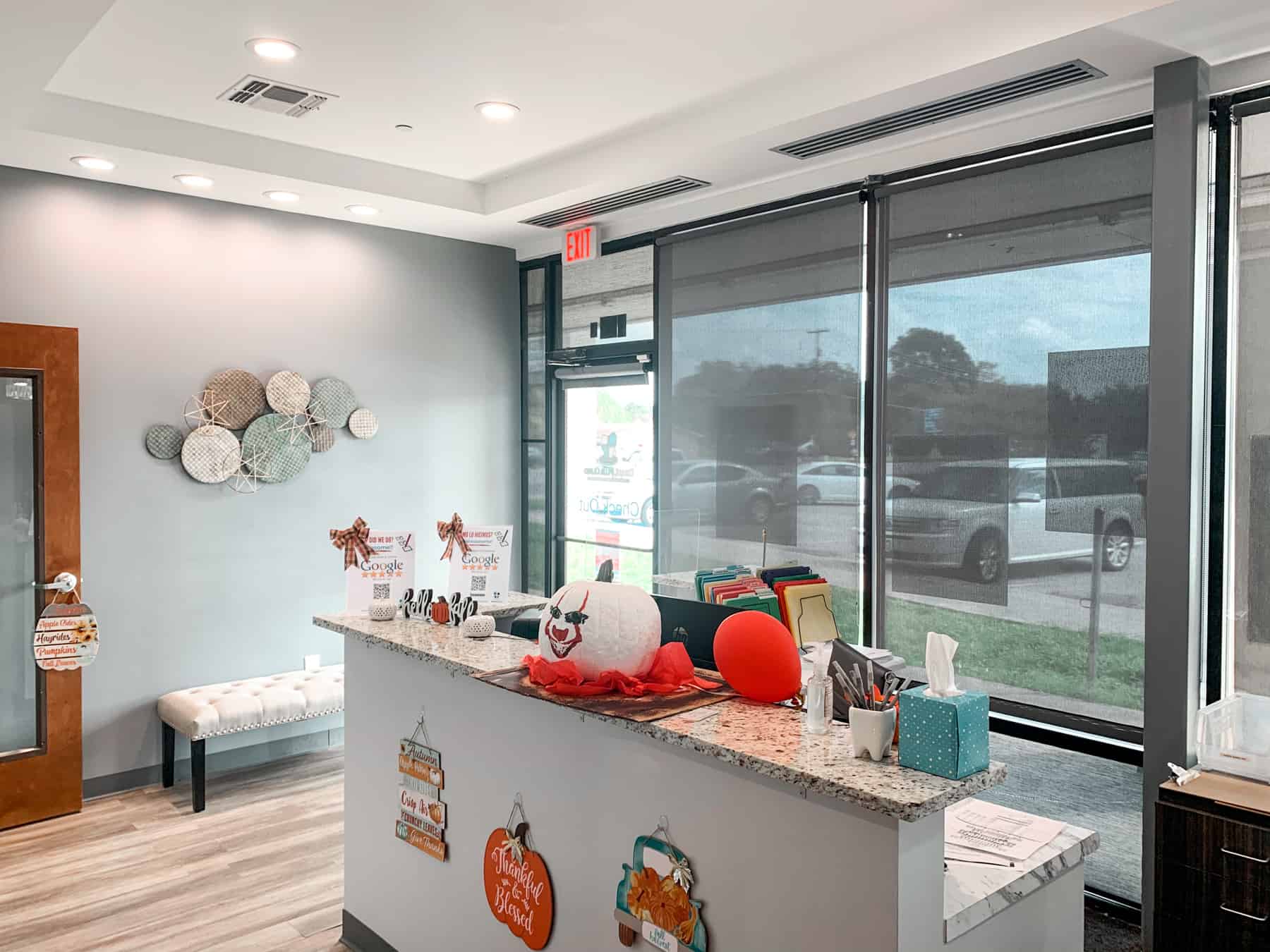
Observe the reception area, treatment rooms, and staff interactions during your visit. Professional, friendly staff who clearly explain procedures and show genuine interest in patient comfort indicate a patient-centered culture. Clean, well-maintained facilities with modern equipment suggest investment in quality care.
Notice how staff interact with different age groups. Do they speak directly to children using age-appropriate language? Do they show patience with elderly patients who might need extra time or assistance? These observations predict how your family members will be treated across various life stages.
Maintaining Oral Health Between Visits
Your family dentist near me provides essential professional care, but daily home habits determine long-term oral health outcomes. Understanding proper techniques and establishing consistent routines maximizes the benefit of professional treatments.
Age-Appropriate Home Care Routines
Dental care requirements evolve throughout life stages. Infants need gum cleaning even before teeth emerge, while toddlers require supervised brushing with age-appropriate fluoride amounts. School-age children gradually develop independent brushing skills but need monitoring to ensure thorough cleaning.
Home care best practices by age:
- Infants (0-1 year): Clean gums with soft cloth, begin brushing first teeth with rice-grain-sized fluoride toothpaste
- Toddlers (1-3 years): Brush twice daily with pea-sized fluoride toothpaste, begin flossing when teeth touch
- Children (4-12 years): Supervised brushing, introduce power toothbrushes, establish routine
- Teens (13-18 years): Independent care, address orthodontic cleaning needs, reinforce habits
- Adults: Brush twice daily, floss daily, consider additional tools for specific needs
- Seniors: Adapt techniques for arthritis or limited dexterity, address dry mouth, maintain denture care
The NCBI publication on periodic dental examinations provides evidence-based guidelines showing that consistent home care between professional visits significantly reduces disease risk and treatment needs.
Nutrition's Impact on Dental Health
Dietary choices affect oral health as profoundly as brushing habits. Frequent sugar and acid exposure creates environments where cavity-causing bacteria thrive, while nutritious foods support strong teeth and healthy gums.
Educating your family about tooth-friendly nutrition helps prevent problems before they develop. Limiting sugary snacks between meals, choosing water over acidic beverages, and ensuring adequate calcium and vitamin D intake supports the foundation that professional dental care builds upon.
Specialized Services Within Family Practice
Comprehensive family dentists offer specialized treatments that might require referrals at practices with narrower service scopes. Having access to these services within your family practice streamlines care and maintains treatment continuity.
Orthodontic Solutions
Straight teeth aren't just cosmetic concerns; proper alignment affects bite function, cleaning effectiveness, and long-term tooth preservation. Modern orthodontic options include traditional braces, clear ceramic braces, and removable clear aligners suitable for different age groups and correction needs.
Family practices offering orthodontics simplify coordination between general care and alignment treatment. Your dentist monitors oral health throughout orthodontic treatment, adjusts cleaning protocols as needed, and ensures comprehensive care continuity.
Advanced Restorative Procedures
Tooth loss affects appearance, function, and remaining tooth health. Dental implants provide permanent tooth replacement that preserves jawbone density and functions like natural teeth. Comparing options like all-on-4 versus all-on-6 implants helps patients understand solutions for extensive tooth loss.
Other advanced services include root canal therapy preserving infected teeth, full mouth reconstructions addressing complex dental problems, and periodontal treatments managing gum disease. Access to these services within your family practice prevents referral delays and maintains your established dental relationship.
Frequently Asked Questions
How often should my family visit the dentist?
Most dental professionals recommend checkups and cleanings every six months for patients with good oral health. Children, individuals with gum disease history, or those with specific risk factors might need more frequent visits. Your dentist will recommend an appropriate schedule based on individual needs rather than applying one-size-fits-all intervals.
At what age should my child first see a dentist?
The American Academy of Pediatric Dentistry recommends children see a dentist by their first birthday or within six months of their first tooth emerging. Early visits establish dental homes, allow cavity risk assessment, and provide parents with guidance on proper care, nutrition, and habit development.
What should I do if my child fears the dentist?
Start with positive conversations about dental visits without using words like "pain" or "hurt." Choose a family dentist near me with pediatric experience who uses child-friendly communication and environment design. Schedule morning appointments when children feel fresh, and allow comfort items like favorite toys. Never use dental visits as punishment threats.
Does dental insurance cover cosmetic procedures?
Traditional dental insurance typically covers treatments deemed medically necessary but excludes purely cosmetic procedures. However, some treatments like crowns serve both functional and aesthetic purposes, potentially qualifying for coverage. Discuss specific procedures with your dental office to understand coverage and alternative payment options.
How do I handle a knocked-out permanent tooth?
Time critically affects tooth survival. Retrieve the tooth by the crown (not root), rinse gently if dirty, and attempt to reinsert it in the socket. If reinsertion isn't possible, place the tooth in milk or the patient's saliva and seek emergency dental care within 30 minutes. Quick action significantly improves the chance of successful reimplantation.
What makes a dentist qualified to treat entire families?
Family dentists complete general dentistry training covering all age groups and common procedures. Many pursue additional continuing education in pediatric techniques, geriatric care considerations, and advanced procedures. Look for dentists with experience treating diverse age ranges and comprehensive service offerings rather than specialists focused on single demographics.
How can I afford dental care without insurance?
Explore in-office membership plans offering preventive care and treatment discounts for annual fees. Many practices offer financing through third-party providers with flexible payment terms. Discuss treatment prioritization with your dentist to address urgent needs first while budgeting for comprehensive care over time.
Should I stay with my family dentist after moving?
If your new home remains within reasonable distance, maintaining your established dental relationship offers continuity benefits. However, if travel becomes burdensome, hindering regular care, transitioning to a closer provider proves more practical. Practices with multiple locations offer ideal solutions for families who relocate within service areas.
Making Your Decision
Selecting a family dentist near me represents a significant healthcare decision affecting your household's oral health, comfort, and financial wellbeing for years to come. The research, consultation, and evaluation process requires time investment but yields substantial returns through quality care relationships.
Trust your assessment of practice culture, provider communication style, service comprehensiveness, and practical considerations like location and insurance compatibility. Remember that you're not just choosing a dentist but establishing a healthcare partnership that supports your family through various life stages and dental needs.
Modern family dental practices combine clinical expertise with patient-centered approaches, creating environments where everyone from anxious toddlers to apprehensive adults receives compassionate, competent care. The right provider becomes a trusted resource you confidently recommend to friends and family.
Taking the Next Step
Schedule consultations with top candidates from your family dentist near me search. Visit offices, meet providers and staff, ask your prepared questions, and assess your comfort level. Most importantly, don't delay seeking dental care while conducting your search. If family members need immediate attention, seek care at a convenient practice while continuing your evaluation for long-term provider relationships.
Your family deserves dental care that combines excellence, compassion, affordability, and convenience. The investment in finding the right provider pays dividends through healthier smiles, positive dental attitudes, and prevention of costly problems down the road.
Finding the right family dentist near me transforms dental care from a dreaded obligation into a positive healthcare partnership supporting lifelong wellness. By evaluating credentials, services, technology, and patient experiences, Texas families can confidently select providers meeting their unique needs. Dental Plus Clinic offers comprehensive, patient-focused dental care across five convenient Texas locations, serving families with the full spectrum of services from pediatric dentistry to advanced restorations. Experience the difference that modern technology, compassionate care, and true family-centered dentistry makes by scheduling your consultation today.