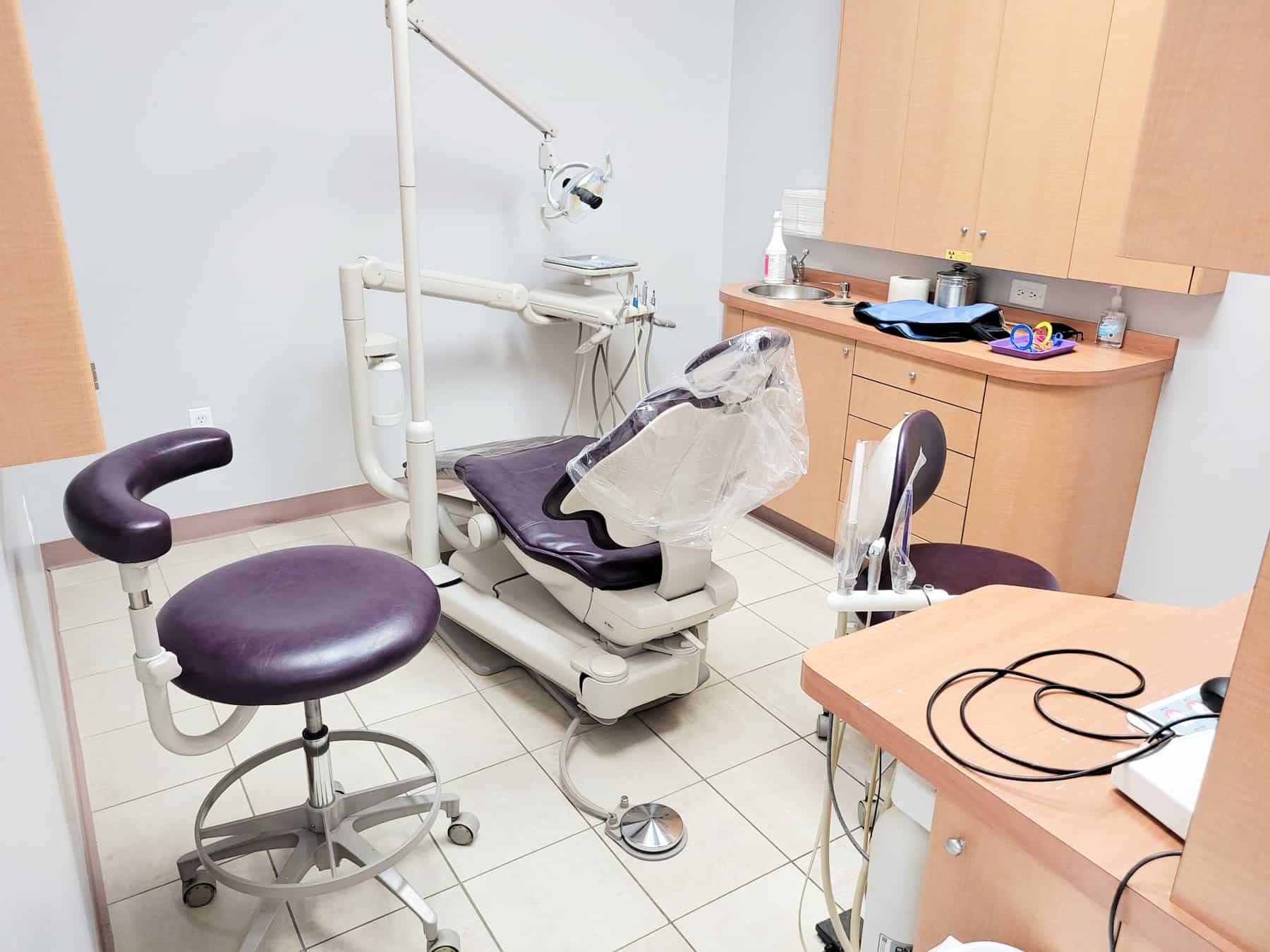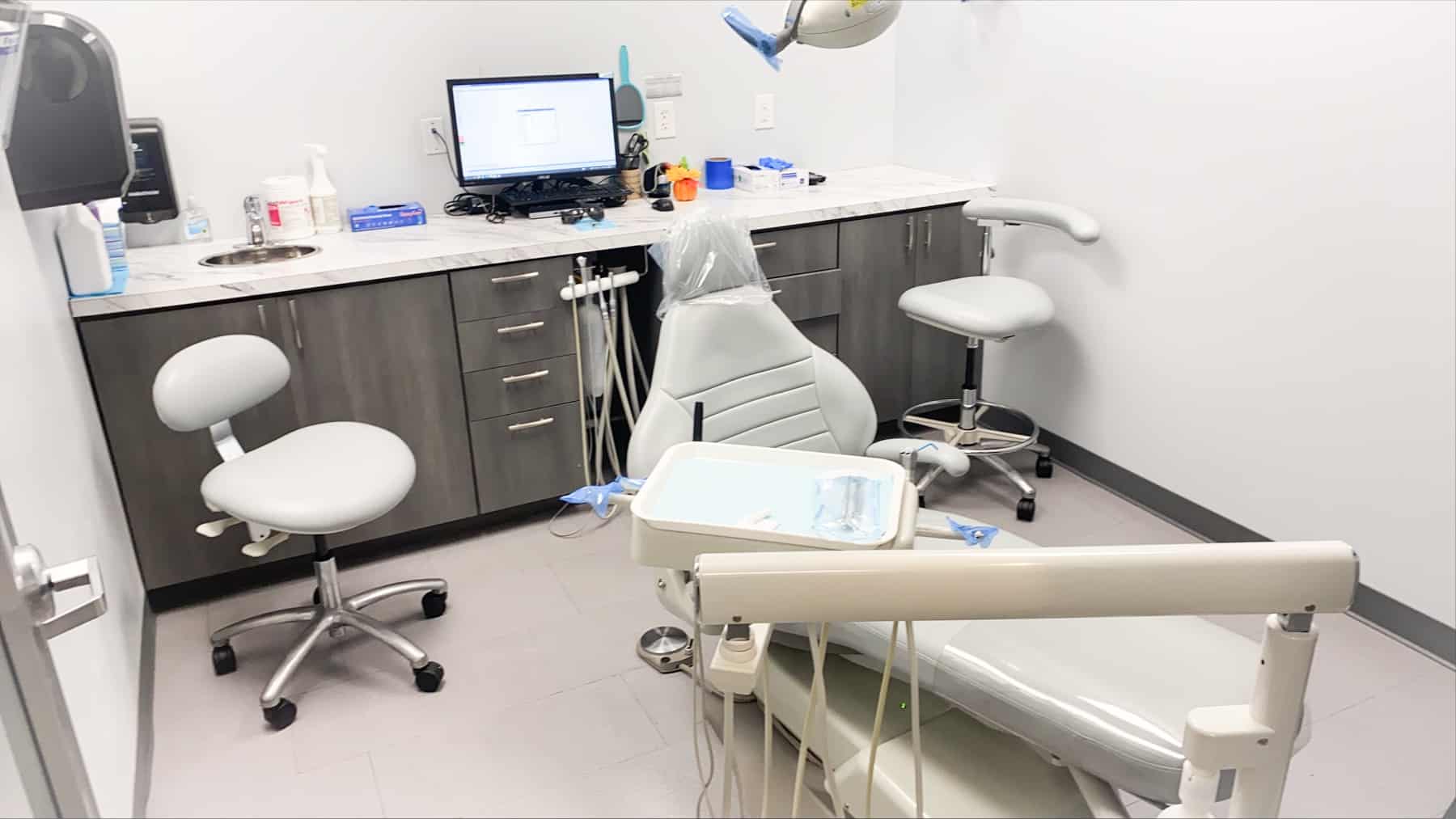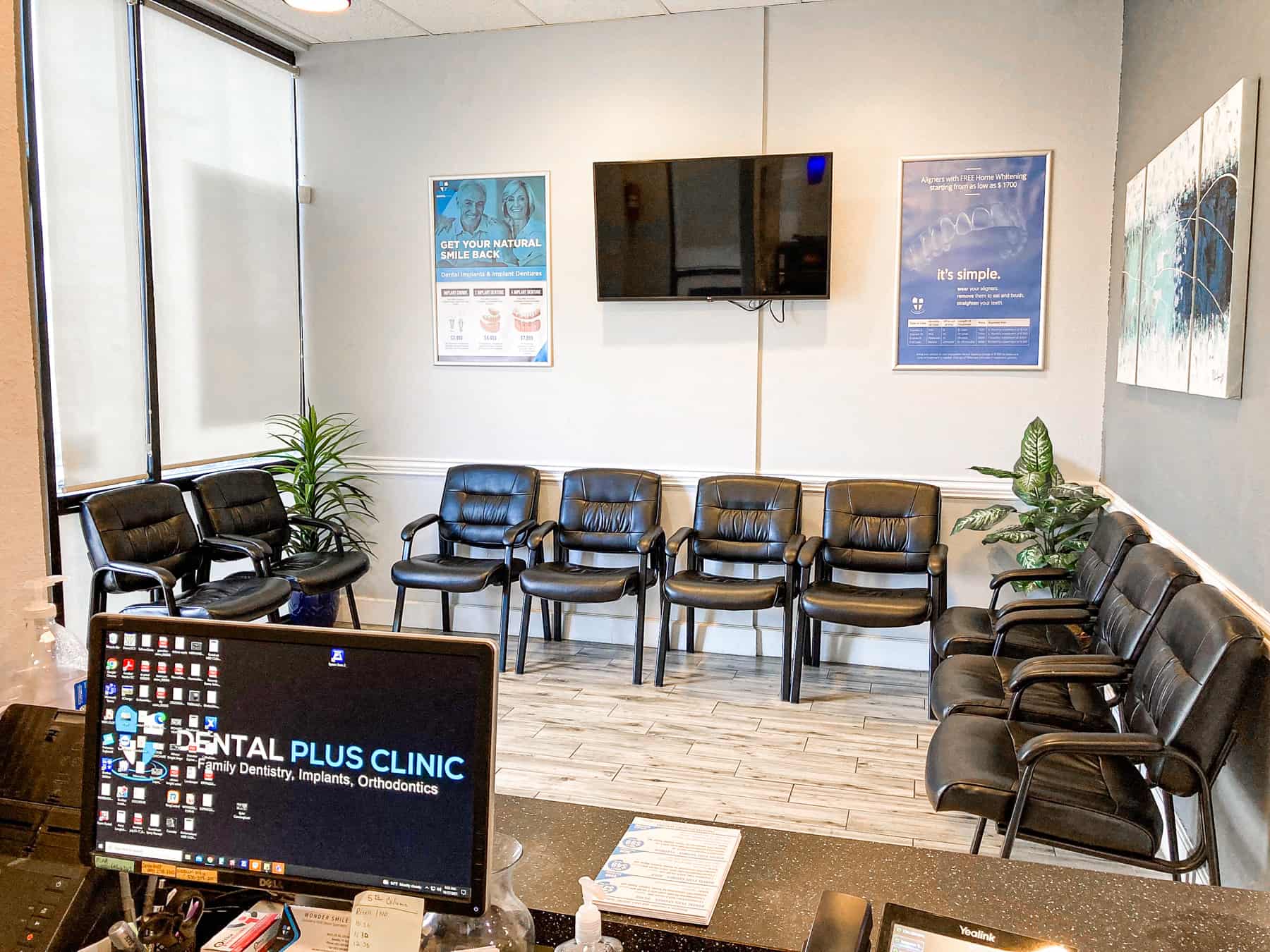


Searching for a "dentist near me" has become one of the most common health-related queries in 2026, and for good reason. Your oral health directly impacts your overall well-being, from preventing heart disease to maintaining proper nutrition. Finding a qualified, conveniently located dental provider who understands your family's unique needs can feel overwhelming with so many options available. Whether you're new to Texas, recently relocated across town, or simply looking to switch providers for better care, understanding what makes a dental practice truly exceptional will help you make an informed decision that benefits your smile for years to come.
Why Finding the Right Dentist Near Me Matters
Your choice of dental provider affects more than just your teeth. The right practice becomes a long-term partner in your family's health journey, offering preventive care that saves money and prevents serious complications down the road.
The Connection Between Oral Health and Overall Wellness
Dental health extends far beyond your mouth. Research consistently shows that oral infections can contribute to diabetes complications, cardiovascular disease, and respiratory issues. Regular dental visits help identify early warning signs of systemic conditions, making your dentist an essential member of your healthcare team.
When you establish a relationship with a trusted local provider, you gain:
- Consistent monitoring of changes in your oral health over time
- Early detection of potential issues before they become expensive problems
- Personalized treatment plans based on your medical history
- Coordinated care that considers your overall health conditions
Studies indicate that patients who maintain regular dental appointments are significantly more likely to detect oral cancers early, when treatment outcomes are most favorable. This preventive approach exemplifies why choosing the right dentist near me should be a priority, not an afterthought.
Convenience and Consistency in Care
Location matters significantly when it comes to maintaining regular dental appointments. A practice that's truly convenient to your home, workplace, or children's school increases the likelihood that you'll keep scheduled appointments and seek care promptly when issues arise.
Consider these practical factors:
- Travel time: A 10-minute commute versus a 45-minute drive dramatically affects your willingness to schedule routine visits
- Multiple locations: Practices with several offices offer flexibility for families with varied schedules
- Emergency accessibility: When dental emergencies strike, proximity becomes critical
- Appointment availability: Local practices often offer more flexible scheduling options
The American Dental Association recommends choosing a dentist who fits your lifestyle and schedule, ensuring that dental care becomes a sustainable part of your health routine rather than an occasional obligation.
What to Look for When Searching Dentist Near Me
Not all dental practices offer the same level of care, technology, or patient experience. Understanding what distinguishes exceptional providers helps narrow your search effectively.
Credentials and Qualifications
Professional credentials form the foundation of quality dental care. When evaluating potential providers, verify their educational background, licensing status, and ongoing professional development.
| Credential Type | What to Verify | Why It Matters |
|---|---|---|
| Dental Degree | Accredited dental school graduation | Ensures foundational education quality |
| State Licensing | Current Texas dental license | Required for legal practice |
| Specialty Certifications | Additional training in cosmetic, implant, or pediatric dentistry | Indicates advanced expertise |
| Professional Memberships | ADA, state dental associations | Demonstrates commitment to standards |
| Continuing Education | Recent courses and certifications | Shows dedication to current techniques |
Board certifications in specialty areas signal a dentist's commitment to excellence beyond basic requirements. Practices that invest in ongoing education typically offer more advanced treatment options and stay current with technological innovations.
Range of Services Offered
Comprehensive dental practices eliminate the inconvenience and expense of referrals to multiple specialists. When searching for a dentist near me, prioritize providers offering diverse services under one roof.
Essential services to look for include:
- Preventive care: Routine cleanings, exams, fluoride treatments, and dental sealants
- Restorative dentistry: Fillings, crowns, bridges, and root canals
- Cosmetic treatments: Teeth whitening, veneers, and smile makeovers
- Advanced procedures: Dental implants, orthodontics, and oral surgery
- Emergency care: Same-day appointments for urgent dental issues
- Pediatric dentistry: Specialized care for children's unique needs
Delta Dental emphasizes the importance of finding a "dental home" where your entire family can receive coordinated care throughout different life stages. This approach builds trust and ensures continuity in treatment planning.
Technology and Modern Equipment
Advanced dental technology transforms patient experiences and treatment outcomes. Modern practices invest in equipment that enhances accuracy, reduces discomfort, and improves results.
Look for practices featuring:
- Digital X-rays: Reduced radiation exposure and immediate imaging results
- Intraoral cameras: Clear visualization of dental issues for better patient understanding
- CAD/CAM technology: Same-day crown fabrication
- Laser dentistry: Minimally invasive procedures with faster healing
- 3D imaging: Precise planning for implants and complex procedures
Understanding the latest dental implant technology demonstrates how modern advancements benefit patients seeking permanent tooth replacement solutions with higher success rates and shorter recovery times.
How to Evaluate Local Dental Practices
Once you've identified potential providers, systematic evaluation helps you make the best choice for your family's needs.
Reading and Interpreting Patient Reviews
Online reviews provide valuable insights into real patient experiences, though they require thoughtful interpretation. Look for patterns across multiple review platforms rather than focusing on isolated comments.
When analyzing reviews, consider:
- Consistency: Do multiple patients mention the same positive or negative aspects?
- Specificity: Detailed reviews offer more reliable information than vague statements
- Response patterns: How does the practice respond to complaints or concerns?
- Recent feedback: Current reviews reflect the practice's present state
- Volume: A substantial number of reviews provides a more accurate picture
Zocdoc’s guide to finding a good dentist highlights that practices with consistently positive reviews regarding staff friendliness, wait times, and treatment explanations typically deliver superior patient experiences.
Scheduling a Consultation Visit
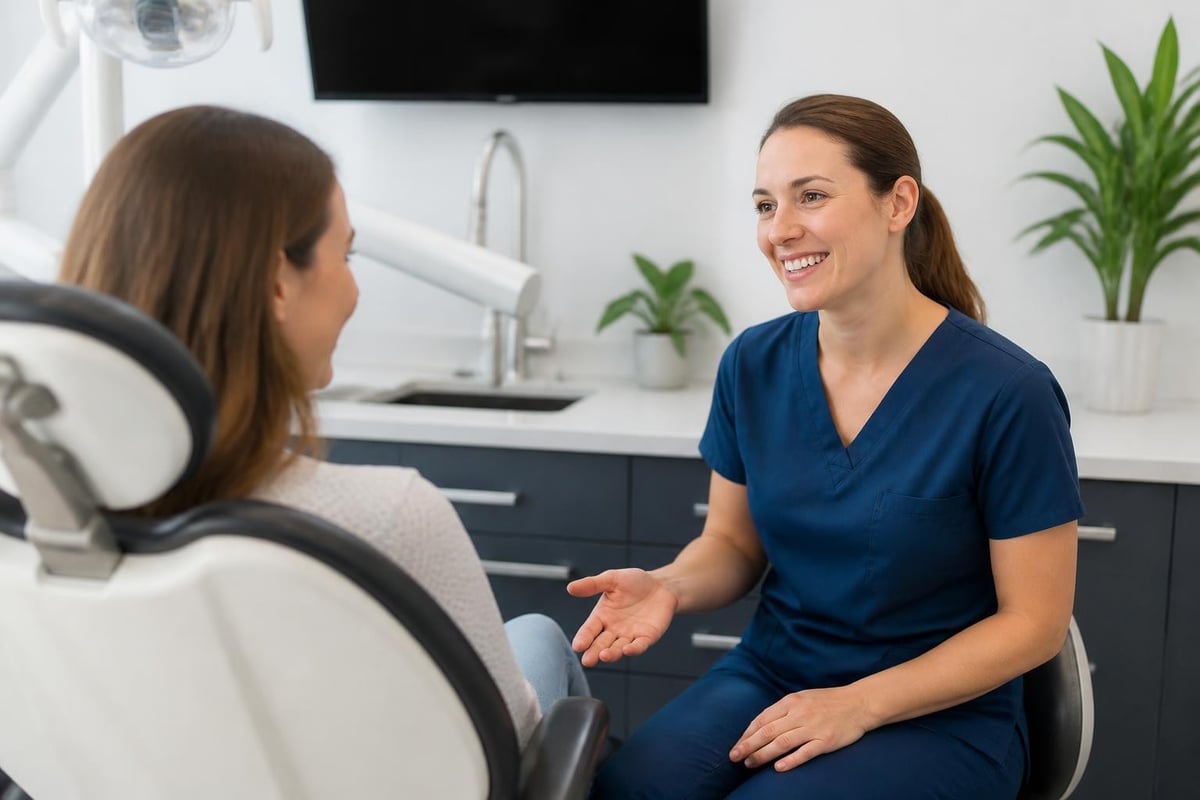
Nothing replaces an in-person evaluation. Most quality practices offer complimentary consultations or welcome new patient appointments that allow you to assess the environment firsthand.
During your visit, observe:
- Office cleanliness: Sterilization protocols and general hygiene standards
- Staff professionalism: How team members interact with patients
- Wait time: Respect for patient schedules
- Communication style: Clear explanations without excessive jargon
- Treatment approach: Prevention-focused versus sales-oriented recommendations
- Financial transparency: Clear pricing and insurance handling
The importance of sterilization in dentistry cannot be overstated, as proper infection control protects patients from cross-contamination and demonstrates a practice's commitment to safety standards.
Understanding Insurance and Payment Options
Financial considerations significantly impact your ability to maintain consistent dental care. Before committing to a provider, clarify insurance acceptance and payment flexibility.
| Payment Consideration | Questions to Ask | Impact on Care Access |
|---|---|---|
| Insurance Networks | Do you accept my specific plan? | Determines out-of-pocket costs |
| In-Network Status | Are you a preferred provider? | Affects copayment amounts |
| Payment Plans | Do you offer financing for major work? | Makes expensive treatments accessible |
| Price Transparency | Can you provide estimates before treatment? | Eliminates surprise bills |
| Insurance Verification | How do you handle pre-authorizations? | Reduces administrative burden |
Modern practices increasingly utilize digital insurance verification to streamline the process, reducing wait times and ensuring accurate benefits information before treatment begins.
Understanding how to reduce costs for dental care empowers patients to make informed decisions about timing procedures, maximizing insurance benefits, and exploring alternative treatment options without compromising quality.
Common Concerns When Searching Dentist Near Me
Patients often share similar anxieties and questions when seeking new dental providers. Addressing these concerns upfront helps make confident decisions.
Dental Anxiety and Pain Management
Fear of dental procedures prevents millions of Americans from seeking necessary care. Progressive practices recognize this challenge and offer multiple solutions to ensure patient comfort.
Modern pain management options include:
- Nitrous oxide (laughing gas) for mild anxiety
- Oral conscious sedation for moderate nervousness
- IV sedation for complex procedures or severe anxiety
- Local anesthesia with buffering agents to minimize injection discomfort
- Gentle techniques and patient-paced appointments
Practices that prioritize pain-free experiences typically schedule longer appointments, allowing dentists to work methodically without rushing patients through procedures. This patient-centered approach transforms dental visits from dreaded obligations into manageable healthcare appointments.
Finding Emergency Dental Care
Dental emergencies don't follow business hours. When searching for a dentist near me, verify their emergency care protocols and after-hours availability.
Critical questions include:
- What constitutes a dental emergency at your practice?
- How quickly can you see patients with urgent needs?
- Do you offer same-day emergency appointments?
- What happens if I have an emergency outside business hours?
- Are there additional fees for emergency visits?
Knowing when to seek help for tooth pain can prevent minor discomfort from escalating into serious infections requiring extensive treatment.
Pediatric Dental Considerations
Children's dental needs differ significantly from adult requirements. Families searching for a dentist near me should verify whether practices offer specialized pediatric care or welcome young patients.
Pediatric-friendly practices provide:
- Child-sized equipment and comfortable seating
- Age-appropriate communication techniques
- Preventive education tailored to children
- Behavioral management strategies for anxious kids
- Fun, welcoming environments that reduce fear
Preventive strategies to help children avoid tooth decay start with finding a dentist who specializes in creating positive early experiences that establish lifelong healthy habits.
The Importance of Preventive Dental Care
Regular dental visits prevent problems rather than just fixing them after they occur. This proactive approach saves money, preserves natural teeth, and maintains overall health.
Recommended Frequency of Dental Visits
Standard recommendations suggest dental checkups every six months, though individual needs vary based on risk factors and oral health status.
Time magazine recently explored how frequently patients should schedule dental appointments, noting that some individuals with excellent oral health may require less frequent visits, while others with periodontal disease or high cavity risk benefit from quarterly appointments.
Your dentist should assess:
- Current oral health status
- History of dental problems
- Risk factors (smoking, diabetes, dry mouth)
- Effectiveness of home care routines
- Changes in overall health conditions
Personalized appointment schedules optimize preventive care without unnecessary visits, respecting both your time and budget.
Preventive Services That Protect Your Smile
Beyond routine cleanings, modern preventive dentistry includes targeted interventions that significantly reduce future dental problems.
Key preventive services include:
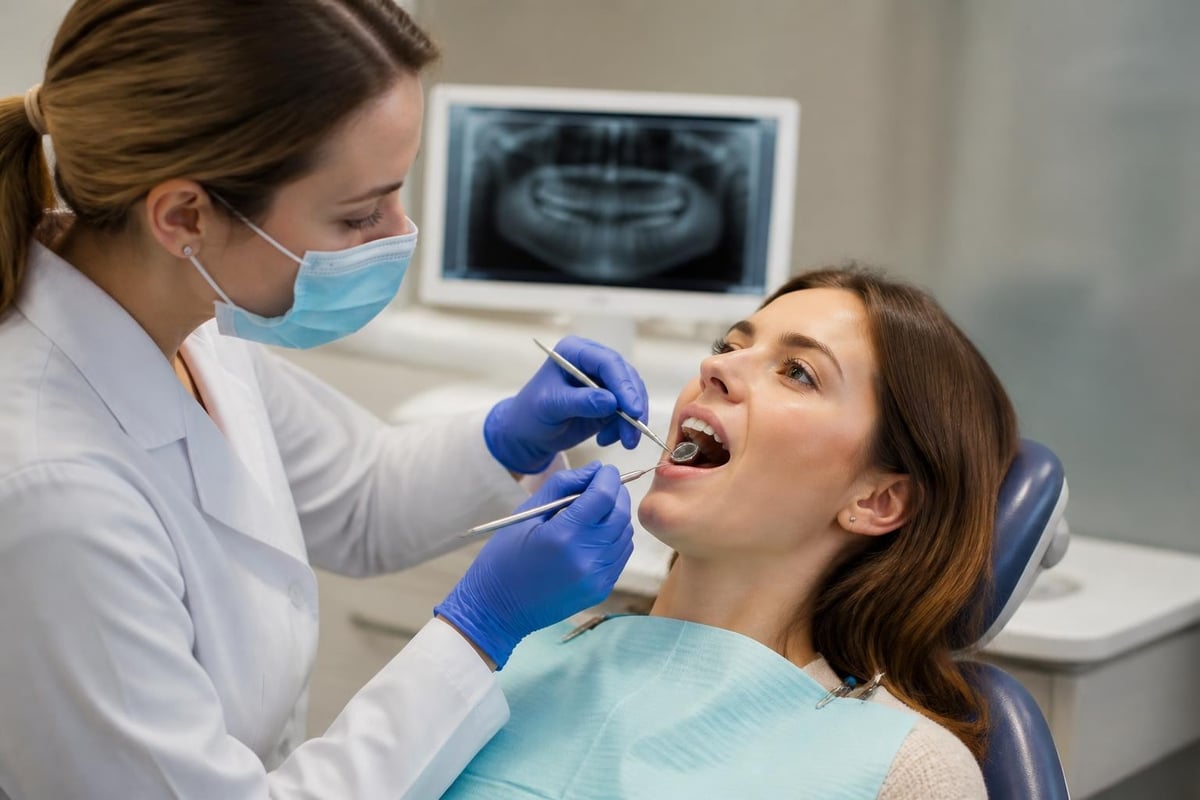
- Professional cleanings: Remove tartar buildup that brushing cannot eliminate
- Fluoride treatments: Strengthen enamel and reverse early decay
- Dental sealants: Protect vulnerable molars from cavity formation
- Oral cancer screenings: Early detection saves lives
- Periodontal assessments: Monitor gum health before disease progresses
- Custom mouthguards: Prevent injuries during sports or teeth grinding
These relatively inexpensive interventions prevent costly restorative treatments later. A $200 sealant application can eliminate the need for a $1,500 crown years down the road.
The Role of Patient Education
Informed patients achieve better outcomes. Exceptional dental practices invest time educating patients about proper home care, dietary choices, and lifestyle factors affecting oral health.
Quality education covers:
- Proper brushing and flossing techniques specific to your dental anatomy
- Selecting appropriate oral care products for your needs
- Understanding how medications affect oral health
- Recognizing early warning signs of dental problems
- Making dietary choices that support healthy teeth
When patients understand why certain practices matter, compliance improves dramatically. For example, knowing that flossing before brushing removes debris that fluoride toothpaste can then reach more effectively motivates consistent technique.
Specialized Dental Services to Consider
Beyond routine care, many patients eventually need specialized treatments. Finding a comprehensive practice that offers advanced services eliminates referral hassles and maintains continuity of care.
Cosmetic Dentistry Options
Aesthetic concerns motivate many patients to seek dental care beyond basic maintenance. Modern cosmetic dentistry offers transformative solutions for various smile imperfections.
Popular cosmetic treatments include:
- Professional teeth whitening: Safe, effective brightening supervised by dental professionals
- Porcelain veneers: Transform tooth shape, color, and alignment
- Composite bonding: Repair chips and gaps affordably
- Gum contouring: Create balanced, attractive gum lines
- Complete smile makeovers: Comprehensive aesthetic transformation
Understanding what cosmetic dentists can accomplish helps patients set realistic expectations and choose appropriate treatments for their aesthetic goals.
Selecting the right cosmetic dentist requires evaluating before-and-after photos, understanding their artistic approach, and confirming their technical expertise in advanced procedures.
Restorative and Implant Dentistry
Tooth loss affects function, appearance, and confidence. Modern restorative dentistry offers permanent solutions that closely mimic natural teeth.
Dental implants represent the gold standard for tooth replacement, offering:
- Permanence: Properly maintained implants last decades
- Bone preservation: Prevent jaw deterioration that occurs with missing teeth
- Natural function: Chew, speak, and smile without restrictions
- Independent support: No damage to adjacent healthy teeth
- Aesthetic excellence: Indistinguishable from natural teeth
Patients considering implants should understand the differences between All-on-4 versus All-on-6 dental implants and whether dental implants or bridges better suit their specific situation.
Orthodontic Treatment
Straightening teeth improves both aesthetics and function. Crooked teeth are harder to clean effectively, increasing cavity and gum disease risk.
Modern orthodontic options include:
- Traditional metal braces for comprehensive correction
- Clear ceramic braces for less visible treatment
- Invisible aligners for adult patients seeking discretion
- Accelerated orthodontics combining multiple techniques
- Retention programs ensuring long-term results
Understanding the importance of orthodontics extends beyond cosmetics to include bite correction, jaw alignment, and long-term dental health preservation.
Making Your Final Decision
After researching options and visiting potential practices, it's time to commit to a dental home that serves your family's needs.
Trust Your Instincts
Professional credentials matter, but so does personal comfort. If a practice checks all the boxes on paper but something feels off during your visit, continue your search.
Red flags that warrant concern include:
- Pressure to accept treatment plans immediately without time to consider
- Unwillingness to explain procedures or answer questions thoroughly
- Dismissive attitudes toward patient concerns or preferences
- Unclear pricing or reluctance to discuss costs upfront
- Office environments that feel rushed or impersonal
Conversely, positive indicators include staff members who remember patient names, dentists who take time explaining treatment options, and practices that follow up after procedures to check on recovery.
Building a Long-Term Relationship
Dental care works best as an ongoing partnership rather than sporadic crisis management. Once you've selected a provider, commit to consistent care and open communication.
Strategies for successful patient-dentist relationships include:
- Maintaining regular appointment schedules
- Communicating changes in health status or medications
- Asking questions when you don't understand recommendations
- Following through with prescribed treatment plans
- Providing feedback about your experiences
- Referring friends and family when you're satisfied
WebMD offers comprehensive guidance on establishing productive relationships with dental providers, emphasizing mutual respect and clear communication as foundations for optimal care.
When to Consider Switching Dentists
Sometimes relationships don't work out, and that's acceptable. Recognizing when it's time to seek a new provider prevents prolonged dissatisfaction and potentially compromised care.
Consider switching if you experience:
- Repeated scheduling difficulties or long wait times
- Persistent communication problems or feeling unheard
- Treatment recommendations that conflict with second opinions
- Insurance or billing issues that remain unresolved
- Relocation that makes the practice inconvenient
- Practice ownership changes that alter care quality
Understanding when to switch dentists empowers patients to make decisions that prioritize their health and satisfaction without guilt.
Frequently Asked Questions
How do I know if I have a cavity that requires immediate attention?
Cavities don't always cause obvious symptoms initially, which is why regular dental examinations are essential. However, certain signs warrant prompt evaluation. Persistent tooth sensitivity to temperature or sweetness, visible holes or dark spots on tooth surfaces, and pain when biting down typically indicate advanced decay requiring treatment. Understanding cavity symptoms helps patients recognize when to schedule urgent appointments rather than waiting for routine checkups. Early intervention prevents small cavities from progressing into root canal situations.
What should I do about persistent bad breath?
Chronic halitosis often signals underlying dental or medical conditions rather than simple hygiene issues. While occasional bad breath from certain foods is normal, persistent odor despite proper brushing and flossing requires professional evaluation. Common dental causes include gum disease, tooth decay, dry mouth, and tongue bacteria. Effective strategies for eliminating bad breath typically involve treating underlying conditions, improving oral hygiene techniques, and sometimes addressing systemic health issues with your physician.
Are dental implants noticeable to other people?
Modern dental implants are designed to be completely indistinguishable from natural teeth in both appearance and function. The crown portion matches your existing teeth in color, shape, and translucency, while the implant itself sits beneath the gum line. Experienced implant dentists consider facial structure, bite dynamics, and aesthetic preferences to create results that blend seamlessly. Implant visibility concerns are addressed through careful planning, quality materials, and artistic crown fabrication that mimics natural tooth characteristics.
How often should children visit the dentist?
Pediatric dental guidelines recommend that children see a dentist by their first birthday or within six months of their first tooth erupting, whichever comes first. After establishing care, most children benefit from checkups every six months, though some with higher cavity risk may need more frequent visits. Early dental visits familiarize children with the dental environment, allow monitoring of development, and provide parents with guidance on proper care techniques, dietary recommendations, and preventive strategies.
What's the difference between general dentists and specialists?
General dentists provide comprehensive care for most dental needs, including preventive services, restorative treatments, and many cosmetic procedures. General dentistry treatments cover routine cleanings, fillings, crowns, bridges, and root canals. Specialists complete additional years of training in specific areas like orthodontics (braces), periodontics (gum disease), endodontics (root canals), or oral surgery (extractions, implants). Many comprehensive practices employ or work closely with specialists, providing coordinated care without requiring patients to navigate multiple office locations.
Can small cavities heal without dental intervention?
Very early-stage decay can sometimes be reversed through remineralization, but this applies only to initial demineralization before actual cavity formation. Once enamel breakdown creates a true cavity, professional restoration becomes necessary. Whether small cavities can self-heal depends on the decay stage. Dentists can recommend fluoride treatments, dietary modifications, and improved hygiene for reversible early lesions, while established cavities require fillings to prevent progression and tooth loss.
How quickly can a tooth infection spread to become dangerous?
Tooth infections are serious medical conditions that can progress rapidly, though timeline varies by individual factors. Untreated dental abscesses can spread to surrounding tissues, the jawbone, and potentially the bloodstream within days to weeks. Symptoms like fever, facial swelling, difficulty breathing or swallowing, and severe pain indicate potentially dangerous progression requiring immediate care. Understanding infection spread timelines emphasizes why dental emergencies should never be ignored or delayed, as complications can become life-threatening.
Why do some people get cavities more easily than others?
Cavity susceptibility varies significantly based on genetics, oral bacteria composition, saliva quality, dietary habits, and hygiene practices. Some individuals naturally produce saliva with better buffering capacity that neutralizes acids more effectively. Others harbor more aggressive cavity-causing bacteria or have deeper tooth grooves that trap food particles. Factors affecting cavity formation include medication-induced dry mouth, frequent snacking, acidic beverage consumption, and genetic enamel variations. Understanding your personal risk factors allows targeted prevention strategies.
Supporting Your Dental Health Journey with Comprehensive Resources
Beyond finding the right dentist near me, maintaining optimal oral health requires understanding various aspects of dental care and how they interconnect with your overall wellness.
The Mind-Body Connection in Health
Comprehensive wellness extends beyond your teeth to include mental health, stress management, and lifestyle factors that influence oral health. Chronic stress can manifest as teeth grinding, jaw clenching, and neglected self-care routines. Similarly, overall health challenges often require holistic approaches that address underlying patterns.
For patients struggling with weight management, which can impact diabetes risk and subsequently oral health, neuroscience-based approaches offer innovative solutions. Oneleaf helps individuals reprogram subconscious patterns affecting health choices through guided audio sessions combining neuroscience and behavioral psychology, demonstrating how addressing mental patterns can support broader health goals including maintaining dental appointments and making nutrition choices that benefit oral health.
Administrative Excellence in Healthcare
Behind every smooth dental experience lies efficient administrative processes that handle insurance verification, billing, and revenue cycle management. Practices that partner with specialized billing services can focus more attention on patient care rather than administrative complexities.
Professional revenue cycle management through providers like Greenhive Billing Solutions allows dental practices to streamline operations, reduce claim denials, and ensure proper reimbursement, ultimately keeping costs manageable for patients while maintaining quality care standards. This administrative efficiency translates to shorter wait times, accurate insurance estimates, and fewer billing surprises for patients.
Navigating Insurance Challenges
Insurance complications frustrate both patients and providers. Understanding what to do when dental insurance denies coverage empowers patients to advocate effectively for necessary treatments and explore alternative payment options when needed.
Common insurance challenges include:
- Pre-authorization requirements for certain procedures
- Annual maximum limitations
- Waiting periods for major services
- Coverage exclusions for cosmetic treatments
- Out-of-network penalty fees
Working with practices experienced in insurance navigation simplifies these challenges and helps maximize your benefits.
Regional Considerations for Texas Residents
Finding a dentist near me in Texas offers unique advantages and considerations. The state's diverse communities each have distinct characteristics affecting dental care access.
Multiple Locations Serving Texas Communities
Geographic accessibility significantly impacts whether families maintain consistent dental care. Practices with multiple locations throughout Texas provide flexibility for patients whose work or family obligations span different areas.
Communities like Beeville, Converse, Leander, New Braunfels, and Seguin each have unique demographics and dental care needs. Rural communities may have fewer provider options, making comprehensive practices especially valuable, while suburban areas often offer more choices requiring careful evaluation.
Understanding Regional Oral Health Factors
Texas-specific considerations include:
- Hard water mineral content affecting tooth staining in certain regions
- Hot climate increasing importance of hydration for saliva production
- Outdoor lifestyle creating higher sports injury risk requiring mouthguards
- Regional dietary preferences (barbecue, sweet tea) impacting cavity rates
- Varying fluoridation levels in different municipal water supplies
Dentists familiar with regional factors can provide targeted advice addressing local health influences.
Finding the right dentist near me transforms dental care from a stressful obligation into a partnership that protects your family's health, confidence, and quality of life. Whether you need preventive care, cosmetic enhancements, or complex restorative treatments, choosing a provider who combines clinical excellence with genuine patient focus makes all the difference. Dental Plus Clinic offers comprehensive dental services across five convenient Texas locations, providing the expertise, technology, and compassionate care families deserve. Schedule your consultation today to experience patient-centered dentistry that prioritizes your comfort, health, and beautiful smile.