

Finding affordable dental care can be challenging, especially for families relying on Medicaid benefits. When searching for a dentist that take medicaid near me, you're not just looking for any provider-you need a trusted dental clinic that accepts your insurance, offers comprehensive services, and treats patients with dignity and respect. Understanding how Medicaid dental coverage works, which services are included, and how to find participating dentists in your area can make the difference between delaying necessary treatment and maintaining excellent oral health for your entire family.
Understanding Medicaid Dental Coverage in Texas
Medicaid dental benefits vary significantly from state to state, making it essential to understand what's covered in Texas specifically. The program provides crucial oral health services to eligible individuals and families, but the extent of coverage depends on several factors including age, medical necessity, and specific state policies.
What Medicaid Covers for Children
Texas Medicaid provides comprehensive dental coverage for children through the Early and Periodic Screening, Diagnostic and Treatment (EPSDT) program. This robust coverage includes preventive services, restorative treatments, and medically necessary procedures.
Covered services for children typically include:
- Routine dental exams and cleanings (usually twice per year)
- Fluoride treatments and dental sealants
- X-rays and diagnostic imaging
- Fillings and cavity treatment
- Tooth extractions when medically necessary
- Emergency dental care
- Orthodontic treatment in severe cases
The American Dental Association offers an in-depth assessment of dental care within Medicaid programs, highlighting how children's dental benefits are generally more comprehensive than adult coverage. This comprehensive approach recognizes the critical importance of early dental intervention in preventing long-term oral health problems.
Adult Medicaid Dental Benefits
Adult dental coverage under Texas Medicaid is more limited compared to children's benefits. While emergency dental services are typically covered, routine preventive care may have restrictions or require specific eligibility criteria.
| Service Type | Coverage Level | Notes |
|---|---|---|
| Emergency Extractions | Covered | For pain relief and infection control |
| Preventive Cleanings | Limited | May require additional eligibility |
| Fillings | Limited | Often restricted to front teeth |
| Root Canals | Limited | Usually emergency situations only |
| Dentures | Limited | State-specific restrictions apply |
Understanding these limitations helps set realistic expectations when searching for a dentist that take medicaid near me. Many adults find that while basic emergency services are covered, maintaining optimal oral health may require supplemental payment arrangements or exploring additional resources.
How to Find a Dentist That Take Medicaid Near Me
Locating participating dental providers requires a strategic approach, combining online resources, direct contact with clinics, and verification of current provider status. The process may seem overwhelming initially, but breaking it down into manageable steps simplifies the search.
Online Provider Directories
Texas Medicaid maintains an online provider directory that allows beneficiaries to search for participating dentists by location, specialty, and services offered. This official resource provides the most accurate and up-to-date information about which providers currently accept Medicaid.
Steps to use the provider directory effectively:
- Visit the official Texas Health and Human Services website
- Navigate to the Medicaid provider search tool
- Enter your ZIP code or city name
- Filter results by dental services
- Review provider profiles for office hours, languages spoken, and services offered
- Call ahead to confirm current Medicaid acceptance before scheduling
Many families searching for a dentist that take medicaid near me find success by cross-referencing multiple sources. While official directories provide foundational information, calling the dental office directly ensures you have the most current details about acceptance policies and appointment availability.
Community Health Centers and Safety Net Providers
Federally Qualified Health Centers (FQHCs) and community health centers across Texas prioritize serving Medicaid beneficiaries and uninsured individuals. These safety net providers offer dental services on a sliding fee scale and actively participate in Medicaid programs.
Texas hosts numerous community health centers in both urban and rural areas. These facilities provide comprehensive dental care regardless of insurance status, making them excellent options when searching for a dentist that take medicaid near me. The HealthInsurance.org FAQ on Medicaid dental coverage explains how these safety net providers play a crucial role in expanding access to care.
Dental Schools and Teaching Clinics
University dental schools operate teaching clinics where supervised students provide quality dental care at reduced costs. These clinics typically accept Medicaid and offer a full range of services from routine cleanings to complex restorative procedures.
Overcoming Common Challenges With Medicaid Dental Care
Finding quality dental care with Medicaid presents unique challenges that many families face. Understanding these obstacles and knowing how to address them empowers you to advocate effectively for your oral health needs.
Limited Provider Participation
One of the most significant challenges is the limited number of dentists accepting new Medicaid patients. Reimbursement rates, administrative requirements, and delayed payments sometimes discourage private practice dentists from participating in Medicaid programs.
Strategies to overcome limited provider access:
- Contact multiple dental offices to expand your options
- Ask about waitlist procedures at preferred clinics
- Consider traveling slightly farther for quality care
- Explore dental clinics that specialize in Medicaid patients
- Check with local health departments for referral assistance
The comprehensive 50-state guide from eMedicare shows how provider participation varies dramatically across different regions, with Texas experiencing ongoing efforts to expand the dental provider network.
Understanding Prior Authorization Requirements
Certain dental procedures require prior authorization from Medicaid before treatment can begin. This administrative step ensures medical necessity and appropriate use of resources, but it can delay care if not properly managed.
Procedures commonly requiring prior authorization include orthodontics, extensive restorative work, oral surgery, and specialized treatments. When you find a dentist that take medicaid near me, ask their office staff about their experience with the prior authorization process-experienced offices can navigate these requirements efficiently, minimizing delays in your treatment.

What to Expect at Your First Medicaid Dental Appointment
Preparing for your initial dental visit helps ensure a smooth experience and maximizes the value of your appointment time. Knowing what to bring, what questions to ask, and how the visit will proceed reduces anxiety and establishes a positive relationship with your dental provider.
Required Documentation and Preparation
Arriving prepared with the necessary documentation streamlines the check-in process and prevents appointment delays or rescheduling. Your dental office needs specific information to verify your Medicaid eligibility and bill services correctly.
Essential items to bring to your appointment:
- Current Medicaid card with member ID number
- Photo identification (driver's license or state ID)
- Guardian identification if bringing a child
- List of current medications and supplements
- Medical history information, including allergies
- Previous dental records if available
Most dental offices accepting Medicaid will verify your coverage electronically before your appointment. However, having your physical Medicaid card prevents any technical issues from disrupting your visit. If you're bringing children for pediatric dental care, ensure you have documentation showing your relationship to the child.
The Comprehensive Initial Exam
Your first visit typically includes a thorough examination, diagnostic imaging, and development of a personalized treatment plan. This comprehensive approach allows the dentist to assess your overall oral health and identify any issues requiring attention.
| Appointment Component | Purpose | Typical Duration |
|---|---|---|
| Medical History Review | Identify health factors affecting dental care | 10-15 minutes |
| Clinical Examination | Assess teeth, gums, and oral structures | 15-20 minutes |
| X-rays | Detect hidden problems | 10-15 minutes |
| Treatment Planning | Discuss findings and recommendations | 15-20 minutes |
| Preventive Cleaning | Remove plaque and tartar (if time permits) | 30-45 minutes |
During this visit, don't hesitate to ask questions about your coverage, what treatments Medicaid will pay for, and any out-of-pocket costs you might incur. Transparent communication about financial aspects prevents surprises and helps you make informed decisions about your dental care.
Maximizing Your Medicaid Dental Benefits
Strategic use of your Medicaid dental benefits ensures you receive the maximum value from your coverage while maintaining excellent oral health. Understanding benefit limits, timing treatments appropriately, and prioritizing preventive care creates a sustainable approach to dental wellness.
Prioritizing Preventive Care
Preventive dental services form the foundation of long-term oral health and are typically covered more comprehensively under Medicaid than restorative procedures. Regular cleanings, exams, and early intervention prevent minor issues from becoming major problems requiring expensive treatments.
Benefits of consistent preventive care include:
- Early detection of cavities before they require extensive treatment
- Reduction in emergency dental visits
- Lower overall healthcare costs
- Better overall health outcomes
- Preservation of natural teeth
When you establish a relationship with a dentist that take medicaid near me and maintain regular appointments, you're investing in prevention rather than constantly addressing emergencies. Dental exams and cleanings catch problems early when treatment is simpler and more likely to be covered by Medicaid.
Understanding Benefit Renewal and Limits
Texas Medicaid dental benefits operate on specific timeframes with defined service limits. For example, children typically receive coverage for two routine cleanings per calendar year, while certain restorative procedures may have lifetime limits or waiting periods between treatments.
Tracking your benefit usage throughout the year helps you plan treatments strategically. If you're approaching the end of your benefit period with unused services, scheduling a preventive appointment ensures you don't lose access to covered care. Conversely, if you've exhausted certain benefits, understanding when they renew allows you to plan accordingly.
Services Commonly Covered by Medicaid
Understanding which dental services your Medicaid plan covers helps you advocate for appropriate care and set realistic expectations. While coverage varies by age and specific circumstances, certain services are consistently available to Medicaid beneficiaries.
Emergency Dental Services
Emergency dental care receives priority coverage under most Medicaid plans, recognizing that untreated dental emergencies can lead to serious health complications. Emergency services typically include treatment for severe pain, uncontrolled bleeding, facial swelling, and trauma to teeth or oral structures.
When experiencing a dental emergency, many patients search frantically for a dentist that take medicaid near me who can provide immediate care. Establishing a relationship with a Medicaid-accepting dentist before emergencies arise ensures you know where to turn when urgent care is needed. Emergency dental services should be accessed promptly to prevent complications.
Tooth Extractions and Oral Surgery
Tooth extractions represent one of the most commonly covered adult services under Texas Medicaid, particularly when teeth are causing pain, infection, or other medical issues. Simple extractions for non-restorable teeth are typically approved without extensive documentation.
Healthline’s coverage of wisdom teeth removal under Medicaid explains how surgical extractions, including wisdom teeth, require demonstration of medical necessity. Impacted wisdom teeth causing pain, infection, or damage to adjacent teeth usually qualify for coverage, while purely preventive removal may not be approved.
Restorative Treatments
Restorative dental services like fillings help preserve tooth structure and function after decay or damage. For children, comprehensive restorative coverage ensures developing teeth remain healthy through adolescence. Adult coverage for restorative procedures is more limited but still available in many circumstances.
Fillings for front teeth typically receive better coverage than posterior restorations for adults, as visible teeth affect aesthetics and social functioning. When discussing treatment options with a dentist that take medicaid near me, ask specifically which restorative procedures your plan covers and whether alternatives exist if your preferred treatment isn't approved.
Questions to Ask When Choosing a Medicaid Dentist
Selecting the right dental provider involves more than confirming Medicaid acceptance. The quality of care, office environment, communication style, and range of services all contribute to your long-term satisfaction and oral health outcomes.
Evaluating Provider Experience With Medicaid
Not all dentists accepting Medicaid have equal experience navigating the program's requirements and limitations. Providers who regularly serve Medicaid populations understand the authorization process, know which treatments are typically approved, and can advocate effectively on behalf of their patients.
Important questions to ask potential dental providers:
- What percentage of your patient base uses Medicaid coverage?
- How long have you participated in the Medicaid program?
- Do you have dedicated staff who handle Medicaid billing and authorizations?
- What is your typical wait time for new patient appointments?
- How do you handle situations when recommended treatment isn't covered?
- Are you accepting new Medicaid patients currently?
- Do you offer payment plans for services not covered by Medicaid?
Dental offices with significant Medicaid experience streamline the administrative aspects of your care, reducing delays and frustration. When searching for a dentist that take medicaid near me, prioritize providers who demonstrate commitment to serving Medicaid beneficiaries with the same quality and respect as privately insured patients.
Assessing Office Location and Accessibility
Practical considerations like office location, hours of operation, and transportation access significantly impact your ability to maintain consistent dental care. The best dental provider on paper becomes less valuable if you can't reliably reach their office.
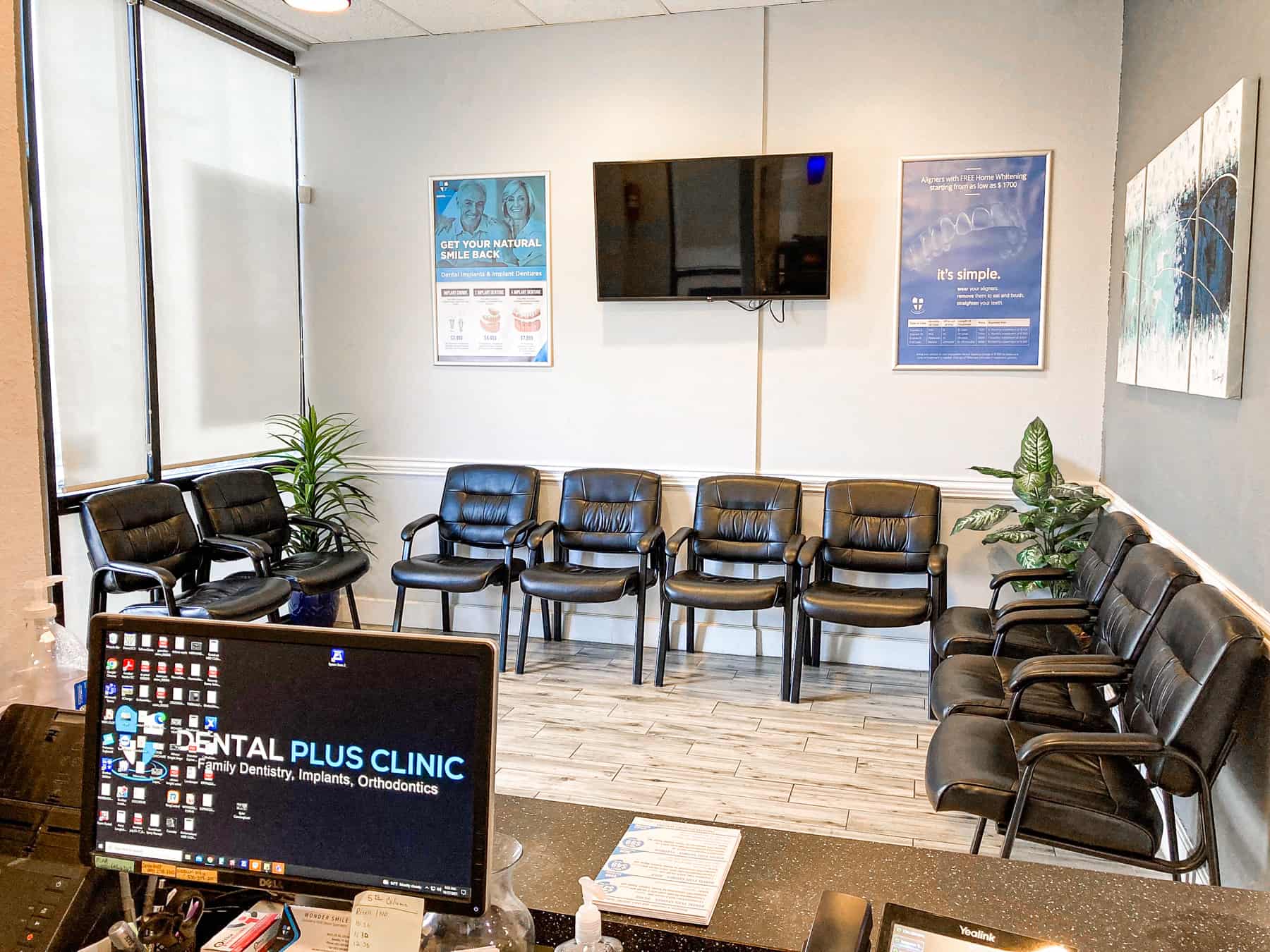
Consider proximity to your home or workplace, availability of public transportation, parking options, and whether the office offers evening or weekend appointments. For families, finding a provider who treats both children and adults simplifies scheduling and builds continuity of care. Dental Plus Clinic operates convenient locations throughout Texas, making it easier for families to access quality dental care close to home.
Addressing Common Concerns About Medicaid Dental Care
Misconceptions and concerns about Medicaid dental care sometimes prevent people from seeking needed treatment. Addressing these worries directly helps you approach dental care with confidence and realistic expectations.
Quality of Care Concerns
One persistent myth suggests that Medicaid dental care is inferior to care provided to patients with private insurance. In reality, dentists are bound by the same professional standards and ethical obligations regardless of payment source. Licensed dental professionals must provide appropriate, quality care to all patients.
The difference lies not in quality but in the scope of covered services and sometimes in provider availability. A competent dentist that take medicaid near me will provide the same clinical expertise and treatment standards whether you pay with Medicaid, private insurance, or cash. What varies is which treatments your insurance will cover, not the skill level of the provider.
Stigma and Treatment by Staff
Some Medicaid beneficiaries worry about experiencing judgment or receiving inferior customer service due to their insurance type. While unfortunate instances of discrimination occasionally occur, most dental professionals are committed to treating all patients with dignity and respect.
When interviewing potential dental providers, pay attention to how office staff communicate with you during initial phone calls. Professional, courteous treatment during scheduling and check-in typically reflects the overall office culture. Don't hesitate to seek care elsewhere if you experience disrespectful treatment-numerous quality providers welcome Medicaid patients enthusiastically.
Special Considerations for Children's Medicaid Dental Care
Parents searching for a dentist that take medicaid near me for their children have unique concerns centered on pediatric expertise, child-friendly environments, and comprehensive preventive care. Children's dental needs differ significantly from adult requirements, making specialized pediatric providers particularly valuable.
Early Childhood Dental Visits
The American Academy of Pediatric Dentistry recommends children have their first dental visit by their first birthday or within six months of the first tooth erupting. These early visits establish a dental home, allow early detection of problems, and help children become comfortable with dental care.
Benefits of early dental visits include:
- Assessment of proper tooth development
- Guidance on thumb-sucking and pacifier use
- Nutritional counseling to prevent early childhood cavities
- Fluoride treatments to strengthen developing teeth
- Parent education on proper oral hygiene techniques
Texas Medicaid covers these early preventive visits, recognizing their importance in establishing lifelong oral health. Finding a pediatric dentist who accepts Medicaid ensures your child receives specialized care tailored to their developmental stage.
Managing Dental Anxiety in Children
Many children experience anxiety about dental visits, making provider selection crucial for long-term dental health. Pediatric dental offices create welcoming environments with child-sized equipment, colorful decor, and staff trained in behavioral management techniques.
When evaluating options for a dentist that take medicaid near me for your children, visit the office beforehand if possible. Observe how staff interact with young patients, assess the waiting room atmosphere, and ask about techniques used to help anxious children feel comfortable. Positive early dental experiences establish patterns that benefit oral health throughout life.
Navigating Medicaid Dental Benefits Across Texas Regions
Texas's geographic diversity means Medicaid dental access varies significantly between urban centers, suburban areas, and rural communities. Understanding regional differences helps set appropriate expectations and identify available resources in your specific area.
Urban vs. Rural Access Challenges
Major metropolitan areas like Houston, Dallas, San Antonio, and Austin generally have more dentists accepting Medicaid compared to rural regions. However, even in cities, certain neighborhoods may have limited provider availability, creating access disparities.
Rural communities face unique challenges including provider shortages, longer travel distances to dental offices, and limited public transportation options. Mobile dental clinics, teledentistry consultations, and regional dental health centers help bridge these gaps, but barriers persist.
| Region Type | Provider Availability | Common Solutions |
|---|---|---|
| Urban Centers | Moderate to Good | FQHCs, dental schools, private practices |
| Suburban Areas | Variable | Mix of private practices and community centers |
| Rural Communities | Limited | Mobile clinics, regional health centers, extended travel |
Residents of smaller Texas communities sometimes find that traveling to larger cities for specialty dental care proves necessary. When searching for a dentist that take medicaid near me in rural areas, expanding your search radius may be essential.
Regional Medicaid Managed Care Organizations
Texas administers Medicaid through regional managed care organizations (MCOs), each with its own network of dental providers. Your specific MCO affects which dentists are available to you, making it important to understand your plan's provider network.
Contact your MCO directly to request an updated provider list for your county or region. These organizations maintain the most current information about participating dentists and can help you find providers accepting new patients. Some MCOs offer care coordination services that assist in locating appropriate dental care.
Frequently Asked Questions
How do I verify my Medicaid dental coverage before an appointment?
Call the phone number on your Medicaid card to verify active coverage and confirm which dental services are included in your plan. You can also check your coverage status through your state's Medicaid online portal. Most dental offices will verify your coverage when you schedule an appointment, but checking beforehand prevents surprises.
What should I do if my dentist stops accepting Medicaid?
If your current dentist discontinues Medicaid participation, request copies of your dental records and radiographs. Use your MCO's provider directory to locate a new dentist that take medicaid near me, and transfer your records to maintain continuity of care. Complete any urgent treatments before transitioning to a new provider if possible.
Are cosmetic dental procedures covered by Medicaid?
Medicaid typically does not cover purely cosmetic dental procedures like teeth whitening, veneers for aesthetic purposes, or cosmetic orthodontics. However, if a procedure serves both functional and aesthetic purposes-such as replacing a missing front tooth-it may receive coverage. Cosmetic dentistry services generally require private payment, though some providers offer financing options.
Can I get dental implants with Medicaid coverage?
Dental implants are generally not covered by standard Texas Medicaid benefits for adults, as they're considered an elective rather than medically necessary treatment. Children may receive coverage for implants in specific circumstances, such as congenital tooth absence or trauma. Most implant patients explore alternative financing options, and dental implant financing programs make these treatments more accessible.
How often can I get dental cleanings with Medicaid?
Children enrolled in Texas Medicaid typically receive coverage for two preventive dental cleanings per year. Adult coverage for routine cleanings is more limited and varies based on specific eligibility factors. Your dental provider can clarify your individual benefit limits and help you schedule appointments to maximize your coverage.
What happens if I need treatment that Medicaid won't cover?
When you require dental treatment not covered by Medicaid, discuss alternative treatment options with your dentist that might fall within covered services. Some dental offices offer payment plans or sliding fee scales for out-of-pocket expenses. Additionally, dental schools and community health centers may provide reduced-cost care for services beyond Medicaid coverage. If dental insurance denies coverage, understanding your appeal rights is important.
Can I choose any dentist, or must I stay within a network?
Texas Medicaid dental benefits typically allow you to visit any licensed dentist who participates in the Medicaid program. However, if you're enrolled in a Medicaid managed care plan, you may need to select a dentist within that plan's network. Check with your specific MCO to understand any network restrictions that apply to your coverage.
How do I file a complaint about a Medicaid dental provider?
If you experience problems with a Medicaid dental provider, first attempt to resolve the issue directly with the dental office. If that proves unsuccessful, contact your Medicaid managed care organization to file a formal complaint. You can also file complaints with the Texas State Board of Dental Examiners regarding quality of care concerns or professional misconduct.
Making the Most of Your Medicaid Dental Benefits
Success with Medicaid dental coverage requires proactive engagement, clear communication with providers, and strategic use of available benefits. Treating your oral health as a priority rather than addressing problems only when they become emergencies leads to better outcomes and lower overall costs.
Building a Relationship With Your Dental Provider
Consistency matters in dental care. Establishing an ongoing relationship with a reliable dentist that take medicaid near me creates continuity that benefits your oral health. Your dentist learns your dental history, understands your specific concerns, and can track changes over time.
Regular patients receive priority scheduling, more personalized care, and often better communication about coverage and treatment options. Dental teams familiar with your situation can advocate more effectively when requesting prior authorizations or explaining medical necessity to Medicaid reviewers.
Staying Informed About Coverage Changes
Medicaid policies and benefits change periodically based on legislative decisions and state budget considerations. Staying informed about these changes helps you adapt your dental care strategy and take advantage of new benefits when they become available.
Subscribe to updates from Texas Health and Human Services, maintain communication with your MCO, and ask your dental office about any coverage changes they've observed. Being proactive about understanding your benefits prevents situations where you arrive for treatment only to discover coverage has changed.
Advocating for Your Dental Health Needs
Don't hesitate to advocate for yourself or your family members when navigating Medicaid dental care. If a treatment denial seems inappropriate, request a detailed explanation and explore appeal options. If you can't find a dentist that take medicaid near me with reasonable availability, contact your MCO's member services for assistance.
Many Medicaid beneficiaries find that persistence pays off. If one dental office has no appointments available, continue calling others. If a prior authorization is denied, work with your dentist to provide additional documentation supporting medical necessity. Your oral health deserves the same attention and care as any other aspect of your wellbeing.
Finding quality dental care through Medicaid doesn't have to be an overwhelming process when you understand your benefits, know where to look, and choose providers committed to serving Medicaid patients with excellence. Whether you need preventive care for your children, emergency treatment for a painful tooth, or ongoing dental maintenance, accessible options exist throughout Texas. Dental Plus Clinic welcomes Medicaid patients across our five Texas locations in Beeville, Seguin, New Braunfels, Leander, and Converse, offering comprehensive dental services in a comfortable, professional environment where every patient receives personalized care regardless of insurance type.