
Finding the right pediatric dentist near me has become a priority for parents who understand that children's dental needs differ significantly from adults. Your child's oral health foundation begins in infancy and continues through adolescence, requiring specialized care that addresses developmental changes, behavioral management, and preventive strategies. With approximately 20% of children aged 5 to 11 having at least one untreated decayed tooth, choosing a qualified pediatric dentist becomes crucial for establishing lifelong healthy habits and preventing serious dental issues.
Understanding Pediatric Dentistry and Its Importance
Pediatric dentistry represents a specialized branch of dental medicine focused exclusively on the oral health of infants, children, adolescents, and patients with special healthcare needs. When you search for a pediatric dentist near me, you're looking for a professional who has completed an additional two to three years of advanced training beyond dental school.
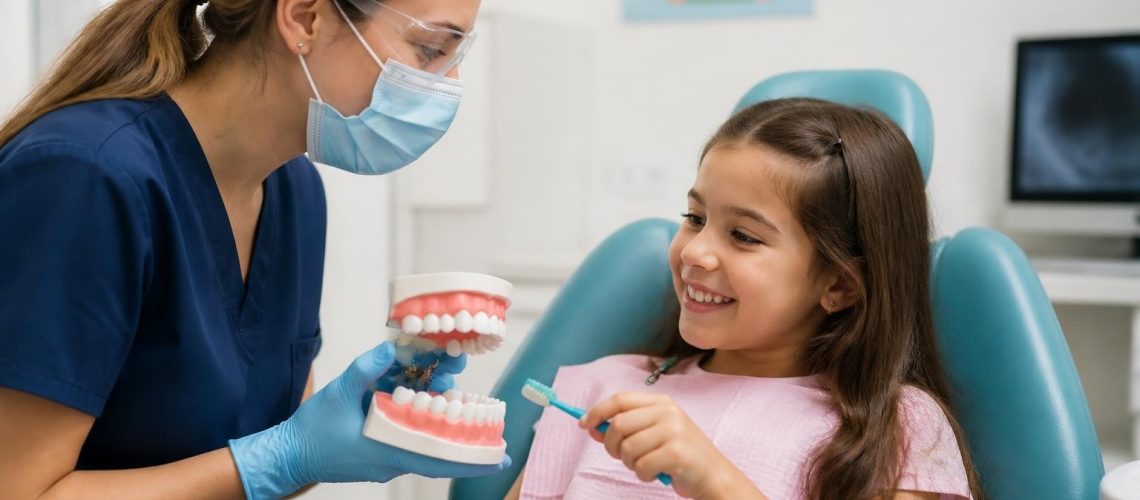
According to the American Academy of Pediatrics, pediatric dentists specialize in managing the unique dental, physical, and emotional needs of children. This specialized training encompasses child psychology, growth and development, and techniques specifically designed to make dental visits comfortable and educational for young patients.
Key Differences Between Pediatric and General Dentistry
Pediatric dentists bring distinct advantages to your child's dental care:
- Specialized education in child development and behavior management
- Child-friendly environments designed to reduce anxiety and fear
- Preventive focus emphasizing early intervention and education
- Experience with dental trauma common in active children
- Expertise in monitoring tooth development and addressing alignment issues early
The American Dental Association emphasizes that pediatric dentists are trained to identify potential problems before they become serious, saving families time, money, and stress in the long run.
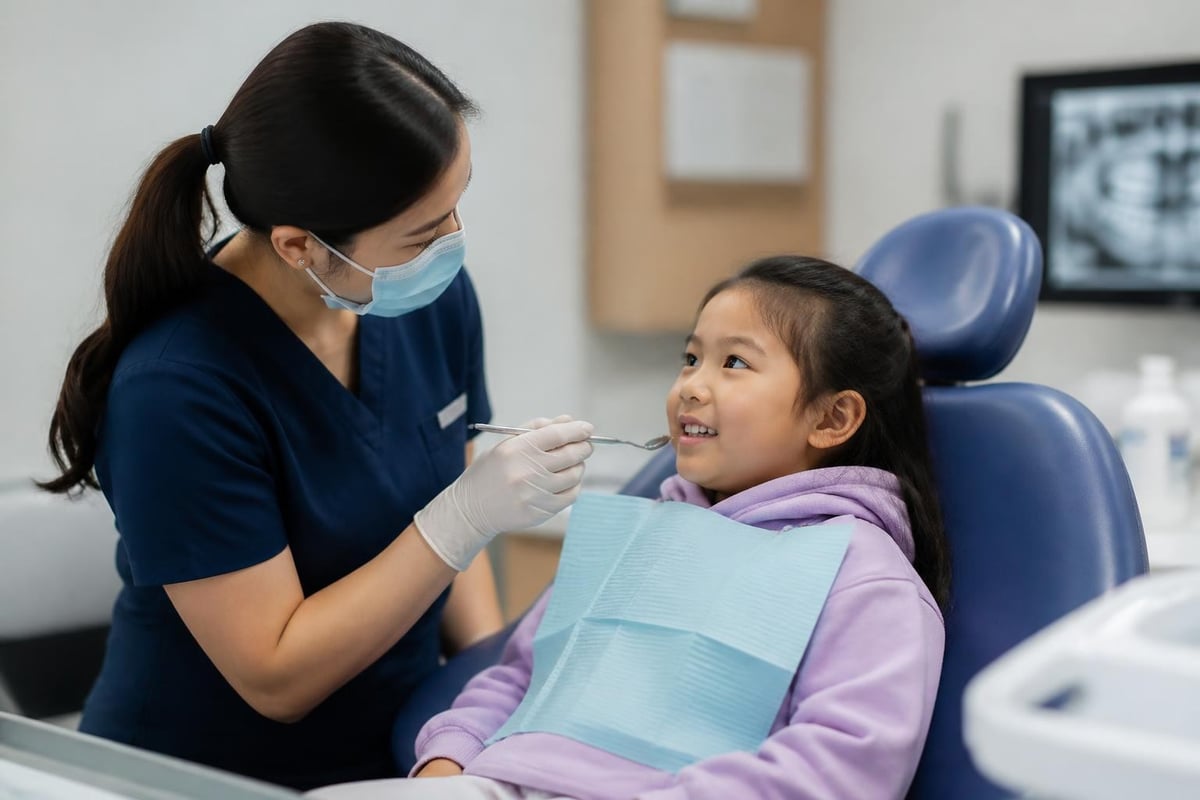
When to Start Looking for a Pediatric Dentist Near Me
The timing of your child's first dental visit significantly impacts their long-term oral health outcomes. Many parents wait until their child complains of pain or until they notice visible problems, but this approach misses critical preventive opportunities.
The First Dental Visit Timeline
Recommended age: The first dental visit should occur by your child's first birthday or within six months of the first tooth eruption, whichever comes first.
This early visit serves multiple purposes beyond examining teeth:
- Establishing a dental home where your child feels comfortable
- Educating parents on proper oral hygiene techniques
- Assessing risk factors for cavities and developmental issues
- Creating a prevention plan tailored to your child's needs
- Building trust between your child and the dental team
Research shows that children who establish regular dental care by age one have significantly lower rates of dental decay and emergency visits throughout childhood. When searching for a pediatric dentist near me, prioritize practices that welcome infants and emphasize preventive education.
Critical Developmental Stages for Dental Care
| Age Range | Dental Milestones | Recommended Care |
|---|---|---|
| 0-6 months | Pre-teeth development | Parent education on teething |
| 6-12 months | First teeth emerge | Initial dental visit, cleaning guidance |
| 1-3 years | Primary teeth completion | Regular checkups, fluoride assessment |
| 3-6 years | Full primary dentition | Cavity prevention, habit counseling |
| 6-12 years | Mixed dentition phase | Orthodontic evaluation, sealants |
| 12+ years | Permanent teeth | Comprehensive care, wisdom teeth monitoring |
The American Dental Association’s guidance on babies and kids provides valuable resources for parents navigating these developmental stages.
What to Look for When Searching Pediatric Dentist Near Me
Finding the right pediatric dental practice requires evaluating several critical factors beyond proximity to your home. Your search for a pediatric dentist near me should consider these essential elements to ensure quality care for your child.
Credentials and Training Verification
Start by confirming the dentist's qualifications:
- Board certification by the American Board of Pediatric Dentistry
- State licensure and clean disciplinary record
- Membership in professional organizations
- Continuing education participation
- Hospital affiliation for complex cases
When considering practices that also offer general dentistry, ensure they have staff specifically trained in pediatric care, like those at Dental Plus Clinic, which provides comprehensive care for patients of all ages across multiple Texas locations.
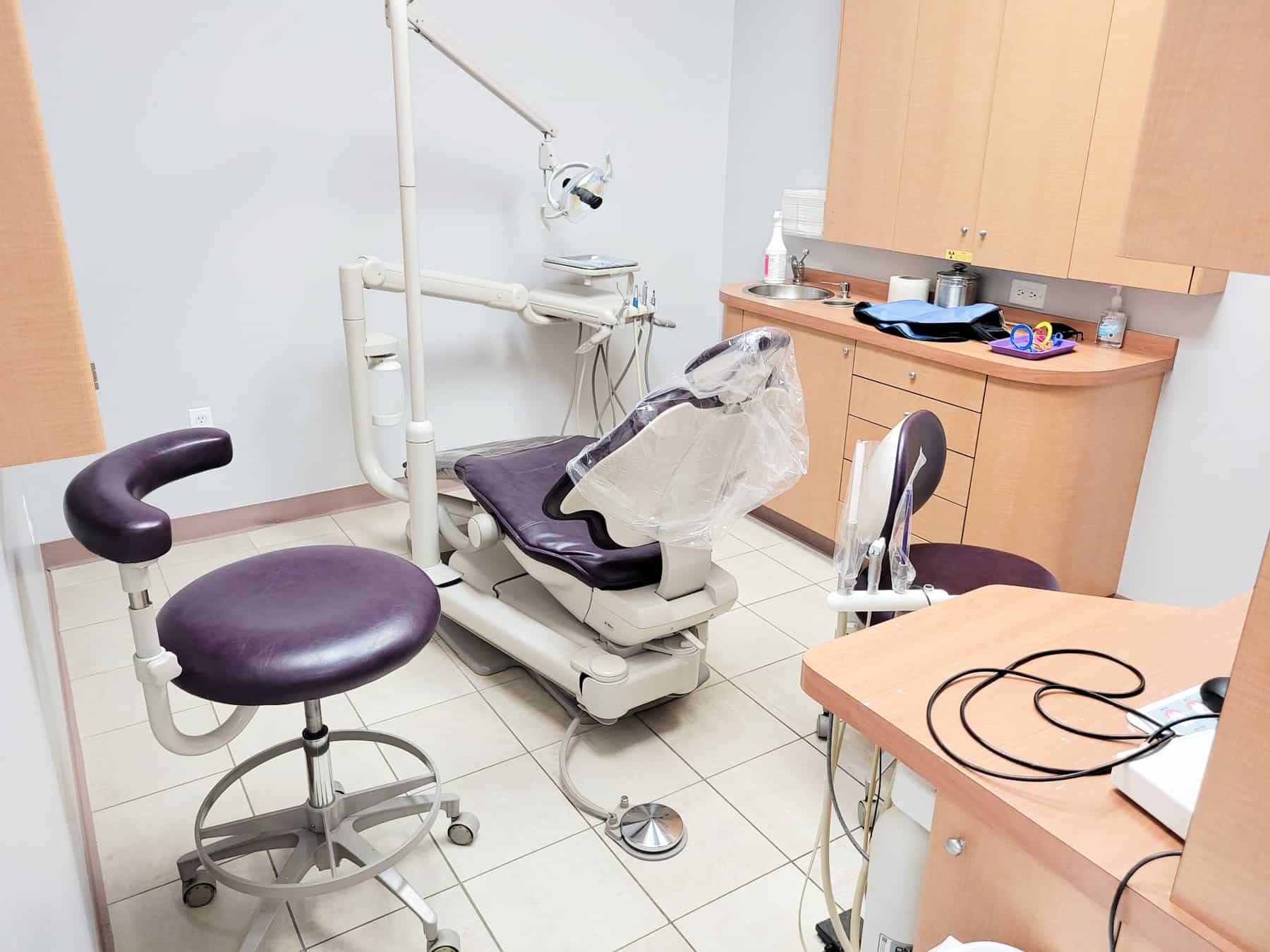
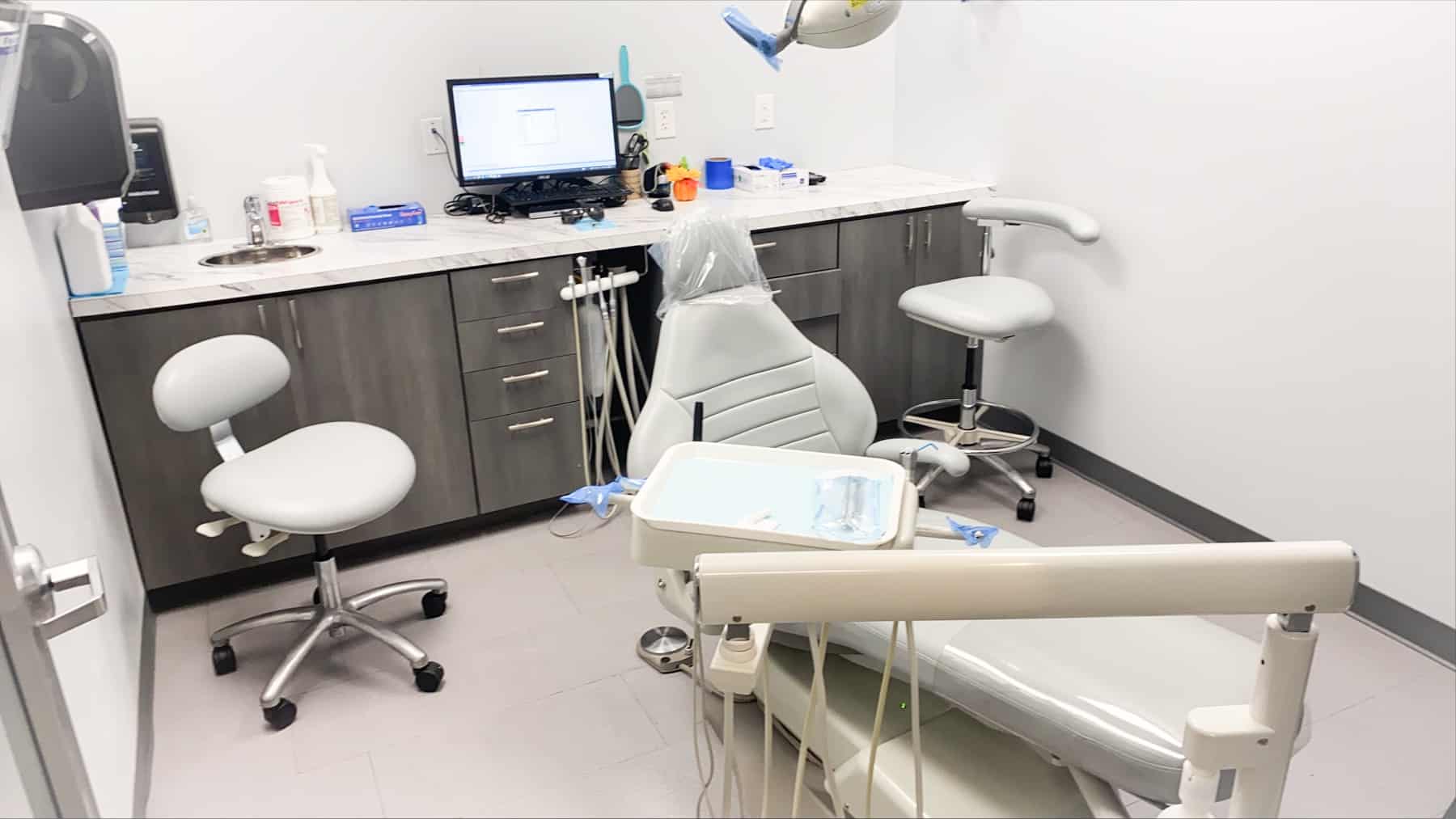
Office Environment and Child-Friendly Features
The physical environment significantly impacts your child's comfort level:
Essential features include:
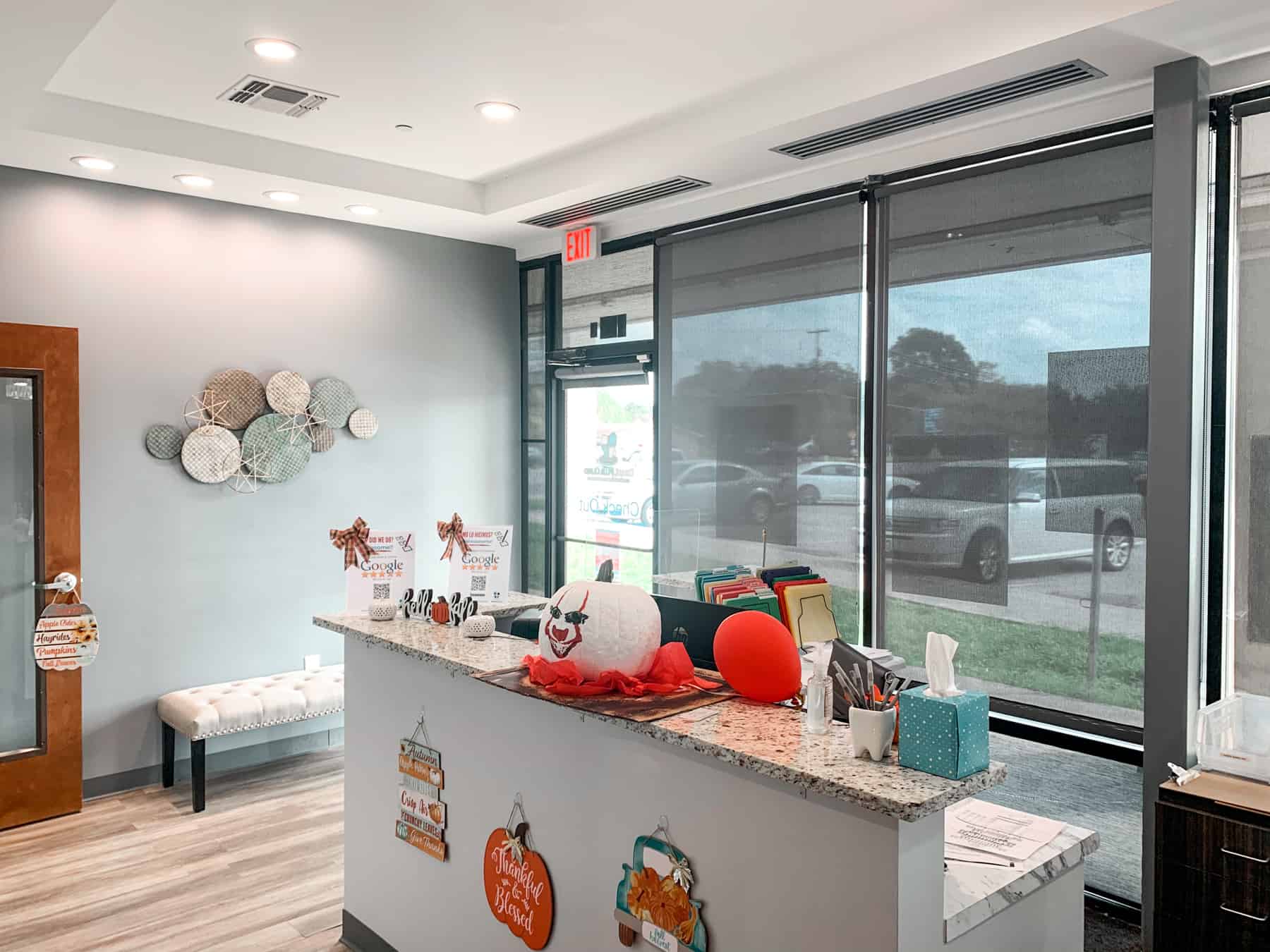
- Colorful, welcoming reception areas with age-appropriate entertainment
- Child-sized equipment and furniture
- Positive visual aids explaining procedures
- Reward systems that encourage good behavior
- Separate areas for different age groups when possible
A practice focused on creating positive experiences helps prevent dental anxiety that can persist into adulthood. Many families document these early dental experiences with professional photography, and services like One Big Happy Photo, LLC can capture these important milestones in your child's healthcare journey.
Technology and Treatment Approaches
Modern pediatric dentistry incorporates advanced technology that improves outcomes and comfort:
- Digital X-rays with reduced radiation exposure
- Laser dentistry for less invasive treatments
- Sedation options for anxious or special needs children
- Computer-aided diagnostics for early problem detection
- Teledentistry capabilities for consultations
Ask potential pediatric dentists about their approach to pain management, behavior guidance techniques, and how they handle emergencies. Understanding how to help your child is crucial, as outlined in resources about helping with tooth pain.

Services Offered by Pediatric Dental Practices
When you find a pediatric dentist near me that meets your initial criteria, understanding the scope of services they offer ensures comprehensive care as your child grows. Pediatric dental practices provide both preventive and restorative treatments tailored to developing smiles.
Preventive Care Services
Prevention forms the foundation of pediatric dentistry:
Core preventive services:
- Professional cleanings and examinations
- Fluoride treatments to strengthen enamel
- Dental sealants protecting molars from decay
- Oral hygiene instruction for children and parents
- Nutritional counseling related to oral health
- Custom mouthguards for sports protection
The American Academy of Pediatric Dentistry’s parent resources offer detailed information about preventive strategies that parents can implement at home between visits.
Restorative and Emergency Treatments
Despite best preventive efforts, children sometimes require restorative care:
- Cavity treatment using tooth-colored fillings
- Pulp therapy for infected or damaged teeth
- Stainless steel crowns for extensively decayed primary teeth
- Space maintainers when teeth are lost prematurely
- Emergency care for dental trauma or severe pain
Understanding when to identify cavities helps parents seek timely treatment before minor issues become major problems.
Specialized Pediatric Services
Advanced pediatric practices offer additional specialized care:
- Sedation dentistry for anxious or special needs patients
- Orthodontic evaluations and early intervention
- Management of dental development disorders
- Treatment for oral habits like thumb sucking
- Care coordination with medical specialists
Some comprehensive practices like those in New Braunfels and Leander provide both pediatric and family dental services, allowing siblings and parents to receive care in the same location.
Common Pediatric Dental Issues and Prevention Strategies
Understanding prevalent dental problems in children helps parents recognize issues early and implement effective prevention strategies. When searching for a pediatric dentist near me, finding a provider who emphasizes education about these common concerns proves invaluable.
Early Childhood Caries (Baby Bottle Tooth Decay)
This aggressive form of tooth decay affects approximately 23% of children aged 2 to 5 years.
Primary causes:
- Prolonged bottle use, especially at bedtime
- Frequent consumption of sugary beverages
- Inadequate oral hygiene in infants and toddlers
- Transmission of bacteria from caregivers to children
Prevention strategies:
- Wipe gums with a clean cloth after feeding
- Avoid putting babies to bed with bottles containing anything except water
- Transition from bottle to cup by 12-14 months
- Begin brushing with a rice-sized amount of fluoride toothpaste when first tooth appears
Resources on helping your child avoid tooth decay provide practical implementation steps for busy parents.
Dental Trauma and Injuries
Active children frequently experience dental injuries that require immediate attention.
| Injury Type | Immediate Action | Follow-up Required |
|---|---|---|
| Knocked-out primary tooth | Do not replant; control bleeding | Same-day dental visit |
| Knocked-out permanent tooth | Rinse gently, replant if possible, or store in milk | Emergency visit within 30 minutes |
| Chipped or fractured tooth | Save fragments, rinse mouth | Visit within 24 hours |
| Soft tissue injury | Clean area, apply pressure | Assess if stitches needed |
Having an established relationship with a pediatric dentist near me ensures rapid response during dental emergencies.
Thumbsucking and Oral Habits
While normal in infancy, prolonged oral habits can affect dental development:
- Impact: Misalignment of teeth, changes in jaw structure, speech difficulties
- Critical age: Intervention typically recommended if habit continues beyond age 3-4
- Approaches: Positive reinforcement, habit-breaking appliances, behavioral counseling
Pediatric dentists work with families to address these habits gently and effectively, preventing the need for extensive orthodontic treatment later.
Insurance and Financial Considerations
The cost of pediatric dental care concerns many families searching for a pediatric dentist near me. Understanding insurance coverage and payment options helps ensure your child receives necessary care without financial stress.
Dental Insurance for Children
Most pediatric dental services fall under preventive care covered at 100% by insurance:
Typically fully covered services:
- Two routine examinations per year
- Professional cleanings (prophylaxis)
- Fluoride treatments for children
- Dental X-rays as recommended
- Sealants for permanent molars
Partially covered services (usually 50-80%):
- Fillings and restorative work
- Extractions
- Space maintainers
- Emergency treatments
Understanding dental insurance plans in Texas helps families maximize benefits and minimize out-of-pocket expenses.
Alternative Payment Options
For families without dental insurance or with denied claims, several options exist:
- Dental savings plans offering discounted services for annual membership fees
- Payment plans allowing treatment costs to be spread over several months
- State-sponsored programs like CHIP providing coverage for eligible children
- Healthcare credit cards designed specifically for medical expenses
- Sliding scale fees based on family income at some practices
If you're dealing with denied dental insurance, understanding your appeal rights and alternative payment methods becomes crucial. Many pediatric practices offer flexible payment arrangements to ensure children receive necessary care.
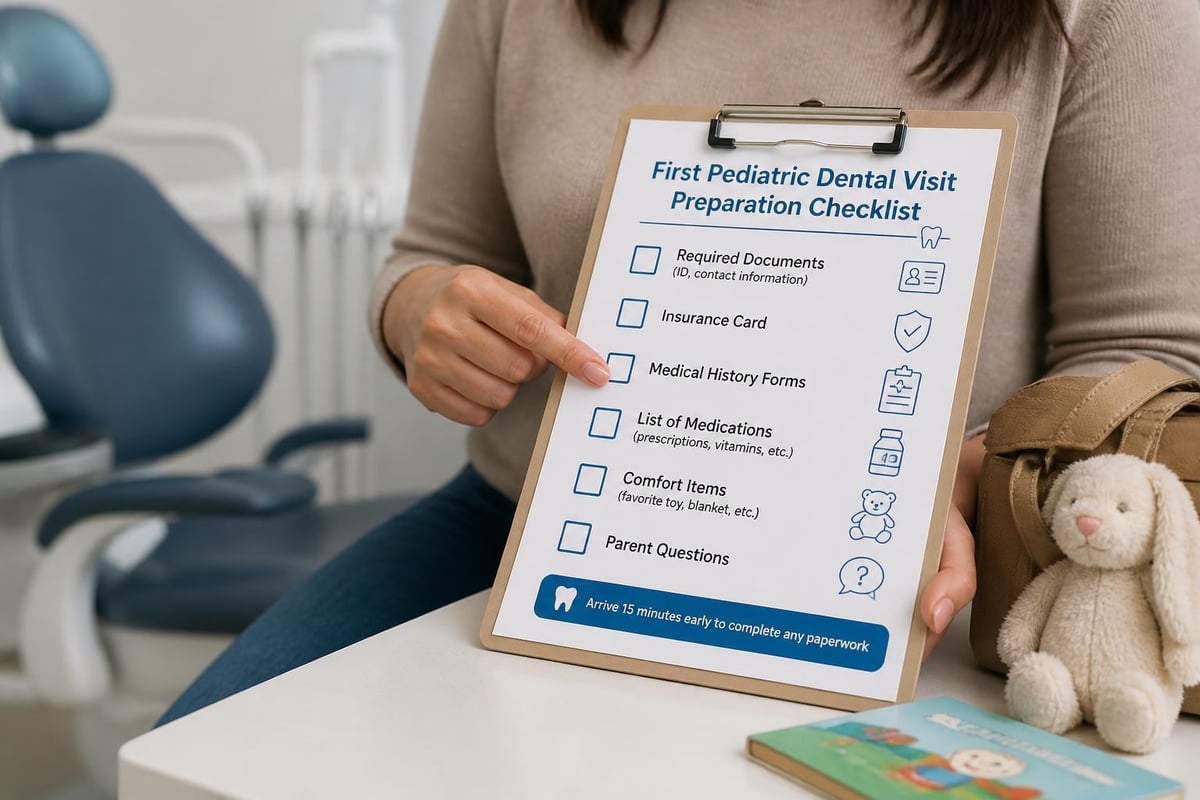
Preparing Your Child for Their Dental Visit
Success in pediatric dentistry often depends on proper preparation. When you've found a pediatric dentist near me that meets your needs, taking steps to prepare your child for their visit creates a foundation for positive dental experiences throughout their life.
Age-Appropriate Preparation Techniques
For toddlers (1-3 years):
- Read children's books about dental visits
- Play "dentist" at home using stuffed animals
- Keep explanations simple and positive
- Avoid words like "pain," "hurt," or "shot"
For preschoolers (3-5 years):
- Explain what will happen in clear, honest terms
- Watch age-appropriate videos about dental visits
- Practice opening mouth wide and counting teeth
- Emphasize that the dentist helps keep teeth strong and healthy
For school-age children (6+ years):
- Provide more detailed explanations of procedures
- Discuss the importance of oral health
- Address specific concerns or questions honestly
- Allow them to take ownership of their dental health
What to Bring to the Appointment
Ensure a smooth first visit by preparing these items:
- Insurance information and identification
- Medical and dental history forms completed in advance
- List of current medications or supplements
- Comfort item if appropriate for your child's age
- Questions you want to ask the dentist
Practices emphasizing comprehensive care, like facilities in Converse and Seguin, often provide new patient packets online to streamline the check-in process.
Managing Dental Anxiety
Approximately 36% of children experience some level of dental anxiety. Effective management strategies include:
Parental behavior matters most:
- Remain calm and positive about dental visits
- Avoid transferring your own dental fears to your child
- Praise cooperation without promising rewards for "being brave"
- Never use dental visits as threats or punishment
Professional techniques pediatric dentists use:
- Tell-Show-Do method introducing procedures gradually
- Positive reinforcement and distraction techniques
- Nitrous oxide sedation for anxious patients
- Child life specialists in some practices
Many families find that celebrating these healthcare milestones with professional photos from services like One Big Happy Photo, LLC helps children associate dental visits with positive experiences.
Building a Long-Term Dental Home
Establishing a consistent relationship with a pediatric dentist near me provides continuity of care that benefits your child's oral health for years to come. The concept of a "dental home" extends beyond simply visiting the same office.
Benefits of Continuity in Pediatric Dental Care
Consistent care with the same provider offers:
- Comprehensive understanding of your child's unique dental development
- Personalized prevention plans based on individual risk factors
- Faster identification of changes or potential problems
- Established trust between provider and patient
- Coordinated care when specialists are needed
- Complete dental records tracking development over time
Studies demonstrate that children with a consistent dental home have 40% fewer dental emergencies and significantly better oral health outcomes compared to those who receive fragmented care.
Transitioning from Pediatric to Adult Dentistry
Most pediatric dentists provide care through late adolescence, typically until age 18 or college age.
Transition considerations:
| Factor | Timing | Action |
|---|---|---|
| Wisdom teeth emergence | Ages 17-21 | Evaluation for extraction needs |
| Orthodontic completion | Variable | Retainer maintenance transition |
| Special health needs | Case-dependent | May continue pediatric care longer |
| Patient preference | Young adult decision | Gradual transition with coordination |
When the time comes, pediatric dentists often coordinate with general practitioners to ensure smooth transitions. Understanding when to switch dentists helps families make informed decisions about care changes.
Geographic Accessibility and Multi-Location Practices
When searching for a pediatric dentist near me, geographic convenience significantly impacts your ability to maintain regular appointments. Texas families benefit from practices with multiple locations serving diverse communities.
Advantages of Multi-Location Dental Practices
Practices with several offices offer distinct benefits:
- Consistent care standards across all locations
- Flexibility in scheduling at different sites
- Shared records accessible at any location
- Emergency coverage at the nearest office
- Continuity when families relocate within service areas
For Texas families, having access to locations in Beeville, Converse, Leander, New Braunfels, and Seguin means convenient care whether you're near home, work, or managing childcare arrangements with providers like Step by Step Care.
Evaluating Location-Specific Factors
Beyond distance, consider these location-related elements:
Practical considerations:
- Office hours compatibility with work/school schedules
- Parking availability and accessibility
- Public transportation options if needed
- Weekend or evening appointment availability
- Wait times for appointments at different locations
Community integration:
- Involvement in local schools and health fairs
- Partnerships with pediatricians in the area
- Reputation within your specific community
- Participation in local insurance networks
Technology and Modern Pediatric Dentistry
The pediatric dentist near me that you choose should incorporate current technology that improves diagnostic accuracy, treatment outcomes, and patient comfort. Modern advancements have transformed pediatric dental care significantly since 2020.
Digital Diagnostics and Imaging
Contemporary imaging technology includes:
- Digital radiography reducing radiation exposure by up to 80%
- Intraoral cameras allowing children to see their own teeth
- 3D cone beam CT for complex cases requiring detailed imaging
- AI-assisted cavity detection identifying problems earlier
These technologies not only improve clinical outcomes but also serve as educational tools, helping children understand their oral health through visual learning.
Treatment Innovations
Modern pediatric dentistry offers minimally invasive options:
- Laser dentistry for cavity preparation with less discomfort
- Silver diamine fluoride arresting decay without drilling
- Air abrasion removing decay with precision
- Ozone therapy for early cavity treatment
- Computer-assisted anesthesia reducing injection discomfort
Understanding general dentistry treatment types helps parents recognize the breadth of modern dental care available.
Digital Record Keeping and Communication
Advanced practices utilize technology for improved communication:
- Electronic health records accessible to authorized providers
- Patient portals for appointment scheduling and record access
- Text/email appointment reminders reducing missed visits
- Digital insurance verification streamlining coverage confirmation
- Teledentistry for preliminary consultations and follow-ups
The implementation of digital insurance verification in dental clinics has significantly reduced administrative barriers to care.
Special Needs and Pediatric Dentistry
When searching for a pediatric dentist near me, families with special needs children require providers with additional training and resources. Approximately one in six children has a developmental disability requiring adapted dental care approaches.
Accommodations for Special Needs Patients
Qualified pediatric dentists offer various accommodations:
Physical adaptations:
- Wheelchair-accessible facilities and treatment rooms
- Transfer assistance equipment
- Positioning aids for patients with limited mobility
- Extended appointment times allowing unhurried care
Behavioral support:
- Sensory-friendly environments with adjusted lighting and sounds
- Visual schedules and social stories preparing patients
- Desensitization visits familiarizing children with the office
- Specialized communication techniques for non-verbal patients
Medical coordination:
- Collaboration with physicians managing complex conditions
- Antibiotic prophylaxis protocols when required
- Medication interaction awareness
- Emergency response planning for medically fragile patients
Sedation Options for Complex Cases
Some children require sedation for dental treatment:
| Sedation Level | Method | Appropriate For |
|---|---|---|
| Minimal (anxiolysis) | Nitrous oxide | Mild anxiety, brief procedures |
| Moderate (conscious) | Oral medication | Moderate anxiety, longer procedures |
| Deep sedation | IV medication | Severe anxiety, extensive treatment |
| General anesthesia | Hospital/surgical center | Very young, medically complex, extensive needs |
The American Academy of Pediatric Dentistry’s recommendations provide detailed guidance on appropriate sedation protocols for different patient populations.
Frequently Asked Questions About Pediatric Dentistry
How often should my child see a pediatric dentist?
The American Academy of Pediatric Dentistry recommends dental checkups every six months for most children. However, your pediatric dentist near me may suggest more frequent visits if your child has:
- High cavity risk due to diet, hygiene, or genetics
- Active orthodontic treatment requiring monitoring
- Special health conditions affecting oral health
- History of dental trauma needing follow-up
Conversely, some children with excellent oral health and low risk factors may need visits only annually, though this is less common.
What age should my child start brushing independently?
Most children develop the fine motor skills necessary for effective brushing around age 6-8 years. However, parental supervision and assistance should continue until at least age 10-12.
Developmental milestones:
- Ages 0-3: Parent performs all brushing
- Ages 3-6: Child can begin learning with direct supervision
- Ages 6-8: Child brushes with parent checking thoroughness
- Ages 8-10: Increasing independence with periodic supervision
- Ages 10+: Independent brushing with occasional spot-checks
Even teenagers benefit from periodic reminders about proper technique and duration.
Are dental X-rays safe for children?
Modern digital dental X-rays expose children to minimal radiation, comparable to the amount received during a short airplane flight. Pediatric dentists use the ALARA principle (As Low As Reasonably Achievable) and take several precautions:
- Lead aprons and thyroid collars protecting sensitive areas
- High-speed film or digital sensors minimizing exposure time
- Appropriate X-ray schedules based on individual risk assessment
- Small, focused beams targeting only necessary areas
The diagnostic benefits of appropriate radiographs far outweigh the minimal radiation risk.
What should I do if my child knocks out a permanent tooth?
This constitutes a true dental emergency requiring immediate action:
Step-by-step response:
- Find the tooth and handle it only by the crown (chewing surface)
- Rinse gently with water if dirty (do not scrub or use soap)
- If possible, reinsert the tooth into the socket immediately
- If reinsertion isn't possible, store the tooth in milk or saliva
- Contact your pediatric dentist near me immediately
- Seek treatment within 30 minutes for best prognosis
Time is critical. Teeth reimplanted within 30 minutes have the highest survival rates.
How can I reduce dental care costs for my children?
Several strategies help manage pediatric dental expenses:
Prevention-focused approaches:
- Maintain regular preventive visits preventing costly problems
- Implement excellent home care reducing cavity development
- Use fluoridated water and toothpaste strengthening enamel
- Follow dietary recommendations limiting cavity-causing foods
Financial strategies:
- Maximize preventive benefits covered 100% by most insurance
- Ask about payment plans for larger procedures
- Consider dental savings plans if uninsured
- Investigate state programs like CHIP for eligible families
- Review options for reducing dental care costs
Prevention remains the most cost-effective approach to pediatric dental care.
Can cavities in baby teeth affect permanent teeth?
Absolutely. Despite being temporary, primary teeth serve critical functions:
Impacts of untreated decay in baby teeth:
- Infection can damage developing permanent tooth buds underneath
- Premature loss creates space problems for permanent teeth
- Pain and infection affect eating, speaking, and learning
- Bacteria levels in the mouth increase cavity risk overall
- Early negative experiences create lasting dental anxiety
Understanding how tooth infections spread emphasizes the importance of treating baby teeth promptly.
What makes some children more prone to cavities than others?
Cavity susceptibility varies significantly among children due to multiple factors:
Genetic and biological factors:
- Enamel quality and tooth structure variations
- Saliva composition and flow rate
- Jaw and tooth positioning affecting cleaning difficulty
- Immune system function
Environmental and behavioral factors:
- Dietary habits, especially sugar frequency
- Oral hygiene quality and consistency
- Fluoride exposure through water and dental products
- Access to regular preventive dental care
Research on why some people get cavities easier explores these individual differences in detail. Your pediatric dentist near me can assess your child's specific risk factors and create a personalized prevention plan.
When should orthodontic evaluation occur?
The American Association of Orthodontists recommends that children have their first orthodontic evaluation by age 7. This timing allows assessment of:
- Jaw relationship and growth patterns
- Emerging permanent teeth development
- Severe crowding or spacing issues
- Crossbites, overbites, or underbites
- Harmful oral habits requiring intervention
Early evaluation doesn't always mean early treatment. Most children don't begin active orthodontics until ages 9-14, but identifying problems early allows optimal treatment timing. Learning about the importance of orthodontics helps parents understand these developmental considerations.
Creating a Home Oral Care Routine
Finding a pediatric dentist near me represents only part of your child's oral health strategy. The daily care provided at home significantly impacts long-term outcomes and determines how much professional intervention becomes necessary.
Age-Specific Home Care Guidelines
Infants (0-12 months):
- Wipe gums with clean, damp cloth after feedings
- Begin brushing when first tooth erupts using rice-sized fluoride toothpaste
- Avoid bottles in bed containing anything except water
- Schedule first dental visit by first birthday
Toddlers (1-3 years):
- Brush twice daily with rice-sized fluoride toothpaste
- Parent performs all brushing
- Limit juice and sugary beverages
- Begin flossing when teeth touch
Preschoolers (3-5 years):
- Increase to pea-sized amount of fluoride toothpaste
- Allow child to practice brushing, parent finishes
- Encourage healthy snack choices
- Continue twice-daily brushing and daily flossing
School-age (6-12 years):
- Supervise brushing to ensure thoroughness
- Introduce electric toothbrush if helpful
- Emphasize brushing for full two minutes
- Consider dental sealants for permanent molars
Adolescents (13+ years):
- Monitor for decreased motivation during teen years
- Address orthodontic hygiene challenges
- Discuss cosmetic concerns appropriately
- Emphasize connection between oral and overall health
Common Home Care Mistakes to Avoid
Parents often make these well-intentioned errors:
- Delaying fluoride toothpaste use due to swallowing concerns (proper amount makes swallowing safe)
- Brushing too hard causing gum recession and enamel wear
- Skipping flossing leaving 40% of tooth surfaces uncleaned
- Using the wrong toothbrush (choose soft bristles, appropriate size)
- Inconsistent routine reducing effectiveness of preventive care
- Allowing constant snacking creating continuous acid attacks on teeth
Questions about whether to brush or floss first and other technique concerns can be addressed during dental visits.
Nutrition and Oral Health in Children
Diet plays a crucial role in dental health that many parents underestimate when searching for a pediatric dentist near me. While professional care addresses existing problems, nutrition determines whether those problems develop in the first place.
Cavity-Promoting Foods and Beverages
Understanding which dietary choices increase decay risk helps parents make informed decisions:
High-risk items:
- Sticky candies and dried fruits clinging to teeth
- Sugary beverages including juice, soda, and sports drinks
- Frequent snacking creating constant acid production
- Starchy foods that break down into sugars
- Acidic foods and drinks eroding enamel directly
The frequency of sugar exposure matters more than total quantity. A child who sips juice throughout the day faces higher cavity risk than one who drinks it all at once with a meal.
Tooth-Healthy Nutrition Strategies
Protective dietary approaches:
- Calcium-rich foods (dairy, leafy greens) strengthening teeth
- Crunchy vegetables naturally cleaning teeth while eating
- Cheese neutralizing acids and providing calcium
- Water washing away food particles and maintaining saliva flow
- Xylitol-containing products inhibiting cavity-causing bacteria
Timing recommendations:
- Limit eating occasions to 5-6 times daily
- Encourage water between meals
- Save sweets for meal times rather than snacks
- Brush or rinse after sugary or acidic consumption when possible
Special Considerations for Young Athletes
Active children participating in sports face unique nutritional and dental challenges:
- Sports drinks: Often unnecessary for young athletes and highly acidic
- Energy bars: Frequently contain high sugar and stick to teeth
- Constant snacking: Common during tournaments but increases decay risk
- Dehydration: Reduces protective saliva flow
- Dental trauma risk: Requires evaluation for custom mouthguards
Your pediatric dentist near me can provide sport-specific mouthguards offering superior protection compared to store-bought versions.
The Role of Parents in Pediatric Dental Success
Professional care from a pediatric dentist near me works synergistically with parental involvement to create optimal oral health outcomes. Research consistently demonstrates that parental attitudes, knowledge, and behaviors significantly influence children's dental health and their relationship with dental care.
Modeling Positive Dental Behaviors
Children learn primarily through observation and imitation:
Effective modeling strategies:
- Maintain your own regular dental appointments
- Brush and floss alongside your children
- Speak positively about dental visits and oral health
- Demonstrate healthy food and beverage choices
- Address your own dental needs promptly
Parents who delay their own dental care or express dental fear inadvertently teach children that dental visits are optional or frightening.
Educational Responsibilities
Parents serve as primary oral health educators:
- Explain the "why" behind brushing, flossing, and healthy eating
- Use age-appropriate language when discussing dental topics
- Celebrate dental health milestones like losing first tooth
- Read books and watch videos about dental care together
- Answer questions honestly without creating unnecessary fear
Understanding how poor oral health affects the rest of the body helps parents convey the importance of dental care beyond just teeth.
Partnering with Your Pediatric Dental Team
Effective parent-dentist collaboration includes:
Communication practices:
- Share complete medical and dental history
- Report concerning symptoms or changes promptly
- Ask questions when recommendations aren't clear
- Follow through with recommended treatments
- Provide feedback about your child's experience
Implementation support:
- Request demonstration of proper techniques
- Discuss barriers preventing home care success
- Collaborate on realistic goals for improvement
- Seek resources for specific challenges
This partnership approach ensures consistency between professional care and home practices, maximizing results.
Emergency Dental Situations in Children
Despite preventive efforts, dental emergencies occur. Knowing when to seek immediate care from a pediatric dentist near me versus waiting for a regular appointment can significantly impact outcomes.
True Dental Emergencies Requiring Immediate Care
Situations requiring same-day or immediate attention:
- Knocked-out permanent tooth
- Severe tooth or jaw pain preventing eating or sleeping
- Facial swelling, especially affecting eyes or breathing
- Uncontrolled bleeding from mouth or gums
- Suspected jaw fracture
- Abscess or pus-draining infection
- Object lodged between teeth that cannot be removed with floss
Urgent Situations Requiring Prompt But Not Immediate Care
Problems needing attention within 24-48 hours:
- Chipped or cracked tooth without pain
- Lost filling or crown
- Mild to moderate toothache
- Minor gum swelling
- Loose tooth (beyond normal exfoliation)
- Small soft tissue injuries
Emergency First Aid for Common Situations
Knocked-out permanent tooth:
- Locate tooth and handle only by crown
- Gently rinse if dirty (don't scrub)
- Attempt to reinsert in socket if possible
- If not, place in milk or saliva
- Seek care within 30 minutes
Severe toothache:
- Rinse mouth with warm water
- Gently floss to remove trapped food
- Apply cold compress to outside of cheek
- Give age-appropriate pain reliever
- Avoid aspirin directly on gums
- Contact dentist for evaluation
Bitten tongue or lip:
- Clean area gently with water
- Apply cold compress to reduce swelling
- Apply gentle pressure if bleeding
- Seek medical attention if bleeding doesn't stop in 15 minutes
Having an established relationship with a pediatric dentist near me ensures you know exactly who to call and where to go during emergencies.
Making Your Decision: Choosing Your Pediatric Dental Home
After researching pediatric dentist near me options and understanding what quality pediatric dental care involves, the final step is making your selection and scheduling that crucial first appointment. This decision impacts your child's oral health trajectory for years to come.
Creating Your Evaluation Checklist
Compile your priorities:
- Geographic convenience for regular visits
- Office hours compatibility with your schedule
- Insurance acceptance and payment options
- Specific services offered (sedation, special needs care, etc.)
- Office environment and child-friendly features
- Professional qualifications and experience
- Emergency care availability and protocols
- Parent reviews and recommendations
Schedule consultation visits at your top 2-3 choices before making a final decision. Many practices offer complimentary meet-and-greet appointments allowing you to evaluate the office and meet the dentist without committing to treatment.
Questions to Ask During Your Consultation
About qualifications and experience:
- What is your educational background and specialized training?
- How long have you been practicing pediatric dentistry?
- Are you board-certified in pediatric dentistry?
- What continuing education do you pursue?
About practice philosophy and approach:
- What is your approach to behavior management?
- How do you handle anxious or fearful children?
- What preventive strategies do you emphasize?
- How do you involve parents in treatment decisions?
About practical matters:
- What are your emergency protocols?
- How do you handle after-hours urgent situations?
- What insurance plans do you accept?
- What payment options are available for uncovered services?
Red Flags to Watch For
Warning signs suggesting you should continue your search:
- Unwillingness to answer questions or provide information
- Pressure to schedule extensive treatment immediately
- Dismissive attitude toward parent concerns
- Outdated equipment or poor facility maintenance
- Staff appearing rushed, stressed, or unfriendly
- No clear emergency protocols
- Lack of transparency about costs
- Poor online reviews citing similar concerns
Trust your instincts. If something feels wrong about a practice, continue searching for a pediatric dentist near me that better meets your family's needs.
Finding the right pediatric dentist near me sets the foundation for your child's lifelong oral health, transforming dental care from a source of anxiety into a positive experience that supports overall well-being. By prioritizing specialized training, child-friendly environments, preventive care, and strong parent-provider partnerships, you ensure your child receives the comprehensive dental care they deserve. Dental Plus Clinic provides patient-focused dental care for the entire family across five convenient Texas locations, combining modern technology with personalized treatment plans to help children develop healthy, confident smiles that last a lifetime.