
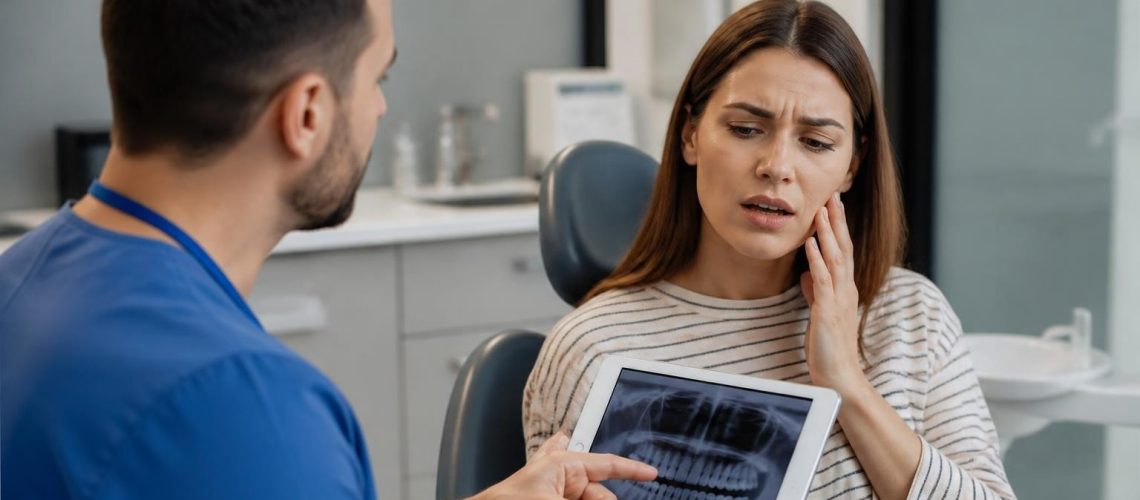
A chipped tooth emergency can happen when you least expect it, whether you're biting down on something hard, playing sports, or experiencing an unexpected fall. The sudden panic that follows is completely natural, but knowing exactly what to do in those critical first moments can make the difference between saving your tooth and facing more extensive dental work. This comprehensive guide will walk you through everything you need to know about handling a chipped tooth emergency, from immediate first aid to professional treatment options available at dental clinics throughout Texas.
Understanding What Constitutes a Chipped Tooth Emergency
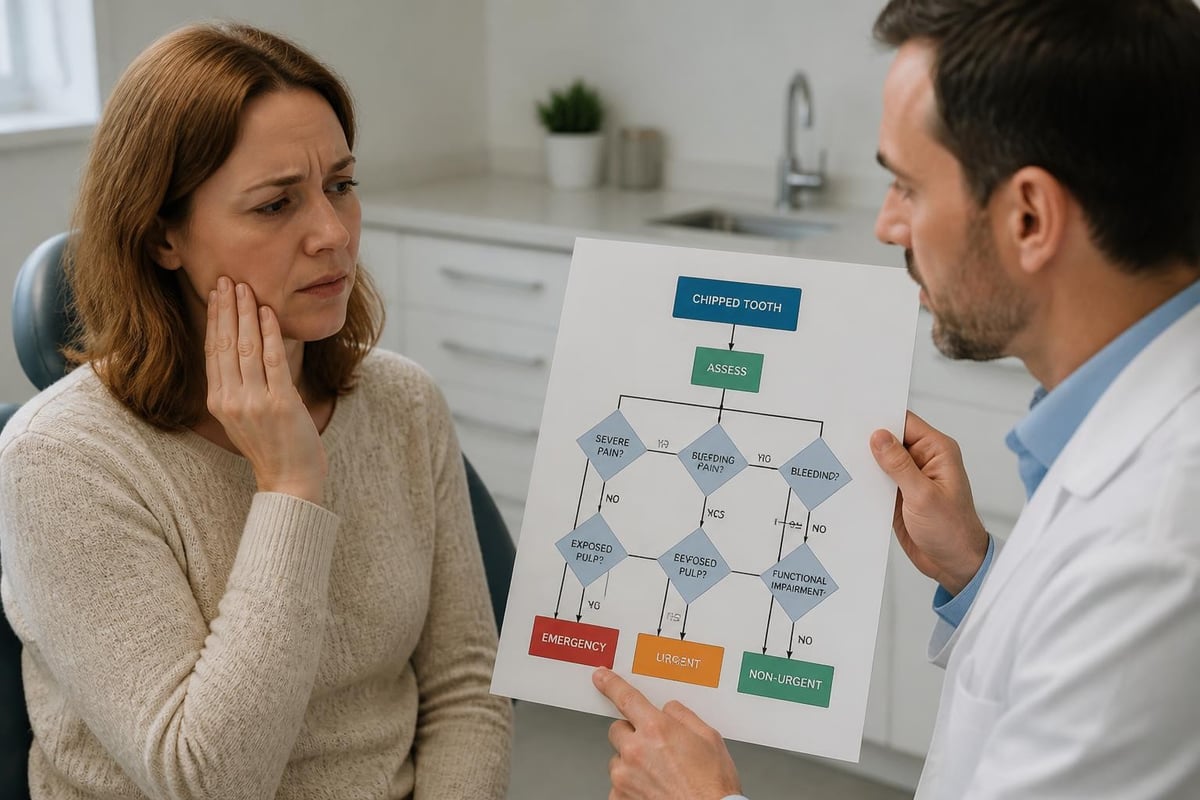
Not every chipped tooth requires immediate emergency attention, but understanding the severity of your situation is essential. A chipped tooth emergency typically involves significant pain, bleeding, sharp edges cutting your tongue or cheek, or extensive damage that exposes the inner layers of your tooth.
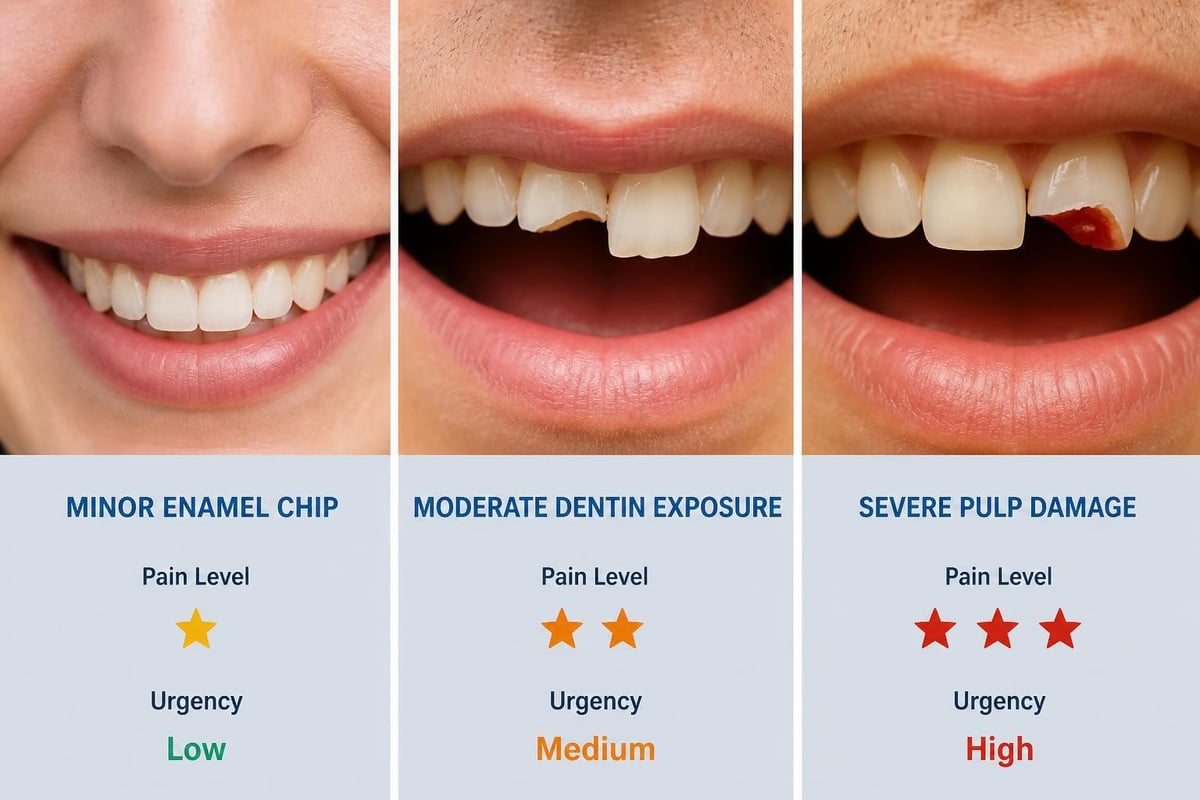
Levels of Chip Severity
The severity of a chipped tooth can range from minor cosmetic issues to serious structural damage requiring immediate intervention. Minor chips might only affect the enamel, creating a rough edge but causing no pain. Moderate chips extend deeper into the tooth, potentially reaching the dentin layer and causing sensitivity. Severe chips expose the pulp, which contains nerves and blood vessels, creating intense pain and immediate infection risk.
Signs your chipped tooth needs emergency care:
- Severe, persistent pain that doesn't subside
- Bleeding that continues for more than 10 minutes
- Sharp edges causing continuous injury to soft tissues
- Visible exposure of the tooth's inner layers
- Difficulty eating, drinking, or speaking
- Swelling around the affected tooth or jaw
According to common causes identified by Delta Dental, traumatic injuries account for a significant percentage of dental emergencies each year. Many of these incidents occur during routine activities, emphasizing why understanding proper emergency response matters for everyone.
Immediate Steps to Take After Chipping a Tooth
The first 30 minutes following a chipped tooth incident are critical. Your immediate actions can significantly influence the long-term outcome and the complexity of treatment required.
First Response Protocol
Stay calm and assess the situation carefully. Panicking will only make the situation more stressful and could lead to poor decisions. Look in a mirror to evaluate the damage, noting the size of the chip and any bleeding.
Follow these steps immediately:
- Rinse your mouth with warm water to clean the area
- Apply gentle pressure with clean gauze if bleeding occurs
- Locate and save any tooth fragments in milk or saliva
- Apply a cold compress to reduce swelling and pain
- Take over-the-counter pain medication if needed
- Contact your dentist immediately
If you're experiencing severe tooth pain, avoid hot or cold foods and beverages, as exposed tooth layers become extremely sensitive to temperature changes. Stick to soft, room-temperature foods until you can receive professional treatment.
Protecting the Damaged Tooth
Until you can reach a dental professional, protecting your chipped tooth from further damage is paramount. Avoid chewing on the affected side of your mouth completely. If the chip has created a sharp edge, you can temporarily cover it with sugar-free chewing gum or dental wax available at most pharmacies.
| Immediate Action | Why It Matters | Time Sensitive |
|---|---|---|
| Rinse with warm water | Removes debris and bacteria | Within 5 minutes |
| Save tooth fragments | May be reattachable | Immediately |
| Apply cold compress | Reduces swelling and pain | First 24 hours |
| Contact dentist | Schedules emergency appointment | Within 1 hour |
| Avoid certain foods | Prevents further damage | Until treatment |
The NHS guidance on chipped teeth emphasizes that prompt action significantly improves treatment outcomes and may preserve more of your natural tooth structure.
When to Seek Emergency Dental Care
Determining whether your chipped tooth emergency requires immediate professional attention or can wait until regular business hours depends on several factors. Understanding these distinctions helps you make informed decisions about your dental health.
Emergency Situations Requiring Same-Day Treatment
Certain symptoms indicate you need to see a dentist within hours, not days. Severe pain that interferes with daily activities, significant bleeding, or visible pulp exposure all warrant immediate attention. If you're in the Texas area, finding a qualified dentist near you becomes your top priority.
A chipped tooth emergency becomes particularly urgent when:
- Pain intensifies or becomes unbearable
- Swelling spreads to your face or neck
- You develop a fever or signs of infection
- The chip affects your ability to close your mouth properly
- You experience numbness in your face or jaw
- Large portions of the tooth are missing
Weekend or after-hours emergencies require knowing which dental practices offer extended availability. Many modern dental clinics, including facilities across multiple Texas locations, provide emergency services to ensure patients receive timely care regardless of when accidents occur.
Non-Emergency Chips That Can Wait
Not every chipped tooth constitutes an immediate emergency. Small cosmetic chips that don't cause pain or affect tooth function can typically wait for a regular appointment during business hours. However, you should still contact your dentist within 24 to 48 hours to schedule treatment and prevent complications.
Minor chips without pain or sensitivity often involve only the enamel layer. While these don't require emergency treatment, delaying care too long can allow bacteria to penetrate deeper tooth layers, potentially transforming a simple cosmetic fix into a more complex procedure.
Professional Treatment Options for Chipped Teeth
Once you reach a dental professional, they'll evaluate your specific situation and recommend the most appropriate treatment. Modern dentistry offers numerous solutions for restoring chipped teeth, ranging from simple cosmetic fixes to comprehensive restorations.
Dental Bonding for Minor Chips
Dental bonding represents the most common treatment for minor to moderate chips. This procedure involves applying a tooth-colored composite resin to the damaged area, sculpting it to match your natural tooth shape, and hardening it with a special light. Bonding typically takes 30 to 60 minutes per tooth and can be completed in a single visit.
Advantages of dental bonding include:
- Quick, same-day completion
- Cost-effective solution
- Minimal tooth preparation required
- Natural-looking results
- Reversible procedure
According to Healthline’s comprehensive guide on chipped teeth, bonding remains one of the most popular options due to its versatility and affordability. However, bonded material may stain over time and typically lasts five to ten years before requiring replacement.
Dental Veneers for Front Teeth
When a chipped tooth emergency affects your front teeth, particularly visible incisors, dental veneers offer superior aesthetic results. These thin shells of porcelain or composite material cover the entire front surface of the tooth, concealing chips, discoloration, and other imperfections simultaneously.
The veneer process requires two visits. During the first appointment, your dentist removes a small amount of enamel and takes impressions. Temporary veneers protect your teeth while a dental laboratory fabricates your custom veneers. The second visit involves bonding the permanent veneers to your teeth.
Dental Crowns for Extensive Damage
Severe chipping that compromises more than half of the tooth structure typically requires a crown. This cap covers the entire visible portion of the tooth, restoring its shape, strength, and appearance. Dental crowns offer significant benefits but also require more extensive tooth preparation than other options.
| Treatment Type | Best For | Duration | Expected Lifespan |
|---|---|---|---|
| Dental Bonding | Small to moderate chips | 1 visit (30-60 min) | 5-10 years |
| Veneers | Front teeth, visible chips | 2 visits | 10-15 years |
| Crowns | Large chips, structural damage | 2 visits | 15-25 years |
| Root Canal + Crown | Pulp exposure | 2-3 visits | 15-25 years |
Root Canal Treatment
When a chip exposes the pulp chamber, root canal therapy becomes necessary before restoration. This procedure removes infected or damaged pulp tissue, cleans and disinfects the interior canals, and seals them to prevent future infection. A crown typically follows root canal treatment to protect the weakened tooth structure.
Many patients worry about root canal discomfort, but modern anesthesia and techniques make the procedure comparable to getting a filling. The Authority Dental resource on chipped tooth repair explains that saving your natural tooth through root canal therapy provides better long-term outcomes than extraction and replacement options.
Cost Considerations and Insurance Coverage
Understanding the financial aspects of treating a chipped tooth emergency helps you make informed decisions about your care. Treatment costs vary significantly based on the extent of damage, the type of restoration chosen, and your geographic location within Texas.
Average Treatment Costs
Dental bonding typically costs between $300 and $600 per tooth, making it the most budget-friendly option for minor chips. Veneers range from $800 to $2,500 per tooth, depending on whether you choose composite or porcelain materials. Dental crowns cost between $1,000 and $3,500, with prices varying based on the crown material selected.
Root canal treatment adds $700 to $1,500 to your total cost when pulp damage occurs. These figures represent average ranges, and actual costs may vary based on your specific situation and the dental practice you choose.
Insurance Coverage and Payment Options
Most dental insurance plans cover chipped tooth treatment when the damage affects tooth function or health, not just appearance. Emergency visits typically fall under basic or major services, depending on your plan structure. Review your policy's annual maximum and deductible to understand your out-of-pocket expenses.
Common coverage percentages:
- Preventive care: 100%
- Basic procedures (bonding): 70-80%
- Major procedures (crowns, root canals): 50%
- Cosmetic procedures (veneers for appearance only): 0%
For patients without insurance or those facing high deductibles, many Texas dental practices offer flexible financing options that make quality dental care accessible. Payment plans allow you to spread treatment costs over several months without compromising the care you receive.
Preventing Future Chipped Tooth Emergencies
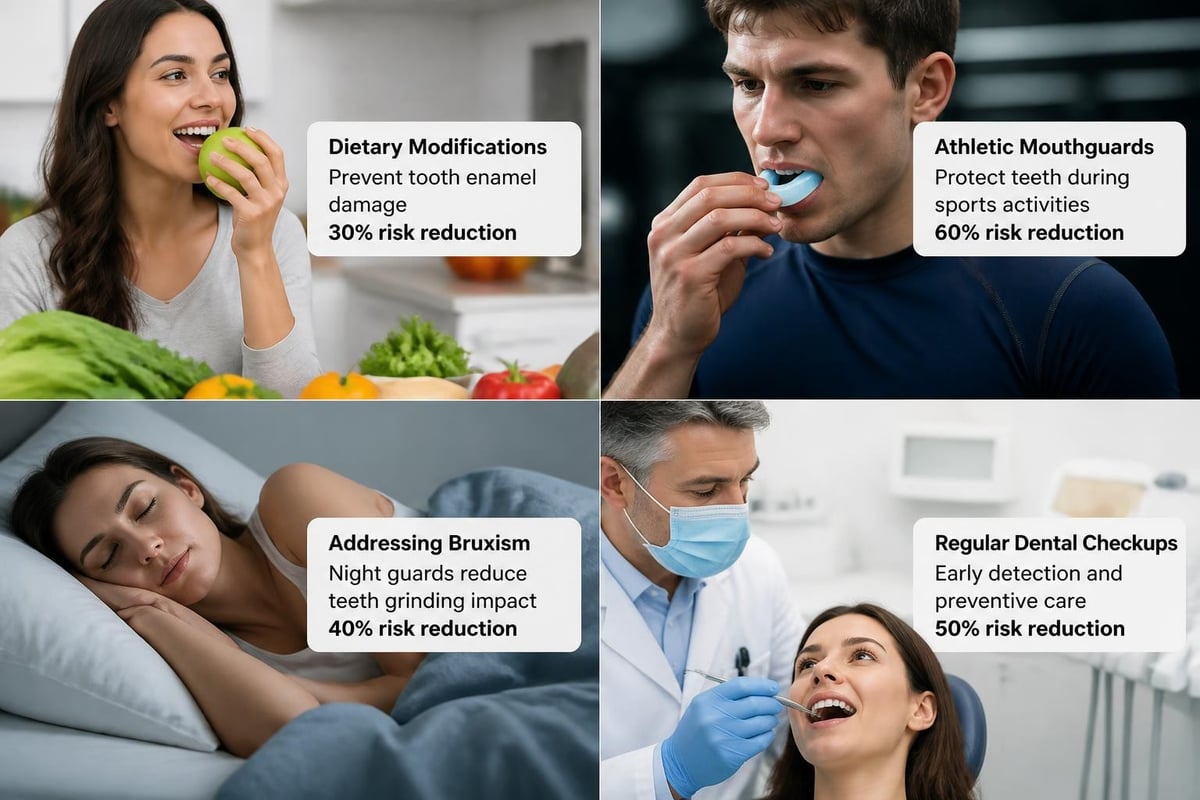
While accidents happen, many chipped tooth emergencies are preventable through conscious habit changes and protective measures. Understanding common risk factors helps you protect your teeth from unnecessary damage.
Dietary Considerations
Hard foods represent one of the leading causes of chipped teeth. Ice, hard candies, popcorn kernels, and nutshells all pose significant risks to tooth integrity. The Oral-B guide on chipped tooth causes emphasizes that even healthy teeth can chip when subjected to excessive force from hard foods.
Avoid chewing on non-food items like pens, pencils, or fingernails. These habits create stress on teeth that wasn't part of their evolutionary design. Similarly, using your teeth as tools to open packages or bottles dramatically increases chip risk.
Protective Equipment for Sports and Activities
Athletes face elevated chipped tooth emergency risk due to contact sports and high-impact activities. Custom-fitted mouthguards provide essential protection, absorbing and distributing impact forces that would otherwise damage teeth directly.
Sports requiring mouthguards include:
- Football, hockey, and rugby
- Basketball and soccer
- Martial arts and boxing
- Skateboarding and rollerblading
- Mountain biking and BMX
- Wrestling and gymnastics
Over-the-counter mouthguards offer basic protection, but custom-fitted versions from your dentist provide superior comfort and protection. The initial investment pays for itself by preventing thousands of dollars in potential emergency dental treatment.
Addressing Underlying Dental Issues
Teeth weakened by decay, large fillings, or previous dental work chip more easily than healthy teeth. Regular dental checkups allow your dentist to identify and address vulnerabilities before they lead to emergencies. Understanding cavity development helps you recognize early warning signs requiring professional attention.
Bruxism, or teeth grinding, gradually weakens enamel and creates microscopic cracks that predispose teeth to chipping. Many people grind their teeth during sleep without realizing it. If you wake with jaw pain or headaches, consult your dentist about a nightguard to protect your teeth.
Special Considerations for Children's Chipped Teeth
Children experience chipped tooth emergencies frequently due to active play, learning to navigate their environment, and developing coordination. Parents need specific guidance for handling pediatric dental emergencies effectively.
Age-Specific Concerns
Baby teeth and permanent teeth require different approaches when chipped. While baby teeth will eventually fall out naturally, significant damage still requires treatment to prevent infection and preserve space for permanent teeth. Permanent teeth that chip in childhood need immediate attention, as these teeth must last a lifetime.
Finding a qualified pediatric dentist familiar with treating children ensures your child receives age-appropriate care in a comfortable, child-friendly environment. Pediatric dentists specialize in communicating with young patients and managing their anxiety during treatment.
Common Childhood Scenarios
Playground accidents, sports injuries, and falls while learning to walk account for most childhood chipped tooth emergencies. Teaching children proper safety practices and ensuring they wear appropriate protective equipment during sports significantly reduces their risk.
When a child chips a tooth:
- Stay calm to avoid frightening your child further
- Gently clean their mouth with water
- Apply cold compress to reduce swelling
- Save any tooth fragments
- Contact your pediatric dentist immediately
- Offer age-appropriate pain relief
Young children may not communicate pain effectively, making careful observation essential. Watch for changes in eating habits, touching their mouth frequently, or avoiding certain foods that might indicate ongoing discomfort from a dental injury.
Long-Term Care After Chipped Tooth Treatment
Successful treatment of a chipped tooth emergency doesn't end when you leave the dental office. Proper aftercare and ongoing maintenance ensure your restoration lasts as long as possible and protects your oral health.
Immediate Post-Treatment Care
Follow your dentist's specific aftercare instructions carefully. Most restorations require avoiding hard or sticky foods for 24 to 48 hours while materials fully set. Some sensitivity is normal initially, but contact your dentist if pain intensifies or persists beyond a few days.
Maintain excellent oral hygiene around the treated area. Gentle brushing and flossing prevent bacterial buildup that could compromise your restoration or lead to secondary decay. Use a soft-bristled toothbrush and avoid aggressive scrubbing that might damage bonding or crown margins.
Monitoring for Complications
Watch for signs that might indicate restoration problems requiring follow-up care. Persistent sensitivity to temperature, pain when biting, or visible changes in the restoration's appearance warrant professional evaluation.
Warning signs requiring dental attention:
- Restoration feels loose or rough
- Pain develops weeks or months after treatment
- Gums around the restoration appear red or swollen
- Bad taste or odor near the treated tooth
- Visible gaps between restoration and natural tooth
- Discoloration at restoration margins
Regular dental checkups allow your dentist to monitor restored teeth and identify potential issues before they become serious. Professional cleanings remove buildup that daily brushing might miss, particularly around crown margins or bonding edges.
Lifestyle Adjustments for Restoration Longevity
Certain habits significantly impact how long your restoration lasts. Avoid using restored teeth to bite ice, hard candies, or other extremely hard substances. If you grind your teeth, wear your nightguard consistently to protect both natural teeth and restorations.
Staining substances like coffee, tea, red wine, and tobacco affect bonding and composite materials more than natural enamel. While you don't need to eliminate these entirely, moderating consumption and rinsing afterward helps maintain color matching between restored and natural teeth.
Frequently Asked Questions
Is a chipped tooth always a dental emergency?
No, not all chipped teeth constitute emergencies. Minor chips affecting only the enamel without pain can typically wait for a regular appointment within a few days. However, chips causing severe pain, significant bleeding, sharp edges cutting soft tissues, or visible pulp exposure require same-day emergency treatment. The NewMouth resource on chipped teeth provides detailed guidance on assessing chip severity.
Can I temporarily fix a chipped tooth at home?
You can take temporary measures to protect a chipped tooth until you see a dentist, but these are not permanent solutions. Sugar-free gum or dental wax can cover sharp edges, preventing soft tissue injuries. Over-the-counter dental cement, available at pharmacies, may temporarily fill small gaps. However, these fixes last only days and should never replace professional treatment. Always contact your dentist promptly, even if temporary measures reduce discomfort.
How quickly should I see a dentist for a chipped tooth?
Timing depends on severity. Severe chips with pain, bleeding, or pulp exposure require same-day emergency treatment. Moderate chips without severe symptoms should receive attention within 24 to 48 hours. Minor cosmetic chips can wait several days for a regular appointment, though you shouldn't delay more than a week to prevent bacterial infiltration. When in doubt, contact your dentist immediately for professional assessment.
Will my chipped tooth restoration look natural?
Modern dental materials and techniques produce highly natural-looking results. Composite bonding materials come in numerous shades matched precisely to your natural teeth. Porcelain veneers and crowns are custom-fabricated to match your teeth's color, translucency, and shape. Skilled dentists can create restorations virtually indistinguishable from natural teeth, particularly for front teeth where aesthetics are paramount.
Can a chipped tooth become infected?
Yes, chipped teeth can develop infections, especially when the chip exposes deeper tooth layers. Enamel protects against bacteria, but once compromised, bacteria can reach the dentin or pulp, causing decay and infection. Symptoms of infection include persistent pain, swelling, fever, bad taste, and sensitivity. Understanding how quickly tooth infections spread emphasizes the importance of prompt treatment.
Does insurance cover chipped tooth emergencies?
Most dental insurance plans cover chipped tooth treatment when it's medically necessary, not purely cosmetic. Emergency visits, bonding, crowns, and root canals typically fall under basic or major services with 50% to 80% coverage after deductibles. However, coverage specifics vary by plan. Contact your insurance provider to verify benefits, or ask your dental office to provide a pre-treatment estimate showing expected coverage and out-of-pocket costs.
What happens if I don't treat a chipped tooth?
Leaving a chipped tooth untreated risks serious complications. Minor chips can progress to larger fractures as weakened tooth structure continues deteriorating. Bacteria penetrate exposed areas, causing decay and potentially requiring root canal treatment or extraction. Sharp edges continuously injure tongue and cheeks, creating painful sores. Even cosmetically minor chips compromise tooth integrity and should receive professional evaluation.
Can chipped teeth heal on their own?
No, teeth cannot regenerate lost enamel or dentin structure. Unlike bone, tooth enamel lacks living cells capable of repair. Once chipped, teeth remain damaged until professionally treated. While small cavities might remineralize under specific conditions, actual chips involving lost tooth structure require dental intervention. Delaying treatment only allows damage to worsen, potentially requiring more extensive and expensive procedures.
Finding Emergency Dental Care in Texas
Knowing where to turn during a chipped tooth emergency gives you peace of mind and ensures rapid access to professional care when accidents occur. Texas residents have numerous options for emergency dental services across the state.
Evaluating Emergency Dental Services
When selecting an emergency dental provider, consider availability, location, services offered, and patient reviews. Practices offering same-day appointments, weekend hours, and after-hours emergency lines provide the most comprehensive emergency coverage.
Questions to ask potential emergency dental providers:
- Do you offer same-day emergency appointments?
- What are your after-hours emergency protocols?
- Which emergency procedures can you perform in-house?
- Do you accept my dental insurance?
- What payment options are available for uninsured patients?
Many established dental practices maintain relationships with emergency dental specialists, ensuring continuity of care if your regular dentist cannot accommodate immediate needs. This network approach provides backup options while maintaining your treatment records in one system.
Geographic Accessibility Across Texas
For Texas families, accessibility to quality emergency dental care varies by location. Urban areas typically offer more after-hours options, while rural communities may have limited choices. Knowing your closest emergency provider before an accident occurs saves valuable time during actual emergencies.
Residents across Texas can access comprehensive emergency dental services through established practices in Beeville, Converse, Leander, New Braunfels, and Seguin, ensuring prompt professional attention regardless of where emergencies occur.
The Psychological Impact of Dental Emergencies
Beyond physical pain and financial concerns, chipped tooth emergencies create significant emotional stress. Understanding and addressing these psychological aspects contributes to better overall outcomes and patient satisfaction.
Anxiety and Dental Fear
Dental emergencies often trigger or worsen dental anxiety, even in patients without previous fear. The unexpected nature of accidents, combined with pain and uncertainty about treatment, creates a perfect storm for anxiety. Acknowledging these feelings as normal and valid represents the first step toward managing them effectively.
Communicating your anxiety to your dental team allows them to adjust their approach, providing additional reassurance and explanation throughout treatment. Many modern practices offer sedation options for anxious patients, ensuring comfortable experiences even during extensive procedures.
Social and Self-Esteem Concerns
Visible chips affecting front teeth create self-consciousness about appearance, potentially impacting social interactions and professional confidence. These concerns are entirely valid and represent legitimate reasons to seek prompt cosmetic restoration.
Fortunately, cosmetic dentistry options can restore your smile's appearance quickly, often in a single appointment for minor chips. Knowing that effective, natural-looking solutions exist helps reduce anxiety about long-term aesthetic impacts.
Advanced Technologies in Chipped Tooth Treatment
Modern dental technology has revolutionized how dentists diagnose and treat chipped tooth emergencies, improving outcomes and patient comfort significantly compared to historical approaches.
Digital Imaging and Diagnosis
Digital X-rays and intraoral cameras allow dentists to assess damage extent precisely, identifying cracks or fractures invisible to the naked eye. These technologies use significantly less radiation than traditional X-rays while providing higher-resolution images that aid in treatment planning.
3D imaging through CBCT scans creates detailed views of tooth structure, root canals, and surrounding bone, particularly valuable when planning complex restorations following severe chips. This comprehensive information ensures appropriate treatment selection and execution.
CAD/CAM Same-Day Restorations
Computer-aided design and manufacturing (CAD/CAM) technology enables dentists to create permanent crowns and veneers during a single appointment. Digital impressions replace uncomfortable traditional molds, and in-office milling machines fabricate precise restorations while you wait.
Same-day crowns eliminate the need for temporary restorations and second appointments, reducing time investment and ensuring immediate restoration of tooth function and appearance. Crest’s overview of chipped tooth repair discusses how these technological advances benefit patients.
Laser Dentistry Applications
Dental lasers offer precise tissue management with minimal discomfort and faster healing compared to traditional techniques. When treating chips requiring gum recontouring or soft tissue management, lasers provide superior results with reduced bleeding and swelling.
Making Informed Decisions About Your Dental Care
Facing a chipped tooth emergency requires making quick decisions about treatment while managing pain, anxiety, and financial concerns. Empowering yourself with information leads to better choices aligned with your health goals and values.
Understanding Your Treatment Options
Don't hesitate to ask your dentist detailed questions about recommended treatments. Understanding why specific approaches suit your situation, what alternatives exist, and the long-term implications of each option enables informed consent and partnership in your care.
Request clear explanations of:
- Treatment rationale and alternatives
- Expected outcomes and success rates
- Procedure details and timeline
- Recovery expectations and limitations
- Costs and insurance coverage
Quality dental professionals welcome questions and provide thorough explanations, ensuring you feel confident about treatment decisions. If you feel rushed or your concerns are dismissed, seeking a second opinion is always appropriate.
Balancing Cost and Quality
While cost considerations are legitimate, focusing solely on the least expensive option may compromise long-term outcomes. Higher-quality materials and more experienced practitioners often cost more initially but provide better durability and aesthetics, potentially saving money over time by avoiding premature replacement.
Many practices offer financing options and payment plans that make quality care accessible without compromising treatment. Investing in your oral health provides benefits extending far beyond aesthetics, impacting overall health, nutrition, and quality of life.
Understanding how to respond to a chipped tooth emergency and knowing your treatment options empowers you to protect your smile and oral health effectively. From immediate first aid through long-term restoration care, each step plays a vital role in successful outcomes. Whether you're dealing with a current emergency or want to prepare for potential future incidents, having a trusted dental partner makes all the difference. Dental Plus Clinic offers comprehensive emergency dental services across five convenient Texas locations, providing the expert, compassionate care you need when dental emergencies strike. Contact us today to establish care or schedule an emergency appointment.