
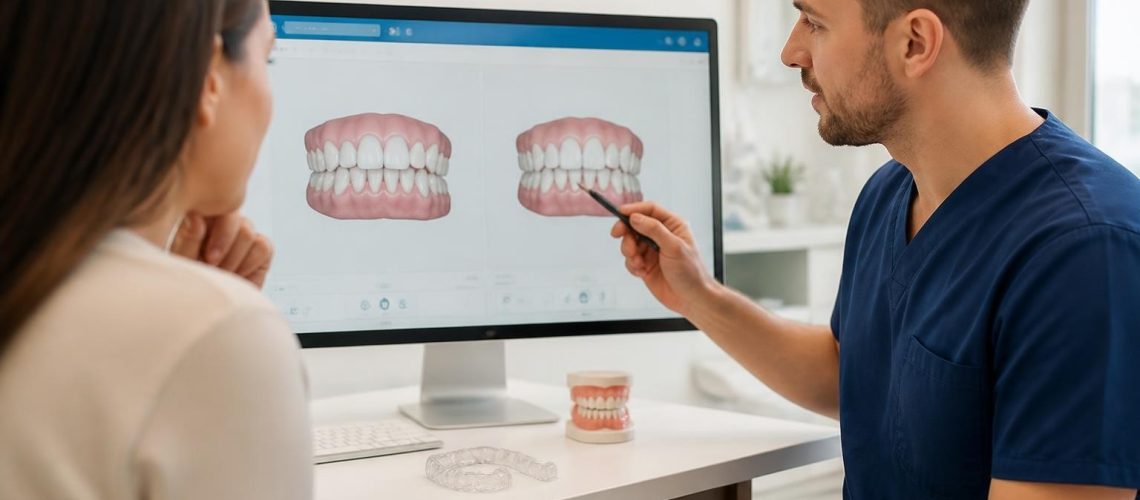
When considering orthodontic treatment to straighten your teeth, you've likely encountered the terms "clear aligners" and "Invisalign." Many patients use these terms interchangeably, but understanding the distinction between clear aligners vs Invisalign is essential for making an informed decision about your oral health. Clear aligners represent an entire category of orthodontic devices, while Invisalign is a specific, proprietary brand within that category. This difference matters significantly when evaluating treatment quality, cost, effectiveness, and long-term results. Whether you're seeking cosmetic improvements or addressing functional bite issues, knowing what separates generic clear aligners from the Invisalign system will help you choose the right path for your smile transformation.
Understanding Clear Aligners as a Treatment Category
Clear aligners are transparent, removable orthodontic devices designed to gradually shift teeth into proper alignment. According to the comprehensive overview on Wikipedia, these devices emerged as an alternative to traditional metal braces in the late 1990s and have since revolutionized orthodontic treatment.
The basic principle behind all clear aligners involves wearing a series of custom-made trays that apply controlled pressure to specific teeth. Each aligner moves teeth incrementally, typically by 0.25 to 0.33 millimeters per tray. Patients progress through multiple sets of aligners throughout their treatment course, which can range from several months to over two years depending on case complexity.
How Clear Aligner Technology Works
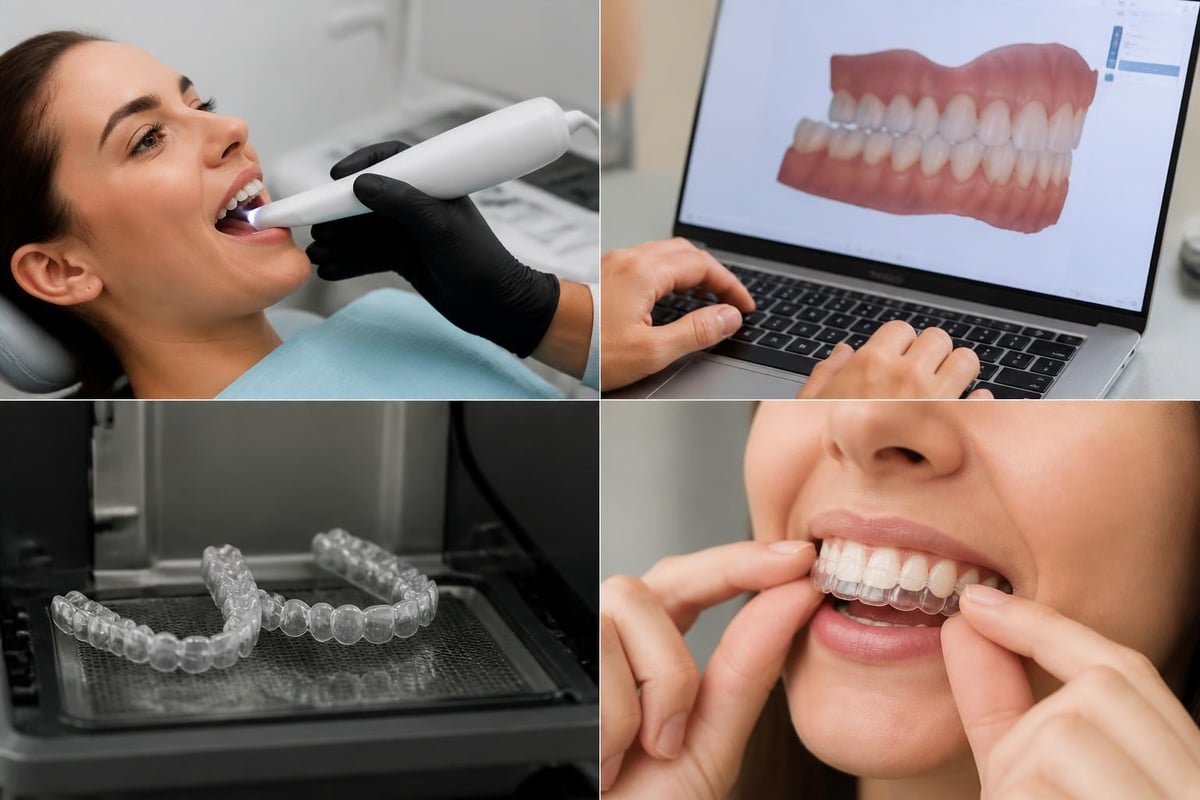
The process begins with digital impressions or physical molds of your teeth. These impressions are converted into three-dimensional models that orthodontic professionals use to plan tooth movement. Advanced software maps the journey from your current tooth positions to the desired final alignment.
Key components of clear aligner treatment include:
- Initial diagnostic records (photographs, X-rays, impressions)
- Digital treatment planning and simulation
- Custom fabrication of aligner series
- Regular monitoring and progress assessments
- Refinement aligners if needed for final adjustments
Most clear aligner systems require patients to wear the devices for 20 to 22 hours daily, removing them only for eating, drinking anything other than water, and oral hygiene routines. This removability represents a significant advantage over fixed braces, offering flexibility and easier maintenance of dental health throughout treatment.
What Makes Invisalign Different From Other Clear Aligners
Invisalign is not simply another clear aligner option but rather the original and most extensively researched brand in this category. Introduced by Align Technology in 1999, Invisalign has treated over 14 million patients worldwide and continues to lead the market in technological innovation and clinical outcomes.
The clear aligners vs Invisalign debate centers on several distinguishing factors that set this brand apart from competitors. Invisalign’s proprietary technology and materials provide unique benefits that generic alternatives cannot replicate.
Proprietary SmartTrack Material
Invisalign uses a patented thermoplastic material called SmartTrack, engineered specifically for orthodontic tooth movement. This material offers superior elasticity and applies more consistent force compared to standard polyurethane materials used by many other aligner manufacturers. SmartTrack provides better control over tooth movements, particularly complex rotations and extrusions that challenge generic aligner systems.
Advanced Treatment Planning Software
The ClinCheck software used exclusively with Invisalign represents decades of refinement based on millions of patient cases. This sophisticated platform allows orthodontists to visualize the entire treatment sequence, make precise adjustments to the treatment plan, and predict outcomes with remarkable accuracy. Recent developments include AI-assisted treatment planning capabilities that enhance precision and efficiency.
| Feature | Invisalign | Generic Clear Aligners |
|---|---|---|
| Material Quality | Proprietary SmartTrack | Standard polyurethane |
| Treatment Planning Software | ClinCheck with AI integration | Varies by manufacturer |
| Clinical Research | Extensive peer-reviewed studies | Limited documentation |
| Provider Training | Comprehensive certification program | Minimal to none required |
| Case Complexity | Handles complex cases | Best for mild to moderate cases |
| Attachments & Features | Precision-cut SmartForce features | Basic or no attachment systems |
Treatment Effectiveness and Clinical Outcomes
When evaluating clear aligners vs Invisalign effectiveness, clinical research provides important insights. Invisalign's extensive track record and peer-reviewed studies demonstrate consistent results across various orthodontic conditions, from simple spacing issues to complex malocclusions.
Generic clear aligner brands often lack the clinical validation that supports Invisalign treatment protocols. While some alternative systems produce satisfactory results for straightforward cases, they frequently struggle with more challenging tooth movements such as significant rotations, vertical adjustments, or bite corrections.
Case Complexity Considerations
Invisalign effectively treats:
- Overcrowding and spacing issues
- Overbites, underbites, and crossbites
- Rotation of canines and premolars
- Intrusion and extrusion movements
- Root torque adjustments
- Midline corrections
Generic clear aligners work best for:
- Mild spacing or crowding (less than 6mm)
- Minor rotations of front teeth
- Simple cosmetic adjustments
- Relapse prevention after previous orthodontic treatment
The importance of proper orthodontic assessment cannot be overstated when determining which treatment approach suits your specific needs. At Dental Plus Clinic locations across Texas, orthodontic specialists conduct thorough evaluations to recommend the most appropriate treatment option.
Success Rates and Predictability
Invisalign's success rates for planned tooth movements exceed 85% in most categories, with some movements achieving over 95% predictability. This high level of accuracy results from continuous refinement of the treatment algorithms based on actual patient outcomes. Generic systems typically show lower predictability rates, particularly for complex movements, which may necessitate longer treatment times or additional refinements.
The Role of Professional Supervision and Expertise
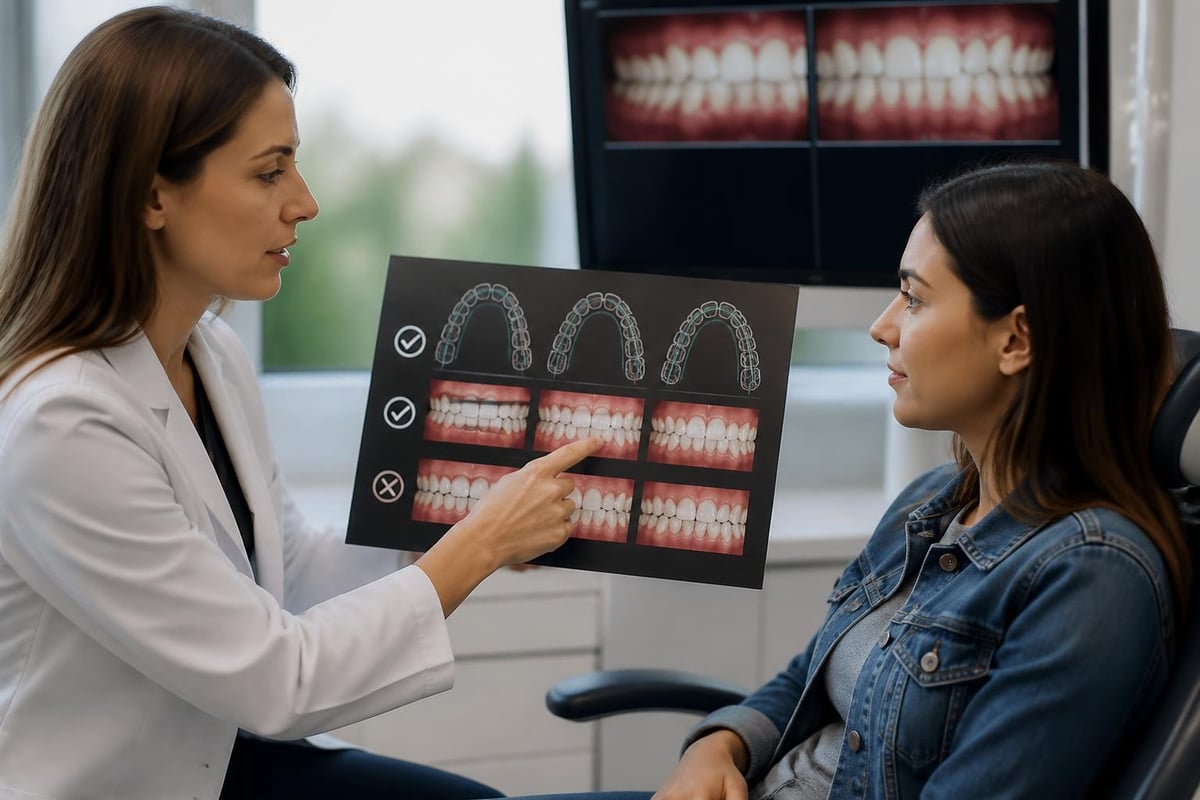
A critical factor in the clear aligners vs Invisalign comparison involves the level of professional oversight required and available. Professional supervision makes a substantial difference in treatment outcomes, regardless of which system you choose.
Invisalign Provider Training and Certification
Invisalign requires dentists and orthodontists to complete comprehensive training before treating patients with their system. This certification process ensures providers understand the software, treatment planning principles, and clinical protocols necessary for optimal results. Providers advance through tiers (Bronze, Silver, Gold, Platinum, Diamond) based on their experience and number of cases completed, giving patients insight into their provider's expertise level.
Direct-to-Consumer Aligner Concerns
Many generic clear aligner companies offer direct-to-consumer models that minimize or eliminate professional supervision. While these options appeal to cost-conscious patients, they carry significant risks. Without proper diagnostic records, including X-rays and clinical examinations, underlying dental issues such as periodontal disease, cavities, or temporomandibular joint disorders may go undetected and worsen during treatment.
Professional oversight ensures:
- Comprehensive diagnostic evaluation before treatment begins
- Proper assessment of bone and root health
- Monitoring for complications during treatment
- Adjustments to treatment plans as needed
- Management of retention after active treatment concludes
Whether you're visiting the Seguin location or the New Braunfels facility, Dental Plus Clinic emphasizes thorough evaluation and ongoing monitoring throughout your orthodontic journey.
Cost Considerations and Value Analysis
The financial aspect significantly influences the clear aligners vs Invisalign decision for most patients. Understanding what drives cost differences helps you evaluate whether premium pricing reflects genuine value or simply brand recognition.
Invisalign Pricing Structure
Invisalign treatment typically ranges from $3,000 to $8,000, depending on case complexity, treatment duration, and geographic location. This investment includes:
- Comprehensive diagnostic records and treatment planning
- Custom-manufactured aligners using proprietary materials
- Regular monitoring appointments with trained providers
- Refinement aligners if needed to achieve optimal results
- Retention devices after treatment completion
Generic Clear Aligner Costs
Alternative clear aligner systems may cost between $1,500 and $4,500, with direct-to-consumer options sometimes advertised at under $2,000. However, understanding the full cost picture requires examining what these lower prices include or exclude.
| Cost Factor | Invisalign | Budget Clear Aligners |
|---|---|---|
| Initial Consultation | Comprehensive exam included | May require separate payment |
| X-rays and Imaging | Included in treatment fee | Often additional charges |
| Provider Monitoring | Regular appointments included | Minimal or remote-only |
| Refinements | Typically included | May require additional fees |
| Retention | Included in most treatment plans | Often sold separately |
Insurance Coverage Considerations
Many dental insurance plans cover orthodontic treatment, including clear aligners, typically providing benefits between $1,000 and $2,000. Understanding whether dental insurance covers clear aligners helps you plan your budget effectively. Invisalign's established status often makes it more readily accepted by insurance providers compared to newer or less-known aligner brands.
Dental Plus Clinic works with patients to maximize insurance benefits and offers flexible savings options to make orthodontic treatment accessible regardless of which system best suits your needs.
Treatment Duration and Convenience Factors
Time investment matters significantly when comparing orthodontic options. The clear aligners vs Invisalign discussion must address how long treatment takes and what the experience involves for patients balancing busy schedules with oral health goals.
Average Treatment Timelines
Invisalign treatment duration varies by complexity:
- Simple cases: 6 to 12 months
- Moderate cases: 12 to 18 months
- Complex cases: 18 to 24 months
- Comprehensive cases: 24 to 36 months
Generic clear aligner systems often project similar or shorter timelines, but these estimates may prove optimistic for anything beyond basic corrections. The predictability and precision of Invisalign's treatment planning typically result in more accurate time estimates and fewer unexpected extensions.
Office Visit Requirements
Invisalign treatment requires in-person appointments every 6 to 8 weeks for progress monitoring and receiving new aligner sets. These visits allow your dental professional to assess tooth movement, address any concerns, and make adjustments to your treatment plan if necessary. Patients at the Leander or Converse Dental Plus Clinic locations appreciate the convenience of having orthodontic expertise close to home.
Some generic systems promote remote monitoring as a convenience feature, but this approach may delay identification of problems that require professional intervention. The trade-off between appointment frequency and treatment safety deserves careful consideration.
Lifestyle Compatibility
Both Invisalign and other clear aligners offer lifestyle advantages over traditional braces:
- Removability for special occasions
- No dietary restrictions
- Easier oral hygiene maintenance
- Less visible appearance
- Generally more comfortable than brackets and wires
However, Invisalign's superior material properties often translate to better comfort and fewer sharp edges that can irritate soft tissues. The proprietary attachments used with Invisalign are also more discreet and precisely placed compared to the attachments used by some competing systems.
Quality Control and Manufacturing Standards
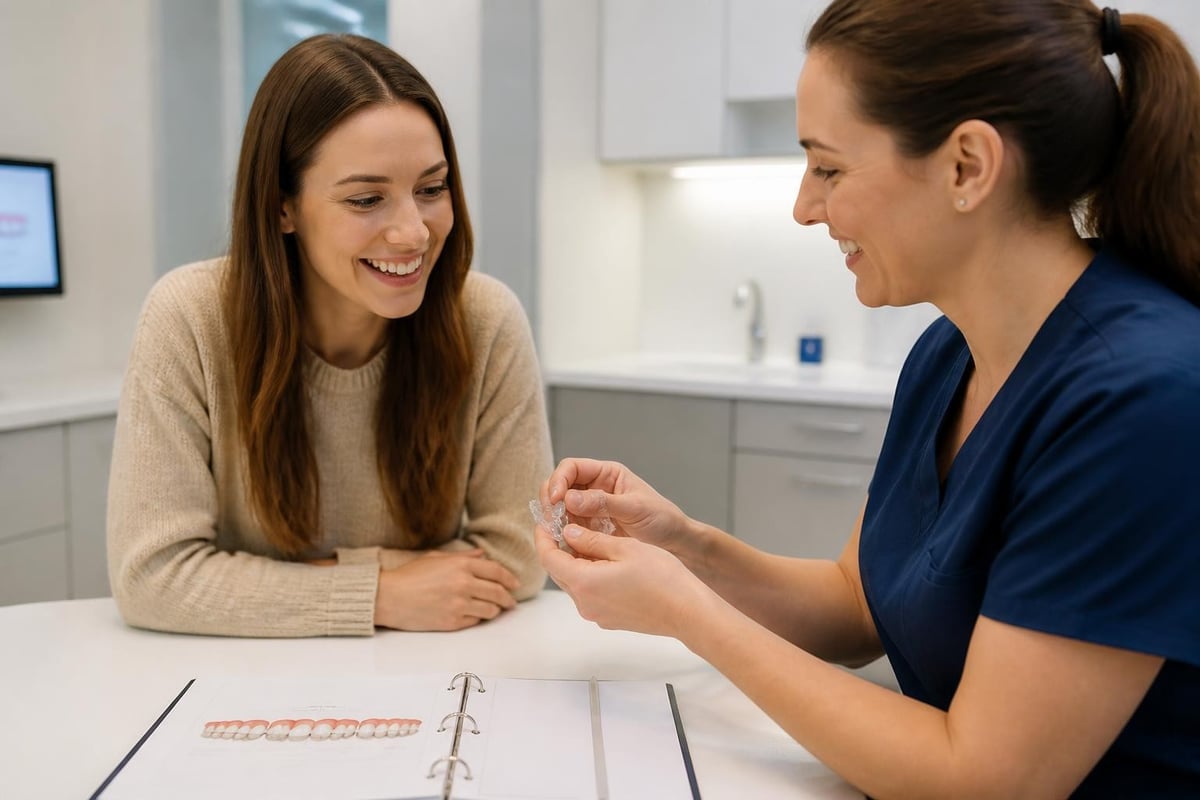
The clear aligners vs Invisalign comparison extends to manufacturing processes and quality assurance protocols that directly impact treatment outcomes. Understanding these behind-the-scenes differences helps explain why brand choice matters beyond marketing.
Invisalign's Manufacturing Excellence
Align Technology operates state-of-the-art manufacturing facilities with rigorous quality control at every production stage. Each aligner undergoes inspection to ensure it matches the digital treatment plan specifications precisely. The company's vertical integration means they control the entire process from treatment planning software to final aligner delivery.
Generic Aligner Production Variability
Alternative clear aligner manufacturers vary widely in their production standards. Some maintain high-quality facilities comparable to Invisalign, while others outsource manufacturing to third-party labs with inconsistent quality control. This variability can result in aligners that don't fit properly, apply uneven pressure, or deviate from the intended treatment plan.
Quality indicators to evaluate:
- Manufacturing location and facility certifications
- Material sourcing and consistency testing
- Digital scanning and printing resolution
- Thermoforming precision and repeatability
- Individual aligner inspection protocols
- Replacement policies for defective aligners
The comprehensive approach to treatment planning requires manufacturing precision that matches the sophistication of the digital design. Inconsistent aligner quality undermines even the best treatment plans.
Making the Right Choice for Your Smile Goals
Deciding between clear aligners vs Invisalign requires honest assessment of your orthodontic needs, financial considerations, and treatment priorities. Neither option represents the universally superior choice for every patient, but understanding the key decision factors enables informed selection.
When Invisalign Makes the Most Sense
Choose Invisalign if you:
- Have moderate to complex orthodontic issues
- Want the most predictable treatment outcomes
- Prefer extensive clinical research backing your treatment
- Value comprehensive professional supervision
- Need treatment for bite problems beyond simple tooth alignment
- Have previous orthodontic treatment that relapsed
- Want access to the most advanced clear aligner technology
When Generic Clear Aligners May Suffice
Consider alternative systems if you:
- Have very mild spacing or crowding (cosmetic only)
- Completed orthodontics previously and need minor corrections
- Have budget constraints that make Invisalign prohibitive
- Cannot access Invisalign-trained providers in your area
- Are willing to accept potentially longer treatment times
- Understand and accept higher risk of suboptimal outcomes
Evaluating Provider Expertise
Regardless of which system you choose, the expertise of your dental professional significantly influences your results. Selecting the right cosmetic dentist or orthodontist involves researching their training, experience, and patient outcomes.
At Dental Plus Clinic, our orthodontic specialists bring extensive experience with multiple clear aligner systems, providing honest guidance about which option best addresses your specific situation. Our patient-focused approach ensures you understand all aspects of treatment before making your decision.
Health Considerations and Potential Complications
The clear aligners vs Invisalign discussion must address safety considerations and potential complications associated with orthodontic treatment. While clear aligners generally present fewer risks than traditional braces, proper patient selection and monitoring remain essential.
Common Side Effects and Management
Expected experiences during aligner treatment:
- Temporary discomfort when starting new aligners (typically subsides within 24-48 hours)
- Increased salivation during initial adjustment period
- Mild speech changes (usually resolve within a week)
- Temporary tooth sensitivity
- Gum irritation near attachments
Invisalign's refined design and materials typically minimize these effects compared to some generic alternatives. The precision-engineered edges and optimized attachment placement reduce soft tissue irritation.
Serious Complications to Monitor
While rare when treatment is properly supervised, potential complications include:
- Root resorption: Excessive force or rapid movement can cause root shortening
- Periodontal issues: Poor oral hygiene during treatment may worsen gum disease
- TMJ problems: Bite changes can affect jaw joint function
- Allergic reactions: Some patients react to aligner materials or attachments
- Tooth damage: Undetected cavities may progress during treatment
Professional supervision at facilities like the Beeville location ensures regular monitoring for these issues. Direct-to-consumer aligner programs lack this crucial safety net, potentially allowing problems to develop unchecked.
Contraindications for Clear Aligner Treatment
Not every patient qualifies as a suitable candidate for clear aligners, whether Invisalign or alternatives. Understanding your oral health status before beginning orthodontic treatment prevents complications.
Conditions requiring special consideration or alternative treatment:
- Active periodontal disease
- Severe skeletal discrepancies requiring surgery
- Missing teeth creating significant gaps
- Dental restorations covering most tooth surfaces
- Poor compliance potential (unable to wear aligners consistently)
- Temporomandibular joint disorders
- Uncontrolled diabetes affecting healing
Technology Integration and Future Developments
The evolution of clear aligner technology continues rapidly, with innovations enhancing treatment precision, comfort, and efficiency. Examining where Invisalign and generic systems stand regarding technological advancement provides insight into future treatment possibilities.
Artificial Intelligence in Treatment Planning
Recent research into AI-assisted orthodontic planning demonstrates how machine learning algorithms can optimize tooth movement sequences and predict treatment outcomes with increasing accuracy. Invisalign has integrated AI capabilities into its ClinCheck software, analyzing millions of previous cases to suggest ideal treatment approaches for new patients.
Smaller aligner companies generally lack the massive datasets required to develop sophisticated AI systems, potentially limiting their ability to leverage these advancements. This technological gap may widen as AI becomes more central to orthodontic treatment planning.
Integration with Comprehensive Health Approaches
Modern healthcare increasingly recognizes the interconnection between oral health and overall wellness. Progressive practices like Ignite Chiropractic and Wellness understand that proper jaw alignment affects posture, breathing, and musculoskeletal health beyond the mouth. Similarly, Mountain Health and Performance addresses how orthodontic issues can contribute to tension headaches, neck pain, and other conditions treated through chiropractic care and physiotherapy.
This holistic perspective emphasizes choosing orthodontic treatment that optimally positions teeth and jaws for both aesthetic results and functional health. Invisalign's ability to address complex bite issues makes it particularly valuable when orthodontic correction serves broader health goals beyond cosmetic improvement.
Material Science Advancements
Future clear aligner materials will likely incorporate:
- Shape-memory polymers that apply more consistent force
- Antimicrobial properties reducing bacterial buildup
- Color-changing indicators showing wear time compliance
- Improved transparency maintaining invisibility throughout wear
- Enhanced durability reducing aligner damage risks
Invisalign's substantial research and development investment positions the brand to introduce these innovations first, while generic manufacturers typically adopt improvements only after they become industry-standard.
Maintenance, Retention, and Long-Term Success
The clear aligners vs Invisalign comparison extends beyond active treatment to include retention strategies and long-term stability of results. Achieving beautiful alignment represents just the beginning; maintaining those results requires ongoing commitment and proper retention protocols.
Retention Phase Protocols
After completing active aligner treatment, teeth require retention devices to prevent relapse while surrounding bone and soft tissues stabilize in their new positions. Invisalign treatment typically includes:
- Vivera retainers (made from proprietary material thicker than treatment aligners)
- Permanent bonded retainers for front teeth (in some cases)
- Detailed wearing schedule starting full-time and gradually reducing
Generic aligner systems may provide basic retainers or require separate purchase of retention devices. The quality and durability of retention appliances significantly affect long-term outcome stability.
Ongoing Oral Health Maintenance
Successful orthodontic outcomes depend on maintaining excellent oral health throughout and after treatment. Regular professional cleanings, cavity prevention, and periodontal care remain essential. Understanding why sterilization and hygiene matter in dental settings becomes particularly relevant during orthodontic treatment when oral hygiene challenges increase.
Post-treatment care recommendations:
- Professional dental cleanings every 6 months minimum
- Daily flossing and thorough brushing
- Nighttime retainer wear as prescribed (often indefinitely)
- Prompt attention to any tooth movement or concerns
- Periodic orthodontic check-ups to monitor stability
Addressing Relapse If It Occurs
Even with proper retention, some tooth movement may occur over time. Invisalign's refinement program allows returning patients to receive additional aligners if minor corrections become necessary. Generic systems may require starting entirely new treatment plans, potentially at full cost.
The long-term value proposition includes considering what happens if you need adjustments years after initial treatment. Invisalign's established presence and ongoing patient support provide advantages over companies that may not remain in business long-term or lack infrastructure for previous patient care.
Patient Experiences and Satisfaction Metrics
Real-world patient experiences provide valuable perspective on the clear aligners vs Invisalign decision. While individual results vary, patterns emerge from satisfaction surveys and outcome studies that inform treatment selection.
Invisalign Patient Satisfaction Data
Studies examining Invisalign patient satisfaction consistently report:
- Overall satisfaction rates exceeding 90%
- High marks for comfort compared to traditional braces
- Appreciation for treatment predictability and planning
- Positive feedback about aesthetic appearance during treatment
- Strong likelihood to recommend to others seeking orthodontic care
The Invisalign overview guide provides additional insights into patient experiences and what to expect throughout treatment.
Generic Aligner User Feedback
Patient satisfaction with alternative clear aligner systems shows greater variability, with some users reporting excellent experiences while others express frustration about:
- Longer-than-projected treatment timelines
- Poor fit of aligners requiring frequent replacements
- Inadequate customer service and support
- Difficulty obtaining professional help when problems arise
- Results falling short of treatment simulation predictions
The Compliance Challenge
Success with any clear aligner system depends on patient compliance with wearing instructions. Invisalign's superior comfort and fit may enhance compliance rates, though no system can compensate for patients who fail to wear aligners as prescribed. Honest self-assessment of your likely compliance should inform your treatment choice.
Evaluating Information Sources and Marketing Claims
Navigating the clear aligners vs Invisalign landscape requires critical evaluation of information sources. Marketing claims from aligner companies, both established and emerging, may emphasize benefits while downplaying limitations or risks.
Red Flags in Aligner Marketing
Be skeptical of claims suggesting:
- "Invisalign results at a fraction of the cost" (quality differences likely exist)
- "No dentist visits required" (professional supervision matters)
- "Perfect smile in 6 months guaranteed" (complex cases take longer)
- "Works for everyone" (some patients need alternative treatments)
- "Completely pain-free" (some discomfort is normal and expected)
Reliable Information Resources
Trustworthy sources for orthodontic information include:
- Peer-reviewed dental and orthodontic journals
- Professional organizations like the American Association of Orthodontists
- Comprehensive comparisons from orthodontic specialists
- Established dental practices with orthodontic expertise
- Detailed clinical comparisons from qualified professionals
Dental Plus Clinic prioritizes patient education, providing evidence-based information about all orthodontic options without pressure to choose specific treatments. Our commitment to transparency helps patients make decisions aligned with their goals, values, and circumstances.
Special Considerations for Different Patient Groups
The clear aligners vs Invisalign analysis varies somewhat depending on patient age, dental history, and specific circumstances. Recognizing how these factors influence treatment selection ensures optimal outcomes for diverse patient populations.
Adolescent Patients
Teenagers represent a significant portion of orthodontic patients, and clear aligners offer appealing alternatives to traditional braces during socially sensitive years. Invisalign Teen includes features specifically designed for younger patients:
- Compliance indicators showing how long aligners have been worn
- Eruption tabs accommodating teeth still emerging
- Replacement aligners included for lost or damaged sets
- Parental monitoring tools tracking treatment progress
Generic systems typically lack these adolescent-specific features, and the direct-to-consumer model raises concerns about treating patients whose dental development remains ongoing.
Adult Orthodontic Patients
Adults seeking orthodontic treatment often prioritize aesthetics and professional appearance during treatment. Clear aligners excel in these areas, with Invisalign's refined appearance and comfort providing particular advantages for working professionals.
Considering the various treatments general dentists provide, adults may need to coordinate orthodontic care with other dental work such as restorations, implants, or periodontal therapy. Invisalign's flexibility and treatment planning sophistication facilitate this coordination better than most alternatives.
Patients with Previous Orthodontic Treatment
If you previously wore braces or aligners and experienced relapse, understanding what went wrong matters before pursuing retreatment. Sometimes inadequate retention caused the problem; other times, original treatment fell short of optimal results.
For minor relapse cases, generic clear aligners might suffice for touch-up corrections. More significant movements typically warrant Invisalign's precision and predictability. Professional evaluation determines which approach makes sense for your specific situation.
Understanding the clear aligners vs Invisalign distinction empowers you to make informed decisions about orthodontic treatment that aligns with your oral health needs, aesthetic goals, and budget considerations. While generic clear aligners serve some patients well, Invisalign's technological sophistication, clinical validation, and comprehensive support system provide advantages that justify consideration, especially for moderate to complex cases. Whether you're located in Beeville, Seguin, New Braunfels, Leander, or Converse, the orthodontic specialists at Dental Plus Clinic offer personalized consultations to evaluate your unique situation and recommend the treatment approach best suited to help you achieve your ideal smile with confidence and lasting results.