
Your smile is one of the first things people notice about you, and modern cosmetic dental treatment offers more options than ever before for achieving the confident, radiant smile you've always wanted. Whether you're dealing with discoloration, chips, gaps, or misalignment, today's advanced dental procedures combine artistry with cutting-edge technology to deliver natural-looking results that can dramatically improve both your appearance and self-esteem. As we move through 2026, cosmetic dentistry continues to evolve with innovative materials, digital planning tools, and minimally invasive techniques that make smile transformations more accessible and comfortable than ever.
Understanding Cosmetic Dental Treatment Options
Cosmetic dental treatment encompasses a wide range of procedures designed to enhance the appearance of your teeth, gums, and overall smile. Unlike general dentistry, which focuses primarily on oral health and disease prevention, cosmetic dentistry targets aesthetic improvements while maintaining or improving function.
The field has expanded significantly over the past decade, with advancements in digital imaging and treatment planning revolutionizing how dentists approach smile design. These technological improvements allow patients to preview their results before treatment begins, ensuring alignment between expectations and outcomes.
Popular Cosmetic Procedures
When considering what a cosmetic dentist can do, patients often explore several foundational treatments:
- Teeth whitening and bleaching systems
- Porcelain veneers and composite bonding
- Dental crowns and bridges
- Orthodontic alignment solutions
- Gum contouring and reshaping
- Dental implants for missing teeth
Each procedure addresses specific aesthetic concerns, and many patients combine multiple treatments for comprehensive smile makeovers. The key is working with experienced professionals who understand both the technical and artistic aspects of cosmetic dentistry.
Teeth Whitening: The Foundation of Smile Enhancement
Professional teeth whitening remains one of the most requested cosmetic dental treatment options, offering dramatic results with minimal invasiveness. Unlike over-the-counter products, professional whitening systems use higher concentrations of bleaching agents under controlled conditions for safer, more effective outcomes.
At modern dental practices, whitening treatments typically fall into two categories: in-office procedures and take-home systems. In-office whitening can lighten teeth by several shades in a single appointment, making it ideal for patients with upcoming events or those seeking immediate results.
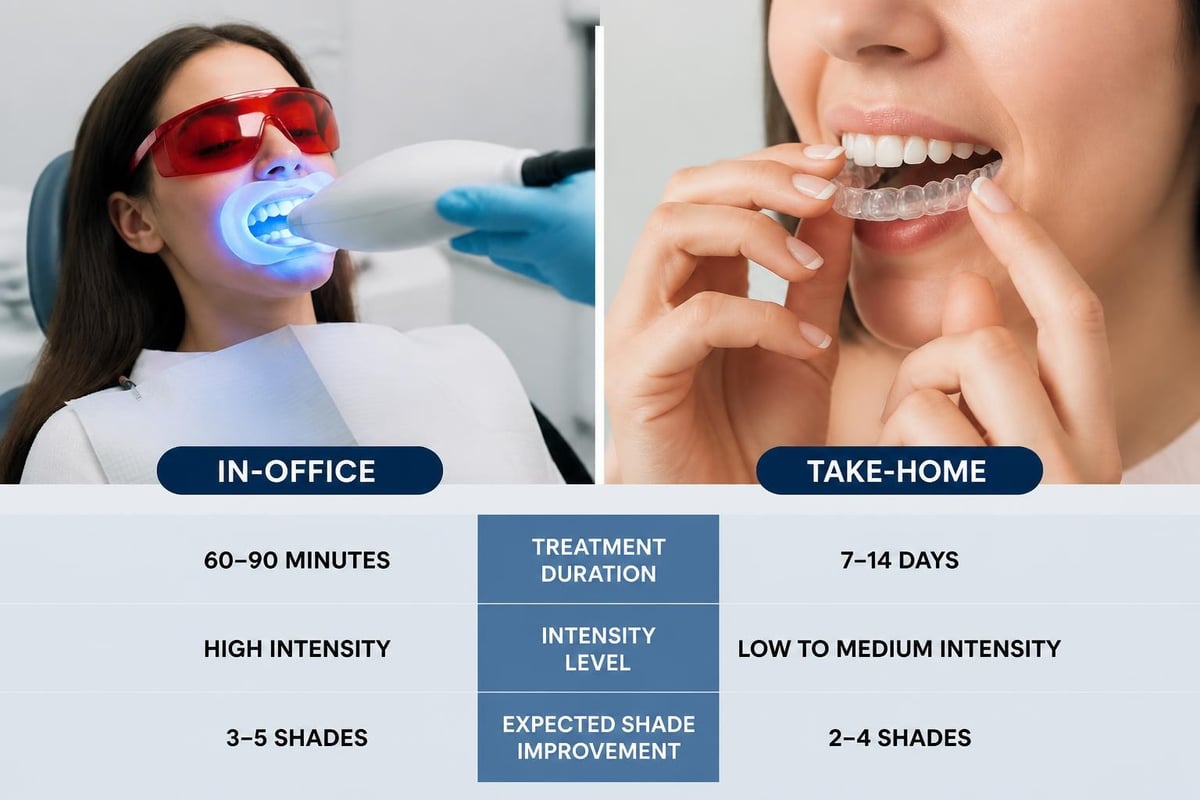
For those wondering about the most permanent teeth whitening procedure, it's important to understand that no whitening treatment lasts forever. However, professional treatments combined with proper maintenance can deliver results lasting one to three years.
| Whitening Method | Treatment Time | Results Duration | Best For |
|---|---|---|---|
| In-Office Power Whitening | 1-2 hours | 1-2 years | Quick results, special events |
| Custom Take-Home Trays | 2-4 weeks | 1-3 years | Gradual whitening, maintenance |
| Over-the-Counter Strips | 2-3 weeks | 3-6 months | Minor staining, budget-conscious |
Patients often ask about whether teeth whitening causes dental problems. When performed correctly under professional supervision, whitening is safe for most patients. Temporary sensitivity is the most common side effect, typically resolving within a few days after treatment completion.
Porcelain Veneers and Dental Bonding
Veneers represent one of the most transformative cosmetic dental treatment options available today. These thin shells of porcelain or composite resin are custom-designed to cover the front surface of teeth, correcting a wide range of aesthetic issues simultaneously.
The versatility of veneers makes them suitable for addressing multiple concerns:
- Severe discoloration resistant to whitening
- Chips, cracks, or worn enamel
- Minor misalignment or irregular spacing
- Uneven tooth length or shape
- Gaps between teeth
The Veneer Process
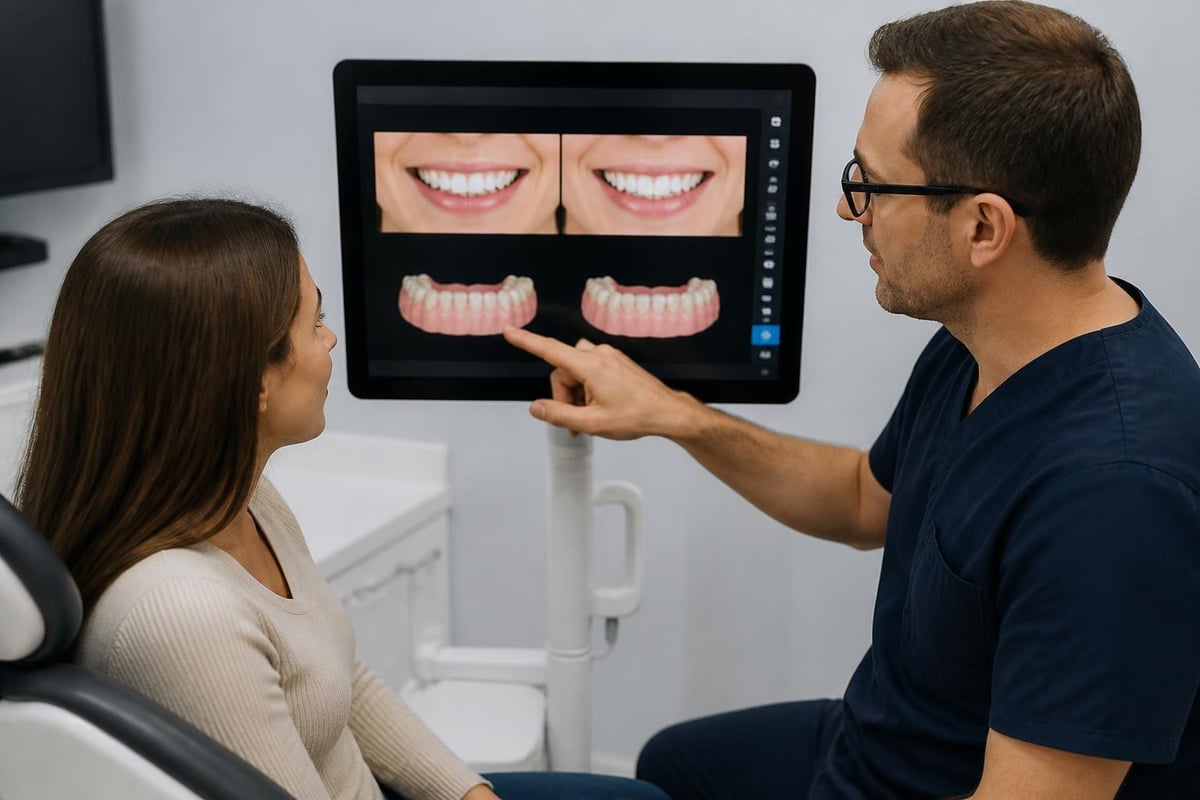
Modern veneer placement typically requires two to three appointments. During the initial consultation, your dentist evaluates your smile, discusses your goals, and may use digital smile design software to create a preview of your anticipated results.
The preparation appointment involves removing a minimal amount of enamel (usually less than a millimeter) to create space for the veneers. Temporary veneers protect your teeth while the permanent ones are fabricated in a dental laboratory. At the final appointment, the veneers are carefully bonded to your teeth using specialized adhesives.
Composite bonding offers a more conservative alternative for minor imperfections. This procedure involves applying tooth-colored resin material directly to the tooth surface, shaping it, and hardening it with a special light. While less durable than porcelain veneers, bonding provides excellent results for small chips, gaps, or discoloration at a lower cost.
Orthodontic Solutions for Adult Patients
Straightening misaligned teeth has evolved far beyond traditional metal braces. Modern orthodontic options provide effective cosmetic dental treatment with improved comfort and discretion, making them increasingly popular among adult patients.
Clear aligner systems have revolutionized orthodontic treatment for adults. These removable, transparent trays gradually shift teeth into proper alignment without the visibility or dietary restrictions of traditional braces. The benefits of clear aligners extend beyond aesthetics, including easier oral hygiene maintenance and fewer emergency appointments.
When comparing clear aligners versus traditional orthodontics, several factors influence the decision:
Treatment Duration: Clear aligners typically require 12-18 months for moderate cases, while traditional braces may take 18-36 months depending on complexity.
Visibility: Clear aligners are nearly invisible, making them preferable for professional adults concerned about appearance during treatment.
Compliance: Success with aligners requires wearing them 20-22 hours daily, demanding significant patient commitment.
Cost Considerations: Many patients wonder about dental insurance coverage for clear aligners, as orthodontic benefits vary widely between plans.
For those seeking orthodontic treatment in Texas, practices offering comprehensive cosmetic services can evaluate whether clear aligners, traditional braces, or other options best suit your specific needs and lifestyle.
Dental Implants and Smile Restoration
Missing teeth significantly impact both function and aesthetics, making dental implants an essential component of comprehensive cosmetic dental treatment. These titanium posts surgically placed in the jawbone serve as artificial tooth roots, supporting crowns, bridges, or dentures that look and function like natural teeth.
Types of Implant Solutions
Single tooth implants replace individual missing teeth without affecting adjacent healthy teeth. This approach preserves bone structure and provides the most natural appearance and function.
For patients missing multiple teeth, implant-supported bridges offer stable restoration without the need to alter neighboring teeth. The comparison between All-on-4 versus All-on-6 dental implants becomes relevant for those requiring full-arch restoration, with the choice depending on bone density, budget, and long-term stability goals.
Understanding the financial aspects of implant treatment is crucial. Resources on the cost of dental implants with insurance and options for dental implants without insurance help patients make informed decisions about this significant investment in their oral health.
Gum Contouring and Smile Line Enhancement
An often-overlooked aspect of cosmetic dental treatment involves the gum tissue surrounding your teeth. A "gummy smile," where excessive gum tissue is visible when smiling, can detract from otherwise beautiful teeth. Modern gum contouring procedures reshape the gum line to create better proportion and symmetry.
Laser gum contouring represents the latest advancement in this field, offering precise tissue removal with minimal discomfort and faster healing compared to traditional surgical methods. The procedure typically requires only local anesthesia and allows patients to return to normal activities within a day or two.
For patients asking how to fix a gummy smile, treatment options range from conservative gum reshaping to more extensive procedures involving bone recontouring, depending on the underlying cause. Some cases result from excessive gum tissue, while others stem from hyperactive lip muscles or skeletal factors requiring different approaches.
The integration of functional and aesthetic considerations in treatment planning for smile lifts ensures that gum contouring enhances not only appearance but also long-term periodontal health.
Digital Smile Design and Treatment Planning
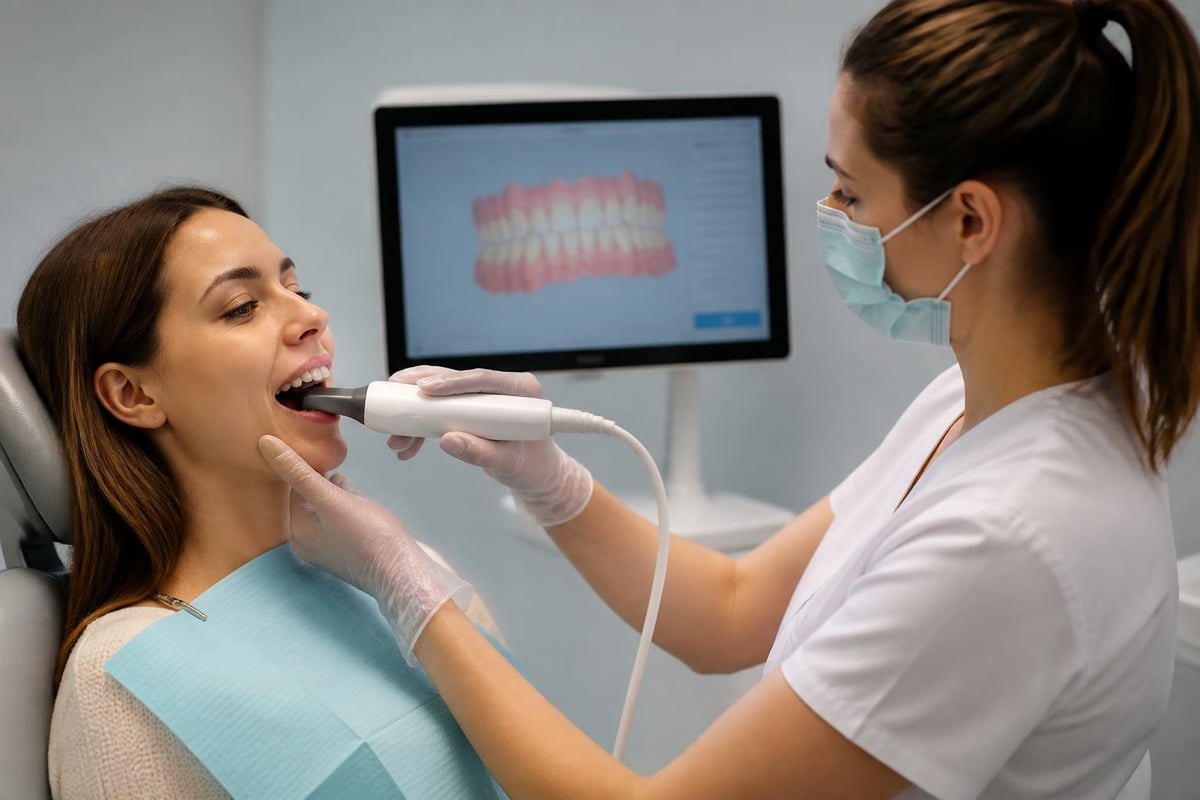
Technology has transformed how dentists approach cosmetic dental treatment planning. Digital smile design uses photographs, videos, and 3D scans to create virtual models of your teeth and surrounding structures. This allows both dentist and patient to collaborate on designing the ideal smile before any treatment begins.
The process typically involves:
- Comprehensive facial and dental photography from multiple angles
- Digital scanning to create precise 3D models of your teeth
- Computer-aided design to simulate various treatment outcomes
- Patient review and feedback on proposed changes
- Final refinement based on patient preferences and clinical considerations
This digital workflow improves communication, sets realistic expectations, and often reduces treatment time by eliminating guesswork. Patients can see exactly how their smile will look after veneers, whitening, orthodontics, or any combination of procedures.
Material Advancements in Cosmetic Dentistry
The quality of cosmetic dental treatment outcomes depends heavily on the materials used. In 2026, dental materials continue to evolve, offering improved aesthetics, durability, and biocompatibility.
| Material Type | Primary Use | Advantages | Expected Lifespan |
|---|---|---|---|
| Lithium Disilicate Ceramic | Veneers, Crowns | Excellent aesthetics, high strength | 10-15 years |
| Zirconia | Crowns, Bridges, Implants | Superior strength, metal-free | 15-20 years |
| Composite Resin | Bonding, Fillings | Conservative, repairable | 5-7 years |
| Porcelain-Fused-to-Metal | Crowns, Bridges | Proven durability | 10-15 years |
Modern ceramics can be shade-matched to surrounding teeth with remarkable precision, ensuring that restorations blend seamlessly with your natural smile. The translucency and light-reflecting properties of premium materials like lithium disilicate closely mimic natural tooth enamel, making them virtually indistinguishable from real teeth.
Choosing the Right Cosmetic Dental Provider
Selecting a qualified provider is perhaps the most critical decision in your cosmetic dental treatment journey. According to guidelines from the Cosmetic Association, patients should evaluate several key factors when choosing a cosmetic dentist.
Essential Qualifications and Experience
Look for dentists with advanced training in cosmetic procedures beyond dental school. Memberships in organizations like the American Academy of Cosmetic Dentistry indicate commitment to ongoing education and adherence to high standards.
Review before-and-after photos of actual patients treated by the dentist. These portfolios demonstrate artistic skill and consistency in delivering natural-looking results. Be wary of practices showing only stock photos or limited examples.
Technology and technique matter significantly. Practices investing in digital smile design, intraoral scanners, and modern materials typically deliver superior outcomes with greater patient comfort.
Cost Considerations and Financial Planning
Cosmetic dental treatment represents a significant investment, and understanding the financial aspects helps patients make informed decisions. Unlike restorative procedures, most cosmetic treatments are not covered by dental insurance, though exceptions exist when procedures address both functional and aesthetic concerns.
For patients in Texas seeking accessible cosmetic dentistry, exploring dental implant financing options can make comprehensive treatment more manageable through monthly payment plans. Many practices offer in-house financing or work with third-party lenders to provide flexible payment terms.
Breaking Down Treatment Costs
Several factors influence the total investment required for cosmetic dental treatment:
- Procedure complexity and number of teeth involved
- Material selection and laboratory fees
- Geographic location and local market rates
- Dentist's experience and expertise level
- Technology utilized in treatment planning and execution
When considering how to reduce costs for dental care, patients should focus on value rather than simply finding the lowest price. Poorly executed cosmetic work often requires costly corrections, ultimately costing more than quality treatment from the start.
Combining Treatments for Comprehensive Results
Many patients achieve optimal results by combining multiple cosmetic dental treatment procedures in a coordinated smile makeover. This comprehensive approach addresses all aesthetic concerns simultaneously, creating harmony and balance throughout the smile.
A typical smile makeover might include:
- Professional teeth whitening to brighten overall tooth shade
- Porcelain veneers on the upper front six to eight teeth
- Gum contouring to improve smile symmetry
- Minor orthodontic adjustment to refine alignment
- Dental implants to replace any missing teeth
Sequencing these procedures correctly ensures each treatment complements the others. For example, whitening is typically performed first to establish the desired shade, which then guides the color selection for veneers or crowns. Orthodontic treatment may precede other procedures to optimize tooth position before final restorations.
Maintaining Your Cosmetic Dental Results
The longevity of cosmetic dental treatment outcomes depends significantly on proper maintenance and care. While modern materials are highly durable, they still require attention to preserve their appearance and function over time.
Daily oral hygiene remains paramount. Brushing twice daily with non-abrasive toothpaste, flossing once daily, and using antimicrobial mouthwash helps prevent staining and decay around cosmetic restorations. For guidance on the proper sequence, resources on whether to brush or floss first clarify this common question.
Professional maintenance includes regular dental cleanings and examinations every six months. These appointments allow your dentist to monitor the condition of your cosmetic work, address any issues early, and perform professional cleaning that removes stains and buildup that home care cannot eliminate.
Lifestyle factors also influence how long cosmetic treatments last:
- Avoiding or limiting consumption of staining beverages like coffee, tea, and red wine
- Not using teeth as tools to open packages or crack nuts
- Wearing a night guard if you grind or clench your teeth
- Quitting smoking, which causes severe staining and compromises gum health
- Limiting highly acidic foods and beverages that can erode enamel
For patients with bruxism (teeth grinding), protecting cosmetic restorations with a custom night guard is essential. Information about dental night guard insurance coverage helps patients understand whether this protective appliance might be covered under their benefits.
The Psychology of Smile Transformation
Beyond the physical changes, cosmetic dental treatment often profoundly impacts psychological well-being and social confidence. Research published in The Journal of Cosmetic Dentistry consistently demonstrates correlations between smile satisfaction and overall quality of life measures.
Patients frequently report increased confidence in professional settings, greater willingness to smile in photographs, and improved social interactions following cosmetic dental treatment. The psychological benefits extend to career advancement, with studies suggesting that people with attractive smiles are perceived as more successful, friendly, and trustworthy.
This connection between dental aesthetics and self-image, as explored in Encyclopedia.com’s entry on cosmetic dentistry, underscores why many patients view cosmetic dental investment as life-changing rather than merely cosmetic.
Addressing Common Concerns and Misconceptions
Several misconceptions about cosmetic dental treatment persist, potentially preventing patients from pursuing smile improvements they desire.
Myth: Cosmetic procedures are only for wealthy individuals.
Reality: While premium treatments require investment, many cosmetic procedures are more affordable than patients expect, especially with financing options. Additionally, some treatments like bonding and whitening provide significant improvements at modest cost.
Myth: Cosmetic dentistry is purely about vanity.
Reality: Many cosmetic procedures also improve function, oral health, and longevity of teeth. Replacing missing teeth with implants, for example, prevents bone loss and maintains facial structure while enhancing appearance.
Myth: Cosmetic dental work looks fake and obvious.
Reality: Modern materials and techniques create natural-looking results that blend seamlessly with surrounding teeth. When performed by skilled practitioners, cosmetic restorations are virtually indistinguishable from natural teeth.
Myth: Cosmetic procedures are painful and require extensive recovery.
Reality: Most cosmetic treatments involve minimal discomfort and little to no downtime. Modern anesthetics, sedation options, and minimally invasive techniques ensure patient comfort throughout treatment.
Regional Access to Cosmetic Dental Care in Texas
For Texas residents seeking cosmetic dental treatment, accessibility has improved significantly with practices expanding throughout the state. Patients can find comprehensive cosmetic services at multiple convenient locations, making it easier to receive consistent, high-quality care close to home.
The diversity of Texas communities means dental practices must adapt services to meet varied patient needs. Urban areas like those served by practices in Leander and New Braunfels often see demand for cutting-edge cosmetic procedures, while practices in communities like Beeville and Seguin balance cosmetic services with comprehensive family dentistry.
Understanding dental insurance coverage specifics in Texas helps patients navigate the financial aspects of treatment, as coverage can vary significantly between plans and procedures.
Innovations Shaping the Future of Cosmetic Dentistry
The field of cosmetic dental treatment continues advancing rapidly, with several emerging technologies poised to transform patient experiences in coming years.
Artificial intelligence is beginning to play a role in treatment planning, analyzing thousands of successful smile makeovers to suggest optimal tooth proportions and arrangements for individual patients. This technology assists dentists in creating beautiful, natural-looking results tailored to each person's unique facial features.
Bioactive materials that actively promote tooth remineralization represent another exciting development. These advanced composites and ceramics don't just restore teeth; they actively support ongoing tooth health by releasing beneficial ions that strengthen surrounding enamel.
Three-dimensional printing technology has revolutionized how dental restorations are fabricated. Same-day crowns and veneers, once requiring multiple appointments and temporary restorations, can now be designed, milled, and placed in a single visit using chairside CAD/CAM systems.
The latest dental implant technology includes surface treatments that promote faster osseointegration (bone bonding) and immediate-load implants that can support temporary teeth on the same day as placement, dramatically reducing total treatment time.
Understanding Treatment Timelines and Expectations
Realistic expectations about treatment duration help patients plan appropriately for their cosmetic dental treatment journey. Timelines vary significantly depending on the procedures involved and individual healing factors.
| Procedure | Number of Appointments | Total Treatment Time | Results Visible |
|---|---|---|---|
| Professional Whitening | 1-2 | 1-4 weeks | Immediately |
| Composite Bonding | 1 | 1-2 hours | Immediately |
| Porcelain Veneers | 2-3 | 2-4 weeks | 2-3 weeks |
| Clear Aligners | 12-24+ | 12-24 months | Gradually |
| Dental Implants | 4-6 | 3-6 months | 3-6 months |
| Smile Makeover (Combined) | 4-8 | 2-6 months | Varies |
Single-visit procedures like bonding and in-office whitening deliver immediate results, making them attractive for patients with time constraints or upcoming events. More complex treatments requiring laboratory fabrication or healing time, such as veneers or implants, necessitate patience but often provide superior long-term outcomes.
Communication with your cosmetic dentist about timeline expectations ensures you can plan accordingly and avoid disappointment. Some practices offer temporary restorations that improve appearance during the treatment process, allowing you to enjoy enhanced confidence even before final results.
Emergency Preparedness and Cosmetic Dental Care
While cosmetic restorations are designed for durability, occasional accidents or complications can occur. Understanding how to respond to emergencies involving cosmetic dental work helps preserve your investment and prevent additional damage.
Common issues that may require urgent attention include:
- Veneers or crowns that become loose or dislodged
- Chips or cracks in cosmetic restorations
- Pain or sensitivity around treated teeth
- Gum irritation near new restorations
For situations requiring immediate care, knowing resources for understanding and addressing tooth pain helps you take appropriate action. Never attempt to reattach restorations with household adhesives; instead, contact your dentist promptly for professional repair.
Preventive measures reduce emergency risks. Wearing protective mouthguards during sports, avoiding hard foods that could damage restorations, and maintaining regular dental checkups all help prevent complications.
Integrating Cosmetic and General Dental Care
The most successful cosmetic dental treatment outcomes occur when aesthetic procedures are integrated with comprehensive oral health care. Beautiful restorations cannot remain healthy long-term without a foundation of excellent general dentistry.
Before undertaking major cosmetic work, dentists should address any existing oral health issues. Untreated cavities, gum disease, or bite problems can compromise cosmetic results and reduce their longevity. Resources explaining what general dentists provide illustrate how preventive and restorative care forms the foundation for successful cosmetic enhancement.
For example, periodontal health must be optimized before placing veneers or undergoing gum contouring. Active infection or inflammation can interfere with bonding, healing, and final aesthetic outcomes.
Similarly, understanding how poor oral health affects overall body health emphasizes why cosmetic treatment should complement, not replace, essential preventive care. The most beautiful smile still requires healthy teeth and gums underneath.
Special Considerations for Different Age Groups
Cosmetic dental treatment needs and approaches vary across different life stages, requiring customized strategies for optimal results.
Young Adults (18-35)
This age group often seeks cosmetic treatment for orthodontic refinement, whitening, and minor imperfection correction. Clear aligners prove particularly popular, offering discreet treatment compatible with professional life. Early intervention for chips or gaps prevents more extensive problems later.
Middle-Aged Adults (35-55)
Patients in this demographic frequently pursue comprehensive smile makeovers, combining multiple procedures to address aging-related changes like tooth wear, discoloration, and gum recession. Dental implants to replace failing teeth and restore function become more common. Investment in cosmetic dentistry often coincides with career advancement or major life transitions.
Mature Adults (55+)
Older patients increasingly seek cosmetic improvements, rejecting the notion that dental aesthetics matter less with age. Full-mouth rehabilitation combining implants, crowns, and other restorative cosmetic procedures can dramatically improve quality of life. Special attention to medical conditions, medications, and healing capacity ensures safe, successful outcomes.
The Role of Proper Documentation
Comprehensive documentation throughout cosmetic dental treatment serves multiple important purposes. Detailed before-and-after photographs track progress, demonstrate results, and help patients appreciate the transformation achieved.
Digital records including 3D scans and x-rays provide baseline information for future comparison, making it easier to identify and address any changes or issues that develop over time. This documentation proves invaluable if you relocate or need to transfer care to a different provider.
From a patient perspective, maintaining your own records about procedures performed, materials used, and warranties provided helps you make informed decisions about future dental care and ensures you can provide accurate information to other healthcare providers if needed.
Cultural and Social Aspects of Smile Aesthetics
Beauty standards and smile preferences vary across cultures and have evolved significantly over time. What constitutes an ideal smile in one culture might differ substantially from preferences in another. For practices serving diverse populations, understanding these variations ensures cosmetic dental treatment respects individual aesthetic values.
International perspectives on cosmetic dentistry, such as those offered by specialized practices like عيادة أبو سبيت لطب الأسنان, demonstrate how advanced cosmetic techniques adapt to serve patients with varied aesthetic preferences and cultural backgrounds.
Modern cosmetic dentistry emphasizes personalization rather than imposing uniform standards. Digital design tools allow patients to preview options and select the specific characteristics they prefer for their smile, from tooth shade and shape to the degree of change desired.
Comprehensive Smile Analysis
Professional cosmetic dental treatment begins with thorough smile analysis examining multiple factors:
Tooth-Related Factors:
- Color, shade, and translucency
- Size, shape, and proportions
- Alignment and spacing
- Wear patterns and edge characteristics
Facial Factors:
- Lip position and movement
- Facial symmetry and proportions
- Smile line and gum display
- Midline alignment with facial features
Functional Factors:
- Bite relationship and jaw position
- Speaking and eating comfort
- Joint health and muscle function
This comprehensive evaluation, as outlined in current treatment reviews, ensures cosmetic improvements enhance not just appearance but also function and long-term stability.
Insurance and Financial Navigation
Understanding insurance coverage for cosmetic procedures helps patients plan financially and avoid surprises. While purely aesthetic treatments typically aren't covered, procedures addressing both cosmetic and functional concerns may receive partial coverage.
Common scenarios where insurance might contribute include:
- Crowns on teeth with large fillings or fractures
- Implants replacing teeth extracted due to disease or trauma
- Orthodontics correcting significant bite problems
- Gum surgery addressing periodontal disease
Resources about common implant insurance claim mistakes help patients maximize benefits when coverage applies. Additionally, understanding what to do when dental insurance is denied empowers patients to appeal decisions or explore alternative payment options.
Pre-authorization requests submitted before treatment help clarify coverage and out-of-pocket costs, preventing billing surprises after procedures are completed.
Patient Education and Informed Consent
Quality cosmetic dental treatment providers prioritize patient education, ensuring individuals understand procedures, alternatives, risks, and expected outcomes before committing to treatment. This transparent approach builds trust and leads to higher satisfaction.
According to Ontario Dental Association guidelines on cosmetic procedures, informed consent should address:
- Detailed explanation of recommended procedures
- Alternative treatment options and their pros/cons
- Realistic outcome expectations
- Potential risks and complications
- Required maintenance and longevity estimates
- Total costs and payment arrangements
Patients should feel comfortable asking questions and taking time to consider options before proceeding. Pressure to make immediate decisions often indicates priorities misaligned with patient-centered care.
Building Long-Term Relationships with Your Cosmetic Dentist
Cosmetic dental treatment represents the beginning of an ongoing relationship rather than a one-time transaction. Long-term success depends on consistent follow-up care, maintenance, and trust between patient and provider.
Establishing care with a practice offering comprehensive services ensures continuity as your needs evolve. Access to both preventive care and advanced cosmetic procedures at the same location simplifies scheduling and ensures all providers understand your dental history and goals.
For patients across Texas, finding a trusted provider with multiple convenient locations facilitates consistent care even if you relocate within the state. This accessibility proves especially valuable for treatments requiring multiple appointments over extended periods.
Cosmetic dental treatment in 2026 offers unprecedented opportunities to achieve the confident, beautiful smile you deserve through advanced techniques, natural-looking materials, and patient-focused care. Whether you're interested in simple whitening or comprehensive smile transformation, modern cosmetic dentistry delivers results that enhance both appearance and quality of life. Dental Plus Clinic combines expertise, technology, and personalized attention to help patients throughout Texas achieve their smile goals with comprehensive cosmetic and general dental services tailored to your unique needs and preferences.