
A sharp, sudden pain when biting into food or a persistent sensitivity to temperature changes can signal more than just a minor dental issue. These symptoms often indicate a cracked tooth, a common yet frequently overlooked dental problem that affects thousands of Texans each year. Whether caused by biting hard foods, grinding teeth at night, or aging dental work, a cracked tooth requires prompt professional attention to prevent further damage and potential tooth loss. Understanding the warning signs, types of cracks, and available treatment options empowers you to make informed decisions about your oral health and seek timely care before complications arise.
Understanding What a Cracked Tooth Really Means
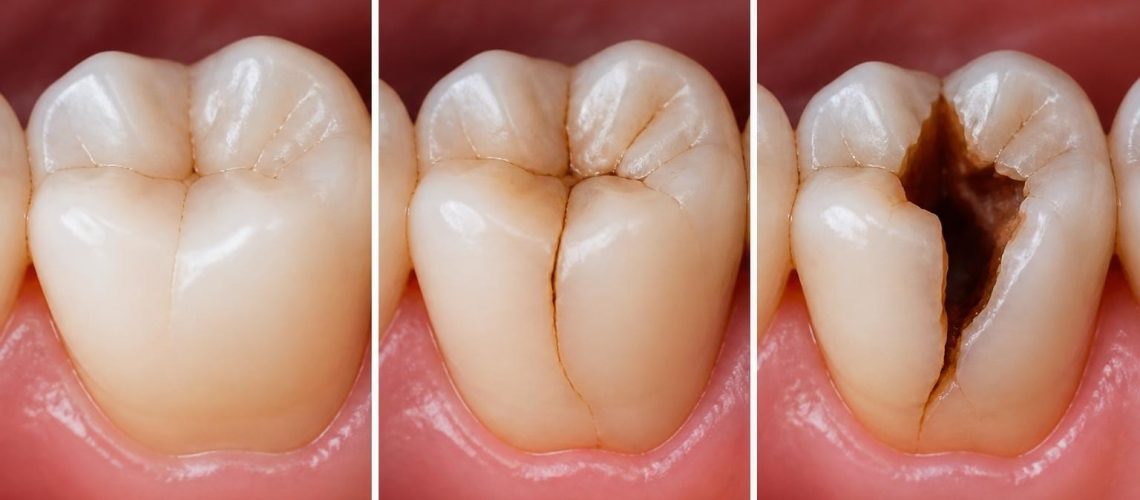
A cracked tooth occurs when the hard outer surface of a tooth develops a fracture or split. Unlike a chipped tooth where a piece breaks off completely, a crack may remain invisible to the naked eye while causing significant discomfort and structural weakness.
The complexity of tooth cracks varies considerably based on their location, depth, and extent. Some cracks affect only the outer enamel layer, while others penetrate deep into the dentin or even reach the tooth's inner pulp where nerves and blood vessels reside. This variation makes professional diagnosis essential, as home assessment rarely reveals the full extent of damage.
Types of Cracked Teeth
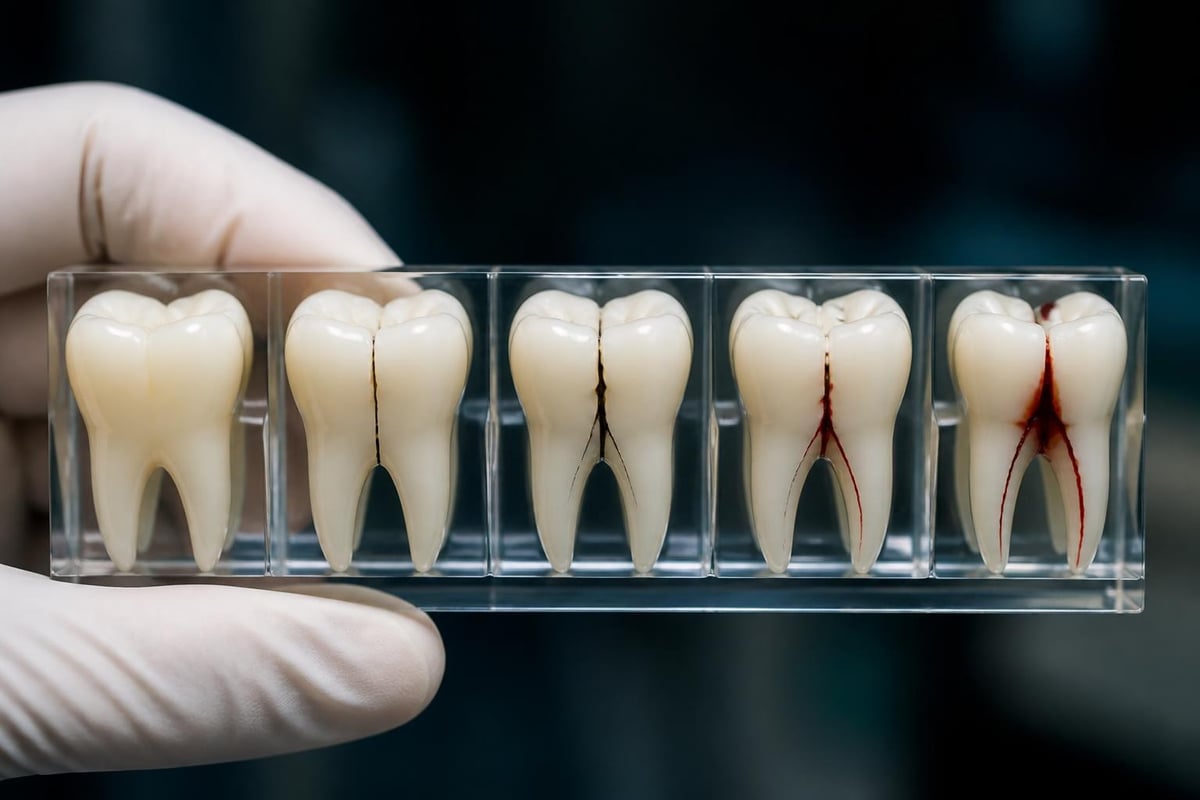
Dental professionals categorize tooth cracks into several distinct types, each requiring different treatment approaches:
Craze Lines: These superficial cracks affect only the outer enamel and typically cause no pain. Common in adults, they appear as tiny vertical lines on the tooth surface and usually require no treatment beyond monitoring.
Fractured Cusp: This crack occurs when a portion of the tooth's chewing surface breaks away, often around a filling. While uncomfortable, it rarely affects the tooth's pulp and can usually be repaired with a crown.
Cracked Tooth: A vertical crack extending from the chewing surface toward the root characterizes this type. Early detection allows for effective treatment, but delayed care may result in the crack spreading below the gum line.
Split Tooth: When a cracked tooth remains untreated, it can develop into a split tooth with distinct segments. This severe condition often requires extraction, though some portions may be salvageable with advanced treatments.
Vertical Root Fracture: Beginning below the gum line and extending upward, these cracks often show minimal symptoms until surrounding bone and gum become infected. According to Healthline’s comprehensive guide on cracked teeth, these fractures frequently go undetected until infection develops.
Recognizing the Warning Signs and Symptoms
Identifying a cracked tooth early dramatically improves treatment outcomes and preserves natural tooth structure. However, symptoms can be inconsistent and puzzling, making professional evaluation critical.
Common Symptoms to Watch For
- Intermittent pain when chewing: Unlike constant toothaches, pain from a cracked tooth often comes and goes, particularly when biting or releasing pressure
- Temperature sensitivity: Sharp pain when consuming hot coffee or cold ice cream that disappears quickly
- Sweet sensitivity: Discomfort when eating sugary foods as substances penetrate the crack
- Difficulty pinpointing the pain: The affected tooth may be hard to identify as pain can radiate to surrounding areas
- Swollen gums near the crack: Inflammation may develop around the affected tooth as bacteria enter the crack
Many patients describe the pain as sharp and sudden rather than dull and continuous. This characteristic pattern helps distinguish a cracked tooth from other dental issues like cavities or gum disease. The pain's intermittent nature occurs because the crack opens when pressure is applied during chewing, then closes when pressure releases, creating inconsistent nerve irritation.
Some individuals experience no symptoms initially, particularly with minor cracks. Regular dental examinations at Dental Plus Clinic locations throughout Texas help detect these silent cracks before they progress to painful stages.
| Symptom | What It Indicates | Urgency Level |
|---|---|---|
| Sharp pain when biting | Crack affects deeper tooth layers | High |
| Sensitivity to temperature | Crack exposes dentin or pulp | Moderate to High |
| Pain that comes and goes | Crack opening and closing with pressure | Moderate |
| No symptoms | Surface crack or early-stage fracture | Low but monitor |
| Visible crack line | Varies by depth and location | Requires assessment |
What Causes Teeth to Crack
Understanding the underlying causes of tooth fractures helps prevent future damage and protects your remaining teeth. Multiple factors contribute to crack development, often working in combination.
Primary Risk Factors
Physical Trauma: Accidents, sports injuries, or falls can create immediate cracks. Even a seemingly minor impact can fracture tooth enamel, particularly in children and active adults across Texas communities from Beeville to Leander.
Teeth Grinding (Bruxism): Nighttime grinding exerts tremendous force on teeth, gradually weakening enamel and creating stress fractures. Many patients remain unaware of this habit until their dentist identifies wear patterns. Understanding toothache causes can help identify if grinding contributes to your dental pain.
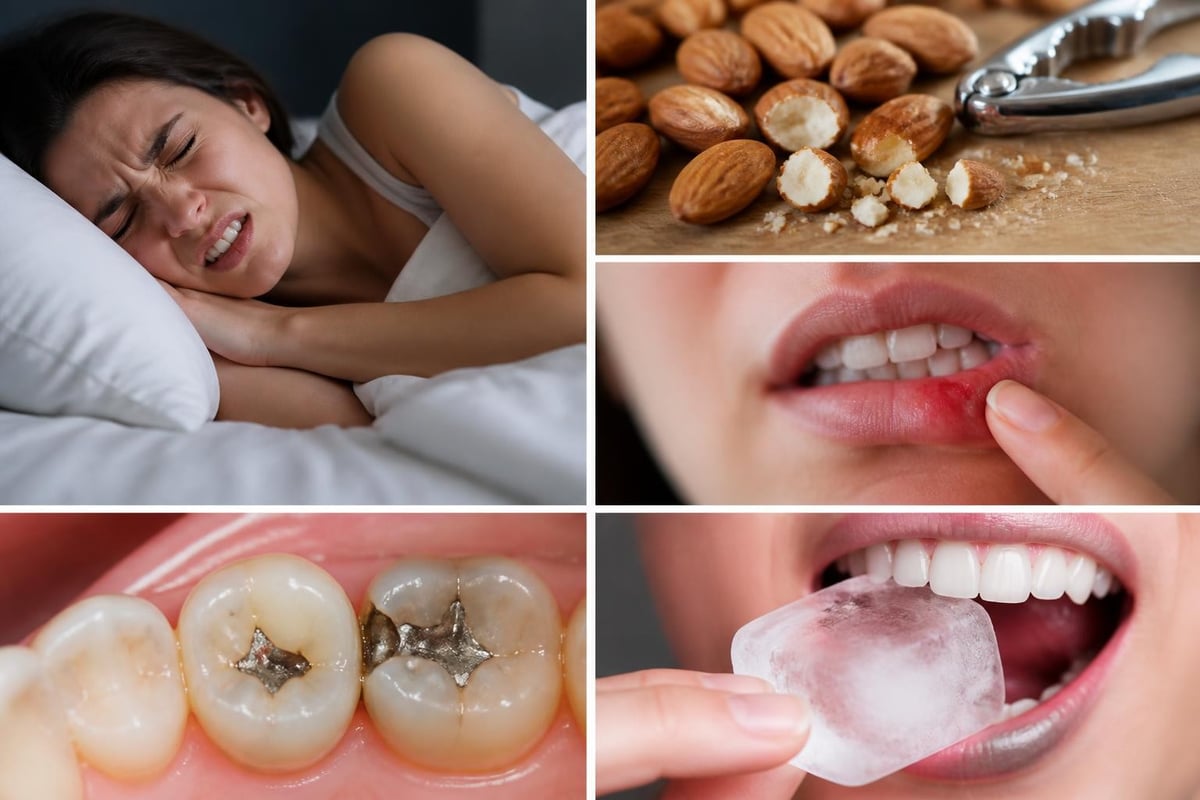
Chewing Hard Objects: Biting ice cubes, hard candies, popcorn kernels, or using teeth as tools to open packages subjects teeth to excessive force they're not designed to handle.
Large Dental Fillings: Extensive fillings, particularly those more than ten years old, can weaken tooth structure. The remaining natural tooth becomes more susceptible to fractures as the filling material doesn't flex like natural enamel.
Age-Related Wear: Teeth naturally weaken over time. Medical News Today’s analysis indicates that most cracked teeth occur in people over 50, though cracks can develop at any age.
Temperature Extremes: Rapidly alternating between very hot and cold foods causes tooth expansion and contraction, potentially leading to enamel cracks over time.
Root Canal Complications: Teeth that have undergone root canal treatment become more brittle and prone to cracking without proper crown protection.
Lifestyle and Dietary Contributors
Beyond these primary causes, certain lifestyle choices increase crack risk. Frequent consumption of acidic beverages weakens enamel, making teeth more vulnerable to fracture. Similarly, nutritional deficiencies affecting bone and tooth health can compromise structural integrity.
Recent studies show that stress-related jaw clenching, increasingly common in 2026's fast-paced environment, contributes significantly to tooth damage. Recognizing these patterns early allows for preventive intervention through custom night guards or stress management techniques.
Professional Diagnosis and Detection Methods
Accurate diagnosis of a cracked tooth requires specialized dental expertise and diagnostic tools. The challenge lies in the fact that cracks don't always appear on standard X-rays, particularly when they run vertically.
Diagnostic Techniques Used by Dental Professionals
Visual Examination: Your dentist begins with a thorough visual inspection using magnification and bright lighting to identify visible crack lines or irregular tooth surfaces.
Bite Tests: Using a special instrument called a tooth slooth or bite stick, the dentist asks you to bite down on different areas of the tooth. Pain upon release often indicates a crack.
Dye Application: A special dental dye may be applied to make subtle cracks more visible against the tooth surface.
X-rays and Imaging: While standard X-rays may miss vertical cracks, they help identify bone loss or other issues associated with cracked teeth. Advanced imaging like CBCT scans provide three-dimensional views for complex cases.
Transillumination: Shining a bright light through the tooth can reveal cracks as dark lines interrupting the light transmission.
Periodontal Probing: Examining the gums around suspected teeth can reveal unusual patterns suggesting an underlying crack.
According to Delta Dental’s guide on symptoms and diagnosis, early detection significantly improves treatment success rates and reduces the likelihood of tooth loss.
The diagnostic process at Dental Plus Clinic combines traditional examination methods with modern technology, ensuring accurate identification of even subtle cracks. This comprehensive approach allows the development of personalized treatment plans addressing each patient's specific situation.
Treatment Options for Different Types of Cracks
Treatment for a cracked tooth varies significantly based on crack severity, location, and the patient's overall oral health. Modern dentistry offers multiple solutions to preserve natural teeth and restore function.
Conservative Treatment Approaches
Dental Bonding: For minor cracks affecting only enamel, tooth-colored composite resin can seal the crack and restore appearance. This quick, affordable solution works well for front teeth and superficial damage.
Dental Crowns: The most common treatment for moderate cracks, crowns completely cover the damaged tooth, protecting it from further fracture while restoring strength and appearance. Modern ceramic crowns look natural and last 10-15 years with proper care.
Veneers: When cracks appear on front teeth without affecting structural integrity, thin porcelain veneers can cover the damage while improving smile aesthetics.
Advanced Treatment Methods
Root Canal Therapy: When a crack extends into the tooth pulp, root canal treatment removes damaged nerve tissue, alleviates pain, and preserves the natural tooth. Following root canal therapy, a crown typically protects the treated tooth from future fractures.
Tooth Extraction and Replacement: Severely cracked teeth that split completely or fracture below the gum line may require extraction. Modern replacement options include dental implants, bridges, or partial dentures. If you're considering dental implant options, understanding the differences between solutions helps make informed decisions.
Onlay or Inlay Restorations: For cracks that don't require full crown coverage, custom-made onlays or inlays restore the tooth using less invasive techniques while providing durable protection.
| Treatment Type | Best For | Duration | Success Rate |
|---|---|---|---|
| Bonding | Minor enamel cracks | 1 visit | High for cosmetic repair |
| Crown | Moderate cracks above gum line | 2-3 visits | 90%+ with proper care |
| Root Canal + Crown | Cracks reaching pulp | 2-4 visits | 85-95% tooth preservation |
| Extraction + Implant | Severe cracks, split teeth | Multiple visits over months | 95%+ implant success |
Pain Management During Treatment
Dental Plus Clinic prioritizes patient comfort throughout treatment. Local anesthesia ensures procedures remain pain-free, while sedation options accommodate patients with dental anxiety. Modern techniques minimize discomfort during recovery, with most patients returning to normal activities within days.
The choice of treatment depends on factors including crack extent, tooth location, patient preferences, and budget considerations. Discussing dental care cost reduction strategies with your dental team helps identify affordable solutions without compromising quality.
Preventing Future Tooth Cracks
Prevention remains the most effective strategy for maintaining strong, healthy teeth. Simple lifestyle modifications and protective measures significantly reduce crack risk.
Daily Protection Strategies
Wear a Night Guard: If you grind your teeth, a custom-fitted night guard distributes forces evenly and protects enamel from grinding damage. Patients at our Seguin location report significant improvement in tooth sensitivity after starting night guard therapy.
Avoid Hard Foods: Exercise caution with ice, hard candies, popcorn kernels, and similar foods that can fracture teeth. Cut hard foods into smaller pieces rather than biting directly.
Use Proper Tools: Never use teeth to open packages, crack nuts, or perform tasks better suited for scissors or other tools.
Maintain Good Oral Hygiene: Strong teeth resist cracking better than weakened ones. Brush twice daily with fluoride toothpaste and floss regularly to prevent decay that compromises tooth structure.
Address Existing Dental Work: Replace old, large fillings with crowns when recommended. Update worn restorations before they contribute to tooth fractures.
Wear Protective Gear: Athletes should always wear properly fitted mouthguards during contact sports and high-risk activities.
Regular Dental Checkups
Routine examinations every six months allow early detection of weak spots, worn fillings, or developing cracks before they become painful problems. Professional cleanings remove decay-causing plaque that weakens enamel over time.
Common dental treatments provided by general dentists include preventive care that strengthens teeth and identifies risk factors for cracking.
- Schedule biannual dental checkups and cleanings
- Discuss any tooth sensitivity or pain immediately
- Update your dentist about changes in medications or health conditions
- Ask about fluoride treatments if you're at higher risk for cracks
- Consider dental sealants for molars with deep grooves
The Connection Between Cracked Teeth and Overall Health
A cracked tooth represents more than just a dental concern. The connection between oral health and systemic wellness continues to gain recognition in medical research, with tooth cracks potentially affecting overall health.
Infection Risks
When a crack extends deep enough to expose the tooth pulp, bacteria can enter and cause infection. This infection may spread to surrounding bone and soft tissues, creating abscesses that require emergency treatment. In rare cases, untreated dental infections can lead to serious systemic complications.
Understanding how poor oral health affects the rest of the body emphasizes why prompt treatment of cracked teeth matters beyond just saving the tooth.
Impact on Nutrition and Quality of Life
Pain from a cracked tooth often causes people to avoid certain foods, potentially leading to nutritional deficiencies. Chronic dental pain affects sleep quality, mood, and daily functioning. Children with cracked teeth may struggle with eating and concentration at school.
Stress and Psychological Effects
Visible cracks in front teeth impact confidence and social interactions. Adults may feel self-conscious about their appearance, affecting professional and personal relationships. Addressing these issues promptly restores both function and emotional well-being.
Emergency Care for a Cracked Tooth
Knowing how to respond when a tooth cracks can prevent additional damage and reduce pain until professional treatment is available.
Immediate Steps to Take
- Rinse your mouth with warm water to clean the area and remove any food particles
- Apply a cold compress to the outside of your cheek to reduce swelling and numb pain
- Take over-the-counter pain medication as directed to manage discomfort
- Avoid the affected tooth when chewing to prevent further damage
- Cover sharp edges with dental wax or sugarless gum if the crack creates a sharp surface
- Contact your dentist immediately to schedule an emergency appointment
What Not to Do
Avoid applying aspirin directly to the gum or tooth, as this can burn tissue. Don't attempt to bond the crack with household adhesives. Refrain from using the damaged tooth for chewing until professionally evaluated.
Emergency dental care services provide same-day appointments for urgent situations. Dental Plus Clinic maintains emergency availability across all five Texas locations to ensure patients receive prompt care when tooth cracks occur.
If you experience severe pain, visible pus, fever, or facial swelling, seek immediate emergency care as these symptoms suggest infection requiring urgent intervention.

Financial Considerations and Insurance Coverage
Understanding the financial aspects of cracked tooth treatment helps families plan for necessary care without financial stress.
Cost Factors
Treatment costs vary based on crack severity and the chosen solution:
- Bonding: $100-$400 per tooth
- Crown: $800-$3,000 depending on material
- Root canal: $700-$1,500 plus crown cost
- Extraction: $150-$400 for simple extraction
- Dental implant: $3,000-$6,000 including crown
These ranges reflect typical costs in Texas communities, though prices vary by location and specific case complexity.
Insurance and Payment Options
Most dental insurance plans cover a portion of cracked tooth treatment, particularly when deemed medically necessary rather than cosmetic. Coverage typically includes:
- 80-100% of diagnostic X-rays and examinations
- 50-80% of crowns and root canals
- Variable coverage for extractions and implants
Patients concerned about dental insurance coverage should review their specific plan benefits before treatment. Dental Plus Clinic's billing specialists help maximize insurance benefits and explain coverage details.
For patients without insurance or those facing significant out-of-pocket costs, flexible payment plans make treatment accessible. The clinic offers various financing options to ensure financial constraints don't prevent necessary dental care.
Planning Ahead
Dental savings plans provide an alternative to traditional insurance, offering discounted rates on procedures for an annual membership fee. Health savings accounts (HSAs) and flexible spending accounts (FSAs) allow tax-advantaged savings for dental expenses.
Frequently Asked Questions About Cracked Teeth
Can a cracked tooth heal on its own?
No, teeth cannot self-repair like bone or soft tissue. Once enamel cracks, the damage is permanent and requires professional treatment to prevent worsening. However, very small cavities may remineralize under specific conditions, but this doesn't apply to structural cracks.
How long can I wait to treat a cracked tooth?
Immediate professional evaluation is essential. Even if pain is minimal, delaying treatment allows the crack to deepen, bacteria to enter, and damage to spread. What starts as a simple repair can become a complex, expensive extraction if neglected.
Will a cracked tooth always hurt?
Not necessarily. Minor cracks may cause no discomfort, while severe cracks can be extremely painful. Intermittent pain is common, occurring only when chewing or exposed to temperature changes. Lack of pain doesn't indicate lack of damage.
Can children get cracked teeth?
Yes, children's teeth can crack from falls, sports injuries, or biting hard objects. Baby teeth and permanent teeth both require treatment when cracked, as infections in baby teeth can affect developing permanent teeth underneath. Pediatric dental care addresses these issues with age-appropriate treatment.
What's the difference between a cracked tooth and a fractured tooth?
The terms are often used interchangeably, though "fracture" sometimes refers to more severe breaks. Both describe structural damage requiring professional care. The important distinction lies in the crack's depth and extent rather than terminology.
Can teeth crack from whitening treatments?
Professional whitening treatments don't cause cracks when performed correctly. However, existing microscopic cracks may become more noticeable after whitening as the dye penetrates these areas. Discussing teeth whitening safety with your dentist ensures appropriate procedures.
How do I know if my tooth is cracked or just sensitive?
While sensitivity can result from various causes including enamel erosion or gum recession, a cracked tooth typically produces sharp, localized pain when biting or releasing pressure. Professional examination with specialized tools definitively identifies cracks versus other sensitivity causes.
Are back teeth more likely to crack than front teeth?
Yes, molars face significantly greater chewing forces and are more prone to cracks. However, front teeth can crack from trauma or wear. According to Cigna Healthcare’s resource on cracked teeth, lower molars experience the highest crack incidence.
Can a crowned tooth still crack?
Yes, though crowns significantly reduce this risk by protecting and strengthening the underlying tooth. Very old crowns may crack themselves and require replacement. The natural tooth beneath a crown can also crack if the crown fails or if new trauma occurs.
What happens if I ignore a cracked tooth?
Ignoring a cracked tooth typically leads to progressive worsening. The crack deepens, pain intensifies, infection develops, and tooth loss becomes likely. Early treatment preserves natural tooth structure, while delayed care often necessitates extraction and expensive replacement options.
Special Considerations for Different Age Groups
Cracked Teeth in Children and Adolescents
Young patients face unique challenges with cracked teeth. Primary teeth require treatment to prevent infection affecting permanent tooth development. Active children participating in sports need protective mouthguards to prevent fractures.
Parents should monitor for signs of teeth grinding in children, as stress and developmental changes can trigger bruxism. Preventing tooth decay in children includes teaching proper oral hygiene and dietary habits that strengthen enamel.
Adults and Working Professionals
Adults aged 30-50 often experience cracked teeth from a combination of factors: aging dental work, stress-related grinding, and accumulated wear. Busy professionals may delay treatment due to time constraints, but same-day crown technology at modern practices minimizes time away from work.
Seniors and Older Adults
As people age, teeth naturally become more brittle and prone to cracking. Seniors with existing crowns, bridges, or extensive dental work require careful monitoring. Medications that cause dry mouth reduce protective saliva, increasing fracture risk.
Regular checkups become increasingly important after age 60 to catch developing cracks early. The Oral Health Foundation’s guidance on cracked teeth emphasizes preventive care across all life stages.
Advanced Technology in Cracked Tooth Detection and Treatment
Modern dental technology has revolutionized how dentists detect and treat cracked teeth, improving outcomes and patient comfort.
Diagnostic Innovations
Digital Radiography: Enhanced X-ray technology provides clearer images with less radiation exposure, helping identify bone loss and infection associated with cracks.
Cone Beam CT Scanning: This three-dimensional imaging reveals crack extent and position with unprecedented detail, enabling precise treatment planning for complex cases.
Laser Fluorescence: Some practices use laser technology to detect early enamel defects before they become visible cracks.
Intraoral Cameras: High-resolution cameras allow patients to view their own teeth on screen, clearly seeing the cracks their dentist identifies.
Treatment Advancements
CAD/CAM Same-Day Crowns: Computer-aided design and manufacturing creates custom crowns during a single visit, eliminating temporary crowns and multiple appointments.
Biocompatible Materials: Modern crown materials mimic natural tooth properties more closely, providing better protection and more natural appearance.
Minimally Invasive Techniques: Advanced tools preserve more natural tooth structure during treatment, improving long-term outcomes.
Dental Plus Clinic invests in latest dental technology across all locations, ensuring patients benefit from these innovations whether they visit our New Braunfels, Converse, Leander, Beeville, or Seguin facilities.
Long-Term Care After Cracked Tooth Treatment
Successfully treating a cracked tooth represents just the beginning of long-term dental health maintenance.
Post-Treatment Care Guidelines
Following treatment, patients should:
- Avoid hard foods for at least a week while the restoration sets
- Maintain meticulous oral hygiene around the treated tooth
- Attend all follow-up appointments to ensure proper healing
- Report any unusual symptoms immediately
- Continue wearing night guards if prescribed for grinding prevention
Monitoring and Maintenance
Restored teeth require ongoing attention. Crowns typically last 10-15 years but need evaluation at regular checkups. Changes in bite alignment, new cracks in adjacent teeth, or recurrent sensitivity warrant immediate professional assessment.
Protecting Your Dental Investment
Quality dental work represents a significant investment in health and appearance. Protecting this investment through preventive care, proper oral hygiene, and lifestyle modifications ensures maximum longevity.
Regular professional cleanings remove plaque and tartar that can compromise restorations. Annual comprehensive exams assess the integrity of previous work and identify new concerns before they become serious problems.
The Role of Diet in Preventing Tooth Cracks
Nutrition significantly impacts tooth strength and crack resistance. Strategic dietary choices support strong enamel and reduce fracture risk.
Foods That Strengthen Teeth
Calcium-Rich Foods: Dairy products, leafy greens, and fortified alternatives provide building blocks for strong enamel.
Phosphorus Sources: Fish, eggs, and lean meats support remineralization processes that maintain tooth hardness.
Vitamin D: This essential nutrient enables calcium absorption, making it crucial for tooth health. Sunlight exposure and fortified foods provide adequate vitamin D.
Crunchy Vegetables: Carrots, celery, and apples stimulate saliva production while gently cleaning tooth surfaces.
Foods and Habits to Limit
- Acidic beverages that erode enamel (sodas, citrus juices, wine)
- Sticky candies that pull on teeth and fillings
- Ice chewing, a common habit that causes numerous cracks
- Very hard foods like unpopped popcorn kernels
- Using teeth to crack nuts or open bottles
Hydration and Saliva Production
Adequate water consumption supports healthy saliva flow, which naturally remineralizes teeth and washes away harmful bacteria. Patients taking medications that cause dry mouth should discuss protective strategies with their dentist.
When to Seek Immediate Emergency Care
Certain cracked tooth situations require urgent professional intervention beyond regular appointment scheduling.
Emergency Warning Signs
Severe, Persistent Pain: Intense pain that doesn't respond to over-the-counter medication suggests significant nerve involvement or infection.
Visible Pus or Swelling: These symptoms indicate active infection requiring immediate antibiotic treatment and possible emergency root canal.
Fever: Systemic infection from a cracked tooth can cause fever and requires urgent medical attention.
Difficulty Swallowing or Breathing: These rare but serious symptoms suggest infection spreading to surrounding tissues, requiring emergency room care.
Significant Bleeding: Heavy bleeding from gums around a cracked tooth that doesn't stop with pressure needs immediate evaluation.
After-Hours Emergency Protocol
Dental Plus Clinic maintains emergency contact procedures for urgent situations outside regular business hours. Patients experiencing dental emergencies can access guidance and care when needed most.
For life-threatening symptoms like breathing difficulty or uncontrolled bleeding, proceed directly to the nearest emergency room while having someone contact your dentist to coordinate care.
Building a Relationship with Your Dental Care Team
Consistent dental care with a trusted provider offers significant advantages for preventing and treating cracked teeth effectively.
Benefits of Continuity of Care
When you maintain regular visits with the same dental team, they develop comprehensive understanding of your oral health history, risk factors, and specific concerns. This familiarity enables earlier detection of developing problems and more personalized treatment recommendations.
Your dental team can track changes over time, identifying patterns that might indicate grinding habits, dietary issues, or other crack risk factors. This proactive approach prevents many problems before they require extensive treatment.
Communication and Trust
Open communication with your dentist ensures you receive care aligned with your values, preferences, and financial situation. Expressing concerns about pain, anxiety, or cost allows your dental team to customize approaches that work for you.
Families across Texas trust Dental Plus Clinic locations to provide consistent, compassionate care addressing each patient's unique needs. Building these relationships creates a foundation for lifelong dental health.
Addressing a cracked tooth promptly protects your oral health, prevents complications, and preserves your natural smile. Understanding the causes, recognizing symptoms early, and seeking professional treatment ensures the best possible outcomes while minimizing discomfort and cost. Whether you're experiencing tooth sensitivity, intermittent pain, or simply want to ensure your family's dental wellness, Dental Plus Clinic provides comprehensive care across five convenient Texas locations. Our experienced team combines advanced technology with personalized attention, offering same-day emergency appointments, flexible financing, and treatment options tailored to your specific needs. Schedule your consultation today to protect your smile for years to come.