
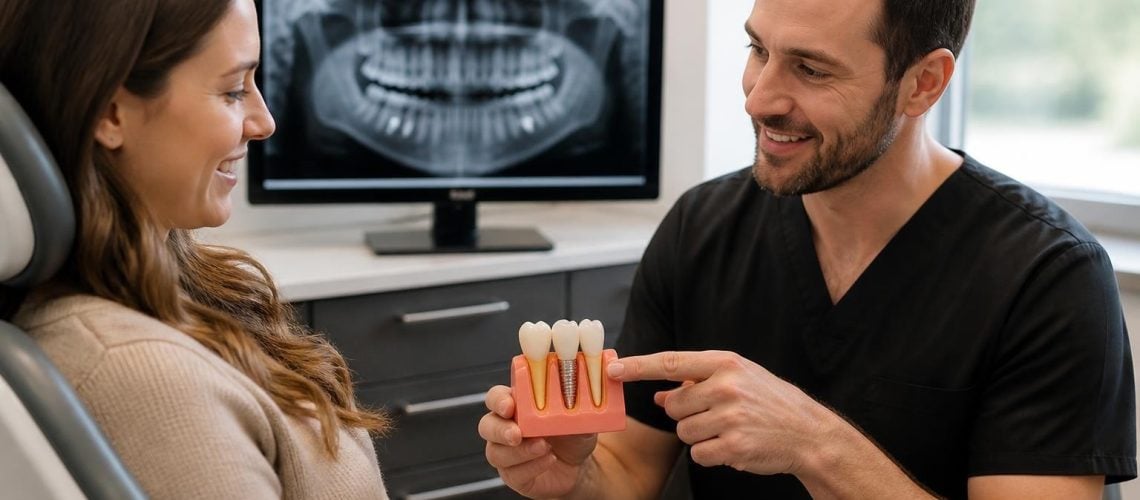
Missing teeth affect more than just your smile. They impact your ability to eat comfortably, speak clearly, and feel confident in social situations. For residents of Seguin, Texas, dental implants represent a permanent, natural-looking solution that restores both function and aesthetics. Unlike traditional dentures or bridges, dental implants offer stability and durability that can last decades with proper care. Understanding the process, benefits, and considerations surrounding dental implants in Seguin helps patients make informed decisions about their oral health and choose treatment options that align with their lifestyle and budget.
What Are Dental Implants and How Do They Work
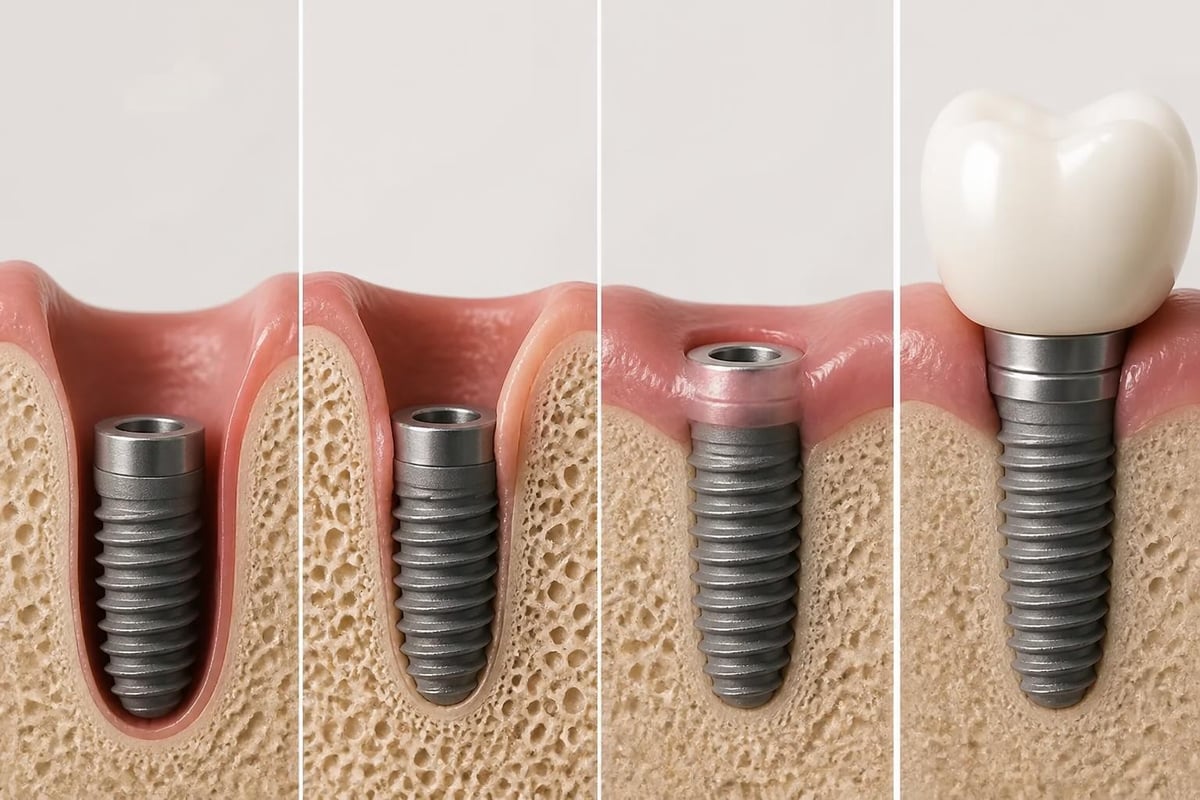
Dental implants are titanium posts surgically placed into the jawbone to serve as artificial tooth roots. These posts integrate with your natural bone tissue through a biological process called osseointegration, creating a stable foundation for replacement teeth. The implant structure consists of three main components: the titanium post, an abutment connector, and a custom crown that matches your natural teeth.
The success of dental implants relies on the body's ability to accept the titanium post as part of the bone structure. Over several months, bone cells grow around the implant, securing it permanently in place. This integration makes implants significantly more stable than removable dentures or traditional bridges that rely on adjacent teeth for support.
According to clinical research on dental implants, success rates exceed 95% for lower jaw implants and 90% for upper jaw implants when proper surgical protocols are followed. These impressive statistics make implants one of the most reliable tooth replacement options available in modern dentistry.
Types of Dental Implants Available
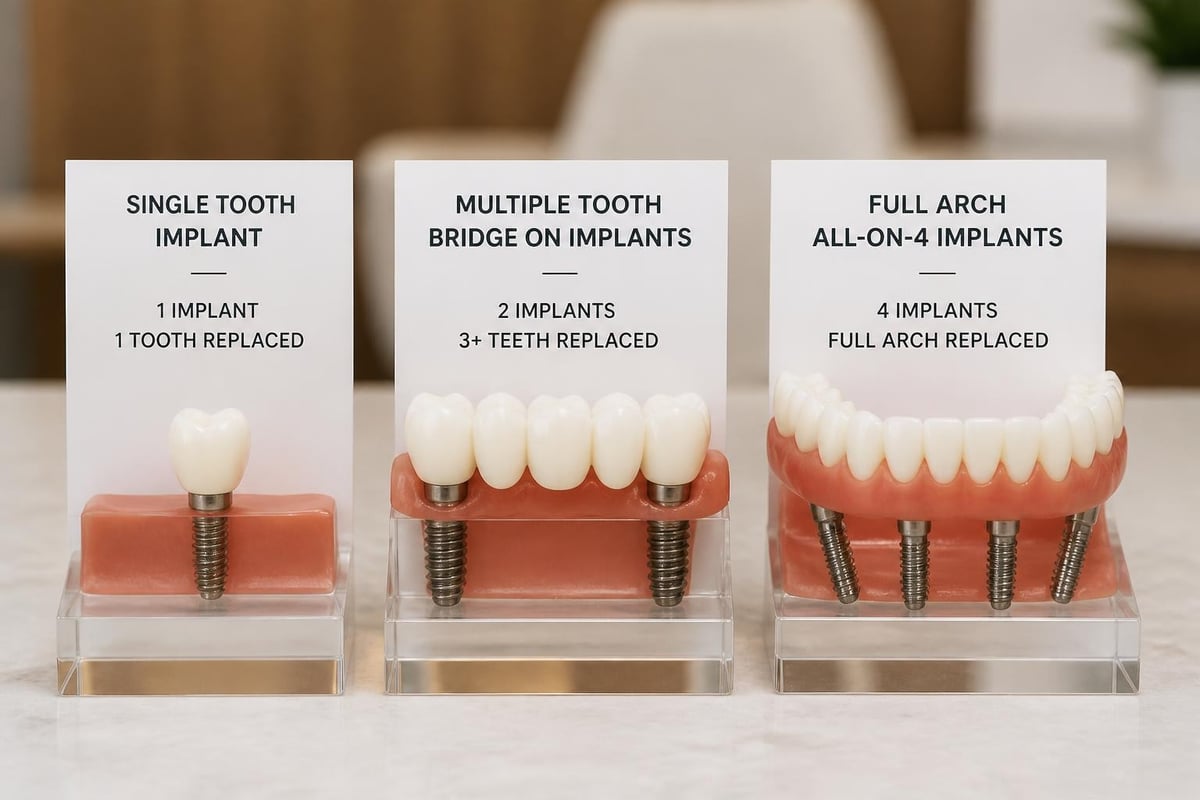
Single tooth implants replace individual missing teeth without affecting neighboring healthy teeth. The implant post supports a single crown, preserving your natural tooth structure and preventing bone loss in that specific area.
Multiple tooth implants can support bridges that replace several consecutive missing teeth. Instead of requiring one implant per tooth, strategically placed implants can anchor a bridge covering three or four teeth, reducing surgical sites and overall treatment costs.
Full arch implants, including All-on-4 procedures, provide complete upper or lower teeth replacement using just four to six implants per arch. These advanced implant solutions offer immediate results and eliminate the need for individual implants for every missing tooth.
Benefits of Choosing Dental Implants in Seguin
Dental implants offer advantages that extend far beyond aesthetics. They prevent bone loss, a common consequence of missing teeth that occurs when the jawbone no longer receives stimulation from tooth roots. Natural chewing forces transmitted through implants maintain bone density and preserve facial structure.
The restoration of full chewing power represents another significant benefit. Unlike dentures that may slip or limit food choices, implants function like natural teeth, allowing you to eat your favorite foods without worry. Patients report regaining confidence to bite into apples, enjoy steak, and consume nutritious foods that support overall health.
Long-Term Value and Durability
While the initial investment in dental implants exceeds that of dentures or bridges, the long-term value proves substantial. Implants can last 25 years or longer with proper maintenance, whereas dentures typically require replacement every 5-7 years and bridges last approximately 10-15 years.
| Tooth Replacement Option | Average Lifespan | Maintenance Requirements | Bone Preservation |
|---|---|---|---|
| Dental Implants | 25+ years | Regular brushing, professional cleanings | Excellent |
| Fixed Bridges | 10-15 years | Special flossing, potential tooth damage | None |
| Removable Dentures | 5-7 years | Daily removal, adhesives, frequent adjustments | Poor |
Consider this real-life example: Sarah, a 52-year-old Seguin resident, invested in dental implants in 2016 after losing three back teeth. Ten years later, her implants function perfectly, while her sister's bridge required replacement twice during the same period, ultimately costing more and causing damage to adjacent teeth.
Dental implants preserve adjacent teeth by standing independently rather than requiring grinding down healthy tooth structure, as traditional bridges do. This preservation approach aligns with modern dentistry's conservative treatment philosophy, maintaining as much natural tooth structure as possible.
The Dental Implant Procedure: What to Expect
Understanding each phase of the implant process reduces anxiety and helps patients prepare appropriately. The journey begins with a comprehensive evaluation, including digital X-rays, 3D imaging, and medical history review to determine candidacy.
Initial Consultation and Treatment Planning
Your first visit to a dental practice offering dental implants in Seguin involves thorough assessment and planning. The dentist evaluates bone density, gum health, and overall oral condition to create a customized treatment plan. Patients with insufficient bone may require bone grafting procedures before implant placement.
Digital imaging technology has revolutionized treatment planning. Cone beam CT scans create detailed 3D models of your jaw, allowing precise implant positioning and identification of vital structures like nerves and sinuses. This advanced dental technology improves outcomes and reduces complications.
The consultation also addresses patient concerns about sedation options, timeline expectations, and financial considerations. Transparent communication during this phase establishes realistic expectations and builds trust between patient and provider.
Surgical Placement Phase
The surgical procedure typically occurs under local anesthesia, though sedation options are available for anxious patients. The dentist makes a small incision in the gum tissue, creates a precise hole in the jawbone, and places the titanium implant post. The gum tissue is then sutured closed, allowing the healing process to begin.
Modern surgical techniques minimize discomfort and recovery time. Many patients report that the procedure was less painful than anticipated, with most returning to normal activities within 24-48 hours. Post-operative instructions include:
- Taking prescribed antibiotics to prevent infection
- Using ice packs to reduce swelling during the first 24 hours
- Eating soft foods for several days
- Avoiding strenuous activity for one week
- Maintaining gentle oral hygiene around the surgical site
Recent research comparing implant placement protocols demonstrates that immediate loading (placing the crown right away) versus delayed loading (waiting for osseointegration) each have specific indications based on individual circumstances and bone quality.
Osseointegration and Healing Period
The osseointegration phase typically requires 3-6 months, during which bone cells grow around the implant, securing it in place. This healing period is crucial for long-term success. Patients wear temporary restorations during this time to maintain aesthetics and function.
Factors affecting osseointegration include:
- Patient age and overall health
- Bone quality and density
- Smoking status (smokers experience slower healing)
- Compliance with post-operative instructions
- Chronic conditions like diabetes
During follow-up appointments, your dentist monitors healing progress and addresses any concerns. Most patients experience no complications during this phase, though it's essential to report unusual pain, swelling, or mobility of the implant immediately.
Final Restoration Placement
Once osseointegration is complete, the dentist attaches an abutment to the implant post. This connector piece sits just above the gum line and supports the final crown. An impression of your mouth creates a custom crown that matches your natural teeth in size, shape, and color.
The crown attachment appointment is typically quick and painless. Your dentist ensures proper fit, bite alignment, and aesthetics before permanently cementing or screwing the crown in place. Many patients describe this final step as the most rewarding part of the journey, seeing their complete, beautiful smile for the first time.
Cost Considerations for Dental Implants in Seguin
Investment in dental implants varies based on several factors, including the number of teeth being replaced, bone grafting requirements, and the type of restoration selected. Understanding cost components helps patients budget appropriately and explore financing options.
Breaking Down Implant Costs
A single dental implant in Seguin typically ranges from $3,000 to $5,000, including the surgical placement, abutment, and crown. This comprehensive price reflects multiple appointments, advanced imaging, surgical expertise, and high-quality materials.
The total cost includes:
- Initial consultation and diagnostic imaging ($200-$500)
- Surgical implant placement ($1,500-$2,500)
- Abutment and custom crown ($1,000-$2,000)
- Follow-up appointments and adjustments (often included)
Additional procedures increase overall investment. Bone grafting adds $500-$3,000 depending on the extent of grafting required. Sinus lifts, necessary for some upper jaw implants, range from $1,500 to $3,000. These preparatory procedures ensure adequate bone support for successful implant integration.
For patients comparing options, understanding the difference between cheap and premium dental implants helps clarify why prices vary and what quality indicators to consider when selecting a provider.
Insurance Coverage and Payment Options
Many dental insurance plans classify implants as cosmetic procedures, offering limited or no coverage. However, insurance may cover portions of the treatment, such as the crown or preliminary procedures like extractions. Reviewing your dental insurance coverage specifics helps determine out-of-pocket expenses.
Financing solutions available include:
- In-house payment plans spreading costs over 12-24 months
- Third-party healthcare financing (CareCredit, LendingClub)
- Health savings accounts (HSA) or flexible spending accounts (FSA)
- Credit card payment with promotional interest rates
Many practices offering dental implants in Seguin work with patients to create affordable payment structures. Don't let cost concerns prevent you from exploring implant options; transparent financial discussions during consultation often reveal accessible pathways to treatment.
Candidacy Requirements and Pre-Treatment Considerations
Not everyone is an immediate candidate for dental implants. Certain health conditions, medications, and lifestyle factors influence success rates and may require modification before proceeding with treatment.
Health Factors Affecting Implant Success
Adequate bone density is essential for implant stability. Patients who have been missing teeth for extended periods often experience significant bone loss, potentially requiring bone grafting before implant placement. Your dentist assesses bone volume through 3D imaging during the consultation phase.
Uncontrolled chronic conditions pose challenges for healing and integration. Diabetes patients with poor blood sugar control experience slower healing and higher infection risks. Working with your physician to optimize health before surgery improves outcomes significantly.
Smoking represents one of the most significant risk factors for implant failure. Nicotine restricts blood flow, impairs healing, and reduces osseointegration success. Dental professionals strongly recommend smoking cessation at least two weeks before surgery and throughout the healing period.
Medications and Medical Considerations
Certain medications affect bone metabolism and healing. Bisphosphonates, prescribed for osteoporosis, can interfere with bone remodeling necessary for osseointegration. Patients taking these medications require careful evaluation and possible medication holidays before implant surgery.
Immunosuppressant medications, chemotherapy drugs, and steroids may compromise healing ability. Discussing your complete medication list during consultation allows your dental team to coordinate with your physician and time treatment appropriately.
Patients with the following conditions require specialized assessment:
- Active periodontal disease (requires treatment first)
- Autoimmune disorders affecting healing
- History of radiation therapy to the head or neck
- Severe teeth grinding (bruxism) requiring night guards
- Anatomical limitations in jaw structure
The American Academy of Implant Dentistry resources provide extensive information about candidacy criteria and when implants represent the optimal treatment choice versus alternative solutions.
Maintaining Your Dental Implants for Long-Term Success
Proper maintenance ensures your dental implants in Seguin remain functional and attractive for decades. While implants cannot develop cavities, the surrounding gum tissue and bone require ongoing care to prevent complications.
Daily Care Routines
Implant maintenance closely resembles natural tooth care. Brush twice daily using a soft-bristled toothbrush and low-abrasive toothpaste. Electric toothbrushes with pressure sensors help prevent excessive force that might damage gum tissue around implants.
Flossing remains essential despite implants being artificial. Special floss designed for implants, interdental brushes, or water flossers remove bacteria and food particles from areas where implants meet gum tissue. This daily cleaning prevents inflammation and infection.
Many patients benefit from antimicrobial mouth rinses that reduce bacterial load without alcohol's drying effects. Your dentist recommends specific products based on your individual needs and risk factors.
Professional Maintenance and Monitoring
Regular professional cleanings every six months allow dental professionals to remove plaque and tartar that home care misses. Special instruments prevent scratching the implant surface while thoroughly cleaning around the crown and abutment.
Professional appointments include:
- Visual examination of implant stability
- Radiographic evaluation of bone levels (annually or as needed)
- Bite adjustment if occlusion has changed
- Assessment of peri-implant tissue health
- Recommendations for home care improvements
The prevention and management of peri-implant diseases represents an important aspect of long-term implant success. Peri-implantitis, an infection affecting tissues around implants, can lead to bone loss and implant failure if left untreated.
Warning Signs Requiring Immediate Attention
While complications are rare, recognizing early warning signs prevents minor issues from becoming serious problems. Contact your dentist immediately if you experience:
- Persistent pain around the implant site
- Swelling or redness of surrounding gums
- Implant mobility or loosening
- Bleeding that doesn't resolve with improved hygiene
- Unpleasant taste or odor from the implant area
- Changes in bite alignment
Early intervention addresses these issues before they compromise implant integrity. The National Dental Practice-Based Research Network’s implant registry tracks long-term outcomes, helping practitioners identify risk factors and optimize maintenance protocols.
Common Concerns and Questions About Dental Implants
Patients considering dental implants in Seguin frequently express similar concerns during consultations. Addressing these questions directly helps individuals make confident, informed decisions about their treatment.
Does the Procedure Hurt?
Modern anesthesia and surgical techniques make implant placement surprisingly comfortable. Most patients report feeling pressure during the procedure but no pain. Post-operative discomfort typically resembles that of a tooth extraction, manageable with over-the-counter pain relievers or prescribed medications for the first few days.
Pain management strategies include:
- Pre-operative anti-inflammatory medication
- Local anesthesia during surgery
- Sedation options for anxious patients
- Post-operative pain medication as prescribed
- Ice application to reduce swelling
Many patients return to work the next day, though taking 1-2 days off allows for comfortable recovery. Scheduling surgery on Thursday or Friday provides weekend recovery time before returning to regular activities.
How Long Does the Entire Process Take?
Traditional implant timelines span 4-8 months from initial placement to final crown. This includes the osseointegration healing period. However, immediate load implants allow crown placement on the same day as surgery in certain cases, though this approach requires excellent bone quality and specific anatomical conditions.
| Timeline Component | Duration | Notes |
|---|---|---|
| Initial consultation | 1-2 hours | Includes imaging and planning |
| Surgical placement | 1-2 hours per implant | Same-day procedure |
| Osseointegration healing | 3-6 months | Varies by individual factors |
| Final restoration | 2-3 weeks | After impressions are taken |
Patients requiring bone grafting experience extended timelines, as grafts need 4-6 months to heal before implant placement. While this seems lengthy, the permanent results justify the patience required.
Can Implants Fail?
Though rare, implant failure occurs in approximately 5% of cases. Early failures during the first few months typically result from infection or inadequate osseointegration. Late failures, occurring after years of successful function, often stem from peri-implantitis or excessive bite forces.
Risk factors for implant failure include:
- Smoking or tobacco use
- Uncontrolled diabetes
- Poor oral hygiene
- Insufficient bone quality or quantity
- Radiation therapy to jaw area
- Severe bruxism without protective night guards
Selecting an experienced implant dentist and following all pre- and post-operative instructions significantly reduces failure risk. Patients experiencing complications receive prompt intervention, often salvaging the implant or replacing it successfully.
Are There Age Restrictions?
No upper age limit exists for dental implants. Health status matters more than chronological age. Many seniors in their 70s, 80s, and beyond successfully receive implants and enjoy improved quality of life. The minimum age for implants is approximately 18-21, when jaw growth is complete.
Older adults often make excellent candidates because they value the stability and confidence implants provide compared to traditional dentures. Medical conditions common in seniors, such as controlled diabetes or heart disease, don't automatically disqualify patients when properly managed.
What About Emergency Situations?
Dental emergencies can occur with implants, though less frequently than with natural teeth. If you experience an emergency dental situation in Seguin, immediate professional evaluation determines the appropriate course of action. Traumatic injuries affecting implants require assessment to ensure the implant and surrounding bone remain intact.
Comparing Dental Implants to Other Tooth Replacement Options
Understanding how implants compare to alternatives helps patients select the most appropriate solution for their specific circumstances, budget, and lifestyle preferences.
Dental Implants Versus Bridges
Traditional fixed bridges require grinding down adjacent healthy teeth to serve as anchors. This irreversible tooth preparation potentially weakens healthy teeth and increases their vulnerability to decay and fracture. Dental implants, by contrast, stand independently without affecting neighboring teeth.
Bridges offer advantages in specific situations:
- Lower initial cost
- Shorter treatment timeline (2-3 weeks)
- No surgery required
- Suitable for patients who cannot undergo surgery
However, bridges require replacement every 10-15 years, and the anchor teeth may eventually need additional dental work. Over a lifetime, implant investment often proves more economical despite higher upfront costs.
Dental Implants Versus Dentures
Removable dentures represent the most economical tooth replacement option initially. However, dentures present significant drawbacks that implants overcome. Denture challenges include:
- Slipping during eating or speaking
- Dietary restrictions (avoiding hard or sticky foods)
- Required daily removal for cleaning
- Accelerated bone loss over time
- Frequent adjustments and relining
- Reduced chewing efficiency (25-30% of natural teeth)
Implant-supported dentures combine the benefits of both approaches. These dentures snap onto implants for stability while remaining removable for cleaning. This hybrid solution costs less than individual implants for each tooth while providing superior stability compared to traditional dentures.
Material Advances in Implant Technology
The latest developments in dental materials continue improving implant success rates and aesthetics. Titanium alloys remain the gold standard for implant posts due to biocompatibility and strength. Zirconia implants, a newer option, appeal to patients seeking metal-free solutions, though long-term data on zirconia is less extensive than titanium.
Crown materials have evolved significantly. Modern options include:
- Porcelain-fused-to-metal (traditional, strong but less aesthetic)
- All-ceramic (excellent aesthetics, tooth-colored)
- Zirconia (strongest ceramic, ideal for molars)
- Hybrid materials (combining strength and aesthetics)
Your dentist recommends specific materials based on implant location, bite forces, and aesthetic requirements. Front teeth prioritize natural appearance, while back teeth emphasize strength and durability.
Choosing the Right Provider for Dental Implants in Seguin
Selecting a qualified, experienced implant dentist significantly influences treatment outcomes and patient satisfaction. Several factors distinguish exceptional providers from those offering basic services.
Credentials and Experience
Look for dentists with advanced implant training beyond general dental school education. Credentials from the American Academy of Implant Dentistry (AAID), completed residencies in periodontics or prosthodontics, or extensive continuing education in implant dentistry indicate commitment to excellence.
Experience matters tremendously in implant dentistry. Ask prospective providers:
- How many implants do you place annually?
- What is your success rate?
- How do you handle complications?
- Can you provide patient testimonials or references?
Dentists who regularly place implants develop refined surgical skills and can better navigate complex cases. New technologies like guided surgery require additional training that experienced practitioners pursue to offer patients optimal outcomes.
Technology and Facilities
Modern implant practices invest in advanced diagnostic and surgical technology. Essential equipment includes:
- 3D cone beam CT scanners for precise planning
- Digital impression systems for accurate crown fabrication
- Surgical guides for precise implant positioning
- Sedation capabilities for patient comfort
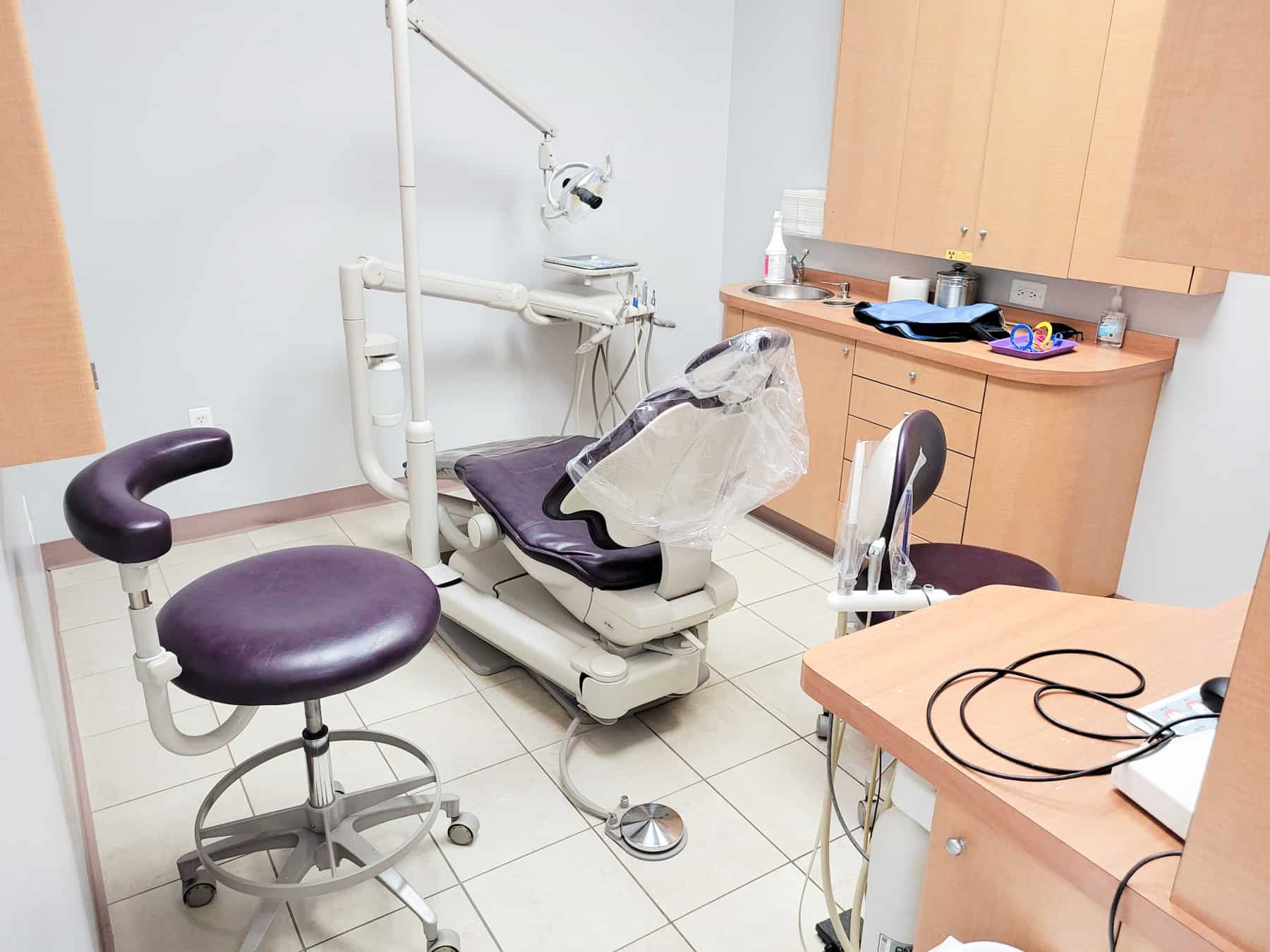
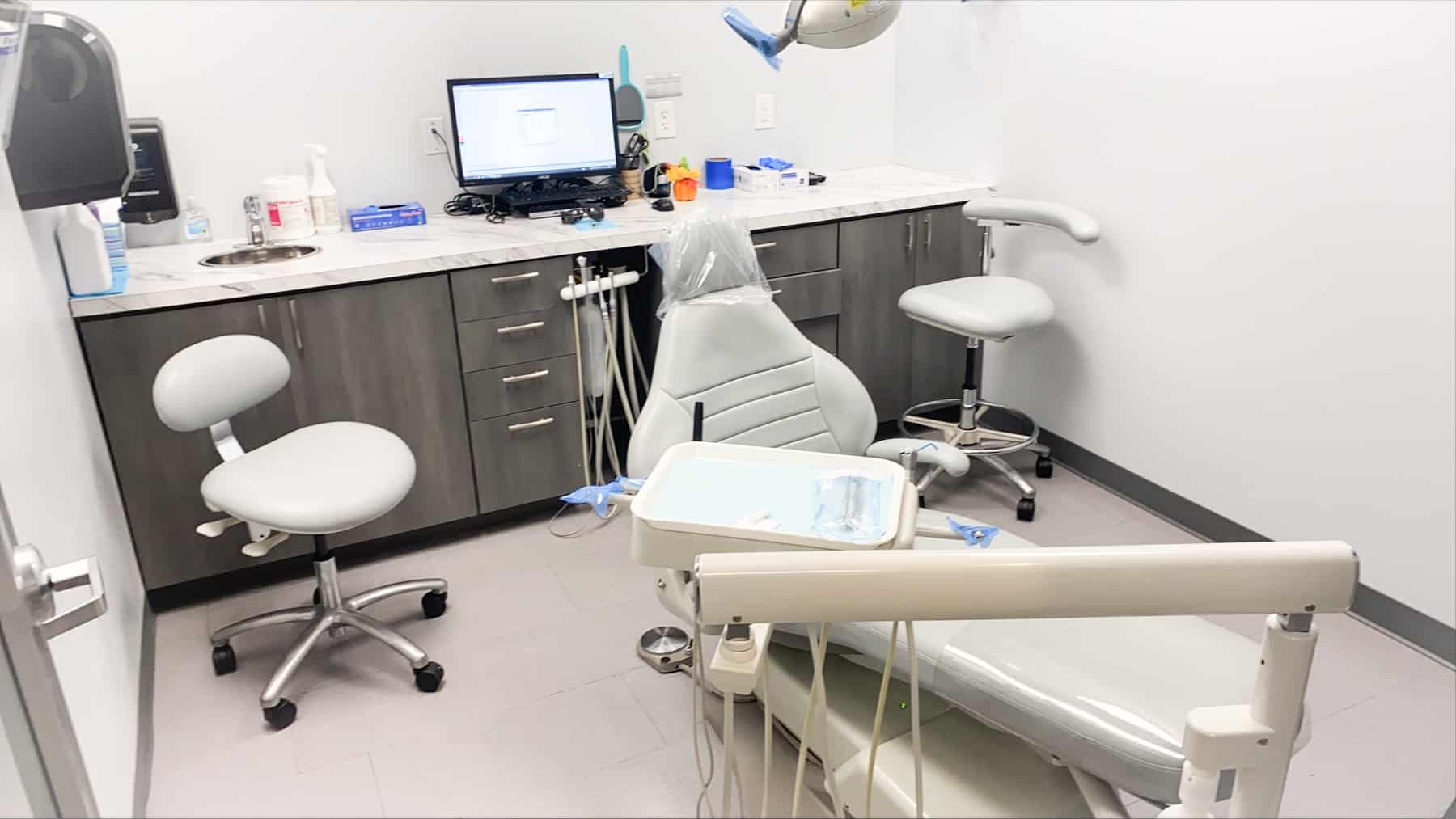
Sterile, well-maintained facilities with dedicated surgical areas demonstrate professional commitment to patient safety. During facility tours, observe cleanliness, staff professionalism, and whether equipment appears current and well-maintained.
Communication and Patient Care Philosophy
The best implant providers prioritize patient education and transparent communication. They explain procedures thoroughly, present treatment alternatives, discuss realistic expectations, and address financial considerations openly. Feeling rushed or pressured during consultation suggests finding another provider.
Evaluate the patient experience by considering:
- How quickly does the office respond to inquiries?
- Are staff members friendly and knowledgeable?
- Does the dentist listen to your concerns?
- Are treatment plans customized to your needs?
- Do you feel comfortable asking questions?
Reading patient testimonials and reviews provides insight into others' experiences. Consistent themes in reviews, whether positive or negative, often reflect actual practice patterns.
Preparing for Your Dental Implant Journey
Proper preparation optimizes outcomes and reduces anxiety. Understanding pre-treatment requirements and post-operative expectations allows patients to plan accordingly and set themselves up for success.
Pre-Surgical Preparation
Several weeks before surgery, address any existing dental issues. Complete necessary treatments such as:
- Periodontal therapy for gum disease
- Treatment of cavities or infections
- Extraction of teeth that cannot be saved
- Professional cleaning to reduce oral bacteria
If you smoke, commit to cessation at least two weeks before surgery. Nicotine replacement therapy can help manage cravings while avoiding the harmful effects of smoking on healing tissues. Your medical doctor may recommend medications to support your quit attempt.
Review all medications with your dentist and physician. Some may require temporary adjustment or discontinuation. Blood thinners, immunosuppressants, and bone-strengthening medications need special consideration and coordinated management between healthcare providers.
Arranging Post-Operative Support
Schedule surgery when you can rest afterward. Plan for recovery by:
- Arranging transportation home after surgery
- Taking 1-2 days off work
- Preparing soft foods in advance
- Filling prescriptions before your appointment
- Having ice packs ready at home
Stock your kitchen with nutritious soft foods like yogurt, smoothies, mashed potatoes, scrambled eggs, and protein shakes. Adequate nutrition supports healing without stressing surgical sites. Avoid extremely hot foods initially and use straws cautiously, as suction can disrupt healing.
Setting Realistic Expectations
Understanding the full timeline helps prevent disappointment. While the wait for final results requires patience, the permanent solution justifies the temporary inconvenience. Realistic expectations include:
- Some swelling and discomfort for several days post-surgery
- Dietary modifications during the healing period
- Multiple appointments throughout the process
- Possible temporary restorations while healing occurs
- Long-term commitment to maintenance and hygiene
Patients who approach implant treatment with realistic expectations report higher satisfaction levels. The investment of time and resources yields a permanent solution that restores confidence and improves quality of life for decades.
Frequently Asked Questions
How soon after tooth extraction can I get an implant?
Immediate implant placement, performed during the same appointment as extraction, is possible in ideal circumstances with adequate bone and no infection. However, most cases benefit from 3-4 months of healing before implant placement, allowing bone to regenerate and create optimal conditions for osseointegration. Your dentist evaluates your specific situation to recommend the best timing.
Will people be able to tell I have dental implants?
Modern implants are virtually indistinguishable from natural teeth. Custom crowns match your existing teeth in color, shape, and translucency. Even dental professionals often cannot identify well-placed implants without X-rays. The gum tissue around implants appears natural, especially when proper surgical techniques preserve soft tissue aesthetics.
Can I get all my teeth replaced with implants in one day?
All-on-4 and similar full-arch implant procedures allow placement of temporary teeth on the same day as implant surgery. While you leave with functional teeth, these are temporary restorations. Final, permanent teeth are placed after osseointegration completes, typically 4-6 months later. This approach dramatically reduces the time patients spend without teeth compared to traditional methods.
What happens if my implant fails years later?
Late implant failures, though uncommon, are typically addressed by removing the failed implant, treating any infection, and allowing the area to heal. In most cases, a replacement implant can be placed after 2-3 months of healing. Identifying and addressing the cause of failure (such as inadequate oral hygiene or bite issues) prevents recurrence. Many practices offer warranties or guarantees covering certain types of failures.
Are dental implants covered by Medicare?
Standard Medicare does not cover dental implants, as it excludes most dental care. Medicare Advantage plans may offer limited dental benefits, occasionally including partial implant coverage. Medicaid coverage varies by state, with some states covering implants in specific medical circumstances. Most patients rely on dental insurance, payment plans, or healthcare financing to manage implant costs.
How do I clean beneath implant-supported bridges?
Implant-supported bridges require special attention to the area where the bridge contacts gum tissue. Superfloss, which has a stiff end for threading under the bridge, allows thorough cleaning. Water flossers effectively clean these areas, and interdental brushes remove debris from spaces. Your dentist or hygienist demonstrates proper techniques during follow-up appointments to ensure you maintain optimal cleanliness.
Local Considerations for Seguin Residents
Seguin, Texas residents enjoy access to quality dental care within their community, eliminating the need to travel to larger cities for implant treatment. Choosing a local provider offers several advantages:
- Convenient appointment scheduling for multiple visits
- Established relationships with local specialists when needed
- Familiarity with community values and expectations
- Emergency access if complications arise
- Supporting local businesses and healthcare providers
The Seguin location provides comprehensive implant services with the same high standards and technology found in metropolitan practices. Small-town personalized care combined with advanced capabilities creates an ideal environment for successful implant treatment.
Seguin's growing population includes active retirees seeking to maintain quality of life, young families prioritizing oral health, and professionals who value efficient, high-quality dental solutions. Dental implants meet diverse needs across these demographics, from single tooth replacements to full-mouth reconstruction.
Making Your Decision About Dental Implants
Choosing dental implants represents a significant decision that affects your health, appearance, and budget. Take time to:
- Research thoroughly using reliable sources
- Consult with qualified implant dentists
- Discuss options with family members
- Review financial considerations carefully
- Consider long-term value versus short-term costs
Many patients who initially hesitate due to cost concerns later wish they had proceeded sooner. The confidence, comfort, and functionality implants provide often exceed expectations. Quality of life improvements extend beyond physical benefits to emotional and social wellbeing.
If uncertainty remains after gathering information, schedule consultations with multiple providers. Comparing approaches, communication styles, and treatment plans helps clarify which practitioner best meets your needs. Trust your instincts about the provider-patient relationship, as this partnership extends throughout the treatment process and beyond.
For residents seeking dental implants in Seguin, exploring all available information and asking questions during consultation empowers informed decision-making. The investment in permanent tooth replacement delivers returns measured in years of confident smiling, comfortable eating, and preserved oral health.
Advanced diagnostic capabilities, experienced practitioners, and patient-centered care make dental implants accessible to more people than ever before. Whether replacing a single tooth or restoring a full arch, modern implant dentistry offers solutions tailored to individual circumstances and goals.
The decision to move forward with implants often marks a turning point in patients' lives. Freedom from embarrassment about missing teeth, ability to eat favorite foods without worry, and confidence in social situations transform daily experiences. While the process requires patience and commitment, the permanent results justify the journey.
Dental implants provide a proven, permanent solution for missing teeth that restores both function and confidence. Understanding the procedure, costs, and maintenance requirements helps Seguin residents make informed decisions about their oral health. Whether you need a single implant or full-mouth reconstruction, modern techniques and materials deliver natural-looking results that can last a lifetime with proper care. Dental Plus Clinic offers comprehensive implant services in Seguin and throughout Texas, combining advanced technology with personalized care to help patients achieve healthy, beautiful smiles. Schedule your consultation today to discover how dental implants can transform your life.