
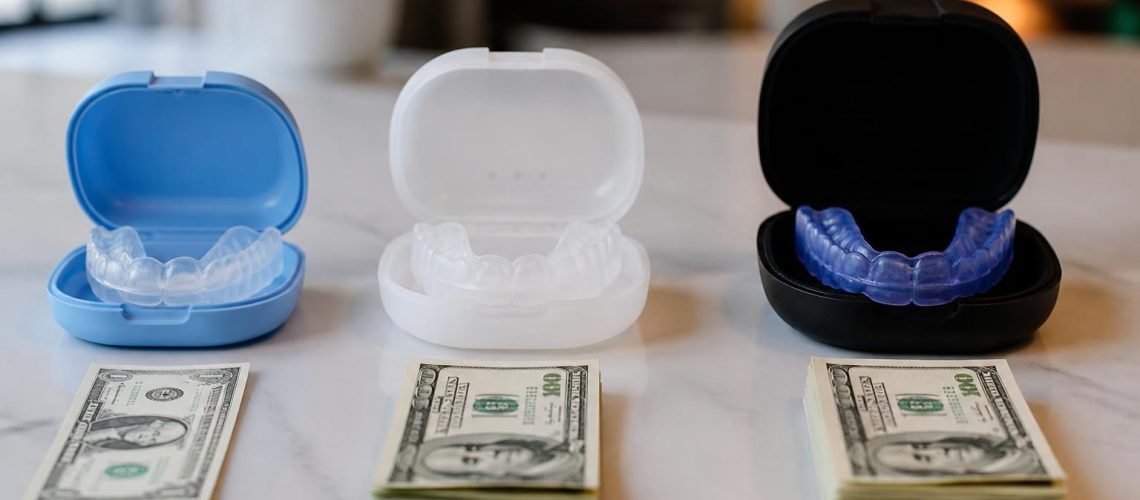
If you grind or clench your teeth at night, you've likely experienced the morning jaw pain, headaches, and dental damage that come with bruxism. A dental night guard provides essential protection for your teeth, but understanding the full spectrum of costs can feel overwhelming. The dental night guard cost varies significantly depending on the type of guard you choose, where you purchase it, and your insurance coverage. This comprehensive guide breaks down everything Texas residents need to know about night guard pricing, helping you make an informed decision that protects both your oral health and your budget.
Understanding the Different Types of Night Guards and Their Costs
Night guards aren't one-size-fits-all solutions. The type of guard you need directly impacts the overall dental night guard cost you'll encounter.
Over-the-Counter Night Guards
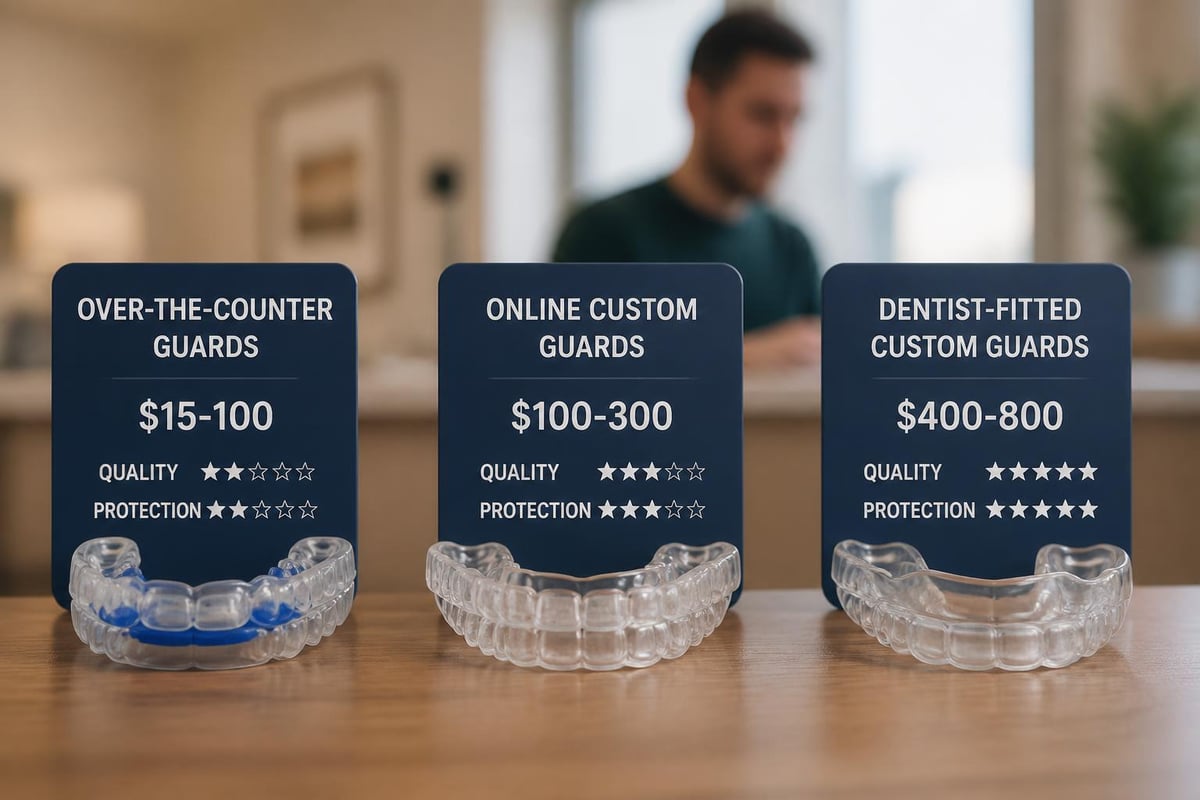
Stock night guards represent the most affordable option for teeth grinding protection. Available at pharmacies and retail stores across Texas, these ready-made guards typically range from $15 to $50. They come in standard sizes and require no customization.
However, the low price comes with significant drawbacks:
- Poor fit that can cause discomfort during sleep
- Limited protection for severe grinding cases
- Breathing difficulties due to bulky design
- Short lifespan requiring frequent replacement
Boil-and-bite guards offer a middle ground between stock guards and custom options. These thermoplastic devices soften in hot water, allowing you to create a semi-custom fit by biting into the softened material. According to comprehensive cost analyses, boil-and-bite guards typically cost between $20 and $100, depending on the brand and quality level.
Online Custom Night Guards
The direct-to-consumer dental market has revolutionized access to custom-fitted night guards. Companies ship impression kits to your home, you create molds of your teeth, and they manufacture a custom guard based on those impressions.
| Feature | Online Custom Guards | Dentist Custom Guards |
|---|---|---|
| Cost Range | $100 – $300 | $400 – $800 |
| Fitting Process | At-home impressions | Professional in-office |
| Turnaround Time | 2-3 weeks | 1-2 weeks |
| Professional Oversight | None | Dentist-supervised |
| Adjustments | Limited | Unlimited |
Online custom guards provide better fit and protection than over-the-counter options while maintaining affordability. The dental night guard cost through these services averages $150 to $250, making them an attractive option for patients without dental insurance.
Professional Custom Night Guards from Your Dentist
Dentist-fitted custom night guards represent the gold standard for bruxism treatment. Created from precise impressions taken in a dental office, these guards offer superior fit, comfort, and durability. The dental night guard cost through a dental practice typically ranges from $400 to $800, though complex cases may exceed $1,000.
Why the higher price tag?
Professional custom guards include multiple value components beyond the appliance itself. Your dentist examines your teeth, takes precise impressions, selects appropriate materials for your grinding severity, and ensures proper fit through multiple adjustments. Research shows significant price variations based on material choice and fabrication method.
At Dental Plus Clinic, our experienced team guides patients through the entire process, ensuring your night guard provides maximum protection while maintaining comfort for nightly wear.
Factors That Influence Dental Night Guard Cost
Understanding what drives pricing helps you evaluate whether you're receiving fair value for your investment.
Material Selection and Durability
Night guards come in three primary material categories, each affecting the dental night guard cost differently:
Soft guards use flexible, cushioning material ideal for mild to moderate grinding. These typically cost less ($300-$500 from dentists) but wear out faster, requiring replacement every 1-2 years.
Dual-laminate guards combine a soft inner layer with a harder outer shell. This hybrid design balances comfort and durability, with costs ranging from $500 to $700. They suit moderate to heavy grinders and last 2-3 years with proper care.
Hard acrylic guards represent the most durable option for severe bruxism cases. While the initial dental night guard cost runs higher ($600-$800), these appliances can last 5+ years, potentially offering better long-term value.
Thickness and Coverage Area
The extent of coverage significantly impacts manufacturing costs and materials required. Full-coverage guards that protect all teeth cost more than guards covering only specific areas. Thickness specifications based on grinding severity also affect pricing.
- Standard thickness (2-3mm): Lower cost range
- Heavy-duty thickness (4-5mm): Higher cost range
- Full arch coverage: Premium pricing
- Partial coverage: Reduced pricing
Geographic Location Within Texas
Dental service costs vary across Texas markets. Metropolitan areas like Austin, Houston, and Dallas typically see higher prices due to elevated operating costs and market demand. Understanding teeth grinding treatment options helps patients recognize the value of professional intervention regardless of location.
Our locations in Leander and New Braunfels provide competitive pricing while maintaining the highest quality standards, making professional night guards accessible to more Texas families.
Insurance Coverage and Payment Options for Night Guards
Navigating dental insurance coverage for night guards requires understanding how plans categorize these appliances and what qualifies for reimbursement.
How Dental Insurance Handles Night Guard Coverage
Most dental insurance plans classify night guards as either preventive or major restorative care. This classification dramatically affects your out-of-pocket dental night guard cost.
PPO plans often provide better coverage for custom night guards. Comparing PPO and DHMO dental plans reveals significant differences in appliance coverage. PPO plans typically cover 50-80% of night guard costs after deductibles, though annual maximums apply.
DHMO plans may require full out-of-pocket payment or offer minimal coverage for night guards, as these plans focus primarily on basic preventive services.
Documentation Requirements for Insurance Claims
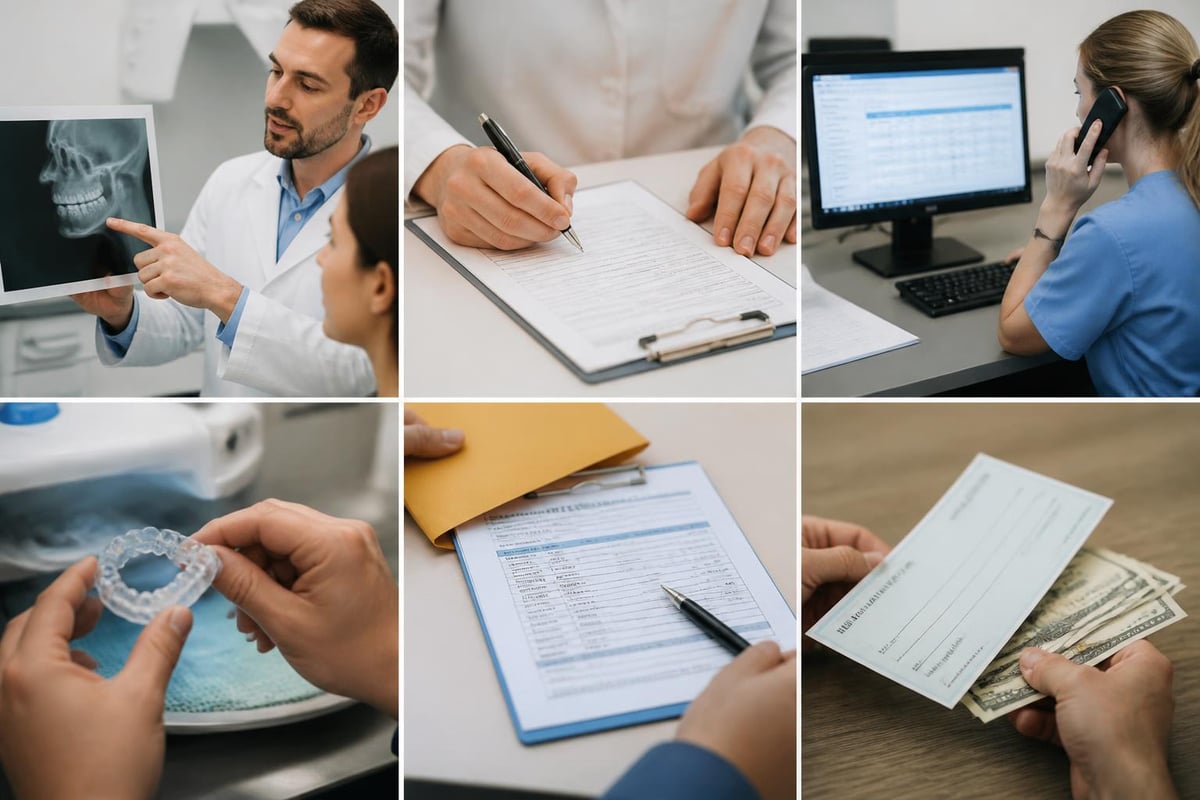
Securing insurance reimbursement requires proper documentation demonstrating medical necessity. Your dentist must provide:
- Clinical evidence of bruxism through examination findings
- Photographs showing wear patterns or damage
- Treatment notes explaining why a night guard prevents future damage
- Diagnostic codes (ICD-10) for bruxism or related conditions
If your dental insurance claim gets denied, understanding the appeals process can help you secure coverage. Many denials result from insufficient documentation rather than actual lack of coverage.
Flexible Payment Arrangements
For patients facing high out-of-pocket costs, several payment options reduce the financial burden:
| Payment Option | Benefits | Considerations |
|---|---|---|
| Payment Plans | Spread cost over 3-12 months | May include interest |
| CareCredit | Healthcare-specific financing | Credit approval required |
| FSA/HSA Funds | Pre-tax dollars reduce effective cost | Annual contribution limits |
| Discount Plans | Reduced fees for cash payment | No insurance filing |
Many dental practices offer in-house financing that allows you to pay the dental night guard cost in manageable monthly installments without interest charges for qualified patients.
Comparing Value: When to Choose Each Option
Selecting the right night guard involves balancing cost, quality, and your specific dental needs. Not every patient requires the most expensive option.
Best Scenarios for Over-the-Counter Guards
Budget-conscious patients with very mild, occasional grinding might find adequate temporary relief from OTC options. These work best when:
- You're experiencing first-time symptoms and want to test whether a guard helps
- Your grinding is situational (stress-related, temporary)
- You need an emergency backup while your custom guard is being repaired
- You want short-term protection before committing to a custom option
Consider OTC guards as temporary solutions rather than long-term investments. The dental night guard cost seems minimal initially, but frequent replacements often exceed custom guard costs over time.
When Online Custom Guards Make Sense
Direct-to-consumer custom guards serve specific patient populations effectively. These represent smart choices when:
You lack dental insurance and need quality protection without prohibitive costs. Online custom guards offer 70-80% savings compared to dentist-fitted options while providing significantly better fit than OTC alternatives.
Your bruxism is mild to moderate without complex dental work. Patients with straightforward tooth alignment and no existing crowns, bridges, or implants often achieve excellent results with online guards.
You're comfortable with DIY impression taking. Creating accurate impressions requires following detailed instructions carefully. If you're detail-oriented and patient, you can achieve satisfactory results.
Detailed cost breakdowns show that online custom options deliver reasonable value, though they lack professional oversight during the fitting process.
Why Dentist-Fitted Guards Justify Higher Costs
Professional custom guards from your dentist warrant their premium pricing in several crucial scenarios:
Severe grinding cases require heavy-duty materials and precise fitting. Your dentist evaluates grinding severity through examination and may identify underlying issues contributing to bruxism.
Complex dental work including crowns, bridges, implants, or orthodontic appliances demands professional expertise. Understanding whether dental implants or bridges suit your needs illustrates the complexity of dental work that affects night guard fitting.
TMJ disorders or jaw pain accompanying bruxism benefit from professional diagnosis and treatment planning. Your dentist can design guards that address both teeth protection and jaw positioning.
Ongoing adjustments and refinements ensure optimal fit and comfort. Professional fabrication includes unlimited adjustments during the first year, eliminating the frustration of ill-fitting guards.
Hidden Costs and Long-Term Financial Considerations
The initial dental night guard cost represents just one component of total ownership expenses. Understanding the complete financial picture helps you make economically sound decisions.
Replacement Frequency and Lifespan
Night guard longevity varies dramatically based on material quality, grinding severity, and maintenance practices:
- OTC guards: 1-6 months ($180-$600 annually for frequent replacement)
- Online custom guards: 1-2 years ($50-$300 annually)
- Soft dentist guards: 1-2 years ($200-$800 annually)
- Hard acrylic dentist guards: 3-5+ years ($80-$267 annually)
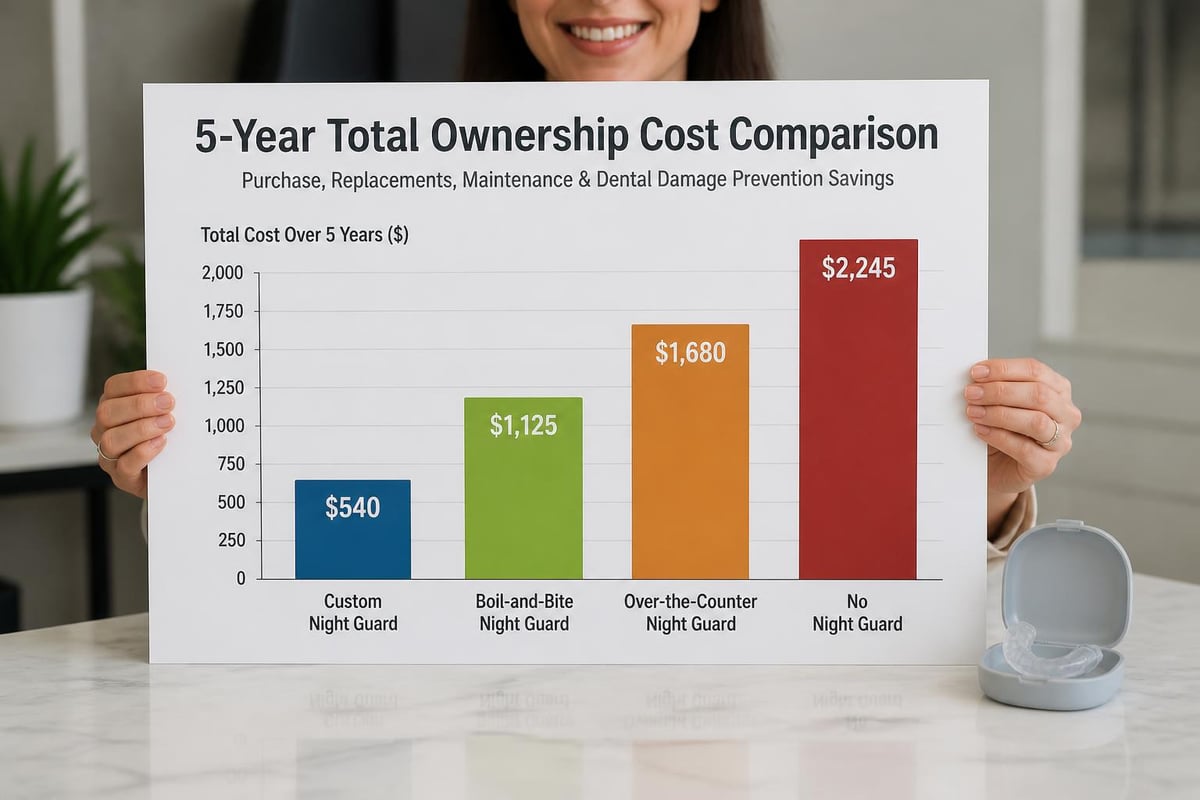
When calculating true cost, divide the purchase price by expected years of use. A $700 hard acrylic guard lasting five years costs $140 annually, while a $30 OTC guard replaced every three months costs $120 annually with inferior protection.
Maintenance and Cleaning Supplies
Proper night guard care extends lifespan and maintains hygiene. Budget for these ongoing expenses:
- Cleaning tablets or solutions ($10-$15 monthly)
- Soft-bristle brushes ($5-$10 quarterly)
- Storage cases ($5-$15 annually for replacements)
- Professional cleanings during dental visits (often included)
Total annual maintenance costs typically range from $100 to $200, regardless of the dental night guard cost for the appliance itself.
Cost of NOT Using a Night Guard
Perhaps the most significant financial consideration involves the expense of untreated bruxism. Chronic teeth grinding causes:
Tooth wear and fractures requiring expensive restorative work. Crown costs average $1,000-$2,500 per tooth. A single crown exceeds the dental night guard cost of even premium custom guards.
TMJ treatment for jaw joint damage ranges from $1,500 to $5,000 for conservative therapy, with surgical interventions costing significantly more.
Headache and pain management through medical interventions, medications, and lost productivity adds substantial indirect costs.
Investing in quality night guard protection prevents thousands of dollars in future dental repairs, making even expensive custom guards economically prudent.
Questions to Ask Your Dentist About Night Guard Costs
Informed patients make better decisions about their oral health investments. Ask these essential questions during your consultation:
Coverage and Payment Clarity
"What is the total dental night guard cost including all fees?" Request itemized pricing covering examination, impressions, fabrication, fitting appointments, and adjustments. Hidden fees for multiple adjustment visits can inflate final costs.
"How does your pricing compare to average costs in our area?" Dentists should provide context about their pricing relative to regional standards. Significantly higher prices warrant explanation about premium materials or services.
"What payment plans do you offer?" Understanding financing options helps reduce dental care costs and makes necessary treatment accessible.
Insurance and Billing Practices
"Will you file my insurance claim directly?" Direct filing simplifies the reimbursement process. Some practices require patients to pay upfront and seek reimbursement independently.
"Can you provide a pre-authorization estimate?" Insurance pre-authorization reveals your specific coverage before committing to treatment, eliminating surprise out-of-pocket expenses.
"What happens if my insurance denies the claim?" Clarify your financial responsibility if insurance coverage falls through. Reputable practices work with patients to find solutions rather than demanding immediate full payment.
Quality and Warranty Information
"What materials do you recommend for my grinding severity?" Material selection should match your clinical needs, not maximize practice revenue.
"What warranty covers defects or premature failure?" Most professional night guards include 1-2 year warranties against manufacturing defects. Understand what the warranty covers and exclusions for damage from normal wear.
"How long should this guard last with proper care?" Realistic lifespan expectations help you evaluate long-term value and plan for eventual replacement.
"What's included in the follow-up care?" Some practices include unlimited adjustments during the first year, while others charge per visit. Clarify these details upfront.
Regional Pricing Variations Across Texas
Texas's diverse geography and population distribution create notable price variations for dental services, including night guards.
Metropolitan Areas vs. Smaller Communities
Major metropolitan markets typically see higher dental night guard costs due to elevated real estate, labor, and operational expenses:
Austin, Dallas, Houston metro areas: $500-$900 for custom guards
San Antonio, Fort Worth: $450-$800 for custom guards
Mid-size cities (Corpus Christi, Lubbock, Amarillo): $400-$700
Small towns and rural areas: $350-$600
Despite regional variations, quality and materials matter more than location. A well-made guard from a smaller community often exceeds a poorly fabricated guard from a prestigious urban practice.
Finding Quality Care at Fair Prices
Dental Plus Clinic maintains consistent, transparent pricing across all five Texas locations, ensuring patients receive exceptional value regardless of which office they visit. Our commitment to affordability doesn't compromise quality or patient care standards.
Border Region Considerations
Texas residents near the Mexican border sometimes consider obtaining dental work across the border due to lower prices. While dental tourism offers savings, consider these factors:
- Quality control varies significantly between providers
- Follow-up care becomes complicated for adjustments or issues
- Warranty enforcement across international borders presents challenges
- Communication barriers may affect treatment outcomes
The modest dental night guard cost savings often prove false economy when factoring in travel expenses, time off work, and potential need for domestic corrections.
Making the Right Investment for Your Oral Health
Selecting a night guard involves more than comparing price tags. Your decision should consider immediate costs, long-term value, and health outcomes.
Assessing Your Grinding Severity
Mild occasional grinding characterized by minimal tooth wear and no morning symptoms may respond adequately to online custom guards or quality boil-and-bite options. The lower dental night guard cost matches the reduced clinical severity.
Moderate regular grinding with visible wear patterns, frequent morning jaw discomfort, or partner complaints about grinding noise warrants professional evaluation. Custom dentist-fitted guards provide appropriate protection levels.
Severe chronic bruxism causing tooth fractures, significant wear, TMJ symptoms, or chronic headaches demands comprehensive professional treatment. Premium custom guards represent necessary medical investments rather than optional purchases.
Calculating Return on Investment
Consider the dental night guard cost within the context of prevented damage and maintained quality of life:
| Benefit Category | Annual Value |
|---|---|
| Prevented crown/filling work | $500 – $3,000 |
| Improved sleep quality | Priceless |
| Reduced headache frequency | $200 – $1,000 |
| TMJ pain prevention | $500 – $2,000 |
| Total Annual Value | $1,200 – $6,000+ |
Even a $700 custom guard generating $1,200 in annual preventive value delivers positive ROI within the first year, with benefits compounding over the appliance's lifespan.
Prioritizing Professional Guidance
While cost matters, professional expertise proves invaluable for optimal outcomes. Your dentist:
- Diagnoses underlying causes of bruxism that self-treatment misses
- Identifies concurrent conditions requiring additional treatment
- Customizes solutions for your unique dental anatomy
- Monitors progress and adjusts treatment as needed
Understanding what general dentists provide helps patients appreciate the comprehensive care surrounding night guard therapy.
Alternative and Complementary Approaches
Night guards address bruxism symptoms but don't always resolve underlying causes. Comprehensive treatment may include complementary strategies affecting your total investment.
Stress Management and Behavioral Therapy
Since stress and anxiety frequently trigger teeth grinding, addressing these root causes can reduce grinding intensity and extend night guard lifespan:
- Cognitive behavioral therapy ($100-$200 per session, 8-12 sessions typical)
- Stress reduction programs ($50-$150 monthly)
- Meditation and relaxation training ($0-$100 monthly)
While these represent additional expenses beyond the dental night guard cost, they may reduce grinding severity and improve overall wellbeing.
Physical Therapy for TMJ Disorders
Patients with significant jaw pain or TMJ complications may benefit from specialized physical therapy:
- Initial evaluation: $150-$300
- Treatment sessions: $75-$150 per visit (8-12 sessions typical)
- Home exercise programs: Minimal cost
Insurance often covers physical therapy for TMJ disorders under medical rather than dental benefits, potentially reducing out-of-pocket expenses.
Medication Approaches
Some patients benefit from medications addressing bruxism's underlying causes:
- Muscle relaxants before bedtime ($20-$100 monthly)
- Anxiety medications if stress-related ($15-$200 monthly)
- Botox injections for severe cases ($300-$600 per treatment, quarterly)
Medication costs add to your total bruxism management expenses, though they may reduce grinding intensity and protect your night guard investment.
Maximizing Your Night Guard Investment
Once you've committed to a dental night guard regardless of cost, proper care ensures maximum lifespan and performance.
Daily Cleaning and Maintenance
Establish consistent cleaning routines to prevent bacterial buildup and material degradation:
Morning ritual: Rinse your guard with cool water immediately after removal. Brush gently with a soft toothbrush and mild soap (not toothpaste, which can be abrasive).
Weekly deep cleaning: Soak your guard in denture cleaner or specialized night guard cleaning solution for 15-30 minutes. This removes stubborn bacteria and odors that daily cleaning misses.
Monthly inspection: Check for cracks, rough spots, or excessive wear. Early identification of damage allows timely repairs before complete guard failure.
Proper Storage Practices
How you store your night guard between uses significantly affects its longevity:
- Use a ventilated case allowing air circulation to prevent bacterial growth
- Keep away from heat sources as excessive temperature warps plastic materials
- Store in a clean, dry location away from pets and children
- Avoid direct sunlight which degrades some night guard materials
When to Seek Adjustments or Replacements
Even quality custom guards require periodic professional attention:
Immediate adjustment needed when:
- Sharp edges or rough spots irritate your gums or cheeks
- The guard feels loose or doesn't stay in place
- You experience new pain or discomfort during wear
- Breathing becomes more difficult with the guard in place
Replacement indicators include:
- Visible cracks or holes anywhere in the guard
- Significant thinning from grinding wear
- Persistent odor despite proper cleaning
- Changes in your dental work (new crowns, fillings, or orthodontics)
Don't postpone necessary adjustments to avoid additional dental night guard cost. Minor repairs or adjustments typically cost $50-$150, far less than complete replacement or dental damage from an ill-fitting guard.
Special Considerations for Different Patient Populations
Individual circumstances affect both night guard selection and associated costs, requiring tailored approaches.
Children and Adolescents
Pediatric bruxism presents unique challenges since children's mouths constantly change as they grow. The dental night guard cost equation differs for younger patients:
Growing jaws require more frequent guard replacements as tooth positions shift. Plan for replacement every 12-18 months rather than the 3-5 year lifespan adults achieve.
Less expensive options often suffice since children typically exhibit milder grinding than adults. Boil-and-bite guards ($30-$80) may provide adequate protection for younger children.
Professional evaluation remains critical to rule out underlying issues like airway obstruction or sleep disorders contributing to grinding. Pediatric dentistry addresses various childhood concerns including bruxism management.
Patients with Extensive Dental Work
Crowns, bridges, implants, and veneers require special night guard considerations:
Premium materials and precision fitting become non-negotiable to protect expensive restorations. Understanding dental implant technology highlights the investment worth protecting through proper night guard use.
Higher dental night guard cost reflects the complexity of accommodating existing dental work. Expect to pay at the upper end of the $600-$800 range for guards protecting significant restorative work.
More frequent professional monitoring ensures the guard doesn't damage or dislodge existing dental work. Budget for additional check-up appointments beyond routine dental visits.
Orthodontic Patients
Patients wearing braces or using clear aligners face unique bruxism management challenges:
Temporary solutions during active orthodontic treatment protect teeth without interfering with tooth movement. Your orthodontist may recommend specific products compatible with braces.
Post-orthodontic guards become essential since newly aligned teeth face increased grinding risk during the adjustment period. Plan for a custom guard after completing orthodontic treatment.
Retainer integration sometimes allows your orthodontic retainer to serve double duty as a night guard, reducing total costs. Discuss this possibility with your orthodontist.
Latest Developments in Night Guard Technology
Innovation continues improving night guard effectiveness, comfort, and affordability, with implications for future dental night guard costs.
Advanced Materials
New thermoplastic materials offer enhanced properties:
Dual-layer laminates combine soft comfort with hard durability, providing protection matching traditional hard guards while feeling more comfortable.
Antimicrobial materials embedded with silver ions or other antibacterial agents reduce cleaning requirements and extend usable lifespan.
Thinner, stronger composites use advanced polymers requiring less material while maintaining strength, improving comfort without sacrificing protection.
These material advances may slightly increase upfront dental night guard cost while reducing long-term expenses through extended lifespan and reduced maintenance needs.
Digital Design and Manufacturing
3D scanning and printing technology revolutionizes custom night guard fabrication:
Intraoral scanners eliminate messy impression materials, improving accuracy and patient comfort during the molding process.
CAD/CAM design allows precise customization impossible with traditional manufacturing methods, optimizing fit and protection.
3D printing reduces fabrication time from 2-3 weeks to 2-3 days while potentially lowering costs through manufacturing efficiency.
As these technologies become standard practice, they may reduce the dental night guard cost while improving quality, though initial adoption phases often maintain premium pricing.
Smart Night Guards
Emerging technology creates "smart" night guards with embedded sensors:
- Grinding force measurement quantifies bruxism severity objectively
- Wear time tracking ensures consistent nightly use
- Mobile app integration provides data insights and usage reminders
- Treatment progress monitoring documents improvement over time
Currently priced at premium levels ($500-$1,200), these devices appeal to tech-savvy patients wanting detailed bruxism management data. As production scales, prices should decrease toward conventional custom guard levels.
Understanding Your Total Treatment Timeline and Costs
The complete night guard process involves multiple appointments and associated expenses beyond the appliance itself.
Initial Consultation and Examination
First visit costs: $50-$200 (often covered by dental insurance as a diagnostic visit)
Your dentist examines your teeth for grinding evidence, discusses symptoms, evaluates jaw function, and determines whether a night guard represents appropriate treatment. Some practices include this evaluation in the overall dental night guard cost, while others charge separately.
Impression and Fitting Appointments
Impression appointment: Usually included in total guard cost
The dentist or dental technician takes precise molds of your teeth using traditional putty materials or digital scanning. This appointment typically requires 20-30 minutes.
Delivery and fitting appointment: Included in total guard cost
1-2 weeks after impressions, you return to receive your finished night guard. The dentist ensures proper fit, makes necessary adjustments, and provides care instructions. This appointment typically requires 30-45 minutes.
Follow-Up and Adjustment Visits
Initial adjustment period: Usually included for first 30-90 days
Most practices include several adjustment appointments as you adapt to wearing your guard. These visits address discomfort, fit issues, or functional problems.
Annual check-ups: $0-$100 per visit
After the initial fitting period, annual professional cleanings and inspections ensure your guard maintains optimal condition. Some practices include these in the original dental night guard cost, while others charge nominal fees.
Total Time Investment
From initial consultation to fully adjusted night guard, expect:
- 3-4 office visits over 4-6 weeks
- 2-3 hours total appointment time
- 1-2 weeks adaptation period for comfort adjustment
- Ongoing commitment to nightly wear and daily maintenance
Understanding the complete timeline helps you plan accordingly and appreciate the comprehensive service underlying professional night guard pricing.
Protecting your teeth from nighttime grinding requires thoughtful consideration of costs, quality, and long-term value. While the dental night guard cost ranges from affordable over-the-counter options to premium custom-fitted guards, the right choice depends on your grinding severity, budget, and dental health goals. At Dental Plus Clinic, our experienced team provides comprehensive bruxism evaluations, custom night guard fabrication, and ongoing support across our five Texas locations. We work with your insurance, offer flexible payment plans, and ensure your night guard delivers maximum protection and comfort for years to come.