
When you search for "dentist cleaning near me," you're taking an important step toward better oral health. Regular dental cleanings are the foundation of preventive care, helping you avoid cavities, gum disease, and expensive treatments down the road. Whether you're scheduling your first cleaning in years or maintaining your routine six-month visits, understanding what to expect, how much it costs, and how to choose the right dental clinic can make the entire process smoother and more comfortable. This comprehensive guide covers everything Texas families need to know about professional teeth cleaning services, from types of cleanings to insurance coverage and finding trusted providers in your community.
Understanding Professional Dental Cleaning Services
Professional dental cleaning goes far beyond what you can achieve with daily brushing and flossing at home. During a cleaning appointment, dental hygienists use specialized instruments to remove hardened plaque (tartar) that has built up on your teeth over time. This calcified deposit cannot be removed with a regular toothbrush and requires professional intervention to prevent oral health complications.
Types of Dental Cleanings Available
Not all dental cleanings are created equal. The type of cleaning you need depends on your current oral health status and how long it has been since your last professional cleaning.
Prophylaxis (Routine Cleaning)
This standard cleaning is recommended for patients who maintain good oral hygiene and visit their dentist regularly. It typically includes:
- Removal of plaque and tartar from tooth surfaces
- Polishing to remove surface stains
- Flossing between all teeth
- Fluoride treatment application
Scaling and Root Planing (Deep Cleaning)
When gum disease is present, deep dental cleanings become necessary to restore gum health. This more intensive procedure involves cleaning beneath the gum line and smoothing tooth roots to help gums reattach properly.
Periodontal Maintenance
For patients with a history of gum disease, periodontal maintenance cleanings are performed more frequently than routine cleanings, typically every three to four months, to prevent disease recurrence.
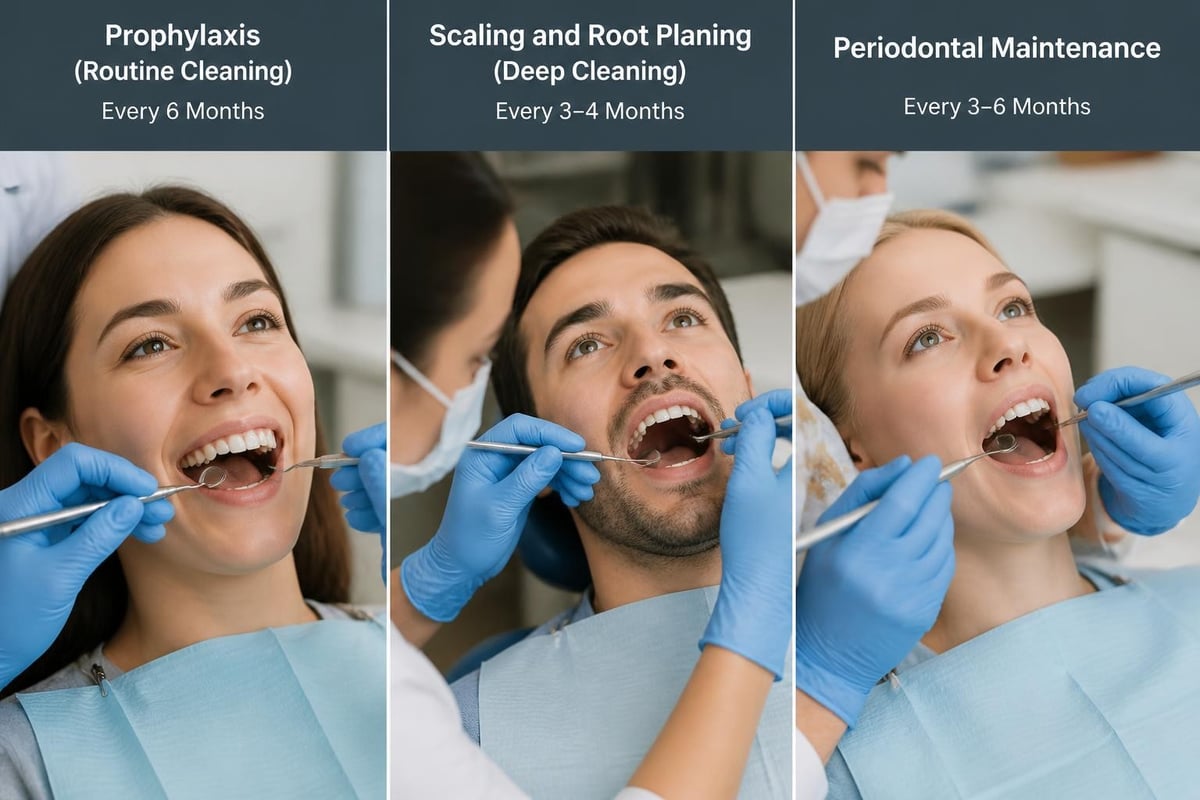
| Cleaning Type | Frequency | Best For | Average Duration |
|---|---|---|---|
| Prophylaxis | Every 6 months | Healthy gums | 30-45 minutes |
| Deep Cleaning | As needed | Gum disease present | 1-2 hours |
| Periodontal Maintenance | Every 3-4 months | History of gum disease | 45-60 minutes |
What Happens During a Dental Cleaning Appointment
Understanding the cleaning process can reduce anxiety and help you prepare for your visit. A typical appointment at Dental Plus Clinic follows a structured approach to ensure comprehensive care.
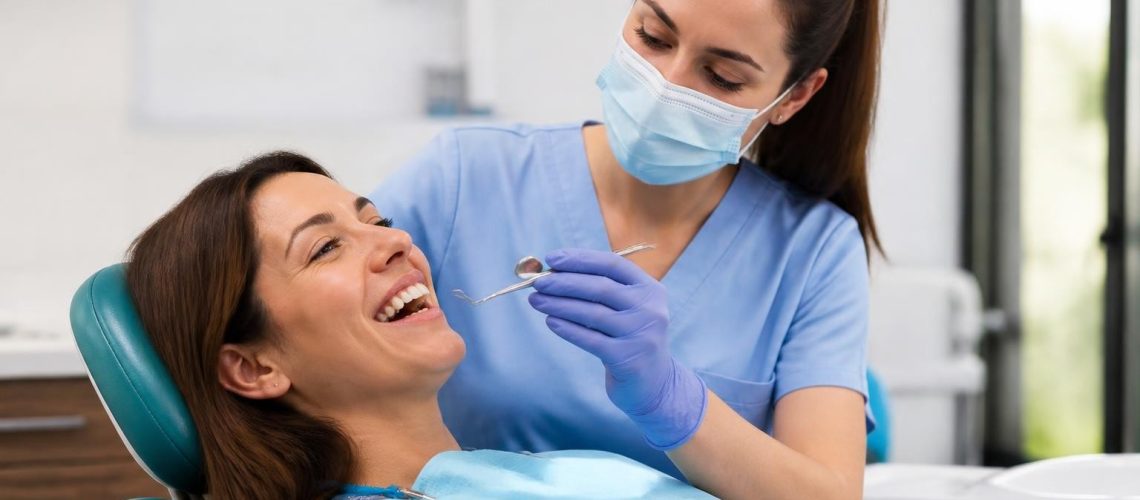
The hygienist begins with a thorough examination of your mouth, checking for signs of cavities, gum inflammation, or other concerns. Using a small mirror and explorer, they assess each tooth and the surrounding gum tissue. This initial examination helps determine the appropriate cleaning approach for your specific needs.
Next comes the scaling process, where the hygienist removes plaque and tartar from your teeth using specialized instruments. For stubborn deposits, an ultrasonic scaler may be used, which combines vibrations with water spray to break down calcified buildup efficiently.
After scaling, your teeth are polished with a gritty paste that removes surface stains and leaves your teeth feeling smooth. The hygienist then flosses between all your teeth to remove any remaining debris and demonstrate proper flossing technique.
Finally, a fluoride treatment may be applied to strengthen tooth enamel and provide additional protection against cavities. Some clinics also offer additional services like sealants for children or oral cancer screenings during cleaning appointments.
Cost Considerations for Dental Cleaning Services
One of the most common questions patients ask when searching for "dentist cleaning near me" involves cost. Understanding how much dental cleaning costs helps you budget appropriately and avoid surprise expenses.
Average Costs Without Insurance
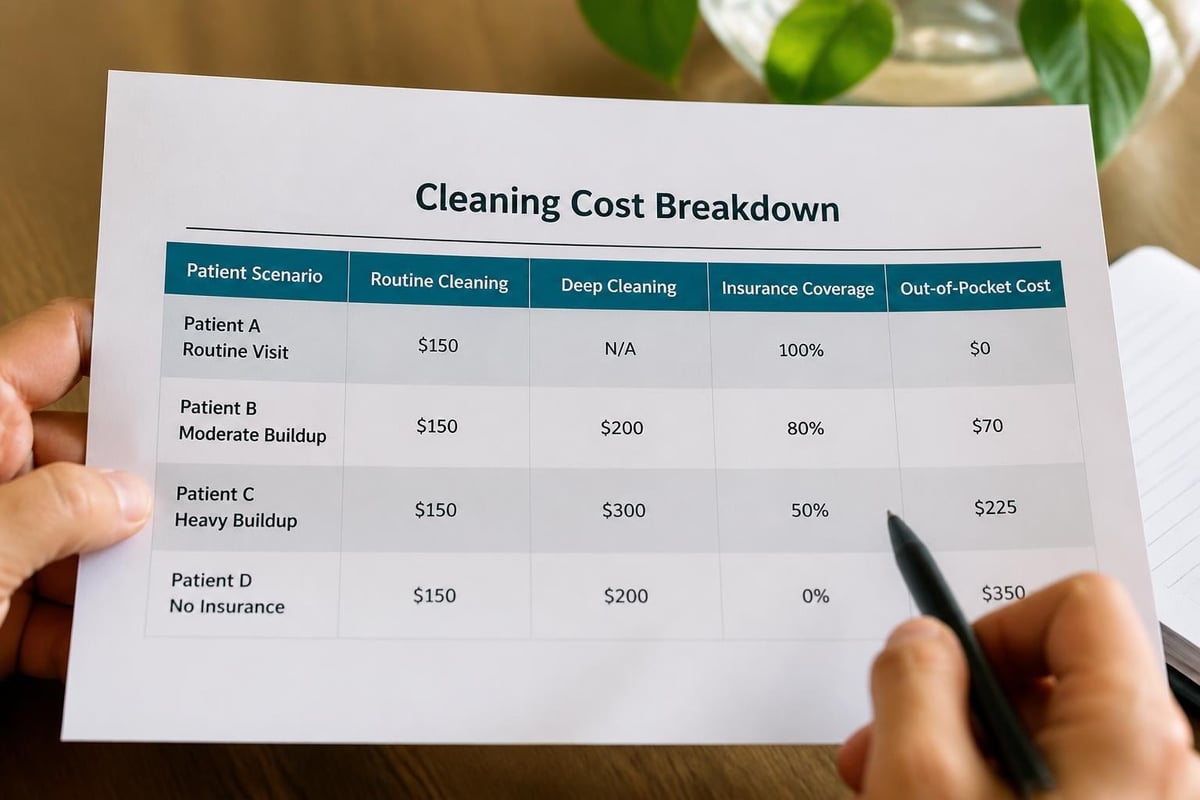
In 2026, routine dental cleaning costs typically range from $75 to $200 for patients without insurance coverage. However, several factors influence the final price you'll pay.
Geographic location plays a significant role in pricing. Urban areas and regions with higher costs of living generally charge more for dental services. In Texas, costs tend to be more moderate compared to major metropolitan areas on the coasts, making quality dental care more accessible to families.
The type of cleaning required also affects cost. While a standard prophylaxis cleaning falls within the lower range, deep cleanings can cost $150 to $300 per quadrant of your mouth, potentially totaling $600 to $1,200 for a full-mouth deep cleaning.
How Insurance Coverage Affects Your Out-of-Pocket Expenses
Most dental insurance plans recognize the importance of preventive care and cover routine cleanings at 100% when you visit an in-network provider. Delta Dental provides comprehensive information on how insurance coverage works for different cleaning procedures.
Key Insurance Coverage Points:
- Preventive cleanings are typically covered twice per year
- Deep cleanings may require pre-authorization
- Coverage percentages vary by plan (usually 80-100% for preventive care)
- Annual maximums may limit total benefits available
For patients dealing with denied dental insurance claims, understanding your policy details and working with a clinic that offers digital insurance verification can streamline the process and prevent billing surprises.
Payment Options for Uninsured Patients
Not having insurance shouldn't prevent you from receiving necessary dental care. Many dental clinics, including practices across Texas, offer flexible payment solutions to make cleanings affordable for all patients.
Payment plans allow you to spread the cost over several months, making larger treatments more manageable. Some clinics offer in-house membership plans that provide discounted rates on cleanings and other services for an annual fee. Additionally, exploring savings options can help reduce your overall dental care expenses.
Finding the Right Dental Clinic in Your Area
When searching "dentist cleaning near me," you're presented with numerous options. Choosing the right dental clinic requires considering several important factors beyond just proximity to your home or office.
Location and Accessibility Factors
Convenience matters when it comes to maintaining regular dental appointments. A clinic located near your home, workplace, or children's school increases the likelihood that you'll keep your scheduled cleanings rather than postponing them due to logistics.
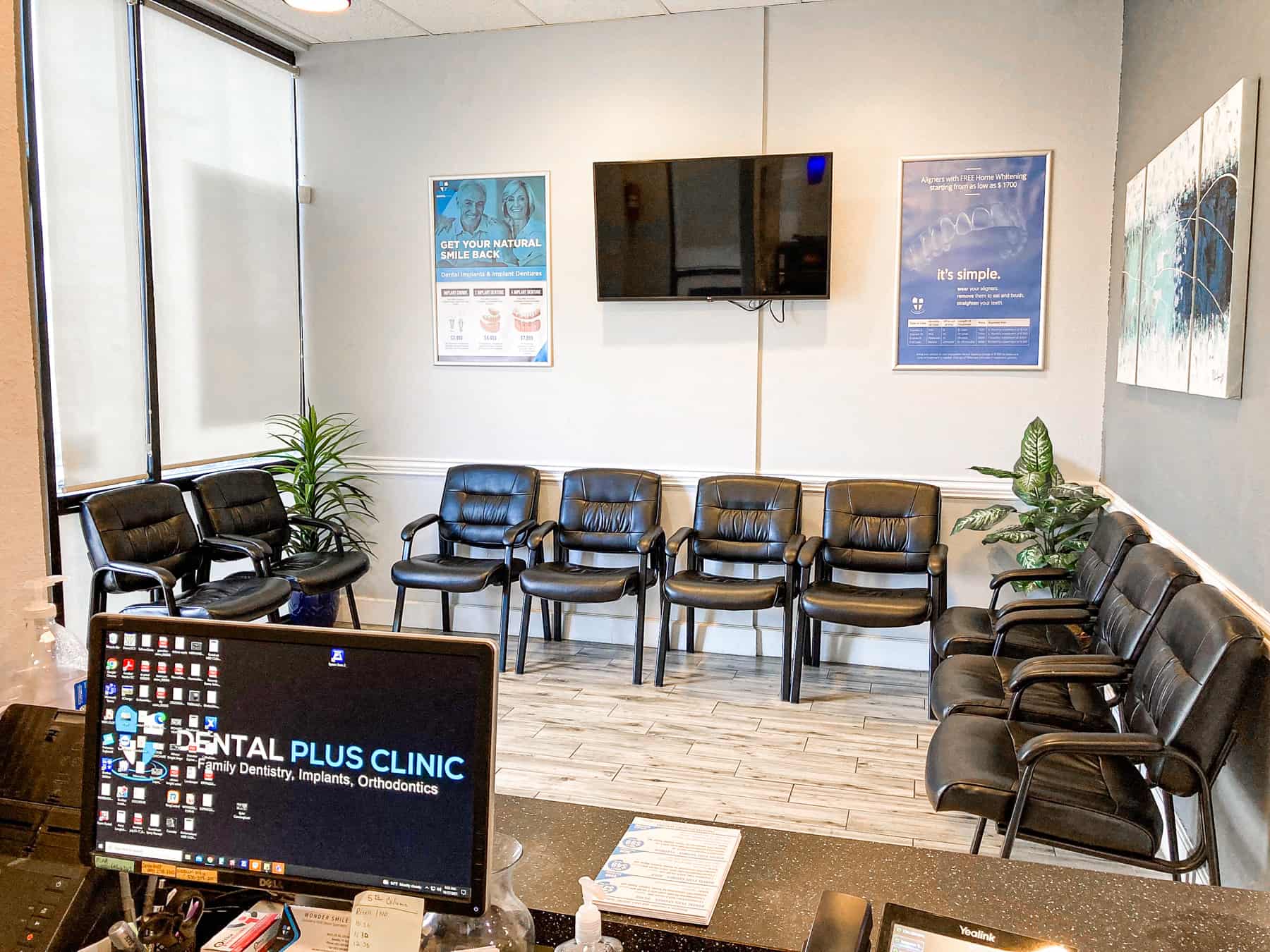
In Texas, Dental Plus Clinic operates five convenient locations throughout the state, including Beeville, Seguin, New Braunfels, Leander, and Converse, making quality dental care accessible across the region.
Accessibility Checklist:
- Proximity to home or work
- Available parking options
- Public transportation access
- Wheelchair accessibility
- Extended or weekend hours
Evaluating Clinic Credentials and Technology
Modern dental technology makes cleanings more comfortable, efficient, and effective. When evaluating potential dental providers, inquire about the equipment and techniques they use during cleaning appointments.
Digital X-rays reduce radiation exposure by up to 90% compared to traditional films while providing clearer images. Ultrasonic scalers make the cleaning process faster and more comfortable. Intraoral cameras allow you to see what the dentist sees, helping you understand your oral health status better.
Verify that the dental professionals are properly licensed and maintain continuing education. Board-certified dentists and registered dental hygienists demonstrate commitment to staying current with the latest techniques and standards in dental care.
Reading Patient Reviews and Testimonials
Patient experiences provide valuable insights into what you can expect from a dental clinic. When reviewing testimonials, look for patterns in feedback rather than focusing on individual comments.
Pay attention to mentions of:
- Staff friendliness and professionalism
- Wait times and scheduling flexibility
- Pain management and patient comfort
- Billing transparency and accuracy
- Follow-up care and communication
Consistent positive feedback about gentle care, thorough cleaning, and patient education indicates a practice that prioritizes patient satisfaction and oral health outcomes.
Benefits of Regular Dental Cleaning Appointments
Maintaining a consistent schedule of professional dental cleanings delivers benefits that extend far beyond a brighter smile. Understanding these advantages helps motivate regular visits and reinforces the value of preventive dental care.
Preventing Cavities and Gum Disease
Tooth decay and periodontal disease are the leading causes of tooth loss in adults, yet both conditions are largely preventable with proper care. Professional cleanings remove bacterial plaque before it causes damage to tooth enamel or gum tissue.
Research consistently shows that patients who receive regular cleanings experience significantly fewer cavities compared to those who skip routine appointments. The cost of a cleaning pales in comparison to the expense of treating advanced decay with fillings, crowns, or root canals.
Gum disease progresses through distinct stages, starting with gingivitis (inflammation of the gums) and potentially advancing to periodontitis (infection of the structures supporting teeth). Regular cleanings interrupt this progression by removing the bacterial deposits that trigger inflammation.
Early Detection of Oral Health Issues
Professional dental appointments serve as comprehensive oral health screenings. During your cleaning, the dental team examines your entire mouth for signs of problems that may not yet cause symptoms.
Early-stage cavities can be detected before you experience pain or sensitivity. Small cavities are simpler and less expensive to treat than advanced decay requiring extensive restoration. Similarly, oral cancer screening during routine visits can identify abnormal tissue changes when they're most treatable.
Conditions Often Detected During Cleanings:
- Tooth decay in early stages
- Cracked or worn fillings
- Gum recession or pocket formation
- Oral cancer or precancerous lesions
- Teeth grinding damage
- Jaw alignment issues
Connection Between Oral Health and Overall Wellness
Your mouth serves as a gateway to your body, and oral health significantly impacts systemic wellness. The bacteria associated with gum disease can enter your bloodstream and contribute to serious health conditions.
Studies have established connections between periodontal disease and heart disease, diabetes complications, respiratory infections, and adverse pregnancy outcomes. Regular dental cleanings reduce oral bacteria levels and may help lower your risk for these systemic health issues.
For patients managing chronic conditions like diabetes, maintaining excellent oral health becomes even more critical. The relationship between diabetes and gum disease is bidirectional, with each condition potentially worsening the other. Professional cleanings help break this cycle and support overall health management.
Preparing for Your Dental Cleaning Appointment
Proper preparation ensures you get the most value from your dental cleaning and helps the appointment proceed smoothly. Whether this is your first cleaning in years or a routine visit, these tips will enhance your experience.
What to Bring to Your Appointment
Gather necessary documents before your visit to expedite check-in and ensure accurate billing. New patients should arrive 10-15 minutes early to complete paperwork, while established patients can use online patient portals to update information in advance.
| Item | Why It's Needed | Notes |
|---|---|---|
| Insurance card | Verify coverage and benefits | Bring both dental and medical cards |
| Photo ID | Identity verification | Driver's license or state ID |
| Payment method | Cover copays or full fees | Credit card, debit card, or HSA card |
| Medication list | Inform treatment decisions | Include supplements and over-the-counter medications |
| Medical history updates | Ensure safe treatment | Note any new conditions or allergies |
Communicating Your Concerns and Questions
Dental anxiety affects many patients and can prevent them from seeking necessary care. Open communication with your dental team helps address fears and ensures your comfort throughout the appointment.
Before the cleaning begins, inform the hygienist about any areas of sensitivity, past painful experiences, or specific concerns you have. Most discomfort during cleanings stems from gum inflammation, which improves with regular care and proper home hygiene.
Discuss any medications you take, as some can affect your oral health or bleeding during cleaning. Blood thinners, for example, may require special precautions during scaling to prevent excessive bleeding.
Post-Cleaning Care Instructions
Your teeth and gums may feel slightly sensitive immediately after a cleaning, especially if significant tartar buildup was removed. This sensitivity typically subsides within a day or two as your mouth adjusts.
Continue your regular oral hygiene routine, but be gentle if you experience sensitivity. Use a soft-bristled toothbrush and consider a toothpaste formulated for sensitive teeth if discomfort persists beyond a few days.
If bleeding continues more than 24 hours after your cleaning or if you develop severe pain, contact your dental office for guidance. While minor bleeding is normal, persistent issues may indicate the need for additional evaluation.

Maintaining Oral Health Between Cleanings
Professional cleanings provide essential deep cleaning, but your daily habits determine your long-term oral health outcomes. Establishing effective home care routines maximizes the benefits of your professional cleanings and keeps your smile healthy between appointments.
Effective Home Oral Hygiene Practices
Brushing twice daily forms the foundation of good oral hygiene, but technique matters as much as frequency. Use a soft-bristled brush and fluoride toothpaste, holding the brush at a 45-degree angle to your gum line. Gentle circular motions clean effectively without damaging delicate gum tissue.
Electric toothbrushes remove more plaque than manual brushing for most people, particularly those with limited dexterity or who tend to brush too aggressively. Many modern electric brushes include timers to ensure you brush for the recommended two minutes.
Daily Oral Care Essentials:
- Brush twice daily for two minutes each session
- Floss once daily to clean between teeth
- Use antimicrobial mouthwash to reduce bacteria
- Replace toothbrush every three to four months
- Clean your tongue to remove bacteria
Flossing removes plaque and food particles from areas your toothbrush cannot reach. If traditional string floss proves difficult, consider floss picks, water flossers, or interdental brushes as alternatives that still provide effective cleaning between teeth.
Dietary Choices That Support Dental Health
What you eat directly affects your oral health. Sugary and acidic foods create an environment where harmful bacteria thrive, producing acids that erode tooth enamel and cause cavities.
Limit snacking between meals, as frequent eating means your teeth are constantly exposed to acids. When you do snack, choose teeth-friendly options like raw vegetables, cheese, nuts, or sugar-free gum. Drinking water throughout the day helps rinse away food particles and maintains healthy saliva flow.
Calcium-rich foods strengthen teeth, while crunchy fruits and vegetables stimulate gums and help clean tooth surfaces naturally. Vitamin C supports gum health, making citrus fruits, berries, and leafy greens valuable additions to your diet.
Recognizing Warning Signs That Require Professional Attention
Between scheduled cleanings, monitor your oral health for changes that may indicate developing problems. Early intervention prevents minor issues from escalating into serious conditions requiring extensive treatment.
Contact Your Dentist If You Experience:
- Persistent bad breath despite good hygiene
- Bleeding gums during brushing or flossing
- Loose or shifting teeth
- Receding gums exposing tooth roots
- Persistent tooth pain or sensitivity
- Swelling in gums, face, or neck
- Sores that don't heal within two weeks
These symptoms may indicate gum disease, tooth decay, infection, or other conditions requiring professional evaluation. Don't wait until your next scheduled cleaning if you notice concerning changes in your oral health.
Special Considerations for Different Age Groups
Dental cleaning needs vary across life stages, from young children experiencing their first professional cleaning to seniors managing complex dental histories. Understanding age-specific considerations ensures appropriate care for every family member.
Dental Cleanings for Children and Teens
Introducing children to professional dental care early establishes positive associations and lifelong healthy habits. The American Academy of Pediatric Dentistry recommends children visit the dentist by their first birthday or within six months of their first tooth erupting.
Pediatric dentistry services are designed to make young patients comfortable and engaged in their oral health. Child-friendly explanations, gentle techniques, and positive reinforcement help create stress-free experiences.
Children's cleanings include thorough examination of developing teeth, assessment of bite alignment, and application of protective treatments like fluoride treatments and dental sealants. These preventive measures significantly reduce cavity risk in permanent teeth.
Teens face unique oral health challenges, including increased cavity risk from dietary choices, potential need for orthodontic treatment, and emergence of wisdom teeth. Regular cleanings during adolescence monitor these developments and address issues before they become problematic.
Adult Dental Cleaning Needs
Adults managing busy schedules often postpone dental appointments, allowing minor problems to escalate. However, regular cleanings become increasingly important as aging increases risk for gum disease and other oral health conditions.
Work-related stress can contribute to teeth grinding (bruxism), which wears down tooth enamel and may require protective night guards. Lifestyle factors like tobacco use, coffee consumption, and certain medications affect oral health and may necessitate more frequent cleanings.
Adults with cosmetic dentistry work such as porcelain veneers, dental crowns, or dental implants require specialized cleaning techniques to maintain these restorations. Professional cleanings help preserve your investment in your smile and extend the lifespan of dental work.
Senior Oral Health and Cleaning Requirements
Older adults often take multiple medications that reduce saliva production, increasing cavity risk even in people who never had significant decay when younger. Dry mouth also makes gums more susceptible to infection and irritation.
Many seniors have complex dental histories including multiple fillings, crowns, bridges, or partial dentures. Professional cleanings become more intricate when cleaning around extensive dental work, requiring additional time and specialized techniques.
Arthritis and other mobility limitations may make thorough home care challenging for some seniors. Electric toothbrushes, modified floss holders, and other adaptive devices can help, while more frequent professional cleanings compensate for reduced home care effectiveness.
Dental Cleaning and Overall Treatment Planning
Professional cleanings serve as the foundation for comprehensive dental care, but they're often just one component of a broader treatment plan addressing multiple oral health needs simultaneously.
Combining Cleanings with Other Dental Services
Scheduling multiple services during a single visit maximizes efficiency and reduces the number of appointments required. Many patients combine routine cleanings with other preventive or cosmetic procedures.
For example, a cleaning appointment provides an ideal opportunity for teeth whitening treatments, as freshly cleaned teeth respond better to whitening agents. Similarly, periodontal exams conducted during cleaning appointments assess gum health and determine if additional periodontal treatments are necessary.
Patients considering orthodontic treatment or clear aligners should schedule a cleaning before beginning, ensuring teeth and gums are healthy before orthodontic work commences. Clean teeth also allow for more accurate impressions and treatment planning.
When Additional Treatments May Be Recommended
During your cleaning appointment, the dental team may identify issues requiring additional treatment beyond basic cleaning. Understanding common recommendations helps you make informed decisions about your care.
If cavities are detected, dental fillings restore tooth structure and prevent decay progression. For more extensive decay, inlays and onlays or crowns may be necessary to preserve the tooth.
Severely damaged or infected teeth might require root canal therapy or tooth extraction. When extraction is necessary, discussing replacement options like dental bridges or implants during the same visit allows for comprehensive treatment planning.
Emergency Situations Requiring Immediate Attention
While routine cleanings address preventive care, some situations require urgent intervention. Recognizing dental emergencies ensures you seek appropriate care promptly rather than waiting for a scheduled appointment.
Severe toothaches, dental trauma from accidents, knocked-out teeth, or abscesses require immediate professional attention. Many dental clinics reserve time for emergency patients or provide after-hours contact information for urgent situations.
If you experience a dental emergency between scheduled cleanings, contact your dental office immediately for guidance. Time-sensitive situations like knocked-out teeth have the best outcomes when treated within an hour of the incident.
Frequently Asked Questions About Dental Cleanings
How often should I schedule a dentist cleaning near me?
Most patients benefit from professional cleanings every six months. However, individuals with gum disease history, diabetes, smoking habits, or other risk factors may need more frequent appointments every three to four months. Your dentist will recommend a schedule tailored to your specific oral health needs.
Are dental cleanings painful?
Routine cleanings should not be painful for patients with healthy gums. Some sensitivity or minor discomfort may occur if you have gum inflammation or haven't had a cleaning in an extended period. Deep cleanings for gum disease treatment may cause more discomfort, but local anesthesia can be provided to ensure your comfort.
How long does a typical dental cleaning appointment take?
Standard prophylaxis cleanings typically require 30 to 45 minutes. Deep cleanings take longer, often one to two hours depending on the extent of tartar buildup and whether the entire mouth is treated in one visit or divided into quadrants across multiple appointments.
What's the difference between a regular cleaning and a deep cleaning?
Regular cleanings remove plaque and tartar from visible tooth surfaces above the gum line. Deep cleanings involve scaling below the gum line to remove bacteria from periodontal pockets and root planing to smooth tooth roots, helping gums reattach to teeth.
Can I eat immediately after a dental cleaning?
Yes, you can typically eat after a standard cleaning. However, if you received fluoride treatment, wait at least 30 minutes before eating or drinking to allow maximum fluoride absorption. After deep cleaning with anesthesia, wait until numbness subsides to prevent accidentally biting your cheek or tongue.
Will my insurance cover dental cleanings?
Most dental insurance plans cover preventive cleanings at 100% when visiting in-network providers, typically allowing two cleanings per year. Cigna provides detailed information on how insurance affects cleaning costs and coverage specifics for different types of cleanings.
What should I do if I haven't had a cleaning in several years?
Schedule an appointment as soon as possible. Be honest with your dentist about how long it's been since your last cleaning. You may need a more thorough deep cleaning initially, followed by regular maintenance cleanings to restore and maintain oral health.
Can dental cleanings remove all tooth stains?
Professional cleanings remove surface stains from coffee, tea, tobacco, and certain foods. However, intrinsic stains from medications, trauma, or aging may not respond to cleaning alone and might require professional whitening treatments or cosmetic procedures.
Are there risks associated with dental cleanings?
Dental cleanings are very safe procedures. Some patients experience temporary sensitivity or minor bleeding, especially if significant tartar was removed or gum inflammation was present. Serious complications are extremely rare when cleanings are performed by trained professionals.
How do I find a reliable dentist for cleaning near me in Texas?
Research local dental clinics, read patient reviews, verify credentials, and confirm insurance acceptance. Consider factors like location convenience, available appointment times, technology used, and the range of services offered. Visiting clinic websites and scheduling consultations helps you assess whether a practice meets your needs.
Taking Action for Your Oral Health
Searching "dentist cleaning near me" represents your commitment to maintaining a healthy smile. Armed with information about cleaning types, costs, and what to expect, you're prepared to schedule your appointment with confidence.
Regular professional cleanings prevent serious dental problems, preserve your natural teeth, and contribute to your overall health and wellbeing. The investment in preventive care saves money, time, and discomfort compared to treating advanced dental disease.
Your Next Steps:
- Schedule a dental cleaning appointment if you're overdue
- Verify your insurance coverage and benefits
- Prepare questions about your specific oral health concerns
- Commit to maintaining regular six-month visits
- Establish effective daily oral hygiene habits
Don't let cost concerns, dental anxiety, or scheduling challenges prevent you from receiving the care you need. Modern dental practices offer solutions for common barriers, including flexible payment options, sedation dentistry, extended hours, and multiple convenient locations.
Your oral health deserves priority attention. Professional cleanings form the foundation of preventive dental care that keeps your smile healthy, attractive, and functional throughout your lifetime. Take that important first step today by scheduling your cleaning appointment.
Professional dental cleanings are essential for preventing oral health problems and maintaining your smile for years to come. Whether you need a routine cleaning, have specific concerns about gum health, or haven't visited a dentist in years, comprehensive care is available to meet your needs. Dental Plus Clinic provides patient-focused cleaning services and complete dental care across five convenient Texas locations, combining modern technology with personalized treatment plans to deliver comfortable, effective dental solutions for your entire family.