
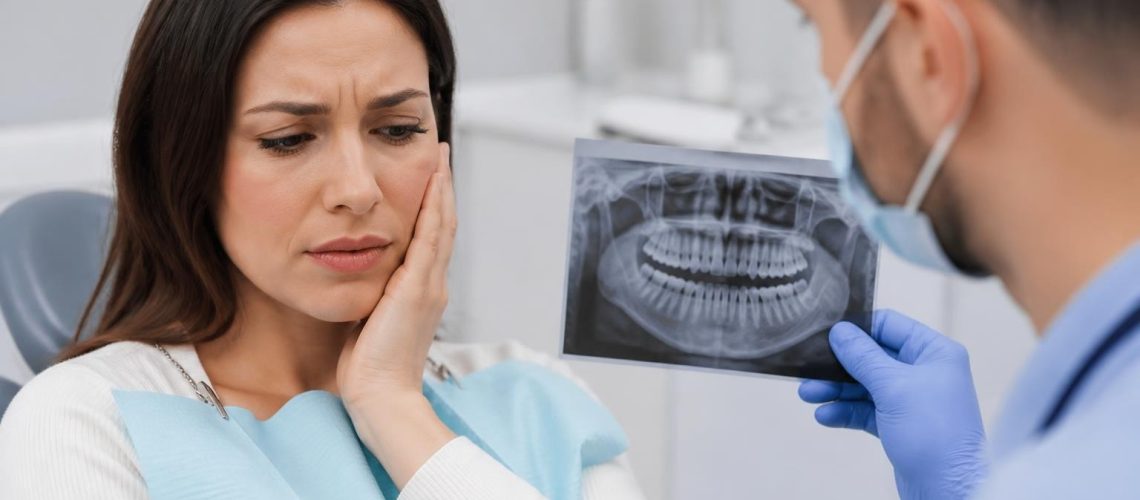
Dental emergencies strike without warning, often causing significant pain and anxiety. Whether it's a knocked-out tooth from a sports accident, a severe toothache that disrupts your sleep, or a broken crown during a weekend meal, understanding the emergency dental care cost becomes crucial when you're facing urgent oral health issues. The financial aspect of emergency dental treatment can feel overwhelming, especially when you're already dealing with pain and discomfort. This comprehensive guide breaks down what you can expect to pay for emergency dental services in 2026, how insurance impacts these costs, and practical strategies to manage unexpected dental expenses across Texas communities.
Understanding Emergency Dental Care Expenses
Emergency dental situations require immediate attention, and the emergency dental care cost varies significantly based on the type of procedure, your location, and whether you have insurance coverage. Unlike routine dental visits that you can schedule weeks in advance, emergencies demand prompt treatment, which often comes with different pricing structures.
The average emergency dental visit typically starts with an examination fee ranging from $75 to $200. This initial assessment helps the dentist determine the severity of your condition and develop an appropriate treatment plan. However, the examination represents just the beginning of your total expenses.
Factors That Influence Emergency Costs
Several key elements determine your final bill when seeking urgent dental care:
- Time of service: After-hours, weekend, and holiday appointments typically cost 20-50% more than regular business hours
- Complexity of the procedure: Simple treatments cost less than complex surgical interventions
- Geographic location: Urban areas generally have higher fees than rural communities
- Dental practice type: Specialty emergency clinics may charge differently than general dentistry offices
- Insurance coverage: Your plan's emergency benefits significantly impact out-of-pocket expenses
Severity of the condition plays a major role in determining costs. A minor chip requiring simple bonding costs substantially less than a severe infection requiring immediate root canal therapy. According to comprehensive cost breakdowns, understanding these variables helps patients prepare financially for urgent situations.

Common Dental Emergencies and Their Costs
Different emergency situations require specific treatments, each with its own price range. Understanding these costs helps you anticipate expenses when emergencies occur.
Tooth Extractions
Emergency tooth extractions represent one of the most common urgent procedures. A simple extraction typically costs between $150 and $400 per tooth, while surgical extractions for impacted teeth or complex cases can range from $250 to $800 or more.
Wisdom teeth emergencies often require surgical extraction, especially when they're impacted or infected. These procedures typically cost $300 to $1,000 per tooth, depending on the complexity and whether sedation is necessary. Patients seeking wisdom teeth removal should understand that emergency situations often involve additional fees compared to planned extractions.
Root Canal Therapy
When tooth decay reaches the pulp or an infection develops, root canal therapy becomes necessary to save the tooth. Emergency root canal costs vary by tooth location:
| Tooth Type | Average Cost Range | Complexity Level |
|---|---|---|
| Front tooth | $700 – $1,200 | Lower |
| Bicuspid | $800 – $1,400 | Moderate |
| Molar | $1,000 – $2,000 | Higher |
These prices typically include the root canal procedure itself but may not cover the final restoration (crown), which adds another $800 to $1,500 to the total cost. Emergency root canals often require immediate attention to prevent infection spread and preserve the natural tooth structure.
Dental Trauma Repairs
Sports injuries, accidents, and falls can cause various dental traumas requiring immediate care. Repairing a chipped tooth with bonding costs approximately $100 to $400, while more extensive damage requiring a crown ranges from $800 to $2,500.
Knocked-out teeth present true dental emergencies where timing is critical. The initial emergency visit and tooth reimplantation typically cost $500 to $1,500, though long-term success may require additional procedures like root canal therapy or splinting.
Emergency Dental Care Cost Without Insurance
For the roughly 74 million Americans without dental insurance, emergency dental care costs can feel particularly burdensome. Without coverage, patients pay full price for all emergency procedures, making financial planning essential.
Uninsured patients should expect to pay the following ranges for common emergencies:
- Emergency exam and X-rays: $150 – $350
- Abscess drainage: $200 – $600
- Temporary filling: $100 – $300
- Tooth extraction: $200 – $800
- Crown replacement: $800 – $2,500
According to detailed guides on emergency dental care costs without insurance, many dental practices offer payment plans or financing options to help uninsured patients manage these expenses. Some clinics also provide discounted self-pay rates when patients pay in full at the time of service.
Affordable Alternatives for Uninsured Patients
Several strategies can help reduce emergency dental care costs for those without insurance:
Dental savings plans function differently from traditional insurance, offering discounted rates at participating providers for an annual membership fee. These plans typically cost $100 to $200 annually and provide 10-60% discounts on most procedures.
Payment plans allow patients to spread emergency dental care costs over several months, making large expenses more manageable. Many practices offer in-house financing with little or no interest for qualified patients.
Community health centers and dental schools provide emergency services at reduced rates. While treatment at dental schools takes longer due to the educational component, costs can be 50-75% lower than private practices.

How Dental Insurance Affects Emergency Costs
Dental insurance significantly reduces out-of-pocket emergency dental care costs, though coverage varies widely between plans. Most dental insurance follows a 100-80-50 structure, covering preventive care fully, basic procedures at 80%, and major procedures at 50%.
Understanding Emergency Coverage
PPO plans typically provide the most flexibility for emergency care, allowing patients to visit any dentist while receiving maximum benefits from in-network providers. Emergency exams and X-rays usually fall under basic services with 80% coverage, meaning patients pay only 20% of the cost after meeting their deductible.
HMO plans require patients to visit network dentists and may need referrals for specialized emergency care. While these plans often have lower premiums and no deductibles, they offer less flexibility during emergencies when specific providers may not be immediately available.
Most insurance plans have annual maximums between $1,000 and $2,000, which can be quickly exhausted by major emergency procedures. Understanding your plan's limitations helps you prepare for potential out-of-pocket expenses. Patients in Texas can review best dental insurance plans in Texas to find coverage that adequately protects against emergency costs.
Deductibles and Waiting Periods
Insurance deductibles for dental coverage typically range from $50 to $150 per person annually. You must meet this deductible before insurance begins covering procedures, though many plans waive deductibles for preventive care.
Waiting periods can impact emergency coverage, particularly for new insurance enrollees. While true emergencies are sometimes exempt from waiting periods, major procedures like crowns or root canals may have 6-12 month waiting periods on new plans.
Emergency Room vs. Emergency Dentist Costs
When severe dental pain strikes during off-hours, patients often face the decision between visiting a hospital emergency room or finding an emergency dentist. This choice significantly impacts both treatment quality and costs.
Hospital emergency rooms treat approximately 2 million dental-related visits annually, yet most ERs lack dental specialists and equipment for definitive treatment. An emergency room visit for dental pain typically costs:
- ER facility fee: $500 – $3,000
- Physician consultation: $200 – $500
- X-rays and diagnostics: $100 – $400
- Pain medication and antibiotics: $50 – $150
Total ER costs for dental emergencies often exceed $1,000 to $4,000, yet the treatment usually involves only pain management and antibiotics, not actual dental repair. Patients still need follow-up with a dentist to address the underlying problem, essentially paying twice for care.
Why Emergency Dentists Provide Better Value
Emergency dental clinics offer definitive treatment at lower overall costs. According to emergency dental visit cost comparisons, visiting an emergency dentist typically costs 50-70% less than ER visits while providing actual solutions rather than temporary relief.
Immediate treatment from an emergency dentist addresses the root cause of pain, whether through extraction, root canal therapy, or other necessary procedures. This prevents the problem from worsening and eliminates the need for multiple appointments.
Texas residents seeking urgent care can find comprehensive emergency services at convenient locations. For instance, patients near Dental Plus Clinic in Leander or New Braunfels can receive immediate attention without excessive emergency room charges.
Breaking Down Specific Emergency Procedures
Different dental emergencies require unique interventions, each with distinct cost structures. Understanding these procedures helps patients make informed decisions during stressful situations.
Abscess Treatment
Dental abscesses represent serious infections requiring immediate attention to prevent systemic complications. Treatment costs depend on the abscess location and severity:
- Incision and drainage: $200 – $600
- Antibiotics: $15 – $50
- Root canal (if tooth is salvageable): $700 – $2,000
- Extraction (if tooth cannot be saved): $200 – $800
Complete abscess treatment including all necessary procedures typically ranges from $500 to $3,000. Delaying treatment only increases costs as the infection spreads and potentially damages surrounding teeth and bone structure.
Broken or Lost Crowns
Crown emergencies occur frequently, especially with older restorations. Temporary crown replacement during an emergency visit costs $100 to $300, providing immediate relief and protection until permanent restoration.
Permanent crown replacement ranges from $800 to $2,500 depending on the crown material and tooth location. Porcelain-fused-to-metal crowns typically cost less than all-porcelain or zirconia crowns, though aesthetics and durability vary accordingly.
Severe Toothaches
When intense tooth pain strikes suddenly, emergency examination and diagnosis form the critical first step. The emergency visit including X-rays costs $150 to $350, with treatment depending on the underlying cause:
- Deep cleaning for gum disease: $200 – $400 per quadrant
- Filling for decay: $150 – $450
- Root canal for infected pulp: $700 – $2,000
- Extraction for unsalvageable teeth: $200 – $800
Professional evaluation prevents misdiagnosis and ensures appropriate treatment, ultimately saving money compared to attempting home remedies or delaying care.
Geographic Cost Variations Across Texas
The emergency dental care cost fluctuates based on geographic location, with urban centers typically charging more than rural communities. Texas presents unique cost variations across its diverse regions.
Urban vs. Rural Pricing
Major metropolitan areas like Houston, Dallas, and Austin generally have higher emergency dental costs due to increased overhead expenses, higher property costs, and greater demand for services. Emergency procedures in these cities typically cost 15-30% more than smaller communities.
Rural communities often have fewer emergency dental providers, which can sometimes increase costs due to limited competition. However, lower operational expenses generally keep overall prices below urban rates.
| Location Type | Emergency Exam | Simple Extraction | Root Canal |
|---|---|---|---|
| Major Cities | $150 – $250 | $250 – $500 | $1,200 – $2,000 |
| Suburban Areas | $100 – $200 | $200 – $400 | $1,000 – $1,600 |
| Rural Communities | $75 – $175 | $175 – $350 | $800 – $1,400 |
Regional Considerations in Texas
Different Texas regions show distinct pricing patterns. Communities like Seguin and Beeville typically offer more affordable emergency dental care costs compared to major metropolitan areas while maintaining high-quality treatment standards.
Accessibility also impacts costs. Areas with multiple emergency dental providers experience competitive pricing, while communities with limited options may see higher charges. Researching local providers and understanding typical regional costs helps patients identify fair pricing.
Managing and Reducing Emergency Dental Costs
Strategic planning and informed decision-making can significantly reduce your emergency dental care cost burden, even during urgent situations.
Preventive Care Investment
The most effective cost management strategy involves preventing emergencies through regular dental care. Routine cleanings and examinations cost $75 to $200 twice yearly, identifying potential problems before they become emergencies.
Early intervention transforms major emergencies into manageable treatments. A small cavity detected during routine examination requires a $150 to $450 filling, while ignoring the same cavity until it becomes an emergency abscess costs $2,000 or more for root canal therapy.
Regular visits also build relationships with dental providers who may offer preferential scheduling and pricing for established patients during emergencies.
Negotiating Payment Options
Don't hesitate to discuss costs and payment options with dental offices during emergencies. Many practices offer:
- Prompt payment discounts of 5-10% for paying in full at service
- Interest-free payment plans for qualified patients
- Third-party financing through companies like CareCredit
- Sliding scale fees based on income for hardship cases
Transparency about your financial situation often opens doors to flexible arrangements. Dental practices prefer working with patients to ensure treatment rather than leaving emergencies untreated.
Health Savings Accounts and FSAs
Health Savings Accounts (HSAs) and Flexible Spending Accounts (FSAs) provide tax-advantaged ways to save for medical and dental emergencies. Both allow you to set aside pre-tax dollars specifically for healthcare expenses, effectively reducing costs by your marginal tax rate.
HSAs offer the advantage of rollover, meaning unused funds carry forward indefinitely. FSAs typically require spending within the calendar year but allow immediate access to the full annual election amount, useful when emergencies strike early in the year.
Special Considerations for Families with Children
Children experience dental emergencies frequently, from sports injuries to falls during play. Understanding pediatric emergency costs helps parents prepare financially and respond appropriately.
Common Pediatric Emergencies
Primary tooth trauma requires different treatment approaches than permanent teeth. While knocked-out baby teeth typically aren't reimplanted, children still need examination to ensure no damage to developing permanent teeth underneath. These evaluations cost $75 to $200.
Permanent tooth emergencies in children require immediate attention. Quick response to knocked-out permanent teeth significantly improves reimplantation success rates. Emergency treatment including tooth reimplantation and stabilization costs $500 to $1,500.
Families can find specialized pediatric emergency care through providers offering comprehensive children's dental services. Parents seeking qualified care can search for a reliable pediatric dentist near me to establish relationships before emergencies occur.
Insurance Considerations for Children
Many family dental insurance plans provide enhanced coverage for children, recognizing the importance of early intervention. Children's Medicaid (CHIP in Texas) covers emergency dental care, significantly reducing costs for qualifying families.
Annual maximums often apply differently for children, with some plans offering higher limits for pediatric care. Review your plan's specific provisions regarding emergency coverage for dependents to avoid unexpected expenses.
When to Seek Emergency Dental Care
Recognizing true dental emergencies versus situations that can wait for regular appointments helps you use resources efficiently and avoid unnecessary emergency fees.
True Dental Emergencies Requiring Immediate Care
Certain situations demand immediate professional attention regardless of time or day:
- Knocked-out permanent teeth: Time-critical; success rates decrease significantly after two hours
- Severe, uncontrolled bleeding: May indicate serious injury requiring immediate intervention
- Facial swelling affecting breathing or swallowing: Could represent life-threatening infection
- Trauma causing jaw fracture: Requires immediate medical and dental evaluation
- Abscess with fever: Indicates spreading infection needing urgent treatment
These emergencies justify after-hours care and associated higher costs. Delaying treatment risks serious complications that ultimately cost more to address.
Situations That Can Wait for Regular Appointments
Some dental problems feel urgent but can safely wait for standard business hours, saving significant money on after-hours fees:
- Mild toothaches responsive to over-the-counter pain medication
- Small chips without pain or sharp edges
- Lost fillings in teeth without sensitivity
- Minor orthodontic issues like loose brackets
- Food stuck between teeth that you cannot remove with floss
Contact your dental office for guidance when uncertainty exists. Many practices offer phone consultations to help determine whether immediate emergency care is necessary.
Planning for Dental Emergencies
Financial preparation for dental emergencies reduces stress when urgent situations arise. Strategic planning ensures you can access needed care without devastating financial consequences.
Building an Emergency Dental Fund
Financial experts recommend maintaining three to six months of expenses in emergency savings, but a dedicated dental emergency fund provides specific protection against unexpected oral health costs.
Start small if necessary. Setting aside $25 to $50 monthly creates a $300 to $600 buffer within a year, covering many common emergency procedures. Increase contributions as your budget allows, aiming for $1,500 to $2,000 in dedicated dental emergency savings.
This fund prevents the need for high-interest credit cards or loans during emergencies, ultimately saving money through avoided interest charges.
Understanding Your Coverage Before Emergencies
Review your dental insurance policy thoroughly before emergencies occur. Key information to document includes:
- Emergency coverage provisions and any limitations
- In-network and out-of-network emergency benefits differences
- Annual maximum and how much has been used
- 24-hour emergency contact numbers for your insurance company
- Pre-authorization requirements for major procedures
Having this information readily available during emergencies streamlines the treatment and billing process. Create a document with essential coverage details and keep copies in your wallet, phone, and home for easy access.
Establishing Dental Care Relationships
Developing ongoing relationships with dental providers before emergencies offers multiple advantages. Established patients often receive priority scheduling during emergencies and may qualify for existing patient discounts.
Regular preventive care also means your dentist maintains current records and X-rays, expediting emergency diagnosis and treatment. This familiarity can reduce emergency visit time and associated costs.
Frequently Asked Questions About Emergency Dental Costs
How much does an emergency dental visit cost on average?
An emergency dental visit typically costs between $150 and $350 for the initial examination and X-rays. However, total costs depend on required treatment, which can range from $200 for simple procedures to several thousand dollars for complex emergencies like root canals or crown replacements. Insurance significantly reduces these out-of-pocket expenses.
What's the most expensive dental emergency?
Severe trauma requiring multiple procedures represents the most expensive dental emergency. Complete tooth reconstruction involving extraction, bone grafting, and implant placement can cost $3,000 to $6,000 per tooth. Complex root canal therapy on molars combined with crown placement also ranks among the costliest emergency treatments at $2,500 to $4,000.
Does dental insurance cover emergency procedures?
Most dental insurance plans cover emergency procedures, though coverage levels vary. Emergency exams and basic treatments typically receive 80% coverage after deductibles, while major procedures like root canals and crowns are covered at 50%. Review your specific plan details, as waiting periods may apply to recently purchased insurance policies.
Can I negotiate emergency dental care costs?
Yes, many dental practices negotiate costs, particularly for uninsured patients or those experiencing financial hardship. Dentists may offer payment plans, prompt payment discounts, or reduced fees for patients paying cash. Always discuss financial concerns with the office manager or dentist before treatment when possible.
What if I can't afford emergency dental treatment?
Several options exist for patients unable to afford emergency dental care. Dental schools offer reduced-cost emergency services, community health centers provide sliding-scale fees, and many practices offer payment plans or third-party financing. Some areas have charitable dental programs for low-income patients. Don't delay treatment due to cost concerns, as infections can become life-threatening.
Is emergency dental care more expensive than regular dentistry?
Emergency dental care often costs more than the same procedure during regular business hours due to after-hours fees, immediate service charges, and the urgent nature of treatment. Weekend and holiday emergency visits typically cost 20-50% more than weekday appointments. However, addressing problems immediately often prevents more expensive complications later.
How can I reduce my emergency dental care costs?
Reduce emergency costs through preventive care, maintaining dental insurance, building emergency savings, and establishing relationships with dental providers. Using in-network dentists when possible, asking about payment plans, and addressing dental problems early before they become emergencies also significantly reduces expenses. Consider dental savings plans if insurance isn't available.
What happens if I ignore a dental emergency?
Ignoring dental emergencies leads to worsening conditions that become more expensive and complex to treat. Untreated infections can spread to other parts of the body, causing serious health complications. Small problems that cost hundreds to fix become major issues costing thousands. Additionally, tooth damage that's initially repairable may progress to requiring extraction and replacement with costly implants or bridges.
Financial Assistance Options for Emergency Dental Care
Beyond insurance and personal savings, various programs and resources help patients manage emergency dental care costs when financial resources are limited.
State and Federal Assistance Programs
Medicaid provides dental coverage in Texas for eligible children, pregnant women, and some adults. While adult coverage is limited, emergency services addressing infection and pain are typically covered. Contact the Texas Health and Human Services Commission to determine eligibility.
Medicare generally doesn't cover dental care, though it may cover emergency hospital services when dental conditions result in serious medical complications. Medicare Advantage plans sometimes include dental benefits beyond original Medicare.
Charitable Dental Programs
Several organizations provide free or reduced-cost emergency dental care for qualifying individuals:
- Donated Dental Services connects vulnerable populations with volunteer dentists
- Mission of Mercy events offer free dental care during periodic community clinics
- Local health departments sometimes provide emergency dental services on sliding fee scales
- Faith-based organizations occasionally sponsor dental care days in underserved communities
Research local programs in your area and maintain a list of resources for potential emergencies. Understanding available assistance before crises occur enables faster access to needed care.
Dental School Clinics
Dental schools throughout Texas offer emergency services at substantially reduced rates. While treatment takes longer due to the educational component, supervised dental students provide quality care at 50-75% below private practice costs.
Emergency services at dental schools follow the same protocols as private practices but with additional faculty oversight. These institutions also use current technology and evidence-based approaches, ensuring patients receive modern, effective treatment despite reduced costs.
Long-Term Cost Implications of Dental Emergencies
Emergency dental care costs extend beyond immediate treatment, with long-term financial implications that patients should consider when making treatment decisions.
Choosing Between Extraction and Preservation
When facing severely damaged or infected teeth, patients often choose between extraction and tooth-saving procedures like root canals. While extraction costs less initially ($200 to $800 versus $1,500 to $3,000 for root canal plus crown), tooth replacement expenses often exceed preservation costs.
Missing teeth eventually require replacement through bridges ($1,500 to $5,000) or dental implants ($3,000 to $6,000 per tooth) to maintain oral function and prevent adjacent tooth shifting. Understanding these dental implant financing options in Texas helps patients make economically sound long-term decisions.
Tooth preservation through root canal therapy, while expensive during emergencies, often proves more economical over time by avoiding replacement costs and maintaining natural tooth structure.
Impact on Overall Oral Health Costs
Untreated or poorly managed dental emergencies create cascading effects on overall oral health costs. A single untreated infection can spread to adjacent teeth, potentially requiring multiple root canals or extractions instead of treating one tooth.
Bone loss from extracted teeth without replacement leads to facial structure changes, bite problems, and difficulties with remaining teeth. These complications necessitate complex reconstructive procedures costing tens of thousands of dollars, far exceeding initial emergency treatment costs.
Investing in proper emergency treatment and following through with recommended follow-up care prevents these expensive long-term complications.
Making Informed Decisions During Dental Emergencies
Despite pain and stress, taking time to make informed decisions during dental emergencies can save significant money while ensuring quality treatment.
Questions to Ask Your Emergency Dentist
Before proceeding with treatment, ask your dentist:
- What caused this emergency, and could it have been prevented?
- What are my treatment options, and what does each cost?
- What happens if I delay treatment, and what are the risks?
- Does my insurance cover this procedure, and what will I owe?
- Are payment plans available for my out-of-pocket expenses?
Understanding alternatives empowers you to choose treatments aligning with your financial situation and long-term goals. Reputable dentists welcome these questions and provide transparent answers.
Getting Second Opinions
For non-life-threatening emergencies, consider seeking second opinions, particularly when recommended treatment involves significant expense. While this may require paying for two consultations, it can prevent unnecessary procedures costing thousands of dollars.
Time-sensitive emergencies like knocked-out teeth or uncontrolled bleeding don't allow for second opinions. However, situations like recommended extractions versus root canal therapy often permit additional consultations during the decision-making process.
According to comprehensive guides on dental emergency costs, informed patients who understand their options and costs make better decisions that balance immediate needs with long-term oral health and financial wellness.
Technology's Role in Emergency Dental Care Costs
Modern dental technology affects emergency dental care costs in complex ways, sometimes increasing upfront expenses while improving outcomes and reducing long-term costs.
Advanced Diagnostic Tools
Digital X-rays provide immediate imaging results, speeding emergency diagnosis and treatment planning. While practices using this technology may charge slightly more for imaging, the technology reduces radiation exposure and eliminates film processing delays, getting patients out of pain faster.
3D cone beam CT scans offer detailed three-dimensional views of teeth, bone, and surrounding structures. These advanced images cost $250 to $600 but provide critical information for complex emergency procedures, preventing complications that could result in costly retreatment.
Treatment Technology Advancements
Modern treatment technologies like laser dentistry and same-day crown fabrication systems streamline emergency care. CEREC technology allows dentists to create permanent crowns during single appointments, eliminating temporary crown costs and additional visits.
While practices investing in advanced technology may have higher fees, patients often save money through reduced appointment numbers, faster healing, and better long-term outcomes. The increased precision of modern techniques also reduces complication rates requiring expensive corrective procedures.
Understanding emergency dental care costs empowers you to make informed decisions during stressful situations while planning financially for unexpected oral health needs. From simple extractions to complex procedures, knowing typical price ranges, insurance impacts, and available assistance programs reduces anxiety when emergencies strike. Whether you're managing costs without insurance, maximizing dental benefits, or exploring payment options, preparation makes all the difference in accessing timely, appropriate care without financial devastation. When dental emergencies occur, Dental Plus Clinic stands ready to provide compassionate, affordable emergency care across our five convenient Texas locations, offering transparent pricing, flexible payment options, and the comprehensive expertise your family deserves during urgent situations.