
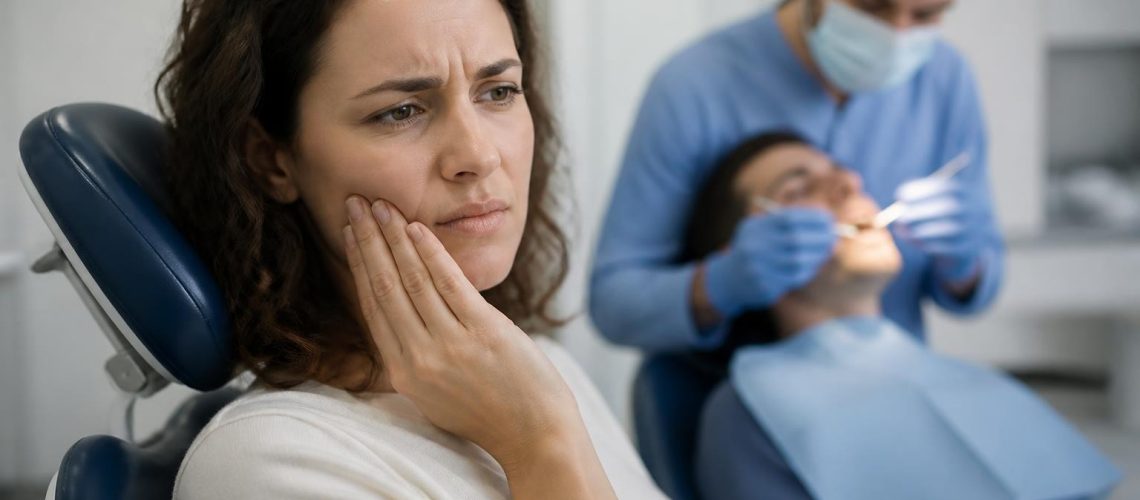
Dental emergencies never happen at convenient times. Whether it's a throbbing toothache that starts on a Friday evening, a chipped tooth during a family barbecue, or a knocked-out tooth from a sports accident, knowing how to respond can mean the difference between saving and losing a tooth. Emergency dental care encompasses urgent situations requiring immediate attention to relieve severe pain, stop ongoing tissue bleeding, or save a tooth. For Texas families in communities like Beeville, Seguin, New Braunfels, Leander, and Converse, understanding what constitutes a true dental emergency and how to respond appropriately is essential for protecting oral health and preventing complications that could lead to more extensive treatments later.
Understanding What Qualifies as Emergency Dental Care
Not every dental issue requires immediate attention, but certain situations demand prompt professional intervention. Recognizing the difference can help you respond appropriately and potentially save your natural teeth.
True Dental Emergencies Requiring Immediate Action
According to professional dental emergency resources, several conditions warrant urgent care:
- Knocked-out permanent tooth – Time is critical, with the best chance of successful reimplantation within 30 minutes
- Severe toothache with swelling – May indicate an abscess or infection spreading to surrounding tissues
- Uncontrolled bleeding – From injury, extraction site, or gum tissue that doesn't stop after 10-15 minutes of pressure
- Fractured jaw – Resulting from trauma or injury to the face
- Dental abscess – A painful infection that can spread and become life-threatening if untreated
- Lost filling or crown with severe pain – Exposing sensitive tooth structure and nerves
Emergency dental care becomes critical when delay could result in permanent damage, tooth loss, or systemic health complications. These situations require professional assessment and treatment as quickly as possible.

Urgent but Non-Emergency Situations
Some dental problems need attention within 24-48 hours but may not require after-hours care:
| Condition | Timeframe | Risk if Delayed |
|---|---|---|
| Chipped tooth (no pain) | 1-2 days | Rough edges, cosmetic concerns |
| Lost filling (minor discomfort) | 24-48 hours | Increased sensitivity, further decay |
| Mild toothache | 1-3 days | Worsening pain, potential infection |
| Broken orthodontic wire | 24 hours | Mouth irritation, treatment delays |
| Food stuck between teeth | Same day | Gum inflammation, discomfort |
Understanding these distinctions helps families make informed decisions about when to seek immediate emergency dental care versus scheduling the next available appointment. If you're experiencing any concerning symptoms and need guidance, understanding how to help with tooth pain can provide interim relief while you arrange professional care.
Common Dental Emergencies and Immediate Response Steps
Knowing how to respond in the critical minutes following a dental emergency can significantly impact outcomes. The American Dental Association’s emergency treatment guidelines emphasize rapid, appropriate first aid.
Knocked-Out Tooth (Avulsion)
This represents one of the most time-sensitive dental emergencies. For permanent teeth:
- Handle the tooth carefully – Hold by the crown (white part), never the root
- Rinse gently – Use milk or saline if available; plain water only if necessary
- Attempt reinsertion – Place the tooth back in its socket if possible, bite gently on clean cloth
- Preserve the tooth – If reinsertion isn't feasible, keep the tooth moist in milk or saliva
- Seek immediate care – Contact an emergency dental provider within 30 minutes for best results
For children with knocked-out baby teeth, do not attempt to reinsert the tooth. Instead, preserve it and contact a pediatric dentist to ensure no damage occurred to the developing permanent tooth underneath.
Severe Toothache or Dental Abscess
A persistent, throbbing toothache often signals underlying infection or decay requiring emergency dental care.
Immediate steps:
- Rinse mouth with warm salt water (1 teaspoon salt per 8 ounces of water)
- Floss gently to remove any trapped debris
- Take over-the-counter pain relievers as directed
- Apply cold compress to outside of cheek for swelling
- Avoid placing aspirin directly on gums (can cause chemical burns)
Warning signs requiring immediate care:
- Fever accompanying tooth pain
- Facial swelling, especially around the eye or under the jaw
- Difficulty breathing or swallowing
- Visible pus or foul taste in mouth
Dental infections can spread rapidly to surrounding tissues and even enter the bloodstream. Research shows that understanding how long it takes for a tooth infection to spread helps patients appreciate the urgency of seeking professional treatment.
Broken or Fractured Teeth
The severity of a tooth fracture determines the urgency of treatment needed.
Minor chips:
- Save any fragments
- Rinse mouth with warm water
- Use dental wax or sugar-free gum to cover sharp edges
- Schedule an appointment within 1-2 days
Major fractures exposing nerves:
- Rinse with warm water immediately
- Control any bleeding with clean gauze
- Take pain medication if needed
- Apply cold compress to reduce swelling
- Seek emergency dental care within hours
Fractured teeth can often be repaired with bonding, veneers, or crowns depending on the extent of damage. Prompt treatment prevents infection and preserves more of the natural tooth structure.
When to Visit the Emergency Room vs. Emergency Dental Care
Understanding where to seek treatment can save valuable time and ensure appropriate care for your specific situation.
Situations Requiring Hospital Emergency Department
Certain dental-related injuries involve potential threats beyond oral health:
- Jaw fractures or dislocations – Require imaging and possible surgical intervention
- Deep facial lacerations – May need stitches and evaluation for nerve or muscle damage
- Uncontrolled bleeding – Especially in patients taking blood thinners or with clotting disorders
- Difficulty breathing or swallowing – Could indicate airway compromise from swelling
- High fever with facial swelling – Suggests serious infection requiring IV antibiotics
- Head trauma accompanying dental injury – Needs evaluation for concussion or skull fracture
Hospital emergency departments have the resources to manage life-threatening complications and can coordinate with oral surgeons when needed.
Dental Office Emergency Care
Most dental emergencies are best handled by dental professionals who have specialized training and equipment:
- Toothaches and dental abscesses
- Knocked-out or loose teeth
- Lost fillings or crowns
- Broken dental restorations
- Orthodontic emergencies
- Soft tissue injuries confined to mouth
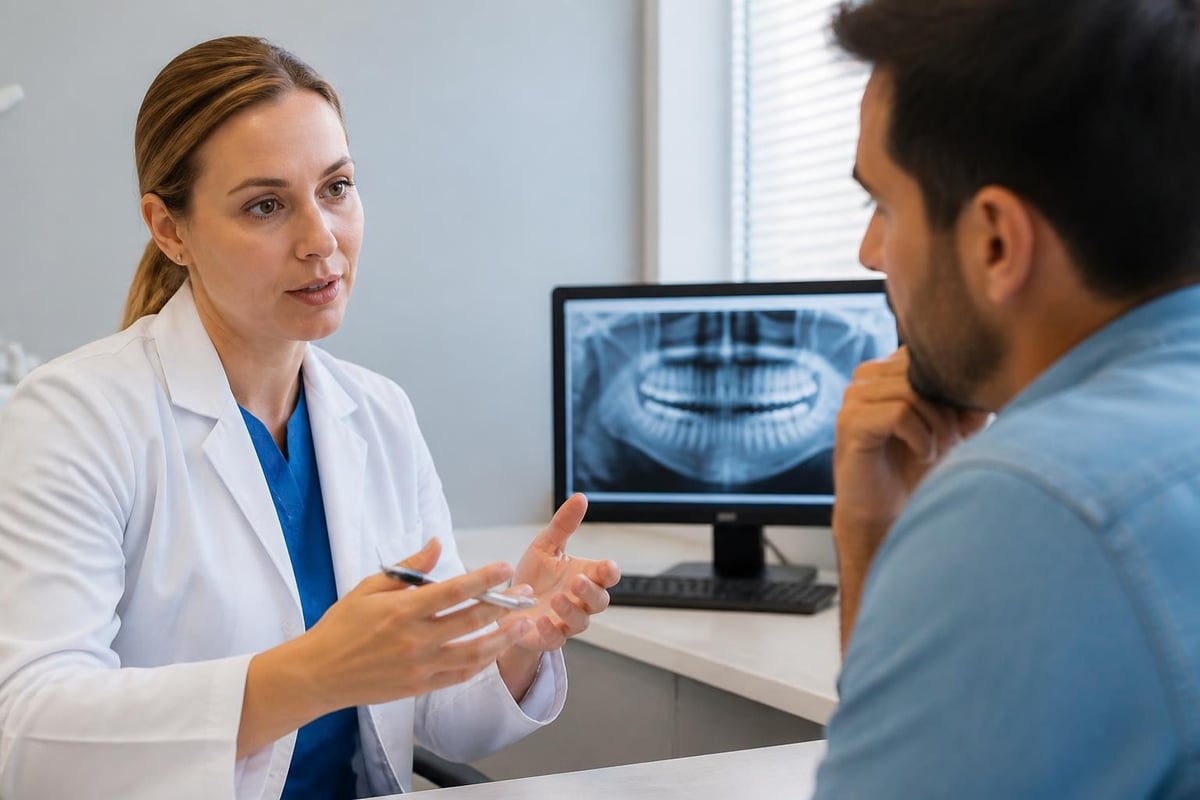
Dental practices equipped for emergency dental care maintain protocols for same-day urgent appointments and after-hours contact systems. At locations like our Leander clinic, patients can access emergency services during extended hours to address urgent needs promptly.
Preventing Common Dental Emergencies
While not all emergencies can be prevented, many result from avoidable situations. Proactive measures significantly reduce the risk of urgent dental problems.
Protective Equipment for Sports and Activities
Athletic participation accounts for a substantial percentage of dental injuries, particularly among children and young adults.
Essential protective measures:
- Custom-fitted mouthguards for contact sports (football, hockey, basketball)
- Face shields for baseball and softball
- Helmets with face guards for cycling and skateboarding
- Proper fitting of all protective equipment
Studies indicate that athletes who don't wear mouthguards are 60 times more likely to sustain dental injuries. Custom mouthguards fabricated by dental professionals offer superior protection compared to over-the-counter options.
Regular Preventive Care and Check-ups
Many dental emergencies stem from untreated decay or gum disease that progresses to crisis points.
| Preventive Measure | Frequency | Emergency Risk Reduction |
|---|---|---|
| Professional cleanings | Every 6 months | Reduces infection risk by 70% |
| Comprehensive exams | Annually | Identifies problems early |
| Dental X-rays | As recommended | Detects hidden decay and infections |
| Fluoride treatments | Per dentist guidance | Strengthens enamel against fractures |
Maintaining consistent preventive care helps identify potential problems before they become emergencies. Regular visits allow dentists to address small cavities, monitor teeth sensitivity issues, and reinforce weak teeth before they fracture.
Dietary and Lifestyle Modifications
Certain habits increase the risk of dental emergencies:
High-risk behaviors to modify:
- Chewing ice, hard candies, or popcorn kernels
- Using teeth as tools to open packages
- Biting fingernails or pen caps
- Consuming excessive acidic or sugary foods
- Grinding teeth (bruxism) without protective nightguard
For individuals who grind their teeth, custom nightguards provide essential protection against wear, fractures, and TMJ problems that can lead to emergency situations.
Managing Dental Emergency Costs and Insurance Coverage
Financial concerns shouldn't delay necessary emergency dental care, but understanding costs and coverage helps families prepare for unexpected situations.
Insurance Coverage for Emergency Dental Care
Most dental insurance plans provide some coverage for emergency treatments, though specifics vary by policy.
Typical coverage structures:
- Preventive care (cleanings, exams) – 100% coverage with no deductible
- Basic procedures (fillings, simple extractions) – 70-80% coverage after deductible
- Major procedures (root canals, crowns) – 50% coverage after deductible
- Emergency exam and X-rays – Usually covered under diagnostic benefits
Understanding the best dental insurance plans in Texas helps families select coverage that includes emergency services. However, coverage limitations and annual maximums mean out-of-pocket costs may still apply.
What to Do When Insurance Denies Coverage
Insurance denials for emergency dental care can be challenged. Common denial reasons include:
- Procedure deemed not medically necessary
- Pre-existing condition exclusions
- Annual maximum already reached
- Out-of-network provider limitations
If you encounter dental insurance denial, request a detailed explanation of the decision and work with your dental office to appeal if appropriate. Dental practices often have experience navigating insurance processes and can provide necessary documentation supporting the urgency of treatment.
Alternative Payment Options
For patients without insurance or facing significant out-of-pocket costs, several options exist:
- Payment plans – Many dental offices offer interest-free monthly installments
- Dental savings plans – Membership programs providing discounted fees
- Health savings accounts (HSAs) – Pre-tax funds for medical and dental expenses
- CareCredit and medical credit cards – Healthcare-specific financing options
Emergency dental care should never be postponed due to cost concerns. Delaying treatment often leads to more complex, expensive procedures. Reducing costs for dental care requires planning ahead and exploring all available resources.
Preparing a Dental Emergency Kit
Having essential supplies readily available can make critical differences in managing dental emergencies before professional care is accessible.
Essential Items for Home Dental Emergency Kit
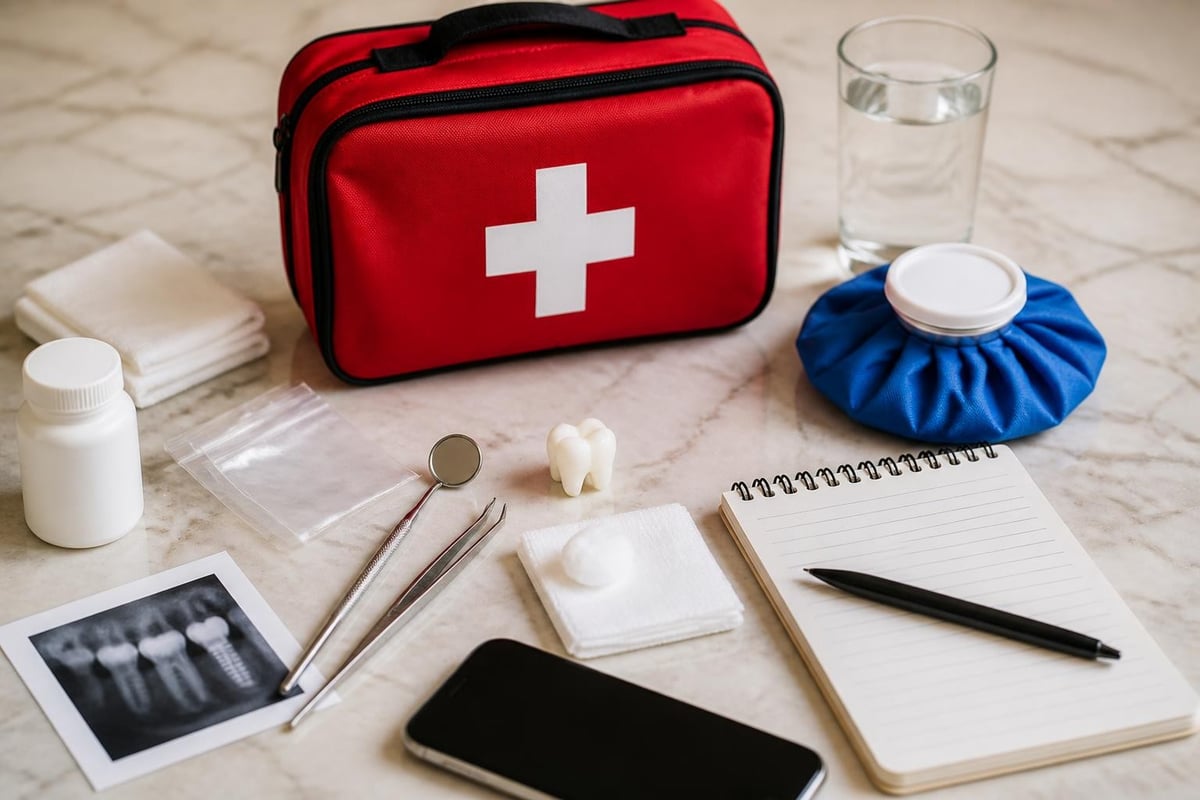
Basic supplies to maintain:
- Dentist's after-hours contact information
- Small container with lid (for storing knocked-out tooth)
- Sterile gauze pads
- Cold compress or ice pack
- Over-the-counter pain relievers (acetaminophen, ibuprofen)
- Temporary dental cement (available at pharmacies)
- Dental wax for orthodontic emergencies
- Salt (for rinses)
- Tweezers
- Small flashlight
- Disposable gloves
Keep these items in an easily accessible location and ensure all family members know where to find them.
Travel Dental Emergency Preparedness
When traveling, especially to remote areas or internationally, expanded preparation becomes important:
- Research emergency dental providers at your destination
- Pack prescription medications with extra supply
- Bring copies of dental X-rays if you have ongoing treatment
- Include travel-sized oral care products
- Verify insurance coverage for out-of-area emergency care
For families traveling within Texas between cities like Seguin, New Braunfels, or Converse, knowing the locations of dental clinics providing emergency services offers peace of mind.
Special Considerations for Pediatric Dental Emergencies
Children face unique dental emergency situations that require age-appropriate responses and specialized care.
Common Childhood Dental Emergencies
Young children experience dental emergencies differently than adults:
Infant and toddler concerns:
- Teething-related bleeding or swelling
- Injuries from falls while learning to walk
- Foreign objects stuck in mouth
- Baby teeth knocked loose prematurely
School-age children:
- Playground injuries affecting permanent teeth
- Sports-related trauma
- Orthodontic emergencies
- Dental infections from untreated cavities
According to dental emergency preparedness resources, approximately one in six children experiences a dental injury during childhood, with peak incidence between ages 7-11 when permanent front teeth emerge but facial coordination is still developing.
Addressing Parental Concerns and Anxiety
Parents often feel distressed when their child experiences a dental emergency. Key strategies include:
Remaining calm:
- Children take emotional cues from adults
- Speak in reassuring tones
- Explain what's happening in age-appropriate language
- Avoid showing panic or excessive worry
Seeking specialized care:
Working with a kids dentist experienced in emergencies ensures age-appropriate pain management, behavioral guidance techniques, and family-centered care approaches. Pediatric dental specialists understand child development and can make emergency experiences less traumatic.
Pain management considerations:
- Use appropriate medication dosages based on weight
- Avoid aspirin in children under 18 due to Reye's syndrome risk
- Apply ice externally, never directly to injured tissues
- Distraction techniques can help manage discomfort
Preventing Tooth Decay Emergencies in Children
Many pediatric dental emergencies result from untreated cavities progressing to painful infections. Helping your child avoid tooth decay through proper oral hygiene, diet management, and regular dental visits significantly reduces emergency risk.
Finding Emergency Dental Care in Your Community
Access to timely emergency dental care depends on knowing where to turn when urgent situations arise.
After-Hours and Weekend Services
Dental emergencies don't follow business hours. Accessing care requires planning ahead:
Options for after-hours emergency dental care:
- Dental offices with on-call providers
- Emergency dental clinics with extended hours
- Hospital emergency departments with dental consultations
- Dental school clinics (may have evening/weekend emergency services)
Before an emergency occurs, identify which dental practices in your area offer after-hours services. Save their contact information in your phone and post it in a visible location at home.
What to Expect During an Emergency Dental Visit
Understanding the emergency visit process reduces anxiety and helps patients prepare:
Typical emergency appointment flow:
- Initial contact – Describe symptoms and urgency to reception staff
- Triage assessment – Determine priority level and appointment timing
- Clinical examination – Visual inspection and gentle palpation
- Diagnostic imaging – X-rays to assess extent of damage or infection
- Treatment plan discussion – Options, costs, and timeline
- Immediate intervention – Pain relief and stabilization
- Follow-up scheduling – Definitive treatment if needed
Emergency visits focus on addressing the immediate problem: relieving pain, stopping bleeding, saving teeth, and preventing infection spread. Comprehensive treatment may require additional appointments.
Evaluating Emergency Dental Providers
Not all dental practices handle emergencies equally. Key factors to consider:
| Evaluation Factor | Why It Matters | Questions to Ask |
|---|---|---|
| Experience with emergencies | Confidence in urgent situations | How many emergency cases monthly? |
| Available technology | Proper diagnosis and treatment | Digital X-rays? Intraoral cameras? |
| Pain management options | Comfort during procedures | Sedation available? |
| Follow-up care | Continuity of treatment | Same provider for follow-up? |
| Location accessibility | Quick access when needed | Multiple locations? |
For Texas families, having access to emergency dental care at multiple convenient locations across the state ensures help is never far away, whether you're in Beeville, Seguin, New Braunfels, Leander, or Converse.
The Role of Teledentistry in Emergency Situations
Technology has expanded access to initial emergency dental consultations, though virtual care has limitations.
Benefits of Virtual Emergency Consultations
Teledentistry offers several advantages for triaging dental emergencies:
- Immediate access – Connect with dental professionals without travel
- Initial assessment – Determine urgency level and appropriate next steps
- Temporary guidance – Receive instructions for managing symptoms until in-person care
- Reduced unnecessary ER visits – Professional guidance on whether hospital care is needed
- Convenience – Particularly valuable for rural communities or after-hours situations
A dentist can evaluate visible injuries, swelling, or dental issues through video consultation and provide preliminary recommendations.
Limitations of Virtual Emergency Care
Despite benefits, teledentistry cannot replace in-person emergency dental care for most urgent situations:
What virtual consultations cannot provide:
- Hands-on examination and palpation
- Diagnostic X-rays to assess internal damage
- Immediate pain relief through procedures
- Treatment of infections or injuries
- Physical manipulation of dislocated jaws
- Suturing of lacerations
Virtual consultations work best as an initial step to determine appropriate action, but definitive emergency dental care requires physical presence at a dental office or hospital.
Long-Term Implications of Delayed Emergency Dental Care
Postponing treatment for dental emergencies can lead to serious complications affecting both oral and overall health.
Progressive Damage from Untreated Emergencies
Dental problems rarely resolve on their own and typically worsen without intervention:
Consequences of delayed care:
- Tooth infections spreading – Can lead to facial cellulitis, Ludwig's angina, or brain abscesses
- Bone loss – Chronic infections destroy supporting bone structure
- Tooth loss – Delayed treatment of knocked-out teeth reduces reimplantation success dramatically
- Systemic health impacts – Poor oral health affects the rest of the body, increasing risks for heart disease, diabetes complications, and respiratory infections
- Increased treatment complexity – Simple problems become major procedures requiring root canals, extractions, or implants
Research from the NCBI on dental emergencies indicates that timely intervention significantly improves outcomes and reduces long-term complications.
Financial Impact of Postponed Treatment
Delaying emergency dental care often increases overall costs:
Cost escalation example:
- Small cavity requiring filling: $150-300
- Delayed treatment leading to infection requiring root canal: $800-1,500
- Further delay necessitating extraction and implant: $3,000-5,000
Early intervention for dental emergencies preserves natural teeth and minimizes treatment expenses. The perceived savings from postponing care quickly disappear when problems progress to more serious conditions.
Frequently Asked Questions About Emergency Dental Care
What should I do if I can't reach my dentist during a dental emergency?
If your regular dentist is unavailable, contact their office for after-hours instructions, which often include an emergency phone number. Alternatively, search for emergency dental clinics in your area that accept walk-ins. For life-threatening situations involving difficulty breathing, severe bleeding, or facial trauma, visit the nearest hospital emergency department immediately.
How much does emergency dental care typically cost?
Emergency dental visit costs vary based on the severity of the problem and required treatment. An emergency exam and X-rays typically range from $100-300, while specific treatments add additional costs: simple extractions ($150-400), root canals ($800-1,500), or repairs for broken teeth ($200-1,000). Many dental offices offer payment plans to make emergency care more affordable.
Can I wait until Monday if I have a dental emergency on the weekend?
This depends on the severity. Knocked-out permanent teeth, severe infections with swelling, uncontrolled bleeding, or intense pain require immediate weekend care. Minor issues like small chips without pain or lost fillings with minimal discomfort can typically wait for regular office hours on Monday. When in doubt, contact an emergency dental provider for guidance.
Will my dental insurance cover emergency visits?
Most dental insurance plans cover emergency exams and necessary treatments, though coverage levels vary. Emergency diagnostics are usually covered at 80-100%, while treatment coverage depends on the procedure category. Contact your insurance provider to understand your specific emergency dental care benefits, deductibles, and any out-of-network limitations.
How can I tell if my toothache is an emergency?
A toothache becomes an emergency when accompanied by fever, facial swelling, difficulty swallowing, persistent bleeding, or severe pain unrelieved by over-the-counter medications. These symptoms suggest infection or abscess requiring immediate professional attention. Mild to moderate toothaches without these warning signs can typically be scheduled for the next available appointment.
Are chipped or broken teeth considered dental emergencies?
This depends on the extent of damage. Large fractures exposing the tooth's nerve, causing severe pain, or involving significant bleeding require immediate emergency dental care. Small cosmetic chips without pain or sensitivity can wait for a scheduled appointment within a few days. Save any tooth fragments and contact your dentist for specific guidance based on your situation.
What's the difference between urgent and emergency dental care?
Emergency dental care addresses life-threatening situations or conditions where delay could result in permanent damage, such as knocked-out teeth, severe infections, or uncontrolled bleeding. Urgent care involves problems needing attention within 24-48 hours but not posing immediate threats, like lost fillings, mild toothaches, or minor chips. Understanding this distinction helps prioritize appropriate care timing.
Can I go to any dentist for emergency dental care, or should I see my regular dentist?
If possible, contact your regular dentist first, as they have your dental history and established relationship. However, during true emergencies when your dentist is unavailable, seek care from any emergency dental provider rather than delaying treatment. You can follow up with your regular dentist for any additional care needed after the immediate crisis is resolved.
How do I know if I should go to the emergency room or a dentist for my dental emergency?
Visit a hospital emergency room for jaw fractures, severe facial trauma, uncontrolled bleeding, difficulty breathing or swallowing, or high fever with extensive facial swelling. These situations may involve systemic complications requiring medical intervention. Go to a dental office for toothaches, knocked-out teeth, broken dental work, or mouth injuries confined to teeth and gums.
What can I do at home to manage dental pain before seeing a dentist?
Rinse your mouth with warm salt water, take over-the-counter pain relievers as directed, apply cold compresses to the outside of your cheek for swelling, and avoid extremely hot, cold, or sweet foods. Never place aspirin or painkillers directly on gums, as this can cause chemical burns. These measures provide temporary relief but don't replace professional emergency dental care.
Understanding emergency dental care protocols, recognizing urgent situations, and knowing how to respond appropriately protects your family's oral health and prevents minor problems from becoming major complications. Whether you're dealing with a knocked-out tooth, severe infection, or painful injury, prompt professional intervention makes all the difference in outcomes and long-term dental health. Dental Plus Clinic provides comprehensive emergency dental services across our five Texas locations in Beeville, Seguin, New Braunfels, Leander, and Converse, ensuring that when dental emergencies strike, expert care is always within reach for your family.