
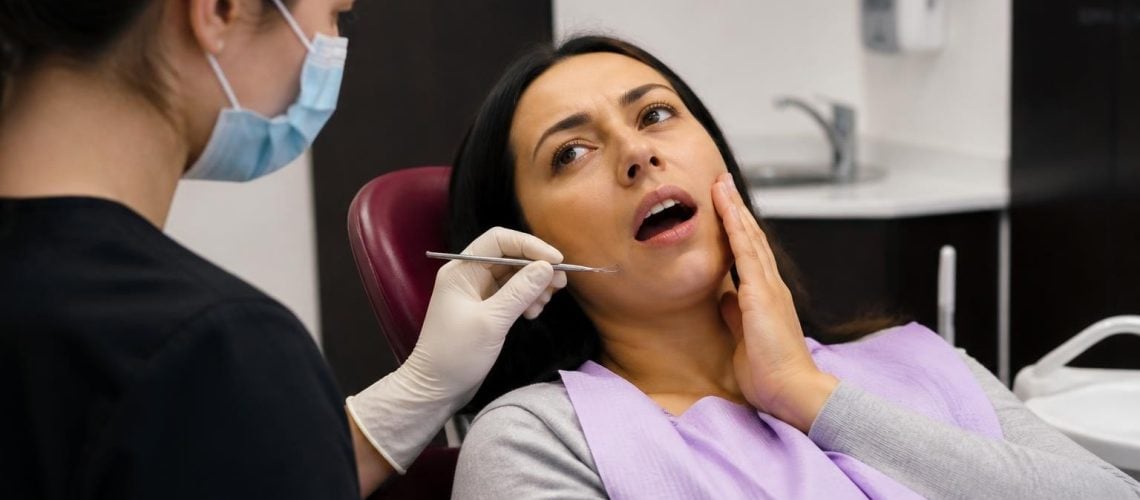
Dental emergencies never arrive at convenient times. Whether it's a sudden toothache that wakes you at midnight, a knocked-out tooth during your child's Saturday soccer game, or a broken crown on Sunday evening, you need immediate access to professional care. For residents of Converse, Texas, understanding how to find and access an emergency dentist in Converse can mean the difference between saving a tooth and facing extensive reconstruction. This comprehensive guide walks you through everything you need to know about emergency dental services, from recognizing true dental emergencies to finding fast, reliable care when every minute counts.
Understanding What Qualifies as a Dental Emergency
Not every dental concern requires immediate attention, but certain conditions demand urgent care to prevent permanent damage, control infection, or manage severe pain. Recognizing the difference between a true emergency and a situation that can wait until regular business hours helps you make informed decisions and use healthcare resources appropriately.
Situations Requiring Immediate Dental Attention
Knocked-Out Permanent Tooth: Time is critical when a tooth has been completely dislodged from its socket. According to the International Association of Dental Traumatology guidelines, the best outcomes occur when teeth are replanted within 60 minutes. Keep the tooth moist in milk or saliva, handle it only by the crown, and seek care immediately.
Severe Tooth Pain: Unbearable pain that disrupts sleep, eating, or daily activities often indicates serious underlying issues such as advanced decay, abscess formation, or nerve exposure. This level of discomfort requires professional evaluation and treatment.
Significant Trauma or Facial Injury: Accidents involving the face, jaw, or mouth may cause fractures, lacerations, or multiple damaged teeth. These situations require immediate assessment to address both dental and medical concerns.

Uncontrolled Bleeding: Bleeding that continues for more than 10-15 minutes after applying gentle pressure warrants emergency evaluation, especially following extraction, trauma, or oral surgery.
Dental Abscess or Facial Swelling: Infections can spread rapidly and become life-threatening. Swelling affecting breathing, swallowing, or vision requires immediate medical and dental intervention.
Situations That Can Wait for Regular Appointments
While uncomfortable or concerning, some dental issues don't require after-hours emergency care:
- Small chips or cracks without pain
- Lost fillings or crowns without significant discomfort
- Mild toothache manageable with over-the-counter pain relief
- Food stuck between teeth that doesn't cause severe pain
- Broken orthodontic wires that can be temporarily covered with wax
Understanding this distinction helps you avoid unnecessary emergency room visits. The American Dental Association notes that many dental-related emergency department visits could be better managed in dental settings, reducing costs and improving outcomes.
Why Quick Access to an Emergency Dentist Matters
Delaying treatment for genuine dental emergencies can transform manageable problems into complex, expensive situations requiring extensive intervention. The stakes extend beyond immediate pain relief to encompass long-term oral health, overall wellness, and financial implications.
Preventing Permanent Tooth Loss
Immediate professional care significantly increases the chances of saving damaged or dislodged teeth. When searching for an emergency dentist in Converse, response time becomes a critical factor in treatment success. Teeth that receive appropriate care within the first hour have survival rates exceeding 90%, while those treated after several hours face much lower success rates.
Controlling Infection Spread
Dental infections don't remain localized. Bacteria from an untreated abscess can spread to surrounding tissues, the bloodstream, or even the brain in severe cases. Prompt antibiotic therapy and drainage procedures prevent these dangerous complications.
Key Benefits of Immediate Treatment:
- Stops infection progression before systemic involvement
- Reduces overall treatment complexity and duration
- Minimizes tissue damage and preserves natural tooth structure
- Prevents secondary complications requiring hospitalization
Managing Pain Effectively
Severe dental pain significantly impacts quality of life, affecting sleep, nutrition, work performance, and emotional well-being. Professional emergency care provides appropriate pain management through prescription medications, nerve blocks, or definitive treatment of the underlying cause.
Finding an Emergency Dentist in Converse: Your Options
Converse residents have several pathways to access emergency dental care, each with distinct advantages depending on timing, severity, and individual circumstances. Understanding these options helps you make the best choice when faced with an urgent dental situation.
Dental Practices Offering Emergency Services
Many general dental practices, including Dental Plus Clinic's Converse location, reserve time slots for same-day emergencies and provide after-hours contact information for urgent situations. Establishing a relationship with a practice before emergencies occur streamlines access when you need it most.
| Feature | Emergency Dental Practice | Hospital Emergency Room | Urgent Care Center |
|---|---|---|---|
| Dental-Specific Equipment | Comprehensive | Limited | Minimal |
| Pain Management | Definitive treatment | Temporary relief | Temporary relief |
| Average Wait Time | 1-2 hours | 3-6 hours | 1-3 hours |
| Cost Range | $$$ | $$$$ | $$ |
| Follow-up Care | Same location | Separate referral | Separate referral |
After-Hours Emergency Protocols
Reputable dental practices establish clear protocols for emergency situations occurring outside regular business hours. The American Dental Association provides guidance on emergency treatment preparedness, helping practices develop effective triage and response systems.
When contacting an emergency dentist in Converse after hours, expect:
- Answering service or emergency line: Trained staff assess urgency and connect you with on-call dentists
- Triage questions: Brief evaluation to determine if you need immediate care or can wait until morning
- Clear instructions: Guidance on managing symptoms until your appointment
- Appointment scheduling: Same-day or next-morning slots for true emergencies
When to Consider the Emergency Room
While dental practices provide superior care for most oral health emergencies, certain situations require hospital emergency department resources:
- Severe facial trauma with possible fractures
- Uncontrolled bleeding despite applied pressure
- Breathing or swallowing difficulty due to swelling
- High fever accompanied by dental pain or swelling
- Signs of systemic infection (confusion, rapid heart rate, extreme weakness)
Hospital emergency departments excel at managing medical complications but typically provide only temporary dental solutions, requiring follow-up with a dentist for definitive treatment.
What to Expect During Your Emergency Dental Visit
Understanding the emergency dental care process reduces anxiety and helps you prepare for your appointment. While specific protocols vary based on your condition, most emergency visits follow a structured approach prioritizing pain relief, infection control, and tooth preservation.
Initial Assessment and Triage
Your emergency dentist in Converse begins with a focused evaluation to understand your chief complaint, symptom timeline, and medical history. This initial conversation helps prioritize treatment steps and identify any factors that might influence care decisions.
Typical Assessment Components:
- Pain scale rating: Quantifying discomfort helps guide pain management
- Visual examination: Identifying obvious damage, swelling, or infection
- Palpation: Checking for tenderness, mobility, or abnormal masses
- Diagnostic imaging: X-rays revealing fractures, abscesses, or bone involvement
Immediate Stabilization Procedures
The first priority involves stabilizing your condition through pain management and infection control. Depending on your situation, this might include:
- Local anesthetic injections for immediate pain relief
- Antibiotic prescriptions for active infections
- Temporary repairs to protect exposed nerves
- Drainage procedures for abscesses
- Splinting or stabilization of loosened teeth

Treatment Options and Planning
After stabilizing your immediate condition, your dentist discusses definitive treatment options. Some procedures can be completed during the emergency visit, while complex cases may require scheduled follow-up appointments.
Emergency visits might include:
- Extractions: Removing severely damaged or infected teeth beyond repair
- Root canal therapy: Treating infected tooth pulp to save the natural tooth
- Temporary crowns: Protecting damaged teeth until permanent restorations
- Suturing: Closing lacerations or extraction sites
- Reimplantation: Replacing knocked-out teeth in their sockets
Understanding your dental insurance coverage before emergencies helps you make informed treatment decisions without financial surprises.
Common Dental Emergencies and First Aid Measures
While professional care remains essential, appropriate first aid before reaching your emergency dentist in Converse can minimize damage and improve outcomes. These evidence-based steps provide guidance for the most frequent emergency scenarios.
Knocked-Out Tooth (Avulsion)
Immediate Actions:
- Locate the tooth and pick it up by the crown only
- If dirty, rinse gently with milk or saline (never scrub or use tap water)
- Try to reinsert the tooth into the socket if possible
- If reinsertion isn't feasible, place the tooth in cold milk or the patient's saliva
- Seek dental care within 30-60 minutes for best results
Avoid These Mistakes:
- Touching or cleaning the root surface
- Allowing the tooth to dry out
- Storing in water or wrapping in tissue
- Delaying professional care while trying home remedies
Severe Toothache
Relief Measures:
- Rinse mouth with warm salt water (1/2 teaspoon salt in 8 ounces water)
- Use dental floss to remove any trapped food particles
- Apply cold compress to outside of cheek for 15-20 minutes
- Take over-the-counter pain reliever as directed
- Avoid placing aspirin directly on gums (causes chemical burns)
Contact your dentist promptly, as persistent pain indicates underlying problems requiring professional intervention. If pain management becomes your concern, services like dental emergencies at Dental Plus Clinic provide comprehensive evaluation and treatment.
Broken or Cracked Tooth
Protective Steps:
- Rinse mouth with warm water to clean the area
- Save any broken pieces in milk or saliva
- Apply gauze to any bleeding areas for 10 minutes
- Use cold compress externally to reduce swelling
- Cover sharp edges with sugar-free gum or dental wax temporarily
- Avoid chewing on the affected side
When to Seek Immediate Care:
- Cracks extending below the gum line
- Severe pain indicating nerve exposure
- Large portions of tooth structure missing
- Temperature sensitivity or spontaneous pain
Dental Abscess
An abscess represents a pocket of pus caused by bacterial infection. These require immediate professional attention due to infection spread risks.
Warning Signs:
- Severe, persistent throbbing pain
- Swelling in face, cheek, or neck
- Fever and general malaise
- Foul taste in mouth or bad breath
- Tender, swollen lymph nodes
- Difficulty swallowing or breathing
Temporary Management:
- Rinse with mild salt water several times daily
- Take over-the-counter pain relievers
- Apply cold compress to reduce swelling
- Stay well-hydrated
- Avoid hot or cold foods that trigger pain
Never attempt to drain an abscess yourself. Professional drainage and antibiotic therapy prevent serious complications.
Special Considerations for Pediatric Dental Emergencies
Children experience dental emergencies differently than adults, requiring age-appropriate evaluation and care strategies. The American Academy of Pediatric Dentistry offers specific guidance on emergency oral care for young patients.
Primary vs. Permanent Teeth
Treatment approaches differ significantly based on whether the affected tooth is primary (baby tooth) or permanent. Knocked-out primary teeth typically aren't reimplanted due to risks of damaging developing permanent teeth underneath. However, fractured or displaced primary teeth still require professional evaluation.
Age-Specific Emergency Protocols:
| Age Group | Common Emergencies | Primary Concerns | Treatment Focus |
|---|---|---|---|
| Toddlers (1-3) | Falls causing lip/tooth trauma | Developing tooth damage | Conservative monitoring |
| Young Children (4-7) | Sports injuries, playground accidents | Mixed dentition complications | Preserving space, managing pain |
| Pre-teens (8-12) | Athletic trauma, orthodontic injuries | Permanent tooth preservation | Aggressive reimplantation |
| Teenagers (13+) | Sports trauma, wisdom tooth pain | Long-term aesthetic outcomes | Definitive restoration |
Managing Child Anxiety During Emergencies
Pain and fear amplify each other in pediatric emergencies. Creating a calm environment helps children cooperate with necessary treatment.
Effective Strategies:
- Use age-appropriate language explaining procedures
- Allow a parent or caregiver to remain present during treatment
- Offer distraction through music, videos, or conversation
- Acknowledge their feelings while maintaining confidence
- Provide clear expectations about sensations they might feel
Dental Plus Clinic's pediatric dentistry services extend to emergency situations, with staff trained in child-specific communication and care techniques.
Cost Considerations and Financial Planning for Emergency Dental Care
Emergency dental visits often create unexpected financial stress, particularly for families without comprehensive dental insurance. Understanding cost structures and available assistance helps you access necessary care without unmanageable debt.
Typical Emergency Visit Costs
Emergency dental care pricing varies based on complexity, required procedures, and timing. After-hours visits typically include additional fees reflecting the convenience of immediate access.
Cost Range Examples (2026):
- Emergency examination and X-rays: $150-$300
- Simple extraction: $200-$400
- Root canal therapy: $800-$1,500
- Temporary crown: $300-$600
- Tooth reimplantation: $400-$900
- Antibiotic prescriptions: $15-$75
These estimates represent typical ranges; actual costs depend on individual circumstances and geographic factors.
Insurance Coverage for Emergencies
Most dental insurance plans cover emergency care, though coverage percentages and annual maximums apply. Understanding your specific benefits before emergencies helps you prepare financially.
Common Coverage Patterns:
- Diagnostic services (exams, X-rays): 80-100%
- Basic procedures (extractions, fillings): 70-80%
- Major procedures (root canals, crowns): 50%
- After-hours or weekend fees: Often not covered
If you've experienced dental insurance denied claims, understanding appeal processes protects your financial interests.
Payment Options and Financial Assistance
Many dental practices, including those offering emergency dentist services in Converse, provide flexible payment solutions recognizing that emergencies don't wait for payday.
Available Options:
- Payment plans: Spreading costs over several months with no or low interest
- Third-party financing: Services like CareCredit offering healthcare-specific credit
- Dental discount plans: Membership programs providing reduced fees for uninsured patients
- Sliding fee scales: Income-based pricing at certain community health centers
- Dental school clinics: Supervised student treatment at reduced costs
The National Institute of Dental and Craniofacial Research provides resources for finding affordable dental care options when cost presents a barrier.
Preventing Common Dental Emergencies
While not all emergencies are preventable, proactive measures significantly reduce risk for many common scenarios. Incorporating these strategies into your daily routine and recreational activities protects your oral health investment.
Protective Equipment for Sports and Recreation
Athletic activities account for a substantial percentage of dental trauma, particularly among children and teenagers. Properly fitted mouthguards absorb impact forces that would otherwise fracture teeth or damage soft tissues.
Mouthguard Selection Guide:
- Stock mouthguards: Ready-to-wear, least expensive, poorest fit and protection
- Boil-and-bite: Moldable at home, moderate cost, acceptable fit and protection
- Custom-fitted: Professional fabrication, highest cost, superior fit and maximum protection
Athletes participating in contact sports, skateboarding, cycling, or any activity with fall or collision risks should wear appropriate protective equipment consistently.
Maintaining Regular Preventive Care
Many dental emergencies stem from untreated decay, gum disease, or structural weaknesses that develop gradually. Regular check-ups identify and address these issues before they escalate into urgent problems.
Preventive Care Schedule:
- Dental examinations: Every six months for most patients
- Professional cleanings: Twice yearly or quarterly for periodontal disease patients
- X-rays: Annually or as recommended based on individual risk factors
- Oral cancer screenings: At each examination visit
Establishing care with a regular provider who knows your dental history improves emergency outcomes when urgent situations arise. Dental exams and cleanings form the foundation of preventive oral health.
Addressing Minor Issues Promptly
Small problems rarely improve without intervention. A minor crack, slight sensitivity, or occasional discomfort deserves professional evaluation before progressing to emergency-level severity.
Warning Signs Not to Ignore:
- Persistent sensitivity to temperature or sweets
- Recurring swelling or tenderness in specific areas
- Visible dark spots or holes in teeth
- Rough edges or chips that catch your tongue
- Gums that bleed regularly during brushing
- Chronic bad breath unresponsive to improved hygiene
Early intervention typically requires simpler, less expensive treatment compared to emergency procedures addressing advanced problems.
Choosing the Right Emergency Dental Provider in Converse
Access to quality emergency dental care depends on selecting providers who combine clinical expertise, appropriate technology, convenient access, and patient-centered service. Evaluating these factors before emergencies occur ensures you know exactly where to turn when urgent needs arise.
Credentials and Experience
Verify that your emergency dentist maintains current licensure, continuing education, and professional association memberships. These credentials indicate commitment to evidence-based practices and ongoing skill development.
Key Qualifications to Verify:
- Active Texas dental license in good standing
- Advanced training in emergency and surgical procedures
- Hospital privileges or affiliations (for complex cases)
- Specialty certifications if needed (pediatric dentistry, oral surgery)
- Professional memberships (American Dental Association, Texas Dental Association)
Technology and Treatment Capabilities
Modern diagnostic and treatment technology improves accuracy, comfort, and outcomes for emergency procedures. Digital radiography, intraoral cameras, and advanced anesthetic delivery systems represent standard expectations for contemporary practice.
Essential Equipment for Emergency Care:
- Digital X-ray systems for immediate imaging
- Surgical instruments for extractions and soft tissue procedures
- Sterilization equipment meeting current infection control standards
- Emergency medications and supplies
- Sedation options for anxious patients or complex procedures
Practices offering comprehensive services under one roof, such as those providing root canals and tooth extraction, streamline emergency care by eliminating the need for multiple referrals.
Accessibility and Convenience Factors
Emergency dental needs don't respect business hours or schedules. Evaluate how practices handle after-hours situations, weekend emergencies, and same-day appointments for urgent concerns.
Accessibility Checklist:
- Clear after-hours contact information
- Same-day emergency appointments available
- Weekend or evening hours for working families
- Multiple location options for geographic convenience
- Online scheduling or emergency request forms
- Short wait times for urgent situations
Dental Plus Clinic's multiple Texas locations, including facilities in Beeville and Seguin, provide convenient access regardless of where emergencies occur.
Patient Reviews and Reputation
Real patient experiences offer valuable insights into a practice's emergency care quality, staff responsiveness, and overall patient satisfaction. Online reviews, testimonials, and word-of-mouth recommendations help identify providers who excel under pressure.
Review Evaluation Tips:
- Look for patterns across multiple review platforms
- Note how practices respond to negative feedback
- Pay attention to comments about wait times and pain management
- Consider recent reviews more heavily than older ones
- Ask friends, family, and coworkers for personal recommendations
Frequently Asked Questions About Emergency Dental Care
How quickly should I see an emergency dentist after knocking out a tooth?
Time is absolutely critical for knocked-out permanent teeth. The best outcomes occur when teeth are reimplanted within 30-60 minutes of the injury. Keep the tooth moist in milk or saliva, avoid touching the root, and contact your emergency dentist in Converse immediately. Even if you're beyond the ideal timeframe, prompt professional care still offers the best chance of saving the tooth.
What should I do if my child breaks a tooth?
Rinse your child's mouth with warm water and save any broken pieces. Apply a cold compress to reduce swelling and control bleeding with clean gauze if necessary. Contact your dentist right away for evaluation, as even small chips can expose sensitive inner tooth structures. Baby teeth and permanent teeth require different treatment approaches, so professional assessment determines the appropriate intervention.
Can I go to urgent care for a dental emergency?
Urgent care centers can provide temporary pain relief and prescribe antibiotics for dental infections, but they lack the specialized equipment and expertise to perform definitive dental procedures. For most dental emergencies, you'll receive better, more comprehensive care at a dental practice equipped to address the root cause. Reserve urgent care for situations where dental offices are unavailable and symptoms require immediate attention.
How much does emergency dental care cost without insurance?
Emergency dental visit costs vary based on required procedures. A basic examination with X-rays typically ranges from $150-$300, while treatments like extractions, root canals, or temporary crowns add $200-$1,500 to the total. Many practices offer payment plans or financing options to make emergency care accessible. Call ahead to discuss costs and payment options before your appointment whenever possible.
Will my regular dentist see me for emergencies?
Many general dental practices reserve appointment slots for same-day emergencies and provide after-hours contact information for urgent situations. Establishing a relationship with a regular dentist before emergencies occur typically ensures faster access when you need it. Contact your dentist's office first, even after hours, as they often have protocols for guiding patients through urgent situations.
What qualifies as a true dental emergency versus something that can wait?
True emergencies require immediate attention to prevent permanent damage, control serious infection, or manage severe pain. These include knocked-out teeth, uncontrolled bleeding, severe pain disrupting normal activities, facial swelling affecting breathing or swallowing, and significant trauma. Situations like small chips without pain, lost fillings without discomfort, or mild sensitivity can typically wait for regular business hours.
How do I find an emergency dentist in Converse on weekends or holidays?
Start by contacting your regular dentist's office, as many have emergency answering services or on-call coverage even when closed. Online searches for "emergency dentist in Converse" reveal practices offering weekend hours or emergency services. Dental Plus Clinic provides clear emergency contact information and protocols for after-hours situations, ensuring patients can access care when needed.
Can dental emergencies lead to serious health complications?
Yes, untreated dental emergencies can cause significant health problems beyond oral pain. Dental infections can spread to surrounding tissues, the bloodstream, and even the brain in severe cases. Abscesses require prompt drainage and antibiotic therapy to prevent systemic complications. Traumatic injuries need timely treatment to prevent permanent tooth loss and jaw damage. Never delay care for serious dental emergencies.
What emergency dental services does Dental Plus Clinic offer?
Dental Plus Clinic provides comprehensive emergency dental care including same-day appointments for urgent situations, pain management, infection control, tooth reimplantation, extractions, temporary and permanent restorations, trauma treatment, and abscess drainage. With locations across Texas and experienced staff trained in emergency protocols, the clinic ensures prompt, professional care when dental emergencies occur.
Should I take antibiotics before seeing the emergency dentist?
Never take antibiotics without professional evaluation and prescription. While antibiotics treat bacterial infections, many dental emergencies don't involve infection, and inappropriate antibiotic use contributes to resistance problems. Additionally, dentists need to properly diagnose your condition before prescribing medication. Contact your emergency dentist immediately for guidance rather than self-medicating.
Dental emergencies demand immediate professional attention to preserve teeth, control infections, and manage pain effectively. Understanding what constitutes a true emergency, knowing appropriate first aid measures, and having a trusted provider identified before urgent situations arise empowers you to respond confidently when oral health crises occur. Whether you're dealing with a knocked-out tooth, severe pain, or traumatic injury, prompt access to skilled emergency dental care makes all the difference in outcomes. Dental Plus Clinic stands ready to provide comprehensive emergency dental services to Converse residents and families throughout Texas, combining advanced technology, experienced professionals, and patient-focused care to address urgent dental needs any time they arise.