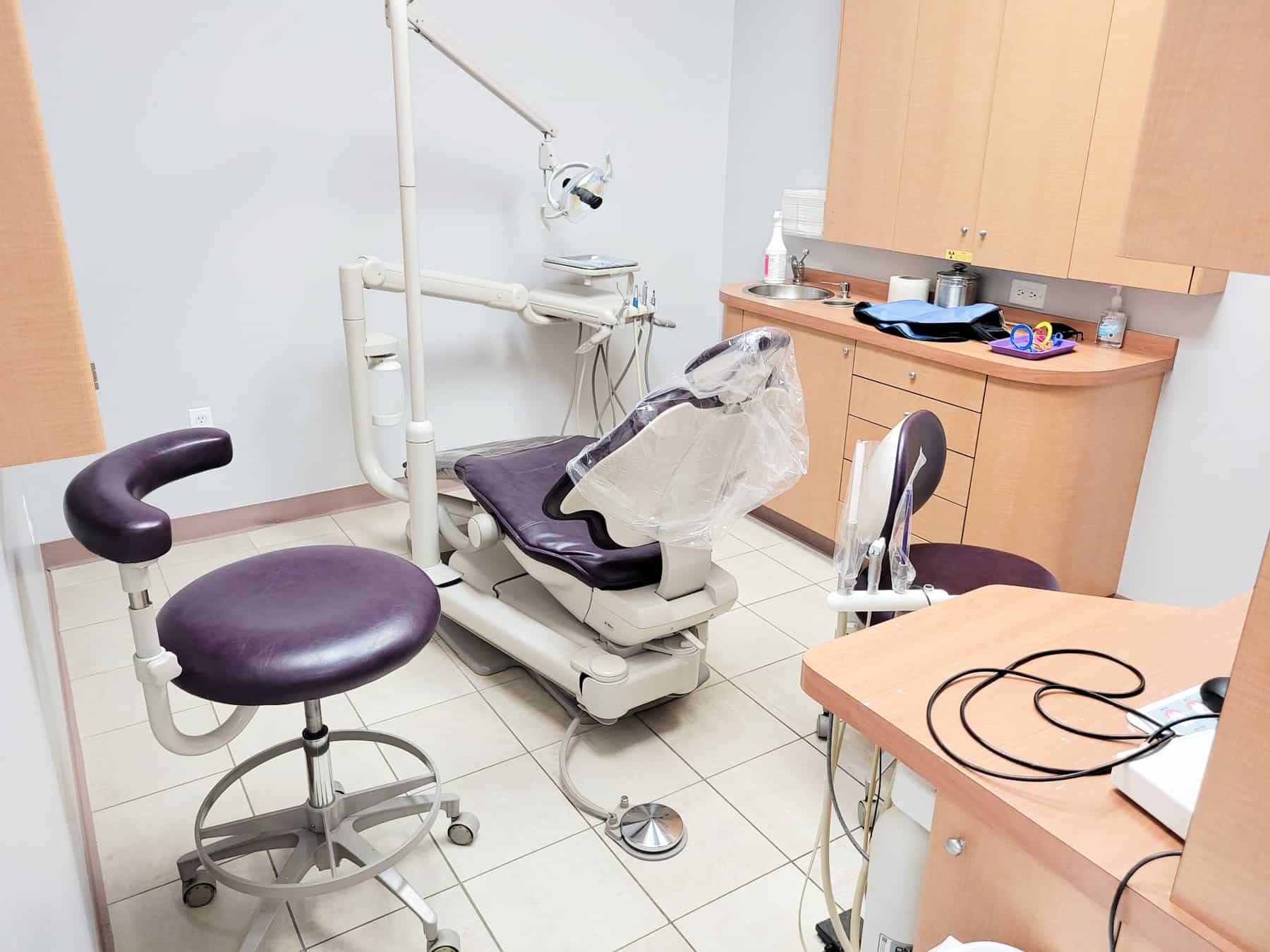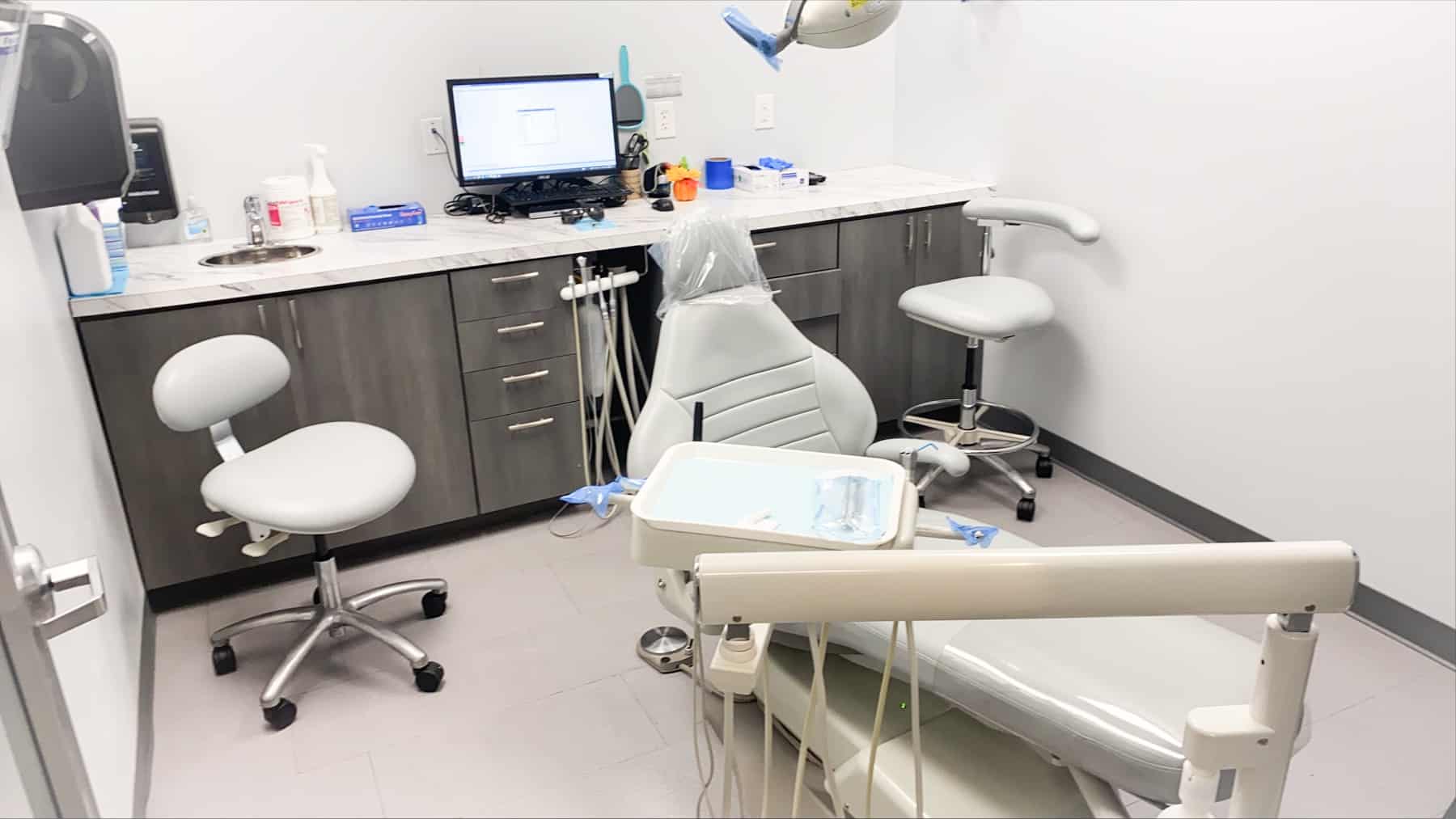


Dental emergencies happen when you least expect them. A sudden toothache at midnight, a knocked-out tooth during a weekend soccer game, or a broken crown on a Friday evening can leave you searching frantically for an "emergency dentist near me." Understanding what constitutes a true dental emergency, knowing where to find immediate care, and recognizing the steps to take before you reach the dentist can make the difference between saving or losing a tooth. This comprehensive guide walks you through everything you need to know about emergency dental care, from identifying urgent situations to locating same-day treatment options in your community.
What Qualifies as a Dental Emergency
Not every dental issue requires immediate attention, but certain conditions demand urgent care to prevent permanent damage or severe complications. Knowing the difference between a routine dental problem and a true emergency helps you make informed decisions about when to seek immediate treatment.
Severe Toothaches and Infections
A persistent, throbbing toothache accompanied by swelling, fever, or facial pain indicates a serious infection that requires immediate attention. Dental abscesses can spread to other parts of your body if left untreated, potentially leading to life-threatening conditions. According to the National Center for Biotechnology Information’s comprehensive overview of dental emergencies, infections represent one of the most common urgent dental conditions requiring immediate intervention.
Warning signs that demand immediate care include:
- Severe, unrelenting pain that doesn't respond to over-the-counter medication
- Swelling in your face, jaw, or neck
- Fever or chills accompanying dental pain
- Difficulty breathing or swallowing
- Foul taste in your mouth with persistent drainage
Knocked-Out or Dislodged Teeth
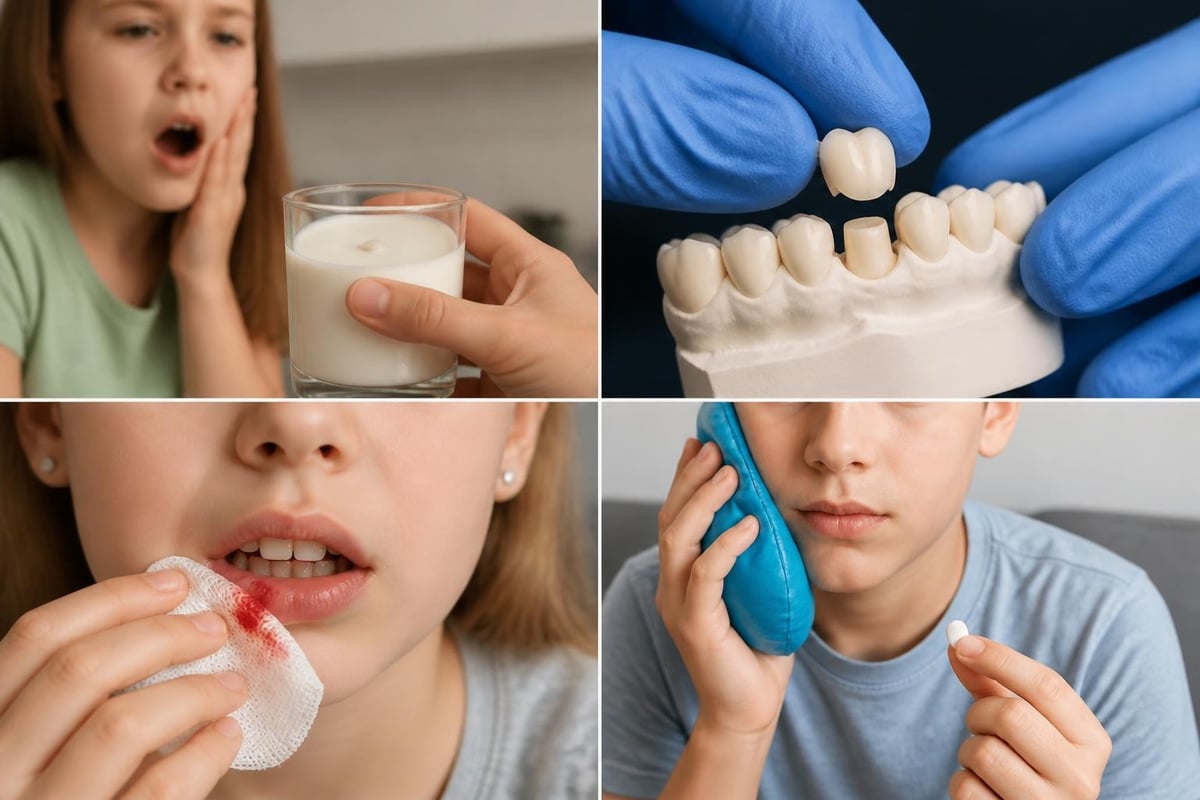
When a permanent tooth gets completely knocked out, you have approximately 30 to 60 minutes to save it. Time is the most critical factor in tooth reimplantation success. Handle the tooth only by the crown (the white part), rinse it gently with water if dirty, and try to place it back in the socket if possible. If you cannot reinsert it, keep the tooth moist in milk or saliva until you reach an emergency dentist.
Partially dislodged teeth also require immediate attention. Apply gentle pressure to reposition the tooth, but do not force it. Use a cold compress to manage swelling and pain while you seek emergency care.
Broken, Cracked, or Fractured Teeth
The severity of a broken tooth determines whether it constitutes an emergency. A minor chip might wait for a scheduled appointment, but certain fractures demand immediate attention.
| Fracture Type | Urgency Level | Immediate Action |
|---|---|---|
| Minor chip (no pain) | Low | Schedule regular appointment |
| Cracked tooth with pain | High | Seek same-day care |
| Vertical root fracture | Urgent | Immediate emergency treatment |
| Split tooth | Urgent | Emergency care within hours |
| Fractured cusp | Moderate | Same-day or next-day care |
Sharp edges from broken teeth can cut your tongue, cheeks, or lips. Cover any sharp areas with dental wax or sugar-free gum until you receive professional treatment.
Finding an Emergency Dentist Near Me
When dental pain strikes, your first instinct might be to search "emergency dentist near me" on your phone. While this approach works, understanding your options beforehand ensures you receive the right care at the right time.
Types of Emergency Dental Services Available
Emergency dental care comes in several forms, each serving different needs and timeframes. General dental practices, including facilities like Dental Plus Clinic, often reserve time slots for urgent cases during regular business hours. These practices typically handle most dental emergencies efficiently while maintaining your continuity of care.
Dedicated emergency dental clinics operate extended hours, including evenings, weekends, and holidays. These facilities specialize in urgent care and can accommodate walk-in patients without appointments. Hospital emergency rooms treat severe dental trauma, uncontrolled bleeding, and life-threatening infections, though they typically provide stabilization rather than definitive dental treatment.
How to Locate Same-Day Dental Care
- Call your regular dentist first – Many practices, including our locations across Texas, accommodate emergency patients even outside their regular schedules
- Search online directories – Platforms like Authority Dental’s emergency dentist finder connect you with providers offering immediate appointments
- Check dental school clinics – University dental programs often provide emergency services at reduced costs
- Contact your dental insurance – Many plans include 24/7 emergency hotlines that direct you to in-network providers
- Use telehealth consultations – Virtual assessments can determine whether your situation requires immediate in-person care
The American Dental Association provides guidelines emphasizing that dental practices should have protocols for handling emergency situations, including after-hours contact information.
Questions to Ask When Calling for Emergency Care
Before heading to an emergency dentist, gather important information to ensure efficient treatment:
- What are your emergency appointment availability and wait times?
- Do you accept my dental insurance or offer payment plans?
- What diagnostic equipment is available on-site (X-rays, CT scans)?
- Can you perform the necessary procedure today, or will I need a referral?
- What should I do to manage pain until my appointment?
Common Dental Emergencies and Immediate Actions
Understanding how to respond to dental emergencies before professional help arrives can significantly impact treatment outcomes. Proper first aid preserves dental structures and minimizes complications.
Lost Fillings and Crowns
When a filling falls out, the exposed tooth structure becomes vulnerable to temperature sensitivity, bacteria, and further decay. Temporary dental cement available at pharmacies can protect the area until you see a dentist. Avoid chewing on that side of your mouth and maintain excellent oral hygiene around the affected tooth.
Lost crowns should be cleaned and saved. You can temporarily reattach a crown using dental cement or denture adhesive, but this provides only short-term protection. Schedule an emergency appointment within 24 hours, as prolonged exposure can damage the underlying tooth structure.
Soft Tissue Injuries
Cuts, lacerations, or puncture wounds to your tongue, cheeks, lips, or gums require immediate attention if bleeding persists beyond 15 minutes. The Merck Manual’s overview of dental emergencies outlines proper management of oral trauma and soft tissue injuries.
Immediate steps for soft tissue injuries:
- Rinse your mouth with a mild saltwater solution
- Apply pressure using clean gauze for 10-15 minutes
- Use a cold compress on the outside of your mouth to reduce swelling
- Seek emergency care if bleeding doesn't stop or the wound is deep
- Visit an emergency room for severe lacerations requiring sutures
Jaw Pain and TMJ Issues
Sudden, severe jaw pain accompanied by difficulty opening your mouth, clicking sounds, or jaw locking may indicate temporomandibular joint (TMJ) disorders or jaw dislocation. While not always classified as emergencies, these conditions warrant prompt evaluation when pain becomes unbearable or limits your ability to eat or speak.
Apply ice packs to reduce inflammation, stick to soft foods, and avoid wide jaw movements. If you cannot close your mouth or experience severe pain, seek emergency dental care to rule out dislocation or fracture.
What to Expect During an Emergency Dental Visit
Your first emergency dental appointment follows a structured approach designed to address immediate concerns while planning for long-term solutions. Understanding this process reduces anxiety and helps you prepare appropriately.
Initial Assessment and Diagnosis
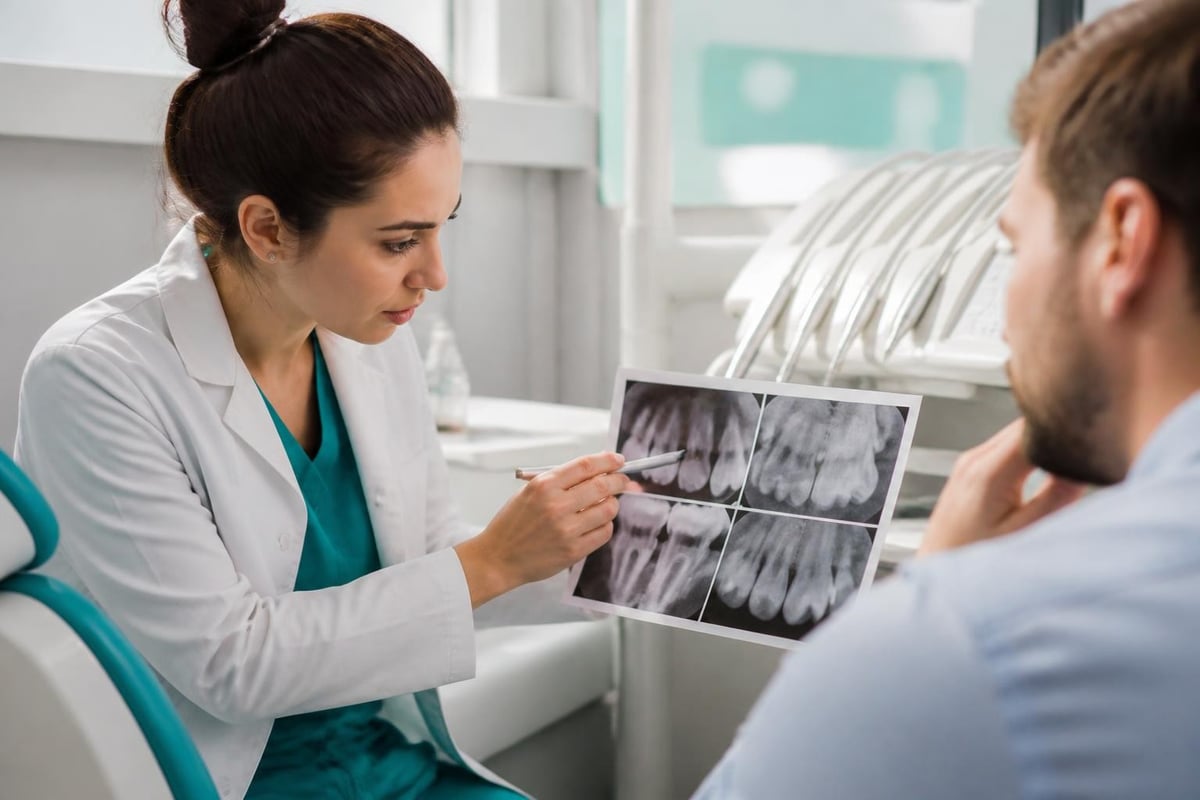
The dentist begins with a thorough examination of the affected area, reviewing your symptoms, medical history, and the circumstances surrounding the emergency. Digital X-rays or other diagnostic imaging help identify the extent of damage, hidden fractures, or underlying infections.
Pain management takes priority during emergency visits. The dental team administers local anesthesia or other appropriate pain relief before proceeding with treatment. They also assess whether your condition requires immediate intervention or can wait for a follow-up appointment with specialized care.
Emergency Treatment Options
Treatment varies based on the specific emergency and its severity. Some procedures can be completed during your initial visit, while others require multiple appointments.
| Emergency Condition | Immediate Treatment | Follow-up Required |
|---|---|---|
| Knocked-out tooth | Reimplantation and splinting | Root canal therapy |
| Severe infection | Drainage and antibiotics | Root canal or extraction |
| Broken crown | Temporary crown placement | Permanent crown fabrication |
| Cracked tooth | Bonding or temporary filling | Crown or root canal |
| Abscess | Incision and drainage | Definitive treatment |
For patients with complex dental emergencies requiring extensive reconstruction, facilities offering comprehensive treatment options can develop integrated care plans addressing both immediate and long-term needs.
Pain Management and Medications
Emergency dentists prescribe medications to manage pain, control infection, and reduce inflammation following urgent treatment. Common prescriptions include antibiotics for infections, anti-inflammatory medications to reduce swelling, and pain relievers for discomfort management.
Always inform your dentist about existing medications, allergies, and medical conditions that might affect treatment. Follow medication instructions precisely, complete the full course of antibiotics even if symptoms improve, and contact your dentist if side effects develop.
Cost Considerations for Emergency Dental Care
Financial concerns should never prevent you from seeking necessary emergency dental treatment, but understanding costs and payment options helps you make informed decisions.
Insurance Coverage for Emergency Visits
Most dental insurance plans cover emergency services, though coverage levels vary significantly. Traditional plans typically cover 50-80% of emergency procedures after your deductible is met. Understanding your dental insurance benefits before an emergency occurs prevents confusion when you need urgent care.
Key insurance considerations:
- Emergency exams and X-rays are usually covered at preventive care levels (80-100%)
- Restorative procedures receive basic or major service coverage (50-80%)
- Annual maximums apply to emergency services like any other dental treatment
- Out-of-network emergency care may result in higher out-of-pocket costs
- Some plans waive waiting periods for emergency procedures
If your dental insurance denies coverage for emergency treatment, request a detailed explanation and explore appeal options. Documentation supporting the emergency nature of your treatment strengthens appeal cases.
Payment Plans and Financing Options
Many dental practices offer flexible payment arrangements for emergency services. Payment plans allow you to spread treatment costs over several months, making urgent care accessible even without insurance coverage.
Third-party healthcare financing companies provide credit lines specifically for medical and dental expenses. These programs often feature promotional periods with zero or low interest rates, making expensive emergency procedures more affordable.
For patients in Texas considering long-term restorative solutions following emergency treatment, exploring dental implant financing options can help you plan comprehensive care within your budget.
Preventing Future Dental Emergencies
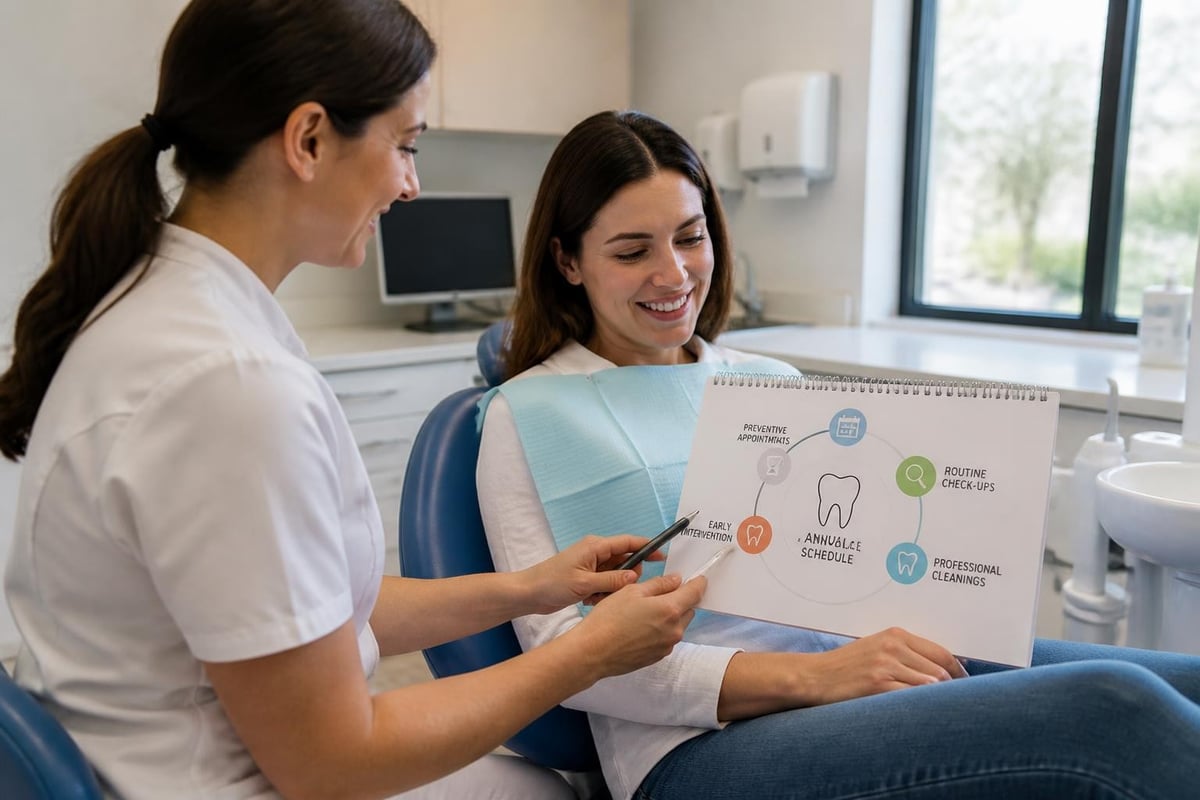
While not all dental emergencies are preventable, proactive measures significantly reduce your risk of urgent dental situations. Regular preventive care identifies potential problems before they escalate into emergencies.
Regular Dental Check-ups and Maintenance
Biannual dental examinations detect early signs of decay, gum disease, and structural problems. Professional cleanings remove hardened plaque that contributes to cavities and infections. During routine visits, dentists can identify weak fillings, loose crowns, or developing cracks before they cause emergencies.
Preventive services that reduce emergency risk:
- Comprehensive oral examinations every six months
- Professional teeth cleaning and scaling
- Digital X-rays to detect hidden problems
- Sealants to protect vulnerable tooth surfaces
- Fluoride treatments to strengthen enamel
- Nightguards for patients who grind their teeth
Protective Equipment for Sports and Activities
Athletes face higher risks of dental trauma from contact sports and recreational activities. Custom-fitted mouthguards provide superior protection compared to store-bought alternatives, cushioning impacts that could otherwise crack teeth or damage soft tissues.
Children and teenagers participating in sports should always wear appropriate protective gear. Parents searching for a pediatric dentist should prioritize providers who offer custom athletic mouthguards as part of preventive care.
Addressing Dental Problems Promptly
Minor dental issues rarely improve without treatment and often worsen over time. A small cavity becomes an abscess, a minor crack spreads into a major fracture, and early gum disease progresses to painful infections. Addressing problems when they're small prevents emergency situations and reduces treatment costs.
Schedule appointments as soon as you notice sensitivity, discomfort, or visible changes in your teeth or gums. Early intervention preserves tooth structure and often requires less invasive, less expensive treatments than emergency procedures.
Emergency Dental Care for Special Populations
Certain groups face unique challenges when dental emergencies occur. Understanding these specific needs ensures appropriate care for everyone.
Children and Dental Emergencies
Pediatric dental emergencies require specialized attention due to developmental considerations and the presence of both primary and permanent teeth. Young children may have difficulty communicating symptoms, and dental trauma can affect developing permanent teeth beneath the gum line.
When a child loses a baby tooth prematurely due to trauma, dentists may recommend space maintainers to prevent orthodontic problems. However, knocked-out baby teeth should not be reimplanted, as this can damage permanent teeth developing underneath.
Parents should seek providers experienced in pediatric dentistry who create comfortable, anxiety-free environments for young patients facing emergency situations. Child-friendly approaches to emergency care reduce trauma and establish positive dental experiences.
Seniors with Complex Medical Histories
Older adults often take multiple medications and manage chronic conditions that complicate emergency dental treatment. Blood thinners, diabetes, heart conditions, and osteoporosis medications all influence treatment approaches and healing processes.
Emergency dentists must coordinate with physicians when treating seniors with complex medical histories. Antibiotics may interact with existing medications, and certain procedures require medical clearance or medication adjustments before treatment.
Pregnant Patients and Urgent Dental Care
Dental emergencies during pregnancy require careful management to ensure both maternal and fetal safety. The second trimester is generally considered the safest period for dental procedures, but true emergencies receive treatment at any stage of pregnancy.
Local anesthetics commonly used in dentistry are safe during pregnancy, and untreated dental infections pose greater risks than appropriate emergency treatment. Dentists may modify treatment approaches, limit X-ray exposure, and coordinate with obstetricians when treating pregnant patients.
Emergency Dental Resources and Support
Access to reliable information and support networks helps you navigate dental emergencies with confidence. Multiple resources provide guidance during urgent situations.
24/7 Dental Helplines
Many dental insurance providers and professional organizations operate round-the-clock helplines offering guidance for dental emergencies. These services help you determine whether your situation requires immediate care or can wait for a regular appointment.
Resources like Patient Relief connect individuals with emergency dental practices nationwide, providing 24/7 access to urgent care services when your regular dentist is unavailable.
Online Resources and Mobile Apps
Several websites and mobile applications help you locate emergency dental services in your area. Dentaly’s emergency dentist guide offers practical advice on identifying emergencies and finding immediate care.
Digital platforms provide symptom checkers, first-aid instructions, and provider directories specifically designed for urgent dental situations. While these resources offer valuable guidance, they should not replace professional evaluation when you experience severe pain or trauma.
Community Health Centers and Safety Net Providers
Federally qualified health centers and community dental clinics provide emergency services regardless of ability to pay. These facilities serve as critical safety nets for individuals without insurance or financial resources to access private emergency care.
Local health departments maintain directories of low-cost and sliding-scale dental providers in your area. Many dental schools also operate emergency clinics offering quality care at reduced fees, supervised by experienced faculty members.
Frequently Asked Questions About Emergency Dental Care
When should I go to the emergency room instead of an emergency dentist?
Visit a hospital emergency room for life-threatening conditions including uncontrolled bleeding, difficulty breathing or swallowing, severe facial trauma with suspected fractures, or infections causing high fever and facial swelling. Emergency rooms stabilize critical conditions but typically refer you to a dentist for definitive treatment. For urgent dental issues without systemic complications, an emergency dentist provides more appropriate and comprehensive care.
How much does an emergency dental visit typically cost?
Emergency dental visit costs vary based on the complexity of your situation and required treatment. Basic emergency exams range from $50 to $200, while X-rays add $25 to $250. Simple procedures like temporary fillings cost $100 to $300, whereas complex treatments like root canals or extractions range from $500 to $1,500 or more. Having dental insurance significantly reduces out-of-pocket expenses, and many practices offer payment plans for uninsured patients.
Can I use urgent care or teledentistry for dental emergencies?
Teledentistry provides valuable triage services, helping you determine whether your situation requires immediate in-person care or can wait for a scheduled appointment. Virtual consultations can also prescribe pain medication or antibiotics for infections. However, most dental emergencies require hands-on examination and treatment that only in-person visits provide. Urgent care centers typically lack dental equipment and expertise, referring dental emergencies to appropriate providers.
What if my emergency happens on a weekend or holiday?
Many dental practices maintain on-call services for established patients experiencing emergencies outside regular hours. When you search for an "emergency dentist near me," prioritize providers offering extended hours, weekend availability, or emergency contact numbers. Dedicated emergency dental clinics operate seven days a week, and hospital emergency departments provide 24/7 access for severe cases. Keep your dentist's emergency contact information readily available before urgent situations arise.
Will my regular dentist see me for emergencies?
Most established dental practices prioritize emergency appointments for existing patients. When you develop a relationship with a regular dentist, you gain access to their emergency protocols and after-hours contact information. However, if your regular dentist cannot accommodate your emergency, they typically provide referrals to colleagues who can. Finding emergency dental care becomes easier when you maintain ongoing relationships with dental providers in your community.
How quickly do I need to act for different dental emergencies?
Time sensitivity varies by emergency type. Knocked-out permanent teeth require treatment within 30-60 minutes for the best chance of successful reimplantation. Severe infections with facial swelling need same-day treatment to prevent dangerous complications. Broken teeth causing severe pain should receive care within 24 hours, while lost fillings or minor chips can often wait for next-available appointments. When in doubt, contact a dental professional immediately for guidance on your specific situation.
Can emergency dentists perform all types of dental procedures?
Most emergency dentists can handle common urgent situations including infections, extractions, temporary restorations, and trauma management. However, complex procedures like dental implants or extensive reconstructive work typically require scheduled appointments with appropriate preparation and planning. Emergency visits focus on pain relief, infection control, and stabilization, with follow-up appointments arranged for comprehensive treatment when needed.
Geographic Considerations for Finding Emergency Dental Care in Texas
Texas residents benefit from numerous emergency dental options across the state's diverse communities. Understanding local resources in your specific area ensures faster access to care when emergencies occur.
Urban vs. Rural Emergency Dental Access
Major metropolitan areas typically offer multiple emergency dental providers with extended hours and walk-in availability. Cities feature dedicated emergency clinics, hospital-based dental services, and numerous general practices accommodating urgent cases. However, rural communities may have limited after-hours options, requiring residents to travel to larger towns for emergency care.
Planning ahead becomes especially important for rural Texas residents. Establish relationships with local dental providers, understand their emergency protocols, and identify the nearest emergency dental services before urgent situations arise. Some rural dentists coordinate with colleagues in neighboring communities to ensure continuous emergency coverage.
Regional Emergency Dental Resources
Different Texas regions offer varying levels of emergency dental infrastructure. Central Texas communities like Leander, New Braunfels, and Seguin provide accessible emergency care through established dental practices and regional health centers.
South Texas areas including Beeville and Converse feature dental providers equipped to handle urgent cases while serving diverse patient populations. Understanding resources available in your specific community helps you respond effectively when emergencies occur.
Building a Relationship with Your Emergency Dental Provider
While emergency situations require immediate responses, establishing ongoing relationships with dental providers creates smoother emergency experiences and better continuity of care.
Benefits of Consistent Dental Care
Patients who maintain regular dental relationships enjoy several advantages during emergencies. Your established dentist already knows your medical history, previous treatments, and specific oral health challenges. This familiarity enables faster diagnosis and more personalized emergency treatment approaches.
Consistent care also means your dental records, including recent X-rays and treatment plans, are immediately accessible during emergencies. This comprehensive information helps emergency providers make informed decisions without duplicating diagnostic procedures or requesting records from multiple locations.
Establishing Emergency Protocols with Your Dentist
During routine appointments, discuss emergency procedures with your dental team. Obtain after-hours contact information, understand the practice's emergency availability, and clarify what steps to take if urgent situations arise outside regular hours. Many practices provide emergency instruction cards with critical contact information and basic first-aid guidance.
Ask whether your dentist participates in emergency coverage networks with colleague practices. Understanding these arrangements ensures you know where to seek care if your regular provider is unavailable when emergencies occur.
Maintaining Updated Contact Information
Keep your dentist's contact information, including emergency numbers, saved in your phone and written in an easily accessible location at home. Update your dental practice whenever your contact information, insurance coverage, or medical conditions change. Current information facilitates efficient communication during stressful emergency situations.
Making the Most of Your Emergency Dental Visit
Proper preparation maximizes the effectiveness of emergency dental appointments and contributes to better treatment outcomes.
Information to Bring to Your Appointment
Gather relevant information before your emergency visit to streamline the intake process and ensure comprehensive care. Bring your insurance card, photo identification, a list of current medications including supplements, and information about allergies or medical conditions. If you have recent dental X-rays or treatment records from another provider, bringing copies helps your emergency dentist understand your oral health history.
Essential items for emergency dental visits:
- Current dental insurance information and photo ID
- Complete medication list with dosages
- Medical history including chronic conditions and allergies
- Contact information for your regular dentist and primary care physician
- The damaged tooth, crown, or dental appliance if applicable
Communicating Symptoms Effectively
Clearly describing your symptoms helps dentists diagnose problems accurately and develop appropriate treatment plans. Explain when symptoms started, what makes pain better or worse, and whether you've noticed swelling, fever, or other concerning signs. Mention any home remedies or medications you've already tried.
Be specific about pain characteristics such as sharp, throbbing, constant, or intermittent. Describe exactly which tooth hurts if you can identify it, and mention whether the pain radiates to other areas of your face, jaw, or head. Honest, detailed symptom descriptions contribute to faster, more accurate diagnoses.
Following Post-Treatment Instructions
Emergency dental treatment succeeds only when patients follow post-procedure instructions carefully. Take prescribed medications as directed, maintain recommended oral hygiene practices, and observe activity restrictions to promote proper healing. Contact your dentist immediately if you experience unexpected bleeding, severe pain, allergic reactions, or other complications.
Schedule and attend all recommended follow-up appointments. Many emergency treatments represent temporary solutions requiring additional care for permanent resolution. Root canal therapy, crown placement, or tooth extraction follow-ups ensure comprehensive treatment and prevent recurring emergencies.
Long-Term Solutions Following Emergency Dental Care
Emergency dental treatment addresses immediate problems, but long-term solutions restore full function and aesthetics while preventing future complications.
Restorative Options After Emergency Treatment
Following emergency stabilization, patients often require restorative procedures to permanently address damaged teeth. Treatment options depend on the extent of damage and your personal goals for dental health and appearance.
Modern restorative dentistry offers solutions ranging from conservative repairs to comprehensive reconstructions. Dental implants replace teeth that cannot be saved, while crowns restore broken teeth to full strength and function. Porcelain veneers address aesthetic concerns following dental trauma affecting front teeth.
Coordinating Specialty Care
Complex dental emergencies may require coordinated care from multiple specialists. Endodontists perform intricate root canal procedures, oral surgeons handle severe trauma and extractions, and periodontists treat gum-related emergencies. Your emergency dentist coordinates referrals and ensures seamless communication between providers.
Understanding when specialist care becomes necessary helps you navigate the treatment process confidently. Comprehensive dental practices often provide in-house specialty services, streamlining care coordination and reducing the need for multiple appointments at different locations.
Investing in Preventive Solutions
Following emergency treatment, consider preventive measures that reduce future emergency risks. Custom nightguards protect teeth from grinding damage, athletic mouthguards prevent sports-related trauma, and regular maintenance appointments identify problems before they become emergencies.
For patients with recurring dental emergencies or extensive treatment needs, comprehensive care plans address underlying issues systematically. These structured approaches combine immediate problem resolution with long-term preventive strategies and restorative solutions.
Finding reliable emergency dental care doesn't need to be stressful when you know where to look and what to expect. Whether you're dealing with a knocked-out tooth, severe infection, or sudden dental pain, understanding your options and acting quickly makes all the difference in treatment outcomes. For Texas families seeking comprehensive dental care with emergency services available when you need them most, Dental Plus Clinic provides patient-focused treatment across five convenient locations in Beeville, Seguin, New Braunfels, Leander, and Converse, ensuring you and your family receive quality care during both routine appointments and urgent situations.